Taxonomy & Classification
- Kingdom
- Animalia
- Phylum
- Chordata
- Class
- Actinopterygii
- Order
- Salmoniformes
- Family
- Salmonidae
- Genus
- Oncorhynchus
- Species
- Oncorhynchus tshawytscha

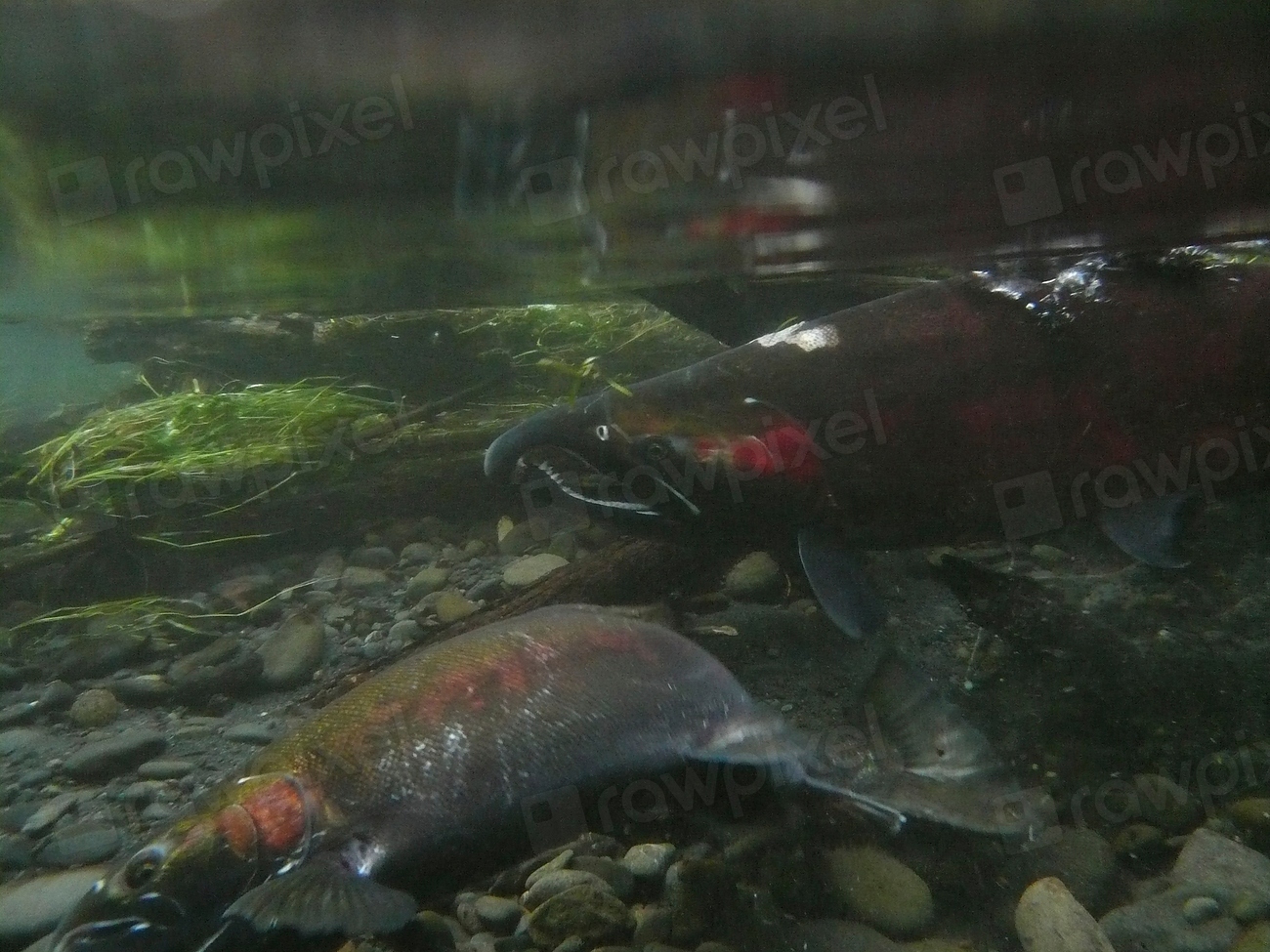 Photo Credit: National Park Service / Rawpixel
In the shimmering waters of the Northern Pacific, the Chinook salmon, or Oncorhynchus tshawytscha, glides gracefully through its aquatic realm. With its sleek, streamlined body and striking coloration that shifts from deep blue to silver, this magnificent fish captures the attention of anyone lucky enough to spot it. As the largest of the Pacific salmon species, Chinook can weigh up to 130 pounds and grow over three feet long, making them a true giant of the rivers and oceans. Their impressive size and vibrant hues are just the beginning of what makes them so captivating to scientists and nature enthusiasts alike.
Chinook salmon are not just remarkable for their appearance; they also play a crucial role in the ecosystem. These fish are born in freshwater rivers, where they begin their life cycle before migrating to the ocean. After spending years in the vast sea, they return to their birthplace to spawn, a journey that can cover hundreds of miles. This incredible migration is a testament to their strength and endurance, and it highlights their importance in the food web. As both predator and prey, Chinook salmon help maintain the balance of life in their environment, making them a keystone species. Their fascinating life story, from river to ocean and back again, invites us to explore the wonders of the natural world and understand the delicate connections that sustain it.
The Chinook salmon, known scientifically as Oncorhynchus tshawytscha, holds a special place in the animal kingdom. This remarkable fish is part of the family Salmonidae, which includes other well-known species like trout and other salmon. What sets the Chinook apart is its impressive size; it is the largest of all Pacific salmon, capable of reaching lengths of over three feet and weights of up to 140 pounds! This fish is not just a giant in the water; it also plays a crucial role in the ecosystems it inhabits, serving as both predator and prey. Its life cycle, which includes a remarkable journey from freshwater rivers to the vast ocean and back again, showcases the incredible adaptability and resilience of this species.
| Taxonomic Rank | Scientific Name | Meaning & Significance |
|---|---|---|
| Kingdom | Animalia | This rank includes all animals, highlighting the Chinook salmon’s status as a living organism that moves and interacts with its environment. |
| Phylum | Chordata | Chordata means “having a notochord,” which is a flexible rod that supports the body. This feature is present in all vertebrates, including the Chinook salmon. |
| Class | Actinopterygii | This class includes ray-finned fishes, characterized by their bony skeletons and fins supported by thin rays, allowing for agile swimming. |
| Order | Salmoniformes | This order groups together fish that share similar traits, such as a streamlined body and a life cycle that often involves migration between freshwater and saltwater. |
| Family | Salmonidae | This family encompasses salmon and trout, known for their importance in both ecosystems and human culture, often sought after for food and sport. |
| Genus | Oncorhynchus | Oncorhynchus translates to “hooked snout,” referring to the distinctive shape of the Chinook’s mouth, especially in males during spawning season. |
| Species | tshawytscha | This name comes from the Native American word for the fish, reflecting its deep cultural significance and historical presence in the Pacific Northwest. |
The classification of Chinook salmon reveals much about its evolutionary journey. As a member of the Salmonidae family, it shares a common ancestor with other salmon and trout, indicating a long history of adaptation to various aquatic environments. The unique features that define the Chinook, such as its size and migratory behavior, are products of millions of years of evolution, allowing it to thrive in both freshwater and marine habitats. Understanding its taxonomic position not only highlights its biological characteristics but also emphasizes its ecological importance and the intricate web of life it is part of.
The evolutionary journey of the Chinook salmon, or Oncorhynchus tshawytscha, stretches back millions of years, tracing its roots to ancient fish that swam in the oceans and rivers of the Earth. This species is part of the family Salmonidae, which has adapted over time to thrive in diverse aquatic environments. The Chinook salmon’s story is one of resilience and transformation, showcasing how life can evolve in response to changing habitats and climates.
The ancestors of Chinook salmon were likely similar to other primitive fish that lived in freshwater and marine environments. Over time, these early fish developed the ability to migrate between the ocean and rivers, a trait known as anadromy. This means they are born in freshwater, migrate to the ocean to grow, and return to freshwater to spawn. This remarkable transition allowed them to exploit the rich food resources of the ocean while still returning to their natal streams to reproduce.
These adaptations have been crucial for the survival of Chinook salmon in a world that is constantly changing. Their ability to migrate between freshwater and saltwater not only maximizes their access to food but also helps ensure the continuation of their species. As they navigate the challenges of their environment, from predators to habitat loss, these evolutionary traits have equipped them to thrive in both the ocean’s depths and the rivers of their birth. The Chinook salmon’s story is a testament to the power of adaptation in the natural world.
The Chinook salmon is a stunning fish that captures the imagination with its sleek, streamlined body. This powerful swimmer can grow impressively large, reaching weights of up to 59 kilograms, or about 130 pounds. Its form is designed for speed and agility, with a long, torpedo-like shape that allows it to navigate both the open ocean and swift river currents with ease. The Chinook’s skin glistens with silvery scales, reflecting light like a shimmering mirror, which helps it blend into the water and evade predators.
| Feature | Description |
|---|---|
| Weight | Up to 59 kg (130 lbs) |
| Skin Type | Scales |
| Most Distinctive Feature | Silvery scales |
These physical characteristics are not just for show; they play vital roles in the Chinook salmon’s survival. The silvery scales provide camouflage against the shimmering backdrop of water, making it harder for predators to spot them. Their robust body shape allows for powerful swimming, essential for migrating long distances from the ocean to freshwater rivers to spawn. Together, these features create a perfect blend of beauty and functionality, enabling the Chinook salmon to thrive in diverse aquatic environments.
The Chinook salmon thrives in the cool, clear waters of the Northern Pacific, where rivers and oceans meet in a dance of life. These fish are often found in coastal areas, where they can swim freely between freshwater rivers and the vast ocean. Imagine a shimmering river flowing through lush forests, with sunlight filtering through the leaves, creating a magical underwater world. This is where Chinook salmon begin their journey, hatching in freshwater streams before embarking on their epic migrations to the open sea.
Chinook salmon prefer a specific climate that supports their life cycle. They thrive in waters that are cool, typically ranging from 10 to 15 degrees Celsius (50 to 59 degrees Fahrenheit). These fish are sensitive to temperature changes, as warmer waters can affect their oxygen levels and overall health. They also require clean, well-oxygenated water, which is essential for their survival and growth. The rivers they inhabit often have gravel beds, perfect for laying eggs, and plenty of vegetation to provide shelter and food.
Over time, Chinook salmon have developed impressive adaptations to their habitats. Their streamlined bodies allow them to swim efficiently against strong currents, while their keen sense of smell helps them navigate back to their spawning grounds. They can also tolerate a range of salinity levels, meaning they can thrive in both freshwater and saltwater environments. This adaptability is crucial for their survival, especially as they migrate long distances from rivers to the ocean and back again.
Chinook salmon lead a dynamic daily life that revolves around their aquatic environment. As they swim through the cool waters of the Northern Pacific, these fish engage in various activities that are essential for their survival. During the day, they often hunt for food, primarily feasting on smaller fish, crustaceans, and even insects. Their keen sense of smell helps them locate prey, while their powerful tails propel them swiftly through the water. As evening approaches, they may seek shelter in deeper waters or among underwater structures, resting and conserving energy for the next day’s adventures.
Socially, Chinook salmon are known to form schools, which are groups of fish that swim together. This behavior is not just for companionship; it also offers protection from predators. When in a school, the fish can confuse potential threats with their synchronized movements. Within these groups, there is a hierarchy, with larger and stronger individuals often taking the lead. Communication among them is vital, as they use body language and subtle movements to signal each other about food sources or dangers lurking nearby.
| Behavior Type | Description |
|---|---|
| Activity Patterns | Chinook salmon actively hunt for food during the day, using their keen sense of smell to locate prey. |
| Social Structure | They form schools for protection and social interaction, with larger fish often leading the group. |
| Communication Methods | These fish communicate through body language and movements, signaling each other about food and threats. |
The behaviors of Chinook salmon are finely tuned to ensure their survival in a challenging environment. By forming schools, they enhance their chances of evading predators and finding food. Their ability to communicate effectively within these groups allows them to respond quickly to changes in their surroundings. Together, these daily activities and social dynamics create a robust strategy for thriving in the wild, showcasing the intricate balance of life beneath the waves.
Chinook salmon are carnivores, meaning they primarily eat other animals. Their diet consists mainly of crustaceans, insects, and smaller fish. These fish are skilled hunters, using their keen eyesight and swift swimming abilities to locate and capture their prey. As they navigate through the waters, they often hunt in schools, which helps them find food more efficiently and provides safety in numbers.
| Dietary Aspect | Details |
|---|---|
| Diet Type | Carnivore |
| Favorite Foods | Crustaceans, insects, and smaller fish |
| Prey Items | Small shrimp, krill, and various fish species |
| Hunting/Foraging Strategies | Using keen eyesight and speed, often hunting in schools |
The diet of Chinook salmon plays a crucial role in their ecology and daily routine. By consuming a variety of prey, they help maintain the balance of their aquatic ecosystem. Their hunting habits not only support their growth and energy needs but also influence the populations of the species they prey upon. This interconnectedness highlights the importance of Chinook salmon in their environment, as they contribute to the health of both freshwater and marine ecosystems.
When it comes to reproduction, Chinook salmon display a captivating ritual that begins in the fall. As the water cools, adult salmon migrate upstream from the ocean to the freshwater rivers where they were born. This journey can be quite challenging, as they leap over waterfalls and navigate through rapids. During this time, males and females engage in a courtship dance, where males display their vibrant colors and perform acrobatic jumps to attract females. Once a female selects a mate, they work together to create a nest, known as a redd, in the gravel of the riverbed.
| Reproductive Aspect | Details |
|---|---|
| Gestation Period | 3-5 months |
| Litter Size | 3,000-8,000 eggs |
| Age of Maturity | 3-7 years |
| Name of Young | Alevins |
After the eggs are laid and fertilized, the female covers them with gravel to protect them from predators. The eggs develop into alevins, tiny fish that remain in the gravel for several months, feeding off their yolk sacs. This early stage is crucial for their survival, as they are vulnerable to many dangers. Once they are ready to swim, they emerge from the gravel and begin their journey downstream. As they grow, they will eventually migrate to the ocean, where they will continue to develop into the magnificent Chinook salmon that return to their birthplace to spawn, completing the cycle of life.
Chinook salmon, or Oncorhynchus tshawytscha, play a vital role in the food web of the Northern Pacific ecosystem. As both predator and prey, they are essential for maintaining the balance of aquatic life. These fish are a key food source for a variety of animals, including birds, mammals, and even humans. Their presence supports not only their own species but also the health of the entire ecosystem.
To survive these numerous threats, Chinook salmon have developed several defensive behaviors. They often use their speed and agility to evade predators, darting swiftly through the water. When spawning, they seek out remote, shallow areas to lay their eggs, reducing the risk of predation. Additionally, their ability to migrate between freshwater and saltwater environments allows them to escape unfavorable conditions and find safer habitats. These strategies, combined with their resilience, help ensure that Chinook salmon continue to thrive in their ever-changing world.
A keystone species is an organism that has a disproportionately large impact on its environment relative to its abundance. In the case of the Chinook salmon, or Oncorhynchus tshawytscha, this fish certainly qualifies as a keystone species in its ecosystem. Its presence and life cycle significantly influence the health and stability of the aquatic environments in which it lives, particularly in the Northern Pacific.
Chinook salmon play a crucial role in nutrient cycling within their ecosystems. When they migrate upstream to spawn, they bring nutrients from the ocean into freshwater rivers. After they lay their eggs and die, their decomposing bodies enrich the surrounding soil and water, providing essential nutrients for plants and other organisms. This process supports a diverse range of life, from aquatic insects to larger fish species that rely on these nutrients for growth and survival.
Moreover, Chinook salmon are a vital food source for many predators, including bears, eagles, and even humans. These predators depend on the salmon for sustenance, and their populations are closely tied to the availability of this fish. When salmon are abundant, these predators thrive, creating a balanced food web. Additionally, the presence of Chinook salmon helps maintain the populations of smaller fish and invertebrates, as they compete for similar resources in the ecosystem.
If Chinook salmon were to disappear, the consequences would ripple through the ecosystem. Nutrient levels in freshwater habitats would decline, leading to reduced plant growth and a decline in the species that depend on those plants. Predators that rely on salmon for food would face starvation, potentially leading to their decline as well. This loss would disrupt the entire food web, demonstrating just how vital Chinook salmon are to the health and stability of their environment. The disappearance of this keystone species would not only affect the salmon themselves but would also create a cascade of negative effects throughout the ecosystem.
The Chinook salmon, known scientifically as Oncorhynchus tshawytscha, occupies a vital ecological niche in the Northern Pacific ecosystem. As a keystone species, it plays a crucial role in maintaining the balance of its environment. This fish not only serves as a food source for various predators but also contributes to nutrient cycling in both freshwater and marine habitats. By migrating from the ocean to freshwater rivers to spawn, Chinook salmon connect these two ecosystems, making them essential players in the health of their surroundings.
| Ecosystem Service | Impact |
|---|---|
| Food Source | Provides sustenance for a variety of predators, including bears, eagles, and humans. |
| Nutrient Cycling | Brings nutrients from the ocean to freshwater ecosystems, enriching the soil and water. |
| Habitat Creation | Spawning activities help create and maintain river habitats that support other species. |
| Population Control | Helps regulate populations of smaller fish and aquatic organisms through predation. |
Chinook salmon influence their environment in several specific ways. When they return to freshwater to spawn, they bring with them nutrients from the ocean, such as nitrogen and phosphorus. These nutrients enrich the river ecosystem, promoting the growth of aquatic plants and algae, which in turn support a diverse range of life. Additionally, the act of spawning creates gravel beds in rivers, which provide essential habitats for other fish species and invertebrates. As they are consumed by larger animals, the energy and nutrients from Chinook salmon continue to flow through the food web, sustaining various forms of life.
The broader ecological importance of Chinook salmon cannot be overstated. Their life cycle connects marine and freshwater ecosystems, making them a bridge between two worlds. By supporting a wide array of wildlife, they help maintain biodiversity, which is crucial for ecosystem resilience. Furthermore, the health of Chinook salmon populations can serve as an indicator of environmental changes, alerting scientists and conservationists to shifts in ecosystem health. In essence, the Chinook salmon is not just a fish; it is a vital thread in the intricate tapestry of life in the Northern Pacific.
In the intricate web of life, symbiosis refers to the close relationships between different species, where they interact in various ways. These relationships can be mutualistic, where both species benefit, parasitic, where one benefits at the other’s expense, or commensal, where one benefits while the other is neither helped nor harmed. The Chinook salmon, a vital player in the Northern Pacific ecosystem, engages in several fascinating partnerships with other species, showcasing the complexity of nature’s connections.
| Species/Type | Relationship Type | Description |
|---|---|---|
| Sea lice | Parasitic | Sea lice attach to the skin of Chinook salmon, feeding on their blood and tissues, which can weaken the fish and make them more susceptible to disease. |
| Freshwater algae | Commensal | Algae can grow on the bodies of Chinook salmon, benefiting from the movement of the fish through water while the salmon remain unaffected. |
| Grizzly bears | Mutualistic | Grizzly bears feed on spawning Chinook salmon, gaining a vital food source, while the bears help to disperse salmon nutrients into the forest through their waste. |
The evolution of these relationships has shaped the survival strategies of the Chinook salmon and its partners. Over time, these interactions have developed to enhance the fitness of the species involved. For instance, while sea lice may harm the salmon, their presence has led to adaptations in the fish’s immune system. Meanwhile, the mutualistic relationship with grizzly bears highlights how interconnected ecosystems can thrive, as the bears benefit from a rich food source while contributing to the health of the forest ecosystem. Understanding these relationships helps us appreciate the delicate balance of nature and the importance of each species in maintaining ecological harmony.
Chinook salmon are not just any fish; they are a fascinating part of the aquatic world with some surprising traits that will intrigue nature lovers of all ages. From their impressive size to their unique life cycle, these fish have stories to tell.
The Chinook salmon, or Oncorhynchus tshawytscha, has been a vital part of human history and culture for thousands of years. Indigenous peoples of the Pacific Northwest have long revered this fish, not just as a food source but as a symbol of life and abundance. The annual migration of Chinook salmon upstream to spawn is celebrated in many cultures, marking a time of renewal and connection to nature. These fish have inspired stories, art, and traditions, highlighting their importance in the lives of those who depend on them.
Today, the relationship between Chinook salmon and humanity is complex and multifaceted. As we face challenges like climate change, pollution, and habitat destruction, conservation efforts are more crucial than ever. Many organizations work tirelessly to protect salmon habitats and restore river ecosystems. However, conflicts arise as human activities, such as fishing and dam construction, can disrupt the salmon’s life cycle. Additionally, some people have turned to aquaculture, or fish farming, to meet the demand for salmon, raising questions about the impact on wild populations and ecosystems.
As we look to the future, the relationship between Chinook salmon and humanity will require careful stewardship and respect. By prioritizing sustainable practices and fostering a deeper understanding of these remarkable fish, we can ensure that future generations will continue to enjoy the beauty and bounty of Chinook salmon. Together, we can create a world where both humans and salmon thrive, maintaining the delicate balance of our shared ecosystems.
The Chinook salmon, known scientifically as Oncorhynchus tshawytscha, currently holds a conservation status of “Least Concern.” This means that, overall, the species is not facing an immediate threat of extinction. Population estimates suggest that there are millions of Chinook salmon swimming in the waters of the Northern Pacific. However, while the overall numbers are stable, certain local populations may be experiencing declines due to various environmental pressures.
| Conservation Factor | Status/Details |
|---|---|
| IUCN Status | Least Concern |
| Estimated Population Size | Millions |
| Population Trend | Stable overall, but some local declines |
Despite their overall stable status, Chinook salmon face several significant threats. Habitat loss is a major concern, as rivers are often altered for agriculture, urban development, and dam construction. These changes can disrupt their spawning grounds, making it harder for them to reproduce. Additionally, climate change is impacting water temperatures and flow patterns, which can affect their migration routes and food availability. Overfishing also poses a risk, as these fish are highly sought after for their size and taste.
Conservation efforts are underway to protect Chinook salmon and their habitats. Many organizations are working to restore river ecosystems and improve water quality. Fish ladders and other structures are being built to help salmon navigate around dams. Public awareness campaigns aim to educate communities about the importance of preserving these fish and their environments. With continued efforts, there is hope that Chinook salmon populations can remain healthy and thrive for generations to come.
| Question | Answer |
|---|---|
| Where do Chinook Salmon live? | Chinook Salmon are found in the northern Pacific Ocean, from California all the way up to Alaska. They also inhabit rivers and streams where they spawn, or lay their eggs, often returning to the same place where they were born. |
| What do Chinook Salmon eat? | Chinook Salmon are carnivores, meaning they primarily eat other animals. Their diet consists of smaller fish, squid, and various marine invertebrates, which provide them with the energy they need to grow and migrate. |
| How do Chinook Salmon behave? | Chinook Salmon are known for their incredible migratory behavior. They can travel hundreds of miles upstream to spawn, navigating through rivers and overcoming obstacles like waterfalls, showcasing their determination and strength. |
| How do Chinook Salmon reproduce? | During the spawning season, which typically occurs in late summer to early fall, female Chinook Salmon lay thousands of eggs in gravel nests called redds. Males then fertilize the eggs, and after a few months, the young salmon, called fry, hatch and begin their journey to the ocean. |
| What threats do Chinook Salmon face? | Chinook Salmon face several threats, including habitat loss due to dam construction and pollution in their rivers. Overfishing and climate change also impact their populations, making it crucial to protect their habitats and ensure sustainable fishing practices. |
| What is a unique characteristic of Chinook Salmon? | One of the most distinctive features of Chinook Salmon is their silvery scales, which help them blend into the ocean waters. This camouflage is essential for avoiding predators while they swim in the open sea. |
| How long do Chinook Salmon live? | Chinook Salmon can live for about 3 to 7 years, depending on environmental conditions and their habitat. Some individuals may even live longer, but most return to spawn after just a few years in the ocean. |