Taxonomy & Classification
- Kingdom
- Animalia
- Phylum
- Chordata
- Class
- Mammalia
- Order
- Rodentia
- Family
- Sciuridae
- Genus
- Tamias

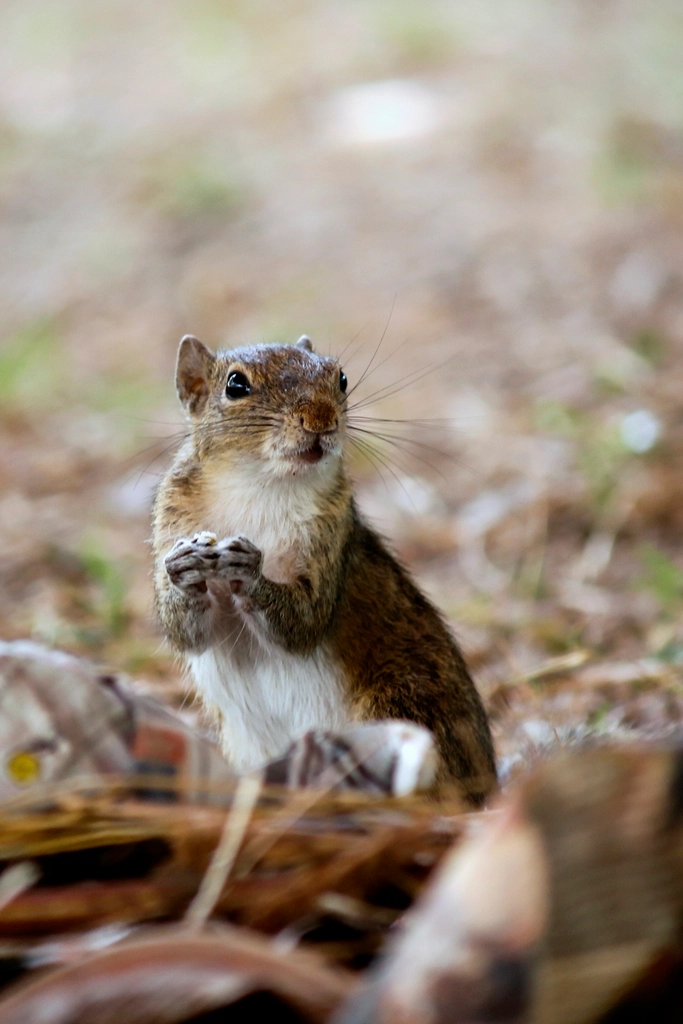 Photo Credit: Rawpixel
In the heart of a sun-dappled forest, the chipmunk, known scientifically as Tamias striatus, scurries about with a lively energy that captures the imagination. With its distinctive stripes running down its back and its tiny, twitching nose, this small mammal is a delightful sight as it flits between the underbrush and the towering trees. Chipmunks are not just cute; they are fascinating creatures that play a vital role in their ecosystem. Their energetic antics and curious nature make them a favorite among nature enthusiasts and scientists alike, who study their behaviors and interactions within the forest.
As the sun rises, the chipmunk emerges from its burrow, ready to greet the day. Its small body, measuring only about 4 to 7 inches long, is perfectly designed for life in the wild. With sharp claws for climbing and a keen sense of smell, it forages for nuts, seeds, and berries, storing food in cheek pouches to prepare for the colder months. This remarkable ability to gather and store food not only helps the chipmunk survive but also aids in the growth of new plants, making it an important player in the forest’s health. Join us as we explore the captivating world of the chipmunk, uncovering its behaviors, diet, and the vital role it plays in the intricate web of life.
The chipmunk, a small and lively member of the animal kingdom, holds a special place in the tree of life. Taxonomically, it belongs to the Kingdom Animalia, which includes all animals, and is classified under the Phylum Chordata, known for animals with a backbone. As a member of the Class Mammalia, chipmunks share traits like fur and the ability to nurse their young. They are part of the Order Rodentia, which encompasses all rodents, and belong to the Family Sciuridae, the squirrel family. The Genus Tamias, which means “to stow away” in Greek, reflects their behavior of hoarding food. This classification not only highlights their physical characteristics but also their ecological role as foragers and seed dispersers.
| Taxonomic Rank | Scientific Name | Meaning & Significance |
|---|---|---|
| Kingdom | Animalia | From Latin, meaning “animals,” representing all multicellular organisms that are not plants or fungi. |
| Phylum | Chordata | Derived from the Greek word “chordē,” meaning “string,” referring to the notochord, a flexible rod that supports the body in early development. |
| Class | Mammalia | From Latin, meaning “mammary glands,” which are used by females to feed their young with milk. |
| Order | Rodentia | From Latin, meaning “to gnaw,” highlighting the characteristic front teeth of rodents that continuously grow. |
| Family | Sciuridae | From the Greek word “skiuros,” meaning “squirrel,” which encompasses all tree-dwelling and ground-dwelling rodents. |
| Genus | Tamias | From Greek, meaning “to stow away,” reflecting the chipmunk’s habit of collecting and storing food for later use. |
The classification of the chipmunk reveals much about its evolutionary history. As a member of the rodent family, chipmunks share a common ancestor with other rodents, which dates back millions of years. Their unique adaptations, such as their cheek pouches for storing food, showcase how they have evolved to thrive in various environments. Understanding their place in the tree of life helps us appreciate the intricate connections between species and the diverse strategies they employ to survive and flourish in the wild.
The evolutionary journey of the chipmunk is a captivating tale that stretches back millions of years. These small, striped mammals belong to the family Sciuridae, which includes squirrels and their relatives. The story of chipmunks begins in the late Eocene epoch, around 34 million years ago, when their ancestors roamed the earth. Over time, these ancestors adapted to various environments, leading to the diverse forms we see today.
The earliest members of the Sciuridae family were tree-dwelling creatures that thrived in forested areas. As the climate changed and habitats evolved, some of these early squirrels began to adapt to life on the ground. This transition marked a significant shift, allowing them to exploit new food sources and escape predators more effectively. The chipmunk, specifically from the genus Tamias, emerged as a distinct group around 10 million years ago. Their small size and agile bodies made them well-suited for a life of foraging and burrowing.
The adaptations that chipmunks have developed over time have been crucial for their survival. Their striped fur not only helps them hide from predators but also allows them to thrive in various habitats, from forests to gardens. The cheek pouches are a clever way to gather and store food, ensuring they have enough to eat during lean times. Their burrowing behavior creates a safe haven, while seasonal hibernation allows them to endure the cold months when food is hard to find. Together, these traits have enabled chipmunks to flourish in diverse environments, making them a beloved part of the natural world.
The chipmunk is a delightful little mammal that captures the heart with its lively antics and charming appearance. With a body length ranging from 10 to 18 centimeters, or about 4 to 7 inches, these small creatures are perfectly designed for their woodland homes. Their slender bodies are covered in soft fur, which not only keeps them warm but also adds to their adorable look. Chipmunks have a rounded face with bright, curious eyes that seem to sparkle with mischief. Their short legs and bushy tails help them navigate through their environment with agility and grace.
| Feature | Description |
|---|---|
| Height | 10cm – 18cm (4in – 7in) |
| Weight | 57g – 113g (2oz – 4oz) |
| Skin Type | Fur |
These physical features work together to enhance the chipmunk’s survival in the wild. Their small size allows them to dart quickly through underbrush, escaping predators with ease. The soft fur not only provides insulation against the cold but also helps them blend into their surroundings, making it harder for hungry eyes to spot them. With their keen senses and agile bodies, chipmunks are well-equipped to forage for food, gather nuts, and navigate the complex world of their forest homes. Each characteristic plays a vital role in their daily lives, ensuring they thrive in their natural habitat.
The chipmunk thrives in a world of lush forests and thick woodlands, where the dappled sunlight filters through the leaves, creating a patchwork of light and shadow on the forest floor. These lively little mammals are often found scurrying among the underbrush, darting between tree roots and shrubs. Their homes are nestled in burrows, which they dig into the soft, loamy soil, providing a cozy refuge from predators and harsh weather. The sounds of rustling leaves and chirping birds fill the air, making this habitat a vibrant and bustling community.
Chipmunks prefer climates that offer a mix of warm summers and cold winters. They thrive in areas where the temperature can fluctuate, allowing them to experience the changing seasons. These little animals are well-suited to environments that provide plenty of cover, such as dense forests and shrubby areas. The rich soil in these habitats is perfect for digging their burrows, while the abundance of nuts, seeds, and berries ensures they have enough food to sustain their energetic lifestyles.
To survive in their woodland homes, chipmunks have developed several clever adaptations. Their burrows are not just simple holes; they often have multiple chambers for sleeping, storing food, and even hiding from predators. Chipmunks are also excellent climbers, using their sharp claws to navigate trees and shrubs with ease. Their striped fur provides camouflage among the dappled light of the forest, helping them blend in with their surroundings. These adaptations allow chipmunks to thrive in their habitats, making them a delightful part of the woodland ecosystem.
Chipmunks lead a busy life filled with a variety of daily activities. As dawn breaks, these energetic little mammals emerge from their burrows, ready to explore their surroundings. Their day often revolves around foraging for food, which includes seeds, nuts, fruits, and even insects. Chipmunks are known for their impressive ability to gather and store food in their cheek pouches, allowing them to transport snacks back to their burrows for later. Throughout the day, they engage in playful antics, darting between trees and shrubs, and occasionally stopping to chirp or squeak, which adds a lively soundtrack to their woodland home.
While chipmunks are primarily solitary creatures, they do have interesting social behaviors, especially during the breeding season. Males and females come together to mate, but after that, they typically go their separate ways. Chipmunks communicate with each other through a series of chirps and whistles, which can signal everything from alarm calls to friendly greetings. Although they may not form tight-knit groups like some other animals, they are aware of their neighbors and often establish territories to ensure they have enough food and space to thrive.
| Behavior Type | Description |
|---|---|
| Foraging | Chipmunks search for food, collecting seeds, nuts, and fruits, often storing them in cheek pouches for later use. |
| Territoriality | Each chipmunk establishes its own territory, which helps reduce competition for food and resources. |
| Communication | They use a variety of chirps and whistles to communicate with one another, signaling alarm or establishing presence. |
| Breeding | During mating season, males and females come together briefly, after which they return to their solitary lifestyles. |
The behaviors of chipmunks are finely tuned to ensure their survival in the wild. By foraging efficiently and storing food, they prepare for the colder months when resources are scarce. Their ability to communicate helps them navigate their environment and avoid potential dangers. Even in their solitary lives, these small mammals demonstrate a remarkable adaptability that allows them to thrive in diverse habitats. Each chirp and dash through the underbrush is a testament to their resilience and resourcefulness in the great outdoors.
Chipmunks are omnivores, which means they enjoy a varied diet that includes both plant and animal matter. These small mammals are particularly fond of nuts, seeds, fruits, and berries. They have a clever way of obtaining food, often foraging in the underbrush and using their keen sense of smell to locate tasty treats. Chipmunks are known for their energetic and playful behavior, which helps them gather food efficiently. They will often store their finds in burrows to ensure they have enough to eat during the colder months when food is scarce.
| Dietary Aspect | Details |
|---|---|
| Diet Type | Omnivore |
| Favorite Foods | Nuts, fruits, seeds, and berries |
| Prey Items | Primarily plant-based, but may include small insects |
| Hunting/Foraging Strategies | Forages in underbrush, uses keen sense of smell, and stores food in burrows |
This diverse diet plays a crucial role in the chipmunk’s ecology and daily routine. By foraging for a variety of foods, chipmunks help to disperse seeds and promote plant growth in their habitats. Their habit of storing food not only ensures their survival during winter but also contributes to the health of the ecosystem by allowing new plants to grow from the seeds they bury. Thus, chipmunks are not just adorable little foragers; they are vital players in the balance of their woodland homes.
As spring arrives, chipmunks engage in a lively courtship ritual that sets the stage for their breeding season. Males will chase females, performing a series of playful hops and chirps to attract their attention. This energetic display is not just for show; it helps establish a bond between potential mates. The breeding season typically occurs between February and April, when the days grow longer and warmer, signaling the perfect time for new life to begin.
| Reproductive Aspect | Details |
|---|---|
| Gestation Period | 30 days |
| Litter Size | 5 |
| Age of Maturity | 8 to 10 months |
| Name of Young | Kits |
Once the kits are born, they are completely dependent on their mother. These tiny, hairless babies are born in a cozy burrow, where they stay safe and warm. The mother chipmunk is a dedicated caregiver, nursing her young and keeping them protected from predators. As the kits grow, they begin to develop fur and open their eyes, slowly becoming more active. By the time they reach about eight to ten months old, they are ready to venture out on their own, exploring the world and learning the skills they need to thrive. This nurturing process ensures that the next generation of chipmunks is well-prepared for life in the wild.
Chipmunks play a vital role in their ecosystem, serving as both prey and foragers. Positioned in the food web, they are a source of nourishment for various predators while also helping to disperse seeds and nuts, which contributes to forest growth. This dual role highlights their importance in maintaining the balance of their woodland habitats.
To survive against these threats, chipmunks have developed clever defensive behaviors. They are quick and agile, allowing them to dart into their burrows at the first sign of danger. Their striped fur provides excellent camouflage among the leaves and branches, helping them blend into their surroundings. Additionally, chipmunks are known for their alertness; they often sit upright, scanning the area for potential predators. When they sense danger, they emit a series of high-pitched warning calls to alert others in their group. These strategies help them navigate the challenges of life in the wild, ensuring their survival in a world full of hungry eyes.
A keystone species is an organism that has a disproportionately large impact on its environment relative to its abundance. This means that if it were removed, the ecosystem would change dramatically. Chipmunks, while not the largest animals in the forest, do play a significant role in their habitats, making them important contributors to the ecosystem.
Chipmunks are busy little foragers, and their activities help shape the environment around them. As omnivores, they consume a variety of foods, including nuts, seeds, fruits, and even insects. By eating and storing these food sources, chipmunks help with seed dispersal. This means that when they bury nuts for later, some of these seeds may sprout into new plants, promoting forest growth. Additionally, their burrowing habits aerate the soil, which can improve water absorption and nutrient cycling, benefiting other plants in the area.
Moreover, chipmunks serve as a food source for various predators, including hawks, snakes, and foxes. Their presence supports a diverse range of wildlife, creating a balanced food web. When chipmunks are active, they also contribute to the dynamic interactions within their ecosystem, influencing the behaviors and populations of other species.
If chipmunks were to disappear from their ecosystems, the effects would ripple through the environment. Without them, there would be fewer plants growing from dispersed seeds, leading to less vegetation and habitat for other animals. Predators that rely on chipmunks for food would struggle to find enough to eat, potentially leading to declines in their populations. The balance of the ecosystem would be disrupted, showcasing just how vital these small mammals are to the health of their forest homes.
The chipmunk occupies a vital ecological niche in forest and woodland habitats. As a small, energetic mammal, it plays a significant role in its ecosystem, influencing both plant and animal communities. Chipmunks are known for their foraging habits, which help in seed dispersal and contribute to the growth of various plant species. By gathering and storing food, they also create opportunities for other animals to benefit from their activities, making them essential players in the intricate web of life.
| Ecosystem Service | Impact |
|---|---|
| Seed Dispersal | Helps in the growth of new plants by burying seeds, which can sprout into new trees and shrubs. |
| Soil Aeration | Burrowing activities loosen the soil, allowing air and water to penetrate, which benefits plant roots. |
| Food Source | Serves as prey for various predators, including birds of prey and small mammals, supporting the food web. |
| Decomposition | Contributes to nutrient cycling by foraging on decaying plant matter, which enriches the soil. |
Chipmunks influence their environment in several specific ways. For instance, when they gather nuts and seeds, they often forget where they buried some of them. This unintentional act of seed caching leads to the growth of new plants, which can alter the landscape over time. Additionally, their burrowing behavior not only creates homes for themselves but also aerates the soil, making it easier for other plants to thrive. This interaction with the soil and plant life showcases their role as ecosystem engineers, shaping their surroundings in ways that benefit many other species.
The broader ecological importance of chipmunks cannot be overstated. As a keystone species, their presence helps maintain the balance of their ecosystem. If chipmunks were to disappear, the effects would ripple through the food web, impacting everything from plant growth to predator populations. By supporting biodiversity and contributing to nutrient cycling, chipmunks ensure that their forest homes remain vibrant and healthy. Their lively antics and essential roles remind us of the interconnectedness of all living things in nature.
In the intricate web of life, symbiosis refers to the close and often long-term interactions between different species. These relationships can take many forms, including mutualism, where both species benefit, parasitism, where one benefits at the expense of the other, and commensalism, where one benefits while the other is neither helped nor harmed. Chipmunks, with their lively personalities and essential roles in their ecosystems, engage in various partnerships that highlight the beauty of these ecological connections.
| Species/Type | Relationship Type | Description |
|---|---|---|
| Birds (e.g., jays) | Mutualistic | Chipmunks and certain birds, like jays, often work together. Chipmunks may disturb the ground while foraging, uncovering seeds that birds can then eat. In return, birds help alert chipmunks to nearby predators. |
| Fungi (mycorrhizal fungi) | Mutualistic | Chipmunks interact with mycorrhizal fungi, which form partnerships with plant roots. The fungi help plants absorb nutrients from the soil, while chipmunks benefit from the seeds and fruits produced by these plants. |
| Ticks | Parasitic | Ticks can latch onto chipmunks, feeding on their blood. This relationship is harmful to chipmunks, as it can lead to health issues, but it provides sustenance for the ticks. |
Through the ages, these relationships have evolved, shaped by the needs and behaviors of the species involved. Mutualistic partnerships, like those with birds and fungi, enhance the survival of chipmunks by providing food and protection. Meanwhile, parasitic relationships, such as those with ticks, remind us of the challenges that come with living in a complex ecosystem. Understanding these connections not only deepens our appreciation for chipmunks but also highlights the delicate balance of nature, where every species plays a role in the grand tapestry of life.
Chipmunks are more than just adorable little creatures scurrying around the forest floor; they are full of surprises that reveal their fascinating lives. Here are some intriguing facts that will delight nature enthusiasts of all ages.
Throughout history, chipmunks have danced through the pages of human culture, often symbolizing playfulness and curiosity. Native American tribes revered these small mammals, weaving them into their folklore and using their images in art and storytelling. In literature and cartoons, chipmunks have been portrayed as clever and mischievous characters, capturing the hearts of audiences young and old. This cultural significance highlights the chipmunk’s role not just as a creature of the wild, but as a beloved figure in human imagination.
Today, our interactions with chipmunks are a blend of admiration and conflict. As urban areas expand, these little mammals often find themselves living in close proximity to humans. While many people enjoy watching chipmunks scurry about their gardens, others may see them as pests, especially when they dig up flower beds or invade bird feeders. Conservation efforts are underway to protect their habitats, ensuring that chipmunks can thrive alongside us. However, the challenge remains to balance their needs with those of our own, fostering a coexistence that respects both wildlife and human spaces.
Looking ahead, the future of our relationship with chipmunks holds promise and challenges. As we continue to encroach on their natural habitats, it is crucial to foster understanding and respect for these lively creatures. By creating spaces that accommodate both chipmunks and human activities, we can ensure that future generations will enjoy the delightful presence of these small mammals. With a little effort and awareness, we can build a harmonious coexistence that celebrates the wonders of nature right in our backyards.
The conservation status of chipmunks is currently classified as “Least Concern” by the International Union for Conservation of Nature (IUCN). This means that, overall, chipmunks are not facing immediate threats to their survival. Their populations are stable, and they are widely distributed across North America. While some local populations may experience fluctuations, the species as a whole is doing well, allowing them to continue their lively antics in forests and woodlands.
| Conservation Factor | Status/Details |
|---|---|
| IUCN Status | Least Concern |
| Population Estimates | Stable across most regions |
| Trend Direction | Stable |
Despite their overall stable status, chipmunks face several threats that can impact local populations. Habitat loss is a significant concern, as urban development and deforestation reduce the natural spaces where these small mammals thrive. Additionally, climate change can alter their habitats and food availability, making it harder for them to find the resources they need. Predation by domestic pets and other animals can also pose risks, especially in areas where chipmunks are more vulnerable.
Conservation efforts for chipmunks focus on habitat preservation and restoration. By protecting forests and woodlands, we can ensure that these lively little mammals have the space they need to thrive. Community awareness and education about the importance of maintaining natural habitats are also crucial. With continued efforts to safeguard their environments, the outlook for chipmunks remains positive, allowing future generations to enjoy their playful presence in the wild.
| Question | Answer |
|---|---|
| Where do chipmunks live? | Chipmunks are commonly found in forests and thick woodlands. They prefer areas with plenty of cover, such as shrubs and trees, which help them hide from predators. |
| What do chipmunks eat? | Chipmunks are omnivores, meaning they eat both plants and animals. Their diet includes seeds, nuts, fruits, insects, and even small animals, making them adaptable to different food sources. |
| How do chipmunks behave? | Chipmunks are known for their energetic and curious nature. They are often seen scurrying around, gathering food, and communicating with each other through a series of chirps and whistles. |
| How do chipmunks reproduce? | Chipmunks typically mate in the spring, and after a gestation period of about 30 days, the female gives birth to a litter of 2 to 8 young. The babies are born blind and helpless, relying on their mother for care. |
| What are the main threats to chipmunks? | Chipmunks face threats from predators like hawks, snakes, and domestic cats. Habitat loss due to urban development and deforestation also poses a significant risk to their populations. |
| What are some interesting characteristics of chipmunks? | One fascinating feature of chipmunks is their cheek pouches, which they use to store food. These pouches can expand significantly, allowing them to carry large amounts of seeds and nuts back to their burrows. |
| Are chipmunks social animals? | Chipmunks are generally solitary creatures, but they can be seen interacting with each other during mating season or when competing for food. They establish territories and communicate through vocalizations to warn others away. |