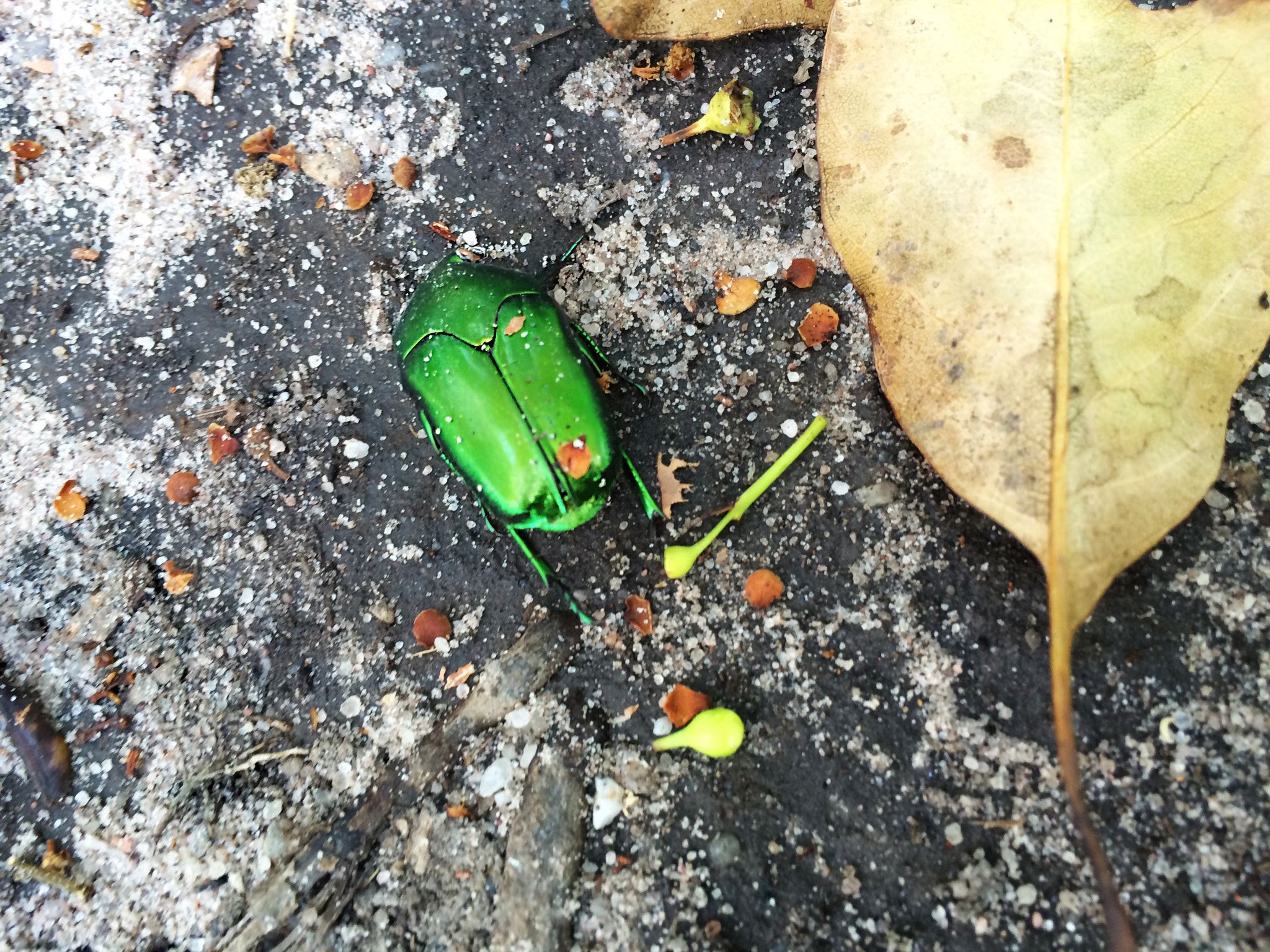
Taxonomy & Classification
- Kingdom
- Animalia
- Phylum
- Arthropoda
- Class
- Insecta
- Order
- Coleoptera
- Family
- Scarabaeidae
- Genus
- Anoplognathus
- Species
- Anoplognathus viriditarsus

In the heart of Australia, where the sun dips low and the air fills with the sweet scent of blooming flowers, the Christmas Beetle, or Anoplognathus, emerges to dazzle the world. With its vibrant, shimmering exoskeleton that glints like a jewel in the fading light, this beetle captures the spirit of the holiday season. Its robust, oval-shaped body is adorned with a kaleidoscope of colors, ranging from deep greens to brilliant golds, making it a true spectacle of nature. As night falls, these enchanting insects take to the skies, flitting gracefully from leaf to leaf, their presence a reminder of the beauty and wonder that surrounds us.
Scientists and nature enthusiasts alike are captivated by the Christmas Beetle not just for its stunning appearance, but also for its vital role in the ecosystem. These beetles are herbivores, meaning they primarily feast on the leaves and flowers of native Australian plants. By doing so, they help maintain the health of their habitats, ensuring that the lush woodlands continue to thrive. As we delve deeper into the world of the Christmas Beetle, we will explore its fascinating life cycle, its interactions with other species, and the unique ways it contributes to the vibrant tapestry of life in Australia. Join us on this adventure to uncover the secrets of Anoplognathus and discover why this little beetle is so much more than just a pretty face.
The Christmas Beetle, scientifically known as Anoplognathus, holds a special place in the animal kingdom. This vibrant insect belongs to the family Scarabaeidae, which is known for its diverse and colorful members. What sets the Christmas Beetle apart is its striking appearance, often adorned with shiny, metallic hues that shimmer in the sunlight. These beetles are not just beautiful; they play a vital role in their ecosystems, particularly in pollination and nutrient recycling. Their life cycle and behaviors reflect a fascinating adaptation to their environment, making them a captivating subject of study for entomologists and nature enthusiasts alike.
| Taxonomic Rank | Scientific Name | Meaning & Significance |
|---|---|---|
| Kingdom | Animalia | This term means “animals” in Latin, highlighting that Christmas Beetles are part of the vast group of multicellular organisms that are typically mobile and consume organic material. |
| Phylum | Arthropoda | Derived from Greek, meaning “jointed legs,” this classification emphasizes the beetle’s segmented body and jointed appendages, which are key features of this diverse group. |
| Class | Insecta | This name comes from the Latin word for “cut,” referring to the segmented body structure of insects, which includes three main parts: the head, thorax, and abdomen. |
| Order | Coleoptera | Meaning “sheath-wing,” this term describes the hard, protective forewings of beetles that cover their delicate hind wings, allowing them to fly while keeping their bodies safe. |
| Family | Scarabaeidae | This name is derived from the Latin word “scarabaeus,” which refers to the sacred scarab beetle of ancient Egypt, symbolizing rebirth and transformation, much like the life cycle of the Christmas Beetle. |
| Genus | Anoplognathus | This name comes from Greek roots meaning “uneven jaw,” which refers to the distinctive shape of the beetle’s mouthparts, adapted for feeding on leaves and flowers. |
Understanding the Christmas Beetle’s classification reveals much about its evolutionary journey. As a member of the Coleoptera order, it shares a lineage with millions of other beetle species, showcasing the incredible adaptability and diversity of life on Earth. The unique features that define its taxonomy, from its jointed legs to its protective wings, highlight the evolutionary pressures that have shaped its existence. This classification not only helps scientists understand the beetle’s role in its ecosystem but also connects it to a broader narrative of life, illustrating how species evolve and adapt over time.
The evolutionary journey of the Christmas Beetle, belonging to the genus Anoplognathus, stretches back millions of years. These colorful insects are part of the Scarabaeidae family, which has a rich history that dates to the late Cretaceous period, around 100 million years ago. This timeline places them among some of the earliest beetles, showcasing a lineage that has adapted and thrived through various environmental changes.
Ancestral forms of the Christmas Beetle were likely small, less colorful insects that shared traits with other early beetles. Over time, as flowering plants began to dominate the landscape, these beetles evolved to take advantage of the new food sources. One major transition was the development of their vibrant exoskeletons, which not only serve as a form of camouflage among the colorful blooms but also play a role in attracting mates. The ability to feed on nectar and pollen allowed these beetles to flourish, leading to a diversification of species within the Anoplognathus genus.
These adaptations have been crucial for the survival of the Christmas Beetle. Their vibrant colors not only help them evade predators but also attract mates, ensuring the continuation of their species. The strong mandibles enable them to exploit a variety of food sources, while their life cycle allows them to adapt to changing environments. By emerging in sync with seasonal blooms, they maximize their chances of finding food and reproducing, showcasing the intricate dance of evolution that has shaped these delightful insects over time.
The Christmas Beetle is a dazzling sight to behold, capturing the essence of festive cheer with its vibrant colors and striking form. This beetle boasts a robust, oval-shaped body that glimmers in the light, making it look almost like a tiny ornament. Its exoskeleton, a hard outer shell that protects its delicate insides, is not just functional but also a canvas for its stunning hues. The overall impression is one of brilliance and beauty, as if nature itself decided to create a living jewel.
| Feature | Description |
|---|---|
| Size | Typically around 1 to 2 inches long |
| Color | Shimmering metallic shades, often in greens, golds, and bronzes |
| Skin Type | Exoskeleton, providing protection and support |
| Most Distinctive Feature | Brilliantly reflective body that catches the light |
These features work together to create a striking appearance that serves multiple purposes. The shimmering metallic body not only attracts potential mates but also helps the beetle blend into its surroundings, reflecting the colors of the leaves and flowers it inhabits. This clever camouflage can protect it from predators while its sturdy exoskeleton shields it from environmental hazards. In the world of the Christmas Beetle, beauty is not just for show; it is a vital part of survival.
The Christmas Beetle thrives in a variety of habitats, often found nestled in the rich, loamy soils of forests and woodlands. These areas are typically filled with lush vegetation, where the sunlight filters through the leaves, creating a warm and inviting environment. The beetles are often seen during the festive season, adding a splash of color to the landscape as they emerge from their underground homes. Their presence is a delightful reminder of nature’s wonders, especially during the holiday season.
These beetles prefer climates that are warm and temperate, which means they enjoy mild winters and sunny summers. The environmental conditions they thrive in include moist soil, which is essential for their development. The underground burrows they create help protect them from extreme weather and predators, allowing them to grow and mature in a safe environment.
Adaptation is key to the Christmas Beetle’s survival. They have developed a life cycle that includes a larval stage spent underground, where they feed on decaying plant matter. This not only provides them with the nutrients they need but also helps enrich the soil. Their ability to blend into their surroundings with their shiny, colorful exoskeletons also aids in camouflage, making it harder for predators to spot them. These adaptations ensure that they can thrive in their specific habitats, contributing to the vibrant ecosystems they inhabit.
As the sun sets and the world grows quiet, the Christmas Beetle begins its nightly adventures. These nocturnal insects come alive under the cover of darkness, flitting from leaf to leaf in search of food and mates. Their typical evening starts with a feast on the tender leaves of eucalyptus and other native plants, where they munch away, using their strong mandibles to break down tough plant material. As they navigate their surroundings, their vibrant colors shimmer in the moonlight, making them a delightful sight for anyone lucky enough to catch a glimpse.
Socially, Christmas Beetles are quite the lively bunch. They often gather in groups, especially during mating season, where the air buzzes with excitement. Males engage in a dance of sorts, showcasing their dazzling colors to attract females. This social behavior is not just for romance; it also helps them find food sources more efficiently. By sticking together, they can share information about the best feeding spots and avoid potential predators. Their interactions are filled with subtle signals, like gentle nudges and movements, which help them communicate and maintain their social bonds.
| Behavior Type | Description |
|---|---|
| Feeding | Christmas Beetles feed primarily on the leaves of eucalyptus and other native plants, using their strong mandibles to chew through tough foliage. |
| Mating Rituals | During mating season, males display their vibrant colors and perform movements to attract females, creating a lively atmosphere. |
| Group Dynamics | These beetles often gather in groups, which helps them find food and communicate about potential dangers in their environment. |
| Communication | They use subtle movements and physical contact to communicate with one another, reinforcing social bonds and coordinating activities. |
The behaviors of Christmas Beetles are essential for their survival in the wild. By feeding in groups, they can efficiently locate food while minimizing the risk of being preyed upon. Their vibrant displays during mating not only attract partners but also strengthen their social networks, ensuring a healthy population. In the dance of life that unfolds under the stars, these beetles exemplify how cooperation and communication can lead to thriving communities in the natural world.
The Christmas Beetle primarily follows a herbivorous diet, meaning it feeds on plant material. These beetles are particularly fond of the leaves and flowers of various native Australian plants. As they navigate their environment, they use their strong mandibles, or jaws, to munch on the tender foliage, making them an important part of the ecosystem. By feeding on these plants, they help with pollination and contribute to the health of their habitats.
| Dietary Aspect | Details |
|---|---|
| Diet Type | Herbivore |
| Favorite Foods | Leaves and flowers of native Australian plants |
| Prey Items | None, as they do not consume other animals |
| Hunting/Foraging Strategies | Using strong mandibles to chew on plant material |
This diet not only shapes the Christmas Beetle’s daily routine but also plays a crucial role in its ecological niche. By feeding on leaves and flowers, these beetles help maintain the balance of their habitats, ensuring that plant life remains healthy and vibrant. Their foraging activities also support the growth of new plants, making them vital contributors to the ecosystem. As they go about their nightly adventures, they not only satisfy their hunger but also participate in the intricate web of life that surrounds them.
When it comes to the Christmas Beetle’s mating behavior, the festive season plays a crucial role. These beetles typically mate during the warmer months, especially around Christmas time in Australia, which is how they got their name. Males often engage in a lively courtship display, showcasing their vibrant colors to attract females. Once a female is impressed, she will mate with the male, and together they will begin the process of reproduction.
| Reproductive Aspect | Details |
|---|---|
| Gestation Period | Approximately 2 to 4 weeks |
| Litter Size | 20 to 50 eggs |
| Age of Maturity | 6 to 12 months |
| Name of Young | Larvae |
After mating, the female Christmas Beetle lays her eggs in the soil, where they will develop into larvae. These larvae, often referred to as grubs, feed on decaying plant material and organic matter in the soil, which helps them grow strong. As they mature, they undergo a transformation, eventually pupating before emerging as adult beetles. Interestingly, the young beetles will often remain in the same area where they were born, continuing the cycle of life in their vibrant, festive habitat. The parental care is minimal, as the adults do not tend to their young, but the rich environment provides everything the larvae need to thrive.
The Christmas Beetle plays an important role in its ecosystem, serving as both a herbivore and a food source for various predators. By feeding on the leaves and flowers of native Australian plants, it helps maintain the health of its habitat. However, this vibrant insect is not without its challenges. It finds itself in the middle of the food web, where it must navigate a world filled with hungry creatures eager to make a meal out of it.
To survive these dangers, the Christmas Beetle has developed several clever strategies. When threatened, it can play dead, lying still to avoid detection by predators. Its hard exoskeleton also provides a tough barrier against attacks. Additionally, the beetle’s bright colors may serve as a warning to potential predators, signaling that it might not be a tasty snack. By using these defensive behaviors, the Christmas Beetle increases its chances of survival in a world full of challenges.
A keystone species is an organism that has a disproportionately large impact on its environment relative to its abundance. This means that if it were removed, the ecosystem would change dramatically. The Christmas Beetle, known scientifically as Anoplognathus, does play a keystone role in its ecosystem, particularly in Australia. Its presence helps maintain the balance of plant life and supports various other species that rely on it for food and ecological functions.
The Christmas Beetle primarily feeds on the leaves and flowers of native Australian plants. By doing so, it helps control plant growth and promotes biodiversity. When these beetles munch on foliage, they create openings for sunlight to reach the forest floor, allowing other plants to thrive. This feeding behavior not only supports the health of the plants but also encourages a variety of other organisms to flourish in the same habitat. For example, the beetles’ droppings enrich the soil, providing nutrients that benefit surrounding flora.
Moreover, the Christmas Beetle serves as a vital food source for many predators, including birds and small mammals. These predators rely on the beetles for sustenance, creating a link in the food web that supports the entire ecosystem. Without the Christmas Beetle, these predators would struggle to find enough food, which could lead to a decline in their populations. This ripple effect can disrupt the balance of the ecosystem, affecting everything from plant life to other animal species.
If the Christmas Beetle were to disappear, the consequences would be significant. The plants it feeds on could become overgrown, leading to a decline in plant diversity. This, in turn, would affect the animals that rely on those plants for food and shelter. The predators that depend on the beetle for nourishment would face food shortages, potentially leading to their decline as well. The loss of this vibrant beetle would create a domino effect, altering the entire ecosystem and diminishing the rich tapestry of life that thrives in its presence.
The Christmas Beetle, known scientifically as Anoplognathus, plays a vital role in its ecosystem, particularly in the lush environments of Australia. As a herbivore, it primarily feeds on the leaves and flowers of native plants, which helps shape the plant community in its habitat. By munching on these plants, the beetle influences their growth and reproduction, creating a dynamic balance in the ecosystem. This balance is essential for maintaining the health of the forests and woodlands where these beetles thrive.
| Ecosystem Service | Impact |
|---|---|
| Pollination | Assists in the reproduction of various plants by transferring pollen as they feed. |
| Soil Aeration | Helps improve soil structure by burrowing, allowing air and water to penetrate. |
| Food Source | Serves as a meal for birds, mammals, and other insects, supporting the food web. |
| Decomposition | Contributes to the breakdown of organic matter, enriching the soil. |
The influence of the Christmas Beetle extends beyond its immediate feeding habits. For instance, as these beetles feed on leaves, they not only help control plant growth but also encourage new growth by stimulating the plants to produce more leaves and flowers. This process can lead to a burst of color and life in the ecosystem, attracting other species, including pollinators like bees and butterflies. Additionally, their burrowing behavior aerates the soil, which is crucial for plant health and water retention. This means that the Christmas Beetle is not just a pretty face; it’s a hardworking member of its community.
The broader ecological importance of the Christmas Beetle cannot be overstated. As a keystone species, its presence helps maintain the balance of its ecosystem. If these beetles were to disappear, the effects would ripple through the food web, impacting everything from the plants they feed on to the animals that rely on them for food. By supporting plant diversity and contributing to soil health, the Christmas Beetle plays a crucial role in sustaining the vibrant ecosystems of Australia, reminding us of the interconnectedness of all living things.
In the intricate web of life, symbiosis plays a crucial role in shaping ecosystems. This term refers to the close interactions between different species, which can be beneficial, harmful, or neutral. These relationships can take many forms, such as mutualism, where both species gain advantages, parasitism, where one benefits at the expense of the other, and commensalism, where one species benefits while the other is neither helped nor harmed. The Christmas Beetle, with its vibrant colors and herbivorous diet, engages in various ecological partnerships that highlight the interconnectedness of life.
| Species/Type | Relationship Type | Description |
|---|---|---|
| Native Australian Plants | Mutualistic | The Christmas Beetle feeds on the leaves and flowers of these plants, helping to pollinate them in the process, which benefits both the beetle and the plants. |
| Fungi | Commensal | Some Christmas Beetles may inhabit areas where fungi grow, benefiting from the moisture and nutrients without affecting the fungi. |
| Predatory Birds | Parasitic | While not a direct relationship, the Christmas Beetle is preyed upon by birds, which benefit from the beetle as a food source, posing a threat to the beetle’s population. |
These relationships have evolved over time, shaped by the needs and survival strategies of each species involved. The Christmas Beetle’s role as a herbivore not only supports its own life cycle but also contributes to the health of the plants it feeds on, creating a cycle of growth and renewal. Meanwhile, the interactions with fungi and predators illustrate the delicate balance of nature, where every species plays a part in the grand tapestry of life. Understanding these connections helps us appreciate the complexity of ecosystems and the importance of preserving them for future generations.
The Christmas Beetle, known for its dazzling appearance and festive timing, is a captivating insect that brings joy to many during the holiday season. But there’s much more to these beetles than meets the eye!
The Christmas Beetle, or Anoplognathus, has long been intertwined with human culture, especially in Australia, where it emerges during the festive season. Historically, these vibrant insects have been celebrated for their dazzling colors and their appearance around Christmas time, leading to their name. Indigenous Australians have recognized the beetle’s significance, often incorporating it into stories and traditions. The sight of these beetles fluttering about has become a symbol of summer and joy, marking the holiday season with a touch of nature’s beauty.
In contemporary times, the relationship between humans and Christmas Beetles has evolved. While many people admire these insects for their aesthetic appeal, there are also challenges. As urban areas expand, the habitats of these beetles are threatened, leading to conservation efforts aimed at protecting their populations. Some farmers view them as pests, as they can damage crops by feeding on leaves. However, awareness of their ecological role is growing, with many advocating for coexistence rather than conflict. This shift in perspective highlights the importance of understanding and preserving the delicate balance of our ecosystems.
Looking ahead, the future of the relationship between Christmas Beetles and humanity will depend on our ability to adapt and learn. As we face environmental challenges, fostering a deeper understanding of these insects can lead to more harmonious interactions. By appreciating their role in the ecosystem and recognizing their cultural significance, we can ensure that the Christmas Beetle continues to be a cherished part of our natural world for generations to come.
The Christmas Beetle, known scientifically as Anoplognathus, currently holds a conservation status of “Least Concern” according to the International Union for Conservation of Nature (IUCN). This means that, at present, the species is not facing an immediate threat of extinction. Population trends indicate that these beetles are relatively stable, allowing them to continue their vibrant presence in Australian ecosystems, especially during the festive season when they are most visible.
| Conservation Factor | Status/Details |
|---|---|
| IUCN Status | Least Concern |
| Population Estimates | Stable |
| Trend Direction | Stable |
Despite their current stable status, Christmas Beetles face several threats that could impact their populations in the future. Habitat loss is a significant concern, as urban development and agricultural expansion can destroy the lush environments where these beetles thrive. Additionally, climate change poses a risk by altering the seasonal patterns that are crucial for their life cycle, potentially disrupting their mating and feeding behaviors.
Conservation efforts for the Christmas Beetle focus on habitat preservation and raising awareness about the importance of these insects in the ecosystem. By protecting their natural environments and promoting sustainable practices, we can help ensure that these colorful beetles continue to grace our landscapes. With ongoing efforts, the outlook for the Christmas Beetle remains positive, allowing future generations to enjoy their festive charm.
| Question | Answer |
|---|---|
| What is the habitat of the Christmas Beetle? | Christmas Beetles typically live underground, where they spend much of their life as larvae. They emerge during the warmer months, especially around Christmas time in Australia, to mate and feed. |
| What do Christmas Beetles eat? | These beetles are herbivores, meaning they primarily eat plant material. Their diet mainly consists of leaves, particularly from eucalyptus and other native Australian plants. |
| What is the behavior of Christmas Beetles? | Christmas Beetles are most active at night, which is when they come out to feed and mate. They are known for their distinctive buzzing flight, which can be quite loud during their mating season. |
| How do Christmas Beetles reproduce? | During the mating season, male Christmas Beetles attract females with their buzzing sounds. After mating, females lay their eggs in the soil, where the larvae will develop underground before emerging as adults. |
| What threats do Christmas Beetles face? | While Christmas Beetles are currently classified as Least Concern, they can be affected by habitat loss due to urban development and agricultural practices. Pesticides can also pose a threat to their populations. |
| What is an interesting characteristic of Christmas Beetles? | One of the most distinctive features of Christmas Beetles is their shimmering metallic body, which can come in various colors like green, gold, and bronze. This shiny appearance helps them blend into their surroundings and can also attract mates. |
| How long do Christmas Beetles live? | Christmas Beetles typically have a lifespan of about one year. However, their life cycle includes several stages, from egg to larva to pupa, before they emerge as adults ready to mate. |