Taxonomy & Classification
- Kingdom
- Animalia
- Phylum
- Mollusca
- Class
- Gastropoda
- Order
- Nudibranchia
- Family
- Chromodorididae
- Genus
- Chromodoris
- Species
- Chromodoris willani

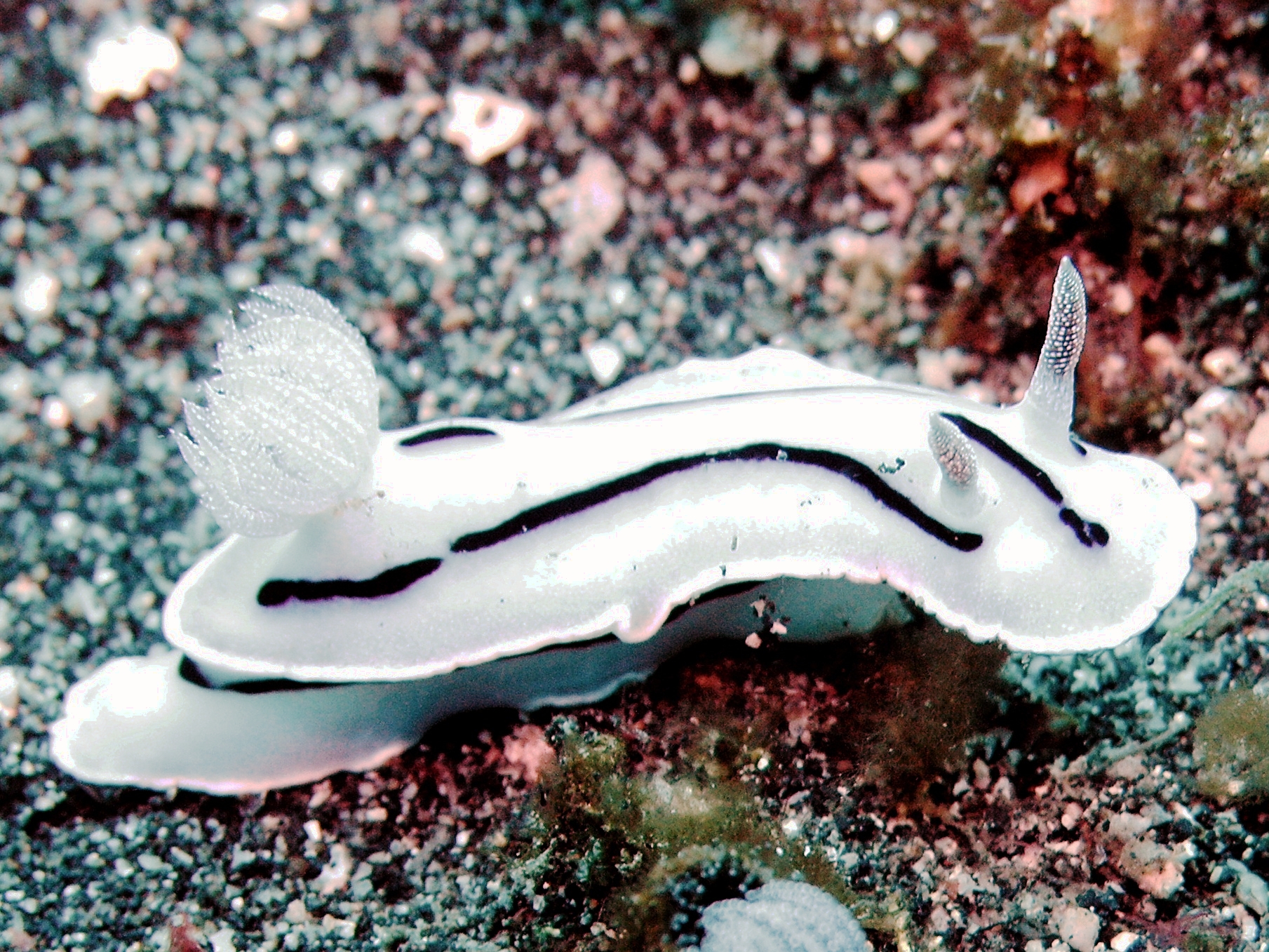 Photo Credit: Jens Petersen / Wikimedia
In the shimmering waters of the Indo-Pacific, the Chromodoris willani, often called the Willan’s Chromodoris, glides gracefully among the coral reefs, a living canvas of color and beauty. This striking sea slug is adorned with vibrant hues of blue, yellow, and white, making it a standout in the bustling underwater world. Its smooth, soft body is not just a feast for the eyes; it serves a purpose, helping it blend into the vibrant corals and sponges that surround it. Scientists and nature lovers alike are captivated by this creature, not only for its dazzling appearance but also for its intriguing behaviors and ecological role.
As it moves through its habitat, the Chromodoris willani showcases a unique lifestyle that is both delicate and purposeful. This carnivorous mollusk primarily feeds on sponges, using specialized feeding techniques to locate its meals. Its presence in the coral reefs is vital, as it helps maintain the balance of the ecosystem. The Willan’s Chromodoris is more than just a pretty face; it plays a key role in the marine food web, serving as both predator and prey. With each encounter, this enchanting sea slug invites us to explore the wonders of the ocean and the intricate relationships that sustain life beneath the waves.
Chromodoris willani is a vibrant and captivating member of the animal kingdom, nestled within the vast phylum Mollusca. This stunning sea slug belongs to the class Gastropoda, which includes snails and slugs, and is part of the order Nudibranchia, known for its colorful and often intricately patterned species. What sets Chromodoris willani apart is not just its dazzling appearance, but also its unique adaptations, such as the ability to absorb and utilize toxins from its food, making it a fascinating example of nature’s ingenuity.
| Taxonomic Rank | Scientific Name | Meaning & Significance |
|---|---|---|
| Kingdom | Animalia | This name signifies that Chromodoris willani is part of the animal kingdom, which includes all multicellular organisms that are not plants, fungi, or bacteria. |
| Phylum | Mollusca | Mollusca means “soft-bodied,” reflecting the soft, unsegmented body of this sea slug, which lacks a hard outer shell. |
| Class | Gastropoda | Gastropoda translates to “stomach foot,” highlighting the unique way these animals move using their muscular foot, which is located on their belly. |
| Order | Nudibranchia | Nudibranchia means “naked gills,” referring to the exposed gill structures on the back of these slugs, which are crucial for breathing underwater. |
| Family | Chromodorididae | This family name is derived from the genus Chromodoris, indicating a group of colorful sea slugs known for their striking patterns and vibrant colors. |
| Genus | Chromodoris | The name Chromodoris comes from Greek roots meaning “color” and “skin,” perfectly describing the bright and varied colors of these nudibranchs. |
Understanding the taxonomic position of Chromodoris willani reveals much about its evolutionary journey. As a member of the Nudibranchia order, it shares a lineage with other soft-bodied mollusks that have adapted to life in marine environments. The vibrant colors and unique adaptations of Chromodoris willani not only serve as a defense mechanism against predators but also highlight the evolutionary pressures that shape the diversity of life in our oceans. This classification helps us appreciate the intricate web of life and the remarkable adaptations that have emerged over millions of years.
The evolutionary journey of Chromodoris willani stretches back millions of years, tracing its lineage through the intricate web of life on Earth. This vibrant sea slug is part of a larger family of marine gastropods, which have adapted and evolved in response to their underwater environments. The story of Chromodoris willani is one of survival, adaptation, and the remarkable changes that have allowed it to thrive in the diverse ecosystems of the ocean.
The ancestors of Chromodoris willani were simple, soft-bodied organisms that lived in the ocean long before the first dinosaurs roamed the Earth. Over time, these early mollusks began to develop specialized features that helped them navigate their watery world. One major transition was the evolution of a protective shell, which provided safety from predators. However, as some species adapted to life in shallow waters, they gradually lost their shells, becoming more agile and better suited for their environment. This shift led to the emergence of the colorful and striking nudibranchs, a group that includes Chromodoris willani. These sea slugs developed vibrant colors and patterns, which serve as both camouflage and a warning to potential predators about their toxicity.
These adaptations have played a crucial role in the survival of Chromodoris willani. The bright colors not only attract mates but also serve as a warning to predators, while the unique gill structure enhances its ability to breathe efficiently. The chemical defenses and specialized feeding habits allow it to exploit its environment effectively, ensuring it has the resources needed to thrive. As a result, Chromodoris willani stands as a testament to the power of evolution, showcasing how life can adapt and flourish in the ever-changing ocean.
Chromodoris willani is a dazzling spectacle of the underwater world, showcasing a body that is both elegant and striking. This sea slug, with its smooth skin, glides gracefully through the ocean, often found nestled among coral reefs. Its overall shape is elongated and soft, resembling a delicate ribbon flowing with the currents. The most eye-catching aspect of this creature is its vibrant blue mantle, which serves as a stunning backdrop to its other colorful features.
| Feature | Description |
|---|---|
| Size | Typically reaches about 5 to 7 centimeters in length |
| Color | Predominantly blue with hints of yellow and white |
| Skin Type | Smooth and soft, allowing for easy movement |
| Distinctive Feature | Bright blue mantle that stands out against the ocean floor |
The combination of Chromodoris willani’s vivid colors and smooth texture plays a crucial role in its survival. The bright blue mantle not only attracts the attention of potential mates but also serves as a warning to predators. In the world of marine life, bright colors can signal toxicity or unpalatability, helping this sea slug avoid becoming a meal. Together, these features create a stunning visual display that is both beautiful and functional, allowing Chromodoris willani to thrive in its vibrant underwater habitat.
Chromodoris willani thrives in the warm, inviting waters of the Indo-Pacific region, where coral reefs create a vibrant underwater landscape. These reefs, bustling with life, provide a colorful backdrop for this sea slug, which often hides among the corals and sponges. The clear, shallow waters allow sunlight to penetrate, illuminating the dazzling hues of the reef and the creatures that inhabit it. Here, Chromodoris willani can be seen gliding gracefully over the sandy ocean floor or nestled among the intricate structures of coral, making it a true gem of the marine environment.
This sea slug prefers warm waters, typically ranging from 24 to 30 degrees Celsius (75 to 86 degrees Fahrenheit). The environment is often characterized by a mix of sunlight and shade, as the coral formations create a dynamic habitat. Chromodoris willani is also found in areas with moderate water movement, which helps to bring in nutrients and keep the water clean. These conditions are essential for the health of the coral reefs and the diverse life forms that depend on them.
To thrive in its specific habitat, Chromodoris willani has developed several adaptations. Its vibrant colors not only make it a stunning sight but also serve as a warning to potential predators about its toxicity. This sea slug feeds on sponges, which are abundant in its environment, allowing it to access a rich food source. Additionally, its ability to blend in with the colorful corals and sponges helps it avoid detection, making it a master of camouflage in the bustling underwater world.
In the vibrant underwater world of the Indo-Pacific, Chromodoris willani goes about its daily life with a blend of grace and curiosity. These colorful sea slugs typically spend their days gliding over coral reefs, where they feast on sponges and other soft-bodied organisms. With their soft, smooth bodies, they move slowly, using a muscular foot to propel themselves along the ocean floor. As they explore their surroundings, they often display their stunning colors, which serve as a warning to potential predators about their toxicity. This daily routine is not just about finding food; it’s also about navigating the complex and beautiful environment they call home.
When it comes to social behavior, Chromodoris willani tends to be more solitary or found in pairs rather than in large groups. This means that while they may occasionally share a space with another sea slug, they are not known for forming large communities. Their interactions are often brief and centered around mating or foraging. Communication among these sea slugs is subtle, relying on body language and perhaps even chemical signals released into the water. This low-key social structure allows them to maintain their independence while still engaging in necessary interactions for reproduction.
| Behavior Type | Description |
|---|---|
| Activity Patterns | Chromodoris willani spends its days foraging for food, primarily sponges, and moving slowly across the reef. |
| Social Structure | These sea slugs are mostly solitary or found in pairs, avoiding large groups. |
| Communication Methods | They communicate through body language and possibly chemical signals, which help them interact during mating. |
The behaviors of Chromodoris willani are finely tuned to ensure their survival in a world filled with both beauty and danger. By being solitary or in pairs, they reduce competition for food and minimize the risk of attracting predators. Their vibrant colors not only make them a sight to behold but also serve as a clever defense mechanism, warning potential threats of their toxicity. Through these daily activities and social interactions, Chromodoris willani thrives in its underwater habitat, showcasing the delicate balance of life in the ocean.
Chromodoris willani is a carnivorous sea slug that primarily feeds on sponges. These colorful mollusks have developed specialized feeding behaviors that allow them to efficiently locate and consume their favorite foods. By using their keen sense of smell, they can detect the chemical signals released by sponges, guiding them to their next meal. Once they find a suitable sponge, they use their radula, a tongue-like organ with tiny teeth, to scrape off pieces of the sponge and enjoy their feast.
| Dietary Aspect | Details |
|---|---|
| Diet Type | Carnivore |
| Favorite Foods | Sponges |
| Prey Items | Various species of sponges |
| Hunting/Foraging Strategies | Uses chemical cues to locate sponges and employs a radula to scrape food |
The diet of Chromodoris willani plays a crucial role in its ecological niche within the coral reef ecosystem. By feeding on sponges, these sea slugs help control sponge populations, which can otherwise dominate the reef and outcompete other organisms. This balance is essential for maintaining the health and diversity of the reef community. Additionally, their vibrant colors may serve as a warning to potential predators, signaling that they are not only beautiful but also potentially unpalatable. Thus, their feeding habits shape not only their own lives but also the intricate web of life surrounding them.
Mating for Chromodoris willani is a colorful affair, often taking place during the warmer months when the ocean is teeming with life. These sea slugs engage in a fascinating courtship dance, where they display their vibrant colors to attract potential partners. Once they find a mate, they can exchange sperm, allowing both individuals to fertilize their eggs. This unique reproductive strategy is known as simultaneous hermaphroditism, meaning each slug has both male and female reproductive organs.
| Reproductive Aspect | Details |
|---|---|
| Gestation Period | Approximately 2 to 3 weeks |
| Litter Size | Up to 100 eggs |
| Age of Maturity | About 3 to 4 months |
| Name of Young | Veliger |
After the eggs are laid, they develop into tiny larvae called veligers. These veligers are free-swimming and drift in the ocean currents, feeding on microscopic algae and other small particles. As they grow, they undergo a transformation, eventually settling on the ocean floor and metamorphosing into adult Chromodoris willani. Interestingly, the young slugs do not receive parental care after hatching, but their vibrant colors and unique adaptations help them thrive in their underwater environment as they mature into the stunning adults we admire.
Chromodoris willani occupies a vibrant niche in the marine food web, primarily as a prey species. This colorful sea slug is a delicacy for various predators, making it an important part of the ecosystem. By serving as a food source for larger animals, it helps maintain the balance of life in its coral reef habitat. However, this position also exposes it to numerous dangers that threaten its survival.
To defend itself against these threats, Chromodoris willani employs a variety of clever survival strategies. One of its most effective tactics is its bright coloration, which serves as a warning to potential predators. This phenomenon, known as aposematism, signals that it may be toxic or unpalatable. Additionally, it can retract into crevices or hide among the coral, using its surroundings for camouflage. By combining these defensive behaviors, Chromodoris willani enhances its chances of evading predators and thriving in its underwater world.
A keystone species is a vital part of an ecosystem, meaning its presence has a significant impact on the environment and the other organisms living there. If a keystone species were to disappear, it could lead to dramatic changes in the ecosystem. Chromodoris willani, a vibrant sea slug found in the warm waters of the Indo-Pacific, plays an interesting role in its habitat, but it may not qualify as a true keystone species. While it contributes to the marine food web, its absence would not cause the same level of disruption as other keystone species, like sea otters or wolves.
Chromodoris willani primarily feeds on sponges, which are essential for maintaining the health of coral reefs. By consuming certain sponge species, this sea slug helps control sponge populations, preventing any one type from dominating the reef. This balance is crucial because a diverse range of sponges supports various marine life, including fish and other invertebrates. Additionally, the vibrant colors of Chromodoris willani serve as a warning to potential predators about its toxicity, which can help maintain the balance of predator-prey relationships in its ecosystem.
Moreover, the presence of Chromodoris willani can indicate the overall health of coral reef ecosystems. Healthy populations of these sea slugs suggest that the reef is thriving, as they rely on a rich variety of sponges to survive. Their unique feeding habits can also help promote biodiversity, as they create space for other organisms to flourish by keeping sponge populations in check.
If Chromodoris willani were to vanish from its habitat, the effects could ripple through the ecosystem. Without these sea slugs to keep sponge populations in check, certain sponge species might overgrow and outcompete others, leading to a decline in biodiversity. This shift could disrupt the delicate balance of the coral reef, affecting not only the sponges but also the myriad of marine life that depends on a healthy reef environment. In essence, while Chromodoris willani may not be a keystone species, its role in the ecosystem is still significant, and its absence would certainly be felt.
Chromodoris willani plays a crucial role in its ecosystem, particularly within the vibrant coral reefs of the Indo-Pacific region. As a carnivorous sea slug, it occupies a specific ecological niche by feeding primarily on sponges. This feeding behavior not only helps control sponge populations but also influences the overall health of the reef ecosystem. By maintaining a balance among these organisms, Chromodoris willani contributes to the biodiversity and stability of its underwater habitat.
| Ecosystem Service | Impact |
|---|---|
| Prey for predators | Supports the food web by providing a food source for fish and other marine animals. |
| Population control | Regulates sponge populations, preventing overgrowth and promoting coral health. |
| Indicator species | Reflects the health of the reef ecosystem, signaling changes in environmental conditions. |
The influence of Chromodoris willani extends beyond its diet. By feeding on sponges, it helps to prevent these organisms from dominating the reef, which can lead to a decline in coral health. Healthy coral reefs are essential for countless marine species, providing shelter and breeding grounds. Additionally, the presence of Chromodoris willani can indicate the overall health of the reef. If these sea slugs are thriving, it often means that the ecosystem is balanced and functioning well.
In a broader ecological context, Chromodoris willani serves as a keystone species, meaning its presence is vital for maintaining the structure of its ecosystem. The interactions it has with sponges and its role as prey for larger marine animals highlight its importance in the food web. By supporting biodiversity and contributing to the health of coral reefs, Chromodoris willani helps ensure that these underwater environments remain vibrant and resilient, benefiting countless other species that call the ocean home.
In the intricate tapestry of marine life, symbiosis plays a vital role in shaping ecosystems. Symbiosis refers to the close and often long-term interactions between different species. These relationships can take various forms, including mutualism, where both species benefit, parasitism, where one benefits at the expense of the other, and commensalism, where one benefits while the other is neither helped nor harmed. Understanding these connections helps us appreciate the delicate balance of life in the ocean, where every creature, big or small, has a part to play.
| Species/Type | Relationship Type | Description |
|---|---|---|
| Sponges | Mutualistic | Chromodoris willani feeds on sponges, which helps control sponge populations while the sea slug benefits from a nutritious food source. |
| Cleaner Shrimp | Commensal | Cleaner shrimp may inhabit the same coral areas as Chromodoris willani, benefiting from the protection of the sea slug while not affecting it. |
| Predatory Fish | Parasitic | While not a direct relationship, predatory fish that feed on Chromodoris willani can be seen as a threat, impacting its population. |
These relationships have evolved over time, shaped by the needs and survival strategies of each species involved. For Chromodoris willani, the mutualistic relationship with sponges is particularly important, as it allows the sea slug to thrive while helping to maintain the health of its habitat. The presence of cleaner shrimp highlights the interconnectedness of marine life, where even small creatures can find refuge alongside larger ones. Understanding these dynamics not only enriches our knowledge of marine ecosystems but also emphasizes the importance of preserving these delicate relationships for future generations.
Chromodoris willani, a stunning sea slug, is a true gem of the underwater world. With its vibrant colors and unique behaviors, this mollusk captivates the hearts of nature enthusiasts everywhere. Here are some surprising facts that showcase just how extraordinary this creature is.
The relationship between Chromodoris willani, a striking sea slug, and humanity has evolved over time, marked by both admiration and curiosity. Historically, these vibrant creatures have captured the attention of marine enthusiasts and scientists alike. Their dazzling colors and unique patterns have made them symbols of the beauty found in ocean ecosystems. In various cultures, sea slugs like Chromodoris willani have inspired art and folklore, representing the mysteries of the underwater world. As people began to explore the oceans, encounters with these colorful mollusks sparked a deeper interest in marine biology and conservation.
Today, interactions between Chromodoris willani and humans are increasingly focused on conservation efforts. As coral reefs, their primary habitat, face threats from climate change and pollution, scientists and conservationists are working to protect these delicate ecosystems. While there is no direct conflict with humans, the degradation of coral reefs impacts the survival of these sea slugs and countless other marine species. Education and awareness campaigns aim to highlight the importance of preserving marine biodiversity, encouraging responsible tourism and sustainable practices that benefit both the environment and local communities.
As we look to the future, the relationship between Chromodoris willani and humanity holds promise. With growing awareness of environmental issues, more people are becoming advocates for marine conservation. By fostering a sense of wonder and responsibility towards the ocean, we can ensure that these vibrant sea slugs continue to thrive in their natural habitats. The journey ahead will require collaboration between scientists, conservationists, and the public to protect the delicate balance of marine ecosystems, allowing future generations to appreciate the beauty of Chromodoris willani and its underwater world.
The conservation status of Chromodoris willani is currently not listed by the International Union for Conservation of Nature (IUCN). This means that there is not enough information available to determine its population trends or overall health. While this vibrant sea slug is not currently considered endangered, ongoing research is essential to monitor its status and ensure its survival in the wild.
| Conservation Factor | Status/Details |
|---|---|
| IUCN Status | Not Listed |
| Population Estimates | Unknown |
| Trend Direction | Unknown |
Despite its colorful appearance, Chromodoris willani faces several threats that could impact its future. Habitat loss is a significant concern, particularly due to coral reef degradation caused by climate change, pollution, and destructive fishing practices. As these reefs decline, the delicate balance of the ecosystem is disrupted, affecting not only the sea slugs but also the myriad of species that depend on these habitats for survival. Additionally, the collection of marine life for the aquarium trade can pose risks to local populations if not managed sustainably.
Conservation efforts for Chromodoris willani are still in their infancy, but there is hope for the future. Marine protected areas (MPAs) are being established in various regions to safeguard coral reefs and their inhabitants. These areas help to preserve the delicate ecosystems where sea slugs thrive. Public awareness campaigns and research initiatives are also crucial in promoting the importance of marine biodiversity. By fostering a deeper understanding of these vibrant creatures and their habitats, we can work together to ensure that Chromodoris willani continues to grace our oceans for generations to come.
| Question | Answer |
|---|---|
| What is the habitat of Chromodoris Willani? | Chromodoris Willani, also known as Willan's Chromodoris, is typically found in warm, tropical waters. They prefer coral reefs and rocky substrates where they can hide and hunt for food. |
| What does Chromodoris Willani eat? | This colorful sea slug is a carnivore, meaning it primarily eats other small marine organisms. Its diet mainly consists of sponges, which it grazes on using a specialized mouthpart called a radula. |
| What are the behaviors of Chromodoris Willani? | Chromodoris Willani is known for its slow, graceful movements as it glides over the ocean floor. It often displays vibrant colors, which can serve as a warning to predators about its potential toxicity. |
| How does Chromodoris Willani reproduce? | Chromodoris Willani is a hermaphrodite, meaning each individual has both male and female reproductive organs. During mating, two slugs will exchange sperm, allowing them to fertilize their eggs and produce offspring. |
| What threats does Chromodoris Willani face? | While Chromodoris Willani is not currently listed as endangered, it faces threats from habitat destruction and pollution. Coral reef degradation can significantly impact their populations by reducing their natural habitat. |
| What is an interesting characteristic of Chromodoris Willani? | One of the most distinctive features of Chromodoris Willani is its striking blue mantle, which can be a vibrant blue or purple. This coloration not only makes it visually stunning but also helps it blend into its surroundings, providing camouflage from predators. |
| How does Chromodoris Willani defend itself? | Chromodoris Willani has a unique defense mechanism; it can secrete toxic substances from its body. This toxicity deters potential predators, making it a less appealing meal in the underwater world. |