Taxonomy & Classification
- Kingdom
- Animalia
- Phylum
- Arthropoda
- Class
- Insecta
- Order
- Hemiptera
- Family
- Cicadidae
- Genus
- Cicada

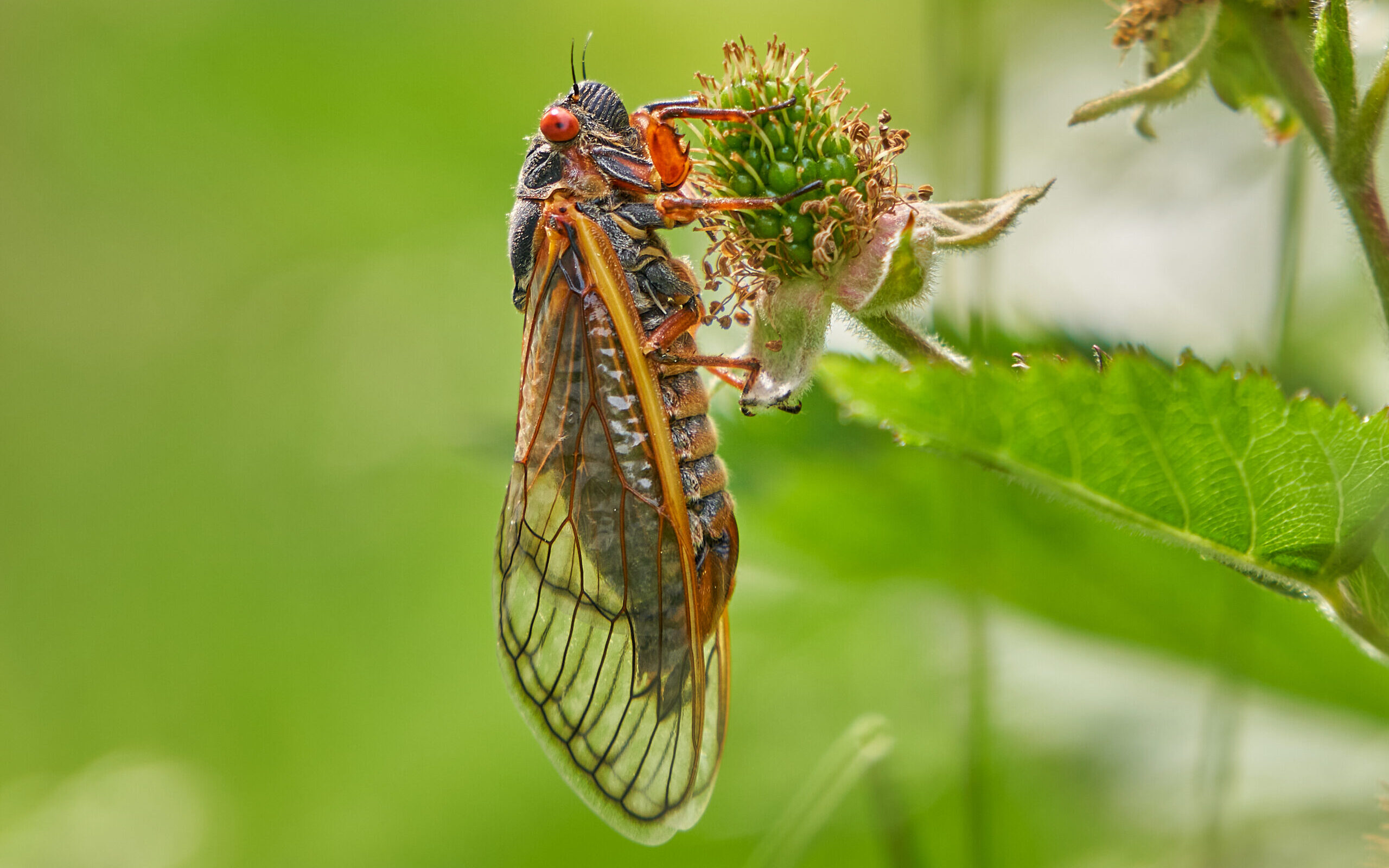 Photo Credit: Nick162534 / Wikimedia
In the heart of a sun-drenched forest, the cicada, known scientifically as Magicicada, emerges from its long underground slumber. With its striking body, often measuring around 2.8 inches, this insect captures the eye with its vibrant colors and intricate wing patterns. As the warm breeze rustles through the leaves, the cicada begins its symphony, a loud, buzzing song that fills the air and announces its presence to the world. This unique sound is not just a call; it’s a part of a captivating mating ritual that has fascinated scientists and nature lovers alike for generations.
Cicadas are more than just their songs; they play a vital role in their ecosystem. Spending most of their lives underground, they feed on the sap of trees, helping to transfer energy through the food web. Their emergence in late spring and summer creates a spectacular display of life, as thousands of these insects burst forth, transforming the quiet forest into a lively concert. With a history that stretches back millions of years, cicadas are a testament to nature’s resilience and adaptability, making them a subject of endless curiosity and study. As we delve deeper into the world of cicadas, we will explore their fascinating life cycle, their ecological importance, and the unique relationships they share with their environment.
Cicadas hold a special place in the tree of life, showcasing a fascinating blend of characteristics that set them apart in the animal kingdom. Classified under the kingdom Animalia, these insects belong to the phylum Arthropoda, which includes all creatures with exoskeletons, segmented bodies, and jointed legs. Within this vast classification, cicadas are part of the order Hemiptera, known for their piercing mouthparts that allow them to feed on plant sap. What makes cicadas particularly intriguing is their life cycle, which can span several years, often spent underground as nymphs before emerging in a spectacular display of sound and color. Their unique ability to produce loud mating calls, created by vibrating membranes called tymbals, adds to their allure and ecological importance.
| Taxonomic Rank | Scientific Name | Meaning & Significance |
|---|---|---|
| Kingdom | Animalia | This name means “animals” in Latin, highlighting the multicellular, eukaryotic nature of cicadas. |
| Phylum | Arthropoda | Derived from Greek, meaning “jointed feet,” this name reflects the jointed appendages that are a hallmark of this group. |
| Class | Insecta | This term comes from the Latin word for “cut,” referring to the segmented body structure of insects. |
| Order | Hemiptera | Meaning “half-wing” in Greek, this name describes the unique wing structure of cicadas and their relatives, where the front wings are hardened and the back wings are membranous. |
| Family | Cicadidae | This name is derived from the Latin word “cicada,” meaning “tree cricket,” which reflects their habitat and sound-making abilities. |
| Genus | Cicada | Also from Latin, this name emphasizes the distinctive sound these insects produce, which is often associated with warm weather. |
The classification of cicadas reveals a rich evolutionary history that connects them to a diverse array of life forms. Their position within the Hemiptera order indicates a long-standing adaptation to their environment, particularly in their feeding habits and life cycles. The unique features that define cicadas, from their sound-producing abilities to their lengthy nymph stages, illustrate how they have evolved to thrive in various ecosystems. Understanding their taxonomy not only highlights their biological significance but also underscores the intricate web of life that connects all organisms on our planet.
Cicadas have a long and intriguing evolutionary history that stretches back millions of years. These insects first appeared during the late Permian period, around 250 million years ago, making them one of the oldest groups of insects still around today. Over time, cicadas have adapted to various environments, evolving into the diverse species we see now, with some even emerging only every 13 or 17 years in a synchronized spectacle.
The ancestors of modern cicadas were likely small, leaf-hopping insects that lived in the shadows of the ancient forests. As they evolved, they developed specialized mouthparts for piercing plant tissues and sucking sap, which allowed them to thrive on the nutrients found in trees and shrubs. This adaptation was crucial for their survival, as it provided a steady food source. Over millions of years, cicadas also developed their distinctive sound-producing organs, called tymbals, which allow males to attract females through their loud calls. This ability to communicate through sound has played a significant role in their mating success and social behavior.
Cicadas’ remarkable adaptations have allowed them to thrive in various environments and survive through countless challenges over millions of years. Their unique life cycle, loud calls, and synchronized emergence strategies not only enhance their chances of reproduction but also contribute to the rich tapestry of life in ecosystems around the world. As they continue to sing their songs, cicadas remind us of the wonders of evolution and the resilience of life on our planet.
Cicadas are striking insects that capture attention with their distinctive form and vibrant presence. With a body length of about 2.8 inches, they are not the smallest of insects, but their size is complemented by a smooth, glossy exoskeleton that glimmers in the sunlight. Their wings, often transparent and veined, stretch out like delicate sails, allowing them to take flight with a graceful flutter. The overall impression of a cicada is one of both elegance and strength, as they are built to thrive in their warm, sunny habitats.
| Feature | Description |
|---|---|
| Height | 2.8 inches |
| Weight | 2 grams |
| Skin Type | Smooth |
These physical features work together to enhance the cicada’s survival in various ways. The smooth exoskeleton not only provides protection from predators but also helps in regulating moisture, keeping the cicada hydrated in its warm environment. Their size allows them to be more visible to potential mates, while their impressive wings enable them to escape quickly from danger. Together, these characteristics create a well-adapted insect that thrives in the sun-drenched landscapes where it calls home.
Cicadas thrive in lush, sun-drenched environments, primarily found in deciduous forests. These forests are filled with broadleaf trees that shed their leaves each autumn, creating a vibrant tapestry of colors. The warm sunlight filters through the canopy, casting dappled shadows on the forest floor, where cicadas can be heard buzzing and chirping. Their calls echo through the trees, creating a symphony of sound that signals the arrival of summer.
Cicadas prefer warm climates, often thriving in areas with a temperate or subtropical environment. They require a specific range of temperatures to emerge from their underground nymph stage, typically between 70°F and 85°F (21°C to 29°C). These insects also need a moist environment, as their nymphs live underground, feeding on the sap from tree roots. The combination of warmth and moisture is essential for their life cycle, allowing them to grow and eventually emerge as adults.
Adaptation is key to the cicada’s survival in these habitats. Their life cycle is synchronized with the seasons, allowing them to emerge in large numbers when conditions are just right. This strategy, known as “mass emergence,” helps protect them from predators, as the sheer number of cicadas can overwhelm those looking for a meal. Additionally, their ability to produce loud calls not only attracts mates but also serves as a way to establish territory, ensuring they thrive in their chosen homes.
Cicadas lead a life filled with rhythm and routine, especially during the warm months. As the sun rises, these insects emerge from their underground homes, where they have spent years maturing. Their day typically begins with a chorus of buzzing sounds, as males call out to attract females. This vocalization is not just noise; it’s a crucial part of their daily activities. After a morning of singing, cicadas spend their time feeding on the sap of trees, using their specialized mouthparts to pierce the bark and sip the nutrient-rich fluid. As the day progresses, they may bask in the sun, soaking up warmth to fuel their energy.
Socially, cicadas are quite the community-oriented insects. They often gather in large groups, known as swarms, which can number in the thousands. This social behavior serves multiple purposes. For one, being in a group can help protect individual cicadas from predators. The sheer number of them can confuse and deter birds and other hungry animals. Additionally, these swarms create a symphony of sounds, with males competing to be heard above the din. This competition not only attracts females but also strengthens social bonds among the males, as they establish their presence in the group.
| Behavior Type | Description |
|---|---|
| Vocalization | Males produce loud calls to attract females, creating a chorus that can be heard from afar. |
| Feeding | Cicadas feed on tree sap, using their specialized mouthparts to extract nutrients. |
| Swarming | They gather in large groups, which helps protect them from predators and enhances mating opportunities. |
| Sunbathing | Cicadas bask in the sun to warm their bodies, which is essential for their energy levels. |
Through these behaviors, cicadas ensure their survival in a world filled with challenges. Their vocal calls not only attract mates but also create a sense of community, while their swarming behavior provides safety in numbers. By feeding efficiently and utilizing the warmth of the sun, cicadas maximize their chances of thriving in their environment. Each day is a blend of activity and interaction, showcasing the intricate balance of life in the natural world.
Cicadas are primarily herbivores, meaning they mainly eat plant material. Their diet consists of sap, which is the fluid that circulates through plants and trees. To obtain this nutritious sap, cicadas use their specialized mouthparts, called stylets, to pierce the plant’s tissues. This feeding behavior allows them to extract the sweet liquid, which is rich in sugars and essential nutrients. By feeding on sap, cicadas play a vital role in their ecosystems, helping to transfer energy from plants to other organisms.
| Dietary Aspect | Details |
|---|---|
| Diet Type | Herbivore |
| Favorite Foods | Sap from trees and plants |
| Prey Items | None, as they do not eat other animals |
| Hunting/Foraging Strategies | Using specialized mouthparts to pierce plant tissues and extract sap |
This sap-sipping lifestyle not only nourishes cicadas but also influences their daily activities and interactions within their habitats. By feeding on sap, cicadas contribute to the health of the plants they inhabit, and their presence can attract predators and other wildlife. Their unique feeding habits create a dynamic balance in the ecosystem, showcasing how even the smallest creatures can have a significant impact on their environment.
Cicadas have a captivating mating ritual that takes place during the warm months, particularly in late spring and summer. Males produce a loud, buzzing song to attract females, creating a symphony of sound that fills the air. This song is not just for show; it serves as a way for males to establish their territory and showcase their fitness. Once a female is attracted, she will mate with the male, and together they will begin the process of reproduction, which is crucial for the continuation of their species.
| Reproductive Aspect | Details |
|---|---|
| Gestation Period | 2 to 5 years, depending on the species |
| Litter Size | Up to 600 eggs |
| Age of Maturity | 3 to 17 years, depending on the species |
| Name of Young | Nymphs |
After mating, the female cicada lays her eggs in slits she makes in tree branches. Once the eggs hatch, the young cicadas, known as nymphs, drop to the ground and burrow into the soil. Here, they will spend several years feeding on the sap from plant roots, growing and molting as they develop. This underground phase is crucial, as it allows them to build up the energy needed for their eventual emergence. When the time is right, nymphs will tunnel back to the surface, transforming into adults and joining the chorus of their ancestors, continuing the cycle of life.
Cicadas play a vital role in the food web, serving as both herbivores and prey. As they feed on plant sap, they help to transfer energy from plants to higher levels of the ecosystem. However, their presence also attracts a variety of predators, making them an important food source for many animals. This dual role highlights the delicate balance of nature, where every species contributes to the survival of others.
Cicadas have developed several clever strategies to evade their many predators. One of their most fascinating defenses is their ability to produce a loud, buzzing sound, which can confuse or deter potential threats. Additionally, their hard exoskeleton provides some protection against being eaten. When faced with danger, cicadas can also rely on their impressive camouflage, blending into the trees and foliage around them. These survival tactics help ensure that cicadas continue to thrive in their environments, despite the many challenges they face.
A keystone species is an organism that has a disproportionately large impact on its environment relative to its abundance. This means that if it were removed, the ecosystem would change dramatically. Cicadas, with their unique life cycle and role in the food web, can indeed be considered a keystone species in their habitats, particularly in deciduous forests. Their presence influences many other organisms and contributes to the overall health of their ecosystem.
Cicadas are herbivores that primarily feed on the sap of trees. By doing so, they help to transfer energy from plants to other levels of the food web. When cicadas emerge in large swarms, they provide a feast for a variety of predators, including birds, mammals, and even other insects. This burst of food availability can support these predators during the cicadas’ brief life cycle, which typically lasts only a few weeks. Additionally, cicadas contribute to soil health. When they die, their bodies decompose, enriching the soil with nutrients that benefit plants and other organisms.
Moreover, cicadas play a role in pollination. While they are not the primary pollinators like bees, their movement from tree to tree can help in the transfer of pollen, supporting plant reproduction. Their feeding habits can also stimulate tree growth, as the sap they consume can encourage trees to produce more leaves and flowers. This interaction creates a dynamic balance in the forest ecosystem, where cicadas help maintain the health and diversity of plant life.
If cicadas were to disappear from their ecosystems, the effects would be significant. Many predators that rely on cicadas for food would struggle to find enough to eat, potentially leading to declines in their populations. This could create a ripple effect throughout the food web, affecting not just the predators but also the plants they help to pollinate and the soil health they support. The loss of cicadas would disrupt the delicate balance of the forest ecosystem, highlighting just how crucial these insects are to the environments they inhabit.
Cicadas occupy a vital ecological niche in deciduous forests, where they contribute significantly to the health and balance of their environment. These insects spend most of their lives underground, feeding on the sap of tree roots. When they emerge, they not only provide a feast for various predators but also play a crucial role in nutrient cycling. Their presence helps maintain the ecosystem’s structure, making them an essential part of the forest community.
| Ecosystem Service | Impact |
|---|---|
| Nutrient Cycling | Cicadas contribute to soil health by breaking down organic matter and returning nutrients to the earth when they die. |
| Food Source | They serve as a significant food source for birds, mammals, and other insects, supporting a diverse range of wildlife. |
| Pollination | While feeding on sap, cicadas can inadvertently assist in pollinating plants, promoting plant diversity. |
| Soil Aeration | Their burrowing activities help aerate the soil, improving water infiltration and root growth for plants. |
Cicadas influence their ecosystem in several fascinating ways. For instance, when they emerge in large numbers, they create a temporary abundance of food for predators, which can lead to a population boom in birds and small mammals. This surge in predator populations can help control other insect populations, maintaining a balance in the ecosystem. Additionally, when cicadas die, their bodies decompose and enrich the soil, providing essential nutrients for plants. This process supports the growth of new vegetation, which in turn provides habitat and food for other species.
The broader ecological importance of cicadas cannot be overstated. As a keystone species, their presence helps shape the structure of the forest ecosystem. Without cicadas, the intricate web of life that includes plants, animals, and microorganisms would be disrupted. Their life cycle and behaviors contribute to the overall health of the forest, making them not just fascinating insects but also crucial players in the natural world. By understanding cicadas and their role, we can appreciate the delicate balance of life that sustains our ecosystems.
In the intricate web of life, symbiosis plays a crucial role, connecting various species in ways that can be beneficial, harmful, or neutral. These ecological relationships help shape ecosystems, allowing different organisms to thrive together. For cicadas, their interactions with other species highlight the complexity of nature. Whether they are helping plants grow or providing food for predators, cicadas are part of a larger story that unfolds in the natural world.
| Species/Type | Relationship Type | Description |
|---|---|---|
| Plants (e.g., trees) | Mutualistic | Cicadas feed on plant sap, which helps them grow. In return, their feeding can stimulate plant growth and health by promoting sap flow. |
| Fungi (e.g., mycorrhizal fungi) | Mutualistic | Cicadas can enhance the nutrient availability in the soil through their waste, which benefits the fungi and, in turn, the plants they associate with. |
| Birds (e.g., sparrows) | Parasitic | While cicadas do not harm birds, they become a food source for them, showcasing a predator-prey relationship where birds benefit from cicadas as a nutritious meal. |
| Ants | Commensal | Some ants protect cicadas from predators in exchange for sugary secretions that cicadas produce, benefiting the ants without harming the cicadas. |
These relationships have evolved over time, shaped by the needs and behaviors of the species involved. Cicadas, with their unique feeding habits and life cycles, have developed partnerships that not only support their survival but also enhance the health of their ecosystems. By interacting with plants, fungi, and other animals, cicadas contribute to a balanced environment, demonstrating how interconnected life truly is. Each partnership tells a story of adaptation and cooperation, reminding us of the wonders of nature’s design.
Cicadas are truly remarkable insects that have captivated humans for centuries with their unique life cycles and behaviors. Here are some surprising facts that will surely intrigue nature enthusiasts of all ages.
Cicadas have danced through the pages of human history, leaving a mark on cultures around the world. In many societies, these insects symbolize rebirth and transformation, thanks to their remarkable life cycle. Ancient civilizations, such as the Chinese and Greeks, revered cicadas, often associating them with immortality and the soul. Their loud, rhythmic songs herald the arrival of summer, creating a backdrop for countless stories and traditions. From poetry to art, cicadas have inspired creativity and wonder, reminding us of the beauty of nature’s cycles.
Today, our interactions with cicadas are a mix of fascination and conflict. While many people celebrate their emergence as a natural spectacle, others view them as pests, particularly in agricultural settings. Farmers sometimes struggle with cicadas feeding on young plants, which can lead to crop damage. However, conservation efforts are also underway to protect cicada habitats, recognizing their essential role in ecosystems. These insects contribute to soil health and serve as a food source for various animals, making their preservation vital for ecological balance.
As we look to the future, the relationship between cicadas and humanity is poised for evolution. With climate change and habitat loss posing significant threats, it is crucial to foster a deeper understanding of these insects. By appreciating their ecological importance and finding ways to coexist, we can ensure that cicadas continue to thrive alongside us. Embracing this connection not only enriches our lives but also helps protect the delicate balance of the ecosystems they inhabit.
Cicadas, with their distinctive songs and fascinating life cycles, are currently classified as Near Threatened according to the International Union for Conservation of Nature (IUCN). This status indicates that while they are not yet at immediate risk of extinction, their populations are facing challenges that could lead to a decline if not addressed. The overall trend for cicada populations is concerning, as habitat loss and environmental changes are impacting their numbers in various regions.
| Conservation Factor | Status/Details |
|---|---|
| IUCN Status | Near Threatened |
| Population Estimates | Varies by species; some local populations are declining |
| Trend Direction | Generally declining in certain areas |
The main threats to cicadas stem from habitat destruction, climate change, and pesticide use. As forests are cleared for agriculture and urban development, cicadas lose their natural homes, which are essential for their life cycles. Additionally, climate change alters the timing of their emergence and can disrupt their mating rituals. Pesticides, while intended to protect crops, can also harm cicadas and other beneficial insects, further threatening their survival.
Conservation efforts are underway to protect cicada populations and their habitats. Organizations are working to raise awareness about the importance of these insects in ecosystems, emphasizing their role in nutrient cycling and as a food source for various animals. By promoting sustainable land use practices and reducing pesticide reliance, we can help ensure that cicadas continue to thrive. With concerted efforts, there is hope for a brighter future for these remarkable insects, allowing them to sing their songs for generations to come.
| Question | Answer |
|---|---|
| Where do cicadas live? | Cicadas are commonly found in deciduous forests, which are areas filled with trees that lose their leaves in the fall. They thrive in warm climates and can be spotted in many parts of the world, especially during the summer months. |
| What do cicadas eat? | Cicadas are herbivores, meaning they primarily feed on plant sap. They use their specialized mouthparts, called stylets, to pierce the plant's tissue and suck out the nutritious sap, which provides them with the energy they need to grow and reproduce. |
| How do cicadas behave? | Cicadas are known for their loud mating calls, which males produce to attract females. They are generally active during the day and can often be seen resting on tree trunks or leaves, soaking up the sun. |
| How do cicadas reproduce? | Cicadas have a fascinating life cycle that includes a period of development underground. After mating, females lay their eggs in tree branches, and once the eggs hatch, the nymphs drop to the ground and burrow into the soil, where they can live for several years before emerging as adults. |
| What threats do cicadas face? | Cicadas face several threats, including habitat loss due to deforestation and climate change. Additionally, they can be preyed upon by birds, spiders, and other predators, which can impact their populations. |
| What are some interesting characteristics of cicadas? | Cicadas are famous for their unique life cycle, which can last anywhere from 2 to 17 years, depending on the species. They are also known for their impressive sound production, with some species capable of reaching volumes as loud as 120 decibels, making them one of the loudest insects in the world! |
| Are cicadas endangered? | While cicadas are not currently classified as endangered, some species are considered near threatened due to habitat loss and environmental changes. Conservation efforts are important to ensure that these fascinating insects continue to thrive in their natural habitats. |