Taxonomy & Classification
- Kingdom
- Animalia
- Phylum
- Chordata
- Class
- Mammalia
- Order
- Carinvora
- Family
- Ursidae
- Genus
- Ursus
- Species
- U. a. cinnamomum

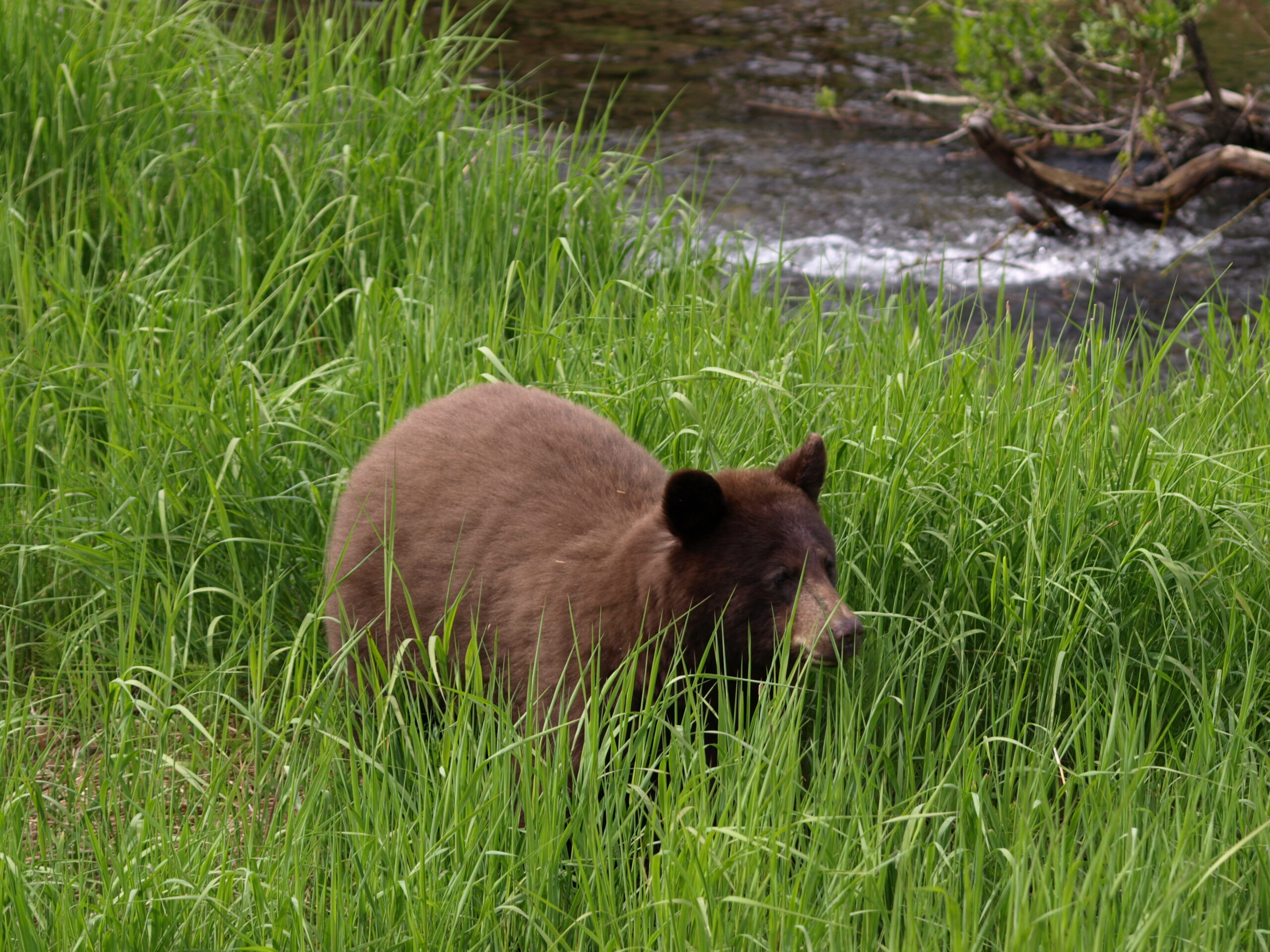 Photo Credit: Gillfoto / Wikimedia Commons
In the heart of North America’s rugged wilderness roams the Cinnamon Bear, scientifically known as Ursus arctos. This striking subspecies of the brown bear is easily recognized by its warm, reddish-brown fur that glimmers in the sunlight, giving it a unique appearance among its bear relatives. With a robust body that can weigh between 200 to 600 pounds, the Cinnamon Bear is not just a beautiful sight; it is a powerful presence in its environment. Scientists and nature enthusiasts alike are captivated by this bear’s adaptability and role in the ecosystem, making it a subject of ongoing research and admiration.
Imagine a serene evening in the arid forested mountains, where the air is filled with the sweet scent of wild berries and the rustle of leaves. As the sun dips below the horizon, the Cinnamon Bear awakens from its slumber, ready to embark on a nocturnal adventure. With its keen sense of smell and sharp instincts, it forages for a variety of foods, from succulent berries to crunchy nuts. This bear’s omnivorous diet not only sustains it but also plays a crucial role in maintaining the balance of its habitat. As we delve deeper into the life of the Cinnamon Bear, we will explore its fascinating behaviors, its vital role in the ecosystem, and the challenges it faces in a changing world.
The Cinnamon Bear, known scientifically as Ursus arctos, is a captivating member of the animal kingdom that sits within the family Ursidae, which includes all bears. This bear is particularly notable for its striking cinnamon-colored fur, which sets it apart from its more commonly recognized black and brown relatives. As a member of the order Carnivora, which encompasses meat-eating mammals, the Cinnamon Bear showcases a fascinating blend of traits, including a diet that can range from plants to small animals. This adaptability is a key feature that has allowed bears to thrive in diverse habitats across North America.
| Taxonomic Rank | Scientific Name | Meaning & Significance |
|---|---|---|
| Kingdom | Animalia | This term means “animals” in Latin, highlighting the bear’s status as a multicellular organism that consumes organic material for energy. |
| Phylum | Chordata | Chordata refers to animals with a backbone, indicating that the Cinnamon Bear has a complex skeletal structure that supports its large body. |
| Class | Mammalia | Mammalia signifies that this bear is warm-blooded and has fur, along with the ability to nurse its young with milk. |
| Order | Carnivora | Carnivora means “meat-eaters,” but many members, including the Cinnamon Bear, are omnivorous, eating both plants and animals. |
| Family | Ursidae | Ursidae is derived from the Latin word “ursus,” meaning bear, which connects all bear species through their shared characteristics and evolutionary traits. |
| Genus | Ursus | The genus name Ursus also comes from Latin, emphasizing the bear’s robust build and its place among the larger mammals. |
Understanding the Cinnamon Bear’s classification reveals much about its evolutionary journey. As a member of the Ursidae family, it shares a common ancestor with other bears, which adapted over millions of years to various environments. This classification not only highlights its physical traits but also its behavioral adaptations, such as foraging and hibernation, which have been crucial for survival. The Cinnamon Bear’s unique position in the tree of life illustrates the intricate connections between species and the evolutionary processes that shape them.
The evolutionary journey of the Cinnamon Bear, a subspecies of the brown bear, stretches back millions of years. This timeline reveals a rich tapestry of adaptations and changes that have allowed these bears to thrive in diverse environments. The story begins with the earliest ancestors of modern bears, which roamed the Earth during the late Miocene epoch, around 10 million years ago. These ancient creatures laid the groundwork for the diverse bear species we see today, including the Cinnamon Bear.
The ancestors of the Cinnamon Bear were part of a group known as the Ursidae family, which emerged from a lineage of carnivorous mammals. Over time, these early bears adapted to various habitats, leading to significant evolutionary transitions. For instance, as they spread across different continents, they developed traits suited for survival in their specific environments. The Cinnamon Bear, with its distinctive reddish-brown fur, is a result of adaptations to the temperate forests and mountainous regions of North America. This coloration not only helps with camouflage among the trees but also plays a role in thermoregulation, or maintaining body temperature.
The adaptations of the Cinnamon Bear have been crucial for its survival in the wild. The ability to camouflage effectively allows it to evade predators and stalk prey, while its varied diet ensures it can find nourishment throughout the year. Strong limbs not only aid in climbing and digging but also provide the strength needed to defend against rivals. Additionally, social behaviors foster a sense of community, enabling these bears to thrive in their habitats. Together, these traits illustrate how the Cinnamon Bear has evolved to become a resilient and adaptable inhabitant of North America’s forests.
The Cinnamon Bear is a striking figure in the wild, exuding both strength and grace. With a robust body structure, these bears can weigh anywhere from 200 to 600 pounds, making them quite formidable. Their broad shoulders and powerful limbs are designed for climbing and foraging, while their sturdy legs support their hefty frame. The Cinnamon Bear’s most eye-catching feature is its warm, cinnamon-colored fur, which glistens in the sunlight and provides a beautiful contrast against the lush green forests they often inhabit.
| Feature | Description |
|---|---|
| Weight | 200-600 lbs. |
| Skin Type | Fur |
| Most Distinctive Feature | Cinnamon-colored fur |
The Cinnamon Bear’s physical traits are not just for show; they play vital roles in its survival. The thick fur not only provides warmth during chilly nights but also helps camouflage the bear among the trees and underbrush, making it less visible to both prey and predators. Its powerful build allows it to navigate rugged terrains with ease, whether climbing trees in search of food or traversing steep hills. Together, these features create a well-adapted animal, perfectly suited to thrive in its natural habitat.
The Cinnamon Bear thrives in a captivating landscape of arid forested mountains and lowlands. Imagine towering trees that stretch toward the sky, their leaves whispering in the gentle breeze. Below, a rich tapestry of underbrush and wildflowers creates a vibrant floor, teeming with life. This habitat offers a mix of open spaces and dense thickets, providing both shelter and foraging opportunities for these magnificent bears. The interplay of sunlight filtering through the branches and the earthy scents of the forest make it a truly enchanting home.
The climate in these regions can vary significantly, but Cinnamon Bears prefer areas that offer a balance of warmth and moisture. They thrive in environments where the temperatures can range from mild to cool, often enjoying the seasonal changes that bring fresh food sources. These bears are well-suited to areas that experience a mix of sunny days and rainy spells, as the moisture helps sustain the lush vegetation they rely on for nourishment.
Adaptations have played a crucial role in the Cinnamon Bear’s ability to flourish in these habitats. Their thick fur not only provides warmth during colder months but also helps them blend into the forest surroundings, making it easier to avoid predators and sneak up on prey. Their strong limbs and sharp claws are perfect for climbing trees and digging for roots or insects, while their keen sense of smell allows them to locate food from great distances. These features enable the Cinnamon Bear to navigate its environment with skill and confidence, ensuring its survival in the wild.
The daily life of a Cinnamon Bear is a blend of adventure and survival, primarily taking place under the cover of night. As a nocturnal animal, this bear awakens when the sun sets, ready to explore its territory. With keen senses, it roams through its habitat, searching for food and marking its presence. Cinnamon Bears are opportunistic feeders, meaning they eat whatever is available, from berries and nuts to fish and small mammals. Their activities are driven by the need to find sustenance and maintain their strength, which is crucial for their survival.
While Cinnamon Bears are generally solitary creatures, they do have interesting social behaviors. They may cross paths with other bears, especially during the mating season or when food sources are abundant. When they encounter one another, they communicate through a series of vocalizations, body language, and scent markings. These interactions can be brief, as each bear typically prefers to maintain its own space. However, they are aware of their neighbors and can establish a loose hierarchy based on size and strength, which helps reduce conflicts over resources.
| Behavior Type | Description |
|---|---|
| Activity Patterns | Cinnamon Bears are primarily nocturnal, meaning they are most active at night. They spend their evenings foraging for food and exploring their territory. |
| Social Structure | These bears are mostly solitary, preferring to live alone. They may interact with other bears during mating season or when food is plentiful. |
| Communication Methods | Cinnamon Bears communicate through vocalizations, such as growls and grunts, as well as through body language and scent markings to establish territory. |
The behaviors of Cinnamon Bears are finely tuned to ensure their survival in the wild. By being nocturnal, they avoid the heat of the day and can hunt and forage more effectively. Their solitary nature allows them to minimize competition for food, while their communication methods help them navigate their environment and maintain their territory. Each of these behaviors plays a vital role in their ability to thrive in the diverse landscapes they call home.
The Cinnamon Bear is an omnivore, which means it enjoys a varied diet that includes both plants and animals. This bear has a particular fondness for berries, nuts, and vegetation, which it forages for in its forested habitat. When it comes to protein, the Cinnamon Bear will hunt small rodents and insects, and it also has a taste for fish, especially during spawning seasons. Its feeding behavior is quite opportunistic, meaning it will take advantage of whatever food sources are available, using its keen sense of smell to locate tasty treats.
| Dietary Aspect | Details |
|---|---|
| Diet Type | Omnivore |
| Favorite Foods | Berries, nuts, vegetation |
| Prey Items | Small rodents, insects, fish |
| Hunting/Foraging Strategies | Forages for plants and uses keen sense of smell to locate food |
The diverse diet of the Cinnamon Bear plays a crucial role in its ecology and daily routine. By consuming a wide range of foods, it helps to maintain the balance of its ecosystem, dispersing seeds and controlling populations of smaller animals. This adaptability not only supports its survival but also influences its behavior, as the bear must constantly search for food sources, especially during the changing seasons. As it roams its territory, the Cinnamon Bear’s foraging habits contribute to the vibrant tapestry of life in its forest home.
When it comes to the Cinnamon Bear’s mating behavior, the season is as important as the act itself. Breeding typically occurs in late spring to early summer, when the bears are most active and food is plentiful. Males will often roam large distances to find females, engaging in a series of courtship rituals that can include vocalizations and displays of strength. Once a female is receptive, she will mate with a male, and the two will part ways after the breeding season, as bears are generally solitary animals.
| Reproductive Aspect | Details |
|---|---|
| Gestation Period | 7 months |
| Average Litter Size | 2-3 |
| Age of Sexual Maturity | 4-6 years |
| Name of Young | Cub |
After a gestation period of about seven months, the female Cinnamon Bear gives birth to her cubs, usually in a cozy den during the winter months. This den, often dug into the snow or nestled in a hollow tree, provides a safe haven for the newborns. The mother is incredibly attentive, nursing her cubs and keeping them warm until they are ready to venture out into the world. As the cubs grow, they learn essential survival skills from their mother, such as foraging for food and navigating their environment. By the time they reach maturity at around four to six years, these young bears are well-equipped to thrive on their own, continuing the cycle of life in the wild.
The Cinnamon Bear occupies a vital role in its ecosystem, sitting near the top of the food web. As an omnivore, it helps maintain the balance of plant and animal populations. However, despite its impressive size and strength, the Cinnamon Bear faces several dangers that threaten its survival. These threats can come from both natural predators and human activities, making life in the wild a constant challenge.
To defend itself against these threats, the Cinnamon Bear has developed several survival strategies. It relies on its keen sense of smell to detect danger from afar, allowing it to avoid confrontations. When faced with a predator, this bear can stand tall and make itself appear larger, a tactic that often intimidates would-be attackers. Additionally, Cinnamon Bears are known for their agility and speed, which they can use to escape if necessary. By being aware of their surroundings and using their natural instincts, these bears navigate the challenges of their environment with resilience and adaptability.
A keystone species is an organism that plays a critical role in maintaining the structure of its ecosystem. Its presence and activities significantly influence the types and numbers of other species in that environment. The Cinnamon Bear, a subspecies of the brown bear, qualifies as a keystone species due to its impact on both plant and animal populations in its habitat.
Cinnamon Bears are omnivores, meaning they eat a variety of foods, including plants, berries, and small animals. By foraging for these resources, they help control plant growth and seed dispersal. For example, when they consume berries, they not only enjoy a nutritious meal but also help spread the seeds through their droppings. This process encourages the growth of new plants, which in turn supports other wildlife. Additionally, as a top predator, the Cinnamon Bear helps regulate populations of smaller mammals and insects, ensuring that no single species dominates the ecosystem.
The bear’s solitary nature means it roams large territories, which allows it to interact with various habitats. This movement contributes to genetic diversity among plant species, as different areas may have unique plant communities. Furthermore, when Cinnamon Bears dig for roots or create dens, they inadvertently aerate the soil, promoting healthier plant growth. Their activities create microhabitats that benefit other species, from insects to birds, enhancing the overall biodiversity of their environment.
If the Cinnamon Bear were to disappear from its ecosystem, the effects would be profound. Without this bear, plant populations could become unbalanced, leading to overgrowth of certain species and the decline of others. This imbalance would ripple through the food web, affecting not only the plants but also the animals that rely on them for food and shelter. Smaller mammals might overpopulate, leading to increased competition for resources. Ultimately, the loss of the Cinnamon Bear would diminish the richness and diversity of its habitat, highlighting just how vital this magnificent creature is to its environment.
The Cinnamon Bear, a subspecies of the brown bear, plays a vital role in its ecosystem, particularly in the arid forested mountains and lowlands it calls home. As an omnivore, it forages for a diverse diet that includes berries, nuts, and small animals. This dietary flexibility allows the Cinnamon Bear to adapt to seasonal changes and influences the availability of food for other species. By interacting with various plants and animals, the bear helps shape its environment, making it a key player in maintaining ecological balance.
| Ecosystem Service | Impact |
|---|---|
| Seed Dispersal | Helps spread plant seeds through its droppings, promoting plant diversity. |
| Predator Control | Regulates populations of smaller animals, preventing overgrazing and maintaining plant health. |
| Soil Aeration | Digging for food loosens soil, improving water absorption and nutrient cycling. |
| Food Source for Scavengers | Leftover carcasses provide nourishment for scavengers like vultures and coyotes. |
The influence of the Cinnamon Bear extends beyond its immediate actions. For instance, when it forages for berries, it not only consumes the fruit but also helps in the dispersal of seeds. This process allows new plants to grow in different areas, contributing to a rich and diverse plant community. Additionally, by preying on smaller animals, the bear helps keep their populations in check, which is essential for preventing overgrazing. This balance ensures that vegetation remains healthy and thriving, supporting a variety of other wildlife.
The broader ecological importance of the Cinnamon Bear cannot be overstated. As a keystone species, its presence is crucial for the health of its ecosystem. The bear’s activities create a ripple effect, influencing the abundance and diversity of many other species. By maintaining the balance of plant and animal populations, the Cinnamon Bear helps sustain the intricate web of life in its habitat. In this way, it not only survives but also enriches the environment, showcasing the interconnectedness of all living things.
In the intricate web of nature, symbiosis refers to the close and often long-term interactions between different species. These relationships can take many forms, including mutualism, where both species benefit, parasitism, where one benefits at the expense of the other, and commensalism, where one benefits while the other is neither helped nor harmed. The Cinnamon Bear, a fascinating inhabitant of arid forested mountains and lowlands, engages in various ecological partnerships that highlight the interconnectedness of life in its habitat.
| Species/Type | Relationship Type | Description |
|---|---|---|
| Birds (e.g., woodpeckers) | Mutualistic | Woodpeckers often help Cinnamon Bears by removing parasites from their fur, while the bears provide a source of food for the birds. |
| Fungi (e.g., mycorrhizal fungi) | Mutualistic | These fungi form partnerships with the roots of plants in the bear’s habitat, enhancing nutrient absorption, which benefits the bear by supporting the plant life it forages. |
| Ticks | Parasitic | Ticks latch onto Cinnamon Bears to feed on their blood, which can weaken the bears and transmit diseases. |
| Decomposers (e.g., bacteria and fungi) | Commensal | Decomposers break down organic matter in the bear’s environment, enriching the soil without directly affecting the bears. |
These relationships have evolved over time, shaped by the needs and behaviors of the species involved. The mutualistic partnerships, like those with woodpeckers and fungi, illustrate how cooperation can enhance survival and health for both parties. Meanwhile, parasitic relationships, such as those with ticks, remind us that not all interactions are beneficial. Understanding these connections helps us appreciate the delicate balance of ecosystems, where each species, including the Cinnamon Bear, plays a vital role in maintaining the health and diversity of their environment.
The Cinnamon Bear, with its warm, cinnamon-colored fur, is a captivating creature that holds many surprises for those who take the time to learn about it. Here are some intriguing facts that showcase the wonders of this remarkable animal.
The relationship between the Cinnamon Bear and humanity is steeped in history and cultural significance. For centuries, these magnificent animals have captured the imagination of people living in their habitats. Indigenous cultures often revered the Cinnamon Bear, seeing it as a symbol of strength and resilience. Folklore and stories passed down through generations highlight the bear’s role in the natural world, often portraying it as a wise and powerful figure. This deep-rooted connection has influenced art, literature, and even spiritual beliefs, showcasing how intertwined human lives have been with these remarkable creatures.
In modern times, interactions between Cinnamon Bears and humans have evolved, reflecting both cooperation and conflict. Conservation efforts are underway to protect their habitats and ensure their survival, as urban expansion and climate change threaten their natural environments. However, these bears sometimes wander into human territories in search of food, leading to conflicts. People often find themselves in a delicate balance, needing to coexist with these wild animals while also protecting their homes and livelihoods. Interestingly, some communities have embraced the idea of coexistence, implementing bear-proof trash cans and educational programs to foster understanding and respect for these majestic animals.
Looking ahead, the future of the relationship between Cinnamon Bears and humanity hinges on our ability to adapt and learn. As we face environmental challenges, fostering a respectful coexistence will be crucial. By prioritizing conservation and understanding the needs of these bears, we can ensure that future generations will continue to share the planet with these incredible animals. Together, we can create a world where both humans and Cinnamon Bears thrive, celebrating the beauty of nature and the bonds that connect us all.
The Cinnamon Bear, a subspecies of the brown bear, currently holds a conservation status of “Least Concern” according to the International Union for Conservation of Nature (IUCN). This means that, at present, the population is stable and not facing immediate threats of extinction. While exact population estimates can be challenging to determine due to their wide-ranging habitats, the overall trend for Cinnamon Bears appears to be positive, with numbers remaining steady in many areas.
| Conservation Factor | Status/Details |
|---|---|
| IUCN Status | Least Concern |
| Population Estimates | Stable, specific numbers vary by region |
| Trend Direction | Stable |
Despite their current stable status, Cinnamon Bears face several threats that could impact their future. Habitat loss is a significant concern, as human activities like logging, urban development, and agriculture encroach on their natural environments. Additionally, climate change poses risks by altering food availability and habitat conditions. These factors can lead to increased human-bear conflicts, as bears search for food in populated areas, which can be dangerous for both bears and people.
Conservation efforts are underway to ensure the continued survival of the Cinnamon Bear. Wildlife organizations and government agencies are working to protect their habitats through the establishment of national parks and wildlife reserves. Education programs aimed at local communities help promote coexistence and reduce conflicts. With ongoing efforts and public awareness, the outlook for the Cinnamon Bear remains hopeful, allowing future generations to appreciate these magnificent animals in the wild.
| Question | Answer |
|---|---|
| What is the habitat of the Cinnamon Bear? | Cinnamon Bears thrive in arid forested mountains and lowlands. They prefer areas with plenty of trees and shrubs, which provide both food and shelter. |
| What do Cinnamon Bears eat? | As omnivores, Cinnamon Bears have a varied diet that includes fruits, nuts, insects, and small mammals. This flexibility in their diet helps them adapt to different environments and food availability. |
| What are some typical behaviors of Cinnamon Bears? | Cinnamon Bears are generally solitary animals, except during mating season or when a mother is raising her cubs. They are known for their excellent climbing skills and often forage for food in trees. |
| How do Cinnamon Bears reproduce? | Cinnamon Bears mate in the summer, and after a gestation period of about 7 to 8 months, the female gives birth to 1 to 4 cubs. The cubs stay with their mother for about a year, learning essential survival skills. |
| What threats do Cinnamon Bears face? | While Cinnamon Bears are currently listed as Least Concern, they face threats from habitat loss and human encroachment. Climate change and hunting can also impact their populations. |
| What is a distinctive feature of the Cinnamon Bear? | The most distinctive feature of the Cinnamon Bear is its beautiful cinnamon-colored fur. This unique coloration helps them blend into their forested habitats. |
| Are Cinnamon Bears social animals? | Cinnamon Bears are not particularly social and prefer to live alone. They communicate through vocalizations, body language, and scent markings to establish territory and attract mates. |