Taxonomy & Classification
- Kingdom
- Animalia
- Phylum
- Mollusca
- Class
- Bivalvia
- Order
- Cardiida
- Family
- Cardiidae
- Genus
- Cerastoderma

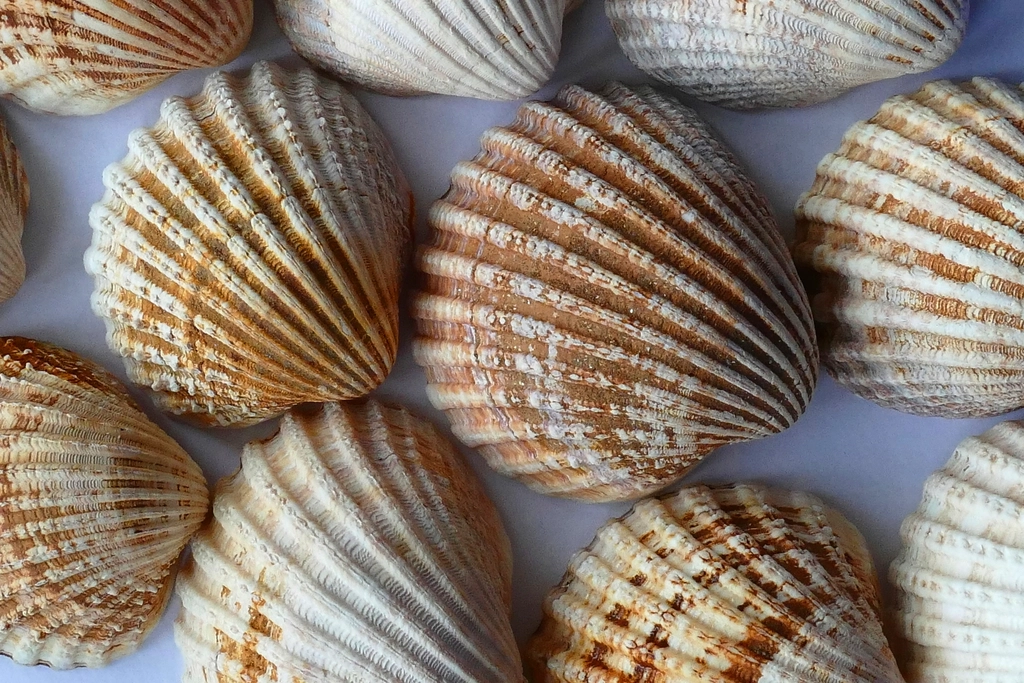 Photo Credit: Rawpixel
In the shimmering shallows of coastal waters, the cockle, scientifically known as Cardiidae, reveals its charming presence. With its heart-shaped shell, often adorned with delicate ridges and vibrant colors, this bivalve mollusk captures the imagination of beachcombers and scientists alike. Picture a sun-drenched beach where gentle waves lap against the shore, and you might spot these little wonders half-buried in the soft sand, their shells glistening like tiny treasures waiting to be discovered.
Cockles are not just beautiful; they play a vital role in their ecosystems. As filter feeders, they help keep the water clean by consuming tiny particles and algae, making them essential for the health of coastal environments. Their fascinating life cycle, which includes a unique mating ritual during warmer months, adds to their allure. Scientists are captivated by how these creatures have thrived for millions of years, adapting to their surroundings while maintaining their distinctive features. Join us as we dive deeper into the world of cockles, exploring their habitats, behaviors, and the important roles they play in the marine ecosystem.
Cockles are intriguing members of the animal kingdom, nestled within the vast and diverse tree of life. These bivalve mollusks, which means they have two shells, belong to the phylum Mollusca. What sets cockles apart is their heart-shaped shells and their ability to burrow into sandy or muddy substrates, allowing them to thrive in various marine environments. Their unique adaptations not only help them survive but also play a vital role in the ecosystems they inhabit, making them essential players in the food web.
| Taxonomic Rank | Scientific Name | Meaning & Significance |
|---|---|---|
| Kingdom | Animalia | This name comes from the Latin word “animalis,” meaning “having breath,” highlighting the living, breathing nature of these organisms. |
| Phylum | Mollusca | Derived from the Latin “mollis,” meaning “soft,” this name refers to the soft-bodied nature of mollusks, which includes snails, clams, and octopuses. |
| Class | Bivalvia | This term means “two valves,” referring to the two-part shell that characterizes these animals, allowing them to open and close for feeding and protection. |
| Order | Cardiida | The name comes from the Latin “cardia,” meaning “heart,” which reflects the heart-shaped appearance of many cockle shells. |
| Family | Cardiidae | This family name is derived from the same root as the order, emphasizing the heart-like shape of the shells found in this group. |
| Genus | Cerastoderma | This name combines Greek words “keras,” meaning “horn,” and “derma,” meaning “skin,” referring to the horn-like projections often found on the shells of these cockles. |
Understanding the taxonomic classification of cockles reveals much about their evolutionary journey. As members of the Mollusca phylum, they share a common ancestry with a wide range of other soft-bodied animals, showcasing the incredible diversity of life on Earth. Their specific adaptations, such as their burrowing behavior and distinctive shell shapes, highlight how they have evolved to occupy specific niches in marine ecosystems. This classification not only helps scientists study their biology and ecology but also illustrates the intricate connections between different life forms throughout history.
The evolutionary journey of cockles stretches back millions of years, tracing their lineage to ancient marine environments. These bivalve mollusks, part of the family Cardiidae, have adapted and thrived through various geological epochs, showcasing a remarkable ability to survive changing climates and ecosystems. Their ancestors first appeared during the Jurassic period, around 150 million years ago, and since then, they have undergone significant transformations that have allowed them to flourish in diverse habitats.
The early ancestors of cockles were simple, single-shelled organisms that lived in shallow waters. Over time, they evolved into the bivalve form we recognize today, characterized by two hinged shells. This transition was crucial, as it provided protection from predators and environmental hazards. As they adapted to different habitats, cockles developed specialized features, such as burrowing abilities that allowed them to dig into sandy or muddy substrates, enhancing their survival against strong currents and predators.
These adaptations have been vital for cockles, enabling them to thrive in a range of marine environments. Their sturdy shells protect them from predators, while their burrowing skills provide refuge from harsh conditions. By efficiently filtering food from the water, they ensure a steady supply of nutrients, allowing them to flourish in diverse ecosystems. Through millions of years of evolution, cockles have become a resilient and adaptable part of the marine world, showcasing the wonders of nature’s ingenuity.
Cockles present a charming and distinctive appearance that captures the eye of anyone who encounters them. Their most striking feature is their heart-shaped shell, which gives them a playful, almost whimsical look. These bivalves are relatively small, weighing in at about 0.88 ounces, making them easy to overlook among the sandy shores and tidal pools they inhabit. The shell’s surface is often textured, adding to its visual appeal, while the overall shape allows them to burrow into the sand, providing both camouflage and protection from predators.
| Feature | Description |
|---|---|
| Weight | 0.88 ounces |
| Skin Type | Shell |
| Most Distinctive Feature | Heart-shaped shell |
The combination of a lightweight shell and its heart shape serves multiple purposes in the life of a cockle. The shell not only protects the soft body inside from hungry predators but also allows the cockle to bury itself in the sand, where it can remain hidden from view. This clever adaptation helps them survive in their coastal habitats, where they can easily blend in with their surroundings. The unique shape and structure of their shells are not just for show; they are essential tools for survival in the ever-changing marine environment.
Cockles thrive in coastal environments where soft mud and fine sand create the perfect home for these bivalve mollusks. Picture a serene beach, where gentle waves lap against the shore, and the sun glistens on the water’s surface. Beneath this tranquil scene lies a bustling world of life, with cockles nestled just below the surface, burrowing into the soft substrate. These habitats are often found in intertidal zones, where the land meets the sea, providing a rich ecosystem teeming with nutrients.
Cockles prefer environments that are not only sandy but also relatively shallow, typically found in subtidal areas. These regions are characterized by stable temperatures and salinity levels, which means the water’s saltiness remains consistent. The climate in these areas can vary, but generally, cockles thrive in temperate zones where the water is warm enough to support their growth and reproduction. They are often found in places where the tides bring in fresh nutrients, making their homes rich in food sources.
To survive in these specific habitats, cockles have developed some clever adaptations. Their heart-shaped shells not only provide protection from predators but also help them blend into the sandy seafloor. When the tide goes out, they can burrow deeper into the mud, keeping themselves safe and moist. This ability to dig into the substrate allows them to escape harsh conditions and find food, showcasing their remarkable resilience in the ever-changing coastal environment.
Cockles lead a life that is both simple and captivating, filled with daily routines that revolve around their coastal habitats. As the sun rises, these bivalve mollusks begin their day by burrowing into the soft sand or mud of the ocean floor. They filter feed by drawing in water through their siphons, extracting tiny plankton and organic particles for nourishment. This feeding process is essential, as it not only sustains them but also helps maintain the health of their ecosystem. Throughout the day, cockles may shift their position slightly, seeking optimal conditions for feeding and protection from predators.
Socially, cockles exhibit interesting group dynamics. While they are not known for complex social structures like some animals, they often gather in large beds, creating a community of sorts. This clustering behavior can provide safety in numbers, as it makes it harder for predators to target individual cockles. Communication among cockles is subtle; they rely on chemical signals in the water to detect the presence of others and to sense environmental changes. This ability to respond to their surroundings helps them thrive in their coastal homes.
| Behavior Type | Description |
|---|---|
| Feeding | Cockles filter feed by drawing in water and extracting plankton and organic matter. |
| Burrowing | They dig into the sand or mud to protect themselves from predators and environmental changes. |
| Social Clustering | Cockles often gather in large groups, which can provide safety from predators. |
| Chemical Communication | They use chemical signals in the water to communicate with each other and sense their environment. |
These behaviors are crucial for the survival of cockles in their dynamic coastal environments. By feeding efficiently and burrowing for protection, they ensure they have the resources needed to thrive. Their social clustering not only enhances their safety but also fosters a sense of community, allowing them to respond collectively to threats. In this way, cockles exemplify the delicate balance of life in the ocean, where every action contributes to their ongoing survival.
Cockles are primarily herbivores, meaning they mainly eat plant material. However, their diet is not limited to just one type of food. These bivalve mollusks have a special way of feeding that allows them to thrive in their coastal habitats. They use a unique structure called a siphon to draw in water, which is rich in tiny microorganisms and organic particles. As the water flows through their gills, cockles filter out these microscopic morsels, effectively “sifting” their meals from the surrounding environment. This feeding behavior is essential for their survival and plays a significant role in the ecosystem.
| Dietary Aspect | Details |
|---|---|
| Diet Type | Herbivore |
| Favorite Foods | Microorganisms and organic particles |
| Prey Items | Plankton and detritus |
| Hunting/Foraging Strategies | Filter feeding using siphons |
The diet of cockles not only sustains them but also influences their role in the ecosystem. By filtering water and consuming microorganisms, they help maintain water quality and clarity in their coastal environments. This feeding behavior also supports a variety of other marine life, as the nutrients released by cockles contribute to the overall health of their habitat. Their daily routine revolves around this essential activity, showcasing the interconnectedness of life in the ocean.
Cockles have a fascinating mating ritual that takes place during the warmer months, typically in spring and summer. During this breeding season, males and females release their eggs and sperm into the water simultaneously, a process known as external fertilization. This means that the fertilization happens outside the bodies of the cockles, allowing for a greater chance of successful reproduction. The synchronized release of gametes, or reproductive cells, is a spectacular sight, as it fills the water with tiny, floating eggs.
| Reproductive Aspect | Details |
|---|---|
| Gestation Period | 2 to 3 weeks |
| Litter Size | Up to 1 million eggs |
| Age of Maturity | 1 to 2 years |
| Name of Young | Larvae |
Once the eggs are fertilized, they develop into larvae, which are tiny and free-floating. These larvae drift in the ocean currents for several weeks, feeding on microscopic plants and other small particles. As they grow, they undergo a transformation, eventually settling on the ocean floor and developing into juvenile cockles. Parental care is minimal, as the young are left to fend for themselves from the moment they are released. However, this independence is crucial for their survival, allowing them to adapt to their environment and grow into mature adults, ready to continue the cycle of life.
Cockles play a vital role in the coastal food web, serving as both prey and filter feeders. They help maintain the health of their marine environments by filtering water and consuming tiny particles, like phytoplankton. However, their position also makes them vulnerable to various predators and human activities that threaten their populations.
Cockles have developed several defensive behaviors to survive these threats. When disturbed, they can quickly burrow deeper into the sand, making it harder for predators to reach them. Their hard shells provide a sturdy barrier against many attackers, while their ability to close tightly helps protect them from being eaten. Additionally, by living in large groups, cockles can reduce the chances of any single individual being targeted, showcasing their clever strategies for survival in a world full of dangers.
A keystone species is a vital part of its ecosystem, meaning its presence or absence can significantly impact the environment and other organisms living there. Cockles, with their unique role in coastal habitats, qualify as a keystone species. These bivalve mollusks help maintain the balance of their ecosystems, influencing both the physical environment and the community of organisms that depend on them.
Cockles primarily inhabit soft mud and fine sand in subtidal areas, where they play a crucial role in the health of their surroundings. As filter feeders, they consume tiny particles from the water, including phytoplankton and organic matter. This feeding behavior not only provides them with nourishment but also helps to clean the water, making it clearer and healthier for other marine life. By filtering out excess nutrients, cockles contribute to preventing harmful algal blooms, which can devastate aquatic ecosystems.
Moreover, cockles serve as an important food source for various predators, including birds, fish, and even humans. Their presence supports a diverse range of species that rely on them for sustenance. For example, shorebirds often forage for cockles along the beach, while larger fish may hunt them in the water. This interconnectedness highlights how the health of cockle populations can directly affect the survival of these predators.
If cockles were to disappear from their ecosystems, the consequences could be severe. Without these bivalves, water quality would likely decline, leading to murkier waters and increased algal blooms. This change would not only affect the cockles’ predators but also disrupt the entire food web, potentially leading to a decline in fish populations and other marine life. The loss of cockles would ripple through the ecosystem, demonstrating just how crucial they are to maintaining the balance of coastal environments.
Cockles occupy a crucial ecological niche in coastal environments, particularly in soft mud and fine sand areas. These bivalve mollusks play a significant role in their ecosystems, acting as both filter feeders and a food source for various marine animals. By sifting through the water, cockles help maintain water quality and clarity, which is essential for the health of their habitat. Their presence supports a diverse range of life, making them an integral part of the coastal ecosystem.
| Ecosystem Service | Impact |
|---|---|
| Water filtration | Improves water quality by removing particles and pollutants |
| Food source | Provides nourishment for birds, fish, and other marine animals |
| Habitat stabilization | Helps maintain the structure of sandy and muddy substrates |
| Nutrient cycling | Contributes to the recycling of nutrients in the ecosystem |
Cockles influence their environment in several specific ways. As filter feeders, they consume tiny particles, including phytoplankton and organic matter, which helps keep the water clean and clear. This process not only benefits the cockles but also supports other marine life that relies on clean water for survival. Additionally, by burrowing into the substrate, cockles help aerate the sediment, allowing oxygen to reach other organisms living in the mud and sand. This aeration is vital for the health of the entire ecosystem, promoting a balanced environment where various species can thrive.
The broader ecological importance of cockles cannot be overstated. As a keystone species, their presence significantly influences the structure and function of coastal ecosystems. When cockle populations are healthy, they support a rich diversity of life, from the smallest microorganisms to larger predators. Conversely, a decline in cockle numbers can lead to imbalances, affecting not only the species that depend on them for food but also the overall health of the marine environment. By understanding and protecting cockles, we can help ensure the vitality of coastal ecosystems for generations to come.
Symbiosis is a captivating concept in nature, where different species interact in ways that can benefit one or both parties involved. These ecological relationships can take many forms, including mutualism, where both species gain advantages; parasitism, where one benefits at the expense of the other; and commensalism, where one species benefits while the other is neither helped nor harmed. In the bustling world of cockles, these relationships play a vital role in their survival and the health of their coastal ecosystems.
| Species/Type | Relationship Type | Description |
|---|---|---|
| Sea anemones | Mutualistic | Cockles can sometimes be found near sea anemones, which provide shelter. In return, cockles help keep the area clean by filtering out debris. |
| Crabs | Commensal | Some crabs may burrow near cockles, benefiting from the cockles’ presence without affecting them. The crabs gain protection from predators. |
| Parasites (like certain worms) | Parasitic | Some worms can attach to cockles, feeding on their nutrients. This relationship harms the cockles, as they lose vital resources. |
These relationships have evolved over time, shaped by the needs and adaptations of the species involved. Mutualistic partnerships, like those with sea anemones, highlight how cooperation can enhance survival for both parties. Meanwhile, parasitic interactions remind us of the challenges that come with living in a shared environment. Understanding these connections not only enriches our knowledge of cockles but also emphasizes the intricate web of life that sustains our planet’s ecosystems.
Cockles are not just ordinary bivalve mollusks; they are fascinating little creatures with some surprising traits that make them stand out in the marine world. Here are some intriguing facts that will surely captivate nature enthusiasts of all ages.
Cockles have a long and storied relationship with humanity, dating back thousands of years. These bivalve mollusks have been a source of food for coastal communities around the world, providing nourishment and sustenance. In many cultures, cockles are celebrated in local cuisine, often enjoyed in dishes that highlight their delicate flavor. Beyond their culinary significance, cockles have also found their way into art and folklore, symbolizing the connection between people and the sea. Their heart-shaped shells have inspired crafts and jewelry, making them a cherished part of coastal heritage.
Today, the interaction between cockles and humans is multifaceted, encompassing conservation efforts, conflicts over harvesting, and even attempts at domestication. As coastal ecosystems face threats from pollution and climate change, protecting cockle populations has become increasingly important. Many organizations are working to ensure sustainable harvesting practices, allowing these mollusks to thrive while still providing for human needs. However, conflicts can arise when overfishing occurs, leading to declines in cockle numbers and impacting the broader marine environment. Some researchers are exploring the possibility of farming cockles, which could help balance human consumption with ecological health.
As we look to the future, the relationship between cockles and humanity will likely continue to evolve. With increasing awareness of environmental issues, there is hope for a more sustainable approach to harvesting these mollusks. By fostering a deeper understanding of their ecological role, we can ensure that cockles remain a vital part of our coastal ecosystems and cultures. Together, we can celebrate and protect these fascinating creatures, ensuring that future generations can enjoy the rich bounty of the sea.
The conservation status of cockles is currently classified as “Least Concern” by the International Union for Conservation of Nature (IUCN). This means that, overall, cockle populations are stable and not facing immediate threats of extinction. However, local populations can vary, and some areas may experience declines due to environmental changes or human activities. Understanding these trends is essential for ensuring the long-term health of cockle populations and their habitats.
| Conservation Factor | Status/Details |
|---|---|
| IUCN Status | Least Concern |
| Population Estimates | Stable in many regions |
| Trend Direction | Generally stable, but local declines may occur |
Despite their overall stable status, cockles face several significant threats. One of the main challenges is habitat loss, often caused by coastal development and pollution. As human activities expand along coastlines, the delicate environments where cockles thrive can be disrupted. Additionally, climate change poses a growing risk, as rising sea temperatures and ocean acidification can affect their growth and reproduction. Overfishing in some areas also threatens local populations, as these bivalves are harvested for food and other uses.
Conservation efforts are underway to protect cockles and their habitats. Many organizations are working to monitor cockle populations and promote sustainable fishing practices. By raising awareness about the importance of these bivalve mollusks in coastal ecosystems, conservationists aim to ensure that cockles continue to thrive for generations to come. With ongoing efforts and community involvement, the outlook for cockles remains hopeful, allowing them to play their vital role in marine environments.
| Question | Answer |
|---|---|
| What is the habitat of a cockle? | Cockles thrive in soft mud and fine sand found in subtidal areas, which are the parts of the ocean that are always underwater. These environments provide the perfect conditions for them to burrow and feed. |
| What do cockles eat? | Cockles are herbivores, meaning they primarily eat plant material. They filter tiny bits of algae and other organic matter from the water, using their gills to capture food particles as water flows through their shells. |
| How do cockles behave? | Cockles are generally sedentary, meaning they stay in one place for most of their lives. They can burrow into the sand to hide from predators and will often open their shells slightly to feed when the tide is in. |
| How do cockles reproduce? | Cockles reproduce by releasing eggs and sperm into the water, where fertilization occurs. This process usually happens during warmer months, and the larvae that hatch are free-swimming before settling down to become adults. |
| What threats do cockles face? | While cockles are currently classified as Least Concern, they face threats from habitat destruction and pollution. Overfishing can also impact their populations, as they are harvested for food in many regions. |
| What is a distinctive feature of cockles? | The most distinctive feature of cockles is their heart-shaped shell. This unique shape not only makes them easily recognizable but also helps them fit snugly into the sand where they live. |
| Can cockles move around? | Cockles can move, but not in the way many animals do. They can dig into the sand and shift their position slightly, but they do not swim or crawl like other marine creatures. |