Taxonomy & Classification
- Kingdom
- Animalia
- Phylum
- Chordata
- Class
- Aves
- Order
- Psittaciformes
- Family
- Arinae
- Genus
- Aratinga, Pyrrhura, and others
- Species
- Psittatus solstitialis, Aratinga nenday, and others

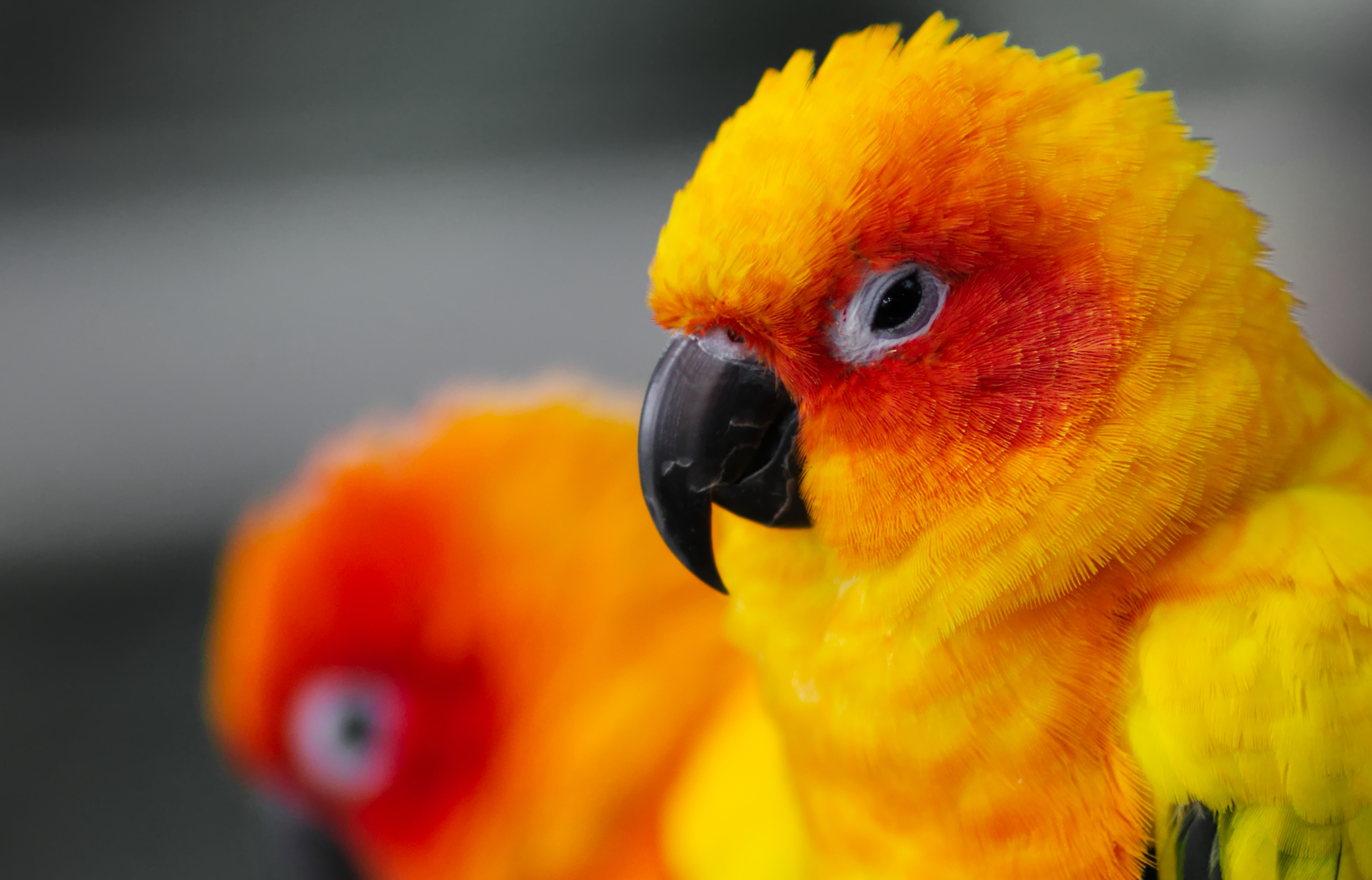 Photo Credit: Lintophilip / Wikimedia
In the heart of South America, where the sun filters through the lush canopy of tropical forests, lives the conure, scientifically known as Arinae. These small to medium-sized parrots are a burst of color against the green backdrop, showcasing vibrant plumage that ranges from bright greens to dazzling yellows and fiery reds. With their playful personalities and social nature, conures are not just a treat for the eyes; they are also a source of endless fascination for scientists and nature lovers alike. Their lively chatter fills the air, creating a symphony of sounds that echoes through the trees, inviting anyone nearby to join in their joyful antics.
Conures thrive in the moist lowland forests, where they flit from branch to branch, their compact bodies and small rostrums—those are their beaks—perfectly designed for cracking open seeds and munching on fruits. These birds are more than just beautiful; they play a crucial role in their ecosystems, helping to disperse seeds and maintain the health of their habitats. As they interact with their environment, conures demonstrate a complex web of behaviors that reveal their intelligence and adaptability. From their lively courtship displays to their intricate social structures, every aspect of their lives offers a glimpse into the wonders of the natural world, making them a captivating subject for exploration and study.
Conures are vibrant, social birds that belong to the family Arinae, which is part of the larger order Psittaciformes, known for its colorful parrots. These lively birds are celebrated for their playful personalities and striking plumage, which can range from bright greens to vivid yellows and reds. What sets conures apart in the animal kingdom is not just their beauty but also their intelligence and ability to mimic sounds, making them popular pets. Their social nature and vocalizations reflect their evolutionary adaptations, allowing them to thrive in flocks in their native habitats across Central and South America.
| Taxonomic Rank | Scientific Name | Meaning & Significance |
|---|---|---|
| Kingdom | Animalia | This name signifies that conures are part of the animal kingdom, which includes all multicellular organisms that are not plants, fungi, or bacteria. |
| Phylum | Chordata | Chordata means “having a notochord,” a flexible rod that supports the body. This feature is a key characteristic of all vertebrates, including conures. |
| Class | Aves | Aves is the class that includes all birds. The name comes from the Latin word for bird, highlighting their feathered bodies and ability to fly. |
| Order | Psittaciformes | This order includes parrots and their relatives. The name comes from the Greek word “psittakos,” meaning parrot, emphasizing their colorful appearance and strong beaks. |
| Family | Arinae | Arinae refers to the subfamily of parrots that includes conures. The name is derived from “Aratinga,” a genus of conures, which reflects their lively and social behavior. |
| Genus | Aratinga, Pyrrhura, and others | Aratinga comes from a Tupi word meaning “small parrot,” while Pyrrhura means “fire tail” in Greek, referring to the bright colors found in some species. |
Understanding the taxonomic classification of conures reveals much about their evolutionary journey. As members of the Psittaciformes order, they share a common ancestry with other parrots, which have evolved unique adaptations for life in diverse environments. Their social structures and communication skills have developed over time, allowing them to thrive in the wild and form strong bonds with their flock. This classification not only highlights their biological connections but also underscores the importance of social interaction in their survival and success as a species.
The evolutionary journey of conures stretches back millions of years, intertwining with the rich tapestry of avian history. These lively birds belong to the family Arinae, which is part of the larger order Psittaciformes, known for their vibrant colors and intelligence. The ancestors of modern conures began to diverge from other birds around 30 million years ago, during the late Oligocene epoch. This period marked significant changes in climate and vegetation, shaping the habitats where these birds would thrive.
The early ancestors of conures were likely small, seed-eating birds that adapted to life in the lush forests of South America. Over time, they developed traits that allowed them to exploit their environment more effectively. One major transition was the evolution of their strong, curved beaks, which are perfectly designed for cracking open hard seeds and nuts. This adaptation not only provided them with a reliable food source but also allowed them to thrive in diverse habitats, from tropical rainforests to arid scrublands.
These adaptations have been crucial for the survival of conures in their ever-changing environments. Their strong beaks allow them to access food that many other birds cannot, while their social behavior fosters cooperation and protection within flocks. The vibrant colors of their feathers not only make them visually stunning but also serve practical purposes in communication and mating. Together, these traits have enabled conures to flourish across a variety of habitats, showcasing the incredible power of evolution in shaping life on Earth.
Conures are a dazzling sight to behold, with their lively bodies and striking colors that seem to dance in the sunlight. These small to medium-sized birds boast a compact structure, featuring a rounded head and a short neck that leads into a robust body. Their long, tapered tails add an elegant touch, allowing them to maneuver gracefully through the air. With their playful demeanor and vibrant plumage, conures are not just birds; they are living rainbows that bring joy wherever they go.
| Feature | Description |
|---|---|
| Weight | 0.13 to 0.33 ounces |
| Skin Type | Feathers |
| Most Distinctive Feature | Bright colors and long tails |
The combination of their lightweight bodies and vibrant feathers serves multiple purposes in the wild. The bright colors of conures not only make them visually stunning but also play a crucial role in social interactions, helping them communicate with one another. Their long tails aid in balance and agility, allowing them to navigate through trees and shrubs with ease. Together, these features enhance their ability to thrive in their natural habitats, making them both beautiful and well-adapted to their environments.
Conures thrive in lush, moist lowland forests, where the air is filled with the sounds of rustling leaves and the chatter of wildlife. These vibrant birds make their homes in the canopies, surrounded by a rich tapestry of green foliage and colorful flowers. The dappled sunlight filters through the trees, creating a warm and inviting environment that is perfect for their playful nature. Here, they can find plenty of food, shelter, and companionship among the branches.
The climate in these regions is typically warm and humid, with plenty of rainfall throughout the year. This environment supports a diverse range of plant life, which in turn provides food and nesting sites for conures. They prefer areas where trees are abundant, as these tall structures offer both safety from predators and a place to socialize with other birds. The consistent temperatures and moisture levels help maintain the vibrant ecosystems that conures call home.
Over time, conures have adapted beautifully to their forest habitats. Their strong, curved beaks are perfect for cracking open seeds and nuts, which are plentiful in their environment. Their social behavior allows them to live in flocks, providing safety in numbers and opportunities for play. These adaptations not only help them thrive in their lush surroundings but also make them a joyful presence in the forests of Central and South America.
Conures lead an active and engaging daily life, filled with a variety of activities that reflect their vibrant personalities. As diurnal birds, they are most active during the day, rising with the sun to greet the morning. Their day typically begins with a chorus of cheerful calls, as they stretch their wings and prepare for the adventures ahead. Foraging for food is a major part of their routine, as they search for seeds, fruits, and nuts among the trees. Playtime is equally important, with conures often seen climbing, swinging, and interacting with their surroundings, showcasing their playful nature.
Social behavior is at the heart of a conure’s life. These birds thrive in groups, often forming flocks that can range from a few individuals to dozens. Within these flocks, they establish strong bonds, communicating through a variety of vocalizations and body language. Conures are known for their affectionate interactions, often preening each other to strengthen social ties. This social structure not only provides companionship but also enhances their ability to find food and evade predators, as there is safety in numbers.
| Behavior Type | Description |
|---|---|
| Activity Patterns | Conures are diurnal, meaning they are active during the day, engaging in foraging, playing, and socializing. |
| Social Structure | They live in flocks, forming strong bonds with each other, which helps in finding food and avoiding danger. |
| Communication Methods | Conures use a mix of vocalizations and body language to communicate, including calls, whistles, and physical gestures. |
The behaviors of conures are not just for fun; they play a crucial role in their survival. By foraging together, they can locate food more efficiently, while their social interactions help them build a supportive community. This teamwork is vital for spotting predators and ensuring that everyone in the flock stays safe. In essence, the lively daily life of conures is a beautiful blend of play, social connection, and survival strategy, making them a captivating part of the avian world.
Conures are omnivores, which means they enjoy a varied diet that includes both plant and animal matter. Their primary food sources consist of berries, fruits, nuts, seeds, and even tender leaf buds. These colorful birds are known for their playful and curious nature, which plays a significant role in how they obtain food. They often forage in trees, using their strong beaks to crack open hard shells of nuts or to peel away the tough skins of fruits. Their social behavior also aids in finding food, as they often travel in flocks, sharing information about the best feeding spots.
| Dietary Aspect | Details |
|---|---|
| Diet Type | Omnivore |
| Favorite Foods | Berries, fruits, nuts, seeds, and leaf buds |
| Prey Items | Fruits and seeds from various plants |
| Hunting/Foraging Strategies | Foraging in flocks, using strong beaks to crack nuts and peel fruits |
This diverse diet not only sustains the conure but also shapes its role in the ecosystem. By feeding on fruits and seeds, conures help in seed dispersal, which is vital for plant reproduction. Their foraging habits encourage the growth of new plants, contributing to the health of their forest habitats. Additionally, their active search for food keeps them engaged and social, reinforcing their bonds with other conures and enhancing their daily routines.
When it comes to reproduction, conures are known for their lively courtship rituals. During the breeding season, which typically occurs in the spring, these colorful birds engage in a variety of displays to attract mates. Males often perform acrobatic flights, vocalize with cheerful calls, and even engage in playful preening to woo their partners. Once a pair has formed a bond, they will seek out a suitable nesting site, often in tree cavities or other sheltered locations, where they can raise their young in safety.
| Reproductive Aspect | Details |
|---|---|
| Gestation Period | Approximately 21 to 28 days |
| Litter Size | 2 to 6 eggs |
| Age of Maturity | About 1 to 3 years |
| Name of Young | Chicks |
After the eggs hatch, the parental care provided by both the mother and father is crucial for the survival of the chicks. The parents take turns feeding their young, regurgitating food to ensure the chicks receive the nutrients they need to grow strong. As the chicks develop, they begin to grow feathers and learn to explore their surroundings. This nurturing environment helps them gain the skills necessary to eventually leave the nest and thrive as independent adults. The bond between the parents and their young is a beautiful example of cooperation in the animal kingdom, showcasing the dedication that conures have to their offspring.
Conures occupy a vibrant niche in the food web, often found flitting through the treetops of their tropical habitats. As colorful and social birds, they play a crucial role in their ecosystems, helping to disperse seeds and maintain the health of their forest homes. However, they are not at the top of the food chain. Various predators and environmental threats loom over them, making survival a constant challenge.
To defend themselves against these dangers, conures have developed several clever survival strategies. Their bright colors can help them blend into the vibrant foliage, making it harder for predators to spot them. Additionally, they are highly social birds, often traveling in flocks. This group behavior not only provides safety in numbers but also allows them to communicate warnings about approaching threats. When danger is near, conures can also use their sharp beaks and loud calls to deter predators, showcasing their resilience in the face of adversity.
A keystone species is a vital part of an ecosystem, meaning its presence and activities have a significant impact on the environment and other living things. Conures, with their vibrant colors and social behavior, can indeed be considered a keystone species in their moist lowland forest habitats. Their interactions with plants and other animals help maintain the balance of their ecosystems, making them essential players in the natural world.
Conures contribute to their ecosystems in several important ways. As omnivores, they feed on a variety of foods, including fruits, seeds, and nuts. This feeding behavior helps in seed dispersal, which is crucial for plant reproduction. When conures eat fruits, they often fly away and drop the seeds in different locations, allowing new plants to grow. This not only supports plant diversity but also provides food and shelter for countless other species.
Additionally, conures are social birds that often gather in flocks. Their group behavior can influence the dynamics of their environment. For example, when they forage together, they can help control insect populations by consuming pests. This natural pest control is beneficial for the plants in their habitat, promoting healthier growth and a more balanced ecosystem.
Moreover, conures serve as prey for larger birds and mammals, linking them to the broader food web. Their presence supports the survival of these predators, which in turn helps regulate the populations of various species within the ecosystem.
If conures were to disappear from their habitats, the effects would ripple through the ecosystem. Without these birds, many plants would struggle to reproduce, leading to a decline in plant diversity. This loss would affect other animals that rely on those plants for food and shelter, creating a chain reaction that could destabilize the entire ecosystem. The absence of conures would not only diminish the vibrant colors of the forest but also disrupt the delicate balance of life that depends on their presence.
Conures play a vibrant role in their ecosystems, particularly in the moist lowland forests they call home. These lively birds are not just beautiful to watch; they are essential players in maintaining the health and balance of their environment. As omnivores, they consume a variety of foods, including fruits, seeds, and nuts, which helps in seed dispersal. This means that when they eat fruits and then fly away, they often drop seeds in new locations, allowing new plants to grow. This process is crucial for forest regeneration and biodiversity.
| Ecosystem Service | Impact |
|---|---|
| Seed Dispersal | Helps in the growth of new plants and trees, promoting forest health. |
| Food Source | Provides nourishment for predators and other wildlife, supporting the food web. |
| Pollination | While not primary pollinators, they can contribute to the pollination of certain plants. |
| Social Interaction | Encourages biodiversity by interacting with various species in their habitat. |
In their daily lives, conures engage in activities that further influence their surroundings. For instance, as they forage for food, they help to aerate the soil, which is beneficial for plant roots. Their playful nature also encourages other species to thrive in the same area, creating a lively community of plants and animals. When conures gather in flocks, they can create a buzz of activity that attracts other wildlife, enhancing the overall vibrancy of their habitat.
The broader ecological importance of conures cannot be overstated. As keystone species, their presence supports a diverse array of life in the moist lowland forests. By facilitating plant growth and providing food for other animals, they help maintain the delicate balance of their ecosystem. Protecting conures and their habitats is vital not only for their survival but also for the health of the entire forest community. In this way, these colorful birds are not just a delight to observe; they are essential guardians of their environment.
In the intricate web of life, symbiosis refers to the close interactions between different species, which can take on various forms. These relationships can be mutualistic, where both species benefit, parasitic, where one benefits at the other’s expense, or commensal, where one benefits while the other is neither helped nor harmed. Understanding these connections helps us appreciate the delicate balance of ecosystems, where every creature plays a role, including the lively conure.
| Species/Type | Relationship Type | Description |
|---|---|---|
| Fruit-bearing trees | Mutualistic | Conures help disperse seeds from the fruits they eat, promoting tree growth while benefiting from the nutritious food source. |
| Termites | Parasitic | Some conures may feed on termites, which can harm termite populations, but this relationship is not typically significant. |
| Other birds | Commensal | Conures often flock with other bird species, gaining safety in numbers while the other birds are unaffected. |
These relationships have evolved over time, shaped by the needs and behaviors of the species involved. Conures, with their social nature and foraging habits, have developed partnerships that enhance their survival and contribute to the health of their ecosystems. By dispersing seeds, they not only ensure their own food supply but also support the growth of the forests they inhabit. This interconnectedness highlights the importance of every species in maintaining the balance of nature, reminding us that even the smallest actions can have a significant impact.
Conures are not just colorful companions; they are fascinating birds with a variety of surprising traits that make them stand out in the avian world. Here are some intriguing facts that will surely captivate nature enthusiasts of all ages.
Throughout history, conures have captivated human hearts and imaginations. These vibrant birds, with their playful personalities and striking colors, have been part of various cultures, often symbolizing joy and freedom. In many indigenous communities of South America, conures are celebrated in folklore and art, representing the beauty of nature and the spirit of the rainforest. Their lively calls and social behavior have made them a favorite among birdwatchers and pet owners alike, creating a bond that transcends mere observation.
In modern times, the relationship between conures and humans has evolved significantly. While many people keep conures as pets, their wild populations face challenges due to habitat loss and illegal trapping. Conservation efforts are underway to protect these birds in their natural habitats, ensuring that future generations can enjoy their beauty. However, conflicts can arise when conures invade agricultural areas, leading to tensions between farmers and these feathered friends. Domestication has also changed the dynamics, as pet conures often rely on humans for care and companionship, forming strong emotional connections with their owners.
Looking ahead, the future of the relationship between conures and humanity holds both promise and challenges. As awareness of conservation grows, more people are likely to advocate for the protection of these vibrant birds and their habitats. Education about responsible pet ownership can help ensure that conures thrive in homes while also preserving their wild counterparts. By fostering a deeper understanding of these remarkable birds, we can create a harmonious coexistence that benefits both conures and the people who cherish them.
The conservation status of conures is currently classified as Vulnerable. This means that these lively birds face a high risk of extinction in the wild if current trends continue. While specific population estimates are difficult to determine, the overall trend suggests a decline in numbers, primarily due to habitat loss and other human-related factors.
| Conservation Factor | Status/Details |
|---|---|
| IUCN Status | Vulnerable |
| Estimated Population Size | Unknown |
| Trend Direction | Declining |
One of the main threats to conures is habitat destruction. As forests are cleared for agriculture, logging, and urban development, these birds lose their natural homes. Additionally, the illegal pet trade poses a significant risk, as many conures are captured and sold, further reducing their wild populations. Climate change also plays a role, altering the ecosystems that support these vibrant birds.
Conservation efforts are underway to help protect conures and their habitats. Organizations are working to preserve the forests where they live and to raise awareness about the importance of these birds in their ecosystems. By promoting sustainable practices and enforcing laws against illegal wildlife trade, there is hope for a brighter future for conures. With continued efforts, we can work towards stabilizing their populations and ensuring that these colorful birds continue to thrive in the wild.
| Question | Answer |
|---|---|
| What is the natural habitat of Conures? | Conures are typically found in moist lowland forests. These vibrant birds thrive in warm, tropical environments where they can easily find food and nesting sites. |
| What do Conures eat? | Conures are omnivores, meaning they eat both plants and animals. Their diet includes seeds, fruits, nuts, and sometimes insects, providing them with a balanced mix of nutrients. |
| How do Conures behave in the wild? | Conures are known for their playful and social nature. They often live in flocks, which helps them stay safe from predators and allows them to engage in fun social interactions. |
| How do Conures reproduce? | During the breeding season, Conures build nests in tree cavities. The female typically lays 3 to 6 eggs, which both parents help incubate until they hatch, usually after about 24 days. |
| What threats do Conures face? | Conures are considered vulnerable due to habitat loss and the illegal pet trade. Deforestation and human encroachment on their natural habitats pose significant risks to their populations. |
| What are some interesting characteristics of Conures? | One of the most distinctive features of Conures is their bright colors and long tails. These vibrant feathers not only make them beautiful but also help them communicate with each other in their flocks. |
| Can Conures mimic sounds or speech? | Yes, Conures are known for their ability to mimic sounds, including human speech. This talent makes them popular pets, as they can learn to say a few words or phrases with practice. |