Taxonomy & Classification
- Kingdom
- Animalia
- Phylum
- Chordata
- Class
- Actinopterygii
- Order
- Cypriniformes
- Family
- Cyprinidae
- Genus
- Danio
- Species
- Danio rerio

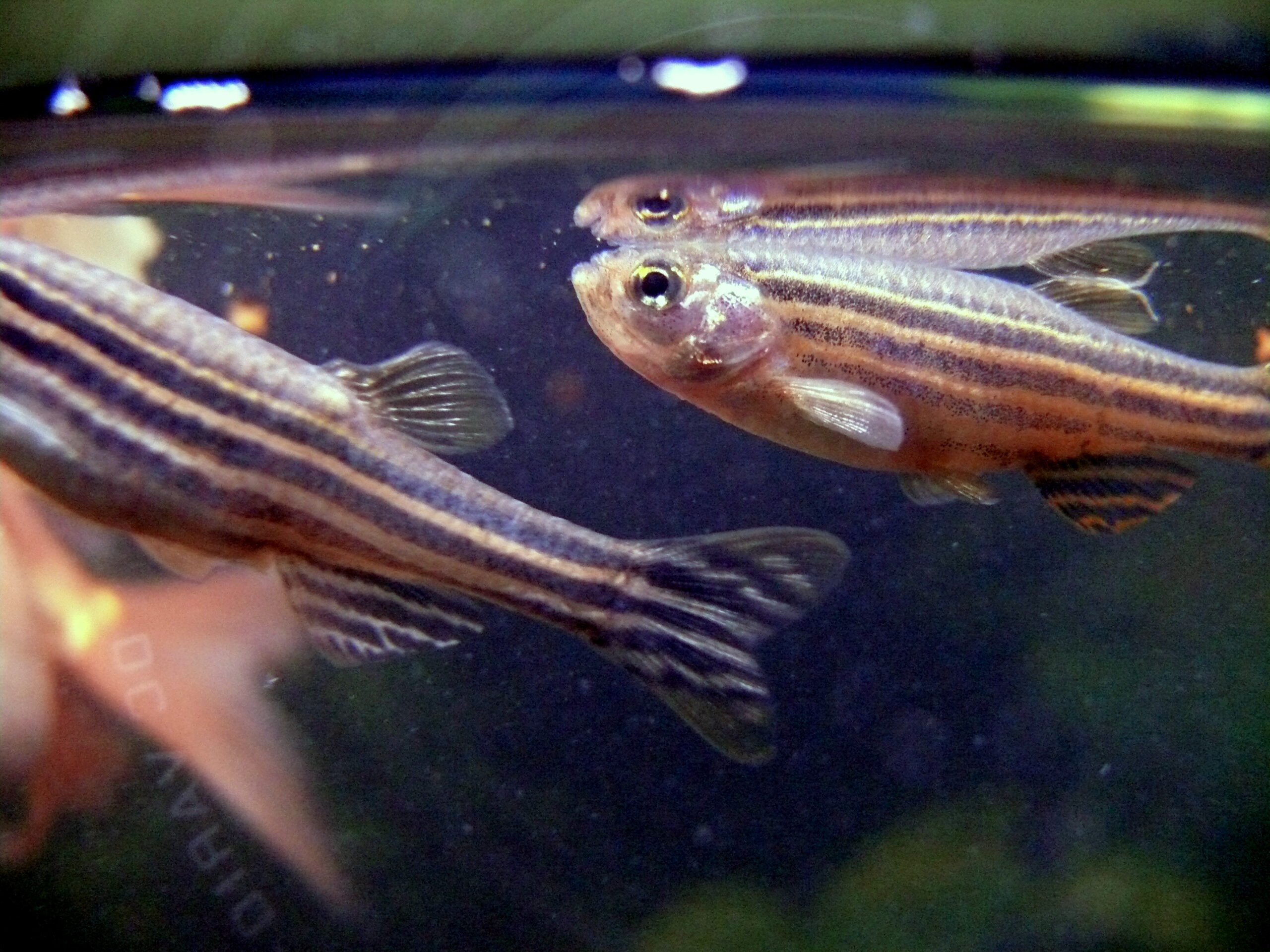 Photo Credit: Cherus / Wikimedia Commons
In the shimmering waters of Southeast Asia, the Danio, scientifically known as Danio rerio, glides gracefully through its aquatic home. These small fish, often no longer than three inches, are a burst of color against the lush green backdrop of freshwater streams and ponds. With their streamlined bodies and striking horizontal stripes, Danios are not just a feast for the eyes; they are a marvel of nature that captivates both scientists and nature lovers alike. Their vibrant hues and energetic movements make them a popular choice for aquariums, but their significance goes far beyond their beauty.
As dawn breaks, Danios emerge from their hiding spots among the plants, ready to explore their surroundings. They dart playfully in schools, showcasing their social nature and agility. This lively behavior is not just for show; it plays a crucial role in their survival, helping them evade predators and find food. Scientists are particularly fascinated by Danios because they serve as important indicators of environmental health. Their presence in an ecosystem can reveal much about the water quality and overall biodiversity. Join us as we dive deeper into the world of Danios, exploring their habitats, behaviors, and the vital roles they play in the ecosystems they inhabit.
Danios are small, vibrant fish that belong to the family Cyprinidae, which is known for its diverse and colorful members. These lively swimmers are part of the larger group of Actinopterygii, or ray-finned fishes, which includes most of the fish species we see today. What makes Danios particularly interesting is their adaptability and resilience, thriving in a variety of freshwater habitats across Asia. Their playful nature and striking patterns have made them popular in aquariums, but they also play a vital role in their ecosystems, serving as both prey and predator in the aquatic food web.
| Taxonomic Rank | Scientific Name | Meaning & Significance |
|---|---|---|
| Kingdom | Animalia | This name comes from the Latin word for “animal,” highlighting that Danios are part of the vast group of living organisms that are multicellular and capable of movement. |
| Phylum | Chordata | Derived from the Greek word “chordē,” meaning “string,” this classification indicates that Danios possess a notochord, a flexible rod that supports their bodies during development. |
| Class | Actinopterygii | This term means “ray-finned fishes,” referring to the bony spines, or rays, that support their fins, a feature that distinguishes them from other fish groups. |
| Order | Cypriniformes | From the Latin “cyprinus,” meaning “carp,” this order includes many freshwater fish, emphasizing the common ancestry shared with carp and minnows. |
| Family | Cyprinidae | This family name also comes from “cyprinus,” indicating that Danios are closely related to other small, often schooling fish that are important in freshwater ecosystems. |
| Genus | Danio | The name “Danio” is thought to derive from the word “dani,” which refers to a type of small fish in South Asia, highlighting their regional significance and popularity. |
Understanding where Danios fit in the tree of life reveals much about their evolutionary journey. As members of the Cyprinidae family, they share a common ancestor with many other freshwater fish, showcasing the incredible diversity that has evolved over millions of years. Their classification not only highlights their physical traits but also their ecological roles, reminding us of the interconnectedness of life in our planet’s waterways. By studying Danios, we gain insights into the adaptations that allow species to thrive in various environments, making them a key part of the aquatic tapestry.
The evolutionary journey of Danios stretches back millions of years, tracing their lineage to ancient freshwater environments. These small fish, part of the Cyprinidae family, have adapted and thrived in various habitats across Asia, particularly in rivers and streams. Their story is one of resilience and transformation, showcasing how life can evolve in response to changing environments.
The ancestors of Danios were likely simple, small fish that emerged during the late Cretaceous period, around 100 million years ago. Over time, they underwent significant changes, adapting to their surroundings. One major transition was the development of a more streamlined body shape, which allowed them to swim efficiently in fast-moving waters. This adaptation was crucial for escaping predators and navigating through their aquatic homes. As they evolved, Danios also developed vibrant colors and patterns, which not only attracted mates but also helped them blend into their environments, providing camouflage from larger fish.
These evolutionary adaptations have been vital for the survival of Danios. Their ability to swim quickly and efficiently helps them escape from predators, while their vibrant colors not only play a role in reproduction but also assist in avoiding danger. By schooling together, they enhance their chances of survival, making them a resilient and successful group of fish in the diverse ecosystems they inhabit. Through millions of years of evolution, Danios have proven that adaptability is key to thriving in the ever-changing world of freshwater environments.
Danios are a delightful sight in the underwater world, showcasing a lively and streamlined body that dances through the water with grace. These small fish typically measure around 1 to 3 inches in length, making them perfect for aquariums and small streams alike. Their bodies are elongated and slightly flattened, allowing them to dart swiftly among plants and rocks. With a shimmering array of colors, they often display striking patterns that catch the light, creating a mesmerizing spectacle as they swim in schools.
| Feature | Description |
|---|---|
| Size | 1 to 3 inches long |
| Color | Vibrant hues, often including blues, greens, and yellows |
| Skin Type | Covered in smooth, shiny scales |
| Most Distinctive Feature | Stripes running down the sides of many species |
The combination of their sleek bodies and colorful patterns serves multiple purposes in the wild. The stripes not only enhance their beauty but also provide camouflage among the dappled light of their natural habitats, helping them evade predators. Their small size and agile movements allow them to navigate through tight spaces, making it easier to find food and escape danger. Together, these features create a perfect blend of form and function, allowing Danios to thrive in their aquatic environments while captivating the eyes of anyone lucky enough to observe them.
Danios thrive in a variety of freshwater habitats, painting a lively picture of life in streams and ponds. These environments are often filled with lush vegetation, where sunlight filters through the leaves, creating a shimmering dance of light on the water’s surface. The gentle flow of streams and the stillness of ponds provide the perfect backdrop for these energetic fish, allowing them to dart and weave among the plants and rocks.
In their natural homes, Danios prefer warm waters, typically ranging from 70 to 78 degrees Fahrenheit. They thrive in areas with plenty of oxygen, which is essential for their survival. The water in these habitats is often clear, allowing them to spot both food and potential threats. Additionally, they enjoy environments with a mix of calm and slightly flowing water, where they can find shelter among aquatic plants and rocks.
To flourish in these specific habitats, Danios have developed several adaptations. Their streamlined bodies allow them to swim swiftly, helping them evade predators and catch food. The vibrant colors of their scales not only make them visually striking but also play a role in communication with other Danios. These adaptations ensure that they can navigate their watery homes with ease, making the most of the resources available to them.
Danios lead an active and engaging daily life, filled with swimming, foraging, and socializing. As dawn breaks, these small fish emerge from their resting spots among the plants and rocks, ready to explore their surroundings. They spend much of their day darting through the water, searching for tiny food particles like algae and small insects. Their agile bodies allow them to navigate swiftly, making quick turns and jumps as they interact with their environment. This lively routine not only keeps them fit but also helps them stay alert to any potential threats.
Socially, Danios are known for their strong group dynamics. They thrive in schools, which are groups of fish that swim together for safety and companionship. This schooling behavior is essential for their survival, as it confuses predators and increases the chances of finding food. Within these schools, Danios communicate through body movements and subtle changes in color, signaling to each other when danger is near or when it’s time to feed. Their social structure is fluid, allowing them to join or leave groups as needed, which fosters a sense of community and cooperation.
| Behavior Type | Description |
|---|---|
| Activity Patterns | Danios are active swimmers, foraging for food and exploring their habitat throughout the day. |
| Social Structure | They live in schools, providing safety in numbers and enhancing their chances of survival. |
| Communication Methods | Danios use body movements and color changes to communicate with each other, signaling danger or feeding times. |
The behaviors of Danios are finely tuned to ensure their survival in the wild. By swimming in schools, they reduce the risk of being targeted by predators, as a large group can confuse and overwhelm a hungry fish. Their active foraging habits help them find food efficiently, while their communication skills strengthen their social bonds. Together, these behaviors create a vibrant and dynamic life for Danios, allowing them to thrive in their aquatic homes.
Danios are omnivores, which means they enjoy a varied diet that includes both plant and animal matter. These lively fish are known for their energetic foraging behavior, often darting around their aquatic homes in search of food. They primarily feed on small insects and worms, which they find among the vegetation and substrate of their freshwater habitats. This diverse diet not only provides them with essential nutrients but also keeps them active and engaged in their environment.
| Dietary Aspect | Details |
|---|---|
| Diet Type | Omnivore |
| Favorite Foods | Small insects, worms |
| Prey Items | Insects and small invertebrates |
| Hunting/Foraging Strategies | Active foraging among plants and substrate |
This varied diet plays a crucial role in shaping the ecology of Danios. By consuming both plant and animal matter, they help maintain a balanced ecosystem in their freshwater habitats. Their foraging activities also contribute to the health of aquatic plants, as they often stir up the substrate, promoting nutrient cycling. As they swim and search for food, Danios not only sustain themselves but also interact with their environment, making them an integral part of the aquatic community.
During the breeding season, which typically occurs in warmer months, Danios engage in lively courtship displays. Males often showcase their vibrant colors and perform energetic swimming patterns to attract females. This playful behavior is not just for show; it helps the female choose a healthy mate. Once a female is ready to spawn, she will lay her eggs in a safe spot, often among plants or in gravel, where they can develop away from predators.
| Reproductive Aspect | Details |
|---|---|
| Gestation Period | 1.5-2 days |
| Litter Size | Up to 300 eggs |
| Age of Maturity | 3-4 months |
| Name of Young | Fry |
After the eggs are laid, they hatch into tiny fry, which are the young Danios. These fry are incredibly small and vulnerable, relying on their surroundings for protection. Interestingly, Danios do not provide parental care after the eggs are laid. Instead, the fry must fend for themselves, feeding on microscopic organisms in the water. As they grow, they gradually develop into adults, showcasing the same vibrant colors and lively behaviors that make Danios such a joy to observe in their aquatic homes.
Danios play a crucial role in the aquatic food web, serving as both prey and predator in their ecosystems. These small fish are often found in schools, which helps them evade larger predators. However, their position as a food source for various animals means they face numerous dangers in their natural habitats.
To survive these threats, Danios have developed several clever defensive behaviors. Their schooling instinct is one of their best strategies, as swimming in groups makes it harder for predators to single out an individual fish. Additionally, Danios can quickly dart into dense vegetation or rocky crevices, providing them with cover from lurking dangers. By staying alert and using their agility, these small fish navigate their world with a mix of caution and spirited energy.
A keystone species is a vital part of an ecosystem, meaning its presence and activities have a significant impact on the environment and other living things. If removed, the entire ecosystem could change dramatically. Danios, small and lively fish found in streams and ponds, can indeed be considered a keystone species due to their role in maintaining the balance of their aquatic habitats.
Danios contribute to their ecosystems in several important ways. As omnivores, they help control algae growth by feeding on plant matter, which keeps the water clean and clear. This is crucial for other aquatic life, as too much algae can block sunlight and disrupt the growth of underwater plants. Additionally, Danios are a food source for larger fish and birds, making them an essential link in the food web. Their schooling behavior not only provides safety in numbers but also influences the movement and feeding patterns of predators in the area.
Moreover, Danios play a role in nutrient cycling. When they feed, they help break down organic material, returning nutrients to the water. This process supports the growth of other organisms, from tiny microorganisms to larger plants. Their active foraging behavior also stirs up the substrate, which can enhance oxygen levels in the water, benefiting other aquatic life.
If Danios were to disappear from their ecosystems, the consequences could be severe. Without these small fish, algae could overgrow, leading to murky waters that hinder the growth of aquatic plants. This would not only affect the plants but also the many species that rely on them for food and shelter. Additionally, the absence of Danios would disrupt the food web, leaving larger predators without a crucial food source. The delicate balance of life in streams and ponds would be thrown into chaos, highlighting just how important these tiny fish are to their environment.
Danios occupy a vital ecological niche in freshwater habitats like streams and ponds. These small, lively fish contribute significantly to their ecosystems, influencing both the physical environment and the biological community. As omnivores, they help maintain a balance by consuming a variety of food sources, including algae, small invertebrates, and plant matter. This feeding behavior not only keeps their populations healthy but also supports the overall health of their aquatic environments.
| Ecosystem Service | Impact |
|---|---|
| Algae Control | By feeding on algae, Danios help prevent overgrowth, which can lead to oxygen depletion in water. |
| Food Source | They serve as prey for larger fish and birds, supporting the food web. |
| Nutrient Cycling | Their waste products enrich the water, promoting plant growth and overall ecosystem health. |
| Habitat Structure | As they forage, Danios help aerate the substrate, which benefits other organisms living in the sediment. |
Danios influence their ecosystems in several specific ways. For instance, by consuming algae, they help maintain clear water, which is essential for the growth of aquatic plants. These plants, in turn, provide shelter and breeding grounds for various organisms. Additionally, Danios are a crucial food source for larger fish and birds, making them an integral part of the food web. Their active foraging behavior also helps to aerate the substrate, allowing nutrients to circulate and supporting the growth of beneficial microorganisms.
The broader ecological importance of Danios cannot be overstated. As a keystone species, their presence helps maintain the balance of their ecosystems. If Danios were to disappear, the effects would ripple through the food web, potentially leading to overgrown algae, declining plant life, and a collapse of the aquatic community. By understanding the role of Danios, we gain insight into the delicate interconnections that sustain life in freshwater environments, reminding us of the importance of preserving these vibrant ecosystems.
In the intricate web of life, symbiosis plays a crucial role in shaping the relationships between different species. Symbiosis refers to the close interactions between organisms, which can be beneficial, harmful, or neutral. These ecological relationships can take many forms, such as mutualism, where both species benefit, parasitism, where one benefits at the expense of the other, and commensalism, where one species benefits while the other is neither helped nor harmed. Understanding these connections helps us appreciate the delicate balance of ecosystems and the roles that various species, like Danios, play within them.
| Species/Type | Relationship Type | Description |
|---|---|---|
| Algae | Mutualistic | Danios benefit from algae by feeding on it, while algae thrive in the nutrient-rich waste produced by the fish. |
| Cleaner Shrimp | Mutualistic | Danios allow cleaner shrimp to remove parasites from their bodies, providing the shrimp with food while keeping the fish healthy. |
| Leeches | Parasitic | Leeches attach to Danios to feed on their blood, which can weaken the fish and make them more vulnerable to predators. |
| Water Plants | Commensal | Danios use water plants for shelter and breeding grounds, benefiting from the protection while the plants remain unaffected. |
These relationships have evolved over time, shaped by the needs and behaviors of the species involved. For instance, the mutualistic bond between Danios and cleaner shrimp highlights how cooperation can enhance survival for both parties. As Danios swim through their habitats, they not only find food but also help maintain the health of their ecosystem. Meanwhile, the parasitic relationship with leeches serves as a reminder of the challenges these fish face in their watery world. By understanding these connections, we can better appreciate the complexity of nature and the importance of every species in maintaining ecological balance.
Danios are not just colorful fish; they are fascinating little creatures with surprising traits that make them stand out in the aquatic world. Here are some intriguing facts that will surely captivate nature enthusiasts of all ages.
Danios have a long history of interaction with humans, dating back to ancient times. These small, colorful fish have been admired for their beauty and lively behavior, often finding a place in the hearts of aquarists and in the folklore of various cultures. In many regions, Danios symbolize joy and vitality, making them popular in ornamental ponds and aquariums. Their vibrant colors and energetic swimming patterns have inspired artists and storytellers alike, weaving them into the fabric of human culture.
Today, the relationship between Danios and humanity is multifaceted. On one hand, these fish are cherished pets in home aquariums, where they bring a splash of color and life to indoor spaces. On the other hand, their habitats face threats from pollution and habitat destruction, prompting conservation efforts to protect their natural environments. Some species of Danios are also used in scientific research, particularly in studies related to genetics and developmental biology, helping scientists unlock the mysteries of life. However, as humans continue to expand their activities into natural habitats, conflicts can arise, highlighting the need for balance between human interests and wildlife conservation.
Looking ahead, the future of the relationship between Danios and humanity holds both promise and challenges. As awareness of environmental issues grows, more people are becoming advocates for the protection of aquatic ecosystems. This shift could lead to better conservation practices that benefit not only Danios but also the myriad of species that share their habitats. By fostering a deeper understanding of these vibrant fish and their ecological roles, we can ensure that future generations will continue to appreciate and coexist with Danios in a healthy, thriving environment.
The conservation status of Danios is currently classified as “Least Concern” by the International Union for Conservation of Nature (IUCN). This means that, overall, they are not facing immediate threats of extinction. Their populations are stable, and they are widely distributed across various freshwater habitats. However, it is essential to keep an eye on their numbers, as environmental changes can impact even the most resilient species.
| Conservation Factor | Status/Details |
|---|---|
| IUCN Status | Least Concern |
| Population Estimates | Stable |
| Trend Direction | Stable |
Despite their current stable status, Danios face several threats that could impact their future. Habitat destruction is a significant concern, as urban development and pollution can degrade the quality of the freshwater environments they rely on. Additionally, climate change poses a risk by altering water temperatures and flow patterns, which can affect their breeding and feeding behaviors. Invasive species can also disrupt local ecosystems, competing for resources and potentially outcompeting Danios.
Conservation efforts are underway to ensure that Danios continue to thrive in their natural habitats. Organizations are working to protect freshwater ecosystems through habitat restoration and pollution control initiatives. Public awareness campaigns also play a crucial role in educating communities about the importance of preserving these vibrant fish and their environments. With continued efforts, the outlook for Danios remains positive, allowing future generations to enjoy their lively presence in our waters.
| Question | Answer |
|---|---|
| What is the natural habitat of Danios? | Danios are typically found in freshwater environments like streams and ponds. They prefer areas with plenty of vegetation, which provides shelter and food. |
| What do Danios eat? | Danios are omnivores, meaning they eat both plants and animals. Their diet includes small insects, algae, and other tiny organisms found in their aquatic habitats. |
| How do Danios behave in the wild? | Danios are known for their active and social behavior. They often swim in schools, which helps protect them from predators and allows them to interact with each other. |
| How do Danios reproduce? | During breeding, female Danios lay eggs in shallow water, and males fertilize them externally. The eggs hatch in a few days, and the tiny fry are independent from the start. |
| What threats do Danios face in the wild? | While Danios are currently classified as Least Concern, they can be affected by habitat destruction and pollution. Changes in water quality can impact their populations. |
| What is a distinctive feature of Danios? | One of the most recognizable features of Danios is the stripes that run down the sides of most species. These stripes not only make them visually appealing but also help them blend into their surroundings. |
| Can Danios be kept in aquariums? | Yes, Danios are popular aquarium fish due to their hardiness and lively nature. They thrive in groups and can adapt to a variety of water conditions, making them great for beginner aquarists. |