Taxonomy & Classification
- Kingdom
- Animalia
- Phylum
- Chordata
- Class
- Mammalia
- Order
- Carnivora
- Family
- Canidae
- Genus
- Canis
- Species
- Canis lupus

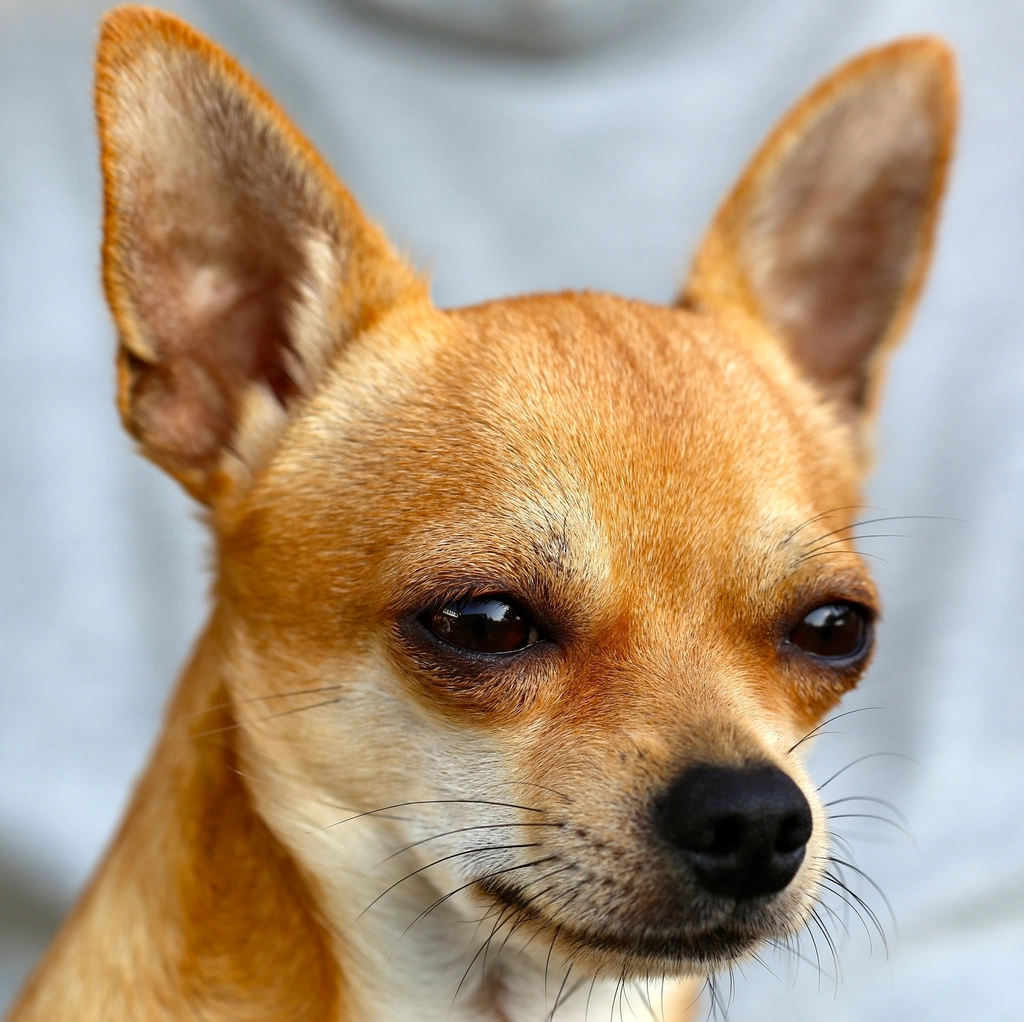 Photo Credit: Rawpixel
In the vibrant world of companion animals, the Deer Head Chihuahua, scientifically known as Canis lupus familiaris, stands out with its charming personality and distinctive features. Picture a small dog with a head that resembles that of a deer, complete with large, expressive eyes and a slightly elongated snout. This pint-sized dynamo, typically weighing around 12 pounds, is not just a pet; it’s a lively companion that brings joy and energy to homes across the United States and Mexico. Its playful antics and affectionate nature make it a favorite among dog lovers, while its unique appearance captures the attention of scientists and nature enthusiasts alike.
The Deer Head Chihuahua thrives in cozy environments, often nestled in the laps of their human friends or exploring the nooks and crannies of their surroundings. With a keen sense of curiosity, these little dogs are always on the lookout for new adventures, whether it’s chasing after a toy or investigating a rustling sound in the grass. Their endearing personalities and spirited behavior make them more than just adorable companions; they play a significant role in the lives of their owners, fostering connections and bringing warmth to everyday moments. As we delve deeper into the world of the Deer Head Chihuahua, we’ll uncover the fascinating aspects of their behavior, diet, and the special bond they share with humans, revealing why this breed continues to capture hearts around the globe.
The Deer Head Chihuahua, a small yet spirited dog, holds a special place in the animal kingdom. Taxonomically, it belongs to the Kingdom Animalia, which includes all animals, and is classified under the Phylum Chordata, meaning it has a backbone. This breed is part of the Class Mammalia, indicating it is a mammal that nurses its young. Interestingly, the Deer Head Chihuahua is often recognized for its distinctively shaped head, which resembles that of a deer, setting it apart from other Chihuahuas. This unique feature, along with its lively personality, makes it a beloved companion for many.
| Taxonomic Rank | Scientific Name | Meaning & Significance |
|---|---|---|
| Kingdom | Animalia | This name comes from the Latin word “animalis,” meaning “having breath” or “living.” It signifies all living organisms that breathe and move. |
| Phylum | Chordata | Derived from the Latin “chorda,” meaning “string” or “cord,” this term refers to animals with a notochord, a flexible rod that supports the body during development. |
| Class | Mammalia | This name comes from the Latin “mamma,” meaning “breast,” highlighting the defining characteristic of mammals: they nurse their young with milk. |
| Order | Carnivora | From the Latin “carnivorus,” meaning “meat-eating,” this classification includes animals that primarily consume meat, although some members have varied diets. |
| Family | Canidae | This name is derived from the Latin “canis,” meaning “dog.” It encompasses all dog-like mammals, including wolves, foxes, and domestic dogs. |
| Genus | Canis | Also from the Latin “canis,” this genus includes various species of dogs, emphasizing their close genetic relationships and shared characteristics. |
Understanding the Deer Head Chihuahua’s classification reveals much about its evolutionary journey. As a member of the Canidae family, it shares ancestry with wolves and foxes, showcasing traits that have been honed over thousands of years. This lineage highlights the adaptability and diversity of dogs, illustrating how they have evolved from wild ancestors into the cherished companions we know today. The Deer Head Chihuahua, with its unique features and lively spirit, is a testament to the fascinating story of evolution within the animal kingdom.
The Deer Head Chihuahua, a lively and compact dog, has a rich evolutionary history that traces back thousands of years. This breed is part of the larger family of Canidae, which includes wolves, foxes, and domestic dogs. The story of the Deer Head Chihuahua begins with its ancestors, who roamed the earth long before modern breeds emerged.
The Chihuahua itself is believed to have descended from the Techichi, a small dog kept by the ancient Toltec civilization in Mexico. These early dogs were likely bred for companionship and possibly for spiritual purposes. Over time, as the Toltecs and later the Aztecs embraced these small canines, they began to select for traits that would lead to the distinct features we see today. The Deer Head Chihuahua, characterized by its longer snout and larger ears, represents one of the two main types of Chihuahuas, the other being the Apple Head variety. This divergence likely occurred as breeders favored different physical traits, leading to the unique appearance of the Deer Head Chihuahua.
These adaptations have played a crucial role in the survival and popularity of the Deer Head Chihuahua. Their small size allows them to navigate tight spaces, while their social behavior fosters strong connections with humans, ensuring they are cherished companions. Adaptability to various environments means they can live comfortably in diverse settings, from bustling cities to quiet homes. Finally, their alertness not only keeps them safe but also endears them to owners who appreciate their protective instincts. Together, these traits have helped the Deer Head Chihuahua thrive alongside humans for centuries.
The Deer Head Chihuahua is a pint-sized dynamo, exuding charm and energy in a compact form. With a body that typically weighs around 12 pounds, this breed is both lightweight and agile. Its most striking feature is the distinctive shape of its head, which resembles that of a deer, giving it a graceful and elegant appearance. The Deer Head Chihuahua has a slightly longer snout compared to its more common Apple Head counterpart, and its large, expressive eyes sparkle with curiosity and mischief.
| Feature | Description |
|---|---|
| Size | Small, typically weighing around 12 lbs |
| Head Shape | Deer-like with a longer snout |
| Eyes | Large and expressive, often dark in color |
| Skin Type | Hair, providing a soft and smooth texture |
| Color | Varies widely, including fawn, black, white, and chocolate |
These physical traits come together to create a dog that is not only adorable but also well-suited for its environment. The Deer Head Chihuahua’s lightweight body allows it to be quick and nimble, perfect for darting around and exploring its surroundings. Its large eyes enhance its vision, helping it spot potential dangers or interesting sights from a distance. The soft hair covering its skin provides a layer of warmth, while the variety of colors allows for a unique expression of personality. Together, these features make the Deer Head Chihuahua a delightful companion, ready to take on the world with boundless energy and charm.
The Deer Head Chihuahua thrives in a variety of environments, often found in homes and urban settings across the United States and Mexico. These small dogs are particularly fond of cozy spaces, where they can snuggle up with their human companions. Their playful nature makes them well-suited for both city apartments and suburban houses, where they can enjoy the warmth of family life. With their keen sense of adventure, they also love exploring backyards and parks, making them adaptable to different living situations.
The Deer Head Chihuahua prefers a climate that is mild and temperate. They are sensitive to extreme temperatures, so they thrive best in environments that are not too hot or too cold. This breed enjoys sunny days but needs protection from harsh weather conditions. A comfortable indoor space is essential for them, as they can easily become chilled in cooler climates.
Adaptations have allowed the Deer Head Chihuahua to flourish in these varied habitats. Their small size makes them agile and able to navigate tight spaces, while their friendly demeanor helps them bond with families and individuals alike. They have a natural curiosity that drives them to explore their surroundings, and their alertness makes them excellent companions. With a little care and attention, these spirited dogs can adapt to almost any home environment, bringing joy and energy wherever they go.
The Deer Head Chihuahua leads a lively daily life filled with playful antics and curious explorations. Each day begins with a burst of energy, as these small dogs eagerly greet their owners with wagging tails and excited barks. Their mornings often include a brisk walk, where they take in the sights and sounds of their surroundings. With their keen senses, they are always on the lookout for interesting smells or fellow canines to meet. After their morning adventures, they enjoy a mix of playtime and relaxation, often curling up in a sunny spot for a cozy nap.
Socially, Deer Head Chihuahuas are known for their vibrant personalities and strong bonds with their human families. They thrive on companionship and often form close relationships with other pets in the household. These little dogs are quite vocal, using a variety of barks and yips to communicate their feelings and needs. When interacting with other dogs, they display a mix of confidence and playfulness, often initiating games or play-fighting. Their social behavior is not just about fun; it also helps them establish their place within the family and the broader canine community.
| Behavior Type | Description |
|---|---|
| Activity Patterns | Deer Head Chihuahuas are active and playful, engaging in short bursts of energy followed by periods of rest. They enjoy walks, playtime, and exploring their environment. |
| Social Structure | These dogs are social creatures that thrive in family settings. They often bond closely with their owners and can form friendships with other pets. |
| Communication Methods | They communicate through a range of vocalizations, including barks, yips, and growls, expressing excitement, alertness, or even a desire for attention. |
The behaviors of Deer Head Chihuahuas are essential for their survival and happiness. Their playful nature encourages physical activity, which keeps them healthy and fit. By forming strong social bonds, they create a supportive environment that enhances their well-being. Their communication skills help them navigate their relationships, ensuring they are understood and cared for. In this way, the Deer Head Chihuahua not only thrives in its daily life but also enriches the lives of those around it.
The Deer Head Chihuahua is an omnivore, which means it enjoys a varied diet that includes both plant and animal foods. This little dog has a hearty appetite and often seeks out tasty morsels from its surroundings. While it may not hunt in the wild like larger animals, it has a keen sense of smell and a curious nature that helps it forage for food. Whether it’s a bite of kibble from its bowl or a snack from its owner’s plate, this breed is always on the lookout for something delicious to munch on.
| Dietary Aspect | Details |
|---|---|
| Diet Type | Omnivore |
| Favorite Foods | Dog kibble, fruits, vegetables, and occasional treats |
| Prey Items | Small insects or scraps of food |
| Hunting/Foraging Strategies | Using keen senses to sniff out food and scavenging from human meals |
This diverse diet not only keeps the Deer Head Chihuahua healthy but also influences its daily activities. With plenty of energy from its meals, this breed is always ready for playtime or a stroll around the neighborhood. Its ability to adapt to different food sources allows it to thrive in various environments, making it a delightful companion for families and individuals alike. The Deer Head Chihuahua’s eating habits reflect its playful personality and lively spirit, ensuring that every day is an adventure filled with tasty discoveries.
When Deer Head Chihuahuas are ready to mate, they engage in playful and affectionate behaviors that signal their interest. The breeding season for these small dogs can vary, but it often occurs in the spring and summer months. During this time, females will go into heat, a period when they are fertile and can conceive. Males, with their keen sense of smell, can detect a female in heat from quite a distance, leading to a lively courtship filled with tail wagging and playful interactions.
| Reproductive Aspect | Details |
|---|---|
| Gestation Period | Approximately 63 days |
| Litter Size | 1 to 4 puppies |
| Age of Maturity | 6 to 12 months |
| Name of Young | Puppies |
Once the puppies are born, the mother takes on the vital role of caregiver. She provides warmth, nourishment, and protection to her young. In the first few weeks, the puppies are entirely dependent on their mother, relying on her milk for sustenance. As they grow, they begin to explore their surroundings, developing their social skills and learning how to interact with both their mother and their environment. By the time they reach maturity, around six to twelve months, they are ready to embark on their own adventures, carrying the spirited traits of their breed into the world.
The Deer Head Chihuahua, while small and adorable, occupies a vulnerable position in the food web. As a tiny breed, it is often seen as prey for larger animals. In the wild, or even in suburban areas, these little dogs must be cautious of their surroundings. Their size makes them easy targets for various predators, and they must navigate their environment carefully to avoid becoming a meal.
To survive these threats, Deer Head Chihuahuas have developed several defensive behaviors. They are known for their alertness and keen senses, which help them detect danger early. When faced with a threat, they may bark loudly to scare off predators or use their agility to escape quickly. Additionally, their small size allows them to hide in tight spaces, making it harder for larger animals to reach them. By staying aware and using their natural instincts, these spirited little dogs can navigate a world filled with potential dangers.
A keystone species is an organism that plays a crucial role in maintaining the structure of its ecosystem. This means that its presence or absence can significantly impact the environment and other species within it. While the Deer Head Chihuahua is a beloved companion animal, it does not qualify as a keystone species. Instead, it is primarily a domesticated pet, and its influence on the ecosystem is limited compared to wild animals that have a more direct impact on their habitats.
Despite not being a keystone species, the Deer Head Chihuahua does have some ecological effects, particularly in urban environments where it often resides. For instance, these small dogs can help control populations of small pests, such as rodents, by instinctively chasing them. This behavior can contribute to a balance in the local ecosystem, preventing overpopulation of these smaller animals. Additionally, as omnivores, Deer Head Chihuahuas may inadvertently contribute to seed dispersal when they consume fruits and then excrete the seeds in different locations, promoting plant growth.
Moreover, the presence of Deer Head Chihuahuas in neighborhoods can foster community interactions. Dog owners often gather in parks or on walks, creating social bonds that can lead to increased awareness of local wildlife and environmental issues. This social aspect can indirectly encourage conservation efforts, as people become more invested in their surroundings when they share them with their pets.
If Deer Head Chihuahuas were to disappear, the immediate impact on the ecosystem would likely be minimal, given their domesticated nature. However, their absence could lead to a decrease in community interactions centered around pet ownership. This could result in less awareness of local environmental issues and a decline in social cohesion among residents. While the Deer Head Chihuahua may not be a keystone species, it still plays a role in the fabric of human communities and the urban ecosystems they inhabit.
The Deer Head Chihuahua, with its lively personality and small stature, plays a surprisingly significant role in its ecosystem. As a companion animal, this breed interacts closely with humans and other pets, influencing social dynamics and behaviors in urban environments. Its presence can affect local biodiversity, as these dogs often share their habitats with various species, from birds to insects. By being part of a household, they help create a unique ecological niche that blends human and animal life.
| Ecosystem Service | Impact |
|---|---|
| Companionship | Enhances human well-being and social interactions. |
| Pest Control | Helps manage small pests like rodents and insects. |
| Seed Dispersal | May inadvertently spread seeds through their movement. |
| Waste Contribution | Provides nutrients to the soil through organic waste. |
In urban settings, Deer Head Chihuahuas can influence their surroundings in various ways. For instance, their playful nature encourages outdoor activities, which can lead to increased green space usage. When they explore parks or gardens, they may help control small pest populations, such as mice or insects, by chasing them away. Additionally, as they roam, they can contribute to seed dispersal, allowing plants to grow in new areas. Their waste also enriches the soil, providing essential nutrients that support plant life.
The broader ecological importance of the Deer Head Chihuahua extends beyond individual households. By fostering connections between people and nature, these dogs help raise awareness about the environment. Their presence encourages responsible pet ownership, which can lead to better care for local ecosystems. As a part of the urban landscape, they remind us of the intricate relationships between species and the importance of maintaining a balanced environment, even in our bustling cities.
In the intricate web of life, symbiosis refers to the close relationships between different species that can benefit one or both parties involved. These ecological partnerships can take various forms, including mutualism, where both species gain advantages; commensalism, where one benefits while the other is neither helped nor harmed; and parasitism, where one organism benefits at the expense of another. Understanding these relationships helps us appreciate the delicate balance of ecosystems and the roles that different species play within them.
| Species/Type | Relationship Type | Description |
|---|---|---|
| Humans | Mutualistic | Deer Head Chihuahuas provide companionship and emotional support to humans, while humans offer food, shelter, and care in return. |
| Fleas | Parasitic | Fleas can infest Deer Head Chihuahuas, feeding on their blood and causing discomfort, which is harmful to the dog. |
| Other Pets | Commensal | When living with other pets, Deer Head Chihuahuas may benefit from shared resources like food and space, while the other pets are largely unaffected. |
These relationships have evolved over time, shaped by the needs and behaviors of the species involved. The mutualistic bond between Deer Head Chihuahuas and humans highlights how domestication has created a partnership that benefits both parties. Meanwhile, the parasitic relationship with fleas serves as a reminder of the challenges that come with living in close quarters with other organisms. Understanding these dynamics not only enriches our knowledge of the Deer Head Chihuahua but also emphasizes the importance of maintaining healthy ecosystems where all species can thrive.
The Deer Head Chihuahua is not just a small dog; it’s a bundle of personality and history that captivates dog lovers and nature enthusiasts alike. Here are some surprising facts that showcase the charm and uniqueness of this delightful breed.
The Deer Head Chihuahua has a long and colorful history intertwined with humanity. Originating from Mexico, this breed is believed to have descended from ancient dogs kept by the indigenous peoples of the region. These small companions were not only cherished for their loyalty but also held cultural significance, often appearing in art and folklore. As they traveled with their human counterparts, Deer Head Chihuahuas became symbols of companionship and affection, embodying the bond between people and their pets.
Today, the relationship between Deer Head Chihuahuas and humans continues to evolve. These dogs are popular as family pets, known for their playful nature and strong attachment to their owners. However, their small size can lead to challenges, such as being vulnerable to larger animals or accidents in busy environments. Many owners are dedicated to ensuring their safety and well-being, while some communities have even established regulations to protect these tiny dogs from potential dangers. The Deer Head Chihuahua’s adaptability to urban living also highlights how domestication has shaped their role in our lives, making them beloved companions in bustling cities.
As we look to the future, the relationship between Deer Head Chihuahuas and humanity is likely to deepen. With ongoing efforts in responsible breeding and training, these small dogs will continue to thrive as cherished companions. As society becomes more aware of the needs of pets, we can expect to see even more initiatives aimed at ensuring their safety and happiness. The bond we share with Deer Head Chihuahuas is a testament to the joy and love that animals bring into our lives, reminding us of the importance of compassion and care in our interactions with all living beings.
The Deer Head Chihuahua currently holds a conservation status of “Not Listed,” which means it is not considered endangered or threatened at this time. This breed has a stable population, primarily due to its popularity as a companion animal. While specific population estimates are not readily available, the Deer Head Chihuahua is commonly found in homes across the United States and Mexico, indicating a healthy presence in domestic settings.
| Conservation Factor | Status/Details |
|---|---|
| IUCN Status | Not Listed |
| Population Estimates | Not specifically estimated, but stable due to popularity |
| Trend Direction | Stable |
Despite its stable status, the Deer Head Chihuahua faces several threats that could impact its well-being. One of the main concerns is the potential for irresponsible breeding practices, which can lead to health issues in the breed. Additionally, as a small dog, it is vulnerable to predation and accidents, especially in urban environments where larger animals or vehicles pose risks. Furthermore, the increasing popularity of designer dog breeds can overshadow the Deer Head Chihuahua, leading to a decline in its recognition and care.
Conservation efforts for the Deer Head Chihuahua focus primarily on responsible breeding and education about the breed’s needs. Organizations and breeders are working to promote best practices that ensure the health and well-being of these dogs. As long as enthusiasts continue to advocate for the breed and prioritize its welfare, the outlook remains positive. With proper care and attention, the Deer Head Chihuahua can thrive as a beloved companion for many years to come.
| Question | Answer |
|---|---|
| What is a Deer Head Chihuahua? | A Deer Head Chihuahua is a type of Chihuahua known for its distinctively shaped head, which resembles that of a deer. This breed has a longer snout and larger ears compared to the more common Apple Head Chihuahua. |
| What is the habitat of a Deer Head Chihuahua? | Deer Head Chihuahuas are primarily found in homes as beloved pets. They thrive in various environments, from apartments to houses, as long as they have a safe and loving space to live in. |
| What do Deer Head Chihuahuas eat? | As omnivores, Deer Head Chihuahuas enjoy a varied diet that includes both meat and plant-based foods. High-quality dog food, along with occasional fruits and vegetables, can keep them healthy and happy. |
| What is the behavior of Deer Head Chihuahuas? | Deer Head Chihuahuas are known for their lively and affectionate nature. They are often playful and can be quite protective of their owners, making them great companions. |
| How do Deer Head Chihuahuas reproduce? | Like all dogs, Deer Head Chihuahuas reproduce through mating. The female typically has a gestation period of about 63 days before giving birth to a litter of puppies, which can range from one to five pups. |
| What threats do Deer Head Chihuahuas face? | While Deer Head Chihuahuas are not listed as endangered, they can face threats from neglect, poor breeding practices, and health issues common in small breeds. It's important for owners to provide proper care and regular veterinary check-ups. |
| What are some interesting characteristics of Deer Head Chihuahuas? | One fascinating trait of Deer Head Chihuahuas is their ability to bond closely with their owners. They are also known for their unique personalities, which can range from shy to outgoing, making each dog truly one-of-a-kind. |