Taxonomy & Classification
- Kingdom
- Animalia
- Phylum
- Chordata
- Class
- Mammalia
- Order
- Rodentia
- Family
- Cricetidae
- Genus
- Peromyscus

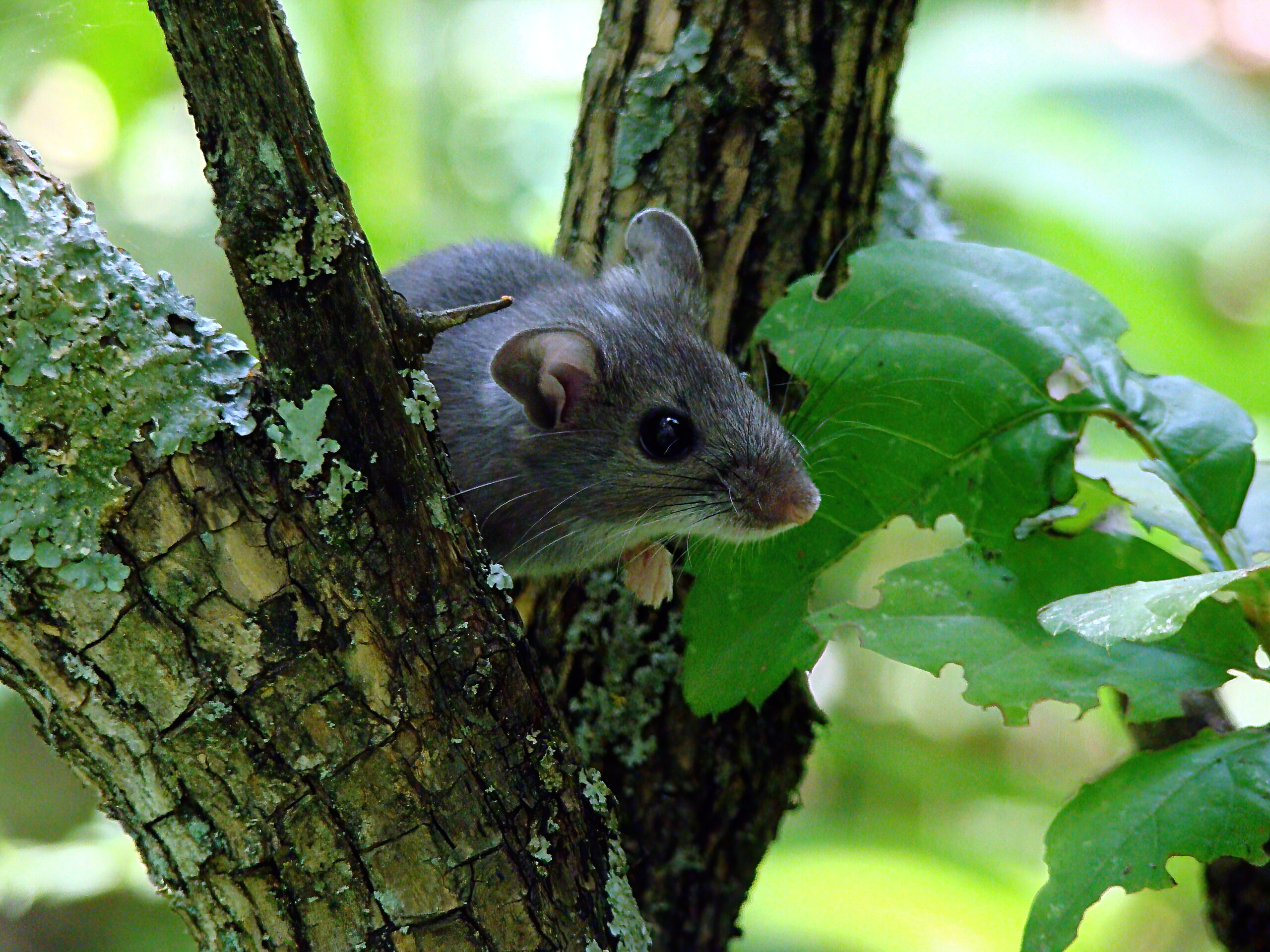 Photo Credit: USFWS Mountain-Prairie / Wikimedia
In the quiet corners of North America, the deer mouse, known scientifically as Peromyscus maniculatus, scurries through the underbrush, a small yet captivating figure in the vast tapestry of nature. With its light-colored or white underside contrasting against a dark upper body, this little rodent is a master of camouflage, blending seamlessly into its surroundings. Imagine a sun-dappled forest or a grassy meadow, where the gentle rustle of leaves and the soft crunch of twigs underfoot signal the presence of this lively creature. Its large, expressive eyes and long, tufted tail add to its charm, making it a favorite among wildlife enthusiasts and scientists alike.
What makes the deer mouse particularly fascinating is not just its appearance but its role in the ecosystem. As an omnivore, it plays a crucial part in maintaining the balance of its habitat, foraging for seeds, fruits, and even small insects. This adaptability allows it to thrive in diverse environments, from woodlands to deserts. Scientists are drawn to the deer mouse for its unique behaviors and its ability to survive in various conditions, making it a key species for understanding ecological dynamics. As we delve deeper into the world of the deer mouse, we will explore its habits, diet, and the vital role it plays in the intricate web of life.
The deer mouse, scientifically known as Peromyscus maniculatus, holds a special place in the tree of life. This small mammal belongs to the kingdom Animalia, which includes all animals, and is part of the phylum Chordata, meaning it has a backbone. As a member of the class Mammalia, deer mice are warm-blooded and nurse their young with milk. They belong to the order Rodentia, which is home to all rodents, and the family Cricetidae, which includes many other small mammals. What makes the deer mouse particularly interesting is its adaptability to various environments, from forests to grasslands, showcasing its resilience and versatility in the wild.
| Taxonomic Rank | Scientific Name | Meaning & Significance |
|---|---|---|
| Kingdom | Animalia | This name signifies that deer mice are part of the vast group of multicellular organisms known as animals. |
| Phylum | Chordata | Chordata means “having a notochord,” which is a flexible rod that supports the body, a feature that all vertebrates share. |
| Class | Mammalia | Mammalia refers to mammals, animals that possess mammary glands to feed their young, highlighting their nurturing behavior. |
| Order | Rodentia | Rodentia comes from the Latin word “rodere,” meaning “to gnaw,” which describes the characteristic front teeth of rodents that continuously grow. |
| Family | Cricetidae | Cricetidae is derived from the Greek word “kricetos,” meaning “rat,” indicating the family’s close relation to other small rodents. |
| Genus | Peromyscus | Peromyscus translates to “mouse-like,” reflecting the small size and appearance of these animals, which are often mistaken for other mice. |
| Species | maniculatus | This species name means “little hand,” likely referring to the small size and dexterous paws of the deer mouse. |
The classification of the deer mouse reveals much about its evolutionary journey. As a member of the Rodentia order, it shares common ancestors with a diverse group of animals that have adapted to various habitats over millions of years. The deer mouse’s ability to thrive in different environments speaks to its evolutionary success and the intricate web of life it is part of. Understanding its taxonomic position not only highlights its biological traits but also connects it to the broader story of mammalian evolution, showcasing how adaptability can lead to survival in a changing world.
The evolutionary journey of the deer mouse, or Peromyscus maniculatus, stretches back millions of years, weaving through the rich tapestry of life on Earth. This small rodent is a member of the family Cricetidae, which includes many other small mammals. The deer mouse’s ancestors roamed the landscapes of North America, adapting to various environments and challenges over time.
The story begins with early rodents that emerged around 60 million years ago. These ancestral forms were small, agile, and well-suited for life in diverse habitats. As the climate changed and forests gave way to grasslands, these early rodents evolved into various species, including the deer mouse. One major transition was the development of a more flexible diet, allowing them to thrive in different environments, from deserts to forests. This adaptability was crucial as it enabled them to exploit a wide range of food sources, including seeds, fruits, and insects.
The adaptations of the deer mouse have been vital for its survival in a world full of challenges. Their ability to camouflage helps them evade predators, while their agility allows for quick escapes. Living in groups not only offers protection but also increases their chances of finding food. With a high reproductive rate, they can bounce back from population declines, ensuring their presence in various ecosystems. Together, these traits have made the deer mouse a resilient and successful inhabitant of North America.
The deer mouse is a small yet captivating rodent that captures the imagination with its delicate form and lively demeanor. With a body length ranging from about 3 to 4 inches, not including its long, slender tail, this little creature is built for agility. Its fur is soft and dense, providing both warmth and camouflage in its natural habitat. The contrast between its dark upper body and light-colored or white underside creates a striking appearance, making it both beautiful and practical for survival.
| Feature | Description |
|---|---|
| Weight | 0.5 to 1.5 ounces |
| Skin Type | Fur |
| Most Distinctive Feature | Light colored or white underside and dark upper body |
These physical characteristics serve important purposes in the deer mouse’s life. The light underside helps it blend into the ground or underbrush, making it less visible to predators from below. Meanwhile, the darker upper body provides camouflage against the shadows of trees and rocks, allowing it to evade detection from above. This clever coloration, combined with its lightweight frame, enables the deer mouse to dart quickly through its environment, whether it’s foraging for food or escaping danger. In the wild, every detail of its form plays a crucial role in its survival, showcasing the beauty of nature’s design.
The deer mouse, a lively little rodent, finds its home in a variety of habitats that paint a vibrant picture of nature’s diversity. Picture a sun-dappled forest, where the underbrush is thick with bushes and long grasses, providing perfect hiding spots. Imagine rolling grasslands that stretch as far as the eye can see, dotted with wildflowers and shrubs. These adaptable mice can also be spotted in arid deserts, where they cleverly navigate the sandy terrain, and even in icy mountain regions, showcasing their remarkable ability to thrive in different environments.
Deer mice are quite flexible when it comes to climate and environmental conditions. They prefer areas that offer good cover, which helps them stay safe from predators. Whether in the warmth of a tropical forest or the chill of a snowy mountain, these mice are resourceful. They thrive in places where they can find food and shelter, often choosing habitats that have a mix of open spaces and dense vegetation. This balance allows them to forage for seeds and insects while having plenty of places to hide.
To survive in such varied habitats, deer mice have developed several clever adaptations. Their keen sense of smell helps them locate food, while their agile bodies allow them to dart quickly through underbrush and grass. In colder climates, they can grow thicker fur to keep warm, while in hotter areas, they may become more active during the cooler parts of the day to avoid the heat. This ability to adjust to different environments not only helps them find food and shelter but also ensures their survival in the wild.
The deer mouse leads a life filled with activity, primarily during the night. As a nocturnal creature, it emerges under the cover of darkness to forage for food, explore its surroundings, and engage in various behaviors essential for survival. These small rodents are often seen scurrying through the underbrush, searching for seeds, fruits, and insects to munch on. Their keen sense of smell and sharp hearing help them navigate the world in the dark, making them adept at avoiding predators while they go about their nightly routines.
While deer mice are mainly solitary, they do exhibit interesting social behaviors, especially during mating season. They communicate through a variety of sounds, including squeaks and chirps, which help them establish territory and attract potential mates. Although they prefer to live alone, they may share their space with others during certain times of the year, creating a temporary community. This flexibility allows them to adapt to changing conditions and find mates when the opportunity arises.
| Behavior Type | Description |
|---|---|
| Activity Patterns | Nocturnal foraging for food, primarily at night. |
| Social Structure | Mainly solitary, but can form temporary groups during mating season. |
| Communication Methods | Uses squeaks and chirps to establish territory and attract mates. |
The behaviors of the deer mouse are finely tuned to ensure its survival in the wild. By being active at night, it reduces the risk of encountering predators that hunt during the day. Its solitary nature allows it to be stealthy and resourceful, while its ability to communicate effectively during mating season ensures the continuation of its species. Each aspect of its daily life is a testament to the adaptability and resilience of this small but mighty rodent.
The deer mouse is an omnivore, which means it enjoys a varied diet that includes both plant and animal matter. This little rodent is particularly fond of seeds, fruits, and nuts, but it also has a taste for insects, larvae, and other small invertebrates. To find its food, the deer mouse uses its keen sense of smell and sharp eyesight, especially during its nighttime foraging adventures. It scurries through the underbrush, sniffing out tasty treats and nibbling on whatever it can find, making it a resourceful little forager.
| Dietary Aspect | Details |
|---|---|
| Diet Type | Omnivore |
| Favorite Foods | Seeds, fruits, nuts, insects, larvae |
| Prey Items | Insects and other small invertebrates |
| Hunting/Foraging Strategies | Uses keen sense of smell and eyesight to locate food, forages primarily at night |
This diverse diet plays a crucial role in the deer mouse’s ecology and daily routine. By consuming a wide range of foods, it helps control insect populations and contributes to seed dispersal, which supports plant growth in its habitat. The deer mouse’s foraging habits not only ensure its survival but also make it an important player in the ecosystem, linking various food webs together. As it scampers through the night, the deer mouse is not just searching for its next meal; it is also helping to maintain the balance of life around it.
When it comes to the mating behavior of deer mice, things get quite lively during the breeding season, which typically occurs in the warmer months. Males are known to be quite the romantics, engaging in a series of charming displays to attract females. They may perform little dances, make soft vocalizations, and even chase each other around. Once a female is ready to mate, she will signal her interest, and the pair will come together to begin the process of reproduction.
| Reproductive Aspect | Details |
|---|---|
| Gestation Period | 21 to 37 days |
| Litter Size | 3 to 6 pups |
| Age of Maturity | 35 to 60 days |
| Name of Young | Pups |
After the gestation period, which can last anywhere from 21 to 37 days, the female deer mouse gives birth to a litter of adorable pups. These tiny creatures are born hairless and blind, relying entirely on their mother for warmth and nourishment. Parental care is crucial during this early stage, as the mother is dedicated to keeping her young safe and well-fed. As the pups grow, they begin to develop fur and open their eyes, gradually becoming more independent. By the time they reach sexual maturity at around 35 to 60 days, they are ready to explore the world on their own, continuing the cycle of life for these fascinating little rodents.
The deer mouse plays a crucial role in the food web, serving as both a consumer and a prey species. As an omnivore, it helps control plant populations by eating seeds and fruits, while also providing a vital food source for various predators. This interconnectedness highlights the importance of the deer mouse in maintaining ecological balance, as its presence supports a diverse range of wildlife.
To survive against these threats, the deer mouse has developed several clever defensive behaviors. It relies on its keen senses to detect danger, often freezing in place to avoid being seen. When threatened, it can quickly dart away, using its agility to escape into the underbrush or burrows. Additionally, the deer mouse is known to be a master of camouflage, blending into its surroundings to avoid predators. These strategies, combined with its ability to reproduce quickly, help ensure that the deer mouse continues to thrive despite the dangers it faces.
A keystone species is a vital part of its ecosystem, meaning its presence and activities have a significant impact on the environment and other living things. The deer mouse, known scientifically as Peromyscus maniculatus, qualifies as a keystone species due to its role in various habitats. This small rodent influences the balance of its ecosystem, making it an important player in the natural world.
Deer mice are found in diverse environments, from forests to deserts, and they thrive in areas with plenty of cover, like bushes and long grasses. Their omnivorous diet allows them to consume a wide range of foods, including seeds, fruits, and insects. By eating seeds and fruits, deer mice help control plant populations, which can prevent any one species from dominating the landscape. This balance is crucial for maintaining healthy ecosystems, as it allows various plants to thrive and supports a variety of other animals that depend on those plants for food and shelter.
Moreover, deer mice serve as a food source for many predators, including birds of prey and snakes. Their presence supports these higher-level predators, creating a dynamic food web. When deer mice are active, they also help aerate the soil as they dig and burrow, which can improve plant growth. This activity contributes to nutrient cycling, a process that helps keep ecosystems healthy and productive.
If deer mice were to disappear from their ecosystems, the effects could be profound. Without these small rodents, plant populations could become unbalanced, leading to overgrowth of certain species and the decline of others. This shift would ripple through the food web, affecting not only the predators that rely on deer mice for food but also the plants and animals that depend on a diverse and balanced environment. The loss of deer mice would disrupt the intricate connections that sustain life in their habitats, highlighting just how crucial they are to the ecosystems they inhabit.
The deer mouse, or Peromyscus maniculatus, occupies a vital ecological niche across various habitats, from forests to grasslands and even deserts. This small rodent is not just a resident of these environments; it actively shapes them. By foraging for food and creating burrows, the deer mouse influences plant growth and soil health. Its nocturnal lifestyle allows it to interact with the ecosystem in unique ways, making it an essential player in the balance of nature.
| Ecosystem Service | Impact |
|---|---|
| Seed Dispersal | Helps spread plant species, promoting biodiversity. |
| Soil Aeration | Burrowing activities improve soil structure and nutrient cycling. |
| Food Source | Serves as prey for various predators, supporting the food web. |
| Pest Control | Feeds on insects and other small pests, helping to regulate their populations. |
The deer mouse’s influence can be seen in its role as a seed disperser. As it munches on seeds and fruits, it inadvertently scatters them across the landscape, allowing new plants to grow in different areas. This not only helps maintain plant diversity but also supports other wildlife that depends on these plants for food and shelter. Additionally, by digging burrows, deer mice aerate the soil, which enhances its quality and promotes healthy plant growth. Their presence in the ecosystem creates a ripple effect, benefiting many other species.
The broader ecological importance of the deer mouse cannot be overstated. As a keystone species, its activities help maintain the balance of its environment. By supporting plant diversity and serving as a food source for predators, the deer mouse plays a crucial role in the intricate web of life. Its interactions with the ecosystem highlight the interconnectedness of all living things, reminding us that even the smallest creatures can have a significant impact on the world around us.
In the intricate web of life, symbiosis plays a crucial role in shaping the relationships between different species. Symbiosis refers to the close interactions between organisms, which can be beneficial, harmful, or neutral. These relationships can take many forms, such as mutualism, where both species gain from the interaction, parasitism, where one benefits at the expense of the other, and commensalism, where one species benefits while the other is neither helped nor harmed. The deer mouse, a small but significant rodent, engages in various ecological partnerships that highlight the complexity of nature.
| Species/Type | Relationship Type | Description |
|---|---|---|
| Fungi (Mycorrhizae) | Mutualistic | Deer mice benefit from mycorrhizal fungi, which help them absorb nutrients from the soil, while the fungi receive sugars from the mice. |
| Ticks | Parasitic | Ticks attach to deer mice to feed on their blood, which can weaken the mice and transmit diseases. |
| Burrowing Animals (e.g., rabbits) | Commensal | Deer mice may use the burrows of larger animals for shelter, gaining protection without affecting the burrowing animals. |
These relationships have evolved over time, shaped by the needs and behaviors of the species involved. The mutualistic bond with fungi, for instance, enhances the deer mouse’s ability to thrive in various habitats by improving nutrient uptake. Meanwhile, the parasitic relationship with ticks illustrates the darker side of nature, where survival can come at a cost. Commensal relationships, like those with burrowing animals, showcase how species can coexist and benefit from each other without direct interaction. Together, these partnerships highlight the delicate balance of ecosystems and the interconnectedness of life, reminding us that every creature, big or small, plays a part in the grand story of nature.
The deer mouse, known scientifically as Peromyscus maniculatus, is a small but intriguing rodent that captures the imagination of nature lovers everywhere. With its striking coloration and lively behavior, this little creature has some surprising traits that make it truly special.
The relationship between deer mice and humanity has evolved over centuries, marked by both fascination and utility. Historically, these small rodents have been part of the folklore and cultural narratives of various indigenous peoples across North America. Their presence in the wild has inspired stories and teachings about nature, survival, and the interconnectedness of life. As early settlers moved into new territories, they encountered deer mice in their natural habitats, often noting their agility and adaptability. This small mammal became a symbol of resilience, thriving in diverse environments alongside human development.
In contemporary times, interactions between deer mice and humans have taken on new dimensions. While many people appreciate their role in the ecosystem, these mice can also be seen as pests, especially when they invade homes or agricultural areas. Their ability to reproduce quickly can lead to significant population booms, which sometimes results in conflicts with farmers and homeowners. On the flip side, conservation efforts have emerged to protect their habitats, recognizing the deer mouse’s importance in maintaining ecological balance. Interestingly, researchers have also studied deer mice in laboratory settings, using them to understand genetics and disease, which has implications for human health.
As we look to the future, the relationship between deer mice and humanity will likely continue to evolve. With increasing urbanization and climate change, these small rodents may adapt in surprising ways, finding new niches in human-dominated landscapes. Education and awareness about their ecological role can foster a more harmonious coexistence, allowing us to appreciate these creatures not just as pests, but as vital components of our shared environment. By understanding and respecting the deer mouse, we can ensure that our interactions are beneficial for both species, paving the way for a balanced future.
The conservation status of the deer mouse, or Peromyscus maniculatus, is currently classified as critically endangered. This alarming designation indicates that the species faces an extremely high risk of extinction in the wild. While specific population estimates are challenging to determine due to their varied habitats and elusive nature, it is clear that their numbers are declining in certain regions. This decline is a cause for concern among conservationists and wildlife enthusiasts alike.
| Conservation Factor | Status/Details |
|---|---|
| IUCN Status | Critically Endangered |
| Population Estimates | Varies by species; mostly unknown |
| Trend Direction | Declining |
The main threats to the deer mouse stem from habitat loss and environmental changes. As urban areas expand and agriculture spreads, the natural habitats that deer mice rely on are being destroyed or altered. This loss of habitat not only reduces their living space but also affects their food sources. Additionally, climate change poses a significant risk, as shifting weather patterns can disrupt their breeding cycles and food availability. These challenges make survival increasingly difficult for this small rodent.
Conservation efforts are underway to help protect the deer mouse and its habitat. Organizations are working to restore natural environments and create protected areas where these mice can thrive. Public awareness campaigns aim to educate people about the importance of preserving biodiversity and the role that deer mice play in their ecosystems. With continued efforts and support, there is hope that the deer mouse can rebound from its critically endangered status and once again flourish in the wild.
| Question | Answer |
|---|---|
| What is the habitat of the Deer Mouse? | Deer Mice are incredibly adaptable and can be found in a variety of habitats. They thrive in forests, grasslands, shrublands, deserts, and even on islands and mountains. They prefer areas with good cover, such as bushes and long grasses, which help them hide from predators. |
| What do Deer Mice eat? | Deer Mice are omnivores, meaning they eat both plants and animals. Their diet includes seeds, fruits, insects, and even small invertebrates. This varied diet helps them survive in different environments and seasons. |
| How do Deer Mice behave? | Deer Mice are mostly nocturnal, which means they are active at night. They are social creatures and often live in small groups. They communicate with each other through a variety of sounds and scents, helping them stay connected in their environment. |
| How do Deer Mice reproduce? | Deer Mice can breed multiple times a year, with females giving birth to litters of 2 to 6 young. The gestation period, or the time a female is pregnant, lasts about 25 days. The young are born blind and hairless but grow quickly and become independent in just a few weeks. |
| What are the threats to Deer Mice? | Deer Mice face several threats, including habitat loss due to human development and climate change. They are also vulnerable to predators like owls, snakes, and larger mammals. Conservation efforts are important to help protect their habitats and ensure their survival. |
| What is a distinctive feature of Deer Mice? | One of the most distinctive features of Deer Mice is their coloration. They have a light-colored or white underside and a dark upper body, which helps them blend into their surroundings. This coloration is an excellent adaptation for avoiding predators. |
| Are Deer Mice important to their ecosystem? | Yes, Deer Mice play a crucial role in their ecosystem. They help control insect populations and serve as prey for many larger animals. Additionally, by dispersing seeds, they contribute to plant growth and the overall health of their habitats. |