Taxonomy & Classification
- Kingdom
- Animalia
- Phylum
- Chordata
- Class
- Mammalia
- Order
- Carnivora
- Family
- Canidae
- Genus
- Canis
- Species
- Canis Lupus Dingo

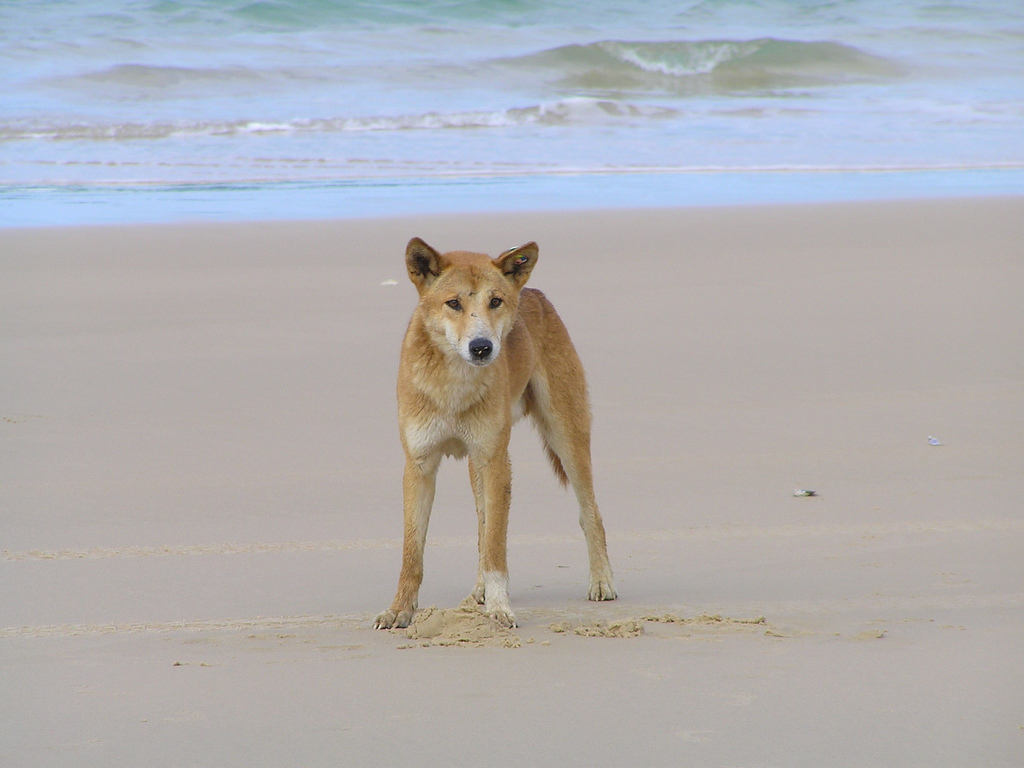 Photo Credit: Inugami-bargho / Wikimedia Commons
In the sun-drenched expanses of Australia, the dingo, scientifically known as Canis lupus dingo, roams with an air of wild elegance. With its lean, athletic body and striking golden fur, this wild dog is perfectly adapted to the rugged landscapes it calls home. Picture a dingo standing alert on a rocky outcrop, its keen ears perked up, scanning the horizon for movement. Its sharp, intelligent eyes reflect the vibrant colors of the Australian bush, where it thrives among the diverse flora and fauna. This captivating animal is not just a beautiful sight; it plays a crucial role in its ecosystem, making it a subject of fascination for scientists and nature lovers alike.
Dingoes are more than just wild dogs; they are a living link to Australia’s ancient past. Believed to have arrived on the continent thousands of years ago, they have evolved into a unique species that showcases remarkable adaptability. Their ability to hunt in packs and communicate through a series of howls and barks adds to their mystique. As top predators, dingoes help maintain the balance of their environment, keeping populations of other animals in check. This keystone role highlights their importance in the intricate web of life, making them a vital part of Australia’s natural heritage. As we delve deeper into the world of the dingo, we will explore its behavior, diet, and the challenges it faces in a rapidly changing environment.
The dingo, a wild dog native to Australia, holds a special place in the animal kingdom. Taxonomically, it belongs to the family Canidae, which includes familiar animals like domestic dogs, wolves, and foxes. What sets the dingo apart is its unique blend of wild instincts and adaptability to various environments. Unlike its domestic relatives, the dingo has retained many of its ancestral traits, making it a fascinating subject for studying evolution and animal behavior. Its role as both a predator and a scavenger in the Australian ecosystem highlights its importance in maintaining ecological balance.
| Taxonomic Rank | Scientific Name | Meaning & Significance |
|---|---|---|
| Kingdom | Animalia | This name signifies that dingoes are part of the vast group of multicellular organisms known as animals, which are characterized by their ability to move and respond to their environment. |
| Phylum | Chordata | Chordata means “having a notochord,” a flexible rod that supports the body. This feature is a key characteristic of all vertebrates, including dingoes, which have a backbone. |
| Class | Mammalia | Mammalia refers to mammals, animals that possess mammary glands to nurse their young. Dingoes, like all mammals, are warm-blooded and have fur, which helps them regulate body temperature. |
| Order | Carnivora | Carnivora is the order that includes meat-eating mammals. The dingo’s sharp teeth and keen senses make it an effective hunter, perfectly suited for a carnivorous lifestyle. |
| Family | Canidae | Canidae, or the dog family, includes animals that share common traits like social behavior and pack hunting. Dingoes exhibit these behaviors, often hunting in groups. |
| Genus | Canis | Canis means “dog” in Latin, reflecting the dingo’s close relationship to domestic dogs and wolves, highlighting their shared ancestry and behavioral traits. |
Understanding the dingo’s classification reveals much about its evolutionary journey. As a member of the Canidae family, the dingo shares a lineage with other canines, tracing back millions of years. This connection not only emphasizes its adaptability and survival skills but also illustrates how it has evolved in isolation on the Australian continent. The dingo’s unique traits, such as its hunting strategies and social structures, are a testament to its ability to thrive in diverse habitats, making it a living link to the past and a vital part of Australia’s natural heritage.
The dingo’s evolutionary journey is a captivating tale that stretches back thousands of years. These wild dogs are believed to have arrived in Australia around 4,000 years ago, likely brought by seafaring humans from Southeast Asia. Over time, they adapted to the diverse landscapes of the continent, evolving into the iconic animals we recognize today.
Dingoes are descendants of the gray wolf, which is part of the Canis genus, a group that includes various dog-like mammals. As they settled in Australia, dingoes underwent significant changes to thrive in their new environment. They developed a leaner body shape, which helps them run swiftly across the open plains and through dense bushland. Their coat color also shifted, ranging from sandy yellow to reddish-brown, providing excellent camouflage in the Australian outback. This adaptation not only helped them blend into their surroundings but also played a crucial role in hunting and avoiding predators.
These adaptations have been vital for dingoes as they navigate the challenges of their environment. Their ability to adjust their diet and hunt in groups has allowed them to thrive in the diverse ecosystems of Australia. With their sharp senses and social behaviors, dingoes continue to be a symbol of resilience and adaptability in the wild.
The dingo is a striking animal that captures the essence of the wild Australian landscape. With a lean, athletic body, it stands out as a master of both agility and endurance. Its long legs and powerful build allow it to traverse vast distances in search of food, while its sharp, alert ears and keen eyes give it an edge in spotting prey. The dingo’s overall appearance is a blend of elegance and strength, making it a true survivor in the rugged terrains it calls home.
| Feature | Description |
|---|---|
| Weight | 13kg – 20kg (28lbs – 44lbs) |
| Skin Type | Fur |
| Color | Typically sandy or reddish-brown, with white markings on the face, chest, and legs |
| Body Structure | Lean and muscular, with a long snout and bushy tail |
| Ears | Pointed and erect, enhancing their hearing |
The dingo’s physical features are not just for show; they play vital roles in its survival. Its fur, which can vary in color from sandy to reddish-brown, provides excellent camouflage in the Australian bush, helping it blend into its surroundings while stalking prey. The dingo’s lean body and strong legs enable it to run swiftly and cover large distances, essential for hunting and exploring its territory. With its sharp senses, especially hearing, the dingo is well-equipped to detect the slightest movements in its environment, making it a formidable predator. Together, these characteristics create a well-adapted animal that thrives in the wild.
The dingo roams across a diverse tapestry of habitats, showcasing its adaptability and resilience. Picture vast, sun-baked deserts where the golden sands stretch endlessly, interspersed with patches of scrubby vegetation. Imagine lush wet and dry forests, where the dappled sunlight filters through the leaves, creating a mosaic of light and shadow. These environments provide the dingo with ample opportunities to hunt and thrive, making it a true symbol of the Australian wilderness.
Dingoes are well-suited to a range of climates, from the arid heat of the desert to the humid conditions of coastal forests. They thrive in areas that experience both wet and dry seasons, allowing them to adapt their hunting strategies based on the availability of food. The temperature can vary widely, with scorching days and cooler nights, but dingoes have developed behaviors to cope with these extremes, such as being more active during the cooler parts of the day.
These wild dogs have evolved remarkable adaptations that help them survive in their chosen habitats. Their keen sense of smell and sharp hearing make them excellent hunters, allowing them to track down prey even in dense vegetation. Dingoes have also developed a thick coat that protects them from harsh weather, while their agile bodies enable them to navigate through various terrains with ease. This combination of physical traits and behavioral strategies ensures that dingoes remain resilient, no matter where they call home.
Dingoes lead a dynamic daily life that revolves around their instincts and social structures. As dawn breaks, these wild dogs awaken, stretching their lean bodies and shaking off the night’s rest. Their day typically begins with a hunt, where they rely on their keen senses to track down prey. Dingoes are opportunistic feeders, meaning they will eat whatever is available, from small mammals to birds and even fruits. After a successful hunt, they often engage in playful behavior, which helps strengthen their bonds and keeps their skills sharp. As the sun sets, they may gather to howl, a beautiful and haunting sound that echoes across the Australian landscape.
Social behavior is a cornerstone of dingo life. They live in packs, which are family groups that work together to hunt and raise pups. Each pack has a hierarchy, with an alpha pair leading the group. This social structure is crucial for their survival, as it allows them to coordinate during hunts and protect their territory. Communication among dingoes is rich and varied, including vocalizations like howls and barks, as well as body language. They use these methods to express emotions, signal danger, or coordinate group activities. The bonds formed within the pack are vital, as they ensure cooperation and support during challenging times.
| Behavior Type | Description |
|---|---|
| Hunting | Dingoes hunt in packs, using teamwork to track and catch prey, which can include small mammals, birds, and even fruits. |
| Social Structure | Packs are family units led by an alpha pair, with a clear hierarchy that helps maintain order and cooperation. |
| Communication | Dingoes communicate through howls, barks, and body language, allowing them to express emotions and coordinate activities. |
The behaviors of dingoes are finely tuned to ensure their survival in the wild. By working together in packs, they increase their chances of finding food and protecting their young. Their ability to communicate effectively helps them navigate the challenges of their environment, from hunting to defending their territory. This intricate web of social interactions and learned behaviors not only strengthens their bonds but also enhances their adaptability, making dingoes a resilient species in the diverse Australian landscape.
Dingoes are carnivores, which means they primarily eat meat. Their diet is diverse, allowing them to thrive in various environments across Australia. These clever hunters use their keen senses and social skills to track down prey. They often hunt in packs, which increases their chances of catching larger animals. However, they are also skilled foragers, scavenging for food when necessary. This adaptability in their feeding behavior helps them survive in the wild.
| Dietary Aspect | Details |
|---|---|
| Diet Type | Carnivore |
| Favorite Foods | Rabbits, lizards, and rodents |
| Prey Items | Small mammals, reptiles, and sometimes birds |
| Hunting/Foraging Strategies | Hunts in packs, uses keen senses, and scavenges when needed |
The dingo’s diet plays a crucial role in shaping its ecology and daily routine. By preying on small mammals and reptiles, dingoes help control these populations, maintaining a balance in their ecosystem. Their hunting strategies not only showcase their intelligence but also influence their social structures, as they often work together to secure food. This dynamic relationship with their environment highlights the importance of the dingo in the Australian wilderness.
Dingoes have a fascinating mating ritual that takes place during the cooler months, typically from April to June. During this breeding season, males and females engage in a series of vocalizations and physical displays to attract each other. Once a pair has formed a bond, they will mate multiple times over a few days. This strong connection is essential, as dingoes are known to be monogamous, meaning they often mate with the same partner for life.
| Reproductive Aspect | Details |
|---|---|
| Gestation Period | 63 days |
| Litter Size | Average of 6 |
| Age of Maturity | 10-12 months |
| Name of Young | Pups |
Once the pups are born, the parents take on the important role of caregivers. The mother typically gives birth in a den, which provides a safe environment for the vulnerable young. Both parents are involved in raising the pups, bringing food back to the den and teaching them essential survival skills. As the pups grow, they begin to explore their surroundings, learning to hunt and socialize with their siblings. By the time they reach maturity at around 10 to 12 months, they are ready to venture out on their own, continuing the cycle of life in the wild.
The dingo occupies a crucial role in the Australian food web as a top predator. This means it helps keep the populations of other animals in check, contributing to the balance of its ecosystem. However, being at the top of the food chain does not mean the dingo is without threats. In fact, it faces several dangers that can impact its survival and well-being.
To defend against these threats, dingoes have developed several survival strategies. They are highly adaptable and can change their hunting techniques based on the environment and available prey. Their keen senses, especially their acute hearing and sense of smell, help them detect danger early. Additionally, dingoes often hunt in packs, which allows them to take down larger prey and protect each other from potential threats. By working together and using their natural instincts, dingoes continue to thrive in the wild, despite the challenges they face.
A keystone species is an organism that plays a critical role in maintaining the structure of its ecosystem. Its presence or absence can significantly impact the environment and the other species living there. The dingo, as a top predator in Australia, qualifies as a keystone species. By regulating prey populations and influencing the behavior of other animals, dingoes help maintain the balance of their habitats.
Dingoes primarily hunt herbivores like kangaroos and rabbits. By keeping these populations in check, they prevent overgrazing, which can lead to habitat degradation. For instance, if kangaroo numbers rise unchecked, they can consume vast amounts of vegetation, leading to soil erosion and loss of plant diversity. This, in turn, affects other species that rely on those plants for food and shelter.
Moreover, dingoes also influence the behavior of their prey. When herbivores sense the presence of dingoes, they tend to avoid certain areas, allowing vegetation to recover in those spots. This behavior creates a healthier ecosystem, promoting biodiversity. In areas where dingoes have been removed, researchers have observed a decline in plant health and a shift in the entire ecosystem’s dynamics.
If dingoes were to disappear from their habitats, the consequences could be dire. Without these top predators, herbivore populations would likely explode, leading to overgrazing and significant changes in plant communities. This shift could result in soil erosion, loss of native plant species, and a decline in other animal populations that depend on those plants. The entire ecosystem could become unbalanced, demonstrating just how vital dingoes are to the health of their environment.
The dingo, a wild dog native to Australia, occupies a vital ecological niche as a top predator. This means it plays a crucial role in maintaining the balance of its environment. By hunting various prey, dingoes help regulate populations of smaller mammals and other animals, preventing overgrazing and promoting biodiversity. Their presence influences the entire ecosystem, from the plants that grow to the other animals that thrive in their habitat.
| Ecosystem Service | Impact |
|---|---|
| Population Control | Regulates numbers of herbivores and smaller carnivores, preventing overpopulation. |
| Scavenging | Helps clean up carrion, which can reduce disease spread. |
| Seed Dispersal | Through their movement and feeding habits, dingoes can aid in the distribution of plant seeds. |
| Habitat Maintenance | By influencing prey behavior, they help shape the structure of their habitats. |
Dingoes have a profound influence on their surroundings. For instance, by preying on kangaroos and rabbits, they help keep these populations in check. If dingoes were to disappear, these herbivores could multiply rapidly, leading to overgrazing. This overgrazing can damage vegetation, which in turn affects soil health and the entire plant community. Additionally, dingoes often scavenge on dead animals, which helps to keep the environment clean and reduces the risk of disease from decaying carcasses.
The broader ecological importance of dingoes cannot be overstated. As a keystone species, their presence is essential for the health of the ecosystems they inhabit. By maintaining the balance of predator and prey, dingoes support a diverse array of life, from the smallest insects to the tallest trees. Their role highlights the interconnectedness of nature, reminding us that every species, no matter how small or seemingly insignificant, plays a part in the grand tapestry of life.
In the intricate web of life, symbiosis refers to the close interactions between different species, which can take on various forms. These relationships can be mutualistic, where both species benefit; parasitic, where one benefits at the other’s expense; or commensal, where one benefits while the other is neither helped nor harmed. The dingo, a wild dog native to Australia, engages in several fascinating partnerships with other species, showcasing the complexity of ecological relationships in its environment.
| Species/Type | Relationship Type | Description |
|---|---|---|
| Rabbits | Parasitic | Dingoes prey on rabbits, which can lead to a decline in rabbit populations, benefiting the overall ecosystem by preventing overgrazing. |
| Birds (e.g., scavenger species) | Commensal | Birds often follow dingoes to scavenge leftovers from their kills, benefiting from the dingo’s hunting without affecting the dingo. |
| Other Carnivores (e.g., foxes) | Mutualistic | In some areas, dingoes and foxes may hunt together, sharing the spoils and helping to control prey populations more effectively. |
These relationships have evolved over time, shaped by the needs and behaviors of the species involved. The dingo’s role as a top predator means it influences the populations of other animals, creating a balance in the ecosystem. By preying on species like rabbits, dingoes help maintain healthy vegetation levels, which in turn supports a variety of other wildlife. Meanwhile, the scavenging birds benefit from the dingo’s hunting prowess, showcasing how interconnected life can be in the wild. Understanding these partnerships not only highlights the dingo’s ecological importance but also reminds us of the delicate balance that sustains life on our planet.
Dingoes are more than just wild dogs; they are a vital part of Australia’s natural heritage. Their unique behaviors and adaptations make them a subject of intrigue for nature enthusiasts. Here are some surprising facts about these fascinating animals.
The dingo, a wild dog native to Australia, has a long and storied relationship with humanity that dates back thousands of years. Early encounters between Indigenous Australians and dingoes were marked by a complex interplay of respect and utility. For many Aboriginal cultures, dingoes were not just animals; they held cultural significance and were often featured in stories and art. These wild dogs were valued for their hunting skills, helping humans track and catch game. Over time, the dingo became woven into the fabric of Australian life, symbolizing both the wildness of the land and the deep connection between people and nature.
In contemporary times, the relationship between dingoes and humans has become more complicated. While some communities work to conserve dingoes as a vital part of Australia’s ecosystem, others view them as a threat to livestock and pets. This has led to conflicts, with some farmers advocating for culling, or the controlled killing of dingoes, to protect their animals. Interestingly, there are also efforts to domesticate dingoes, with some people keeping them as pets. This raises questions about the balance between preserving the wild nature of dingoes and integrating them into human society.
Looking ahead, the future of the dingo-human relationship will likely hinge on finding common ground. As awareness grows about the ecological importance of dingoes, there may be more emphasis on coexistence strategies that benefit both wildlife and agricultural interests. Education and dialogue will be key in fostering a deeper understanding of these wild dogs, ensuring that they continue to thrive in their natural habitat while also respecting the needs of human communities. The journey of the dingo and humanity is far from over, and it promises to be an adventure filled with discovery and learning.
The dingo, a wild dog that roams the Australian landscape, is currently classified as Near Threatened by the International Union for Conservation of Nature (IUCN). This status indicates that while dingoes are not yet at immediate risk of extinction, their populations are declining in certain areas. Factors such as habitat loss and competition with domestic dogs are contributing to this downward trend, making it essential to monitor their numbers closely.
| Conservation Factor | Status/Details |
|---|---|
| IUCN Status | Near Threatened |
| Population Estimates | Approximately 10,000 to 100,000 individuals |
| Trend Direction | Declining in some regions |
One of the main threats to dingoes is habitat loss, primarily due to human activities such as agriculture and urban development. As their natural environments shrink, dingoes find it increasingly difficult to hunt and thrive. Additionally, the introduction of domestic dogs has led to competition for resources and interbreeding, which can dilute the dingo’s genetic lineage. This not only affects their survival but also their role as a top predator in the ecosystem.
Conservation efforts are underway to protect dingoes and their habitats. Various organizations are working to raise awareness about the importance of these wild dogs in maintaining ecological balance. Initiatives include habitat restoration and programs aimed at reducing conflicts between dingoes and humans. The outlook for dingoes depends on continued conservation actions and public support, highlighting the need for a harmonious coexistence between humans and wildlife. With the right efforts, we can help ensure that these iconic animals remain a vibrant part of Australia’s natural heritage.
| Question | Answer |
|---|---|
| What is the habitat of a dingo? | Dingos are adaptable animals that can live in a variety of environments. They are commonly found in deserts, as well as in wet and dry forests across Australia. |
| What do dingoes eat? | Dingos are carnivores, which means they primarily eat meat. Their diet includes small mammals, birds, and even reptiles, showcasing their role as important predators in their ecosystem. |
| How do dingoes behave in the wild? | Dingos are social animals that often live in packs, which helps them hunt and raise their young. They communicate through a variety of vocalizations, body language, and even scent marking to establish territory. |
| How do dingoes reproduce? | Dingos typically mate once a year, with the breeding season occurring in late summer. After a gestation period of about 63 days, the female gives birth to a litter of 4 to 6 pups, which she raises with the help of the pack. |
| What threats do dingoes face? | Dingos are currently classified as Near Threatened due to habitat loss, hunting, and competition with domestic dogs. These factors can significantly impact their populations and survival in the wild. |
| What are some interesting characteristics of dingoes? | Dingos have a unique howl that can carry for miles, helping them communicate with other pack members. They also have a keen sense of smell and excellent hearing, which aids them in hunting and navigating their environment. |
| Are dingoes considered pets? | While some people keep dingoes as pets, they are wild animals with specific needs that can be challenging to meet in a domestic setting. It's important to remember that they are not domesticated like dogs and require a lot of space and stimulation. |