Taxonomy & Classification
- Kingdom
- Animalia
- Phylum
- Chordata
- Class
- Mammalia
- Order
- Carnivora
- Family
- Canidae
- Genus
- Canis
- Species
- Canis lupus

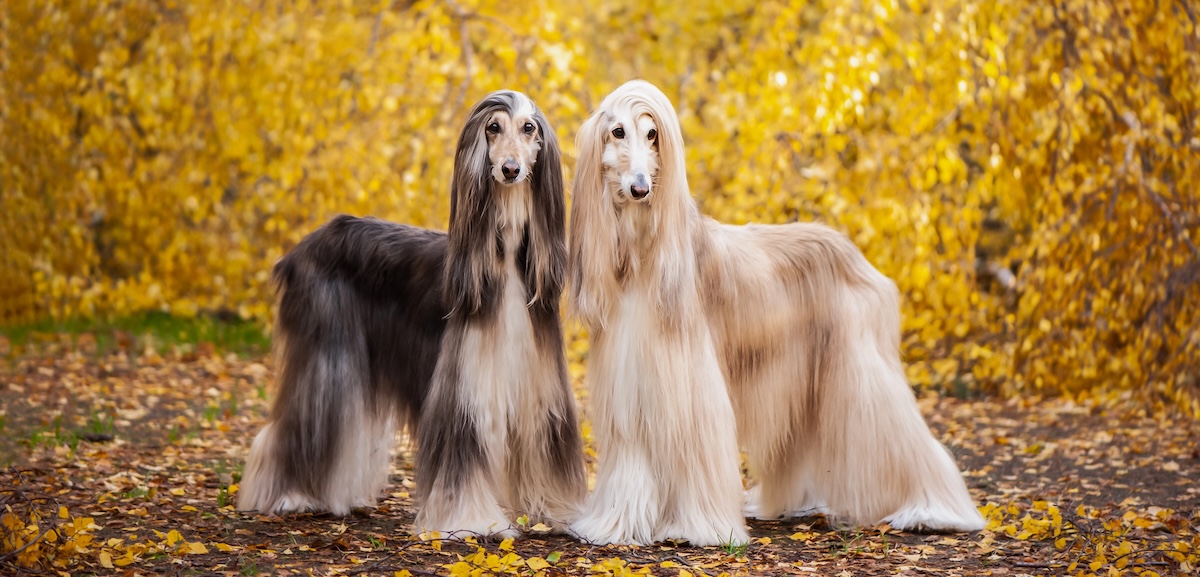 Photo Credit: Wildstrawberry for Deposit Photos
In the rugged mountains of Afghanistan, where the air is crisp and the landscape is a tapestry of rocky outcrops and vast plains, the Afghan Hound, scientifically known as Canis lupus familiaris, roams with an air of elegance and grace. With its long, flowing coat that dances in the wind and a slender, regal frame, this breed captures the hearts of dog lovers and scientists alike. Its striking appearance is not just for show; the Afghan Hound’s unique features, including its long neck and distinctive topknot of hair, have evolved to help it thrive in its harsh environment, showcasing the beauty of adaptation in nature.
What makes the Afghan Hound particularly captivating is its rich history intertwined with human culture. Bred by nomadic tribes for hunting large game, these dogs are not only swift and agile but also possess a keen intelligence that has fascinated researchers for generations. Their ability to navigate the challenging terrains of their homeland speaks to their resilience and adaptability. As we delve deeper into the world of the Afghan Hound, we will explore its physical traits, behavior, and the special bond it shares with humans, revealing why this breed is more than just a pretty face in the canine kingdom.
The Afghan Hound is a captivating breed that sits within the intricate web of life known as the tree of life. Taxonomically, it belongs to the Kingdom Animalia, which includes all animals, and is classified under the Phylum Chordata, meaning it has a backbone. This elegant dog is part of the Class Mammalia, which encompasses all mammals, and it falls under the Order Carnivora, a group that includes meat-eating animals like lions and wolves. Within the Family Canidae, which is home to dogs, foxes, and wolves, the Afghan Hound stands out with its long, flowing coat and unique appearance. Its classification not only highlights its physical traits but also hints at its rich history as a companion and hunting dog in the rugged terrains of Afghanistan.
| Taxonomic Rank | Scientific Name | Meaning & Significance |
|---|---|---|
| Kingdom | Animalia | This name comes from the Latin word “animalis,” meaning “having breath” or “living.” It signifies all living creatures that breathe and move. |
| Phylum | Chordata | Derived from the Greek word “chordē,” meaning “string,” this term refers to animals with a notochord, a flexible rod that supports the body, which in vertebrates becomes the backbone. |
| Class | Mammalia | This name comes from the Latin “mamma,” meaning “breast.” It highlights the defining feature of mammals: females possess mammary glands that produce milk for their young. |
| Order | Carnivora | From the Latin “carnivorus,” meaning “meat-eating,” this classification includes animals that primarily consume meat, showcasing the Afghan Hound’s ancestral hunting instincts. |
| Family | Canidae | This name is derived from the Latin “canis,” meaning “dog.” It encompasses all dog-like mammals, emphasizing the Afghan Hound’s close relationship with other canines. |
| Genus | Canis | Also from the Latin word for “dog,” this genus includes domestic dogs and their wild relatives, indicating the Afghan Hound’s domesticated lineage. |
The classification of the Afghan Hound reveals much about its evolutionary journey. As a member of the Canidae family, it shares a common ancestor with wolves and foxes, showcasing traits that have been honed over thousands of years. The Afghan Hound’s unique physical characteristics, such as its long, silky coat and graceful stature, are adaptations that have helped it thrive in the harsh climates of its native land. Understanding its place in the tree of life not only highlights its beauty but also connects us to the broader story of evolution, where every species plays a vital role in the tapestry of life on Earth.
The Afghan Hound’s evolutionary journey stretches back thousands of years, intertwining with the rich tapestry of human history. This breed, known for its elegant appearance and flowing coat, has roots that trace back to ancient civilizations in the mountainous regions of Afghanistan. The timeline of its evolution reveals a story of adaptation and survival, shaped by the harsh environments and the needs of the people who bred them.
The ancestors of the Afghan Hound were likely similar to other early dogs, which emerged from wolves around 20,000 to 40,000 years ago. As humans began to settle and form communities, they selectively bred dogs for specific traits. In the rugged terrains of Afghanistan, these early canines developed long, silky fur to protect them from the cold mountain climate. Over time, they became skilled hunters, adept at chasing down game like deer and leopards. This specialization marked a significant transition from their wolf ancestors, as they adapted to a life that required both agility and endurance.
The adaptations of the Afghan Hound have played a crucial role in its survival and success as a breed. Their long coats protect them from harsh weather, while their graceful bodies and keen eyesight make them exceptional hunters. The independent spirit of these dogs allows them to thrive in challenging environments, showcasing their resilience. As they evolved alongside humans, Afghan Hounds not only became beloved companions but also remarkable survivors in the wild, embodying the spirit of their ancient lineage.
The Afghan Hound is a striking sight, embodying grace and elegance in its tall, slender frame. With a height that can reach up to 27 inches at the shoulder, this breed carries itself with a regal air. Its long, flowing coat cascades down its body, creating a stunning silhouette that captures the eye. The Afghan Hound’s refined features, including a narrow head and long neck, contribute to its overall aristocratic appearance, making it one of the most recognizable dog breeds in the world.
| Feature | Description |
|---|---|
| Weight | 50 – 60 lbs |
| Height | Up to 27 inches at the shoulder |
| Skin Type | Hair |
| Coat Color | Varies widely, including shades of black, cream, gold, and brindle |
| Body Structure | Slender and athletic with a deep chest |
The Afghan Hound’s features are not just for show; they serve important purposes in its survival. The long, flowing coat protects the dog from harsh weather conditions, while its slender body allows for agility and speed, essential traits for hunting in the rugged terrains of its native Afghanistan. The breed’s keen eyesight and alert demeanor make it an excellent companion for those who appreciate both beauty and functionality in their canine friends. Together, these characteristics create a breed that is not only visually stunning but also well-adapted to its environment.
The Afghan Hound calls the rugged mountains and vast plains of Afghanistan its home. This breed thrives in the high-altitude regions, where the air is crisp and the landscape is dotted with rocky outcrops and rolling hills. The scenery is breathtaking, with sweeping views of snow-capped peaks and lush valleys. These dogs are often seen gracefully navigating the challenging terrain, showcasing their agility and strength.
The climate in these areas can be quite extreme, with hot summers and cold winters. Afghan Hounds are well-suited to this environment, as they have a thick, long coat that protects them from both the heat of the sun and the chill of the snow. They prefer dry conditions and can often be found in areas with minimal rainfall, which helps them stay comfortable and active.
Over time, Afghan Hounds have adapted beautifully to their mountainous habitats. Their long legs and powerful build allow them to traverse rocky paths with ease, while their keen eyesight helps them spot prey from a distance. This breed’s unique coat not only provides insulation but also helps them blend into their surroundings, making them excellent hunters. These adaptations have made the Afghan Hound a true survivor in the wild, showcasing the incredible bond between animals and their environments.
The daily life of an Afghan Hound is a blend of elegance and energy, marked by a routine that reflects its noble heritage. These dogs thrive on activity, often starting their day with a brisk walk or a playful romp in a secure yard. Their long, flowing coats require regular grooming, which is not just a beauty ritual but also a bonding experience with their human companions. As the day unfolds, they enjoy a mix of playtime, training sessions, and moments of relaxation, often lounging in a sunny spot or curling up next to their favorite person.
Socially, Afghan Hounds are known for their independent spirit, yet they also form strong bonds with their families. They are generally friendly with other dogs, especially if they have been socialized from a young age. However, their aloofness can sometimes make them seem distant, as they prefer to observe before engaging. In a group setting, they often display a hierarchy, with more dominant individuals taking the lead during play. Their communication is subtle; they use body language, vocalizations, and even their expressive eyes to convey their feelings and intentions.
| Behavior Type | Description |
|---|---|
| Activity Patterns | Afghan Hounds enjoy regular exercise, including walks and playtime, to maintain their physical health and mental stimulation. |
| Social Structure | They often establish a hierarchy within groups, with more dominant dogs leading interactions and play. |
| Communication Methods | These dogs communicate through body language, vocalizations, and eye contact, expressing their needs and emotions. |
The behaviors of Afghan Hounds are not just charming quirks; they play a crucial role in their survival. Their need for exercise keeps them fit and agile, essential traits for a breed originally developed for hunting. Their social dynamics help them navigate relationships with both humans and other dogs, ensuring they can thrive in a family environment. By understanding and adapting to their surroundings, Afghan Hounds continue to embody the spirit of resilience and grace that has defined them for centuries.
The Afghan Hound is an omnivore, which means it enjoys a varied diet that includes both plant and animal sources. This breed has a unique feeding behavior, often displaying a discerning taste for high-quality foods. Afghan Hounds typically thrive on a balanced diet that can include meats, vegetables, and grains. Their natural instincts may lead them to forage for food, but in a domestic setting, they rely on their human companions to provide nutritious meals.
| Dietary Aspect | Details |
|---|---|
| Diet Type | Omnivore |
| Favorite Foods | High-quality meats, vegetables, and grains |
| Prey Items | Small mammals and birds |
| Hunting/Foraging Strategies | Instinctively stalks and chases prey; relies on human-provided meals in domestic settings |
This diverse diet not only supports the Afghan Hound’s health but also influences its daily activities and energy levels. With a well-rounded nutritional intake, these dogs are agile and spirited, ready to engage in playful pursuits or enjoy leisurely walks. Their feeding habits reflect their adaptability, allowing them to thrive in various environments, whether in the wild or as cherished companions in homes around the world.
The mating behavior of Afghan Hounds is as graceful as their appearance. During the breeding season, which typically occurs in the spring, males become particularly attentive and display their interest through playful antics and vocalizations. They may engage in a dance-like courtship, showcasing their agility and charm to attract a female. Once a female is in heat, she will signal her readiness to mate, and the pair will come together in a natural and instinctive process that ensures the continuation of their lineage.
| Reproductive Aspect | Details |
|---|---|
| Gestation Period | Approximately 63 days |
| Litter Size | Average of 7 puppies |
| Age of Maturity | About 12 to 18 months |
| Name of Young | Puppies |
Once the puppies are born, the Afghan Hound mother takes on the role of a devoted caregiver. She provides warmth, nourishment, and protection to her young, ensuring they thrive in their early days. The puppies are born blind and deaf, relying entirely on their mother for survival. As they grow, they begin to explore their surroundings, developing their senses and social skills. By the time they reach maturity, they embody the elegance and spirit of their breed, ready to embark on their own adventures in the world. The bond between the mother and her puppies is a beautiful example of nurturing in the animal kingdom, showcasing the deep connections that can exist within families.
The Afghan Hound occupies a fascinating position in the food web, primarily as a domesticated companion rather than a wild predator. While they are not typically preyed upon in the same way as wild animals, they can still face dangers from larger predators and environmental threats. Their elegant stature and swift movements make them well-suited for evading danger, but they are not invulnerable.
To survive these threats, Afghan Hounds rely on their keen senses and agility. Their speed allows them to escape quickly from potential dangers, while their alertness helps them detect threats before they become too close. Additionally, their strong bond with humans often provides them with protection, as owners are typically vigilant about their safety. With a combination of instinct and companionship, Afghan Hounds navigate their world with grace and resilience.
A keystone species is an organism that plays a critical role in maintaining the structure of an ecosystem. Its presence or absence can significantly impact the environment and the other species that inhabit it. While the Afghan Hound is a beloved breed known for its beauty and companionship, it does not qualify as a keystone species. This is primarily because it is a domesticated dog, and its role in the ecosystem is largely shaped by human interaction rather than natural ecological processes.
Despite not being a keystone species, the Afghan Hound does have some ecological impacts, particularly in the context of its domestication. As an omnivore, it contributes to the balance of local food webs by consuming a variety of foods, which can include both plant and animal matter. This dietary flexibility allows Afghan Hounds to adapt to different environments, influencing the populations of smaller animals and plants they interact with. For instance, by controlling the population of rodents in their vicinity, they can help maintain a balance that benefits local flora.
Moreover, Afghan Hounds often serve as companions to humans, which can lead to increased awareness and appreciation for wildlife and conservation efforts. Their presence in households can inspire families to engage in outdoor activities, fostering a connection to nature. This connection can encourage people to support local ecosystems, whether through gardening, wildlife protection, or participating in community clean-up efforts.
If Afghan Hounds were to disappear, the immediate effects might not be as dramatic as those caused by the loss of a true keystone species. However, their absence could lead to a decline in human interest in outdoor activities and wildlife conservation. This could result in less community involvement in protecting local ecosystems, potentially allowing certain populations of small animals to grow unchecked. Over time, this imbalance could ripple through the ecosystem, affecting plant life and other animal species, ultimately altering the landscape of the environment they once inhabited.
The Afghan Hound, with its elegant stature and lively spirit, occupies a unique ecological niche as a domesticated companion. While they are primarily known for their beauty and grace, these dogs also play a role in shaping their environment. As omnivores, Afghan Hounds contribute to the balance of their ecosystems by influencing the populations of small animals and plants through their dietary habits. Their presence in human households can also affect local wildlife interactions, as they often engage in activities that encourage a dynamic relationship between pets and their surroundings.
| Ecosystem Service | Impact |
|---|---|
| Predation on small animals | Helps control populations of rodents and other small mammals. |
| Seed dispersal | May inadvertently spread seeds through their fur or feces, promoting plant growth. |
| Soil aeration | Digging behaviors can improve soil health and promote nutrient cycling. |
| Human companionship | Encourages conservation awareness and responsible pet ownership. |
Afghan Hounds, through their playful nature and energetic lifestyle, can influence their surroundings in various ways. For instance, when they chase after small animals, they help keep those populations in check, which is essential for maintaining a balanced ecosystem. Additionally, as they roam through gardens and parks, they may unknowingly assist in seed dispersal, allowing new plants to take root and flourish. Their digging habits can also aerate the soil, enhancing its quality and promoting healthy plant growth.
The broader ecological importance of Afghan Hounds extends beyond their immediate environment. By fostering a connection between humans and nature, these dogs encourage responsible pet ownership and conservation efforts. Their presence in households can inspire families to engage with local wildlife and ecosystems, promoting a greater understanding of the delicate balance that sustains life. In this way, Afghan Hounds not only enrich our lives but also contribute to the health and vitality of the ecosystems they inhabit.
In the intricate dance of nature, symbiosis refers to the close relationships between different species, where they interact in ways that can be beneficial, harmful, or neutral. These ecological relationships are essential for the balance of ecosystems, allowing species to thrive together. For the Afghan Hound, a breed known for its elegance and grace, these partnerships can be found in various forms, showcasing the interconnectedness of life.
| Species/Type | Relationship Type | Description |
|---|---|---|
| Humans | Mutualistic | Afghan Hounds have a long history of companionship with humans, providing loyalty and protection while receiving care, shelter, and love in return. |
| Fleas | Parasitic | Fleas can infest Afghan Hounds, feeding on their blood and causing discomfort, which is harmful to the dogs. |
| Birds | Commensal | Some birds may follow Afghan Hounds in search of insects disturbed by their movement, benefiting from the dog’s activity without affecting the dog. |
These relationships have evolved over time, shaped by the needs and behaviors of both the Afghan Hound and the other species involved. The bond with humans, for instance, has deepened through generations, as these dogs have been bred for companionship and utility. Meanwhile, the presence of parasites like fleas highlights the challenges that come with domestication. Understanding these interactions not only enriches our knowledge of the Afghan Hound but also emphasizes the importance of maintaining healthy ecosystems where all species can coexist harmoniously.
The Afghan Hound is not just a pretty face; this breed is steeped in history and possesses some truly surprising traits that make it stand out in the canine world.
The Afghan Hound has a long and storied relationship with humanity that dates back thousands of years. Originating in the rugged terrains of Afghanistan, these elegant dogs were bred by nomadic tribes for their remarkable hunting skills. They were not just companions; they played a vital role in the survival of their human counterparts, helping to track and catch game in the challenging landscapes of their homeland. Over time, Afghan Hounds became symbols of nobility and grace, often featured in art and literature, reflecting their esteemed status in various cultures.
Today, the bond between Afghan Hounds and people continues to evolve. While many are cherished as beloved pets, their historical significance as hunting companions is still recognized. In modern times, Afghan Hounds are often involved in dog shows and competitions, showcasing their beauty and agility. However, the breed also faces challenges, such as the impact of conflict in their native regions and the need for responsible breeding practices to ensure their health and well-being. As we navigate these complexities, the relationship between Afghan Hounds and humans remains a blend of companionship, responsibility, and cultural heritage.
The future of the Afghan Hound and humanity’s relationship is filled with potential. As awareness grows about responsible pet ownership and the importance of breed preservation, there is hope for a thriving community that values these dogs not just for their beauty, but for their rich history and unique personalities. By fostering a deeper understanding of their needs and celebrating their contributions, we can ensure that Afghan Hounds continue to be cherished companions for generations to come.
The Afghan Hound currently holds a conservation status of “Not Listed” according to the International Union for Conservation of Nature (IUCN). This means that there are no immediate concerns regarding their population numbers on a global scale. However, the breed’s population trends can vary significantly based on regional factors, breeding practices, and the popularity of the breed among dog enthusiasts. While they are not endangered, the Afghan Hound’s unique characteristics and historical significance make them a breed worth monitoring.
| Conservation Factor | Status/Details |
|---|---|
| IUCN Status | Not Listed |
| Population Estimates | Not specifically quantified |
| Trend Direction | Stable, but varies by region |
The main threats to Afghan Hounds primarily stem from human activities and changing lifestyles. As urbanization increases, the traditional roles of these dogs as hunting companions and guardians may diminish. Additionally, irresponsible breeding practices can lead to health issues and a decline in genetic diversity. The Afghan Hound’s long, flowing coat requires regular grooming, and neglecting their care can lead to health problems, further impacting their well-being.
Conservation efforts for the Afghan Hound focus on responsible breeding and education about the breed’s needs. Organizations dedicated to dog welfare work to promote best practices among breeders and owners, ensuring that these elegant dogs are cared for properly. The outlook for the Afghan Hound remains positive, as long as enthusiasts continue to advocate for their health and well-being. By fostering a deeper understanding of this breed, we can help ensure that Afghan Hounds thrive for generations to come.
| Question | Answer |
|---|---|
| What is the natural habitat of the Afghan Hound? | Afghan Hounds originally come from the mountainous regions of Afghanistan. They are well-suited to rugged terrain, which allows them to run swiftly and navigate steep slopes. |
| What do Afghan Hounds eat? | Afghan Hounds are omnivores, meaning they eat both plants and animals. Their diet typically includes high-quality dog food, meat, vegetables, and occasional treats like fruits. |
| What is the behavior of Afghan Hounds like? | Afghan Hounds are known for their independent and sometimes aloof nature. They can be playful and affectionate with their families but may be reserved around strangers. |
| How do Afghan Hounds reproduce? | Like most dogs, Afghan Hounds reproduce through mating between a male and a female. The female typically goes into heat twice a year, and after a gestation period of about 63 days, she gives birth to a litter of puppies. |
| What threats do Afghan Hounds face? | While Afghan Hounds are not currently listed as endangered, they can face threats from habitat loss and irresponsible breeding practices. Ensuring they are bred ethically helps maintain their health and well-being. |
| What are some interesting characteristics of Afghan Hounds? | Afghan Hounds are famous for their long, flowing coats and elegant appearance. They are also known for their unique running style, which is often described as graceful and almost like a dance. |
| Are Afghan Hounds good family pets? | Yes, Afghan Hounds can make great family pets, especially in active households. They enjoy playtime and exercise, but they also need proper training and socialization to thrive in a family environment. |