Taxonomy & Classification
- Kingdom
- Animalia
- Phylum
- Chordata
- Class
- Reptilia
- Order
- Saurischia
- Family
- Diplodocidae
- Genus
- Diplodocus
- Species
- Diplodocus longus

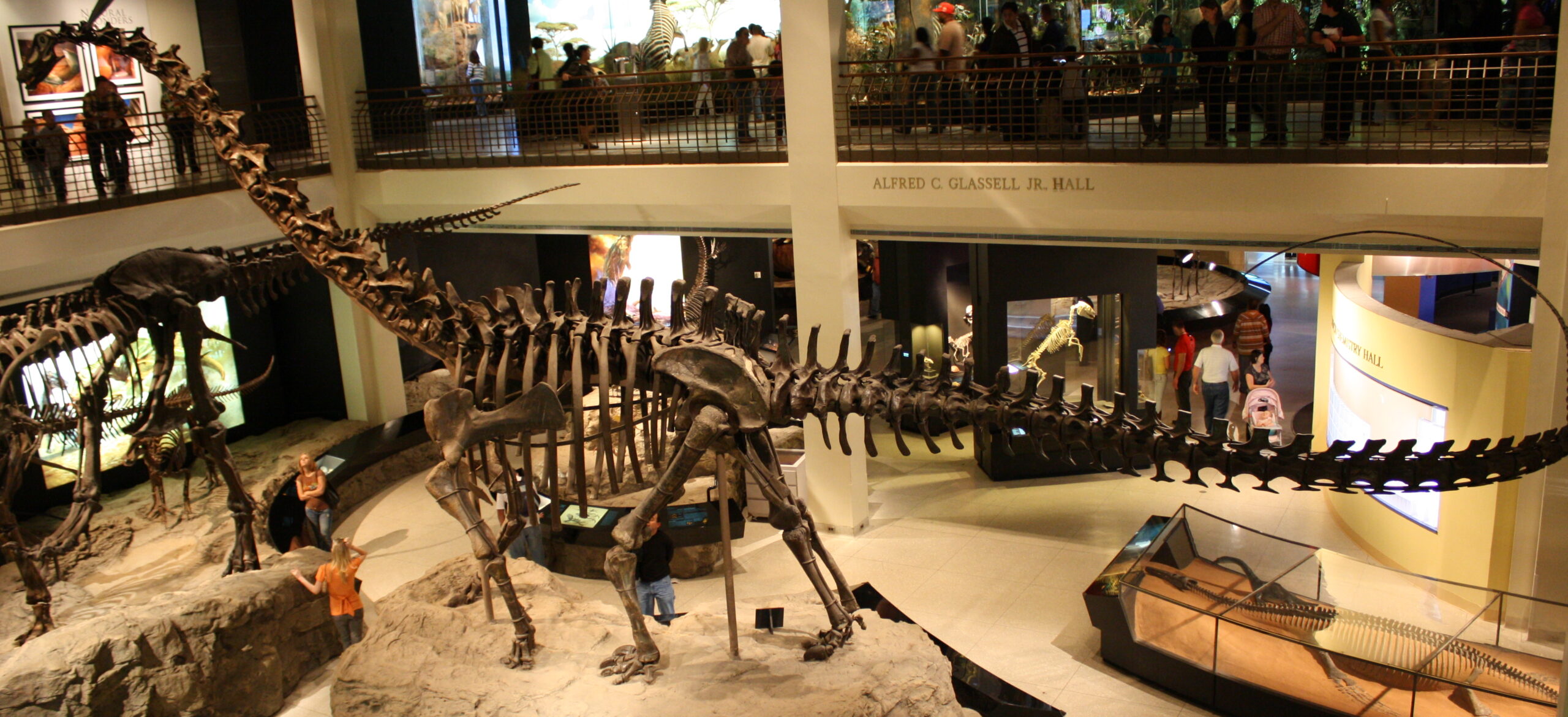 Photo Credit: Wikipedia Loves Art participant 'The_Wookies' / Wikimedia
In the sun-drenched valleys of the Late Jurassic period, the Diplodocus, scientifically known as Diplodocus longus, roamed the Earth with an elegance that belied its massive size. Imagine a creature stretching over 80 feet long, its long neck reaching high into the treetops to nibble on lush leaves, while its equally impressive tail swayed gently behind it. This gentle giant, with its distinctive whip-like tail and elongated body, captures the imagination of both scientists and dinosaur enthusiasts alike. Its sheer scale and unique adaptations make it a fascinating subject of study, revealing secrets about the ecosystems of a time long past.
As the Diplodocus grazes peacefully, the landscape around it is alive with the sounds of other dinosaurs and the rustling of ancient ferns. These magnificent herbivores played a crucial role in their environment, shaping the plant life and influencing the habitats of countless other species. With their long necks, they could reach high branches that many other dinosaurs could not, allowing them to thrive in a world filled with competition for food. The story of the Diplodocus is not just about its size; it’s about how this incredible dinosaur interacted with its surroundings, leaving a lasting impact on the world it inhabited. Join us as we explore the life and times of this extraordinary creature, uncovering the mysteries of its existence and the role it played in the grand tapestry of the Jurassic landscape.
Diplodocus is a fascinating member of the dinosaur family tree, sitting comfortably within the clade known as Diplodocidae. This group is part of the larger order Saurischia, which includes all theropods and sauropods. What makes Diplodocus particularly interesting is its impressive size and long neck, which could reach lengths of up to 85 feet! This gentle giant roamed the Earth during the Late Jurassic period, around 154 to 150 million years ago, and its unique adaptations for feeding and locomotion set it apart from many other dinosaurs.
| Taxonomic Rank | Scientific Name | Meaning & Significance |
|---|---|---|
| Kingdom | Animalia | This rank includes all animals, highlighting that Diplodocus is part of the vast and diverse animal kingdom. |
| Phylum | Chordata | Chordata means “having a notochord,” a flexible rod that supports the body, which all vertebrates, including Diplodocus, possess at some stage of development. |
| Class | Reptilia | Reptilia refers to reptiles, indicating that Diplodocus shares characteristics with modern reptiles, such as scaly skin and laying eggs. |
| Order | Saurischia | Saurischia translates to “lizard-hipped,” a term that describes the hip structure of this group, which includes both theropods and sauropods. |
| Family | Diplodocidae | This family name means “double beam,” referring to the unique structure of the bones in the tail of Diplodocus and its relatives. |
| Genus | Diplodocus | The name Diplodocus means “two beams,” which refers to the distinctive double structure of its tail vertebrae, a feature that helped it balance its long neck. |
Understanding where Diplodocus fits in the tree of life reveals much about its evolutionary journey. As a member of the Diplodocidae family, it shares a common ancestor with other long-necked dinosaurs, showcasing the incredible adaptations that allowed these giants to thrive in their environments. The classification of Diplodocus not only highlights its physical traits but also provides insight into the ecological roles these magnificent creatures played millions of years ago, shaping the world we know today.
The story of Diplodocus unfolds during the Late Jurassic period, around 154 to 150 million years ago. This was a time when dinosaurs roamed the Earth in diverse forms, and the landscape was filled with lush vegetation. As one of the largest dinosaurs, Diplodocus was part of a remarkable evolutionary journey that saw the rise of long-necked sauropods, a group known for their massive size and unique adaptations.
Diplodocus evolved from earlier ancestors that were smaller and less specialized. These early dinosaurs began to develop longer necks and tails, which allowed them to reach high into trees for food and to balance their massive bodies. Over millions of years, these adaptations became more pronounced. Diplodocus, with its elongated neck and whip-like tail, was able to graze on vegetation that other dinosaurs could not reach. This evolutionary transition was crucial, as it allowed Diplodocus to thrive in a competitive environment filled with other herbivores.
These adaptations were vital for the survival of Diplodocus in its environment. The long neck allowed it to reach food sources that were out of reach for many other dinosaurs, while its large size provided protection from predators. The whip-like tail not only helped with balance but may have also served as a warning signal to other members of its species. Together, these features made Diplodocus a successful herbivore, thriving in the lush landscapes of the Jurassic period.
Imagine standing in a sunlit valley, where the ground trembles slightly beneath your feet. In the distance, a Diplodocus strides gracefully, its long neck reaching high into the treetops. This colossal dinosaur, stretching up to 85 feet in length, is a sight to behold. Its massive body is supported by sturdy legs, each one as thick as a tree trunk, allowing it to carry its weight of 10 to 11 tons with ease. The Diplodocus’s long tail sways behind it, acting like a counterbalance to its lengthy neck, which is adorned with 15 vertebrae, giving it an impressive reach to munch on the lush vegetation above.
| Feature | Description |
|---|---|
| Size | Up to 85 feet long |
| Weight | 10-11 tons |
| Skin Type | Scales |
| Most Distinctive Feature | Long neck with 15 vertebrae |
The Diplodocus’s features are not just for show; they serve important purposes in its daily life. Its long neck allows it to reach high branches, giving it access to a buffet of leaves that many other dinosaurs can’t reach. This ability to graze on treetops means less competition for food. The thick legs support its massive weight, providing stability as it moves through its environment. The scales covering its body may have offered protection from predators, while the long tail could have been used for balance or even as a defense mechanism. Together, these characteristics make the Diplodocus a well-adapted giant of the Jurassic landscape, thriving in a world filled with challenges.
In the lush landscapes of the Late Jurassic period, Diplodocus thrived in a habitat that was a mix of grasslands and the edges of dense forests. Picture vast open prairies dotted with clusters of trees, where sunlight poured down, nourishing the rich vegetation. This environment provided ample food sources, allowing these enormous dinosaurs to roam freely, munching on the abundant ferns and conifers that flourished in their surroundings. The gentle sway of tall grasses and the rustle of leaves created a serene backdrop for these gentle giants.
The climate in this region was generally warm and temperate, with distinct wet and dry seasons. Diplodocus preferred areas where rainfall was sufficient to support lush plant life, as this was essential for their herbivorous diet. The combination of open spaces and nearby forests offered a perfect balance, allowing them to find both food and shelter. The warm temperatures helped maintain their body heat, making it easier for them to thrive in their environment.
Adaptations played a crucial role in the survival of Diplodocus in these habitats. Their long necks allowed them to reach high into trees for leaves, while their massive tails provided balance as they moved through the grasslands. With strong legs built for walking long distances, they could travel across vast areas in search of food. These features not only helped them navigate their environment but also made them well-suited to the challenges of their time, ensuring they could flourish in the diverse landscapes of the Jurassic world.
As the sun rises over the lush landscapes of the Late Jurassic period, a day in the life of Diplodocus begins. These enormous dinosaurs are known for their long necks and tails, which they use to navigate their surroundings with ease. Each day, they spend hours foraging for food, munching on the abundant vegetation that fills their habitat. With their massive bodies, they can reach high into the treetops or graze on low-lying plants, ensuring they have a varied diet. As they move through their environment, they engage in activities like resting, socializing, and communicating with one another, all of which are essential for their well-being.
Diplodocus is a social creature, often found in herds that provide safety in numbers. These groups allow them to keep an eye out for predators while also fostering social bonds. Within the herd, individuals may engage in playful interactions, strengthening their relationships. Communication is key in these groups, and they use a variety of sounds and body language to express themselves. Whether it’s a low rumble or a gentle sway of their long necks, these signals help maintain harmony and cooperation among the members of the herd.
| Behavior Type | Description |
|---|---|
| Foraging | Diplodocus spends much of its day eating, using its long neck to reach high leaves and low shrubs. |
| Herd Dynamics | Living in groups, they benefit from safety in numbers, making it harder for predators to target them. |
| Communication | They communicate through sounds and body movements, helping to maintain social bonds within the herd. |
| Resting | After a long day of foraging, they take time to rest, often lying down or standing quietly in the shade. |
These daily behaviors are not just routines; they are vital for survival. By foraging in groups, Diplodocus can efficiently find food while minimizing the risk of becoming a meal for predators. Their social interactions help them build strong connections, which can be crucial during times of stress or danger. In essence, the way they live, communicate, and support one another ensures that they thrive in their prehistoric world, making the most of their time on Earth.
Diplodocus was a true giant of the plant-eating world, known as a herbivore. This means it primarily fed on plants rather than hunting other animals. With its long neck, Diplodocus could reach high into the trees to munch on leaves, but it also enjoyed the tasty ferns that grew closer to the ground. Its feeding behavior was quite fascinating; by using its neck to sweep through the vegetation, it could cover a large area in search of food, making the most of its surroundings.
| Dietary Aspect | Details |
|---|---|
| Diet Type | Herbivore |
| Favorite Foods | Leaves and ferns |
| Prey Items | None (as a plant-eater) |
| Hunting/Foraging Strategies | Using its long neck to reach high foliage and sweeping through vegetation |
The diet of Diplodocus played a crucial role in shaping its ecology and daily routine. By consuming vast amounts of plant material, it helped to maintain the balance of its environment, ensuring that vegetation did not become overgrown. This massive dinosaur spent much of its day foraging for food, using its impressive neck to access a variety of plants. In doing so, Diplodocus not only sustained itself but also influenced the plant life around it, creating a dynamic relationship between herbivores and their habitats.
When it comes to the mating habits of Diplodocus, the breeding season likely coincided with warmer months when food was abundant. During this time, males would display their strength and size to attract females. Imagine a grand spectacle where these massive dinosaurs would engage in elaborate courtship rituals, perhaps involving vocalizations or physical displays to impress potential mates. Once a female chose a mate, the pair would come together to reproduce, ensuring the continuation of their species.
| Reproductive Aspect | Details |
|---|---|
| Gestation Period | Approximately 12-13 months |
| Average Litter Size | 3-5 Eggs |
| Age of Maturity | 10 years |
| Name of Young | Hatchlings |
After the eggs are laid, the young Diplodocus, known as hatchlings, would emerge into a world filled with towering plants and vast landscapes. While there is limited evidence about parental care in these ancient giants, it is believed that the hatchlings were somewhat independent soon after hatching. However, they likely stayed close to their mothers for protection and guidance during their early years. As they grew, these young dinosaurs would learn to navigate their environment, eventually reaching maturity at around ten years old, ready to embark on their own journeys in the prehistoric world.
In the grand tapestry of the Late Jurassic ecosystem, Diplodocus held a significant position as a massive herbivore. While it grazed on the lush vegetation, it was also part of a complex food web. This means that, despite its size, Diplodocus faced dangers from various predators that sought to make a meal out of younger or weaker individuals. The balance of nature often places even the largest creatures at risk, especially when they are still growing.
To defend itself against these threats, Diplodocus relied on its impressive size and long neck. Adult Diplodocus were so large that few predators would dare to attack them directly. Instead, they focused on the more vulnerable juveniles. When faced with danger, these young dinosaurs could use their speed and agility to escape into dense foliage. Additionally, the sheer size of an adult Diplodocus could intimidate potential attackers, making it a formidable presence in its environment. Through these strategies, Diplodocus managed to navigate the challenges of its prehistoric world.
A keystone species is an organism that plays a crucial role in maintaining the structure of its ecosystem. This means that its presence or absence can significantly impact the environment and the other species living there. Diplodocus, with its massive size and herbivorous diet, qualifies as a keystone species in its Late Jurassic habitat. By feeding on a variety of plants, it helps shape the vegetation and influences the entire ecosystem around it.
Diplodocus primarily fed on the abundant plant life in its environment, which included ferns and conifers. By consuming large amounts of vegetation, it prevented any single plant species from dominating the landscape. This grazing behavior promoted biodiversity, allowing various plants to thrive and creating a balanced ecosystem. Additionally, as Diplodocus moved through its habitat, it likely trampled down underbrush, which opened up space for new plants to grow. This natural gardening helped maintain the health of the grasslands and forest edges where it lived.
Moreover, the presence of Diplodocus would have attracted other species, both predators and scavengers. Large carnivores, like Allosaurus, would have hunted these massive herbivores, while smaller animals might have scavenged on the remains of any fallen Diplodocus. This interaction created a dynamic food web, where the health of the predator population was linked to the abundance of Diplodocus. Its role as a prey species helped sustain the balance of life in its ecosystem.
If Diplodocus were to disappear from its ecosystem, the effects would be profound. Without this giant herbivore, certain plant species could become overly dominant, leading to a decline in biodiversity. The absence of Diplodocus would also disrupt the food web, as predators that relied on it for sustenance would struggle to find enough food. This ripple effect could lead to a less stable ecosystem, ultimately affecting many other species and the overall health of the environment. The loss of such a key player would change the landscape forever, illustrating just how interconnected life can be.
Diplodocus played a vital role in its ecosystem during the Late Jurassic period, acting as a key herbivore that shaped the landscape around it. By feeding on a variety of plants, this enormous dinosaur influenced the growth patterns of vegetation and helped maintain the balance of its environment. Its long neck allowed it to reach high into trees, consuming leaves and branches that other animals could not access. This unique feeding behavior not only provided Diplodocus with nourishment but also encouraged the growth of new plant life, creating a dynamic and thriving ecosystem.
| Ecosystem Service | Impact |
|---|---|
| Vegetation Control | Maintains plant diversity by consuming dominant species. |
| Soil Aeration | Helps improve soil quality through movement and grazing. |
| Seed Dispersal | Facilitates the spread of plant seeds through digestion. |
| Habitat Creation | Provides shelter for smaller animals by shaping the landscape. |
As Diplodocus roamed the grasslands and forest edges, it left a lasting impact on its surroundings. By munching on the tops of trees, it encouraged the growth of lower shrubs and grasses, allowing a variety of plant species to flourish. This, in turn, attracted other herbivores, creating a bustling community of animals that relied on the diverse plant life for food. Additionally, as these massive dinosaurs moved through their habitat, they disturbed the soil, which helped aerate it and promote healthy plant growth. Their presence also provided shelter for smaller creatures, creating a rich tapestry of life in the ecosystem.
The broader ecological importance of Diplodocus cannot be overstated. As a keystone species, its activities helped maintain the balance of the ecosystem, ensuring that various plant and animal species could thrive. The loss of such a significant herbivore would have led to overgrowth of certain plants, which could have disrupted the entire food web. By understanding the role of Diplodocus, we gain insight into the intricate connections that exist within ecosystems, reminding us of the delicate balance that sustains life on Earth.
In the intricate web of life during the Late Jurassic period, symbiosis played a vital role in the survival and thriving of various species, including the magnificent Diplodocus. Symbiosis refers to the close and often long-term interactions between different species. These relationships can be mutualistic, where both species benefit; parasitic, where one benefits at the expense of the other; or commensal, where one benefits while the other is neither helped nor harmed. Understanding these connections helps us appreciate how ancient ecosystems functioned and how species like Diplodocus interacted with their environment and each other.
| Species/Type | Relationship Type | Description |
|---|---|---|
| Small herbivorous dinosaurs | Mutualistic | These smaller dinosaurs may have benefited from the protection offered by the large Diplodocus while feeding on plants that were disturbed by its grazing. |
| Insects (like beetles) | Commensal | Insects could have lived on or around Diplodocus, feeding on the plants that grew in its shadow without affecting the dinosaur. |
| Predatory dinosaurs (like Allosaurus) | Parasitic | While not a direct relationship, predatory dinosaurs relied on the presence of large herbivores like Diplodocus for food, impacting its survival. |
The evolution of these relationships was shaped by the needs and behaviors of the species involved. As Diplodocus roamed the grasslands and forest edges, its massive size and grazing habits created opportunities for smaller species to thrive. Mutualistic relationships likely developed as smaller herbivores found safety in numbers, while insects benefited from the lush vegetation that grew in the wake of Diplodocus. These interactions not only helped individual species survive but also contributed to the overall health of the ecosystem, demonstrating the interconnectedness of life in the Jurassic world.
Diplodocus, one of the most iconic dinosaurs, roamed the Earth during the Late Jurassic period, captivating our imaginations with its incredible size and unique features. Here are some surprising facts that showcase just how extraordinary this long-necked giant truly was.
The relationship between Diplodocus and humanity is a tale that stretches across time, from the moment early humans first stumbled upon its fossilized remains to the present day, where it captivates our imagination. These colossal dinosaurs, which roamed the Earth millions of years ago, have become cultural icons, inspiring countless stories, movies, and scientific inquiries. The sheer size and unique features of Diplodocus have sparked curiosity and wonder, making it a symbol of the prehistoric world. In museums around the globe, its skeletons stand tall, inviting visitors to ponder the mysteries of life long before humans walked the Earth.
Today, our interactions with Diplodocus are primarily through the lens of paleontology, the study of ancient life through fossils. While we cannot directly interact with these long-extinct giants, their remains provide invaluable insights into the ecosystems of the past. Scientists work diligently to uncover the secrets of Diplodocus, piecing together its life and environment. This research not only enriches our understanding of dinosaurs but also informs conservation efforts for modern-day species. By studying how ancient creatures adapted to their surroundings, we can better protect the biodiversity we have today, ensuring that the lessons of the past guide our stewardship of the planet.
Looking ahead, the relationship between Diplodocus and humanity will continue to evolve. As technology advances, new methods of studying fossils and ancient ecosystems will emerge, allowing us to uncover even more about these magnificent creatures. The fascination with Diplodocus will likely inspire future generations to explore the natural world, fostering a deeper appreciation for both the past and the present. By learning from the giants of history, we can strive to create a more sustainable future for all living beings on our planet.
The conservation status of Diplodocus is classified as extinct. This means that there are no living individuals of this magnificent dinosaur left on Earth. Diplodocus roamed the planet during the Late Jurassic period, around 154 to 150 million years ago, but it has not existed for millions of years. As a result, there are no current population trends to report, as this species has long since vanished from our world.
| Conservation Factor | Status/Details |
|---|---|
| IUCN Status | Extinct |
| Population Estimates | None |
| Trend Direction | N/A |
The main threats that led to the extinction of Diplodocus were likely a combination of environmental changes and competition with other species. As the climate shifted and habitats transformed, the lush vegetation that supported these massive herbivores may have dwindled. Additionally, the rise of new predators and competing herbivores could have put pressure on Diplodocus populations, making survival increasingly difficult.
While Diplodocus is no longer with us, its legacy continues to inspire conservation efforts for living species. Paleontologists and conservationists study the past to understand how ecosystems function and how species adapt to changes. By learning from the extinction of creatures like Diplodocus, we can better protect the diverse wildlife that still roams our planet today. The hope is that through education and awareness, we can prevent further extinctions and ensure a vibrant future for all species.
| Question | Answer |
|---|---|
| What was the habitat of Diplodocus? | Diplodocus lived in grasslands, the edges of forests, and prairies. These environments provided plenty of vegetation for this massive herbivore to munch on, as well as open spaces for movement. |
| What did Diplodocus eat? | As a herbivore, Diplodocus primarily fed on plants. Its long neck allowed it to reach high branches and tall ferns, making it easier to find food in its lush surroundings. |
| How did Diplodocus behave? | Diplodocus was likely a social creature, often found in groups. This behavior may have helped protect them from predators and allowed them to communicate and care for their young. |
| How did Diplodocus reproduce? | Like many dinosaurs, Diplodocus laid eggs. The exact details of their nesting behavior are still a mystery, but it is believed they may have built nests in safe areas to protect their eggs from predators. |
| What were the threats to Diplodocus? | Diplodocus faced threats from large carnivorous dinosaurs that hunted them. Additionally, environmental changes could have impacted their food supply, contributing to their extinction. |
| What is a distinctive feature of Diplodocus? | One of the most distinctive features of Diplodocus is its incredibly long neck, which had 15 vertebrae. This long neck not only helped it reach food but also made it one of the most recognizable dinosaurs. |
| Why is Diplodocus important in paleontology? | Diplodocus is a key species for understanding the diversity of sauropods, a group of long-necked dinosaurs. Its fossils have provided valuable insights into the anatomy and behavior of these magnificent creatures. |