Taxonomy & Classification
- Kingdom
- Animalia
- Phylum
- Chordata
- Class
- Mammalia
- Order
- Proboscidea
- Family
- Elephantidae
- Genus
- Loxodonta
- Species
- Loxodonta africana africana

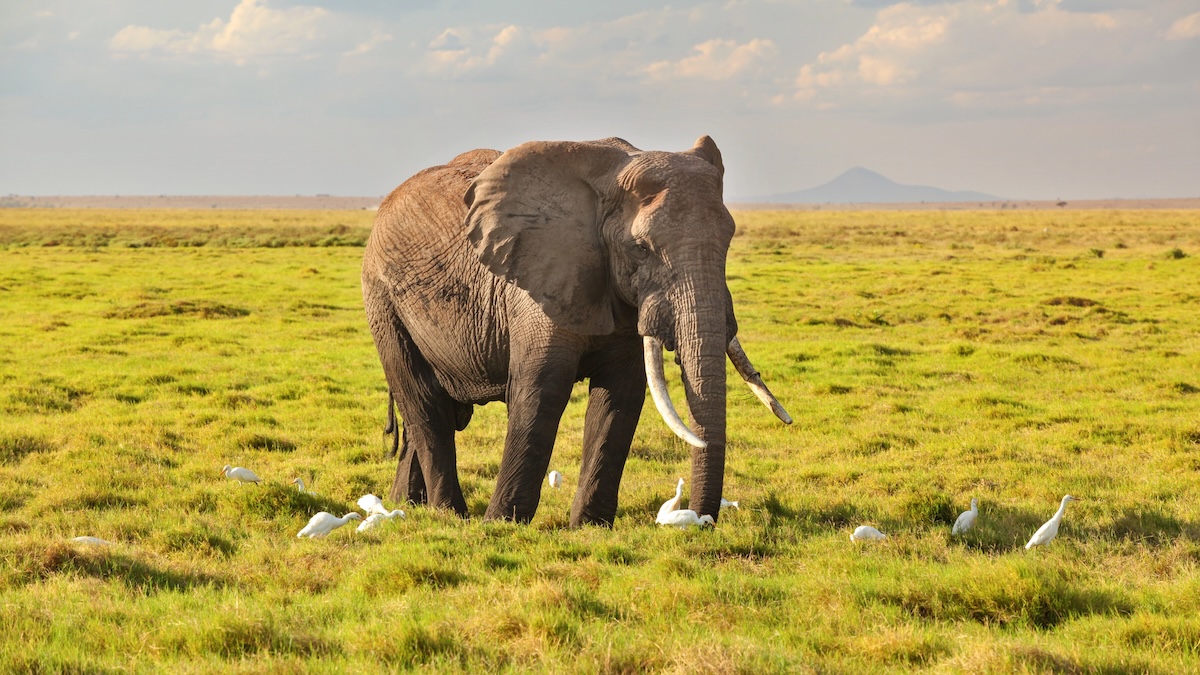 Photo Credit: lubo.ivanko on Deposit Photos
In the heart of Africa’s sprawling savannas, the African Bush Elephant, or Loxodonta africana, reigns supreme as the largest land mammal on Earth. Picture a gentle giant, standing up to 12 feet tall, with massive ears that flap like sails in the warm breeze. Its skin, a rugged gray, is often dusted with the ochre earth of its habitat, giving it a unique, sun-kissed appearance. With a trunk that serves as a versatile tool for feeding, drinking, and socializing, this magnificent creature captivates both scientists and nature lovers alike. The African Bush Elephant is not just a sight to behold; it plays a crucial role in its ecosystem, shaping the landscape and influencing the lives of countless other species.
As the sun rises over the horizon, the African Bush Elephant ambles through its territory, a world filled with golden grasses, acacia trees, and the distant sounds of other wildlife. These elephants are social animals, often found in family groups led by a matriarch, the wise and experienced female who guides her herd through the challenges of the savanna. Their daily lives are rich with interactions, from playful sparring among the young to the tender care of calves. Scientists are drawn to their complex behaviors and communication methods, which include low-frequency rumbles that can travel for miles. The African Bush Elephant is a symbol of strength and grace, embodying the wild spirit of Africa and reminding us of the delicate balance of nature that we must strive to protect.
The African Bush Elephant holds a prominent place in the tree of life, showcasing its significance within the animal kingdom. As the largest land mammal, it belongs to the order Proboscidea, which is characterized by long trunks and large ears. This magnificent animal is not just a giant; it plays a crucial role in its ecosystem, helping to shape the environment by uprooting trees and creating water holes that benefit other species. Its unique adaptations, such as its impressive tusks and social behavior, make it a standout member of the animal world.
| Taxonomic Rank | Scientific Name | Meaning & Significance |
|---|---|---|
| Kingdom | Animalia | This name signifies that the African Bush Elephant is part of the vast group of multicellular organisms that are primarily heterotrophic, meaning they consume other organisms for energy. |
| Phylum | Chordata | Chordata refers to animals that have a notochord, a flexible rod that supports the body. In elephants, this structure is replaced by a backbone, which is essential for their large size and mobility. |
| Class | Mammalia | Mammalia indicates that these animals are warm-blooded and have fur or hair, along with mammary glands that produce milk for their young, highlighting their nurturing nature. |
| Order | Proboscidea | Proboscidea comes from the Latin word for “trunk,” which is a defining feature of elephants, allowing them to grasp, lift, and manipulate objects with incredible dexterity. |
| Family | Elephantidae | Elephantidae is derived from the Greek word “elephas,” meaning elephant. This family includes all modern elephants, emphasizing their shared characteristics and evolutionary lineage. |
| Genus | Loxodonta | Loxodonta means “oblique tooth,” referring to the unique structure of the elephant’s molars, which are adapted for grinding tough plant material. |
Understanding the African Bush Elephant’s classification reveals much about its evolutionary history. As a member of the Proboscidea order, it shares a lineage with ancient relatives that roamed the Earth millions of years ago. This classification not only highlights its physical traits but also underscores its ecological importance and adaptability. The African Bush Elephant is a living testament to the wonders of evolution, showcasing how species can thrive and adapt in diverse environments over time.
The African Bush Elephant, known scientifically as Loxodonta africana, has a rich evolutionary history that stretches back millions of years. This majestic giant is part of the family Elephantidae, which has been evolving since the late Eocene epoch, around 55 million years ago. Over time, various species of elephants have emerged and adapted to their environments, leading to the incredible diversity we see today.
The ancestors of modern elephants were quite different from the massive creatures we know now. Early proboscideans, like the small, pig-like Moeritherium, roamed the wetlands of Africa about 37 million years ago. As these animals evolved, they developed longer trunks and larger bodies, adapting to a variety of habitats. The transition to the modern elephant began with the emergence of the genus Loxodonta around 6 million years ago. This marked a significant shift, as these early elephants began to exhibit traits that would define their descendants, such as larger ears for heat regulation and tusks for foraging and defense.
The adaptations of the African Bush Elephant have been vital for its survival in the wild. Their large ears not only help them stay cool but also enhance their hearing, allowing them to detect sounds from great distances. The tusks serve multiple purposes, from foraging to defense, making them formidable in their environment. Additionally, their social structures foster cooperation and learning, ensuring that younger elephants benefit from the wisdom of older members. Together, these traits have enabled the African Bush Elephant to thrive in diverse ecosystems, from savannas to forests, showcasing the power of evolution in shaping life on Earth.
The African Bush Elephant is a breathtaking sight, towering over the savanna with an impressive height of up to 3.5 meters, or about 12 feet. Its massive body is supported by sturdy legs, which can weigh between 3,600 and 5,400 kilograms, making it the largest land mammal on Earth. The elephant’s skin is a tough, leathery texture, providing protection against the harsh sun and the rough environment. Its most distinctive feature, the large, rounded ears, not only add to its grandeur but also help regulate body temperature, allowing this gentle giant to thrive in the heat of Africa.
| Feature | Description |
|---|---|
| Height | 3m – 3.5m (10ft – 12ft) |
| Weight | 3,600kg – 5,400kg (7,900lbs – 12,000lbs) |
| Skin Type | Leather |
| Most Distinctive Feature | Large, rounded ears |
The combination of these features plays a crucial role in the elephant’s survival. Its towering height allows it to reach high branches for food, while its immense weight provides strength and stability. The leathery skin protects against environmental hazards, and those large ears are not just for show; they help the elephant cool down by dissipating heat. Together, these characteristics make the African Bush Elephant a master of its habitat, perfectly adapted to the challenges of life in the wild.
The African Bush Elephant roams across a diverse landscape that includes sprawling savannas, dense forests, and lush floodplains. Imagine wide-open spaces where golden grasses sway in the breeze, dotted with acacia trees that provide shade. In the distance, you might see a river winding through the land, creating a vibrant ecosystem teeming with life. This majestic animal thrives in these varied habitats, where it can find food, water, and shelter.
To flourish in these environments, the African Bush Elephant requires a warm climate with plenty of rainfall, especially during the wet season. This rain nourishes the vegetation, ensuring that there is ample food available. The elephant’s habitat often experiences a mix of dry and wet periods, which helps shape the landscape. During the dry season, elephants may travel long distances in search of water, showcasing their incredible memory and navigation skills.
Adaptations have allowed the African Bush Elephant to thrive in these habitats. Its large ears help regulate body temperature, acting like natural fans to cool it down in the heat. The elephant’s trunk, a versatile tool, is perfect for reaching high branches or digging for water in dry riverbeds. These adaptations not only support its survival but also play a crucial role in shaping the environment, as elephants help maintain the balance of their ecosystems by dispersing seeds and creating pathways through dense vegetation.
The African Bush Elephant leads a vibrant daily life filled with activities that reflect its role as a gentle giant of the savanna. These magnificent animals are diurnal, meaning they are most active during the day. As the sun rises, they begin their search for food, munching on grasses, leaves, and fruits. Their large bodies require a substantial amount of nourishment, so they can spend up to 16 hours a day eating! After a hearty breakfast, they often take breaks to socialize, play, or even bathe in waterholes, which helps them cool off and keep their skin healthy.
Social behavior is a cornerstone of the African Bush Elephant’s life. These elephants live in herds, typically led by a matriarch, the oldest and often wisest female. The herd is usually made up of related females and their young, creating a tight-knit family unit. Males tend to leave the herd when they reach maturity, seeking out other groups or living a more solitary life. Communication is key in these social structures; elephants use a variety of sounds, body language, and even vibrations through the ground to convey messages. This social network not only strengthens bonds but also enhances their ability to find food and protect one another from threats.
| Behavior Type | Description |
|---|---|
| Activity Patterns | Active during the day, spending up to 16 hours foraging for food and socializing. |
| Social Structure | Live in herds led by a matriarch, consisting of related females and their young. |
| Communication Methods | Use vocalizations, body language, and ground vibrations to communicate with each other. |
The behaviors of the African Bush Elephant are not just fascinating; they are essential for survival. By living in herds, these elephants can protect each other from predators and share knowledge about food sources and water. Their strong social bonds help ensure that the younger elephants learn vital skills for life in the wild. Through their daily activities and interactions, African Bush Elephants demonstrate the importance of community and cooperation in the natural world, showcasing how these traits contribute to their resilience and longevity.
The African Bush Elephant is a true herbivore, meaning it primarily eats plants. These magnificent animals have a varied diet that includes grasses, fruits, and roots. With their long trunks, they skillfully reach for food high in trees or dig into the ground for tasty roots. Their feeding behavior is not just about satisfying hunger; it also plays a crucial role in shaping their environment. As they munch on vegetation, they help maintain the balance of their ecosystem, allowing new plants to grow and thrive.
| Dietary Aspect | Details |
|---|---|
| Diet Type | Herbivore |
| Favorite Foods | Grass, fruits, and roots |
| Prey Items | None, as they do not eat meat |
| Hunting/Foraging Strategies | Using their trunks to reach high branches and dig for roots |
The diet of the African Bush Elephant significantly influences its daily routine and the surrounding ecosystem. By consuming vast amounts of vegetation, these elephants create pathways through dense areas, which can help other animals navigate their habitat. Their foraging habits also promote plant diversity, as they often uproot certain species while allowing others to flourish. This gentle giant not only sustains itself through its diet but also plays a vital role in maintaining the health of its environment, showcasing the interconnectedness of life in the wild.
The mating behavior of the African Bush Elephant is as grand as the animals themselves. During the breeding season, which can occur year-round but peaks during the rainy months, males engage in a fascinating ritual to attract females. They may trumpet loudly, display their size, and even engage in sparring with other males. This competition helps females choose the strongest and healthiest mates, ensuring that their calves have the best chance of survival.
| Reproductive Aspect | Details |
|---|---|
| Gestation Period | 20 – 24 months |
| Average Litter Size | 1 |
| Age of Sexual Maturity | 11 – 20 years |
| Name of Young | Calf |
Once a calf is born, the journey of growth and development begins. African Bush Elephants are known for their strong family bonds, and mothers play a crucial role in nurturing their young. The calves are cared for not just by their mothers but also by other females in the herd, known as allomothers. This communal care helps the young learn essential survival skills, such as foraging for food and recognizing dangers. As they grow, calves stay close to their mothers, often for several years, learning the ways of the savanna before they reach maturity and begin to carve out their own paths in the wild.
The African Bush Elephant plays a crucial role in its ecosystem, often referred to as a keystone species. This means that its presence significantly influences the environment and other species around it. As the largest land mammal, it helps shape the landscape by uprooting trees and creating pathways through dense vegetation. This not only benefits other animals but also promotes biodiversity, making the savanna a vibrant place for many forms of life.
To defend against these threats, African Bush Elephants have developed several survival strategies. They often travel in herds, which provides safety in numbers. When threatened, they can display aggressive behaviors, such as trumpeting loudly and charging at potential dangers. Their size alone can deter many predators, but they also use their intelligence to navigate challenges. By creating paths through their environment, they not only secure their own safety but also help maintain the ecosystem for other species.
A keystone species is an organism that has a disproportionately large impact on its environment relative to its abundance. The African Bush Elephant, known scientifically as Loxodonta africana, certainly qualifies as a keystone species. Its presence and activities shape the ecosystem in profound ways, influencing not just the landscape but also the lives of many other species that share its habitat.
One of the most significant ways the African Bush Elephant impacts its ecosystem is through its feeding habits. As a herbivore, it consumes vast amounts of vegetation, including grasses, fruits, and tree bark. This feeding behavior helps to maintain the balance of plant life in its habitat. By uprooting trees and trampling underbrush, elephants create open spaces that allow sunlight to reach the ground, promoting the growth of new plants. This, in turn, supports a variety of other animals that rely on these plants for food and shelter.
Additionally, elephants are known to dig waterholes during dry seasons, which provides vital water sources for many other species. These waterholes become gathering spots for animals, creating a hub of biodiversity. The African Bush Elephant also plays a role in seed dispersal. As they eat fruits, they pass the seeds through their digestive systems, often far from the parent plant. This helps to spread plant species across the landscape, promoting genetic diversity and resilience in the ecosystem.
If the African Bush Elephant were to disappear, the consequences would be dire. The balance of the ecosystem would be disrupted, leading to overgrown vegetation and a decline in plant diversity. Without the waterholes created by elephants, many animals would struggle to find water, leading to increased competition and potential extinction for some species. The loss of this magnificent giant would not only diminish the beauty of the savanna but also unravel the intricate web of life that depends on its presence.
The African Bush Elephant, a magnificent giant of the savanna, plays a vital role in shaping its ecosystem. As a keystone species, it influences the environment in ways that benefit countless other organisms. By foraging for food, these elephants help maintain the balance of their habitats, ensuring that both plant and animal life can thrive. Their presence is essential for the health of the ecosystems they inhabit, which include forests, savannas, and floodplains.
| Ecosystem Service | Impact |
|---|---|
| Seed Dispersal | Elephants consume fruits and then excrete the seeds, helping to spread plants across large areas. |
| Habitat Creation | By uprooting trees and shrubs, they create open spaces that allow sunlight to reach the ground, promoting grass growth. |
| Water Source Maintenance | Elephants dig waterholes in dry riverbeds, providing water for other animals during droughts. |
| Soil Aeration | Their movement through the landscape helps to aerate the soil, improving its quality for plant growth. |
The influence of the African Bush Elephant can be seen in many specific examples. When these gentle giants wander through their habitats, they consume vast amounts of vegetation, which can include trees, shrubs, and grasses. This feeding behavior not only helps control plant populations but also encourages new growth. For instance, when they knock down trees, they create clearings that allow sunlight to reach the ground, fostering a rich undergrowth of grasses and smaller plants. This, in turn, attracts a variety of herbivores, which rely on these plants for food, creating a bustling community of life.
The broader ecological importance of the African Bush Elephant cannot be overstated. By shaping their environment, they support a diverse array of species, from insects to large mammals. Their activities help maintain the health of the ecosystems they inhabit, ensuring that they remain vibrant and productive. As these elephants continue to roam the savannas and forests, they not only leave their mark on the landscape but also play a crucial role in the intricate web of life that sustains the natural world. Protecting these magnificent animals is essential for preserving the balance of their ecosystems and the myriad of life forms that depend on them.
In the intricate web of life, symbiosis refers to the close relationships between different species that can benefit one or both parties involved. These ecological partnerships can take various forms, including mutualism, where both species gain advantages; commensalism, where one benefits while the other is neither helped nor harmed; and parasitism, where one species benefits at the expense of the other. The African Bush Elephant, a magnificent giant of the savanna, engages in several of these relationships, showcasing the interconnectedness of nature.
| Species/Type | Relationship Type | Description |
|---|---|---|
| Oxpecker Birds | Mutualistic | Oxpeckers perch on elephants, eating ticks and parasites from their skin. In return, the elephants enjoy relief from these pests. |
| Acacia Trees | Commensal | Elephants help disperse acacia seeds through their dung, promoting new growth. The trees benefit from the nutrients in the dung, while the elephants gain food and shade. |
| Termites | Mutualistic | Elephants create holes in the ground while foraging, which can be used by termites for their nests. The termites benefit from the shelter, while the elephants benefit from the disturbed soil, making it easier to find food. |
These relationships have evolved over time, shaped by the needs and behaviors of the species involved. The African Bush Elephant’s interactions with other animals and plants highlight the delicate balance of ecosystems. By fostering these connections, elephants not only enhance their own survival but also contribute to the health of their environment. This interconnectedness is a beautiful reminder of how every species plays a role in the grand tapestry of life on Earth.
The African Bush Elephant is not just the largest land mammal; it is a creature full of surprises that showcases the wonders of nature. Here are some intriguing facts that highlight its extraordinary life and adaptations.
The African Bush Elephant has long been intertwined with human history, capturing the imagination of cultures across the continent and beyond. From ancient rock art depicting these majestic creatures to their presence in folklore and mythology, elephants have held a significant place in human storytelling. They symbolize strength, wisdom, and loyalty, often revered in various African traditions. Historical encounters between humans and elephants have ranged from awe and admiration to fear and conflict, as these giants roamed the same landscapes that early humans inhabited.
Today, the relationship between African Bush Elephants and humanity is complex and multifaceted. On one hand, conservation efforts are underway to protect these magnificent animals from poaching and habitat loss, as their populations have dramatically declined in recent decades. Organizations work tirelessly to create protected areas and promote eco-tourism, allowing people to appreciate elephants in their natural habitats. However, conflicts also arise, particularly in agricultural regions where elephants may raid crops, leading to tension between communities and wildlife. While some cultures have successfully integrated elephants into their livelihoods, such as through eco-tourism, others struggle with the challenges posed by these large animals.
Looking ahead, the future of the relationship between African Bush Elephants and humanity hinges on our ability to find harmony. As awareness of the ecological importance of elephants grows, so does the potential for innovative solutions to coexist peacefully. By fostering respect and understanding, we can ensure that these gentle giants continue to thrive alongside us, enriching our lives and ecosystems for generations to come. The journey forward will require collaboration, creativity, and a shared commitment to preserving the natural world we all inhabit.
The African Bush Elephant, a symbol of the wild savanna, currently holds a conservation status of Near Threatened. This means that while the species is not yet endangered, it faces significant risks that could lead to a decline in its population. Recent estimates suggest that there are about 300,000 African Bush Elephants left in the wild. Unfortunately, their numbers have been decreasing in recent years due to various threats, making their future uncertain.
| Conservation Factor | Status/Details |
|---|---|
| IUCN Status | Near Threatened |
| Estimated Population Size | 300,000 |
| Population Trend | Decreasing |
The main threats to the African Bush Elephant are primarily driven by human activities. Poaching, or illegal hunting, poses a significant danger as elephants are targeted for their ivory tusks, which are highly valued on the black market. Habitat loss is another critical issue, as expanding agriculture and urban development encroach on the elephants’ natural environments. Additionally, human-elephant conflict arises when elephants wander into farmland, leading to dangerous encounters that can result in harm to both elephants and people.
Despite these challenges, there are ongoing conservation efforts aimed at protecting the African Bush Elephant. Various organizations and governments are working together to combat poaching through stricter laws and increased patrols in protected areas. Community-based initiatives are also being developed to promote coexistence between humans and elephants, helping to reduce conflict. With continued dedication and support, there is hope that the African Bush Elephant can thrive once more, ensuring that future generations can marvel at these magnificent giants of the savanna.
| Question | Answer |
|---|---|
| What is the habitat of the African Bush Elephant? | African Bush Elephants are found in a variety of habitats, including forests, savannahs, and flood plains. These environments provide them with the food and water they need to thrive. |
| What do African Bush Elephants eat? | As herbivores, African Bush Elephants primarily eat grasses, leaves, fruits, and bark. They can consume up to 300 pounds of food in a single day, which helps them maintain their massive size. |
| How do African Bush Elephants behave in the wild? | These elephants are social animals that live in family groups led by a matriarch, usually the oldest female. They communicate using a range of sounds, including trumpets and rumbles, and they are known for their strong bonds with one another. |
| How do African Bush Elephants reproduce? | Female African Bush Elephants have a long gestation period of about 22 months, which is one of the longest in the animal kingdom. After giving birth, they care for their young for several years, teaching them essential survival skills. |
| What threats do African Bush Elephants face? | These magnificent creatures are classified as Near Threatened due to habitat loss and poaching for their ivory tusks. Conservation efforts are crucial to protect their populations and habitats. |
| What is a distinctive feature of the African Bush Elephant? | The most distinctive feature of the African Bush Elephant is its large, rounded ears. These ears help regulate their body temperature and are also used for communication with other elephants. |
| Are African Bush Elephants intelligent? | Yes, African Bush Elephants are known for their high intelligence. They exhibit problem-solving skills, show empathy towards other elephants, and can even use tools, such as branches, to swat away flies. |