Taxonomy & Classification
- Kingdom
- Animalia
- Phylum
- Arthropoda
- Class
- Insecta
- Order
- Odonata
- Family
- Anisoptera
- Genus
- Anax

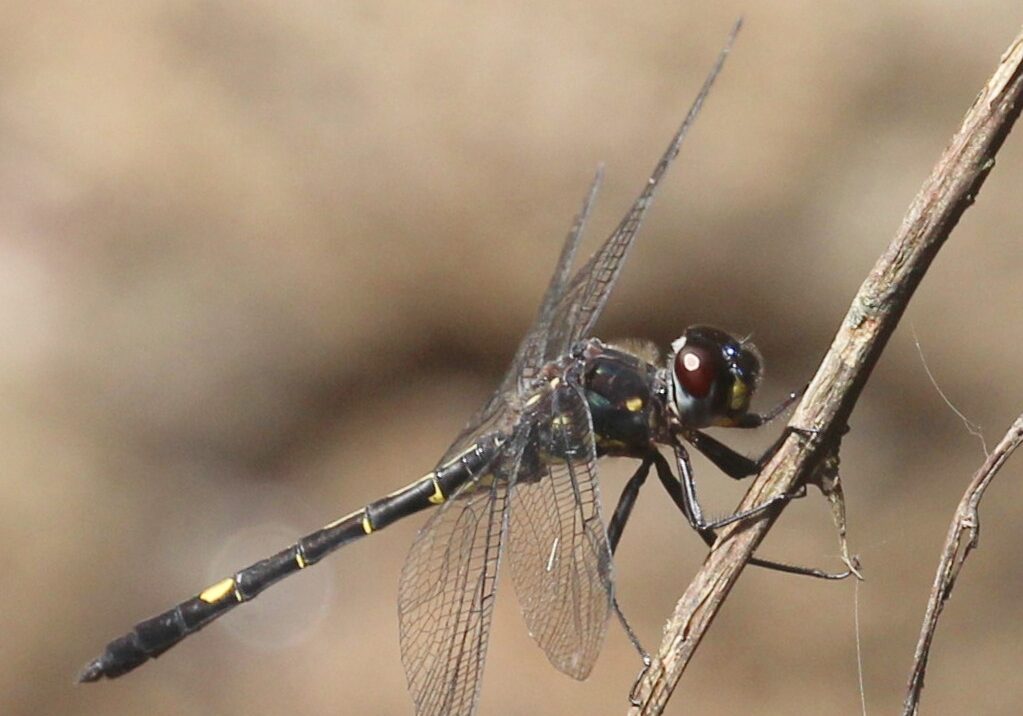 Photo Credit: Shino jacob koottanad / Wikimedia
In the shimmering world of wetlands, the dragonfly, known scientifically as Anisoptera, flits gracefully through the air, a living jewel among the reeds. With its iridescent wings catching the sunlight, this agile insect dances above ponds and streams, showcasing a dazzling array of colors that can range from vibrant blues to fiery reds. Dragonflies are not just beautiful; they are also remarkable hunters, capable of catching their prey mid-flight with astonishing precision. Their large, multifaceted eyes give them nearly 360-degree vision, allowing them to spot even the tiniest of insects buzzing nearby.
As the sun rises, the dragonfly begins its daily routine, darting and hovering with a level of agility that seems almost magical. These ancient insects have been around for over 300 million years, making them one of the oldest groups of insects still flying today. Scientists and nature enthusiasts alike are captivated by their complex life cycle and fascinating behaviors, from their elaborate courtship displays to their role as both predator and prey in the ecosystem. With their unique adaptations and vital contributions to the environment, dragonflies are not just a sight to behold; they are a crucial part of the natural world that invites us to explore and appreciate the wonders of life around us.
Dragonflies are captivating insects that hold a special place in the tree of life. They belong to the class Insecta, which is part of the phylum Arthropoda, the largest group of animals on Earth. What sets dragonflies apart is their incredible flying ability, with some species capable of hovering in place or even flying backward. Their large, multifaceted eyes provide them with nearly 360-degree vision, making them exceptional hunters. With a lineage that dates back over 300 million years, dragonflies are not just beautiful; they are also ancient, showcasing a remarkable evolutionary history.
| Taxonomic Rank | Scientific Name | Meaning & Significance |
|---|---|---|
| Kingdom | Animalia | This name means “animals” in Latin, highlighting that dragonflies are part of the vast group of multicellular organisms that consume organic material for energy. |
| Phylum | Arthropoda | Derived from Greek, meaning “jointed legs,” this name reflects the characteristic jointed appendages of dragonflies and their relatives, which include crabs and spiders. |
| Class | Insecta | This term comes from the Latin word for “cut into sections,” referring to the segmented body structure of insects, including the three main parts: head, thorax, and abdomen. |
| Order | Odonata | From the Greek word “odous,” meaning “tooth,” this name refers to the tooth-like structures on the jaws of dragonflies, which help them catch and consume prey. |
| Family | Anisoptera | This name means “unequal wings” in Greek, describing the distinct size difference between the forewings and hindwings of dragonflies, which aids in their agile flight. |
| Genus | Anax | Derived from Greek, meaning “lord” or “ruler,” this name reflects the dragonfly’s dominance as a predator in its habitat, showcasing its prowess in hunting. |
Understanding the taxonomic classification of dragonflies reveals much about their evolutionary journey. As members of the Odonata order, they share a common ancestor with other ancient insects, which helps scientists trace the development of flight and predation strategies in the insect world. Their unique adaptations, such as their specialized wings and hunting techniques, illustrate how they have thrived in various ecosystems for millions of years. This classification not only highlights their biological significance but also emphasizes their role as indicators of environmental health, making them vital to the ecosystems they inhabit.
The evolutionary journey of dragonflies stretches back over 300 million years, making them one of the oldest groups of insects still in existence today. They first appeared during the Carboniferous period, a time when lush forests and swamps dominated the landscape. These ancient environments provided the perfect habitat for the ancestors of modern dragonflies, allowing them to thrive and evolve through various geological epochs.
The earliest dragonfly-like insects were part of a group known as Meganisoptera, which included some of the largest flying insects ever to roam the Earth. These giants had wingspans that could reach up to two feet! Over time, as the climate changed and the world transformed, dragonflies underwent significant evolutionary transitions. They adapted to different habitats, developing specialized features that would help them survive in a variety of environments. The emergence of the Anisoptera family, which includes modern dragonflies, marked a pivotal moment in their evolution, leading to the agile and efficient hunters we see today.
These adaptations have played a crucial role in the survival of dragonflies throughout the ages. Their exceptional vision and flight capabilities allow them to navigate complex environments and hunt effectively. As a result, dragonflies have not only persisted through dramatic changes in the Earth’s climate and ecosystems but have also thrived as one of nature’s most efficient aerial predators. Their evolutionary story is a testament to the power of adaptation and resilience in the natural world.
The dragonfly is a dazzling marvel of nature, with a body that seems almost otherworldly. Its elongated form is both sleek and powerful, allowing it to dart through the air with incredible agility. With large, multifaceted eyes that can see in nearly every direction, this insect is a master of its domain. The delicate, transparent wings shimmer in the sunlight, creating a kaleidoscope of colors as they flutter. Each wing is intricately veined, providing both strength and flexibility, while the smooth skin glistens, reflecting the beauty of its surroundings.
| Feature | Description |
|---|---|
| Size | Typically ranges from 1 to 4 inches in length |
| Color | Varies widely, including vibrant blues, greens, yellows, and reds |
| Skin Type | Smooth, allowing for easy movement through the air |
| Wings | Two pairs of transparent wings with intricate patterns |
| Eyes | Large, multifaceted eyes that provide nearly 360-degree vision |
These striking features work together to create a highly efficient predator. The dragonfly’s smooth skin reduces air resistance, enabling swift flight as it hunts for smaller insects. Its vibrant colors not only captivate our eyes but can also serve as camouflage among flowers and foliage, helping it evade larger predators. The large eyes enhance its ability to spot prey from afar, making it a formidable hunter in the world of insects. Together, these adaptations make the dragonfly a true marvel of evolution, perfectly designed for survival in its aquatic and terrestrial habitats.
Dragonflies thrive in vibrant habitats that are often found near water. Picture a sun-drenched wetland, where shimmering ponds and slow-moving streams create a perfect playground for these agile insects. The air is alive with the sound of buzzing wings, and the lush greenery provides ample perches for dragonflies to rest. These habitats are not just beautiful; they are essential for the life cycle of dragonflies, offering both breeding grounds and hunting grounds for their favorite meals.
Dragonflies prefer warm, humid climates, which help them thrive. They are often found in areas where the temperature is mild to hot, as these conditions support the growth of aquatic plants and insects that serve as food. The presence of still or slow-moving water is crucial, as it provides a safe environment for dragonfly larvae, known as nymphs, to develop. These nymphs can spend several years underwater before emerging as adults, making the right environmental conditions vital for their survival.
To flourish in these specific habitats, dragonflies have developed remarkable adaptations. Their long, slender bodies and powerful wings allow them to maneuver swiftly through the air, catching prey with precision. They can also tolerate a range of temperatures, which helps them thrive in various climates. Additionally, their keen eyesight enables them to spot potential food sources and predators from great distances. These adaptations not only enhance their hunting skills but also ensure their survival in the dynamic ecosystems they call home.
As the sun rises, dragonflies begin their daily dance, flitting gracefully over ponds and marshes. These agile insects are most active during warm, sunny days, where they can be seen hunting for small insects like mosquitoes and gnats. With their large, multifaceted eyes, they can spot prey from a distance, making them expert hunters. Dragonflies spend a significant part of their day patrolling their territory, often hovering in mid-air or perching on reeds and branches, ready to swoop down on unsuspecting meals. Their impressive flight skills allow them to dart in any direction, making them one of the most agile fliers in the insect world.
Socially, dragonflies exhibit intriguing behaviors that reveal their complex interactions. While many species are solitary, some can be seen in groups, especially during mating season. Males often establish territories and engage in aerial displays to attract females. These displays can include rapid flight patterns and vibrant colors that catch the eye. Communication among dragonflies is primarily visual, with body movements and color changes playing key roles. When they are not courting, dragonflies may also engage in cooperative behaviors, such as hunting together or defending their territory from intruders.
| Behavior Type | Description |
|---|---|
| Hunting | Dragonflies are skilled predators, using their keen eyesight to spot and catch small insects mid-air. |
| Territorial Displays | Males often perform aerial maneuvers to establish dominance and attract females, showcasing their agility and colors. |
| Group Dynamics | While mostly solitary, some species gather in groups during mating season or when hunting, displaying social interactions. |
| Communication | Visual signals, such as body movements and color changes, are crucial for attracting mates and establishing territory. |
The behaviors of dragonflies are not just fascinating; they are essential for survival. By honing their hunting skills and establishing territories, these insects ensure they have access to food and mates. Their ability to communicate visually helps them navigate social interactions, whether in courtship or competition. In the intricate web of life, dragonflies play a vital role, balancing the ecosystem by controlling insect populations while also serving as prey for larger animals. Their daily activities are a testament to the delicate dance of nature, where every move counts in the quest for survival.
Dragonflies are skilled hunters, primarily feeding on a diet of other insects. As carnivores, they have a taste for a variety of flying bugs, including mosquitoes, flies, and even bees. With their incredible speed and agility, dragonflies can catch their prey mid-air, showcasing their remarkable hunting abilities. They use their large, multifaceted eyes to spot potential meals from a distance, allowing them to swoop in with precision and grace.
| Dietary Aspect | Details |
|---|---|
| Diet Type | Carnivore |
| Favorite Foods | Mosquitoes, flies, bees |
| Prey Items | Small flying insects |
| Hunting Strategies | Agile flight, aerial ambush |
This diet plays a crucial role in the ecology of dragonflies. By preying on insects like mosquitoes, they help control pest populations, making them valuable allies in maintaining a balanced ecosystem. Their daily routine revolves around hunting, which not only fuels their energy needs but also influences their behavior and interactions with other species in their habitat. As they patrol their territories, dragonflies contribute to the vibrant tapestry of life in wetlands and other aquatic environments.
When it comes to reproduction, dragonflies have a captivating courtship ritual that can be quite a spectacle. During the breeding season, which typically occurs in warm months, males perform aerial displays to attract females. They may chase each other in impressive flight patterns, showcasing their agility and strength. Once a female is interested, the male will grasp her behind the head with his claspers, specialized appendages that help him hold on during mating. This unique position often forms a heart shape, a beautiful symbol of their bond as they prepare to lay eggs.
| Reproductive Aspect | Details |
|---|---|
| Gestation Period | Varies; eggs hatch in a few weeks |
| Litter Size | Average of 60 eggs |
| Age of Maturity | 1 to 3 years, depending on species |
| Name of Young | Nymphs |
After mating, the female dragonfly lays her eggs in or near water, often attaching them to aquatic plants. The eggs hatch into nymphs, which are the young dragonflies. These nymphs live underwater for several months to a few years, depending on the species. During this time, they grow and molt, shedding their skin multiple times as they develop. Once they are ready to become adults, they emerge from the water, transforming into the stunning dragonflies we see flitting about. While dragonflies do not provide parental care after laying eggs, the nymph stage is crucial for their survival, as they learn to hunt and adapt to their environment before taking to the skies as adults.
Dragonflies play a vital role in the food web, acting as both predators and prey. As skilled hunters, they help control insect populations, particularly mosquitoes and other flying insects. However, they are also a food source for various animals, making them an important link in the ecosystem. Their presence indicates a healthy environment, but they face numerous dangers that threaten their survival.
To defend themselves against these threats, dragonflies have developed several survival strategies. Their incredible flying abilities allow them to change direction swiftly, making it hard for predators to catch them. They can also hover in place, which helps them evade attacks. Additionally, their vibrant colors can serve as camouflage among the plants and water, blending in with their surroundings. By using these tactics, dragonflies continue to thrive in their habitats, showcasing the resilience of nature.
A keystone species is an organism that has a disproportionately large impact on its environment relative to its abundance. In simpler terms, if you remove a keystone species from an ecosystem, it can cause significant changes or even collapse. Dragonflies, with their impressive hunting skills and role in the food web, qualify as a keystone species in many wetland ecosystems. Their presence helps maintain the balance of insect populations, making them crucial players in their habitats.
Dragonflies are expert hunters, primarily feeding on other insects like mosquitoes, flies, and even bees. By controlling these populations, they help prevent outbreaks of pests that can affect both human health and the health of other wildlife. For instance, a surge in mosquito numbers can lead to increased transmission of diseases, but dragonflies keep these pesky insects in check. This predatory behavior not only benefits humans but also supports the overall health of the ecosystem by ensuring that no single insect species dominates.
Moreover, dragonflies serve as a food source for various animals, including birds and larger insects. Their role as both predator and prey creates a dynamic balance in the food web. When dragonflies are abundant, they provide nourishment for birds, which in turn helps maintain bird populations. This interconnectedness highlights how dragonflies contribute to the stability of their ecosystems, influencing the survival of multiple species.
If dragonflies were to disappear, the consequences could be dire. Without these skilled hunters, insect populations would likely explode, leading to an imbalance in the ecosystem. Mosquitoes and other pests could proliferate unchecked, resulting in increased disease transmission and a decline in the quality of life for both humans and wildlife. Additionally, the loss of dragonflies would disrupt the food web, affecting not only the birds that rely on them for food but also the plants that depend on healthy insect populations for pollination. The ripple effects of their absence would be felt throughout the entire ecosystem, underscoring the vital role they play in maintaining ecological balance.
Dragonflies are fascinating insects that play a crucial role in shaping their ecosystems, particularly in wetland environments. As skilled hunters, they occupy a unique ecological niche, balancing the populations of other insects and contributing to the health of their habitats. Their presence indicates a thriving ecosystem, as they require clean water and abundant food sources to thrive. This makes them important indicators of environmental quality, helping scientists monitor the health of wetlands and other aquatic systems.
| Ecosystem Service | Impact |
|---|---|
| Insect Population Control | Dragonflies help keep populations of mosquitoes and other flying insects in check, reducing the spread of diseases. |
| Food Source | They serve as a vital food source for birds, fish, and other wildlife, supporting biodiversity. |
| Water Quality Indicator | Their presence signals healthy aquatic ecosystems, as they thrive in clean water environments. |
| Pollination | While primarily hunters, dragonflies can also contribute to pollination as they move between flowers. |
In their quest for food, dragonflies consume vast numbers of insects, including pesky mosquitoes that can plague humans and animals alike. For instance, a single dragonfly can eat hundreds of mosquitoes in a day, making them natural pest controllers. Their hunting prowess not only helps maintain balance in insect populations but also supports the overall health of their habitats. Additionally, dragonflies are often seen near flowers, where they may inadvertently assist in pollination, further enhancing the ecosystem’s productivity.
The broader ecological importance of dragonflies cannot be overstated. As keystone species, their presence and activities significantly influence the structure and function of their ecosystems. By controlling insect populations and serving as prey for larger animals, they help maintain the delicate balance of life in wetlands. Protecting dragonflies and their habitats is essential for preserving biodiversity and ensuring the health of our natural world. Their vibrant presence is a reminder of the interconnectedness of all living things and the vital roles each species plays in the tapestry of life.
In the intricate web of life, symbiosis refers to the close and often long-term interactions between different species. These relationships can take many forms, including mutualism, where both species benefit, parasitism, where one benefits at the expense of the other, and commensalism, where one benefits while the other is neither helped nor harmed. Dragonflies, with their agile flight and predatory skills, engage in various ecological partnerships that highlight the interconnectedness of nature.
| Species/Type | Relationship Type | Description |
|---|---|---|
| Fish | Mutualistic | Dragonflies lay their eggs in water, where fish help keep the ecosystem balanced by controlling algae growth, benefiting both species. |
| Frogs | Commensal | Dragonflies often share habitats with frogs, which prey on similar insects. The frogs benefit from the presence of dragonflies, but the dragonflies are unaffected. |
| Parasites (like certain mites) | Parasitic | Some dragonflies can host mites that feed on their blood, which can weaken the dragonfly but allows the mite to thrive. |
These relationships have evolved over millions of years, shaped by the needs and behaviors of the species involved. Mutualistic interactions, like those with fish, enhance the survival of dragonfly larvae while supporting the aquatic ecosystem. Commensal relationships with frogs allow dragonflies to thrive in shared environments, while parasitic connections remind us of the delicate balance of nature, where one species can impact another’s health. Understanding these partnerships helps us appreciate the complexity of ecosystems and the vital roles each species plays in maintaining ecological harmony.
Dragonflies are not just beautiful insects; they are also packed with surprises that make them truly extraordinary. Here are some intriguing facts that will captivate nature enthusiasts of all ages.
Throughout history, dragonflies have captivated human imagination and culture. In many ancient civilizations, these agile insects were seen as symbols of change and transformation. For instance, in Japanese culture, dragonflies are celebrated as symbols of courage and strength, often appearing in art and poetry. Native American tribes viewed them as messengers of happiness and renewal. These historical encounters highlight the deep-rooted connection between dragonflies and humanity, where their graceful flight and vibrant colors have inspired stories and legends across the globe.
In modern times, our interactions with dragonflies have evolved, focusing on conservation and environmental awareness. As indicators of healthy ecosystems, dragonflies signal the well-being of their habitats, particularly wetlands. Unfortunately, habitat loss due to urbanization and pollution poses significant threats to their populations. Conservation efforts are underway to protect these vital insects and their environments. While dragonflies are not domesticated, they often find themselves in conflict with humans, especially when their presence is linked to the abundance of mosquitoes, which can be a nuisance. However, many people are beginning to appreciate the role of dragonflies in controlling these pest populations, leading to a more harmonious relationship.
As we look to the future, the relationship between dragonflies and humanity holds promise. With increasing awareness of environmental issues, more people are recognizing the importance of protecting these remarkable insects and their habitats. By fostering a deeper understanding of dragonflies, we can work together to ensure their survival while also benefiting from their presence in our ecosystems. As stewards of the planet, we have the opportunity to create a world where dragonflies continue to thrive, inspiring future generations with their beauty and grace.
The conservation status of dragonflies is currently classified as Near Threatened. This means that while they are not yet at a critical risk of extinction, their populations are declining in certain areas. Factors such as habitat loss and climate change are contributing to this downward trend, making it essential to monitor their numbers closely. As indicators of environmental health, the fate of dragonflies can reflect broader ecological changes, highlighting the importance of their conservation.
| Conservation Factor | Status/Details |
|---|---|
| IUCN Status | Near Threatened |
| Population Estimates | Varies by species; some populations are declining |
| Trend Direction | Decreasing in many regions |
One of the main threats to dragonflies is habitat destruction, particularly the draining of wetlands and the pollution of water bodies. These insects rely on clean, freshwater environments for breeding and hunting. Additionally, climate change poses a significant risk, altering the availability of suitable habitats and affecting the life cycles of both dragonflies and their prey. Urban development and agricultural practices can further fragment their habitats, making it challenging for populations to thrive.
Conservation efforts are underway to protect dragonflies and their habitats. Organizations are working to restore wetlands and promote sustainable land use practices that benefit both wildlife and humans. Public awareness campaigns aim to educate communities about the importance of these insects in maintaining healthy ecosystems. With continued efforts and a commitment to preserving their environments, there is hope for dragonflies to rebound and flourish in the wild once more.
| Question | Answer |
|---|---|
| Where do dragonflies live? | Dragonflies are commonly found in wetlands, which are areas where water covers the soil, like marshes and swamps. They thrive near ponds, lakes, and streams, where they can easily hunt for food and lay their eggs. |
| What do dragonflies eat? | Dragonflies are carnivores, meaning they primarily eat other insects. Their diet includes mosquitoes, flies, and even other smaller dragonflies, making them important predators in their ecosystems. |
| How do dragonflies behave? | Dragonflies are known for their agile flying skills, capable of hovering, flying backward, and even making sharp turns. They are also territorial, often defending their space from other dragonflies, especially during mating season. |
| How do dragonflies reproduce? | During reproduction, male dragonflies often perform elaborate courtship displays to attract females. After mating, the female lays her eggs in or near water, where the larvae, called nymphs, will develop for several months to years before emerging as adults. |
| What threats do dragonflies face? | Dragonflies face several threats, including habitat loss due to pollution and urban development. Climate change also impacts their habitats, making it harder for them to find suitable places to live and breed. |
| What are some interesting characteristics of dragonflies? | One fascinating feature of dragonflies is their large, multifaceted eyes, which allow them to see nearly 360 degrees around them. They also have two pairs of wings that can move independently, giving them incredible maneuverability in the air. |
| How long do dragonflies live? | Dragonflies have a varied lifespan, with adults typically living for a few weeks to several months. However, their nymph stage can last much longer, sometimes up to five years, depending on the species and environmental conditions. |