Taxonomy & Classification
- Kingdom
- Animalia
- Phylum
- Chordata
- Class
- Mammalia
- Order
- Monotremata
- Family
- Tachyglossidae
- Genus
- Tachyglossus
- Species
- Tachyglossus Aculeatus

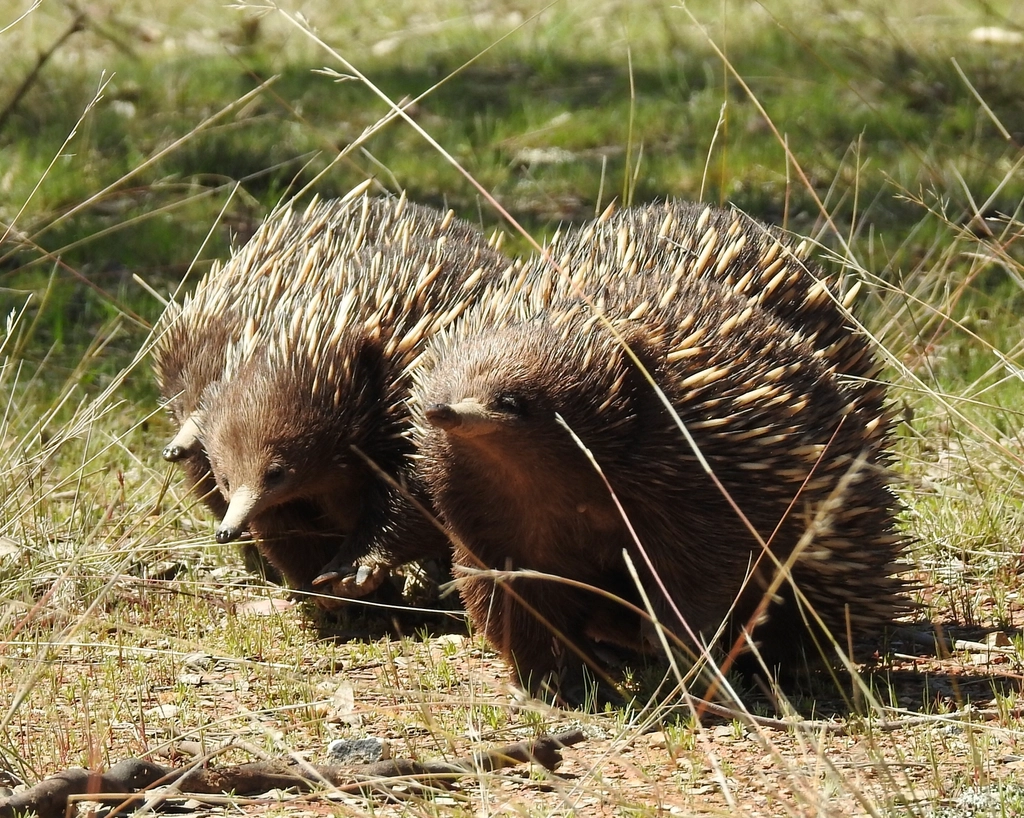 Photo Credit: Rawpixel
Meet the echidna, scientifically known as Tachyglossus aculeatus, a spiny marvel that roams the cool, dry forests of Australia and New Guinea. Picture a small, rounded creature, its body covered in sharp spines that glisten in the dappled sunlight filtering through the trees. With its long, sticky tongue, the echidna is a master forager, expertly hunting for ants and termites hidden beneath the forest floor. This quirky mammal is not just a sight to behold; it also holds a special place in the animal kingdom as one of the few egg-laying mammals, known as monotremes.
Echidnas are truly captivating, and their unique features have sparked the curiosity of scientists and nature lovers alike. Their spines serve as a defense mechanism against predators, while their keen sense of smell helps them locate food. As they shuffle through the underbrush, their solitary nature adds an air of mystery to their existence. With a lineage that stretches back millions of years, these ancient creatures offer a glimpse into the evolutionary past, reminding us of the incredible diversity of life on our planet. Join us as we explore the fascinating world of the echidna, uncovering its behaviors, habitat, and the vital role it plays in its ecosystem.
The echidna, a spiny mammal native to Australia and New Guinea, occupies a truly special place in the tree of life. It belongs to the class Mammalia, but unlike most mammals, it lays eggs instead of giving birth to live young. This unique reproductive method places the echidna in the order Monotremata, which includes only a few other egg-laying mammals, like the platypus. With its distinctive spines, long snout, and specialized tongue for catching ants and termites, the echidna is a living link to the distant past, showcasing characteristics that have survived through millions of years of evolution.
| Taxonomic Rank | Scientific Name | Meaning & Significance |
|---|---|---|
| Kingdom | Animalia | This name comes from the Latin word for “animal,” highlighting that echidnas are part of the vast group of living organisms that are multicellular and capable of movement. |
| Phylum | Chordata | Derived from the Greek word “chordē,” meaning “string,” this classification indicates that echidnas have a notochord, a flexible rod that supports their bodies during development. |
| Class | Mammalia | This term comes from the Latin “mamma,” meaning “breast,” referring to the mammary glands that produce milk for feeding their young, a key feature of all mammals. |
| Order | Monotremata | From the Greek “monos,” meaning “single,” and “trema,” meaning “hole,” this name reflects the single opening (cloaca) that monotremes use for excretion and reproduction. |
| Family | Tachyglossidae | This name comes from the Greek “tachys,” meaning “swift,” and “glossa,” meaning “tongue,” highlighting the echidna’s long, fast-moving tongue used for catching insects. |
| Genus | Tachyglossus | Similar to its family name, this genus name emphasizes the echidna’s quick tongue, which is essential for its diet of ants and termites. |
The classification of the echidna reveals much about its evolutionary history. As one of the few remaining monotremes, it provides a glimpse into a time when mammals were just beginning to diversify. This ancient lineage showcases how certain traits, like egg-laying and specialized feeding adaptations, have persisted through the ages. By studying the echidna, scientists can better understand the evolutionary pathways that have shaped not only this unique animal but also the broader mammalian family tree.
The evolutionary journey of the echidna stretches back millions of years, weaving through the tapestry of time to reveal a lineage that is both ancient and intriguing. These spiny mammals, part of the monotreme group, are among the most primitive living mammals, having diverged from other mammals around 200 million years ago during the Mesozoic Era. This was a time when dinosaurs roamed the Earth, and the ancestors of echidnas were beginning to carve out their own niche in the evolving world.
Echidnas share a common ancestor with the platypus, another monotreme, which means they both lay eggs instead of giving birth to live young like most mammals. This unique reproductive strategy is a significant evolutionary transition that sets them apart. Over time, echidnas adapted to their environments, developing features that helped them thrive in various habitats. Their spiny coats evolved as a defense mechanism against predators, while their long, sticky tongues became essential for foraging insects, their primary food source.
These adaptations have been crucial for the echidna’s survival in the wild. The combination of a spiny exterior, specialized feeding tools, and the ability to regulate their body temperature allows them to navigate their environments effectively. As they continue to evolve, echidnas remind us of the incredible diversity of life and the intricate connections that bind all living beings through time.
The echidna is a captivating blend of features that make it stand out in the animal kingdom. With a body that resembles a small, rounded ball covered in spikes, this creature is both adorable and intriguing. Its stout, compact form is designed for burrowing, allowing it to dig into the earth with ease. The echidna’s short legs and broad feet are perfect for its lifestyle, giving it stability as it forages for food.
| Feature | Description |
|---|---|
| Weight | 4 kg – 7 kg (9 lbs – 15 lbs) |
| Skin Type | Spiky |
These distinctive features serve important purposes in the echidna’s survival. The spiky skin acts as a natural defense mechanism, deterring predators and providing protection while it forages for ants and termites. Its sturdy body and strong limbs allow it to dig into the ground, searching for food and creating burrows for shelter. Together, these adaptations make the echidna a master of its environment, perfectly suited to thrive in the wilds of Australia and New Guinea.
The echidna calls home a variety of habitats, primarily found in cool and dry forests. Imagine walking through a serene woodland, where the air is crisp and the sunlight filters through the leaves, creating a dappled pattern on the forest floor. Here, among the trees and underbrush, the echidna thrives, using its sharp claws to dig into the earth in search of ants and termites. This environment provides the perfect balance of shade and warmth, allowing the echidna to feel safe and comfortable.
The climate in these regions is generally mild, with temperatures that rarely become extreme. Echidnas prefer areas that are not too wet, as they are adapted to dry conditions. They enjoy habitats with plenty of leaf litter and soil, which helps them find their favorite snacks. The coolness of the forests also offers a refuge from the heat, allowing them to stay active during the day while avoiding the harsh sun.
Echidnas have developed several clever adaptations to thrive in their chosen environments. Their spiny coats not only provide protection from predators but also help them blend into the forest floor, making them less visible. Their long snouts are perfectly designed for probing into the ground, allowing them to reach hidden insects. Additionally, their burrowing behavior helps them escape the heat and find shelter during colder months, showcasing their ability to navigate the challenges of their habitats with ease.
Echidnas lead a life that is both simple and intriguing. As primarily solitary animals, they spend their days foraging for food, which mainly consists of ants and termites. With their long, sticky tongues, they skillfully extract these tasty morsels from their underground homes. Echidnas are most active during the cooler parts of the day, often venturing out in the early morning or late afternoon. This behavior helps them avoid the heat of the day, allowing them to conserve energy while searching for their next meal.
While echidnas are generally solitary, they do have interesting social behaviors, especially during the breeding season. Males may gather around a female, engaging in a courtship display that can involve following her closely and vocalizing. This social interaction is brief, as echidnas prefer to maintain their independence. When they do come together, it’s often a temporary arrangement, highlighting their solitary nature. Communication among echidnas is subtle, relying on body language and occasional vocalizations, which helps them navigate their interactions without forming long-lasting bonds.
| Behavior Type | Description |
|---|---|
| Foraging | Echidnas use their long tongues to extract ants and termites from the ground, primarily during cooler parts of the day. |
| Social Interaction | During breeding season, males may gather around a female, showcasing brief courtship behaviors. |
| Communication | They communicate through body language and occasional sounds, which helps maintain their solitary lifestyle. |
The behaviors of echidnas are finely tuned to ensure their survival in the wild. By foraging during cooler times, they avoid overheating and can efficiently find food. Their solitary nature allows them to minimize competition for resources, while their brief social interactions during breeding ensure genetic diversity without compromising their independence. This balance of behaviors not only supports their individual needs but also contributes to the overall health of their populations in the wild.
Echidnas are fascinating little animals with a diet that primarily consists of ants, termites, and other insects. As carnivores, they have evolved to be expert foragers, using their long, sticky tongues to capture their favorite foods. These spiny mammals are well-adapted to their environment, often digging into the ground or rotting wood to find their meals. Their feeding behavior is not just about satisfying hunger; it also plays a crucial role in maintaining the balance of their ecosystem.
| Dietary Aspect | Details |
|---|---|
| Diet Type | Carnivore |
| Favorite Foods | Ants, termites, and various insects |
| Prey Items | Small invertebrates, primarily ants and termites |
| Hunting/Foraging Strategies | Using a long, sticky tongue to extract prey from underground nests and decaying wood |
This diet shapes the echidna’s daily routine and ecological role significantly. By feeding on ants and termites, they help control these insect populations, which can otherwise become too large. Their foraging habits also contribute to soil aeration, promoting healthy plant growth. As they dig and search for food, echidnas play a vital part in their habitat, making them essential players in the intricate web of life.
Echidnas have a rather interesting mating ritual that takes place during the breeding season, which usually occurs between July and September. During this time, male echidnas engage in a behavior called “mating trains,” where several males follow a single female in hopes of winning her affection. This can create quite a spectacle as the males jostle for position, showcasing their determination. Once a male successfully mates with a female, she will lay her eggs a few weeks later.
| Reproductive Aspect | Details |
|---|---|
| Gestation Period | About 22 days |
| Litter Size | 1 |
| Age of Maturity | About 1 year |
| Name of Young | Puggle |
After the female lays her egg, she carefully places it in a pouch-like structure on her belly, where it will incubate for about ten days. Once the egg hatches, the tiny, hairless puggle emerges, measuring only about the size of a grape. The mother provides warmth and nourishment by secreting milk from mammary glands, which the puggle laps up. As the young echidna grows, it will gradually develop spines and start to explore its surroundings. By the time it reaches maturity at around one year old, the puggle will be ready to venture out into the world, continuing the cycle of life for these extraordinary mammals.
The echidna plays a vital role in its ecosystem, primarily as an insectivore, meaning it feeds on insects like ants and termites. This position places it in the middle of the food web, where it helps control insect populations while also serving as a food source for larger predators. However, this spiny mammal faces several dangers that threaten its survival in the wild.
To defend itself against these threats, the echidna has developed some clever survival strategies. When faced with danger, it can curl into a tight ball, using its sharp spines as a protective barrier. This makes it difficult for predators to get a grip. Additionally, echidnas can dig quickly into the ground, burrowing down to safety. Their ability to remain hidden and their nocturnal habits also help them avoid many of their natural enemies, allowing them to thrive in their unique habitats.
A keystone species is an organism that has a disproportionately large impact on its environment relative to its abundance. In other words, if it were to disappear, the entire ecosystem could change dramatically. The echidna, with its unique role as an insectivore, qualifies as a keystone species in its habitat. By controlling insect populations and influencing the structure of the ecosystem, echidnas help maintain the balance of their cool and dry forest homes.
Echidnas primarily feed on ants and termites, which makes them essential for regulating these insect populations. By keeping the numbers of these small creatures in check, echidnas prevent overpopulation that could lead to the destruction of vegetation. This, in turn, supports a diverse range of plant life, which is crucial for other animals that rely on these plants for food and shelter. Additionally, as echidnas dig into the ground to find their meals, they aerate the soil, promoting healthy plant growth and improving the overall health of their ecosystem.
Moreover, echidnas contribute to nutrient cycling. When they consume insects, they help break down organic matter, returning nutrients to the soil through their waste. This process enriches the soil, making it more fertile and supporting a variety of plant species. The presence of echidnas can also attract other wildlife, as their foraging activities create opportunities for scavengers and other predators to thrive.
If echidnas were to vanish from their ecosystems, the consequences could be severe. Without these spiny mammals to control insect populations, ants and termites could proliferate unchecked, leading to the decline of plant life. This would not only affect the vegetation but also the animals that depend on those plants for food and shelter. The entire balance of the ecosystem could shift, resulting in a loss of biodiversity and a less resilient environment. The echidna’s disappearance would echo through the forest, highlighting just how vital this small creature is to the health of its habitat.
The echidna plays a vital role in its ecosystem, acting as a natural engineer in the cool and dry forests of Australia and New Guinea. This spiny mammal, with its unique diet of ants and termites, helps regulate insect populations, ensuring a balanced environment. By foraging through the soil and leaf litter, echidnas aerate the ground, promoting healthy plant growth and contributing to the overall health of their habitat. Their solitary lifestyle allows them to roam vast areas, spreading seeds and nutrients as they move, which further enhances the ecosystem’s diversity.
| Ecosystem Service | Impact |
|---|---|
| Insect population control | Prevents overpopulation of ants and termites, maintaining balance in the ecosystem. |
| Soil aeration | Improves soil health and promotes plant growth by digging and foraging. |
| Seed dispersal | Helps spread plant seeds, contributing to forest regeneration and diversity. |
| Nutrient cycling | Facilitates the breakdown of organic matter, enriching the soil. |
Echidnas influence their environment in several specific ways. For instance, as they dig for their favorite snacks, they disturb the soil, which not only aerates it but also allows water and nutrients to penetrate deeper. This process is crucial for the health of plants, as it encourages root growth and enhances the overall fertility of the forest floor. Additionally, by consuming large quantities of ants and termites, echidnas help keep these insect populations in check, preventing them from overwhelming the ecosystem and damaging vegetation.
The broader ecological importance of the echidna cannot be overstated. As a keystone species, their presence supports a web of life that includes various plants, insects, and other animals. If echidnas were to disappear, the balance of their ecosystem would be disrupted, leading to potential overgrowth of certain insect populations and a decline in plant health. By fulfilling their role in the environment, echidnas help maintain the intricate connections that sustain the rich biodiversity of their habitats, making them essential players in the natural world.
In the intricate web of life, symbiosis refers to the close and often long-term interactions between different species. These relationships can take many forms, including mutualism, where both species benefit, parasitism, where one benefits at the expense of the other, and commensalism, where one benefits while the other is neither helped nor harmed. The echidna, with its unique lifestyle and ecological role, engages in various partnerships that highlight the beauty of these connections in nature.
| Species/Type | Relationship Type | Description |
|---|---|---|
| Ants and Termites | Mutualistic | Echidnas feed on ants and termites, helping to control their populations while benefiting from a rich food source. |
| Microorganisms in the Gut | Mutualistic | These tiny organisms help break down the echidna’s food, aiding digestion and allowing the echidna to extract more nutrients. |
| Birds (e.g., Magpies) | Commensal | Birds may follow echidnas to scavenge insects disturbed by their foraging, benefiting from the echidna’s activities without affecting it. |
Through the ages, these relationships have evolved, showcasing the adaptability and interconnectedness of life. The echidna’s role as a forager not only supports its own survival but also contributes to the health of its ecosystem. By controlling insect populations and fostering beneficial microorganisms, echidnas help maintain a balanced environment. These partnerships illustrate how species can thrive together, each playing a part in the grand story of nature.
Echidnas are truly extraordinary animals that often surprise those who take the time to learn about them. These spiny mammals, with their unique characteristics and behaviors, offer a glimpse into the wonders of evolution and adaptation.
The relationship between echidnas and humanity is rich and varied, stretching back to ancient times. Indigenous Australians have long revered these spiny mammals, often featuring them in their stories and art. The echidna, known as “mala” in some Aboriginal languages, symbolizes resilience and adaptability. Early European settlers were equally intrigued, marveling at this egg-laying mammal that defied conventional classifications. The echidna’s unique characteristics have made it a subject of fascination, leading to its representation in cultural narratives and scientific studies alike.
Today, interactions between echidnas and humans are shaped by both conservation efforts and challenges. As habitats are threatened by urban development and climate change, conservationists work tirelessly to protect these remarkable animals. In some areas, echidnas face conflicts with humans, particularly when they wander into gardens or urban spaces in search of food. Unlike many other wildlife species, echidnas have not been domesticated, but they do benefit from human-led initiatives aimed at preserving their natural habitats and educating the public about their ecological importance.
As we look to the future, the relationship between echidnas and humanity holds promise. With increased awareness and proactive conservation measures, there is hope for a harmonious coexistence. By valuing these unique creatures and their role in the ecosystem, we can ensure that future generations will continue to marvel at the echidna’s spiky charm. Together, we can foster a world where both humans and echidnas thrive, celebrating the wonders of nature that connect us all.
The echidna, a fascinating spiny mammal, currently holds a conservation status of “Least Concern” according to the International Union for Conservation of Nature (IUCN). This means that, overall, echidnas are not facing immediate threats of extinction. Their populations are stable, and they can be found across a variety of habitats in Australia and New Guinea. However, while their numbers are generally healthy, local populations may experience fluctuations due to environmental changes and human activities.
| Conservation Factor | Status/Details |
|---|---|
| IUCN Status | Least Concern |
| Population Estimates | Stable, with no specific numbers available |
| Trend Direction | Stable |
Despite their current stable status, echidnas face several threats that could impact their populations in the future. Habitat loss is a significant concern, as urban development and agriculture encroach on their natural environments. Additionally, climate change poses risks by altering the ecosystems they depend on, affecting food availability and breeding conditions. Predation by introduced species, such as foxes and feral cats, also threatens local populations, particularly in areas where these predators are prevalent.
Conservation efforts are underway to ensure the continued survival of echidnas. Various organizations are working to protect their habitats and raise awareness about the importance of these unique mammals. Research is being conducted to monitor their populations and understand their ecological roles better. With ongoing efforts and public support, the outlook for echidnas remains positive, allowing future generations to appreciate these remarkable animals in the wild.
| Question | Answer |
|---|---|
| Where do echidnas live? | Echidnas are found in cool and dry forests, primarily in Australia and New Guinea. They prefer areas with plenty of underbrush and leaf litter, which provide them with food and shelter. |
| What do echidnas eat? | Echidnas are carnivores, meaning they primarily eat insects and other small invertebrates. Their favorite snacks include ants and termites, which they find by using their long, sticky tongues to reach into narrow spaces. |
| How do echidnas behave? | Echidnas are generally solitary animals, spending most of their time foraging for food. They are also known for their unique way of moving, often waddling on their short legs, and they can dig quickly when they feel threatened. |
| How do echidnas reproduce? | Echidnas are one of the few mammals that lay eggs. After mating, the female lays a single egg, which she keeps in a pouch on her belly until it hatches. The baby echidna, called a puggle, stays in the pouch for several weeks before emerging. |
| What threats do echidnas face? | While echidnas are currently classified as Least Concern, they still face threats from habitat loss and climate change. Additionally, they can be vulnerable to predators like foxes and feral cats, which can impact their populations. |
| What are some interesting characteristics of echidnas? | Echidnas are unique among mammals because they have spines on their backs, similar to porcupines. They also have a special ability to regulate their body temperature, which helps them survive in varying climates. |
| Can echidnas swim? | Yes, echidnas are surprisingly good swimmers! They can paddle through water using their limbs, which helps them escape predators or cross rivers in search of food. |