Taxonomy & Classification
- Kingdom
- Animalia
- Phylum
- Chordata
- Class
- Mammalia
- Order
- Primates
- Family
- Callitrichidae
- Genus
- Saguinus
- Species
- Saguinus Imperator

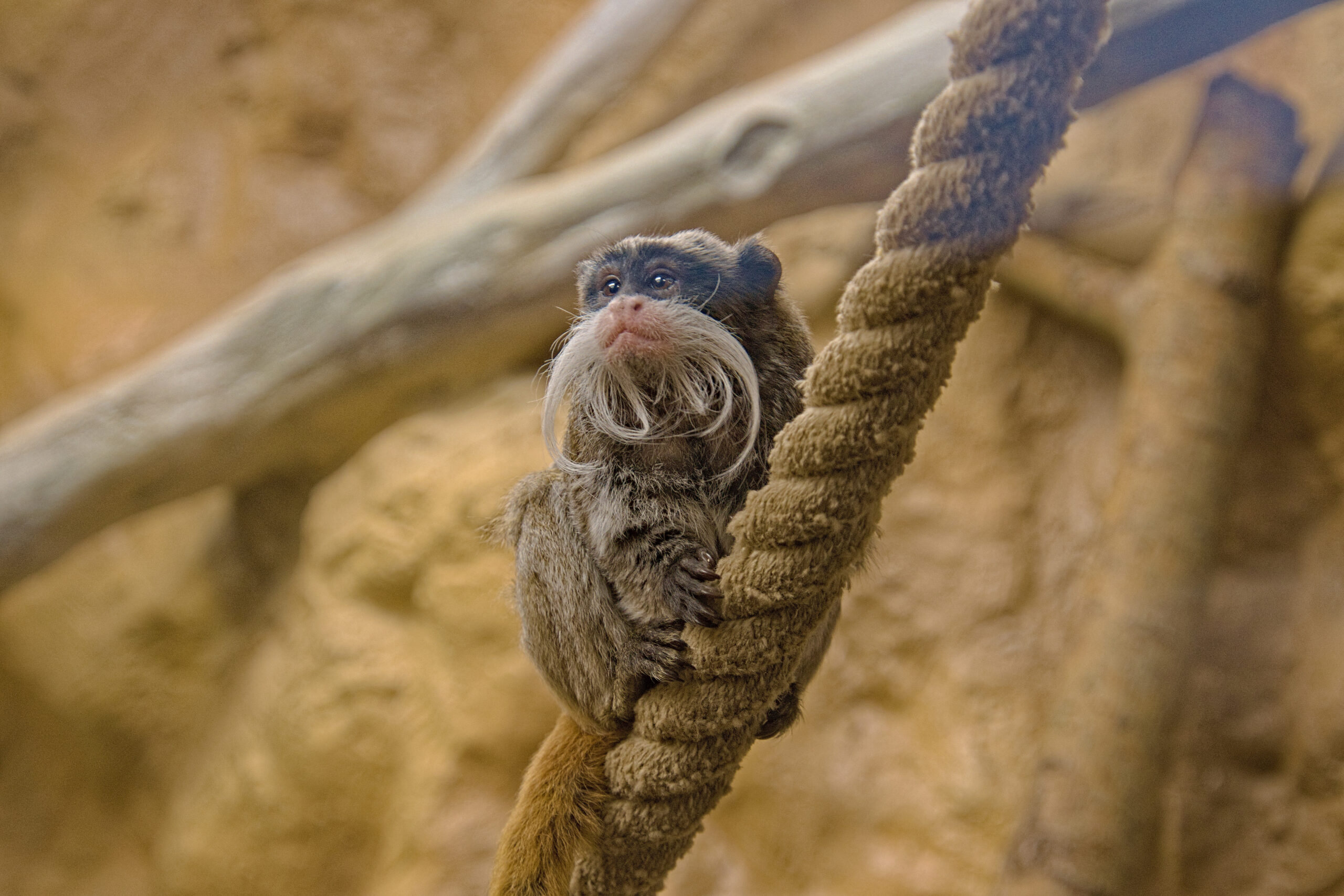 Photo Credit: FabianHorst / Wikimedia Commons
In the heart of the Amazon rainforest, the Emperor Tamarin, scientifically known as Saguinus imperator, swings gracefully through the lush canopy. This small primate, no larger than a kitten, is instantly recognizable thanks to its striking white mustache that curls like a whimsical handlebar. With its expressive eyes and playful nature, the Emperor Tamarin captures the hearts of all who encounter it. Scientists and nature enthusiasts alike are drawn to this charming creature, not just for its adorable appearance but also for its vital role in the ecosystem of its tropical home.
Imagine a vibrant world filled with towering trees, where the air is alive with the sounds of chirping birds and rustling leaves. The Emperor Tamarin thrives in this enchanting environment, foraging for fruits and insects among the branches. As it leaps from tree to tree, its long tail helps maintain balance, showcasing its agility and dexterity. This little monkey is more than just a pretty face; it plays a crucial role in its habitat, helping to disperse seeds and maintain the health of the forest. Join us as we explore the fascinating life of the Emperor Tamarin, uncovering its behaviors, diet, and the challenges it faces in a rapidly changing world.
The Emperor Tamarin, a small and charming primate, holds a special place in the animal kingdom. Taxonomically, it belongs to the Kingdom Animalia, Phylum Chordata, Class Mammalia, Order Primates, Family Callitrichidae, and Genus Saguinus. What sets the Emperor Tamarin apart is not just its striking appearance, with a distinctive white mustache that resembles a regal beard, but also its social behavior and adaptability. These tiny monkeys are known for their playful nature and live in family groups, showcasing a complex social structure that is both intriguing and essential for their survival in the lush rainforests of South America.
| Taxonomic Rank | Scientific Name | Meaning & Significance |
|---|---|---|
| Kingdom | Animalia | This name signifies that the Emperor Tamarin is part of the vast group of multicellular organisms known as animals, which are characterized by their ability to move and respond to their environment. |
| Phylum | Chordata | Chordata means “having a notochord,” a flexible rod that supports the body. This feature is a key characteristic of all vertebrates, including the Emperor Tamarin, which has a backbone. |
| Class | Mammalia | Mammalia refers to mammals, animals that possess mammary glands to nurse their young. The Emperor Tamarin, like all mammals, is warm-blooded and has fur, which helps it regulate body temperature. |
| Order | Primates | The term Primates includes animals with flexible limbs and large brains relative to body size. This order encompasses monkeys, apes, and humans, highlighting the Emperor Tamarin’s intelligence and dexterity. |
| Family | Callitrichidae | Callitrichidae means “beautiful hair,” a nod to the Emperor Tamarin’s striking fur and facial features. This family includes small monkeys known for their social behavior and cooperative breeding. |
| Genus | Saguinus | Saguinus is derived from a Latin word meaning “blood,” possibly referring to the reddish color of some tamarins. This genus includes various species of tamarins, all of which share similar traits and habitats. |
The classification of the Emperor Tamarin reveals much about its evolutionary journey. As a member of the primate order, it shares a common ancestor with other primates, which has allowed it to develop unique adaptations for life in the trees. Its place in the Callitrichidae family highlights its social nature and cooperative breeding habits, which are vital for thriving in the competitive environment of the rainforest. Understanding its taxonomic position not only sheds light on the Emperor Tamarin’s physical characteristics but also on its behaviors and ecological role, painting a vivid picture of how this delightful monkey fits into the intricate web of life.
The Emperor Tamarin’s evolutionary journey stretches back millions of years, weaving through the lush forests of South America. This small primate, known for its striking mustache-like facial hair, is a member of the Callitrichidae family, which includes marmosets and other tamarins. The story of the Emperor Tamarin is one of adaptation and survival, shaped by the changing environments and ecological challenges it faced over time.
The ancestors of the Emperor Tamarin likely roamed the forests of South America around 20 million years ago. These early primates were small, tree-dwelling creatures that thrived in the dense canopies. As they evolved, they developed traits that helped them navigate their arboreal homes. One significant transition was the shift from a more generalized diet to a specialized one, allowing them to exploit a variety of food sources, including fruits, insects, and small vertebrates. This adaptability was crucial as it enabled them to survive in diverse habitats, from tropical rainforests to more open woodlands.
These adaptations have been vital for the Emperor Tamarin’s survival in the wild. Living in family groups not only enhances their safety but also fosters social bonds that are crucial for raising young. Their flexible diet allows them to take advantage of whatever food sources are available, ensuring they can thrive even when conditions change. With their impressive climbing skills, they can evade predators and explore their forest homes, making them well-suited to life in the treetops. Through these evolutionary adaptations, the Emperor Tamarin continues to flourish in its vibrant South American habitat.
The Emperor Tamarin is a delightful little primate that captures the imagination with its whimsical appearance. With a body that typically weighs between 220 grams and 900 grams, this small monkey is both light and agile, perfect for navigating the dense canopies of its rainforest home. Its most striking feature is the long, white mustache that curls elegantly from its snout, giving it a wise and almost regal expression. The rest of its body is covered in soft fur, which varies in shades of brown and gray, blending seamlessly with the dappled light of the forest.
| Feature | Description |
|---|---|
| Size | Weight ranges from 220g to 900g (7.7oz to 32oz) |
| Color | Fur is primarily brown and gray, with a distinctive white mustache |
| Skin Type | Covered in soft fur |
These physical characteristics are not just for show; they play vital roles in the Emperor Tamarin’s survival. The soft fur provides insulation, keeping the tamarin warm in cooler forest areas, while the coloration helps it blend into the shadows of the trees, making it less visible to predators. The impressive mustache is not only a charming feature but may also serve as a form of communication among tamarins, helping them express emotions or establish social bonds. Together, these traits create a perfect package for life in the vibrant, bustling world of the rainforest.
The Emperor Tamarin thrives in the enchanting lowland tropical forests of South America. Picture a vibrant world filled with towering trees, lush green foliage, and a symphony of sounds from various wildlife. These forests are alive with the chatter of birds, the rustle of leaves, and the gentle trickle of streams. The dense canopy above provides a perfect playground for these small primates, allowing them to leap gracefully from branch to branch in search of food and companionship.
The climate in these tropical forests is warm and humid, with temperatures typically ranging from 20 to 30 degrees Celsius (68 to 86 degrees Fahrenheit). Rainfall is abundant, often exceeding 2000 millimeters (about 79 inches) annually, creating a lush environment that supports a rich diversity of plant and animal life. This moisture-laden atmosphere is essential for the growth of the trees and plants that provide food and shelter for the Emperor Tamarin.
To thrive in such a dynamic habitat, the Emperor Tamarin has developed several clever adaptations. Its small size allows it to navigate the narrow branches and dense foliage with ease. The tamarin’s long tail helps with balance as it leaps through the trees, while its sharp eyesight enables it to spot ripe fruits and insects from afar. Additionally, its social nature means it often travels in groups, providing safety in numbers and enhancing its ability to find food. These adaptations make the Emperor Tamarin a true master of its tropical domain.
The Emperor Tamarin starts its day in the early morning, when the sun begins to peek through the dense canopy of its tropical forest home. These small primates are most active during the day, engaging in a variety of activities that keep them busy. They spend their mornings foraging for food, which mainly consists of fruits, insects, and small invertebrates. As they leap from branch to branch, their agile bodies allow them to navigate the treetops with ease. Throughout the day, they also take time to groom one another, a behavior that helps strengthen social bonds within their troop.
Socially, Emperor Tamarins are highly interactive and live in groups called troops, which can consist of up to 20 individuals. These troops are often made up of family members, including parents, siblings, and offspring. Communication is key in their social structure, and they use a variety of vocalizations, such as whistles and chirps, to convey messages. Grooming not only keeps their fur clean but also plays a vital role in maintaining harmony within the group. By spending time together, they reinforce their relationships, which is essential for their survival in the wild.
| Behavior Type | Description |
|---|---|
| Activity Patterns | Active during the day, foraging for fruits, insects, and small invertebrates. |
| Social Structure | Live in troops of up to 20 individuals, often consisting of family members. |
| Communication Methods | Use vocalizations like whistles and chirps, along with grooming to strengthen bonds. |
The behaviors of the Emperor Tamarin are not just charming; they are crucial for their survival. By living in troops, they can better protect each other from predators and share resources like food. Their social interactions foster cooperation, which enhances their ability to thrive in the complex ecosystem of the rainforest. Through teamwork and communication, these delightful primates navigate their world, ensuring that they remain a vibrant part of their lush habitat.
The Emperor Tamarin has a diverse diet that reflects its omnivorous nature, meaning it enjoys a variety of foods from both plants and animals. This little primate primarily feeds on fruits, which provide essential sugars and nutrients. In addition to fruits, it also munches on insects and small rodents, adding protein to its diet. The Emperor Tamarin is known for its agile foraging skills, using its keen sense of sight and dexterous hands to search for food among the branches and leaves of its forest home.
| Dietary Aspect | Details |
|---|---|
| Diet Type | Omnivore |
| Favorite Foods | Fruits, insects, and small rodents |
| Prey Items | Insects and small mammals |
| Hunting/Foraging Strategies | Agile movement through trees, keen eyesight, and dexterous hands |
This varied diet plays a crucial role in the Emperor Tamarin’s ecology and daily routine. By consuming fruits, it helps in seed dispersal, contributing to the health of its forest habitat. The balance of plant and animal matter in its diet allows the tamarin to adapt to seasonal changes in food availability. As it forages throughout the day, the Emperor Tamarin not only sustains itself but also engages in social interactions with its troop, making every meal an opportunity for connection and community.
When it comes to mating, Emperor Tamarins are quite social and often form strong bonds with their partners. The breeding season typically occurs during the warmer months, when food is abundant and conditions are favorable for raising young. During this time, males and females engage in playful behaviors, such as chasing and grooming each other, which helps strengthen their connection. This playful courtship is essential, as it sets the stage for a successful partnership in parenting.
| Reproductive Aspect | Details |
|---|---|
| Gestation Period | Approximately 140 days |
| Litter Size | 2 |
| Age of Maturity | About 1.5 years |
| Name of Young | Infants |
Once the young are born, parental care becomes a vital part of their development. Both parents play an active role in nurturing their infants, often taking turns carrying them on their backs. This close contact not only keeps the young safe but also helps them learn essential skills for survival. As the infants grow, they begin to explore their surroundings, gradually gaining independence. By the time they reach maturity at around 1.5 years, they are well-equipped to navigate the world, having learned from their parents the intricacies of life in the lush forests they call home.
The Emperor Tamarin occupies a fascinating position in the food web of its tropical forest habitat. As a small primate, it is both a forager and a potential prey item. This means that while it plays a role in spreading seeds and maintaining the health of its ecosystem, it also faces threats from various predators that see it as a meal. Understanding these dangers is crucial for appreciating the delicate balance of life in the rainforest.
To survive these threats, Emperor Tamarins have developed several clever defensive behaviors. They often live in groups, which helps them keep watch for danger. When a predator is spotted, they can alert each other with high-pitched calls, allowing the group to escape quickly. Their small size and agility also enable them to dart through the trees, making it hard for larger predators to catch them. By staying alert and using their social skills, these little primates navigate the challenges of their environment, ensuring their survival in a world full of dangers.
A keystone species is an organism that plays a critical role in maintaining the structure of its ecosystem. Its presence and activities significantly influence the environment and the other species that inhabit it. The Emperor Tamarin, with its unique behaviors and interactions, qualifies as a keystone species in its lowland tropical forest habitat. By affecting the dynamics of its ecosystem, this small primate helps to sustain the delicate balance of life around it.
One of the ways the Emperor Tamarin impacts its ecosystem is through its foraging habits. As an omnivore, it consumes a variety of foods, including fruits, insects, and small animals. This diverse diet not only helps control insect populations but also aids in seed dispersal. When the tamarin eats fruit, it often moves to different areas, leaving behind seeds in its droppings. This process promotes plant growth and diversity, which is essential for the health of the forest.
Additionally, the social structure of Emperor Tamarins contributes to their ecological role. They often live in family groups, which allows them to work together to find food and protect each other from predators. This cooperative behavior can enhance the survival of various species within their habitat, as their presence can deter larger predators and create a safer environment for smaller animals.
Moreover, the Emperor Tamarin serves as a food source for larger predators, such as birds of prey and snakes. By being part of the food web, they help sustain these predators, which in turn maintain the balance of species in the ecosystem. Their interactions with both plants and animals create a web of life that is interconnected and vital for the health of the forest.
If the Emperor Tamarin were to disappear from its ecosystem, the effects would ripple throughout the forest. Without this primate, seed dispersal would decline, leading to fewer plants and a reduction in forest diversity. Insect populations could surge unchecked, potentially harming other species and disrupting the food web. Larger predators might struggle to find enough food, leading to their decline as well. The loss of the Emperor Tamarin would not only affect its immediate surroundings but could also trigger a chain reaction, altering the entire ecosystem and diminishing its richness and complexity.
The Emperor Tamarin occupies a vital ecological niche in the lowland tropical forests of South America. This small primate plays a significant role in its environment, influencing both plant and animal life. As an omnivore, it forages for a variety of foods, including fruits, insects, and small animals. This diverse diet not only sustains the tamarin but also helps in seed dispersal, which is crucial for the growth of many plant species. By moving through the forest and consuming fruits, the Emperor Tamarin aids in the regeneration of its habitat, ensuring a healthy ecosystem for all its inhabitants.
| Ecosystem Service | Impact |
|---|---|
| Seed Dispersal | Helps plants grow by spreading seeds throughout the forest. |
| Insect Control | Reduces insect populations by feeding on them, helping to maintain balance. |
| Soil Aeration | Burrowing and foraging activities improve soil quality, benefiting plant life. |
| Food Source | Serves as prey for larger predators, contributing to the food web. |
The Emperor Tamarin’s influence can be seen in specific examples throughout its habitat. For instance, when it eats fruits from trees, it often drops seeds in different locations, allowing new plants to sprout in areas where they might not have grown otherwise. This behavior is essential for maintaining the diversity of plant life in the forest. Additionally, by consuming insects, the tamarin helps control their populations, which can prevent outbreaks that might harm other species. Its activities create a ripple effect, supporting a balanced ecosystem where various organisms can thrive.
The broader ecological importance of the Emperor Tamarin cannot be overstated. As a keystone species, its presence is crucial for the health of the tropical forest ecosystem. The interactions it has with plants and other animals help maintain the delicate balance of life in its habitat. Without the Emperor Tamarin, the forest would face challenges in regeneration and biodiversity. By understanding and protecting this small primate, we also safeguard the intricate web of life that depends on it, ensuring that the vibrant ecosystems of South America continue to flourish for generations to come.
In the intricate web of life, symbiosis refers to the close interactions between different species, which can take on various forms. These relationships can be mutualistic, where both species benefit, parasitic, where one benefits at the other’s expense, or commensal, where one benefits while the other is neither helped nor harmed. The Emperor Tamarin, a small primate native to the lowland tropical forests of South America, engages in several fascinating partnerships with other species, showcasing the beauty of ecological relationships.
| Species/Type | Relationship Type | Description |
|---|---|---|
| Birds (e.g., Toucans) | Mutualistic | Emperor Tamarins often share their habitat with birds like toucans. The birds help to disperse seeds from the fruits the tamarins eat, while the tamarins benefit from the birds’ presence, which can alert them to potential predators. |
| Insects (e.g., Ants) | Commensal | Sometimes, Emperor Tamarins can be seen foraging near ant colonies. The ants may help keep the area free of pests, benefiting the tamarins without directly affecting the ants. |
| Fungi | Mutualistic | In their forest habitat, Emperor Tamarins may interact with fungi that grow on tree roots. The fungi help trees absorb nutrients from the soil, while the trees provide a habitat and food sources for the tamarins. |
These relationships have evolved over time, shaped by the needs and behaviors of the species involved. The Emperor Tamarin’s partnerships with birds and fungi illustrate how interconnected life can be in the forest. By working together, these species enhance their chances of survival and thrive in their lush environment. Such ecological relationships remind us that every creature, no matter how small, plays a vital role in the grand tapestry of nature.
The Emperor Tamarin is a captivating little primate that enchants everyone who encounters it. With its striking mustache and playful demeanor, this small monkey has some surprising traits that make it truly special.
The Emperor Tamarin has long captured the hearts and imaginations of people around the world. Historically, these small primates have been featured in various cultural narratives, often symbolizing playfulness and curiosity. Indigenous communities in the Amazon have recognized the Emperor Tamarin’s unique characteristics, weaving it into their folklore and traditions. These encounters have fostered a sense of wonder about the natural world, highlighting the deep connections between humans and wildlife.
In contemporary times, the relationship between Emperor Tamarins and humans has evolved significantly. Conservation efforts are underway to protect their habitats, as deforestation and habitat loss pose serious threats to their survival. Organizations are working tirelessly to educate the public about the importance of preserving these enchanting creatures and their ecosystems. However, conflicts can arise, particularly when human activities encroach on their natural environments. While domestication is not a common practice for Emperor Tamarins, their charming appearance has made them popular in zoos and wildlife parks, where they serve as ambassadors for their species.
Looking ahead, the future of the Emperor Tamarin and its relationship with humanity hinges on our commitment to conservation and education. As we learn more about these delightful primates, we can foster a deeper appreciation for their role in the ecosystem. By working together to protect their habitats and promote sustainable practices, we can ensure that future generations will continue to marvel at the Emperor Tamarin’s playful spirit and unique charm. The bond between humans and these small primates can flourish, leading to a more harmonious coexistence in the vibrant tapestry of life on Earth.
The Emperor Tamarin is currently classified as “Least Concern” by the International Union for Conservation of Nature (IUCN). This means that, at present, the species is not facing an immediate threat of extinction. However, population estimates suggest that their numbers are not precisely known, and while they are relatively stable, ongoing monitoring is essential to ensure their continued survival in the wild.
| Conservation Factor | Status/Details |
|---|---|
| IUCN Status | Least Concern |
| Population Estimates | Not precisely known |
| Trend Direction | Stable |
Despite their current status, Emperor Tamarins face several significant threats that could impact their future. Habitat loss is one of the most pressing issues, primarily due to deforestation for agriculture and logging. As their forest homes shrink, these small primates lose not only their living space but also the food sources they rely on. Additionally, illegal pet trade poses a risk, as some people seek to capture these charming animals for personal enjoyment, further diminishing their wild populations.
Conservation efforts are underway to protect the Emperor Tamarin and its habitat. Organizations are working to preserve the tropical forests where these primates thrive, promoting sustainable land use practices that benefit both wildlife and local communities. Education programs are also being implemented to raise awareness about the importance of protecting these unique animals. With continued efforts and support, the outlook for the Emperor Tamarin remains hopeful, allowing future generations to enjoy the playful antics of this delightful primate.
| Question | Answer |
|---|---|
| What is the natural habitat of the Emperor Tamarin? | The Emperor Tamarin lives in lowland tropical forests, primarily in the Amazon Basin of South America. These lush environments provide plenty of trees for climbing and hiding, which are essential for their survival. |
| What do Emperor Tamarins eat? | Emperor Tamarins are omnivores, meaning they eat both plants and animals. Their diet includes fruits, insects, and small vertebrates, allowing them to get a variety of nutrients from different food sources. |
| How do Emperor Tamarins behave in the wild? | These monkeys are social creatures that live in family groups, often consisting of 2 to 10 individuals. They communicate through a range of vocalizations and body language, which helps them stay connected and alert to dangers. |
| How do Emperor Tamarins reproduce? | Emperor Tamarins typically breed once a year, and the female usually gives birth to twins. The entire family helps care for the young, which is important for their survival in the wild. |
| What threats do Emperor Tamarins face? | While Emperor Tamarins are currently listed as Least Concern, they still face threats from habitat loss due to deforestation and human encroachment. Additionally, they can be affected by illegal pet trade and hunting. |
| What are some interesting characteristics of Emperor Tamarins? | One of the most striking features of the Emperor Tamarin is its long, white mustache, which gives it a distinguished appearance. They are also known for their playful behavior and agility in the trees, making them fascinating to watch. |
| How do Emperor Tamarins communicate? | Emperor Tamarins use a variety of sounds, including whistles and chirps, to communicate with each other. They also use facial expressions and body movements to convey their feelings and intentions within the group. |