Taxonomy & Classification
- Kingdom
- Animalia
- Phylum
- Chordata
- Class
- Mammalia
- Order
- Carnivora
- Family
- Canidae
- Genus
- Lycaon
- Species
- Lycaon pictus

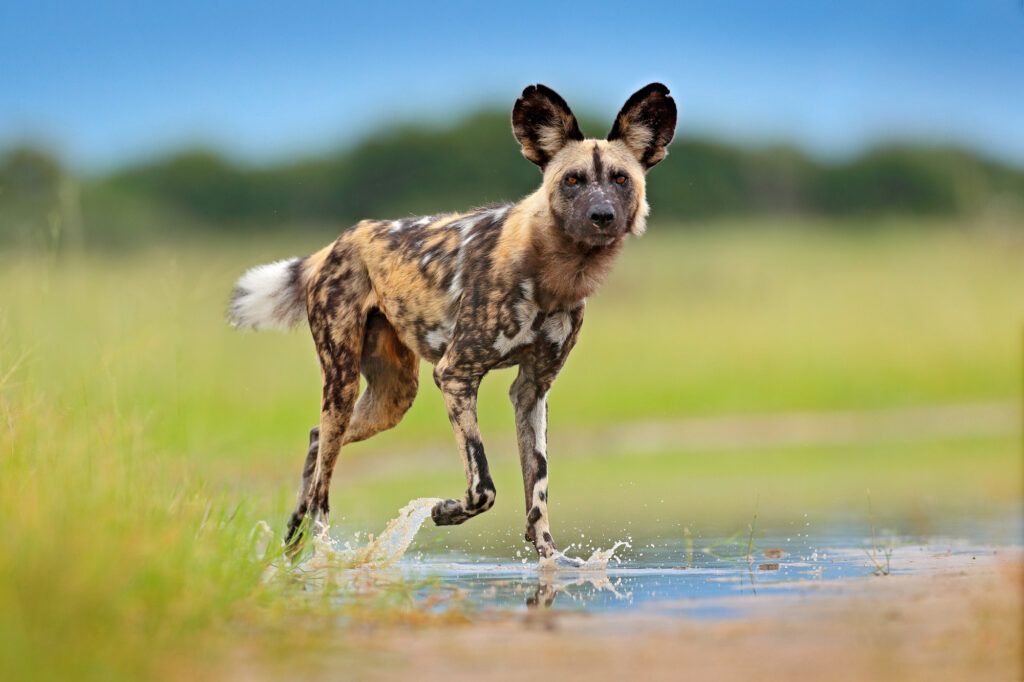
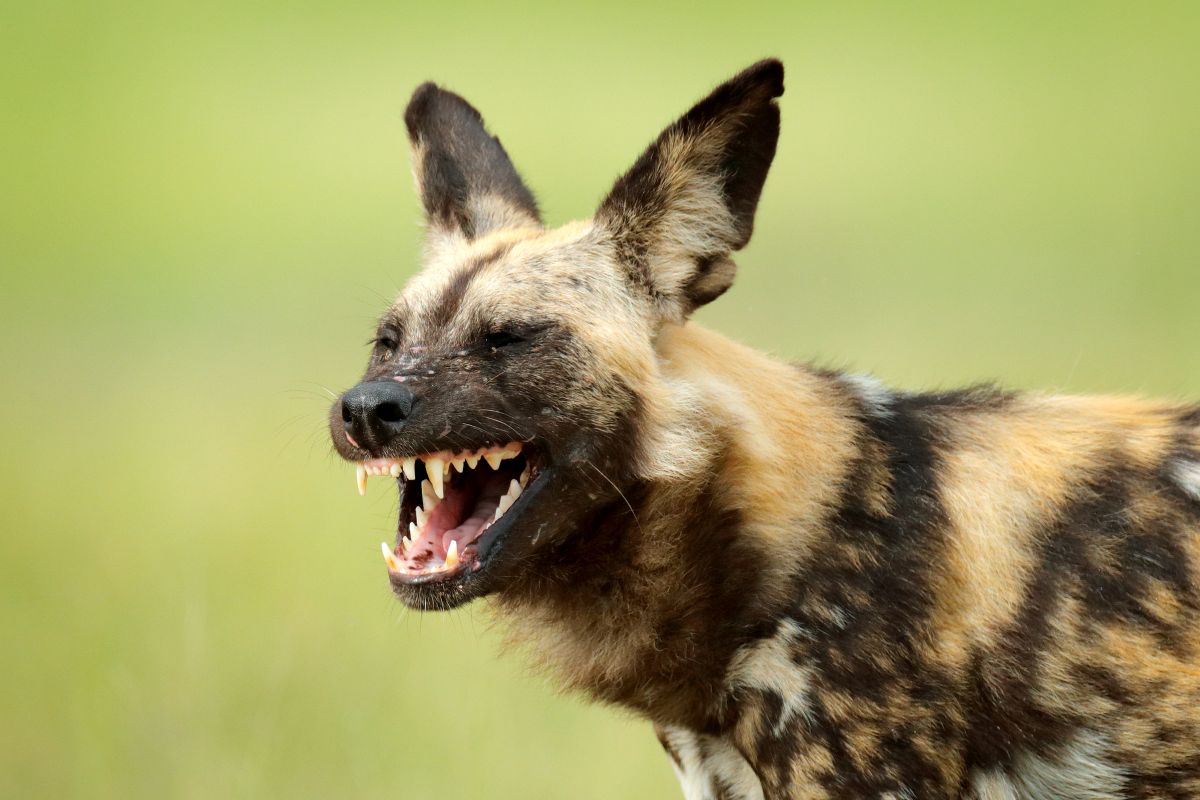 Photo Credit: OndrejProsicky on Deposit Photos
In the heart of Africa’s sun-kissed savanna roams the African Wild Dog, scientifically known as *Lycaon pictus*. With its striking coat splashed in a patchwork of browns, blacks, and whites, this canid is often called the Painted Dog or Hunting Dog, and for good reason! Imagine a group of these agile predators bounding gracefully through tall grass, their large ears perked up to catch every sound. Each wild dog is a unique masterpiece of nature, perfectly adapted for life in the wild and known for its incredible social structure.
What makes *Lycaon pictus* truly captivating is not just its colorful appearance but also its extraordinary teamwork. Unlike many other hunters, these dogs work together in packs to chase down their prey, often targeting swift antelopes or even crafty warthogs. Their keen intelligence and strategic hunting techniques have fascinated scientists and nature lovers alike, revealing the complex bonds they form and the effective communication methods they use. As twilight descends over the savanna, the African Wild Dog begins its nightly dance of survival, showcasing the beauty and challenges of life in one of the planet’s most vibrant ecosystems. Join us as we explore the fascinating world of this endangered species, discovering what makes the African Wild Dog a key player in the delicate balance of nature.
The African Wild Dog, known scientifically as *Lycaon pictus*, stands out in the animal kingdom as a remarkable example of social hunting and adaptability. This canid, belonging to the family Canidae, is distinguished not only by its striking coat of irregular patches but also by its unique pack dynamics, where cooperation is key to survival. With a taxonomic position nestled firmly within the order Carnivora, which includes all meat-eating mammals, the African Wild Dog showcases a blend of both evolutionary history and behavioral complexity that is truly captivating.
| Taxonomic Rank | Scientific Name | Meaning & Significance |
|---|---|---|
| Kingdom | Animalia | The kingdom of all animals, highlighting their multicellular structure and ability to move. |
| Phylum | Chordata | This group includes animals with a backbone, emphasizing the African Wild Dog’s position as a vertebrate. |
| Class | Mammalia | Mammals are warm-blooded and usually have fur or hair, along with mammary glands for nurturing their young. |
| Order | Carnivora | Meaning “flesh-eaters,” this order encompasses animals that primarily consume meat, showcasing the wild dog’s predatory nature. |
| Family | Canidae | Commonly known as canids, this family includes dogs, wolves, and foxes, highlighting the African Wild Dog’s close relatives. |
| Genus | Lycaon | This name comes from the Greek word for “wolf,” referring to its wolf-like characteristics while also distinguishing its unique traits. |
| Species | pictus | Latin for “painted,” this reflects the dog’s distinctive patchwork fur, which is unlike any other species. |
Understanding the African Wild Dog’s classification reveals much about its evolutionary journey. Being part of the Canidae family places it alongside familiar animals like domestic dogs and wolves, yet its genus, *Lycaon*, marks it as a distinct branch that evolved unique social behaviors and hunting strategies. Its scientific name, *pictus*, perfectly captures its vibrant, mottled fur, a feature that not only adds to its beauty but also plays a role in its camouflage during hunts. This intricate classification not only highlights its current adaptations but also tells the story of how this incredible animal has evolved to thrive in the diverse landscapes of Africa.
The evolutionary journey of the African Wild Dog, or *Lycaon pictus*, stretches back millions of years, weaving through the vast tapestry of Africa’s changing landscapes. This incredible animal diverged from its closest relatives in the Canidae family around 6 million years ago. As habitats shifted and prey evolved, the African Wild Dog adapted to thrive in the dynamic environments of savannas and open woodlands.
Early ancestors of the African Wild Dog were similar to modern wolves and foxes. Over time, they began to exhibit traits that set them apart, such as their slender bodies and large, rounded ears. These adaptations were crucial in their transition from solitary hunters to social pack animals. The evolution of their specialized hunting techniques, including coordinated group strategies, allowed them to chase down and capture prey more effectively. This shift not only enhanced their survival rates but also fostered complex social structures, creating tight-knit packs that work together to face the challenges of their environment.
The adaptations of the African Wild Dog have enabled it to become a superb survivor in the wild. Their social structure enhances cooperative hunting, while their stamina allows them to pursue prey tirelessly. With effective communication and a flexible diet, these dogs have carved out a niche in Africa’s ecosystems, demonstrating the power of evolution in shaping life on our planet.
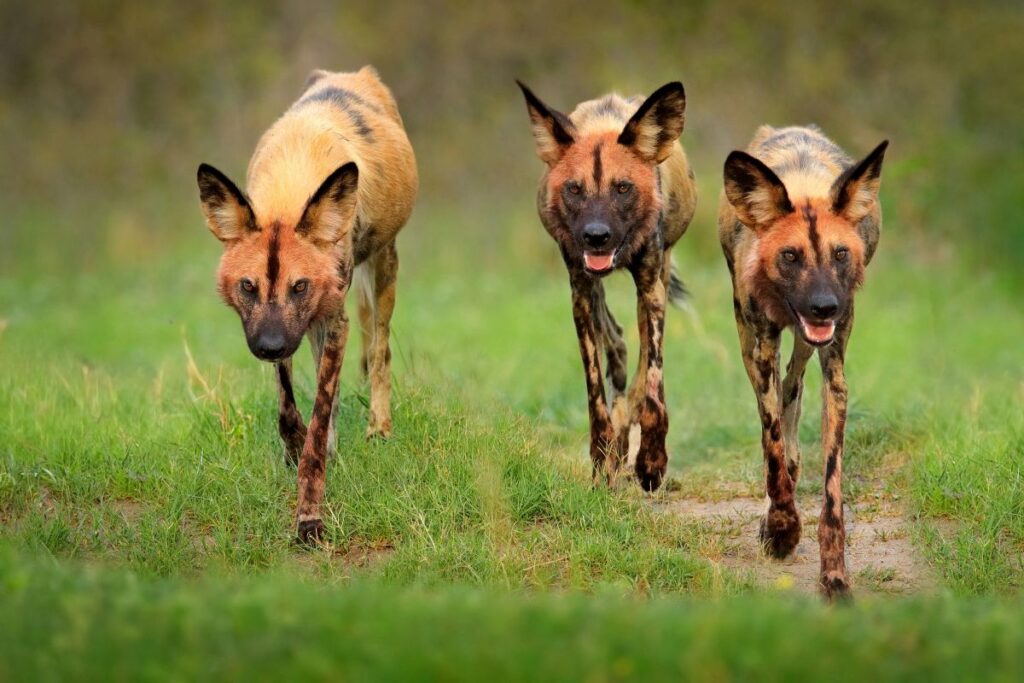
The African Wild Dog, a striking figure of the African savanna, boasts a body designed for speed and endurance. With a lean, athletic build, these canids are built for action. Their long legs allow them to sprint with incredible agility, while their large, rounded ears help them detect the faintest sounds of their prey. Covered in a patchy coat of fur, they blend seamlessly into their surroundings, showcasing a kaleidoscope of earthy hues that range from tan to black, with splashes of white. This colorful ensemble not only makes them visually captivating but also plays a crucial role in their hunting strategy.
| Feature | Description |
|---|---|
| Size | Weighs between 17 kg and 36 kg (39 lbs to 79 lbs), with a lean, elongated body. |
| Color | Patchy fur pattern featuring shades of brown, black, and white, providing excellent camouflage. |
| Skin Type | Fur, which helps regulate body temperature and provides protection. |
| Distinctive Feature | Four toes on each foot instead of the usual five, enhancing speed and agility. |
Each of these features serves a purpose in the wild. The four toes on each foot give them a unique edge, allowing for better traction while sprinting across the rugged terrain. Their fur not only keeps them insulated but also aids in camouflage, allowing them to stalk prey without being easily seen. With their keen ears and agile bodies, African Wild Dogs are truly adapted to thrive in their environment, making them one of nature’s most effective hunters. Whether they are chasing down antelope or playing with their pack, their physical characteristics are finely tuned for survival in the wild landscapes of Africa.
The African Wild Dog thrives in the sun-drenched expanses of open plains and savannas. Picture endless golden grasses swaying in the warm breeze, dotted with acacia trees providing shade. These open landscapes are perfect for spotting prey, allowing the dogs to chase after their meals with incredible speed and agility. Here, the horizon stretches wide, and the sounds of wildlife fill the air—an ideal home for this social and spirited pack animal.
The African Wild Dog prefers areas with a warm climate and a mix of grasslands and sparse woodlands. These environments typically experience a seasonal cycle, with a wet period that brings life-giving rains and a dry season that challenges the animals living there. Temperatures can soar during the day, but the dogs are well adapted to manage their activity during cooler times, such as early mornings and late afternoons.
To thrive in these specific habitats, African Wild Dogs have developed a range of adaptations. Their social structure is a key component of their survival; they hunt in packs, which allows them to take down larger prey and share the spoils. With their keen sense of sight and strong communication skills, they work together seamlessly, ensuring that they can navigate the vast landscapes and find both food and safety. This teamwork, combined with their ability to cover large distances, makes them exceptionally suited for life in the open plains of Africa.
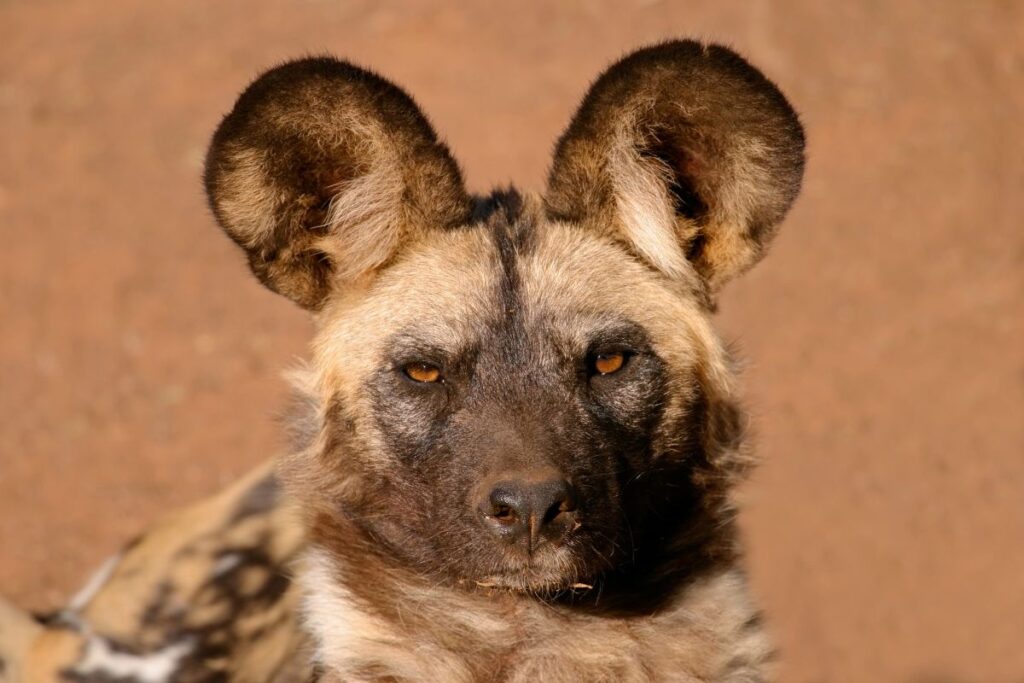
As the day begins to fade into twilight, the African Wild Dog stirs from its resting spot. These clever hunters are crepuscular, meaning they are most active during the early morning and late afternoon when the light is just right. As the sun dips low in the sky, their day shifts into high gear. The pack, which can include anywhere from two to twenty members, begins to stretch and yawn, gearing up for their evening adventures. They set out in search of food, showcasing their impressive teamwork and strategic hunting skills. This time of day is not just about food; it’s also when they socialize, groom one another, and strengthen their family bonds.
The social structure of the African Wild Dog is one of the most captivating aspects of their daily life. Living in a pack fosters strong relationships among members, which is crucial for their survival. Each dog has a specific role, from the alpha pair that leads the pack to the lower-ranking members who help with hunting and caring for the puppies. Communication is key in these tight-knit groups. They use a variety of vocalizations, body language, and even facial expressions to convey messages. Whether it’s a playful nudge or a high-pitched yip, these sounds and gestures help keep the pack coordinated and connected.
| Behavior Type | Description |
|---|---|
| Activity Patterns | Active during dawn and dusk; hunting at these times to catch prey when animals are less alert. |
| Social Structure | Live in packs led by an alpha pair; strong bonds form among members, aiding in cooperative hunting. |
| Communication Methods | Use a range of sounds like barks and chirps, along with body language, to coordinate movements and reinforce social ties. |
These intricate behaviors are not just fascinating; they are vital for survival. The African Wild Dog’s ability to hunt cooperatively ensures they can take down larger prey, providing enough food for the entire pack. Their social bonds help raise puppies and protect the group from threats. By working together and communicating effectively, they thrive in the wild, showcasing the beauty of teamwork and the importance of community in the animal kingdom.
The African Wild Dog is a true carnivore, which means it primarily eats meat. These social hunters excel at working together to chase down their prey, often targeting animals like antelope and warthogs. With their keen senses and unmatched stamina, they can cover great distances, allowing them to outlast their quarry. Their hunting style is not just about speed; it’s also about teamwork. By coordinating their efforts, they ensure a successful hunt, making them one of nature’s most efficient predators.
| Dietary Aspect | Details |
|---|---|
| Diet Type | Carnivore |
| Favorite Foods | Antelope, Warthog, Rodents |
| Prey Items | Medium to large ungulates (hoofed animals) like impalas and wildebeests |
| Hunting/Foraging Strategies | Pack hunting, using stamina to tire out prey, and employing strategic teamwork |
This diet not only shapes the daily lives of African Wild Dogs but also plays a crucial role in their ecosystem. By preying on herbivores, they help maintain a balance in animal populations, which can prevent overgrazing and promote healthy plant growth. Their energetic hunts and social dynamics keep them closely connected to their pack, reinforcing bonds and ensuring their survival. In this way, the African Wild Dog exemplifies the interconnectedness of life on the African plains, showcasing how one species can influence the health of an entire ecosystem.
When it comes to mating, African Wild Dogs are all about teamwork and bonding. Breeding season typically occurs once a year, and the pack participates in a fascinating courtship display. Males and females engage in playful behaviors, including chasing and gentle nipping, which strengthens their social ties. Once a female is ready to mate, she attracts suitors, and the dominant pair—the alpha male and female—will usually be the ones to breed. After a brief but intense courtship, they will mate, leading to a new generation of pups.
| Reproductive Aspect | Details |
|---|---|
| Gestation Period | 70 days |
| Average Litter Size | 8 |
| Age of Sexual Maturity | 12 – 18 months |
| Name of Young | Pup |
Once the pups are born, the entire pack plays a crucial role in their upbringing. The mother often gives birth in a secluded den, which provides safety for her tiny, helpless pups. These little ones are born blind and rely on their mother and pack members for care and nourishment. As they grow, the pups begin to explore their surroundings under the watchful eyes of their family. The adults take on the responsibility of teaching them essential survival skills, such as hunting techniques and social interactions. By around 12 to 18 months, these pups are ready to step into adulthood, equipped with the knowledge and skills necessary to thrive in the wild. The bond they share with their pack ensures a strong foundation for their future adventures.
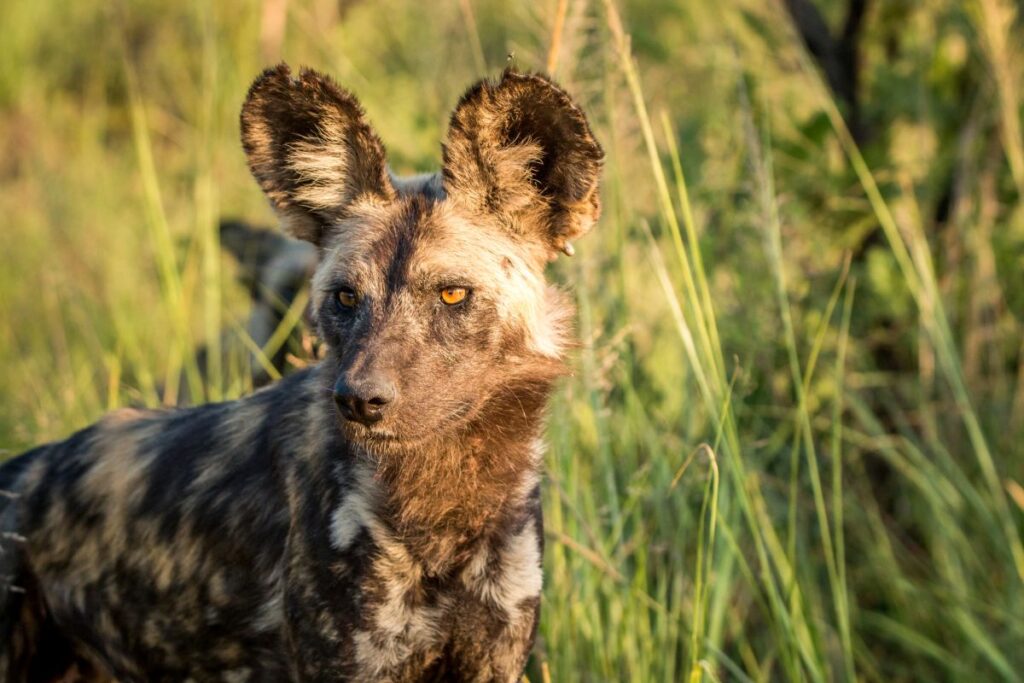
The African Wild Dog occupies a vital role in the food web of the African savanna. As skilled hunters, they help control populations of herbivores such as antelope and warthogs. This balance is crucial for maintaining the health of their ecosystem. However, these extraordinary canids are not at the top of the food chain; they face dangers from both natural predators and human activities that threaten their survival.
Despite these threats, African Wild Dogs have developed impressive survival strategies. They often rely on their exceptional social structure, hunting cooperatively to outsmart and catch prey. When cornered, they may use their agility and speed to evade larger predators. Additionally, their strong pack bonds and vocal communication help them warn each other of dangers, ensuring that survival is a team effort. By working together, they enhance their chances of thriving in a world filled with challenges.
A keystone species is a type of organism that has a disproportionately large impact on its environment compared to its abundance. Think of it like a keystone in an arch—remove it, and the whole structure can collapse. The African Wild Dog, or Lycaon pictus, certainly qualifies as a keystone species in its ecosystem. By influencing the populations of other animals, these social hunters play a crucial role in maintaining the balance of their habitat.
The African Wild Dog’s hunting strategies are a key part of this balance. Hunting in packs, they target various herbivores, especially antelope and warthogs. This not only helps control these populations but also prevents overgrazing, allowing vegetation to flourish. By keeping herbivore numbers in check, the wild dogs ensure that plant life has the space and resources needed to thrive, which in turn supports other species that depend on these plants for food and shelter.
Moreover, the presence of African Wild Dogs can indirectly benefit scavengers. When they successfully hunt, they leave behind scraps that other animals, like hyenas and vultures, can feed on. This creates a rich food source for various scavengers, highlighting the interconnectedness of the ecosystem. Additionally, as they hunt, wild dogs can drive their prey into areas that might be more favorable for other predators, further enhancing the biodiversity of the region.
If African Wild Dogs were to disappear, the consequences would ripple throughout the ecosystem. Herbivore populations could explode unchecked, leading to overgrazing and a decline in plant life. This loss of vegetation would not only reduce food sources for other herbivores but also impact countless species that rely on plants for survival, from insects to larger mammals. The balance of the ecosystem would be disrupted, potentially leading to a decline in overall biodiversity. The disappearance of this remarkable species would echo through the savanna, reminding us of the delicate ties that bind all living things together.
The African Wild Dog, or Lycaon pictus, plays a vital role in its ecosystem, serving as a keystone species in the African savanna. This means that its impact on the environment is significant and far-reaching, far beyond its mere numbers. By hunting in packs, these social animals not only ensure their survival but also help maintain the balance within their ecosystem. Their presence influences the distribution and behavior of other species, creating a dynamic web of life that thrives in the open plains.
| Ecosystem Service | Impact |
|---|---|
| Prey Population Control | Helps prevent overgrazing by managing herbivore numbers. |
| Scavenger Support | Provides food sources for scavengers by leaving behind remains of hunts. |
| Habitat Creation | Encourages biodiversity by affecting the movements of herbivores. |
One of the most fascinating aspects of the African Wild Dog’s influence is how it controls prey populations. By targeting herbivores like antelope and warthogs, these dogs help regulate their numbers, preventing overgrazing that can devastate the landscape. This control allows vegetation to flourish, which in turn supports a variety of other species. Additionally, the remains of their hunts provide food for scavengers like hyenas and vultures, creating a rich tapestry of life where every creature plays a part.
In a broader ecological context, the African Wild Dog’s role underscores the importance of biodiversity. When a keystone species like this is thriving, it signals a healthy ecosystem. Their social hunting practices not only promote the survival of their pack but also foster a balanced environment where both predators and prey can coexist. Protecting these incredible animals is crucial, as their decline could lead to a cascade of effects, impacting countless other species and the intricate web of life they help sustain.
In the vast and vibrant ecosystems of Africa, symbiotic relationships shape the lives of countless species. Symbiosis refers to the various ways in which different organisms interact and depend on each other for survival. These relationships can be mutualistic, where both species benefit; parasitic, where one benefits at the expense of the other; or commensal, where one benefits without harming the other. The African Wild Dog, known for its social structure and cooperative hunting, engages in a few intriguing partnerships that highlight the interconnectedness of life in the savanna.
| Species/Type | Relationship Type | Description |
|---|---|---|
| Wildebeest | Mutualistic | Wildebeest often graze alongside African Wild Dogs. As the dogs hunt, they flush out prey, which helps the wildebeest stay alert to predators. |
| Vultures | Mutualistic | After a successful hunt, African Wild Dogs leave behind scraps of meat. Vultures benefit by feeding on these leftovers, while the dogs keep their territory clean. |
| Ticks | Parasitic | Ticks can attach themselves to African Wild Dogs, feeding on their blood. This relationship is harmful to the dogs, as it can lead to disease and discomfort. |
These relationships have evolved over time, showcasing the complex web of life where every creature plays a part. Mutualistic interactions, like those with wildebeest and vultures, benefit all involved, promoting survival in the wild. On the other hand, parasitic relationships, such as those with ticks, remind us of the challenges animals face in their quest for survival. Understanding these connections helps us appreciate the delicate balance of nature and the vital roles that African Wild Dogs and their partners play in the ecosystem.
The African Wild Dog, or Lycaon pictus, is a captivating animal with a complex social structure and remarkable adaptations that set it apart from other canids. Let’s dive into some surprising facts that reveal the wonders of this extraordinary species.
The African Wild Dog, or Lycaon pictus, has a long and complex history with humans that dates back thousands of years. These striking canids, known for their colorful coats and social packs, have inspired stories and symbolism in various African cultures. Historically, they were often depicted in rock art, showcasing their significance in the lives of the people who coexisted with them. In some communities, the dogs were seen as symbols of loyalty and teamwork due to their cooperative hunting tactics. However, this relationship has been a double-edged sword, as the wild dogs have often been viewed as threats to livestock, leading to conflict with local farmers.
Today, the interactions between African Wild Dogs and humans are multifaceted. Conservation efforts are underway to protect these magnificent animals, as their populations have plummeted due to habitat loss and human encroachment. Organizations are working to educate communities about the ecological benefits of these wild dogs, emphasizing that they play a crucial role in maintaining the balance of the savanna ecosystem. However, conflicts still arise, particularly when wild dogs hunt livestock, leading to retaliatory killings. Interestingly, some communities have begun exploring coexistence strategies, where livestock protection methods are employed to minimize losses while allowing wild dogs to thrive in their natural habitats.
Looking ahead, the relationship between African Wild Dogs and humanity holds both challenges and opportunities. As awareness grows about the importance of biodiversity and ecosystem health, more people are recognizing the value of these wild canids. By fostering a spirit of cooperation and understanding, we can create a future where African Wild Dogs are not only protected but celebrated as vital players in the African wilderness. With continued efforts in conservation and community engagement, there is hope that these extraordinary animals will roam the savannas for generations to come.
The African Wild Dog, or Lycaon pictus, is currently classified as Endangered, with its population dwindling to fewer than 5,000 individuals. This remarkable species has seen a troubling decline in numbers over the years, primarily due to habitat loss and human-wildlife conflict. With their tight-knit social structures and complex hunting strategies, African Wild Dogs not only enrich their ecosystems but also face significant challenges that threaten their survival.
| Conservation Factor | Status/Details |
|---|---|
| IUCN Status | Endangered |
| Estimated Population Size | Less than 5,000 |
| Population Trend | Decreasing |
The main threats to African Wild Dogs are intertwined with human activities and environmental changes. As humans expand into their habitats for agriculture and development, these canids face increasing challenges. Roads and fences can fragment their territories, making it harder for them to hunt and find mates. Additionally, conflicts arise with livestock owners, leading to retaliatory killings. Diseases, particularly those spread by domestic animals, also pose a danger to their dwindling populations.
Conservation efforts are underway to protect the African Wild Dog and its habitat. Organizations are working to create wildlife corridors that allow these dogs to travel between fragmented areas safely. Education programs help communities understand the importance of these animals in maintaining ecological balance. With dedicated conservation strategies, there is hope for a brighter future for African Wild Dogs, and perhaps one day, their numbers will rebound, allowing them to roam the African savanna once more.
| Question | Answer |
|---|---|
| What is the habitat of the African Wild Dog? | African Wild Dogs thrive in open plains and savanna regions across sub-Saharan Africa. These habitats provide the space they need to hunt and roam in packs, which is crucial for their social behavior and hunting strategies. |
| What do African Wild Dogs eat? | They are carnivores, meaning their diet mainly consists of meat. They usually hunt in packs to catch prey like antelope, wildebeests, and even smaller mammals, using teamwork and endurance to tire their targets. |
| How do African Wild Dogs behave in groups? | African Wild Dogs are highly social animals that live in packs of about 2 to 27 individuals. Their group dynamics are fascinating; they communicate through a range of vocalizations and body language, which helps them coordinate during hunts and protect each other. |
| How do African Wild Dogs reproduce? | These dogs usually have a single breeding pair within the pack, and the female gives birth to a litter of 2 to 20 puppies after a gestation period of about 70 days. The entire pack helps care for the pups, which strengthens their social bonds. |
| What are the main threats to African Wild Dogs? | African Wild Dogs face several threats, including habitat loss due to human activities and conflicts with livestock. They are also vulnerable to diseases like rabies and distemper, which can decimate their populations. |
| What is a unique characteristic of African Wild Dogs? | One of their most distinctive features is that they have only four toes on each foot instead of the usual five. This unique adaptation helps them move swiftly and silently, making them excellent hunters. |
| Are African Wild Dogs endangered? | Yes, African Wild Dogs are classified as endangered by the International Union for Conservation of Nature (IUCN). Their declining numbers are a result of habitat loss and human-wildlife conflict, which makes conservation efforts essential for their survival. |