Taxonomy & Classification
- Kingdom
- Animalia
- Phylum
- Chordata
- Class
- Mammalia
- Order
- Carnivora
- Family
- Felidae
- Genus
- Lynx
- Species
- Lynx lynx

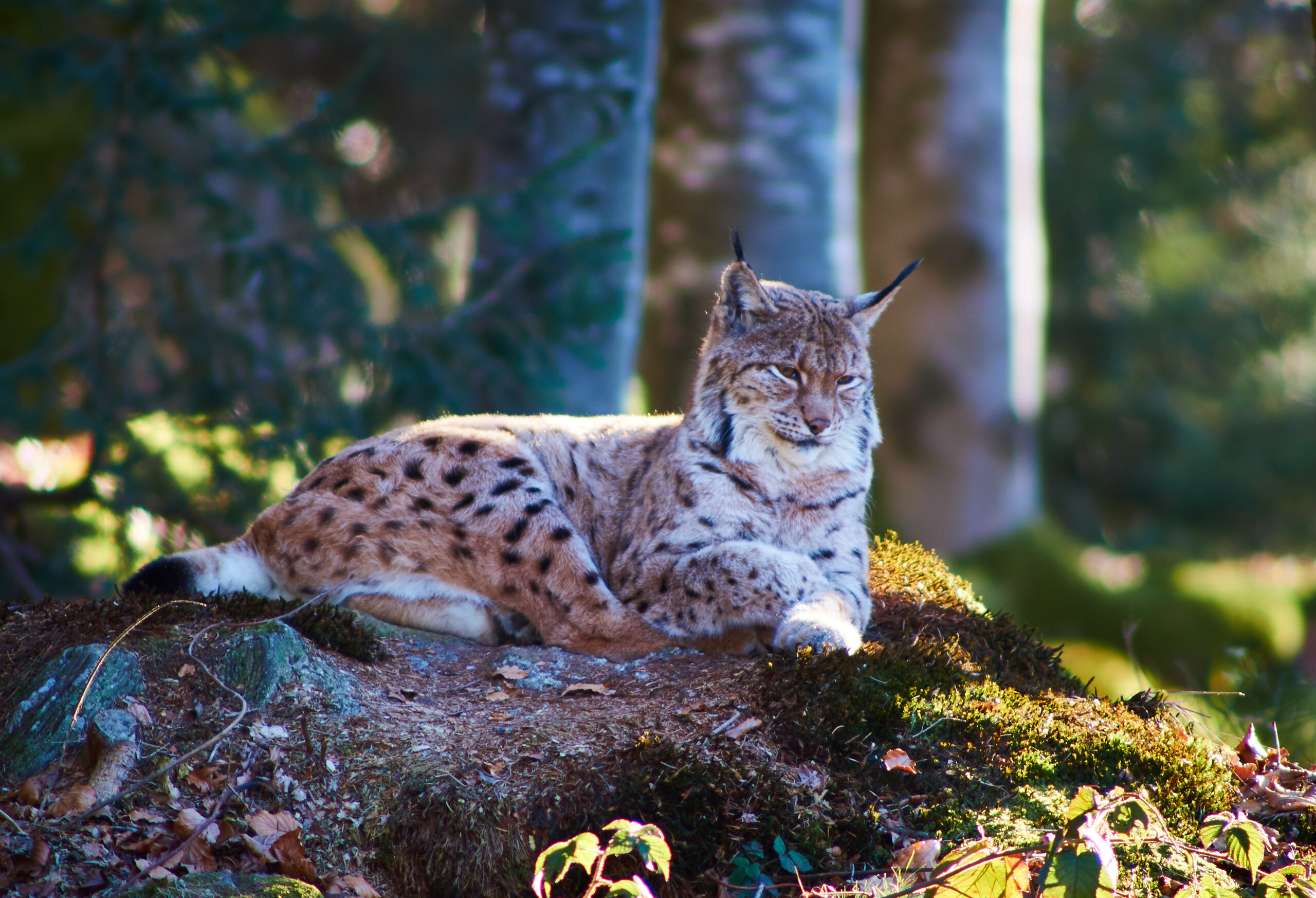 Photo Credit: Peterpan244 / Wikimedia
In the heart of Europe and Asia, the Eurasian lynx, known scientifically as Lynx lynx, prowls through the dense forests and rugged mountains, embodying the spirit of the wild. Picture a serene woodland, where the air is crisp and the sunlight filters through the leaves, casting playful shadows on the forest floor. Here, the lynx moves with a grace that belies its powerful build, standing about two to three feet tall at the shoulder. Its tufted ears, adorned with black tufts, and its striking, spotted coat make it one of the most visually captivating felines in the world. With keen eyesight and acute hearing, this elusive cat is perfectly adapted to its environment, making it a subject of fascination for scientists and nature lovers alike.
The Eurasian lynx is not just a pretty face; it plays a crucial role in its ecosystem as a top predator. By keeping the populations of its prey in check, including deer and smaller mammals, the lynx helps maintain the balance of its habitat. This solitary hunter is known for its stealth and agility, often stalking its prey with a quiet determination before pouncing with remarkable speed. As we delve deeper into the life of the Eurasian lynx, we will explore its behaviors, diet, and the vital role it plays in the natural world, revealing why this magnificent creature continues to capture our imaginations and inspire conservation efforts.
The Eurasian lynx, a captivating member of the animal kingdom, holds a special place in the tree of life. This magnificent feline is classified within the family Felidae, which includes all cats, from the tiny domestic cat to the powerful tiger. What sets the Eurasian lynx apart is its impressive size, tufted ears, and distinctive spotted coat, making it a striking figure in the forests and mountains of Europe and Asia. As a skilled predator, it plays a crucial role in maintaining the balance of its ecosystem, showcasing the intricate connections that exist within nature.
| Taxonomic Rank | Scientific Name | Meaning & Significance |
|---|---|---|
| Kingdom | Animalia | This term means “animals” and includes all multicellular organisms that are heterotrophic, meaning they consume other organisms for energy. |
| Phylum | Chordata | Chordata refers to animals with a notochord, a flexible rod that supports the body, which in vertebrates like the lynx develops into the backbone. |
| Class | Mammalia | Mammalia signifies that these animals have mammary glands, allowing females to nurse their young, a key feature of nurturing in the animal world. |
| Order | Carnivora | Carnivora is the order that includes meat-eating mammals, highlighting the lynx’s role as a predator in its habitat. |
| Family | Felidae | Felidae is the family of cats, derived from the Latin word “felis,” meaning cat, emphasizing the lynx’s close relationship with other feline species. |
| Genus | Lynx | The genus name Lynx is thought to come from the Greek word “lynx,” which means “to shine,” possibly referring to the animal’s reflective eyes or its elusive nature. |
Understanding the Eurasian lynx’s classification reveals much about its evolutionary journey. As a member of the Felidae family, it shares a common ancestor with other cats, showcasing adaptations that have allowed it to thrive in diverse environments. Its unique features, such as the tufted ears and powerful limbs, are not just for show; they are evolutionary traits that enhance its hunting prowess and survival. By studying its place in the tree of life, we gain insight into the complex web of relationships that define the natural world, reminding us of the interconnectedness of all living beings.
The evolutionary journey of the Eurasian lynx stretches back millions of years, weaving through the tapestry of time and adapting to the changing landscapes of Europe and Asia. This lynx, a member of the Felidae family, shares a common ancestor with other cats that roamed the Earth during the late Miocene epoch, around 10 million years ago. As the climate shifted and habitats transformed, these early felids began to diverge, leading to the emergence of distinct species, including the lynx.
The ancestors of the Eurasian lynx were likely larger and more generalized hunters, adapting to a variety of environments. Over time, they developed specific traits that allowed them to thrive in colder climates and dense forests. One major transition occurred as they adapted to a more solitary lifestyle, which is typical of many lynx species today. This shift allowed them to become expert hunters, relying on stealth and agility to catch prey in their often snowy habitats.
These adaptations have been crucial for the survival of the Eurasian lynx in its diverse habitats. The ability to hear subtle sounds, move effortlessly through snow, and stay warm in frigid temperatures has allowed this lynx to become a skilled predator. As it navigates the forests and mountains of Eurasia, the lynx continues to showcase the wonders of evolution, demonstrating how species can adapt and thrive in ever-changing environments.
The Eurasian lynx is a striking sight, embodying both grace and power. With a sturdy build, this wild cat stands between 22 to 30 inches tall at the shoulder, showcasing a robust frame that can weigh anywhere from 40 to 80 pounds. Its body is covered in thick fur, which not only adds to its majestic appearance but also serves as insulation against the cold climates it often inhabits. The lynx’s most distinctive features include its short, bobbed tail and tufted ears, which give it an air of elegance and alertness. These characteristics, combined with its keen eyes and sharp facial features, create an impression of a creature perfectly adapted to its environment.
| Feature | Description |
|---|---|
| Height | 22-30 inches at the shoulder |
| Weight | 40-80 pounds |
| Skin Type | Thick fur |
| Most Distinctive Feature | Bobbed tail and ear tufts |
The combination of these features plays a crucial role in the lynx’s survival. The thick fur not only keeps it warm in frigid temperatures but also helps it blend into the snowy landscapes, making it an effective hunter. The bobbed tail aids in balance and agility, allowing the lynx to navigate through dense forests and rocky terrains with ease. Meanwhile, the tufted ears enhance its hearing, enabling it to detect the faintest sounds of prey. Together, these adaptations make the Eurasian lynx a master of its domain, perfectly equipped to thrive in the wild.
The Eurasian lynx roams through a diverse tapestry of habitats, primarily found in the dense forests and rugged mountains of its range. Imagine walking through a serene woodland, where tall trees stretch toward the sky, their leaves whispering in the gentle breeze. The underbrush is thick with shrubs and ferns, providing perfect hiding spots for this elusive feline. In the higher elevations, rocky outcrops and steep slopes create a dramatic landscape, where the lynx can navigate with agility and stealth.
The climate in these regions varies widely, but the Eurasian lynx thrives in areas that experience cold winters and mild summers. It prefers environments where snow blankets the ground, as this helps it hunt for prey like hares and deer. The lynx is well-suited to these conditions, often found in places with a mix of coniferous and deciduous trees, which provide both cover and hunting grounds.
Adaptation is key to the survival of the Eurasian lynx in its chosen habitats. Its thick fur keeps it warm during frigid winters, while its large paws act like snowshoes, allowing it to walk easily on soft, powdery snow. The lynx’s keen eyesight and acute hearing help it detect prey even in the dense underbrush. With these remarkable adaptations, the Eurasian lynx has become a master of its forest and mountain homes, perfectly attuned to the rhythms of nature around it.
The Eurasian lynx leads a life that is both solitary and stealthy, filled with activities that showcase its hunting prowess and adaptability. As dawn breaks, these cats begin their day, often stretching and grooming themselves to prepare for the adventures ahead. They are primarily nocturnal, meaning they are most active during the night, when they stealthily patrol their territories. Their keen senses help them detect movement, allowing them to hunt small mammals like hares and rodents. Throughout the day, they may rest in the shade of trees or rocky outcrops, conserving energy for their nighttime escapades.
Socially, the Eurasian lynx is a solitary creature, preferring to live alone rather than in groups. This independence allows them to maintain large territories, which they mark with scent to communicate their presence to other lynxes. While they may come together during mating season, they generally avoid each other outside of this time. Their social interactions are minimal, but they do have a range of vocalizations, from growls to purrs, that help them communicate with potential mates or warn off rivals.
| Behavior Type | Description |
|---|---|
| Activity Patterns | Nocturnal hunters, primarily active at night, resting during the day. |
| Social Structure | Solitary animals, maintaining large territories and avoiding group living. |
| Communication Methods | Vocalizations like growls and purrs, along with scent marking to establish territory. |
The behaviors of the Eurasian lynx are finely tuned for survival in the wild. By being solitary, they reduce competition for food and can effectively hunt in their expansive territories. Their nocturnal habits allow them to take advantage of the cover of darkness, making it easier to stalk prey. Through their unique communication methods, they can assert their presence and avoid conflicts, ensuring they thrive in their natural habitats. Each aspect of their daily life is a testament to their adaptability and resilience in the face of challenges.
The Eurasian lynx is a carnivore, which means it primarily eats meat. This agile hunter has a varied diet that includes a range of prey, from large mammals to smaller creatures. The lynx is known for its stealthy approach, using its keen senses to stalk and ambush its food. With sharp eyesight and excellent hearing, it can detect movement even in dense underbrush. Once it spots its target, the lynx relies on its powerful legs to pounce, making it a skilled predator in its forested and mountainous habitats.
| Dietary Aspect | Details |
|---|---|
| Diet Type | Carnivore |
| Favorite Foods | Deer, elk, hare, rabbits |
| Prey Items | Foxes, birds, rodents |
| Hunting Strategies | Stalking and ambushing |
The diet of the Eurasian lynx plays a crucial role in its ecology and daily routine. By preying on herbivores like deer and elk, the lynx helps maintain a balance in the ecosystem, preventing overgrazing and promoting healthy plant growth. This cat’s hunting habits also dictate its movements and territory, as it needs to roam large areas to find enough food. As a solitary hunter, the lynx’s feeding behavior shapes its lifestyle, making it a fascinating part of the natural world.
The mating behavior of the Eurasian lynx is as intriguing as the animal itself. Breeding season typically occurs in late winter to early spring, when the days start to lengthen and temperatures rise. During this time, males become more vocal, using deep calls to attract females. These calls echo through the forests, signaling their readiness to mate. Once a female is receptive, she will engage in a series of courtship behaviors with the male, which can include playful chases and affectionate nuzzles.
| Reproductive Aspect | Details |
|---|---|
| Gestation Period | 70 days |
| Litter Size | 1 to 4 kittens |
| Age of Maturity | 2 to 3 years |
| Name of Young | Kittens |
After the gestation period, which lasts about 70 days, the female gives birth to a litter of one to four kittens in a secluded den, often hidden among rocks or dense vegetation. The mother is fiercely protective, nurturing her young with care. For the first few weeks, the kittens are entirely dependent on her, relying on her for warmth and nourishment. As they grow, they begin to explore their surroundings, learning essential skills like hunting and climbing. By the time they reach two to three years of age, they are ready to venture out on their own, equipped with the knowledge and instincts needed to thrive in the wild. The bond between the mother and her kittens is crucial, as it lays the foundation for their survival in the challenging world they will soon face.
The Eurasian lynx occupies a vital role in its ecosystem, acting as both a predator and a prey species. As a top predator, it helps maintain the balance of populations among its prey, which includes deer and smaller mammals. This balance is crucial for the health of the forest and mountain habitats where the lynx resides. However, despite its position in the food web, the Eurasian lynx faces several dangers that threaten its survival.
To combat these threats, the Eurasian lynx has developed several defensive behaviors and survival strategies. It relies on its keen senses and stealthy movements to avoid detection by both predators and humans. The lynx is also an expert at camouflage, blending seamlessly into its forest surroundings. When threatened, it may choose to retreat to dense cover or climb trees to escape danger. By being elusive and adaptable, the Eurasian lynx continues to navigate the challenges of its environment, showcasing the resilience of wildlife in the face of adversity.
A keystone species is an organism that plays a crucial role in maintaining the structure of its ecosystem. Its presence or absence can significantly impact the environment and the other species living there. The Eurasian lynx qualifies as a keystone species due to its role as a top predator in the forests and mountains it inhabits. By controlling the populations of its prey, the lynx helps to maintain a balanced ecosystem, ensuring that no single species dominates the landscape.
The ecological impact of the Eurasian lynx is profound. As a carnivore, it primarily preys on animals like roe deer, hares, and various small mammals. By hunting these species, the lynx prevents overpopulation, which can lead to overgrazing and depletion of vegetation. For instance, if deer populations were to grow unchecked, they could strip forests of young saplings, disrupting the growth of trees and altering the habitat for countless other species.
Moreover, the presence of the lynx encourages a healthy diversity of plant life. When deer numbers are kept in check, more plant species can thrive, providing food and shelter for other animals, insects, and birds. This creates a rich tapestry of life, where each organism plays its part in the ecosystem. The lynx also indirectly supports scavengers, such as vultures and foxes, by leaving behind remains of its kills, which provide nourishment for these opportunistic feeders.
If the Eurasian lynx were to disappear from its ecosystem, the consequences could be dire. Without this top predator, prey populations like deer could explode, leading to overgrazing and a decline in plant diversity. This shift would not only affect the plants but also the myriad of species that rely on those plants for survival. The entire ecosystem could become unbalanced, leading to a decline in biodiversity and the health of the forest and mountain habitats. In essence, the lynx is a vital thread in the intricate web of life, and its absence would unravel much of what makes these ecosystems thrive.
The Eurasian lynx is a vital player in its ecosystem, occupying a unique ecological niche as a top predator. This magnificent cat helps regulate the populations of various prey species, which in turn influences the overall health of its habitat. By keeping herbivore numbers in check, the lynx ensures that vegetation can thrive, creating a balanced environment where many other species can flourish. Its presence is a key indicator of a healthy ecosystem, showcasing the intricate connections between predators, prey, and plant life.
| Ecosystem Service | Impact |
|---|---|
| Population Control | Regulates herbivore numbers, preventing overgrazing. |
| Biodiversity Support | Encourages a diverse range of plant and animal species. |
| Habitat Maintenance | Promotes healthy forest and mountain ecosystems. |
| Scavenger Support | Provides food for scavengers through leftover kills. |
The influence of the Eurasian lynx can be seen in various ways. For instance, when lynx populations are healthy, they effectively manage the numbers of deer and other large herbivores. This control prevents these animals from overbrowsing, which can lead to habitat degradation. In areas where lynx have been reintroduced, researchers have observed a resurgence of plant life and an increase in other wildlife species, demonstrating the lynx’s role as a catalyst for ecological recovery. Additionally, the remains of lynx kills provide nourishment for scavengers like foxes and birds, further enriching the food web.
The broader ecological importance of the Eurasian lynx cannot be overstated. As a keystone species, its presence shapes the entire landscape, influencing not just the populations of its prey but also the health of the forests and mountains it inhabits. By maintaining balance within its ecosystem, the lynx supports a rich tapestry of life, ensuring that both flora and fauna can thrive. Protecting this magnificent cat is essential for preserving the intricate web of life that depends on its existence, highlighting the interconnectedness of all living things in nature.
In the intricate web of nature, symbiosis refers to the close and often long-term interactions between different species. These relationships can take many forms, including mutualism, where both species benefit, parasitism, where one benefits at the expense of the other, and commensalism, where one benefits while the other is neither helped nor harmed. The Eurasian lynx, a solitary and skilled predator, engages in various ecological relationships that highlight the interconnectedness of life in its forest and mountain habitats.
| Species/Type | Relationship Type | Description |
|---|---|---|
| Red fox | Commensalism | The red fox often follows the lynx to scavenge leftovers from its kills, benefiting from the lynx’s hunting success without affecting the lynx. |
| Small rodents | Predator-Prey | The lynx preys on small rodents, helping to control their populations, which in turn supports the health of the ecosystem. |
| Ticks | Parasitism | Ticks can latch onto the lynx, feeding on its blood. This relationship is harmful to the lynx, as it can lead to health issues. |
These relationships have evolved over time, shaped by the needs and behaviors of the species involved. The lynx’s role as a top predator helps maintain balance in its ecosystem, while its interactions with other species illustrate the delicate dance of life. By understanding these connections, we can appreciate how each species, including the Eurasian lynx, contributes to the health and stability of its environment.
The Eurasian lynx is a captivating wild cat that roams the forests and mountains of Europe and Asia. With its striking appearance and fascinating behaviors, this elusive feline has many surprises up its furry sleeves.
The relationship between the Eurasian lynx and humanity is steeped in history and cultural significance. For centuries, this elusive feline has captured the imagination of people across Europe and Asia. In folklore and mythology, the lynx often symbolizes mystery and intuition, with its keen eyesight and solitary nature inspiring tales of wisdom. Ancient cultures revered the lynx for its hunting prowess, often depicting it in art and stories. As humans settled and expanded their territories, encounters with the lynx became more common, leading to a complex relationship that has evolved over time.
Today, interactions between the Eurasian lynx and humans are multifaceted, encompassing conservation efforts, conflicts, and even attempts at coexistence. As habitats shrink due to urbanization and agriculture, lynx populations face challenges that threaten their survival. Conservationists work tirelessly to protect these magnificent cats, establishing protected areas and promoting awareness about their ecological importance. However, conflicts arise when lynx prey on livestock, leading to tensions between farmers and wildlife advocates. While domestication of the lynx is not feasible, understanding and respecting their role in the ecosystem is crucial for fostering a harmonious relationship.
Looking ahead, the future of the Eurasian lynx and humanity hinges on our ability to adapt and find common ground. As we learn more about these remarkable animals, we can develop strategies that benefit both lynx and people. By fostering a sense of stewardship and respect for wildlife, we can ensure that the lynx continues to roam the forests and mountains, a symbol of the wild that inspires generations to come. Together, we can create a world where humans and lynx coexist, enriching our lives and preserving the delicate balance of nature.
The conservation status of the Eurasian lynx is currently classified as “Least Concern” by the International Union for Conservation of Nature (IUCN). This means that, overall, the species is not facing an immediate threat of extinction. However, population trends can vary significantly across different regions. In some areas, the lynx is thriving, while in others, it faces challenges that could impact its numbers in the future.
| Conservation Factor | Status/Details |
|---|---|
| IUCN Status | Least Concern |
| Population Estimates | Approximately 50,000 individuals globally |
| Trend Direction | Stable in many regions, but declining in some areas |
Despite its overall stable status, the Eurasian lynx faces several significant threats. Habitat loss is a major concern, as forests are cleared for agriculture and urban development. Additionally, poaching and illegal hunting pose risks, particularly in regions where the lynx is valued for its fur. Human-wildlife conflict can also arise, especially when lynx prey on livestock, leading to retaliatory killings by farmers.
Conservation efforts are underway to protect the Eurasian lynx and its habitats. Many countries have established protected areas where lynx populations can thrive without the pressures of human encroachment. Reintroduction programs in areas where lynx have disappeared are also showing promise. With continued awareness and action, the outlook for the Eurasian lynx remains hopeful, allowing this magnificent feline to roam the forests and mountains for generations to come.
| Question | Answer |
|---|---|
| What is the habitat of the Eurasian Lynx? | The Eurasian Lynx primarily lives in forests and mountainous regions. These areas provide plenty of cover for hunting and shelter, allowing the lynx to thrive in both dense woods and open landscapes. |
| What does the Eurasian Lynx eat? | This big cat is a carnivore, meaning it primarily eats meat. Its diet mainly consists of small to medium-sized mammals, such as hares, deer, and rodents, which it skillfully hunts using its keen senses. |
| How does the Eurasian Lynx behave in the wild? | The Eurasian Lynx is mostly solitary, preferring to hunt and roam alone. They are crepuscular, which means they are most active during dawn and dusk, using the low light to their advantage while hunting. |
| How do Eurasian Lynx reproduce? | During the breeding season, which typically occurs in late winter, female lynx attract males with calls and scents. After a gestation period of about 70 to 80 days, the female gives birth to a litter of one to four kittens, which she raises alone. |
| What threats do Eurasian Lynx face? | While the Eurasian Lynx is currently classified as Least Concern, it still faces threats from habitat loss and hunting. Human activities, such as deforestation and road construction, can disrupt their natural habitats and food sources. |
| What are some interesting characteristics of the Eurasian Lynx? | One of the most distinctive features of the Eurasian Lynx is its thick fur, which helps it stay warm in cold climates. Additionally, it has a bobbed tail and tufted ears, which enhance its hearing and help it communicate with other lynx. |
| How does the Eurasian Lynx communicate? | The Eurasian Lynx uses a variety of vocalizations, including growls, hisses, and yowls, to communicate with others. They also use scent marking to establish territory and signal their presence to other lynx. |