Taxonomy & Classification
- Kingdom
- Animalia
- Phylum
- Arthropoda
- Class
- Insecta
- Order
- Hymenoptera
- Family
- Apidae
- Genus
- Apis
- Species
- Apis mellifera

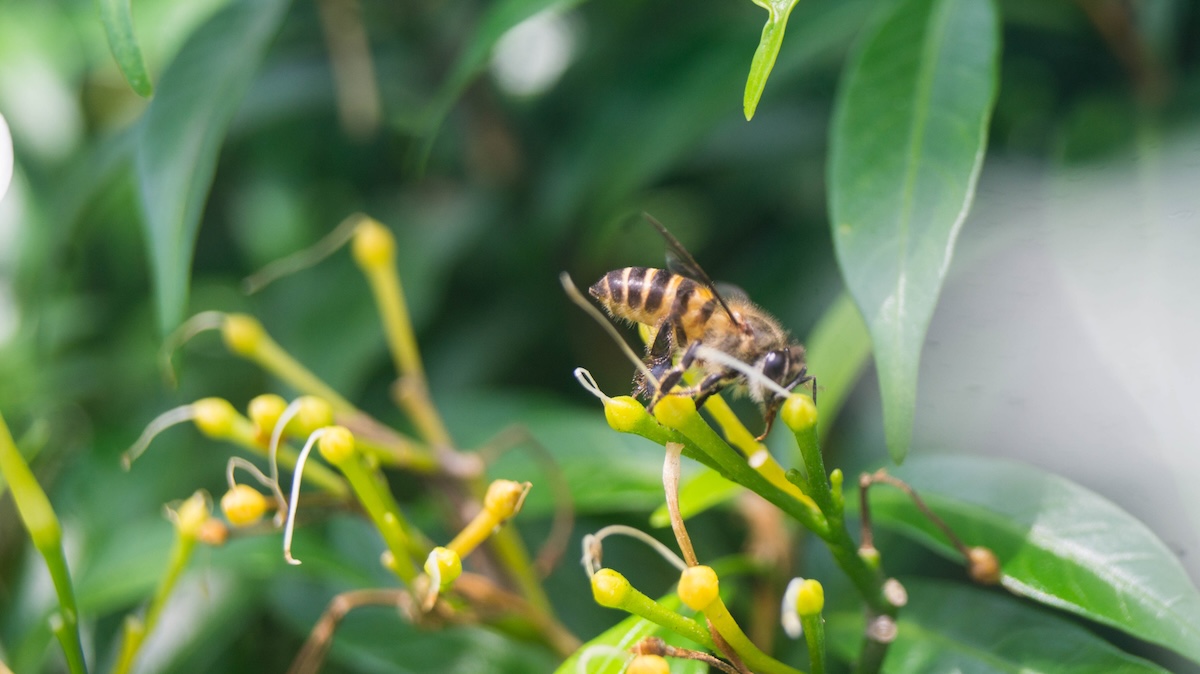 Photo Credit: Rose_Multimedia
Deposit Photos
Photo Credit: Rose_Multimedia
Deposit Photos
In the sun-drenched landscapes of South America and beyond, a small but mighty insect buzzes with purpose: the Africanized bee, scientifically known as Apis mellifera scutellata. Often referred to as the “killer bee,” this remarkable pollinator is not just about its fearsome reputation; it is a marvel of evolution and adaptability. With its strikingly fuzzy body and golden-brown stripes, the Africanized bee flits from flower to flower, collecting nectar and pollen while playing a vital role in the ecosystem. Imagine a world where these industrious bees work tirelessly, their tiny wings creating a symphony of sound as they navigate their vibrant environment.
What captures the imagination of scientists and nature enthusiasts alike is not just the Africanized bee’s appearance, but its behavior and history. These bees are known for their heightened defensiveness, a trait that has earned them their notorious nickname. However, they are also fascinating for their incredible ability to thrive in diverse habitats, from arid regions to tropical forests. As we journey deeper into the life of the Africanized bee, we will explore their intriguing social structures, their essential role as pollinators, and the complex relationship they share with humans. Join us as we uncover the true story behind the buzz of the Africanized bee, revealing a world of wonder that goes far beyond its fearsome name.
The Africanized bee, often sensationally dubbed the “killer bee,” holds a special place in the tree of life. This honeybee, scientifically recognized as Apis mellifera scutellata, belongs to the family Apidae, which includes all bees and wasps. What sets the Africanized bee apart from its more docile cousins is its highly aggressive behavior, especially when defending its hive. This aggressive nature, combined with its incredible adaptability and resilience, showcases the remarkable diversity found within the insect world. These bees are not just important pollinators; they also play a significant role in the ecosystems they inhabit.
| Taxonomic Rank | Scientific Name | Meaning & Significance |
|---|---|---|
| Kingdom | Animalia | This name means “animals,” which is fitting since Africanized bees are multicellular organisms that move and react to their environment. |
| Phylum | Arthropoda | Derived from Greek words meaning “jointed foot,” this reflects the bees’ segmented bodies and jointed legs, essential for their flight and foraging. |
| Class | Insecta | Meaning “cut into sections,” this name highlights the three-part body structure of insects, including the head, thorax, and abdomen. |
| Order | Hymenoptera | This translates to “membrane-winged,” pointing to the delicate, transparent wings that are important for flight and pollination. |
| Family | Apidae | This name comes from the Latin word for bee, “apis,” emphasizing the group’s role in pollination and honey production. |
| Genus | Apis | Also derived from Latin, this term signifies “bee,” and encompasses various species known for their complex social structures. |
| Species | Apis mellifera scutellata | The species name means “honey bearer,” while “scutellata” refers to the unique shape of their bodies, which helps distinguish them from other bee varieties. |
Understanding the Africanized bee’s classification provides insight into its evolutionary journey. As a subspecies of the Western honeybee, Apis mellifera, it originated from Africa and spread to the Americas, where it adapted remarkably to its new environments. This adaptability, along with the ability to thrive in diverse habitats, reveals how evolutionary pressures have shaped not only their behavior but also their physical traits. The Africanized bee stands as a testament to the power of evolution, reminding us of the intricate connections that bind all living organisms in the tapestry of life.
The story of the Africanized bee, often called the “killer bee,” unfolds over millions of years, tracing back to the origins of honeybees. These industrious insects belong to the genus Apis, which emerged around 80 million years ago. With ancestral ties to the honeybee lineage, the Africanized bee is a product of fascinating evolutionary adaptations that have allowed it to thrive in diverse environments, particularly in Africa and the Americas.
The journey began with early honeybees, which were more docile and less aggressive than their Africanized descendants. As these bees evolved, they adapted to their surroundings, developing traits that would enhance their survival. The Africanized bee’s ancestors migrated from Africa to South America in the 1950s, interbreeding with local honeybee populations. This hybridization led to significant changes in behavior and physiology, most notably increased aggression and a strong tendency to swarm—traits that help them defend their hives and spread quickly across new territories.
The combination of these adaptations has contributed to the Africanized bee’s remarkable success in various habitats. Their aggressive nature protects their hives from predators, while their adaptability allows them to exploit new environments. With a high reproductive rate and strong swarming behavior, Africanized bees can quickly expand their populations, outcompeting other bee species. This evolutionary tale highlights the power of natural selection, showcasing how even the most sensationalized creatures can teach us about resilience and survival in the ever-changing tapestry of life.
The Africanized bee presents a striking appearance that captures the attention of anyone lucky enough to spot it. With a body that is sleek and agile, these bees are built for both efficiency and defense. Their small size allows them to navigate through the air with remarkable speed, while their dense covering of fine hairs helps them collect pollen effectively. Though they may seem unassuming at first glance, their bright, golden-yellow and black-striped abdomen signals a warning to those who might disturb their hive.
| Feature | Description |
|---|---|
| Size | Less than 0.001 pounds (less than 0.1 grams) |
| Color | Golden-yellow and black stripes |
| Skin Type | Covered in fine hairs |
| Most Distinctive Feature | Highly aggressive swarming tendencies |
These physical features work together to create an impressive survival strategy. Their lightweight bodies enable swift movements, allowing them to dart away from predators or quickly return to their hive. The vibrant coloration serves as a warning to potential threats, while their hairy bodies enhance their ability to gather pollen, ensuring the health of their colony. The Africanized bee’s aggressive nature is not just for show; it’s a key element in protecting their hive and ensuring their survival in the wild. Together, these adaptations make them a formidable presence in the ecosystems they inhabit.
In the vibrant tapestry of ecosystems across the globe, Africanized bees make their home in warm environments, where the sun often shines bright and the flowers bloom abundantly. These industrious insects are usually found buzzing around tropical and subtropical regions, where they thrive amid lush vegetation. Picture sunny fields, colorful gardens, and even urban areas filled with flowering plants. It’s in these lively habitats that Africanized bees build their colonies, tirelessly collecting nectar and pollen to sustain their hives.
The climate that suits Africanized bees best is warm and often humid, where temperatures can rise significantly throughout the year. They prefer areas with plenty of sunlight and rainfall, as these conditions help produce the flowers they depend on for food. While they can adapt to various environments, they thrive in places where the winters are mild, allowing them to stay active and continue foraging even during cooler months.
Over time, Africanized bees have demonstrated incredible adaptability to their habitats. They are known for their ability to establish colonies in a variety of locations, including urban settings, where they can find both natural and human-made sources of food. Their resilience allows them to build hives in tree cavities, abandoned structures, or even in the ground, showcasing their knack for making the most of available resources. This adaptability not only helps them survive but also enables them to flourish in diverse environments.
As the sun rises over their vibrant habitat, Africanized bees begin their busy day, buzzing energetically in search of nectar and pollen. These diurnal insects are most active during daylight hours, and their daily routine is a whirlwind of activity. Foraging for food, tending to their young, and protecting their territory are just a few of the tasks that fill their time. With a keen sense of smell, they navigate their surroundings, darting from flower to flower, collecting the sweet nourishment that fuels their hive.
Socially, Africanized bees operate within a complex colony, where teamwork is essential. Each bee has its role, whether that’s foraging, nursing the larvae, or defending the hive from intruders. This division of labor is critical for the colony’s success, allowing them to operate like a well-oiled machine. Communication is key in their society; they use dances and pheromones—chemical signals that convey information—to share the location of food sources and alert others to potential threats. This intricate social structure not only strengthens their community but also enhances their survival.
| Behavior Type | Description |
|---|---|
| Foraging | Bees collect nectar and pollen from flowers during daylight. They use their keen sense of smell to locate the best sources of food. |
| Colony Structure | Africanized bees live in large colonies with a clear division of labor, including workers, drones, and a queen. |
| Communication | They perform dances and release pheromones to share information about food sources and to warn of dangers. |
| Defense | These bees are known for their aggressive behavior when defending their hive, working together to fend off threats. |
In the world of Africanized bees, every buzzing sound contributes to the survival of the colony. Their daily activities and social interactions not only keep their community thriving but also ensure their resilience in the face of challenges. By working together and communicating effectively, these bees exemplify the power of cooperation in the natural world, proving that even the smallest creatures can make a big impact.
Africanized bees primarily feast on nectar and pollen, which are vital components of their diet. These small but industrious insects are herbivores, meaning they exclusively consume plant-based foods. By foraging for nectar, they not only satisfy their hunger but also play a crucial role in pollinating flowers. This relationship with plants helps maintain the health of ecosystems, making their feeding behavior more than just a means of survival—it’s a vital ecological service.
| Dietary Aspect | Details |
|---|---|
| Diet Type | Herbivore |
| Favorite Foods | Nectar from flowering plants and pollen |
| Prey Items | None; they do not prey on other animals |
| Hunting/Foraging Strategies | They use their excellent sense of smell to locate flowers and communicate with other bees through a dance to share information about food sources. |
The diet of Africanized bees shapes their daily activities and ecological impact. By gathering nectar and pollen, they not only nourish themselves but also ensure the reproduction of many plants. This critical role in pollination supports food chains and biodiversity within their environments. Their foraging habits also drive them to work collaboratively in large groups, which enhances their efficiency and strengthens their colonies. Thus, the Africanized bee’s diet is a key player in the health of the ecosystems they inhabit, showcasing how interconnected life truly is.
When it comes to reproduction, Africanized bees have an intriguing approach. Their breeding season typically coincides with warmer months, which is when floral resources are abundant. During this time, male bees, known as drones, take to the skies in search of a queen to mate with. Mating occurs mid-air, and a queen can mate with multiple drones to increase genetic diversity in her offspring. This strategy helps ensure that her hive remains strong and adaptable in changing environments.
| Reproductive Aspect | Details |
|---|---|
| Gestation Period | About 3 days (the time it takes for the egg to hatch into a larva) |
| Litter Size | Can lay up to 2,000 eggs per day |
| Age of Maturity | About 6 weeks for workers, 16 days for drones, and 16 days for queens |
| Name of Young | Larvae |
Once the queen lays her eggs, they develop into larvae within the safety of hexagonal wax cells. Worker bees take on the crucial role of caretakers, providing the young with a rich diet of royal jelly and pollen. As the larvae grow, they undergo a transformation called metamorphosis, where they will eventually emerge as adult bees ready to contribute to the hive. This nurturing process showcases the teamwork and social structure that define Africanized bee colonies, ensuring the survival of their species in a dynamic world.
Africanized bees, often referred to as “killer bees,” play a crucial role in the food web, primarily as pollinators. These industrious insects contribute to the health of ecosystems by helping plants reproduce, which in turn supports a myriad of other species. However, despite their importance, they face a variety of dangers in the wild that threaten their survival.
– Birds, such as the European bee-eater, enjoy snacking on these buzzing pollinators.
– Mammals like raccoons and skunks are known to raid hives for honey and larvae.
– Other insects, including wasps, compete with Africanized bees for food and may attack their colonies.
– Human activities, such as habitat destruction and pesticide use, also pose significant threats to their populations.
To defend themselves against these threats, Africanized bees have developed impressive strategies. When they feel threatened, they can become highly defensive, swarming in large numbers to protect their hive. Their ability to quickly mobilize and sting in groups makes them particularly formidable. Additionally, their inclination to nest in hidden locations helps shield them from predators. By combining their natural instincts with effective communication within the colony, Africanized bees navigate the dangers of their environment while continuing to play their vital role in nature.
In ecology, a keystone species is one that has a disproportionately large impact on its environment relative to its abundance. Think of them as the essential players that help shape an ecosystem. Africanized bees, also known as “killer bees,” can be considered a keystone species due to their significant role in pollination and the health of various plant communities. Their presence influences not just the plants they pollinate but the entire web of life surrounding them.
These bees are remarkable pollinators, helping to fertilize a wide variety of flowering plants. As they travel from bloom to bloom collecting nectar and pollen, they facilitate the reproduction of many plant species. This is crucial because plants form the foundation of most ecosystems, providing food and habitat for countless other organisms. For instance, the fruits and seeds that develop from these pollinated flowers serve as food for birds, mammals, and insects, creating a thriving community. If Africanized bees are active in an area, it often results in a richer diversity of plant life.
Moreover, Africanized bees can impact agricultural systems. Farmers rely on effective pollination to ensure bountiful harvests. When these bees are present, crops such as fruits, vegetables, and nuts benefit immensely from their pollination efforts. This, in turn, supports local economies and provides food for people and wildlife alike. Their industriousness can enhance the productivity of entire farming landscapes.
Africanized bees also exhibit strong colony behavior, meaning they work together in large groups to achieve their goals. This social structure helps them defend against predators and efficiently gather resources. Their ability to adapt to various environments and compete effectively with native bee species adds another layer of complexity to their ecological role.
If Africanized bees were to disappear from their ecosystems, the consequences could be severe. Many plants would struggle to reproduce, leading to declines in plant diversity. This, in turn, would affect the animals that depend on those plants for food and habitat. Over time, the entire ecosystem could become less resilient, making it more vulnerable to changes and disturbances. In essence, the disappearance of these industrious pollinators would ripple through the food web, highlighting just how vital they are to the health of our natural world.
The Africanized bee, often called the “killer bee,” plays a vibrant role in its ecosystem, acting as a crucial pollinator in warm environments. These industrious insects are not just known for their aggressive defense mechanism; they also contribute significantly to the health of numerous plant species. By transferring pollen from flower to flower while foraging for nectar, they help plants reproduce and thrive. This relationship creates a rich tapestry of life that supports other animals and plants, showcasing the interconnectedness of nature.
| Ecosystem Service | Impact |
|---|---|
| Pollination | Facilitates plant reproduction, enhancing biodiversity. |
| Food Source | Serves as prey for various birds and mammals. |
| Honey Production | Contributes to local economies and human food sources. |
| Soil Health | Promotes the growth of flowering plants, improving soil stability. |
One striking example of the Africanized bee’s influence can be seen in agricultural settings. By pollinating crops like fruits and vegetables, these bees enhance yields, supporting farmers and local economies. They also benefit wild plants, ensuring that species such as sunflowers and wildflowers continue to bloom and provide habitats for various creatures. Additionally, their honey production supports both wildlife and human communities, linking their ecological contributions directly to our diets and livelihoods.
The broader ecological importance of the Africanized bee cannot be overstated. As a keystone species, their role in pollination helps maintain the balance of ecosystems, affecting everything from plant diversity to the health of animal populations that depend on those plants for food. Their presence enriches landscapes, creating vibrant environments where countless species can thrive together. Understanding and respecting the Africanized bee’s place in nature deepens our appreciation for the intricate web of life that sustains us all.
In nature, the web of life is woven through countless partnerships between different species. These relationships can take on many forms, from mutually beneficial arrangements to those where one species benefits at the expense of another. This interconnectedness is known as symbiosis, which is a fancy word that simply means living together. Among the many fascinating players in this ecological drama is the Africanized bee, often referred to as the “killer bee.” This buzzing insect not only interacts with its own kind but also engages in relationships with other species that help shape the environment around them.
| Species/Type | Relationship Type | Description |
|---|---|---|
| Flowering Plants | Mutualistic | Africanized bees collect nectar and pollen from flowers, helping plants reproduce by spreading their pollen. In return, the bees get food. |
| Mite Species (e.g., Varroa destructor) | Parasitic | This mite attaches to the bees and feeds on their bodily fluids, weakening them and potentially leading to colony collapse. |
| Other Insects (e.g., ants) | Commensal | Some ants may protect bee nests from predators without affecting the bees, benefiting from the bees’ presence while not harming them. |
The evolution of these relationships has been shaped by the needs and behaviors of the Africanized bee and its partners. Mutualistic connections, like those with flowering plants, are vital for both parties, promoting biodiversity and enhancing food sources. Meanwhile, the parasitic interactions with mites highlight the challenges that come with living in close quarters. Commensal relationships, such as those with ants, showcase the complex dynamics of ecosystems where one species can thrive without detracting from another. These intricate partnerships not only aid the survival of the Africanized bee but also contribute to the health of the broader environment, reminding us that every species plays a role in the grand tapestry of life.
The Africanized bee, often sensationally known as the “killer bee,” is a captivating insect with a lot more to its story than its infamous nickname suggests. Let’s dive into some surprising facts about these remarkable pollinators that will surely intrigue nature lovers of all ages!
Throughout history, the Africanized bee, often sensationally called the “killer bee,” has made quite an impression on human culture. Originating in Africa and first introduced to Brazil in the 1950s, these bees were intended to enhance honey production due to their high productivity. However, their aggressive behavior quickly became a source of fear and fascination, leading to stories that painted them as dangerous creatures. This duality has made them a staple in folklore and media, influencing how we perceive not just these bees but the natural world around us.
In modern times, our interactions with Africanized bees are increasingly complex. While they are often viewed as pests due to their aggressive tendencies, they also play a vital role in pollination, which is crucial for many crops and wild plants. Farmers in regions where these bees thrive sometimes work to domesticate them, harnessing their productivity while managing their more aggressive behaviors. Conservation efforts also focus on understanding their ecology and behavior to promote coexistence, finding ways to use their pollinating prowess without inciting conflict. As urban areas expand, humans and Africanized bees often find themselves in close quarters, leading to both challenges and opportunities for collaboration.
Looking ahead, the future of our relationship with Africanized bees will likely hinge on our ability to balance their ecological importance with public safety. As global climates shift and habitats change, these bees may adapt in ways we cannot yet predict. Embracing a mindset of coexistence will be essential, as understanding their behaviors can lead to better management practices. By respecting these remarkable pollinators, we can work together towards a future where humans and Africanized bees thrive side by side, recognizing the beauty and complexity of our shared world.
The Africanized bee, commonly known as the “killer bee,” currently holds a conservation status that is not formally listed by major organizations like the IUCN (International Union for Conservation of Nature). This means that while they are not considered endangered or threatened, their populations are difficult to estimate precisely. However, it is believed that each hive can support around 40,000 bees, and due to their adaptability and resilience, these bees continue to thrive in various environments, particularly in the Americas.
| Conservation Factor | Status/Details |
|---|---|
| IUCN Status | Not Listed |
| Estimated Population Size | Approximately 40,000 per hive |
| Population Trend | Stable |
Despite their current stability, Africanized bees face several significant threats. One of the primary dangers comes from habitat loss as urbanization and agriculture expand into their territories. Additionally, these bees can be susceptible to diseases and parasites, such as the Varroa mite, which can devastate bee populations. Competition with other bee species for resources can also pose challenges, particularly in areas where native pollinators are endangered or declining.
Conservation efforts for Africanized bees focus on promoting healthy bee populations and sustainable practices in agriculture that support their habitats. Beekeeping practices are being encouraged that minimize stress on these bees and improve their resilience to threats. The outlook for Africanized bees is cautiously optimistic, as they continue to adapt to various environments and play an essential role in pollination, which is vital for many ecosystems and food crops. As we learn more about these industrious insects, fostering their health can help maintain the balance of nature they help support.
| Question | Answer |
|---|---|
| What is the habitat of Africanized bees? | Africanized bees thrive in warm environments, which include tropical and subtropical regions. They prefer areas with plenty of flowers and trees, as these provide both food and shelter. You can find them in places like South America, the southern United States, and parts of Africa. |
| What do Africanized bees eat? | Africanized bees are herbivores, meaning their diet consists mainly of nectar and pollen from flowers. They play a vital role in pollination, helping plants reproduce and grow. This makes them important for both the ecosystem and agriculture! |
| How do Africanized bees behave compared to regular honeybees? | Africanized bees are known for their highly aggressive swarming tendencies. They can become defensive quickly if they perceive a threat to their hive, often chasing intruders much farther than regular honeybees. This makes them more dangerous, especially for people who accidentally disturb them. |
| How do Africanized bees reproduce? | Africanized bees reproduce in a similar way to other honeybees. A queen bee mates with several drones (male bees) during a single flight, and then she returns to the hive to lay thousands of eggs. This rapid reproduction helps their colonies grow quickly, which can lead to larger swarms. |
| What threats do Africanized bees face? | While Africanized bees are not currently listed as endangered, they face threats from habitat loss and pesticide use. These factors can reduce their food sources and nesting sites. Additionally, competition with other bee species can impact their populations. |
| What are some interesting characteristics of Africanized bees? | One fascinating characteristic of Africanized bees is their ability to swarm more frequently than other honeybee species. This means they can establish new colonies quickly. They are also known for their impressive navigation skills, which help them find food and return to their hives efficiently. |
| Are Africanized bees beneficial or harmful? | While Africanized bees can be aggressive, they also provide important benefits, such as pollination. This helps plants grow and produce food, which is vital for both the environment and human agriculture. It's essential to respect their space and understand their behavior to coexist safely. |