Taxonomy & Classification
- Kingdom
- Animalia
- Phylum
- Chordata
- Class
- Mammalia
- Order
- Carnivora
- Family
- Mustelidae
- Genus
- Mustela
- Species
- Mustela putorius

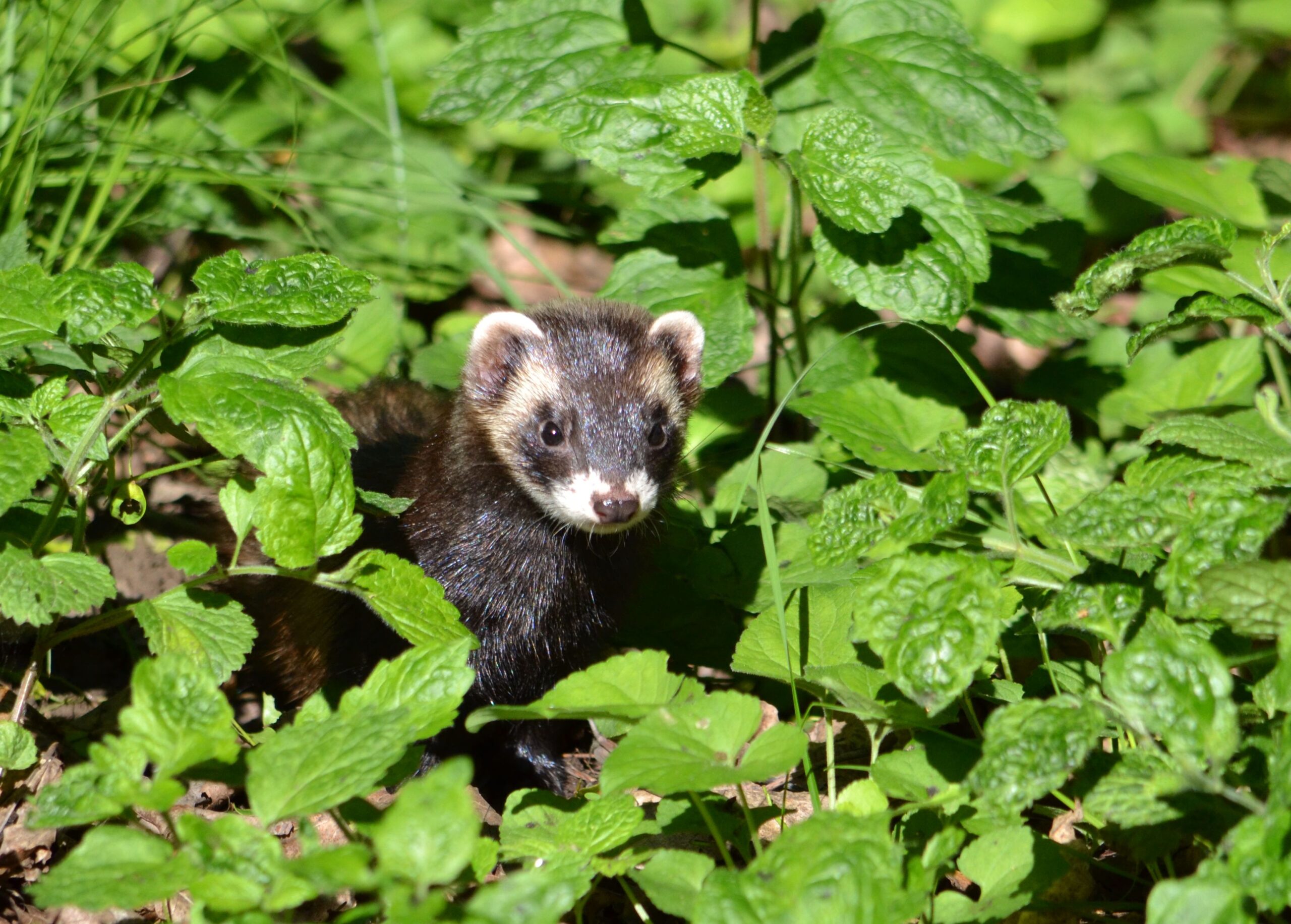 Photo Credit: Henderl / Wikimedia Commons
In the twilight of a European wetland, the European polecat, or Mustela putorius, emerges from its burrow, ready to explore the world under the cover of night. With its sleek, elongated body and striking dark fur, this small mammal is a master of stealth. Its white facial markings and bushy tail add to its charm, making it a captivating sight as it weaves through the tall grasses and reeds. The air is alive with the sounds of chirping crickets and rustling leaves, creating a perfect backdrop for this agile hunter, who is both curious and playful.
Scientists and nature enthusiasts alike are drawn to the European polecat for its intriguing behaviors and vital role in the ecosystem. As a carnivore, it helps keep populations of small mammals in check, ensuring a balanced environment. Its nocturnal lifestyle, marked by exploration and foraging, reveals a world of adaptability and survival. With keen senses and a playful demeanor, the European polecat embodies the spirit of the wild, reminding us of the delicate connections that exist within nature. As we delve deeper into the life of this fascinating creature, we uncover the secrets of its habitat, diet, and the important role it plays in the ecosystems it calls home.
The European polecat, known scientifically as Mustela putorius, occupies a distinctive place in the animal kingdom. As a member of the Mustelidae family, which includes weasels, otters, and badgers, this small mammal showcases a blend of agility and cunning. Its sleek body and sharp features are not just for show; they reflect its adaptations for a life of hunting and foraging. The polecat’s ability to thrive in diverse habitats—from woodlands to farmlands—highlights its versatility and resilience, making it a fascinating subject of study in the world of mammals.
| Taxonomic Rank | Scientific Name | Meaning & Significance |
|---|---|---|
| Kingdom | Animalia | This name signifies that the polecat is part of the vast group of multicellular organisms known as animals, which are characterized by their ability to move and respond to their environment. |
| Phylum | Chordata | Chordata means “having a notochord,” a flexible rod that supports the body. This feature is a key characteristic of all vertebrates, including the polecat. |
| Class | Mammalia | Mammalia refers to mammals, which are warm-blooded animals that have fur or hair and typically give live birth. The polecat’s fur helps it stay warm in various climates. |
| Order | Carnivora | Carnivora, meaning “meat-eaters,” includes animals that primarily consume meat. The polecat’s diet consists mainly of small mammals, birds, and insects, showcasing its predatory skills. |
| Family | Mustelidae | Mustelidae is the family of weasels, otters, and ferrets. The name is derived from the Latin word “mustela,” meaning “weasel,” highlighting the polecat’s close relatives. |
| Genus | Mustela | Mustela, also from Latin, translates to “weasel.” This genus includes several small, carnivorous mammals, emphasizing the polecat’s agile and stealthy nature. |
| Species | Mustela putorius | The species name “putorius” means “foul-smelling” in Latin, a nod to the strong odor that polecats can emit when threatened, a defense mechanism to deter predators. |
Understanding the European polecat’s classification reveals much about its evolutionary journey. As a member of the Carnivora order, it shares a lineage with other meat-eating mammals, showcasing adaptations that have allowed it to thrive as a predator. Its place within the Mustelidae family highlights its close relationship with other agile hunters, while the unique characteristics of its genus and species reflect specific adaptations to its environment. This intricate web of classification not only helps scientists understand the polecat’s biology but also illustrates the broader story of evolution and survival in the animal kingdom.
The evolutionary journey of the European polecat, or Mustela putorius, stretches back millions of years, intertwining with the history of the Mustelidae family. This family, which includes weasels, otters, and badgers, has adapted to various environments across the globe. The European polecat’s ancestors roamed the Earth during the late Miocene epoch, around 10 million years ago, when the climate was changing and habitats were diversifying.
The early ancestors of the European polecat were small, agile mammals that thrived in forested areas. Over time, they developed traits that allowed them to become more versatile hunters. One significant transition occurred when these ancestors began to adapt to a more carnivorous diet, leading to the evolution of sharper teeth and a more elongated body shape. This change enabled them to pursue and capture small prey more effectively. As they spread across Europe, they faced new challenges, prompting further adaptations to their environment, such as improved burrowing skills and a keen sense of smell for tracking down food.
The adaptations of the European polecat have been crucial for its survival in diverse environments. Its agility and keen sense of smell make it a formidable predator, while its thick fur and burrowing skills provide protection from the elements and predators alike. By being adaptable in its diet, the polecat can thrive in various habitats, ensuring its place in the intricate web of life across Europe. This evolutionary story highlights the resilience and ingenuity of nature, showcasing how species can evolve to meet the challenges of their surroundings.
The European polecat is a small but striking mammal that captures attention with its sleek body and playful demeanor. Typically measuring about five to six inches in height, it has a long, slender form that allows it to navigate through dense underbrush and burrows with ease. Weighing between two to three pounds, this agile creature is built for both speed and stealth, making it an adept hunter in its natural habitat. Its most eye-catching feature is the mask-like markings on its face, which give it a charming yet mysterious appearance, enhancing its allure in the wild.
| Feature | Description |
|---|---|
| Height | Five to six inches |
| Weight | Two to three pounds |
| Skin Type | Fur |
| Most Distinctive Feature | Mask-like face markings |
The combination of its compact size and striking facial markings serves several important purposes for the European polecat. The fur not only provides warmth but also helps it blend into its surroundings, offering camouflage from predators. Meanwhile, the mask-like markings may play a role in communication with other polecats, signaling mood or intent. Together, these features enhance its survival skills, allowing it to thrive in various environments while remaining a captivating part of the ecosystem.
The European polecat thrives in a variety of habitats that paint a picture of lush, vibrant ecosystems. Imagine wandering through wetlands and marshes, where the air is filled with the sounds of chirping birds and the gentle rustle of reeds swaying in the breeze. These areas are often dotted with shallow pools and rich vegetation, providing the perfect playground for this agile mammal. Coastal cliffs also serve as a dramatic backdrop, where the land meets the sea, offering both shelter and a diverse range of food sources.
The European polecat prefers climates that are mild and temperate, which means it enjoys moderate temperatures and a good amount of rainfall. These conditions help maintain the wetlands and marshes it calls home, ensuring that the water levels remain stable. The polecat is also adaptable, finding ways to thrive in various environments, from the lush greenery of riverbanks to the rugged terrain of coastal cliffs. It needs areas with plenty of cover, such as dense vegetation or burrows, to hide from predators and raise its young.
Adaptation is key to the European polecat’s success in these habitats. Its sleek body allows for agile movement through thick underbrush and water, while its keen sense of smell helps it locate food, such as small mammals and birds. The polecat’s fur, which is often dark brown with lighter patches, provides excellent camouflage among the reeds and grasses, making it less visible to both prey and predators. This clever creature has evolved to be a master of its environment, showcasing the beauty of nature’s design.
The European polecat leads a life filled with activity and curiosity. As a nocturnal animal, it begins its day when the sun sets, emerging from its burrow to explore the world around it. These agile creatures are known for their playful antics, often darting through underbrush and climbing over logs in search of food. Their diet mainly consists of small mammals, birds, and insects, which they hunt with stealth and precision. During the night, they engage in various behaviors, from foraging to marking their territory with scent, ensuring they leave their mark in the wild.
While European polecats are primarily solitary animals, they do exhibit interesting social behaviors, especially during the breeding season. Males and females come together to mate, and after a gestation period of about 40 days, females give birth to a litter of kits. Although they typically prefer to live alone, young polecats may stay with their mother for a short time before venturing out on their own. Communication among polecats is subtle yet effective, relying on a mix of vocalizations, body language, and scent marking to convey messages to one another.
| Behavior Type | Description |
|---|---|
| Activity Patterns | Nocturnal foraging, hunting small mammals, and exploring territory. |
| Social Structure | Primarily solitary, with temporary pairings during the breeding season. |
| Communication Methods | Vocalizations, body language, and scent marking to establish territory and attract mates. |
The behaviors of the European polecat are finely tuned to ensure their survival in the wild. By being active at night, they avoid many predators and can hunt more effectively. Their solitary nature allows them to be stealthy and resourceful, while their communication methods help them navigate their environment and find mates when the time is right. Each action they take is a part of a larger strategy to thrive in their diverse habitats, showcasing the intricate balance of life in the animal kingdom.
The European polecat is a carnivore, which means it primarily eats meat. This agile little hunter has a varied diet that includes rodents, rabbits, and even lizards. With its keen sense of smell and sharp eyesight, the polecat is well-equipped to locate its prey, often hunting at night when it is most active. It uses stealth and speed to sneak up on unsuspecting animals, making it a skilled predator in its environment.
| Dietary Aspect | Details |
|---|---|
| Diet Type | Carnivore |
| Favorite Foods | Rodents, rabbits, lizards |
| Prey Items | Common mice, voles, young rabbits, and small reptiles |
| Hunting/Foraging Strategies | Stealthy approach, nocturnal hunting, and using burrows for ambush |
The diet of the European polecat plays a crucial role in its ecology and daily routine. By preying on small mammals and reptiles, it helps control their populations, maintaining a balance in the ecosystem. This not only supports the health of its habitat but also influences the polecat’s behavior, as it must constantly adapt its hunting strategies to find food. As a nocturnal forager, the polecat’s nightly adventures are filled with excitement and challenge, showcasing the intricate dance of life in the wild.
The mating season for the European polecat typically occurs in late winter to early spring, around February to March. During this time, males become quite active, seeking out females to mate with. They engage in a variety of behaviors, including vocalizations and scent marking, to attract potential partners. Once a female is ready to mate, she will signal her receptiveness, and the pair will mate multiple times over a few days. This courtship is not just about reproduction; it also helps strengthen the bond between the pair.
| Reproductive Aspect | Details |
|---|---|
| Gestation Period | 42 days |
| Litter Size | Typically 4 to 6 kits |
| Age of Maturity | One year |
| Name of Young | Kit |
After the gestation period, the female gives birth to a litter of kits, usually in a hidden den lined with soft materials to keep them warm and safe. The kits are born blind and helpless, relying entirely on their mother for nourishment and protection. As they grow, the mother provides them with not just food but also essential lessons about survival. She teaches them how to hunt and navigate their environment. By the time they reach sexual maturity at one year old, these young polecats are ready to venture out on their own, continuing the cycle of life in the wild.
The European polecat plays a vital role in its ecosystem, acting as both predator and prey. Positioned in the middle of the food web, it helps control populations of small mammals like rodents and rabbits. However, this agile creature also faces numerous dangers that threaten its survival.
To defend itself against these threats, the European polecat has developed several clever survival strategies. When faced with danger, it can emit a strong-smelling musk, a pungent odor that deters many predators. Additionally, its agility and quick reflexes allow it to dart into burrows or dense vegetation, providing a safe escape route. By using these tactics, the polecat can navigate the challenges of its environment and continue to thrive in the wild.
A keystone species is an organism that has a disproportionately large impact on its environment relative to its abundance. This means that if it were removed, the ecosystem would change dramatically. The European polecat, or Mustela putorius, qualifies as a keystone species due to its role in controlling populations of small mammals and influencing the structure of its habitat.
The European polecat is a carnivore, which means it primarily feeds on meat. By preying on rodents and rabbits, it helps maintain a balance in these populations. If the polecat were to disappear, the number of these small mammals could explode, leading to overgrazing and depletion of vegetation. This, in turn, would affect other species that rely on those plants for food and shelter. The polecat’s hunting habits also create opportunities for other predators, as its presence can help maintain a diverse food web.
Additionally, the European polecat contributes to the health of its ecosystem by acting as a scavenger. When it catches prey, it often leaves behind remains that provide food for other animals, such as birds and insects. This recycling of nutrients is crucial for maintaining the balance of the ecosystem. Furthermore, the polecat’s burrowing behavior can aerate the soil, promoting plant growth and improving the overall health of the habitat.
If the European polecat were to vanish from its ecosystem, the consequences would be significant. Without this agile hunter, small mammal populations would likely surge, leading to overgrazing and habitat degradation. This could result in a decline in plant diversity, which would affect other species that depend on those plants for survival. The ripple effects would extend throughout the ecosystem, demonstrating just how vital the European polecat is to maintaining ecological balance.
The European polecat, or Mustela putorius, plays a crucial role in shaping its ecosystem, particularly in wetlands and marshes. As a carnivore, it helps maintain the balance of small mammal populations, which in turn affects the entire food web. By preying on rodents and rabbits, the polecat ensures that these populations do not explode, which could lead to overgrazing and habitat degradation. This balance is essential for the health of the ecosystems where it resides, making the polecat a key player in its environment.
| Ecosystem Service | Impact |
|---|---|
| Population Control | Regulates numbers of small mammals, preventing overpopulation. |
| Soil Health | Promotes healthy soil by controlling rodent populations that can damage vegetation. |
| Food Source | Serves as prey for larger predators, contributing to the food web. |
| Habitat Maintenance | Encourages biodiversity by maintaining balanced ecosystems. |
The influence of the European polecat extends beyond just its role as a predator. For instance, by keeping rodent populations in check, it helps protect the vegetation that these small mammals might otherwise overconsume. This, in turn, supports a variety of plant species, which provide habitat and food for other animals. Additionally, the polecat’s presence can attract larger predators, such as foxes and birds of prey, which rely on a balanced ecosystem to thrive. Each of these interactions highlights the interconnectedness of life in its habitat.
The broader ecological importance of the European polecat cannot be overstated. As a keystone species, its presence is vital for maintaining the health and stability of its ecosystem. If the polecat were to disappear, the ripple effects would be felt throughout the food web, leading to potential declines in biodiversity and habitat quality. By understanding and protecting this small but mighty mammal, we can help ensure the resilience of the ecosystems it inhabits, preserving the intricate balance of nature for generations to come.
In the intricate web of life, symbiosis refers to the close and often long-term interactions between different species. These relationships can take many forms, including mutualism, where both species benefit, parasitism, where one benefits at the expense of the other, and commensalism, where one benefits while the other is neither helped nor harmed. The European polecat, a clever and agile carnivore, engages in various ecological relationships that highlight the interconnectedness of nature. Understanding these partnerships not only reveals the polecat’s role in its ecosystem but also showcases the delicate balance that sustains life.
| Species/Type | Relationship Type | Description |
|---|---|---|
| Rodents | Predator-Prey | The European polecat preys on rodents, helping to control their populations and maintain ecological balance. |
| Birds of Prey | Commensal | When polecats disturb the underbrush while hunting, they may inadvertently flush out small animals, making it easier for birds of prey to catch their meals. |
| Parasites (like fleas) | Parasitic | Fleas and other parasites can live on the polecat, benefiting from its body while potentially harming its health. |
The evolution of these relationships is a testament to the adaptability of species like the European polecat. Over time, these interactions have shaped their behaviors and survival strategies. For instance, by preying on rodents, polecats help keep these populations in check, which in turn supports the health of their habitat. Meanwhile, the presence of parasites, while detrimental, is a natural part of life that many animals must navigate. Each relationship, whether beneficial or harmful, plays a role in the broader ecosystem, illustrating how interconnected all living things truly are.
The European polecat is a captivating creature that often goes unnoticed in the wild. With its playful nature and intriguing behaviors, this small mammal has much to teach us about the ecosystems it inhabits.
The European polecat, or Mustela putorius, has a long and storied relationship with humanity that dates back centuries. In various cultures, this small mammal has been both revered and reviled. Historically, polecats were often associated with witchcraft and superstition, leading to their portrayal as sinister creatures in folklore. However, they also held a place in the hearts of many as skilled hunters, particularly in the art of ferreting. This practice involved using domesticated ferrets to flush out game, showcasing the polecat’s agility and hunting prowess. As a result, the European polecat has woven itself into the tapestry of human culture, symbolizing both mystery and utility.
Today, the interactions between European polecats and humans are complex and multifaceted. While some people appreciate their role in controlling rodent populations, others view them as pests, especially in agricultural areas where they may raid poultry or small livestock. Conservation efforts are underway in various regions to protect their habitats and ensure their survival, as urbanization and habitat loss pose significant threats. Interestingly, the domestication of ferrets, which are closely related to polecats, has created a unique bond between humans and these animals, leading to a growing interest in their care and behavior as pets.
As we look to the future, the relationship between European polecats and humanity is poised for evolution. With increasing awareness of biodiversity and the importance of ecosystems, there is hope for a more harmonious coexistence. By understanding the ecological role of polecats and addressing the challenges they face, we can foster a relationship that respects both wildlife and agricultural needs. This balance will not only benefit the polecats but also enrich our own lives as we learn to appreciate the intricate connections that bind us to the natural world.
The European polecat, known scientifically as Mustela putorius, currently holds a conservation status of “Least Concern” according to the International Union for Conservation of Nature (IUCN). This means that, at present, the species is not facing an immediate threat of extinction. Population trends indicate that while some local populations may be declining, the overall numbers of European polecats remain stable across their range in Europe. This resilience is a positive sign, but it is essential to keep monitoring their status to ensure they continue to thrive.
| Conservation Factor | Status/Details |
|---|---|
| IUCN Status | Least Concern |
| Population Estimates | Stable, with local variations |
| Trend Direction | Stable overall, some local declines |
The European polecat faces several threats that could impact its future. Habitat loss is a significant concern, as wetlands and marshes are drained for agriculture and urban development. Additionally, road traffic poses a danger, as these animals often cross roads in search of food or mates. Hunting and trapping, although regulated in many areas, can also affect local populations. These challenges highlight the need for ongoing conservation efforts to protect their habitats and ensure safe passage across landscapes.
Conservation initiatives are underway to safeguard the European polecat’s future. Efforts include habitat restoration projects that aim to preserve and enhance wetland areas, which are crucial for their survival. Public awareness campaigns help educate communities about the importance of this species and the role it plays in the ecosystem. With continued support and effective management, the outlook for the European polecat remains hopeful, allowing this charming mammal to continue its playful existence in the wild.
| Question | Answer |
|---|---|
| What is the habitat of the European Polecat? | The European Polecat prefers wetlands, marshes, and coastal cliffs. These areas provide plenty of cover and access to water, which is essential for their hunting and living needs. |
| What does the European Polecat eat? | This animal is a carnivore, meaning it primarily eats meat. Its diet includes small mammals, birds, and even amphibians, showcasing its adaptability as a hunter. |
| How does the European Polecat behave? | European Polecats are mostly nocturnal, which means they are active at night. They are known for their playful nature and can often be seen frolicking and exploring their surroundings. |
| How do European Polecats reproduce? | During the breeding season, which typically occurs in late winter, female polecats give birth to a litter of kits after a gestation period of about 6 weeks. The kits are born blind and rely on their mother for warmth and food until they are old enough to venture out. |
| What threats do European Polecats face? | While the European Polecat is currently listed as Least Concern, it still faces threats from habitat loss and road traffic. Additionally, they can be affected by hunting and trapping in some areas. |
| What is a distinctive feature of the European Polecat? | One of the most distinctive features of the European Polecat is its mask-like face markings. These dark markings around their eyes give them a unique appearance that helps them stand out in the wild. |
| Are European Polecats social animals? | European Polecats are generally solitary creatures, but they can be found in small family groups, especially during the breeding season. They communicate with each other through a variety of sounds and scents. |