Taxonomy & Classification
- Kingdom
- Animalia
- Phylum
- Chordata
- Class
- Mammalia
- Order
- Tubulidentata
- Family
- Orycteropodidae
- Genus
- Orycteropus
- Species
- Orycteropus afer

 Photo Credit: Deposit Photos
In the warm twilight of the African savanna, the aardvark (Orycteropus afer) emerges from its burrow, ready for a night of adventure. With its long, pig-like snout and large, sensitive ears, this curious animal is often called the “antbear” because of its insatiable appetite for ants and termites. As the sun sets over the horizon, painting the sky in hues of orange and pink, the aardvark uses its keen sense of smell to sniff out the hidden treasures beneath the soil—tiny insects just waiting to be discovered. The aardvark’s powerful claws dig effortlessly into the ground, creating tunnels that not only serve as its home but also help aerate the earth, making it easier for plants to grow. This unique mammal, often dubbed the “earth pig” due to its burrowing habits and stout body, has captivated scientists and nature lovers alike. They marvel at how the aardvark manages to thrive in the harsh environments of Africa, with its thick skin protecting it from the sun and its specialized diet allowing it to survive where few others can. Join us as we delve deeper into the intriguing world of the aardvark, exploring its lifestyle, habits, and the vital role it plays in its ecosystem.
In the grand tapestry of life, the aardvark holds a peculiar and distinctive position, nestled within the animal kingdom’s intricate hierarchy. This remarkable mammal is a member of the phylum Chordata, which includes all animals with a backbone, and it belongs to the class Mammalia, the warm-blooded group that nurtures its young with milk. What makes the aardvark especially interesting is its placement in the order Tubulidentata – a classification that is unique to this animal alone. This order name, derived from Latin, translates to “tube teeth,” aptly describing the aardvark’s specialized, tube-shaped teeth that serve it well in its nightly foraging for ants and termites. With its long snout, large ears, and powerful claws, the aardvark is not just another face in the wild; it is a fascinating testament to nature’s ability to craft life in the most astonishing forms.
| Taxonomic Rank | Scientific Name | Meaning & Significance |
|---|---|---|
| Kingdom | Animalia | This term refers to all animals, emphasizing the aardvark’s place among living organisms that share the ability to move, consume organic material, and respond to their environment. |
| Phylum | Chordata | The name “Chordata” comes from the Latin word for “cord,” referring to the notochord, a flexible rod that supports the body. This indicates that aardvarks possess a backbone, a common feature in many animals. |
| Class | Mammalia | Derived from the Latin “mamma,” meaning “breast,” this class highlights the aardvark’s ability to nurse its young, a defining characteristic of mammals. |
| Order | Tubulidentata | This name translates to “tube teeth,” directly referencing the aardvark’s unique teeth structure, which is perfectly adapted for its diet of ants and termites. |
| Family | Orycteropodidae | Meaning “earth foot,” this family name reflects the aardvark’s strong, digging feet, which are essential for burrowing into the ground to find its favorite snacks. |
| Genus | Orycteropus | This genus name combines Greek words that mean “digging foot,” an apt description of the aardvark’s adaptations for a life spent excavating its food. |
As we unravel the aardvark’s taxonomic classification, there are some amazing facts about its evolutionary history, revealing a lineage that has adapted remarkably to its environment. Unlike many mammals, the aardvark’s solitary existence and specialized diet highlight its unique evolutionary path, setting it apart from other members of the mammalian class.
The story of the aardvark begins millions of years ago, in the distant past when the world looked very different than it does today. Aardvarks belong to a diverse group of mammals known as the Afrotheria, which also includes elephants and manatees. This extraordinary lineage emerged around 100 million years ago during the age of dinosaurs, but it was not until around 50 million years ago, after the dinosaurs had vanished, that the ancestors of the aardvark began to carve out their niche in the sprawling African landscapes. These early ancestors of the aardvark were small, insectivorous mammals that thrived in the lush environments of ancient Africa. Over time, as the climate shifted and habitats transformed into the arid savannas we recognize today, these mammals adapted in astounding ways.
One of the most significant transitions occurred as they developed long, powerful snouts, perfectly suited for sniffing out ants and termites hidden deep within the earth. Their robust limbs evolved to be strong and sturdy, allowing them to dig extensive burrows that provided shelter and protection from predators. As these changes unfolded, the aardvark’s diet became specialized, focusing primarily on insects, which were plentiful and offered a rich source of nourishment. This dietary shift helped them survive in a changing world where competition for resources was fierce.
These remarkable adaptations have allowed the aardvark to thrive in its environment for millions of years. By evolving a specialized diet, powerful digging abilities, and unique features that protect it from the elements, the aardvark has become a master of survival. As it roams the African night, rummaging through the earth in search of its favorite meal, this incredible mammal continues to embody the resilience of life, showcasing how adaptation can pave the way for survival in a world of constant change.
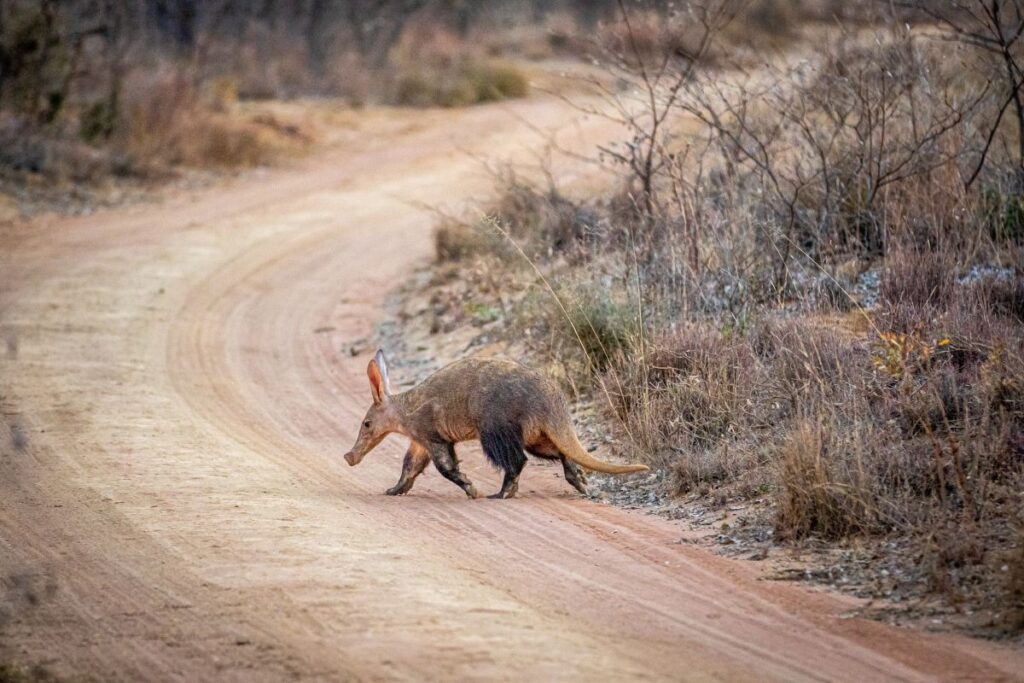
In the enchanting twilight of Africa’s savannas, the aardvark stands out with its quirky yet captivating appearance. This nocturnal mammal boasts a sturdy, elongated body that is perfectly adapted for burrowing into the earth in search of delectable ants and termites. Its skin, covered in a fine layer of hair, can appear a shade of dusty brown that helps it blend with the surroundings, creating a camouflage that is essential for its survival. The aardvark’s most striking features are its elongated snout and large, rabbit-like ears that whisk through the warm evening air, listening intently for the faintest sounds of its prey. With a weight ranging from 60 to 80 kilograms, or about 130 to 180 pounds, this creature carries a robust presence, yet its nimble legs allow it to dig and maneuver with surprising agility.
| Feature | Description |
|---|---|
| Weight | 60kg – 80kg (130lbs – 180lbs) |
| Skin Type | Hair |
| Most Distinctive Feature | Long, sticky tongue and rabbit-like ears |
These fascinating physical characteristics not only make the aardvark an intriguing sight but also serve vital purposes for its survival. Its long, sticky tongue is a remarkable tool, perfectly designed to slurp up ants and termites from their hidden tunnels in the ground. Meanwhile, those oversized ears are more than just a quirky fashion statement; they are finely tuned to detect the faintest rustle of insects or the distant sounds of potential predators. Together, this extraordinary ensemble equips the aardvark to thrive in its environment, transforming it into a master of its nocturnal domain, ever ready to unearth hidden treasures beneath the soil.
In the heart of sub-Saharan Africa, the aardvark finds its sanctuary amidst the dry, open landscapes that stretch as far as the eye can see. Picture vast savannas adorned with golden grasses swaying gently in the warm breeze, dotted with acacia trees that offer shade from the relentless sun. Here, the ground is a patchwork of sandy and clay soils, creating the perfect canvas for this extraordinary animal to dig its burrows. As dusk descends, the landscape transforms into a magical realm, where the aardvark emerges under the soft glow of the moon, ready to embark on its nightly adventures in search of food. The aardvark’s home can be found in various regions across sub-Saharan Africa, including:
To thrive in its chosen habitat, the aardvark requires specific environmental conditions. It prefers areas with sandy and clay-rich soils, which are not only easy to dig but also provide a refuge from the harsh midday sun. The climate in these regions can be quite varied, with hot, dry seasons followed by cooler, wetter periods. Aardvarks are well-suited to endure these fluctuations, as they can survive on minimal water by extracting moisture from the ants and termites they consume. Remarkably, the aardvark possesses a range of adaptations that make it a true master of its environment. Its long, powerful claws are perfect for digging deep into the ground, allowing it to create extensive burrows that offer shelter from predators and the elements. The aardvark’s keen sense of smell helps it locate its primary food sources—ants and termites—hidden beneath the soil. With its tough, leathery skin and ability to tolerate heat, this extraordinary mammal has seamlessly blended into the diverse ecosystems of Africa, showcasing the wonders of evolution in action.
As the sun dips below the horizon, casting a warm golden hue across the African landscape, the aardvark begins its nightly adventures. This nocturnal wonder awakens from its slumber, stretching its long body before setting out into the cool evening air. With its keen sense of smell, the aardvark sniffs the ground, searching for the tantalizing aroma of ants and termites, its favorite feast. Using its powerful claws, it digs into the earth, creating a flurry of dust as it uncovers hidden treasures beneath the surface. The aardvark’s long, sticky tongue extends to capture its slippery meal, allowing it to consume thousands of insects in a single night. After feasting, this remarkable mammal might wander to a nearby burrow to rest, ensuring it stays safe from predators until the next night’s escapade. Unlike many of its fellow mammals, the aardvark leads a solitary life.
These fascinating animals are not social creatures; they prefer to roam the African plains alone, exploring the vast terrain without the need for companionship. Each aardvark has its own territory, which it marks with its scent to signal to others that this area is claimed. While they may cross paths occasionally, especially during mating season, their interactions are brief and often involve a quick exchange of scents. Communication relies heavily on olfactory signals rather than vocalizations, as aardvarks are largely silent. Their independent lifestyle allows them to focus on their primary goal: foraging for food and avoiding potential threats while navigating the shadows of their environment.
| Behavior Type | Description |
|---|---|
| Activity Patterns | Aardvarks are nocturnal, meaning they are active during the night. They spend their evenings foraging for ants and termites, using their keen sense of smell to locate their food. |
| Social Structure | Aardvarks are solitary animals, each maintaining its own territory. They do not form social groups and prefer to live alone, only interacting with others during mating season. |
| Communication Methods | These animals communicate primarily through scent marking, leaving signals for others to understand which areas are claimed and to convey their presence. |
The aardvark’s solitary behaviors and unique foraging techniques play a crucial role in its survival in the wild. By avoiding the company of others, it minimizes competition for food, allowing it to thrive in the arid landscapes of sub-Saharan Africa. Its ability to forage effectively during the night also helps it avoid larger predators that hunt during the day. With powerful digging skills and a specialized diet focused on ants and termites, the aardvark has adapted perfectly to its environment, ensuring that it continues to thrive in the dance of life beneath the African stars.
The aardvark has a rather special taste when it comes to food, primarily indulging in a diet rich with ants and termites. These nocturnal foragers possess a keen sense of smell that guides them through the darkness, helping them locate hidden colonies of their favorite delicacies. With its long, sticky tongue, the aardvark is exceptionally equipped to extract these tiny creatures from their underground homes. It deftly digs into the earth using its powerful claws, creating a perfect entryway to feast on the protein-packed morsels that lie within.
| Dietary Aspect | Details |
|---|---|
| Diet Type | Omnivore |
| Favorite Foods | Termites and ants |
| Prey Items | Primarily insects, especially termites and ants |
| Hunting/Foraging Strategies | Utilizes keen sense of smell to locate colonies and digs with strong claws |
This specialized diet plays a vital role in the ecology of the aardvark, influencing its daily rhythm and habitat use. By consuming vast quantities of ants and termites, these remarkable mammals help regulate insect populations, maintaining a healthy balance within their ecosystem. Their foraging activities also aerate the soil, promoting nutrient cycling that benefits a variety of plants and animals. As they dig and feed, aardvarks not only nourish themselves but also contribute to the intricate web of life that flourishes in the African landscape. This fascinating dance of feeding and ecology showcases the interconnectedness of all living things, reminding us of the delicate balance that sustains our natural world.
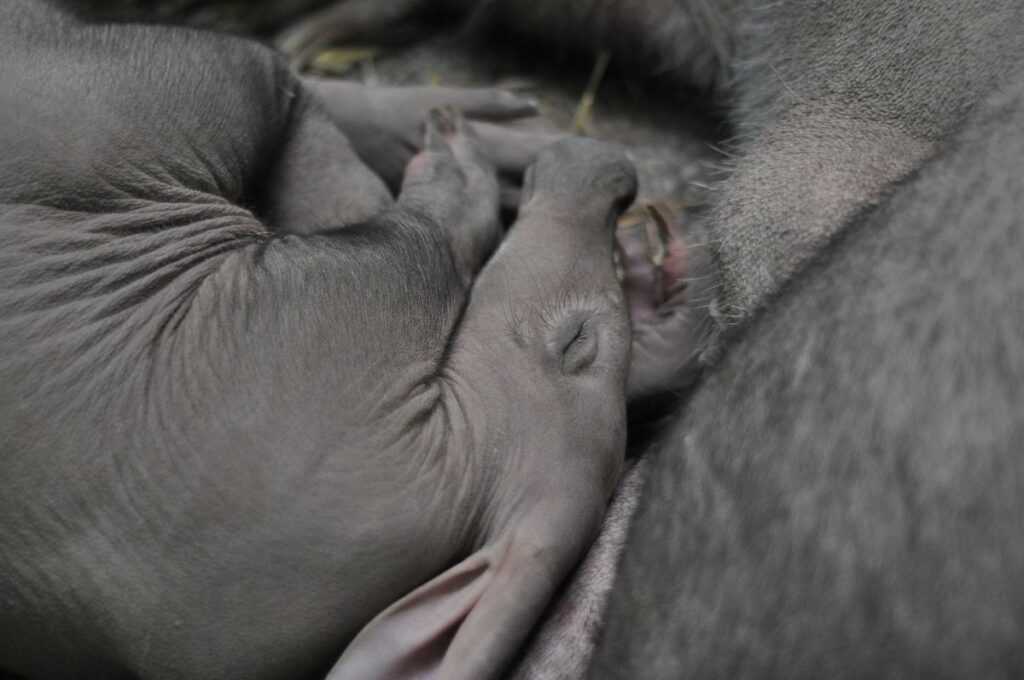
As the warm African sun sinks below the horizon and the sky transforms into a canvas of stars, aardvarks engage in a delightful dance of courtship. Mating season usually occurs during the rainy months, when food is plentiful and the moonlight casts a silvery glow on the savanna. Male aardvarks, with their keen sense of smell, seek out females to engage in a series of playful interactions. These nocturnal mammals communicate through gentle snorts and grunts, establishing bonds that will lead to the creation of a new generation. Once the time is right, the female embarks on a remarkable journey of motherhood.
| Reproductive Aspect | Details |
|---|---|
| Gestation Period | 7 months |
| Average Litter Size | 1 |
| Age of Sexual Maturity | 2 years |
| Name of Young | Cub |
Once the cub is born, it begins its journey of growth under the watchful eyes of its mother. These adorable little ones are initially blind and completely dependent on their parent for survival. The mother aardvark fiercely protects her cub, often digging elaborate burrows to keep them safe and warm. As weeks pass, the cub begins to explore the world beyond the den, learning the essential skills needed to thrive in the wild. With a nose for ants and a heart full of curiosity, the young aardvark eventually matures into an independent adult by the age of two, ready to embark on its own adventures in the enchanting African landscape.
In the intricate web of life that spans the African savannas, the aardvark occupies a unique position. As a nocturnal forager, this intriguing mammal plays an essential role in its ecosystem by controlling insect populations, particularly ants and termites. However, the aardvark is not solely a solitary wanderer; it finds itself part of a larger food web where it faces various dangers. While it contributes significantly to the balance of its environment, it also must be vigilant against those who view it as a potential meal.
Despite these looming threats, the aardvark possesses a set of remarkable defensive behaviors that enhance its chances of survival. When faced with danger, this clever creature can dig swiftly into the ground, using its strong claws to burrow into the earth, creating a safe refuge from predators. In addition, its keen sense of smell and acute hearing allow it to detect danger long before it approaches, giving it the opportunity to flee to safety. By utilizing its natural instincts and physical adaptations, the aardvark continues to navigate the challenges of its environment, showcasing the resilience of life in the wild.
In the intricate web of nature, some species hold a position so vital that their presence influences the entire ecosystem around them. These are known as keystone species. A keystone species is like the cornerstone of a building; without it, the structure can collapse. The aardvark, with its unique habits and dietary preferences, plays a significant role in its environment, particularly in the sandy and clay soils of sub-Saharan Africa. But does this nocturnal mammal qualify as a keystone species? The evidence suggests that it does, as its activities create ripple effects that support many other forms of life. Aardvarks are solitary foragers, primarily feasting on ants and termites. But their impact goes far beyond their diet. As these animals dig for their preferred meals, they aerate the soil, allowing oxygen and water to penetrate deeper layers.
This natural tilling process encourages the growth of plants, which in turn provides food and habitat for various organisms. Additionally, the abandoned burrows of aardvarks become cozy homes for other animals, such as small mammals and reptiles. These burrows serve as safe havens from predators and harsh weather, enhancing biodiversity in their surroundings. Furthermore, aardvarks’ foraging habits help regulate ant and termite populations. If left unchecked, these insects could overpopulate, leading to the destruction of local vegetation. By keeping their numbers in balance, aardvarks contribute to a healthy ecosystem where plants can thrive, thereby supporting a multitude of other wildlife that depend on those plants for survival. In this way, their role extends well beyond merely being a food source; they are essential architects of their habitat.
If aardvarks were to vanish from their habitat, the consequences would be profound. The balance of the ecosystem would be disrupted; ant and termite populations could surge uncontrollably, leading to widespread destruction of vegetation. This, in turn, would affect countless other species that rely on those plants for food and shelter. The intricate relationships within the ecosystem would begin to unravel, causing a decline in biodiversity and the health of the environment. Thus, the aardvark, though perhaps unassuming in appearance, plays a vital role in maintaining the delicate balance of life in its world.
The aardvark, an enigmatic dweller of the African night, plays a vital role in its ecosystem, serving as a keystone species that influences numerous other forms of life. With its sturdy body and specialized adaptations, this nocturnal mammal burrows into sandy and clay soils, searching for its favorite delicacies—ants and termites. As it forages, the aardvark not only satisfies its own hunger but also reshapes the landscape, creating a dynamic environment that supports a multitude of other organisms. Its activities have far-reaching effects, ensuring the balance and health of the habitats it roams.
| Ecosystem Service | Impact |
|---|---|
| Soil Aeration | By digging and burrowing, aardvarks loosen the soil, allowing air and water to penetrate deeper, which benefits plant roots. |
| Prey Regulation | As avid hunters of ants and termites, aardvarks help control the populations of these insects, preventing them from overwhelming the ecosystem. |
| Habitat Creation | The burrows created by aardvarks provide shelter for various small animals, including reptiles and rodents, contributing to biodiversity. |
| Nutrient Cycling | As aardvarks consume insects and later excrete waste, they help return nutrients to the soil, enriching it for future plant growth. |
The impact of aardvarks on their environment is profound and multi-layered. Their burrowing activities create a network of tunnels beneath the earth, which can be inhabited by smaller creatures seeking refuge from predators or harsh weather. For instance, after an aardvark has feasted on a colony of ants, its abandoned burrows may serve as cozy homes for critters like bush babies or meerkats, allowing these animals to thrive. Moreover, the aardvark’s foraging habits not only regulate ant and termite populations but also promote healthier plant growth by aerating the soil, ensuring that nutrients are more accessible for vegetation to flourish. In the grand tapestry of the African savanna, the aardvark stands as a pivotal player, its presence resonating through the interconnected web of life. By shaping the soil and influencing insect populations, this nocturnal forager fosters biodiversity, allowing a variety of species to coexist in harmony. Without the aardvark, the delicate balance of its ecosystem might falter, highlighting the importance of each creature, no matter how seemingly small or unassuming. In every burrow it digs and every ant it consumes, the aardvark reminds us of the intricate dance of life and the vital roles that all species play in sustaining the natural world.
In the intricate and vibrant web of natural life, animals often form relationships that benefit each other in various ways. These interactions can be classified into three main types: mutualism, where both species gain advantages; commensalism, where one benefits while the other remains unaffected; and parasitism, where one organism harms another to live off it. Each of these partnerships is a testament to the incredible adaptability and interconnectedness of nature, showcasing how species depend on one another for survival and success.
| Species/Type | Relationship Type | Description |
|---|---|---|
| Termites | Mutualistic | Aardvarks feast on termites, controlling their population, while the termites benefit from the natural aeration of their mounds as aardvarks dig. |
| Birds (such as oxpeckers) | Commensal | While aardvarks dig for food, birds may follow, eating any insects disturbed by their movements, gaining a meal without affecting the aardvark. |
| Parasites (like ticks) | Parasitic | Some external parasites, such as ticks, feed on aardvarks’ blood, harming the aardvarks while benefiting from their nutrients. |
These relationships have evolved over countless generations, illustrating the dynamic balance of ecosystems. The aardvark’s connection with termites demonstrates a perfect example of mutualism, where both thrive together, while its association with birds highlights the benefits of commensalism, showcasing nature’s cleverness in ensuring survival. However, the presence of parasites serves as a reminder that not all interactions are beneficial. Each of these relationships plays a crucial role in shaping the aardvark’s life and the environment it inhabits, reflecting the beautiful complexity of life on our planet.
In the realm of Africa’s captivating wildlife, aardvarks stand out as intriguing nocturnal marvels that often remain shrouded in mystery. With their unusual features and remarkable behaviors, these creatures inspire wonder and curiosity among nature enthusiasts of all ages. One astonishing aspect of the aardvark is its extraordinary tongue, which can reach an impressive length of up to 12 inches! This long, sticky appendage is perfectly designed for its diet, allowing the aardvark to slurp up ants and termites with incredible efficiency. Imagine a tongue so adept at catching tiny insects that it can consume thousands in just a single night! Another surprising fact about aardvarks is their keen sense of smell, which rivals that of many predators.
This remarkable ability enables them to detect food hidden deep within underground tunnels. Their sensitive noses not only guide them to a feast of ants and termites but also help them avoid potential dangers lurking in the shadows. Aardvarks are also known for their impressive digging skills. With powerful front legs and sharp claws, they can excavate vast burrows that provide both shelter and a place to find food. Some aardvark burrows can be quite expansive, reaching depths of up to 10 feet! These elaborate tunnels serve as safe havens from predators and extreme weather, showcasing the aardvark’s ingenuity in adapting to its environment. When it comes to communication, aardvarks have a unique way of expressing themselves. They produce a range of sounds, including grunts and snorts, to convey various messages to one another.
This vocal repertoire helps them maintain social bonds and alert each other to potential threats, demonstrating that even these solitary creatures have a rich inner life. Interestingly, aardvarks are the only surviving members of their order, known as Tubulidentata, which translates to “tube teeth.” This fascinating classification highlights the aardvark’s distinct evolutionary path, setting it apart from other mammals. As the last of its kind, the aardvark carries a unique legacy, reminding us of the diverse tapestry of life on Earth.
Lastly, aardvarks play an essential role in their ecosystems as they aerate the soil while digging for food. Their burrowing activities help create pathways for other animals and allow water to penetrate the ground more effectively. By doing so, aardvarks contribute to the health of their environment, proving that even the most unassuming creatures can have a significant impact on the world around them.
Throughout history, the aardvark has danced on the fringes of human awareness, often being viewed as an emblem of the wild African landscape. Ancient cultures, including those of the indigenous peoples of southern Africa, recognized this nocturnal mammal’s distinctive features and behaviors. They wove tales of the aardvark into their folklore, attributing various meanings and significance to its life. In some communities, its burrowing habits were seen as symbols of resilience, while in others, it represented the mysteries of the night. Its name, derived from the Afrikaans and Dutch words meaning “earth pig,” reflects the creature’s unique role in the natural world, particularly in its relationship with the soil and the underground world of insects. In the present day, the relationship between aardvarks and humanity has evolved, marked by a mix of conservation efforts and challenges. As deforestation and habitat loss threaten the aardvark’s existence, conservationists are stepping in to protect this fascinating species and the ecosystems it supports. Sadly, conflicts also arise; as agriculture expands, aardvarks can come into conflict with farmers, who may view them as pests due to their digging habits. Despite being wild animals, aardvarks are sometimes observed in close proximity to human settlements, drawn by the availability of food sources like ants and termites found in gardens. This complex interaction highlights the need for coexistence strategies that promote understanding and respect for this remarkable creature.
Looking ahead, the future of the aardvark and its relationship with humans hangs in a delicate balance. As awareness of biodiversity and the importance of preserving natural habitats grows, opportunities for positive interactions abound. Increased education can foster appreciation for the aardvark’s unique ecological role, encouraging communities to embrace coexistence rather than conflict. By prioritizing sustainable practices and habitat protection, humanity can ensure that this extraordinary nocturnal mammal continues to thrive in the wild. Together, we can nurture a harmonious relationship, celebrating the aardvark not just as a fascinating part of Africa’s wildlife but as a vital thread in the intricate tapestry of life on Earth.
The aardvark, a nocturnal marvel of the African savannas, currently enjoys a conservation status of “Least Concern” according to the International Union for Conservation of Nature (IUCN). This means that, for now, aardvarks are not facing immediate threats of extinction. However, precise population estimates remain elusive, as these animals are often secretive and elusive, making it challenging for researchers to gather concrete data on their numbers. While the aardvark population is not declining at a concerning rate, ongoing monitoring is crucial to ensure that their habitats remain protected and that they continue to thrive in their natural environments.
| Conservation Factor | Status/Details |
|---|---|
| IUCN Status | Least Concern |
| Estimated Population Size | Unknown |
| Population Trend | Stable |
Despite their current stable status, aardvarks face a variety of threats that could impact their future. Habitat loss is one of the primary concerns, as the expansion of agriculture and urban development encroaches on the vast savannas they call home. Additionally, the use of pesticides in farming can reduce the availability of ants and termites, which are essential to the aardvark’s diet. As these nocturnal foragers struggle to find food, their populations could become vulnerable. Moreover, human-wildlife conflict, particularly in areas where aardvarks are seen as pests by farmers, also poses a risk to their survival. Fortunately, conservation efforts are underway to safeguard the aardvark’s future. Various organizations and wildlife agencies are working diligently to protect their habitats and promote awareness of the importance of this fascinating mammal. By educating local communities about the ecological role that aardvarks play—especially in controlling insect populations—conservationists hope to foster a more harmonious relationship between humans and wildlife. With continued efforts and support, the outlook for aardvarks remains optimistic, allowing these enchanting creatures to continue their nightly foraging beneath the starry African sky.
Here are some of the most asked questions about Aardvarks and answers to those questions.
| Question | Answer |
|---|---|
| What is an aardvark's habitat like? | Aardvarks live in a variety of environments, but they prefer areas with sandy or clay soils. These soils make it easier for them to dig burrows, which they use for shelter and protection from predators. |
| What do aardvarks eat? | Aardvarks are omnivores, meaning they eat a variety of foods. Their favorite meal is ants and termites, which they catch using their long, sticky tongues that can reach up to 12 inches long! |
| How do aardvarks behave in the wild? | Aardvarks are mostly nocturnal, meaning they are active at night. They are solitary animals, often spending their nights searching for food and digging in the ground. |
| How do aardvarks reproduce? | Aardvarks typically mate during the rainy season, which is when food is plentiful. After a gestation period of about seven months, a female aardvark gives birth to a single cub, which she cares for in a burrow. |
| What threats do aardvarks face? | While aardvarks are currently classified as Least Concern, they do face threats like habitat loss due to agricultural expansion and human development. They can also fall prey to larger carnivores, like lions and hyenas. |
| What is the most distinctive feature of an aardvark? | The aardvark's most distinctive feature is its long, sticky tongue, which helps it capture ants and termites. It also has large, rabbit-like ears that can pick up sounds from far away, alerting it to potential dangers. |
| Can aardvarks see well? | Aardvarks have fairly poor eyesight, which is why their other senses are so well developed. They rely on their keen sense of smell and hearing to navigate their environment and find food. |