Taxonomy & Classification
- Kingdom
- Animalia
- Phylum
- Chordata
- Class
- Mammalia
- Order
- Carnivora
- Family
- Hyaenidae
- Genus
- Proteles
- Species
- Proteles cristata

 Photo Credit: Slowmotiongli on Deposit Photos
In the sun-soaked savannas of Africa, where the golden grass sways gently in the breeze, a curious animal roams the night—meet the aardwolf, or *Proteles cristatus*. With its slender body, long legs, and striking black stripes that run down its back, this nocturnal marvel is a member of the hyena family, though it has a diet that sets it apart. Unlike its larger relatives that are known for hunting, the aardwolf has a special talent for feasting on termites, those tiny insects that form vast underground colonies. Imagine a creature that can consume up to 300,000 termites in a single night, using its sticky tongue to pull them from their tunnels. It’s no wonder scientists and nature lovers alike are enchanted by this lesser-known animal, as it plays a crucial role in controlling insect populations.
As dusk falls, the aardwolf emerges from its burrow, a cozy home it digs in the sandy soil. With large, rounded ears that can hear the faintest sounds, it listens intently for the rustling of termites beneath the surface. Its keen senses guide it through the dark, where it navigates the landscape with a graceful yet stealthy gait. The aardwolf’s unique adaptations, such as its elongated snout and specialized teeth, make it perfectly suited for its diet, and it’s this blend of physical traits and behaviors that captivates researchers. By studying the aardwolf, we not only learn about the delicate balance of ecosystems but also gain insight into the wonders of evolution and survival in the wild. So, step into the world of the aardwolf, where nature’s mysteries unfold under the blanket of night.
In the intricate tapestry of the animal kingdom, the aardwolf holds a captivating position. It’s classified within the Hyaenidae family, which also includes the more well-known hyenas. However, unlike its raucous relatives, the aardwolf, scientifically named *Proteles cristatus*, is a gentle nighttime forager that primarily dines on termites. This diet sets it apart as a specialized insectivore, showcasing a unique adaptation in the world of Carnivora, the order that typically includes meat-eating mammals. Its slender shape and distinctive striped coat not only make it visually striking but also perfectly suited for its nocturnal lifestyle in the African grasslands.
| Taxonomic Rank | Scientific Name | Meaning & Significance |
|---|---|---|
| Kingdom | Animalia | This name comes from the Latin word for “animal,” highlighting its classification as a multicellular organism that can move and respond to its environment. |
| Phylum | Chordata | Derived from the Greek word “chordē,” meaning “string,” this term refers to animals with a backbone, which includes the aardwolf and its relatives. |
| Class | Mammalia | This term comes from the Latin word “mamma,” meaning “breast,” signifying that mammals nourish their young with milk. |
| Order | Carnivora | From the Latin “carnivorus,” meaning “meat-eating,” this classification reflects the order’s generally predatory nature, even though aardwolves focus on insects. |
| Family | Hyaenidae | This name stems from “hyena,” a term that highlights the close relationship between aardwolves and true hyenas, despite their different diets. |
| Genus | Proteles | Derived from the Greek “pro” meaning “before” and “teles” meaning “completion,” this name suggests an early form of the hyena lineage, reflecting its unique evolutionary path. |
| Species | cristatus | This Latin term translates to “crested,” referring to the aardwolf’s distinctive mane, which can be raised when it feels threatened. |
Understanding where the aardwolf sits in the tree of life not only reveals its anatomical and behavioral traits but also tells a story of evolution. Its classification within the Hyaenidae family indicates a shared ancestry with hyenas, yet its insect-eating habits showcase a fascinating divergence from its meat-eating relatives. This unique lifestyle exemplifies how animals can adapt to their environments in unexpected ways, highlighting the rich variety of life that has evolved over millions of years. The aardwolf is a living testament to the wonders of adaptation and the complexity of nature’s design.
The aardwolf’s evolutionary journey stretches back millions of years, intertwining with a complex web of change and adaptation. As part of the Hyaenidae family, which also includes the more notorious hyenas, the aardwolf’s lineage branched off around 20 million years ago. This fascinating time frame placed them among early carnivorous mammals, making their survival profoundly influenced by dramatic shifts in both climate and available prey.
The ancestors of the aardwolf were once more similar to their hyena relatives, sharing traits suited for hunting larger animals. Over time, as grasslands expanded and smaller creatures flourished, these ancestors began to evolve into more specialized forms. This transition led to a remarkable shift in diet; instead of hunting for meat, aardwolves became devoted insectivores, primarily feeding on termites. Their jaws adapted, becoming narrower and more suited for their new diet, while their sharp, pointed teeth evolved to help them break through tough exoskeletons. This shift not only allowed them to thrive in arid environments but also reduced competition with larger, more aggressive carnivores.
These adaptations have been crucial for the aardwolf’s survival in its dry, often harsh habitats. As they evolved to focus on a diet of termites, they carved out a niche that allowed them to coexist with larger predators. Their specialized features not only enhance their ability to find food but also reduce competition, ensuring that these remarkable animals continue to thrive in the wild.
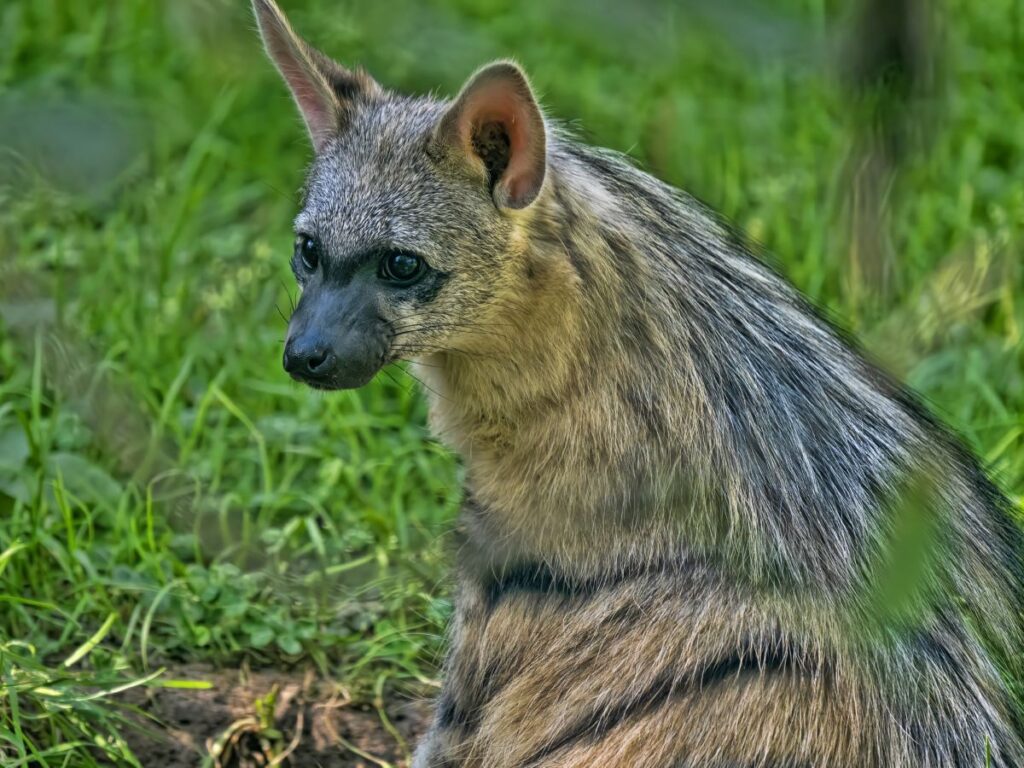
The aardwolf is a striking sight, a blend of elegance and power wrapped in a coat of tawny fur. Standing 16 to 20 inches tall at the shoulder, this nocturnal animal has a long, slender body that allows it to move gracefully through its grassy habitat. Its legs are long and lean, perfectly designed for quick sprints across the savanna. The most distinctive feature of the aardwolf is the thick mane that runs down its back, which adds a touch of drama to its overall appearance, especially when raised in excitement or alarm. With its sharp snout and large, expressive ears, the aardwolf combines beauty with a keen sense of awareness, making it a true master of its nighttime realm.
| Feature | Description |
|---|---|
| Height | 16–20 inches at the shoulder |
| Weight | 17–31 pounds |
| Skin Type | Covered in short, coarse hair |
| Most Distinctive Feature | A thick mane that runs along its back |
The aardwolf’s features are not just for show; they serve vital roles in its survival. The thick mane can help deter predators, making the aardwolf appear larger when erect. Its sleek body and powerful legs enable it to make quick escapes from danger. The large ears are perfect for picking up the faintest sounds in the night, alerting it to potential threats or the soft rustling of termite mounds, its primary food source. Together, these traits create an animal that is not only stunning to behold but also brilliantly adapted to thrive in the wilds of Africa.
In the enchanting realm of sub-Saharan Africa, the aardwolf finds its perfect home among the vast, open savannas and rolling grasslands. Picture a landscape where the sun dips low, casting a warm golden hue over the tall grasses that dance with the wind. Here, the aardwolf thrives, expertly blending into its surroundings with its sandy-colored fur that mirrors the earth beneath it. As twilight falls, these fascinating animals emerge from their burrows, ready to explore a world filled with sounds and scents, all under the starry African sky.
To flourish in these environments, the aardwolf requires a climate that is relatively dry with moderate temperatures. These grasslands often experience a mix of wet and dry seasons, which is essential for sustaining the insects that make up the aardwolf’s diet. While they can tolerate heat, they prefer cooler nights when they can actively hunt for termites and other tasty critters. The balance of moisture and warmth creates an ideal setting for the aardwolf’s favorite meal: the larvae of termites, which thrive in decaying wood and soil.
Adaptation is the aardwolf’s secret to success in this habitat. Its keen sense of smell allows it to detect hidden termite mounds buried beneath the surface, while its sharp claws help it dig them up with ease. Unlike other hyenas that are more aggressive hunters, the aardwolf has evolved to be a specialist, focusing on a diet of insects rather than larger prey. This unique approach not only helps it survive in a competitive environment but also allows it to coexist peacefully with other predators. By becoming a master of its niche, the aardwolf truly exemplifies the wonders of adaptation in the wild!
As twilight descends over the African savanna, the aardwolf begins its nightly activities. These nocturnal explorers emerge from their burrows, which they often dig themselves or take over from other animals. With sharp senses and a keen nose, they seek out their primary food source—termites! These small, wood-eating insects are the aardwolf’s favorite meal, and they use their long, sticky tongues to extract them from their mounds. Instead of running in packs like their hyena relatives, aardwolves prefer a solitary lifestyle, hunting alone and covering large territories in search of food.
While aardwolves are mostly solitary, they do have interesting social behaviors, especially during mating season. Males and females will come together to mate, and they may even share a burrow for a short time. Communication between aardwolves is subtle and often involves vocalizations like growls and whines, which can express everything from warning calls to mating signals. Despite their independence, these animals have a well-defined territory that they mark with scent, helping them avoid conflicts with others.
| Behavior Type | Description |
|---|---|
| Feeding | Aardwolves primarily feed on termites, using their long tongues to extract them from mounds. |
| Social Structure | Aardwolves are generally solitary, though they come together during mating season and may share burrows temporarily. |
| Communication | They communicate with soft growls and whines, which can convey different emotions or signals. |
| Territory | Aardwolves mark their territory with scent to avoid conflicts with others. |
These behaviors play a critical role in the aardwolf’s survival. By being solitary, they can minimize competition for food, ensuring they have enough termites to sustain themselves. Their unique feeding habits and communication methods help them navigate their environment effectively, allowing them to thrive in the wild. So, the next time you think about the diverse wildlife of Africa, remember the aardwolf—an expert in the art of solitude and survival!
The aardwolf’s diet is quite specialized, making it a fascinating player in its ecosystem. As a carnivore, it primarily feeds on termites and other insects, which it skillfully forages for in the warm glow of dusk. Unlike its hyena relatives, the aardwolf does not hunt larger prey; instead, it has adapted to thrive almost exclusively on these small, crunchy critters. Using its long, sticky tongue, the aardwolf can quickly lap up termites from their mounds, showcasing a unique feeding behavior that sets it apart from many other meat-eaters.
| Dietary Aspect | Details |
|---|---|
| Diet Type | Carnivore |
| Favorite Foods | Termites and other insects |
| Prey Items | Primarily termites |
| Hunting/Foraging Strategies | Uses a long, sticky tongue to extract termites from mounds |
This diet has a significant impact on the aardwolf’s ecology and daily routine. By focusing on termites, aardwolves help regulate insect populations, playing a crucial role in maintaining the balance of their environment. Their nocturnal lifestyle allows them to avoid competition with other daytime predators, making the most of their specialized feeding habits. As they traverse the savanna at night, these clever foragers demonstrate how unique dietary choices can shape the lives of animals, influencing everything from their behavior to their habitat preferences.
When it comes to finding a mate, aardwolves are quite the romantics of the African savanna. Their breeding season typically occurs during the rainy months, which is a strategic choice. The rains bring a bounty of termites, providing ample food for both parents and their future young. Mating pairs are known to form strong bonds and may even stay together for several breeding seasons, sharing the responsibilities of raising their adorable cubs.
| Reproductive Aspect | Details |
|---|---|
| Gestation Period | 90 days |
| Litter Size | 1 to 4 cubs |
| Age of Sexual Maturity | 1.5 to 2 years |
| Name of Young | Cubs or pups |
Once the cubs are born, the real adventure begins! Aardwolf parents are dedicated and caring, often taking turns to keep their little ones safe and warm. The cubs are born blind and helpless, relying entirely on their mother’s milk for nourishment. As they grow, usually after a few weeks, they start to explore their burrow and learn the ropes of being an aardwolf. By the time they reach sexual maturity at around 1.5 to 2 years old, they have transformed into miniature versions of their parents, ready to embark on their own journeys across the starry African night.
In the intricate dance of the African ecosystem, the aardwolf holds an intriguing position. As a specialized insectivore, it plays a vital role by controlling termite populations, which helps maintain the balance of its habitat. Yet, like many animals, the aardwolf faces several dangers that challenge its survival. These threats arise from both natural predators and human activities, revealing the challenges of life in the wild.
To navigate these dangers, aardwolves have developed several clever survival strategies. Their nocturnal lifestyle helps them avoid many daytime predators, while their keen senses allow them to detect threats from afar. When confronted, they may use their speed to escape or seek refuge in their burrows, where they can hide from larger animals. Moreover, their slender bodies enable them to maneuver quickly through the tall grass, making it harder for predators to spot them. These adaptations, combined with their ability to thrive in a changing environment, showcase the aardwolf’s resilience amid the challenges it faces.
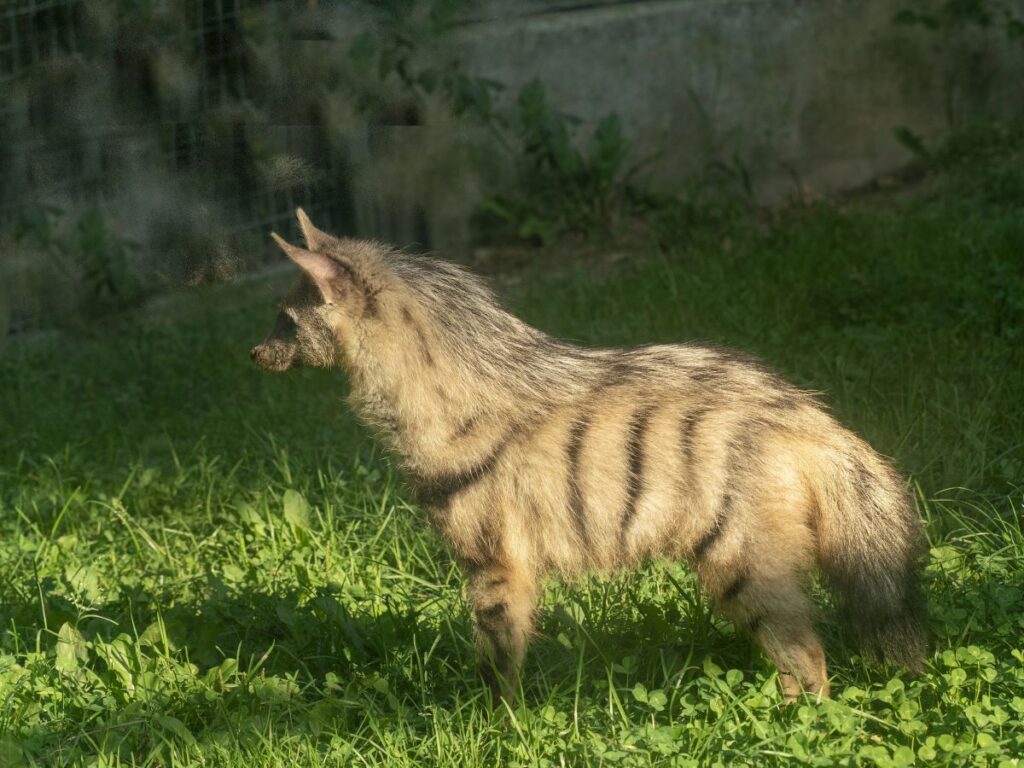
A keystone species is an organism that has a disproportionately large impact on its environment compared to its abundance. Think of it as a crucial piece of a puzzle that holds everything together. The aardwolf, with its unique role in the ecosystem, can indeed be considered a keystone species. By primarily feeding on termites and other insects, the aardwolf helps regulate these populations, influencing the balance of its ecosystem in the savannas and grasslands of sub-Saharan Africa.
The aardwolf’s diet is specialized, making it an important predator of termites. These insects are not just a nuisance; they play a crucial role in breaking down organic matter and enriching the soil. By keeping termite populations in check, aardwolves prevent overpopulation, which can lead to significant damage to vegetation. When aardwolves forage, they dig into the ground, creating small burrows that can aerate the soil and promote healthy plant growth. This interaction helps maintain the grasslands’ biodiversity, ensuring that various plant species can thrive.
Additionally, aardwolves contribute to the food web by serving as prey for larger carnivores. While they are solitary creatures, their presence supports the survival of other predators in the ecosystem. If aardwolves were to disappear, the delicate balance of their environment would be disrupted. Without the aardwolf’s control over termite populations, these insects could explode in numbers, leading to overgrazing and degradation of the grasslands. This decline in vegetation would not only affect the aardwolf but countless other species that rely on these habitats for survival.
In summary, the aardwolf’s role as a keystone species is vital for the health of its ecosystem. Its disappearance would lead to a cascade of negative effects, disrupting the balance of life in the savannas and grasslands, and ultimately threatening the survival of many other species that share its habitat. By understanding and protecting aardwolves, we can help preserve the intricate web of life that defines these vibrant ecosystems.
In the vibrant ecosystems of Africa’s savannas and grasslands, the aardwolf plays a crucial role as a specialized insectivore. By primarily feasting on termites, these fascinating animals help maintain the balance of their environment. This unique dietary preference allows them to thrive in their habitat while simultaneously shaping the ecosystem around them. Their nocturnal foraging habits contribute to the delicate dance of life, ensuring that the populations of insects like termites remain in check, thus preventing overpopulation that could disrupt the balance of the ecosystem.
| Ecosystem Service | Impact |
|---|---|
| Insect population control | Regulates termite numbers, preventing damage to vegetation. |
| Soil aeration | Burrowing helps improve soil structure and drainage. |
| Nutrient cycling | Death and decay of aardwolves contribute nutrients back to the soil. |
The aardwolf’s influence extends beyond just munching on termites. By keeping termite populations in check, they help protect the grasses and plants that thrive in their environment. If termite numbers were to explode, these insects could cause significant damage to vegetation, leading to a decline in food sources for other animals. Furthermore, as aardwolves dig their burrows in sandy soil, they inadvertently aerate the ground, allowing water and nutrients to seep into the earth, benefiting the surrounding flora. This process not only supports plant life but also creates habitats for other creatures, proving that the aardwolf’s activities ripple through the ecosystem in meaningful ways.
The ecological importance of the aardwolf reaches far beyond its immediate surroundings. As a keystone species, it holds a pivotal role in maintaining the health and stability of its habitat. Protecting the aardwolf means safeguarding the intricate relationships among plants, animals, and the ecosystem as a whole. By understanding and appreciating how this specialized insectivore contributes to the balance of life in the savanna, we gain insight into the delicate interconnectedness of nature and the vital roles that even the smallest creatures can play in shaping their world.
In the intricate web of life, animals often form fascinating partnerships that benefit them in various ways. These relationships can be classified into three main types: mutualism, where both species gain; commensalism, where one benefits without harming the other; and parasitism, where one organism benefits at the expense of another. For the aardwolf, these ecological interactions highlight the importance of connectedness in nature, even for a solitary creature like itself.
| Species/Type | Relationship Type | Description |
|---|---|---|
| Termites | Mutualistic | Aardwolves benefit from feeding on termites, while the termites help aerate the soil by building their mounds, creating a healthier environment for plants. |
| Burrowing Owls | Commensal | Burrowing owls often take advantage of aardwolves’ abandoned burrows for shelter, benefiting from the aardwolf’s digging without affecting it. |
| Ticks | Parasitic | Ticks feed on aardwolves’ blood, gaining nourishment while potentially harming the aardwolf by causing irritation or transmitting diseases. |
These partnerships have evolved over time, shaped by the needs and survival strategies of the species involved. The aardwolf’s relationship with termites is a prime example of mutualism, where both species thrive through their interactions. As aardwolves consume termites, they help keep their populations in check, while the termites’ activities contribute to the overall health of the ecosystem. Meanwhile, the commensal relationship with burrowing owls showcases how different species can coexist, with one benefiting from the other’s actions without any cost. Lastly, the parasitic relationship with ticks reminds us that not all interactions in nature are beneficial for both parties. Understanding these connections deepens our appreciation for the complexity and beauty of the natural world, revealing how each organism plays its own vital role in the grand tapestry of life.
In the hidden corners of the African savanna, the aardwolf captivates with its distinct features and behaviors. While many might think of hyenas as scavengers, the aardwolf carves its own niche in the ecosystem, showcasing some surprising traits that are often overlooked.
The relationship between the aardwolf and humanity is as old as our encounters in the African savanna. In various cultures, this slender, nocturnal mammal has sparked curiosity and imagination. Historically, the aardwolf has been portrayed in folklore and art, often symbolizing cunning and adaptability. Indigenous tribes have long recognized this unique animal for its role in the ecosystem, particularly its appetite for pests like termites. This cultural significance highlights the intertwined lives of humans and aardwolves, reminding us of the diverse ways animals influence our stories and traditions.
Today, the aardwolf faces a mixed bag of interactions with humans. While some communities appreciate its ecological contributions by helping keep termite populations in check, others view it as a threat to livestock. Unfortunately, habitat loss and human encroachment continue to challenge their survival. Conservation efforts are underway in some regions, promoting coexistence strategies that allow aardwolves to thrive alongside farming practices. However, their elusive nature means that many people aren’t aware of their vital role in the ecosystem. As we learn more about these fascinating creatures, the hope is to foster a deeper understanding and respect, encouraging protective measures for their habitats.
Looking ahead, the future of the aardwolf and its relationship with humanity holds promise if we embrace our role as stewards of the environment. Educating ourselves and others about the importance of these remarkable animals can lead to new conservation partnerships. By recognizing their ecological value and encouraging coexistence, we can ensure that the aardwolf continues to roam the African plains, playing its part in the intricate web of life. Together, we can create a narrative that honors both wildlife and the communities that share their habitat.
The aardwolf, with its unique diet and intriguing behavior, currently holds a conservation status of “Least Concern” according to the International Union for Conservation of Nature (IUCN). This means that, for now, aardwolves are not facing immediate threats that could lead to their extinction. Their populations are generally stable across much of their range in sub-Saharan Africa, although localized threats can still impact certain groups. As we continue to monitor these captivating animals, their numbers appear to be holding steady.
| Conservation Factor | Status/Details |
|---|---|
| IUCN Status | Least Concern |
| Population Estimates | Stable, specific numbers are difficult to determine |
| Trend Direction | Stable |
Despite their current stable status, aardwolves face several challenges that threaten their long-term survival. Habitat loss is a significant concern, as agricultural expansion and urban development encroach on their natural environments. Additionally, they can fall victim to human-wildlife conflict, especially when they venture into farmlands in search of food. Predation by larger carnivores and road accidents can also pose risks to their populations.
Conservation efforts are vital to ensure that aardwolves continue to thrive in their natural habitats. Protected areas that preserve their ecosystems are essential for their survival. Educating local communities about the importance of aardwolves and their role in controlling insect populations can also foster coexistence. By raising awareness and supporting sustainable land-use practices, we can help secure a bright future for these fascinating animals. The outlook remains hopeful, as awareness grows and conservation initiatives take root across their range.
| Question | Answer |
|---|---|
| What is an aardwolf's habitat? | Aardwolves are typically found in savannas and grasslands across East and Southern Africa. These open areas provide them with the space they need to hunt for food and stay hidden from predators. |
| What does an aardwolf eat? | Aardwolves are carnivores, meaning they primarily eat meat, but they have a unique diet. They love to feast on termites, which are small insects that live in mounds and are high in protein! |
| How do aardwolves behave in the wild? | Aardwolves are mostly nocturnal, which means they are active at night. They use their keen sense of smell to locate termite mounds and are known to dig with their strong claws to get to their tasty snacks. |
| How do aardwolves reproduce? | Aardwolves typically mate once a year, and after a gestation period of about 90 days, the female gives birth to a small litter of 2-5 cubs. The young are cared for by both parents until they are old enough to venture out on their own. |
| What threats do aardwolves face? | Despite their "Least Concern" conservation status, aardwolves face threats from habitat loss and hunting. As people clear land for agriculture or development, these animals lose their homes and food sources. |
| What is the most distinctive feature of an aardwolf? | The most noticeable feature of an aardwolf is its thick mane that runs along its back. This mane can stand up when the animal feels threatened, making it look larger and helping to scare off potential predators. |
| Are aardwolves social animals? | Aardwolves are relatively solitary but can often be seen in pairs or family groups. They communicate with each other through a variety of sounds and scent markings to establish their territory. |