Taxonomy & Classification
- Kingdom
- Animalia
- Phylum
- Chordata
- Class
- Mammalia
- Order
- Carnivora
- Family
- Felidae
- Genus
- Felis
- Species
- Felis catus

 Photo Credit: Amusedoxi on Deposit Photos
In the sun-drenched landscapes of Ethiopia, the Abyssinian cat (Felis catus), with its stunning ticked coat and striking almond-shaped eyes, captures the imagination of all who encounter it. Picture this lively feline darting through the tall grasses, its agile body gliding effortlessly as it explores the world around it. The Abyssinian is a true testament to nature’s artistry, adorned with a warm, ruddy hue that shimmers in the sunlight, making it look like a miniature lion on the prowl. With a personality as vibrant as its appearance, this breed is known for its playful spirit and boundless curiosity, captivating both scientists and cat lovers alike.
What sets the Abyssinian apart from other breeds is not just its eye-catching looks but also its intriguing history and behavior. Believed to be one of the oldest domesticated cats, this breed has roots that stretch back to ancient Egypt, where it was revered for its elegance and grace. Today, the Abyssinian is celebrated for its energetic nature and intelligence, often engaging in playful antics that leave its human companions in stitches. As we dive deeper into the world of the Abyssinian, we will uncover the secrets behind its unique coat, its charming personality, and the role it plays in the tapestry of feline history.
Join us on this adventure to explore all that makes the Abyssinian an extraordinary member of the animal kingdom!
The Abyssinian cat, nestled within the intricate web of life, holds a special position in the animal kingdom. Its scientific classification reveals a lineage steeped in history, tracing back to ancient times in Ethiopia. This breed is not only celebrated for its striking appearance, featuring a beautifully ticked coat and captivating eyes, but also for its playful and intelligent personality. As a member of the Felidae family, the Abyssinian shares its space with some of the most agile and graceful predators on the planet, highlighting its evolutionary ties to the wild ancestors of modern cats.
| Taxonomic Rank | Scientific Name | Meaning & Significance |
|---|---|---|
| Kingdom | Animalia | The realm of animals, which are multicellular organisms that consume organic material for energy. |
| Phylum | Chordata | This group includes animals with a spinal cord, highlighting the Abyssinian’s complex nervous system. |
| Class | Mammalia | Mammals are warm-blooded, meaning they regulate their own body temperature, and they feed their young with milk. |
| Order | Carnivora | This order consists of meat-eating mammals, placing the Abyssinian among the skilled hunters of the animal world. |
| Family | Felidae | The family of cats, which are known for their retractable claws and keen hunting skills. |
| Genus | Felis | This genus includes small cats, emphasizing the Abyssinian’s agility and playful nature. |
Understanding the Abyssinian’s place in this taxonomic hierarchy reveals more than just its classification; it offers a glimpse into its evolutionary journey. As a member of the Felidae family, the Abyssinian shares a common ancestor with big cats like lions and tigers, showcasing traits that have been honed over millions of years. The blend of agility and intelligence, along with its unique physical characteristics, reflects adaptations that have allowed it to thrive alongside humans while still retaining the instincts of its wild ancestors. This captivating cat not only enchants with its beauty but also embodies the rich tapestry of life that connects all animals on our planet.
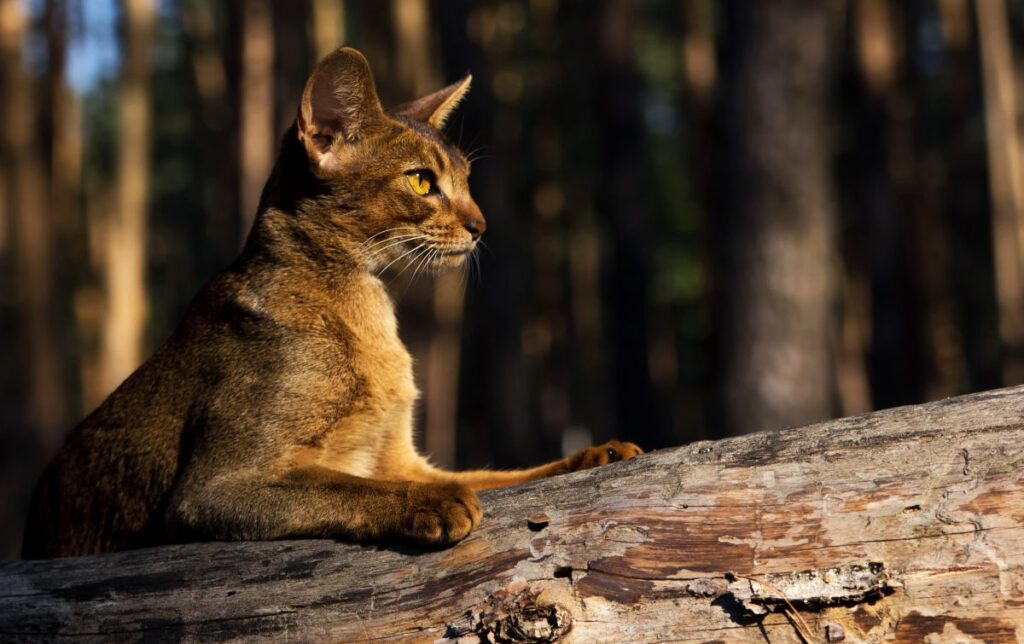
The story of the Abyssinian cat begins thousands of years ago, intertwining with the ancient civilizations of northeastern Africa. As one of the oldest known domestic cat breeds, its evolution can be traced back to the African wildcat, a small feline that roamed the arid landscapes of the region. This timeline spans from early domestication around 4,000 years ago, when humans first began to cultivate grains and store food, attracting rodents and, in turn, the wildcats that hunted them.
Ancestral forms of the Abyssinian can be found in the wildcats that adapted to diverse environments, which led to various physical and behavioral changes. Over time, certain traits became favorable for domestication. The wildcats that were less skittish around humans gained access to food and shelter. This partnership allowed them to thrive alongside people. As the cats mingled with humans, they developed characteristics distinct from their ancestors, including the stunning ticked coat that helps them blend into their surroundings, an adaptation for stealth and hunting.
These adaptations have played crucial roles in the Abyssinian’s survival and success as a domestic breed. The ability to camouflage and hunt effectively allows them to thrive in various environments, while their sociability fosters strong bonds with human companions. These traits make them not just survivors but beloved pets, showcasing a remarkable journey through time and evolution.
The Abyssinian cat is a dazzling example of feline elegance, with a body that exudes both grace and athleticism. This medium-sized breed typically weighs between 8 to 12 pounds, giving it a wonderfully balanced structure that is neither too bulky nor too slender. Its long, slender legs support a lean frame, allowing for nimble movements and impressive agility. With a slightly arched back and a long, tapering tail, the Abyssinian is built for both speed and stealth, making it a skilled hunter, even in the comfort of your living room.
| Feature | Description |
|---|---|
| Size | Medium, weighing between 8 to 12 pounds |
| Color | Rich, warm tones often in shades of ruddy, red, or fawn, with distinctive ticking |
| Skin Type | Short, fine hair that lies close to the body |
| Eyes | Large, almond-shaped eyes that can be amber or green |
| Tail | Long and slender, tapering to a point |
Each of these features plays a crucial role in the Abyssinian’s lifestyle and survival. The short, fine coat not only showcases its beautiful ticked pattern but also keeps the cat cool in warmer climates, an adaptation to its origins in Ethiopia. Its striking eyes enhance its vision, crucial for spotting movement during dusk or dawn, the prime hunting times for many small animals. The Abyssinian’s lean, muscular body and agile limbs allow it to pounce and sprint with incredible speed, making it an adept predator. Together, these characteristics create a stunning and efficient hunter, beautifully adapted to thrive in both the wild and domestic settings.
The Abyssinian cat feels right at home in the warm, rolling hills and grassy savannas of its native Ethiopia. Imagine a landscape where golden grasses sway gently in the breeze and the sun casts a golden glow, creating a vivid backdrop for this agile feline. With its origins steeped in the rich culture of northeastern Africa, the Abyssinian thrives in environments that offer plenty of room to explore, climb, and play. Whether lounging on a sun-drenched rock or darting through shrubbery, this breed embodies the spirit of its beautiful homeland.
This cat prefers a climate that is warm and dry, where temperatures often soar under the African sun. The Abyssinian is not fond of extreme cold or dampness, as these conditions can be uncomfortable for its short coat. Instead, it flourishes in places where the weather allows it to bask in the sun and stay active throughout the day. The natural habitat provides ample opportunities for hunting and climbing, which are essential for its playful and curious nature.
To thrive in these environments, the Abyssinian has developed several adaptations. Its powerful legs and agile body allow it to leap and climb with ease, making it a skilled hunter in the wild. The ticked fur, which features bands of color, helps it blend into the dry grasses and earth tones of its habitat, providing a natural camouflage. Additionally, the Abyssinian’s playful spirit and high energy level enable it to explore its surroundings thoroughly, making the most of its adventurous lifestyle. This cat has truly become a master of its landscape, embodying the beauty and resilience of the Ethiopian wilderness.
As the sun rises over the Ethiopian landscape, the Abyssinian cat begins its daily routine filled with playful antics and elegant movements. Known for their high energy, these cats are usually on the move, leaping from one perch to another, exploring every nook and cranny of their territory. Their mornings often start with a thorough grooming session, where they meticulously clean their short, ticked coats. This not only keeps them looking sharp but also helps to spread natural oils that keep their fur healthy. After a bit of self-care, they might indulge in a playful chase of a feather toy or a quick sprint around the house, showcasing their athletic prowess.
Abyssinians are more than just sprightly individuals; they thrive in social settings. These cats are known for their affectionate nature, often forming close bonds with their human companions and other pets. They have a curious and engaging personality, which makes them quite sociable. When they aren’t busy exploring, you might find them perched high on a cat tree, observing everything around them. Communication is key in their social interactions. They use a variety of vocalizations, including soft trills and purrs, to express their feelings. Their body language, like a flick of the tail or an arched back, plays an essential role in conveying their mood, whether they’re feeling playful or relaxed.
| Behavior Type | Description |
|---|---|
| Activity Patterns | Abyssinians are highly active, engaging in play and exploration, especially in the morning and evening. |
| Social Structure | They form strong bonds with their human families and can coexist well with other pets, often interacting playfully. |
| Communication Methods | These cats use a mix of vocalizations, like trills and purrs, along with body language to express their feelings. |
These behaviors are crucial for the Abyssinian’s survival, both in the wild and as a cherished pet. Their lively disposition and strong social ties help them adapt to various environments, whether they are hunting small prey or navigating life in a bustling home. By communicating effectively and staying active, they not only ensure their own well-being but also strengthen their connection to those around them. The Abyssinian cat’s vibrant daily life is a testament to the beauty of nature’s design, showcasing how instinct and affection come together in a dance of survival and companionship.
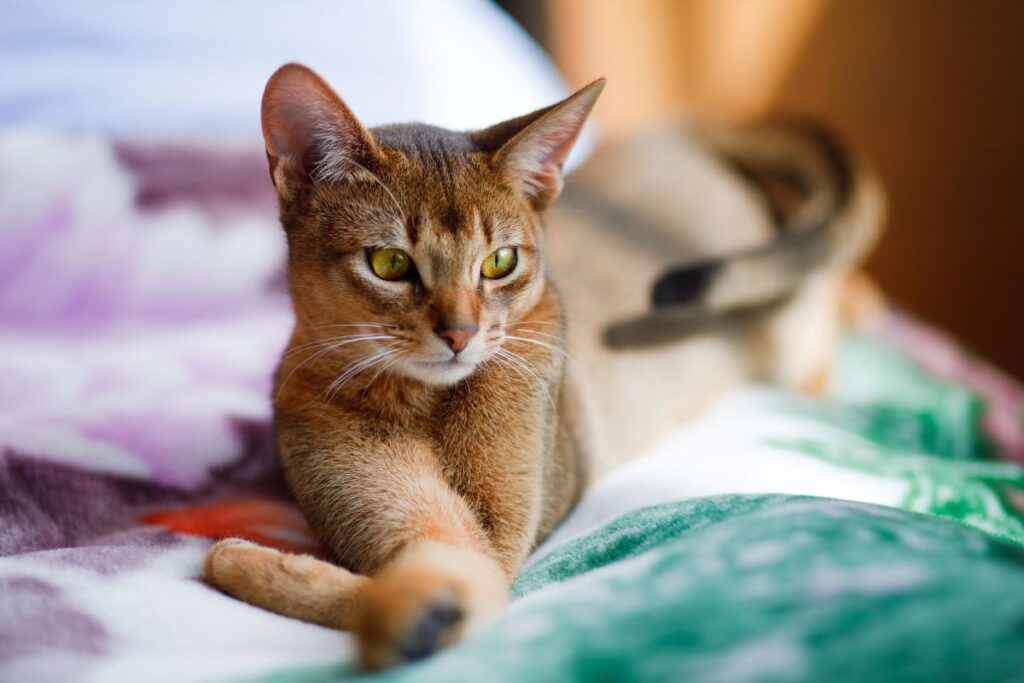
The Abyssinian cat, like many of its feline friends, is an omnivore, meaning it enjoys a varied diet that includes both animal and plant-based foods. While they are primarily meat-eaters, they also nibble on vegetables and grains occasionally. This adaptability in diet helps them thrive in different environments, as they can find food sources easily. Abyssinians are known for their playful and curious nature, which plays a big role in how they hunt and forage for their meals.
| Dietary Aspect | Details |
|---|---|
| Diet Type | Omnivore |
| Favorite Foods | Fish, poultry, and small rodents |
| Prey Items | Small mammals, insects, and occasionally fruits or vegetables |
| Hunting/Foraging Strategies | Stealthy stalking and pouncing, often using their agility to catch prey |
This diverse diet not only supports the Abyssinian’s playful lifestyle but also influences its role in the ecosystem. By preying on small animals, they help keep populations in check, while their occasional foraging for plants can contribute to the spread of seeds. With their keen hunting skills and adaptable eating habits, Abyssinians maintain a balance in their surroundings, weaving themselves into the rich tapestry of life that characterizes their native habitat.
When it comes to the mating behavior of Abyssinian cats, things get lively and spirited! These cats typically enter their breeding season during the warmer months, which aligns with their natural instincts to reproduce when the environment is more favorable for raising young. Males, known for their playful and energetic demeanor, can often be seen engaging in a series of courtship rituals. This includes gentle vocalizations and charming displays of affection, all designed to attract a female. Once a female is ready to mate, she will display specific behaviors, like rolling on the ground or raising her tail, signaling her interest.
| Reproductive Aspect | Details |
|---|---|
| Gestation Period | Approximately 65-67 days |
| Litter Size | Average of 6 kittens |
| Age of Maturity | Around 6-12 months |
| Name of Young | Kittens |
After the kittens are born, the real adventure begins! Abyssinian mothers are attentive and nurturing, providing a safe and warm environment for their young. The kittens are born blind and helpless, relying entirely on their mother’s care. As they grow, they start to open their eyes and explore their surroundings, developing their remarkable agility and playful nature. By the time they reach maturity, around 6 to 12 months, they are ready to embrace their independence, showcasing the same lively spirit that characterizes their breed. The bond they share with their mother, along with the lessons learned during their early weeks, shapes them into the vibrant companions they are destined to become.
In the sprawling ecosystems of Ethiopia, the Abyssinian cat occupies a delicate position within the food web. As a small domestic feline, it may not be at the top of the chain, but it plays a vital role in controlling the populations of small rodents and insects. However, this charming cat also faces a variety of dangers that threaten its survival, showcasing the balance of nature where every creature, no matter how small, has its challenges.
To combat these threats, Abyssinians have developed clever survival strategies. They are agile and quick, able to dash away or climb to higher ground when danger approaches. Their keen senses, especially acute hearing and sight, keep them alert to potential predators. Additionally, their natural instincts lead them to hide in tall grasses or underbrush, providing a perfect camouflage against the backdrop of their environment. Through these behaviors and adaptations, the Abyssinian cat demonstrates the resilience of wildlife in the face of adversity.
A keystone species is one that plays a critical role in maintaining the structure of its ecosystem. Without this species, the ecosystem would change dramatically, often leading to a decline in biodiversity. While the Abyssinian cat (Felis catus) is beloved for its beauty and companionship, it does not qualify as a keystone species. This is primarily because it is a domesticated animal that relies heavily on humans for survival and is not a natural part of the wild ecosystems in which it may sometimes be found.
However, the presence of Abyssinian cats can still impact their immediate environment in notable ways. For example, as they hunt small pests like mice and insects, they help control these populations. This natural pest control can prevent the spread of disease and reduce competition for food among native wildlife. When an Abyssinian cat stalks its prey, it participates in the delicate balance of predator and prey relationships, enhancing the health of its local ecosystem.
Moreover, the playful and active nature of Abyssinians can encourage outdoor activities for their human companions. This interaction fosters a deeper appreciation for nature and wildlife, potentially leading to greater conservation efforts. Understanding the importance of even domestic animals in our lives can inspire people to protect their habitats and the wild species that share these spaces.
If the Abyssinian cat were to disappear from human homes and landscapes, the effects would ripple through its immediate environment. While its absence wouldn’t dramatically alter the larger ecosystem, the increase in pests could lead to more serious issues for both humans and wildlife. Additionally, the emotional bond many people have with Abyssinians emphasizes their role in human-animal relationships. Losing them might weaken our connections to the natural world, highlighting the importance of all species, domestic or wild, in shaping our experiences and understanding of the ecosystem.
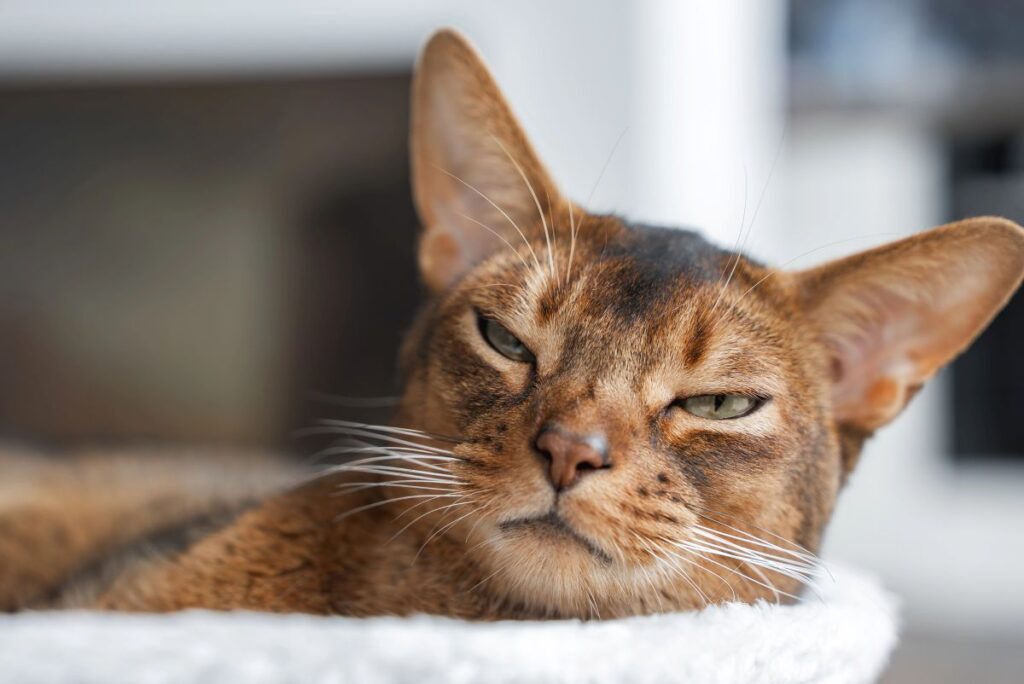
The Abyssinian cat plays a charming yet vital role in its ecosystem, acting as both a predator and prey within the dynamic web of life. By hunting small rodents and insects, these agile felines help regulate the populations of various species, maintaining a balance that is essential for a healthy environment. Their presence encourages a flourishing habitat where both plants and animals can thrive, demonstrating how even a domestic cat can impact the larger ecological picture.
| Ecosystem Service | Impact |
|---|---|
| Population Control | Helps keep rodent and insect populations in check. |
| Seed Dispersal | May contribute to the spread of seeds through their movements. |
| Soil Aeration | While digging, they can help aerate the soil, promoting plant health. |
| Companionship | Enhances human well-being, leading to a greater appreciation for nature. |
As a skilled hunter, the Abyssinian cat exerts a notable influence on its surroundings. By preying on small mammals and insects, it plays a crucial part in controlling those populations, preventing overpopulation that could lead to food shortages for other animals. Additionally, while these cats roam and explore, they can inadvertently aid in seed dispersal, helping new plants take root in various areas. Their playful nature and digging habits also function as a form of soil aeration, promoting healthier ground for vegetation to grow.\
The broader ecological significance of the Abyssinian cat extends beyond its immediate environment. By maintaining balance in local ecosystems, these cats contribute to the overall health of their habitats, fostering biodiversity and resilience. The interactions they have within their communities—whether through hunting or simple curiosity—highlight the interconnectedness of all living things. Even a beloved domestic breed can remind us of the intricate relationships that shape our world, inspiring future generations to cherish and protect the natural beauty around them.
In the vibrant dance of nature, symbiosis is a term that describes how different species interact and rely on one another for survival. These ecological relationships can take many forms, from mutualism, where both parties benefit, to parasitism, where one organism gains at the expense of another. Commensalism is another form, where one species benefits while the other is neither helped nor harmed. Understanding these connections is crucial for appreciating the delicate balance of ecosystems, including those where our beloved Abyssinian cats reside.
| Species/Type | Relationship Type | Description |
|---|---|---|
| Rodents | Predator-Prey | Abyssinian cats hunt small rodents, which helps control their population, maintaining balance in the ecosystem. |
| Birds | Commensal | Birds may benefit from insects disturbed by the playful antics of Abyssinian cats while the cats remain unaffected. |
| Humans | Mutualistic | Humans provide food and shelter for Abyssinian cats, while these cats offer companionship and pest control in homes. |
These relationships have evolved over time, shaped by the needs and behaviors of each species involved. The Abyssinian cat’s skills as a hunter not only help it thrive but also play a key role in regulating the populations of its prey, like rodents. Meanwhile, the interactions with humans have fostered a deep bond that benefits both parties. As cats bring joy and companionship into our lives, they also help keep our environments free from unwanted pests. This interconnectedness highlights the intricate tapestry of life, reminding us how every species, big or small, has a role to play in the grand scheme of nature.
The Abyssinian cat is not just a beautiful animal; it’s a fascinating blend of history, behavior, and unique traits that showcase how incredible these felines truly are. Let’s dive into some surprising facts that spotlight the charm and wonder of this remarkable breed!
Historically, the Abyssinian cat has woven itself into the fabric of human life, particularly in Ethiopia, where it’s believed to have originated. Ancient Egyptians revered cats, often associating them with deities and fertility. The Abyssinian, with its regal appearance and playful personality, likely caught the eye of early civilizations, becoming cherished companions. Over the centuries, this breed has appeared in art and literature, symbolizing grace and mystery while forging a deep bond with humanity that transcends mere companionship.
Today, interactions between humans and Abyssinian cats manifest in various ways, from loving pet ownership to the challenges of conservation. While many people adore Abyssinians for their spirited nature, these cats can face threats from habitat loss and domestic pressures. Some Abyssinians are even involved in breeding programs to maintain their genetic health. In households, these clever cats engage with their families, showing off their energetic playfulness and intelligence, while also reminding us of the responsibility we have to protect their wild cousins in their native habitats.
Looking to the future, the relationship between Abyssinians and humans seems poised for growth. As awareness of animal welfare rises, more people are likely to adopt responsible pet ownership practices, which will benefit the breed and its wild relatives. By nurturing the bonds we share with these enchanting cats, we not only enrich our lives but also play a part in ensuring their continued existence in our homes and the wild. Together, we can celebrate the beauty of our shared journey through life.
The conservation status of the Abyssinian cat remains a topic of interest among cat enthusiasts and conservationists alike. Currently, this breed is not listed on the International Union for Conservation of Nature (IUCN) Red List, which means it doesn’t face immediate threats of extinction. However, as a domestic breed, its population is largely influenced by human practices, breeding trends, and demand within pet ownership. While specific population estimates are challenging to pin down, the overall trend appears stable, suggesting that Abyssinians continue to thrive in homes around the world.
| Conservation Factor | Status/Details |
|---|---|
| IUCN Status | Not Listed |
| Population Estimates | Unknown; stable in pet populations |
| Trend Direction | Stable |
Despite its stable status, the Abyssinian cat faces some challenges that could impact its well-being. One primary threat is the overbreeding that often occurs in domestic cat breeding practices. This can lead to genetic issues, such as health problems that may arise from a limited gene pool. Additionally, the increasing popularity of specific breeds can result in irresponsible breeding, where the focus is more on appearance than the animal’s health or temperament. Beyond breeding, the loss of natural habitats due to urbanization and climate change affects the broader feline family, which could indirectly influence the Abyssinian’s lineage if wild populations are impacted.
Conservation efforts for the Abyssinian cat primarily focus on responsible breeding practices and education for prospective pet owners. Organizations dedicated to feline health and well-being encourage breeders to prioritize genetic diversity to minimize health risks. Moreover, promoting the adoption of Abyssinians from shelters can help ensure that more cats find loving homes while preserving the breed. As long as enthusiasts and guardians remain mindful of these factors, the outlook for the Abyssinian cat appears positive, ensuring that this charming breed continues to delight families for many years to come.
| Question | Answer |
|---|---|
| What is the natural habitat of the Abyssinian? | Abyssinians are native to the highlands of Ethiopia, particularly in areas with grassy and bushy landscapes. They thrive in warm environments where they can find plenty of food and shelter. |
| What do Abyssinians eat? | As omnivores, Abyssinians enjoy a varied diet that includes fruits, vegetables, seeds, and even small insects. This diverse menu helps them get all the nutrients they need to stay healthy and active. |
| What is the behavior of Abyssinians like? | Abyssinians are known for their playful and curious nature. They are social animals, often seen interacting with other members of their group, and they love to explore their surroundings. |
| How do Abyssinians reproduce? | During the breeding season, female Abyssinians will attract males with vocalizations and scent markings. After mating, the female typically gives birth to a litter of one to three young after a gestation period of about 60 days. |
| What threats do Abyssinians face in the wild? | While not currently listed as endangered, Abyssinians face threats from habitat loss due to farming and urbanization. Additionally, they may be at risk from predators and competition for food. |
| What are some interesting characteristics of Abyssinians? | Abyssinians are easily recognized by their striking coat, which has a unique ticked pattern, giving them a wild appearance. They are also known for their agility and speed, making them excellent climbers and runners. |