Taxonomy & Classification
- Kingdom
- Animalia
- Phylum
- Chordata
- Class
- Mammalia
- Order
- Rodentia
- Family
- Caviidae
- Genus
- Cavia
- Species
- Cavia porcellus

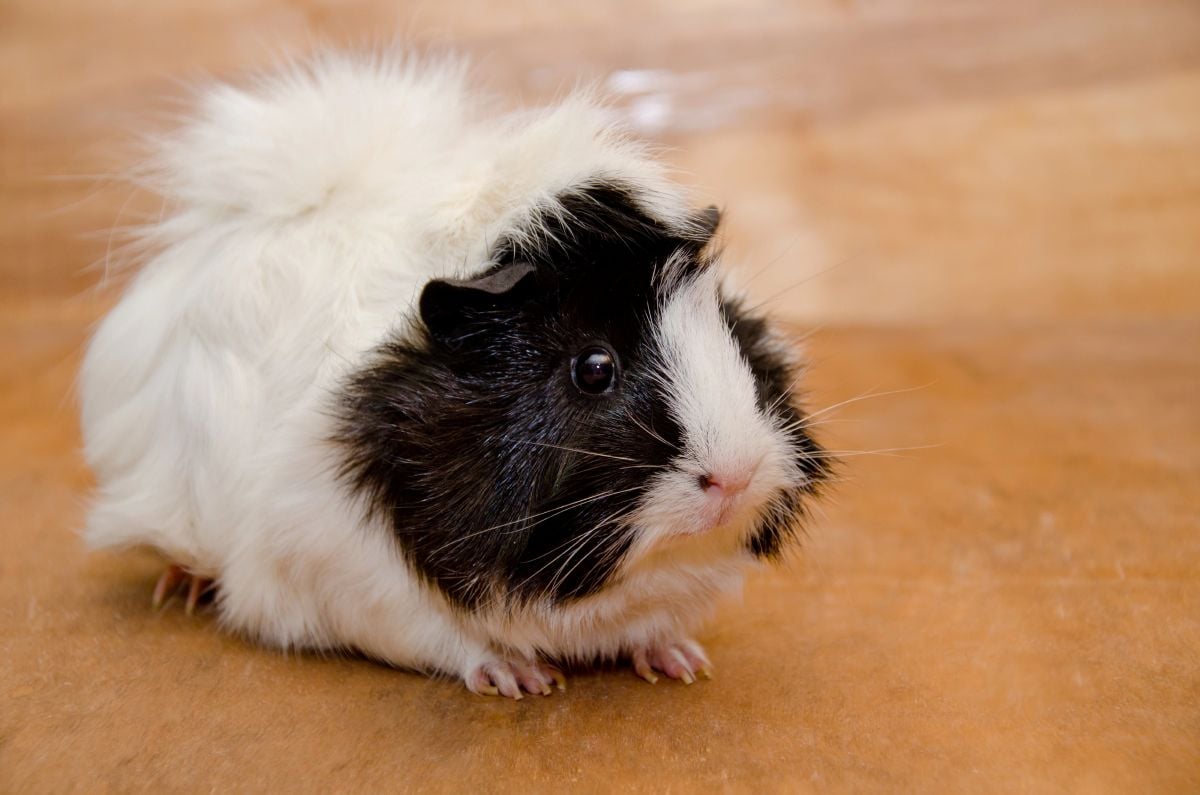 Photo Credit: Deposit Photos
In the lush, sun-dappled hills of the Andes in South America, the Abyssinian guinea pig, known scientifically as *Cavia porcellus*, makes its home among the vibrant grasses and wildflowers. Picture a small, round body covered in an astonishing coat of swirls and rosettes, each tuft of fur uniquely patterned like a tiny, living work of art. With its bright, curious eyes and twitching whiskers, this delightful rodent is not just a pet; it’s a captivating example of how life adapts to its environment and thrives in the wild.
What makes the Abyssinian guinea pig particularly interesting to scientists and nature enthusiasts alike is its lively personality and social nature. These charming little animals are known for their vocalizations, communicating through a series of chirps, whistles, and purrs to express everything from excitement to contentment. As herbivores, they nibble on grass and vegetables, playing a vital role in their ecosystem by helping to keep the plant life healthy and balanced. In this article, we will dive deeper into the world of the Abyssinian guinea pig, exploring its behavior, diet, and the special adaptations that allow it to thrive in its mountainous habitat. Join us on this adventure as we uncover the secrets of this enchanting little creature!
In the grand tapestry of life, the Abyssinian guinea pig holds a special place in the animal kingdom. Classified within the kingdom Animalia, it belongs to the phylum Chordata, which includes all animals with a backbone. These small mammals are part of the class Mammalia, highlighting their warm-blooded nature and fur-covered bodies. As members of the order Rodentia, the Abyssinian guinea pig shares its lineage with other familiar rodents like mice and squirrels. What sets this little fellow apart is its distinctive coat, characterized by a swirl of rosettes that give it a striking, textured appearance. This unique feature not only makes it visually appealing but also serves as a reminder of the diversity and adaptability found within the mammalian family.
| Taxonomic Rank | Scientific Name | Meaning & Significance |
|---|---|---|
| Kingdom | Animalia | The term “Animalia” comes from the Latin word for “soul” or “breath,” emphasizing that these organisms are living beings with energy and life. |
| Phylum | Chordata | Derived from the Greek word “chorde,” meaning “string” or “cord,” this name refers to the notochord, a flexible rod that supports the body during development, signifying the backbone characteristic of this group. |
| Class | Mammalia | This name originates from “mamma,” the Latin word for “breast,” highlighting the defining feature of mammals: they nurse their young with milk produced by mammary glands. |
| Order | Rodentia | From the Latin word “rodere,” meaning “to gnaw,” this classification points to the two large front teeth that define all rodents and help them thrive on a diet of tough plant material. |
| Family | Caviidae | The name “Caviidae” is derived from “cavia,” which means “guinea pig” in Latin, linking these animals to their common name and emphasizing their distinctive qualities. |
| Genus | Cavia | This name also comes from the Latin term for “guinea pig,” and it is used to group these animals based on their similar characteristics and evolutionary traits. |
Understanding the taxonomic classification of the Abyssinian guinea pig illuminates its evolutionary journey through time. As part of the vast family of mammals, it showcases traits that have evolved to suit its environment, from its sturdy teeth for gnawing on fibrous plants to its social behavior, which provides companionship and safety in numbers. This lineage reflects the ingenuity of nature, as it adapts and molds life forms to thrive in diverse habitats, making the Abyssinian guinea pig a delightful example of life’s interconnected web.
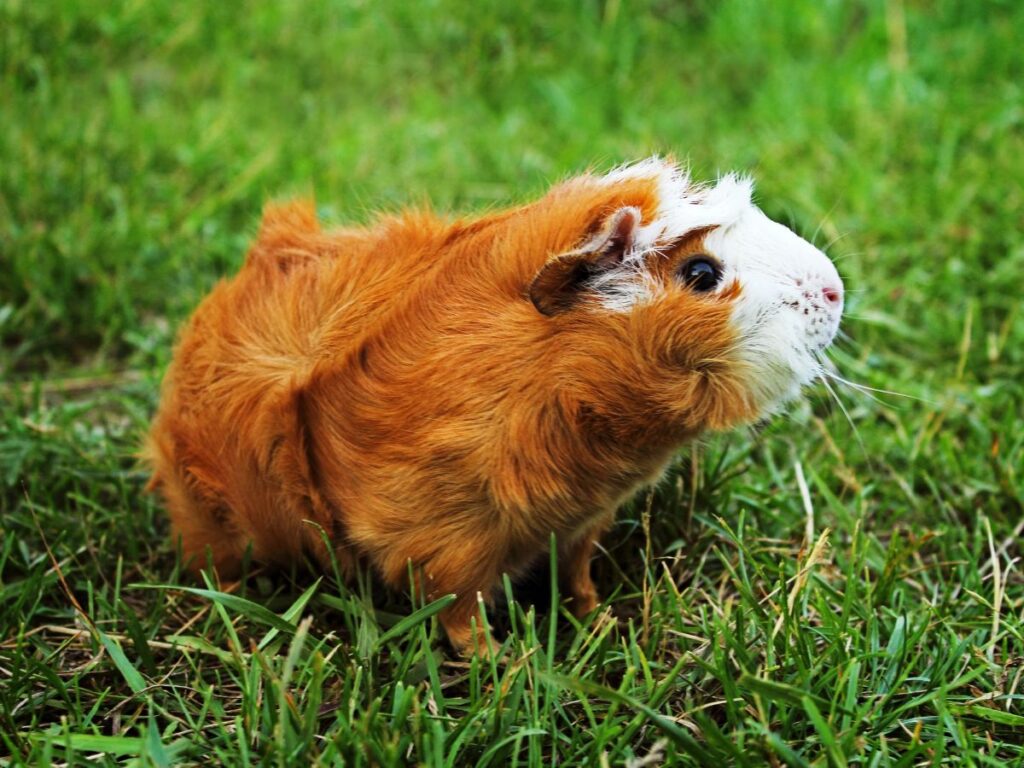
The story of the Abyssinian guinea pig begins millions of years ago, tracing its roots back to the ancient ancestors of the Caviidae family. This intriguing lineage reveals a tapestry of adaptations and transformations that have allowed these small mammals to thrive in their environments. The journey from early rodent-like creatures to the fluffy companions we know today spans a vast evolutionary timeline, showcasing the remarkable ability of life to adapt and flourish.
The ancestors of the Abyssinian guinea pig were likely small, herbivorous rodents that roamed the grassy plains and forests of South America. Over time, these early animals developed features suited for their environments, such as strong teeth for gnawing on tough plant material and a keen sense of smell to locate food. As they adapted to different habitats, some members of the Cavia genus, like the Abyssinian, evolved distinctive coat patterns, including the rosette-like fur that makes them so visually striking. This transformation not only enhanced their appearance but also played a role in social interactions within their groups.
The adaptations of the Abyssinian guinea pig have equipped it with survival tools that are both practical and fascinating.
These adaptations have proven essential for the survival of the Abyssinian guinea pig in its native habitat. The combination of social behavior and physical traits allows them to thrive in the wild, while their unique fur patterns not only serve practical purposes but also contribute to their charm as beloved pets. By understanding their evolutionary journey, we can appreciate how the Abyssinian guinea pig has become a resilient species, well-suited to both the wild and our homes.
The Abyssinian guinea pig is a delightful bundle of fur and curiosity, captivating anyone who lays eyes on it. With a sturdy body that typically weighs between 1.5 to 2.5 pounds, this small mammal exudes a sense of playful energy. Its round face is framed by large, expressive eyes that twinkle with intelligence and a hint of mischief. The most striking feature is its unique rosette-patterned fur, which forms delightful swirls and whorls across its body, reminding one of a living patchwork quilt. Each guinea pig’s coat is distinct, creating a stunning display of colors that can range from rich browns to warm tans, often with splashes of white.
| Feature | Description |
|---|---|
| Weight | 1.5 to 2.5 pounds (0.7 to 1.1 kilograms) |
| Skin Type | Fur |
| Most Distinctive Feature | Rosette patterned fur |
These remarkable features not only create a captivating appearance but also serve vital purposes. The rosette-patterned fur provides excellent insulation, keeping the guinea pig warm and cozy in cooler climates of the Andes. Additionally, the varied colors can help with camouflage amongst the grasses and wildflowers, making it harder for predators to spot them. In this way, the Abyssinian guinea pig’s physical attributes are not just for show—they are cleverly designed for survival in a world full of challenges.
In the enchanting highlands of South America, the Abyssinian guinea pig finds its perfect home amidst rolling grasslands and rocky hills. These charming little animals thrive in environments where tall grasses sway gently in the breeze, creating a cozy sanctuary for them to explore. Picture the sun shining brightly, casting warm light on the vibrant green pastures where these lively creatures graze and play, their curious eyes sparkling with wonder.
The climate in these regions is generally mild, with cooler temperatures at higher elevations and occasional rain showers that keep the grass lush and nutritious. The Abyssinian guinea pig prefers areas that are not too wet, as they need dry spots to burrow and hide from potential predators. Sunny days are ideal for them, as they love to bask in the gentle warmth, but they also seek shelter when the weather turns chilly or rainy.
Adapted to their mountainous and grassy habitats, the Abyssinian guinea pig has developed strong limbs for climbing and running, allowing them to navigate the uneven terrain with ease. Their unique rosettes of fur help them blend into the grassy landscape, providing camouflage from birds and other predators. This clever little animal also has a keen sense of smell and hearing, which helps it stay aware of its surroundings. With these traits, the Abyssinian guinea pig has turned its natural habitat into a safe haven where it can thrive and enjoy the wonders of its world.
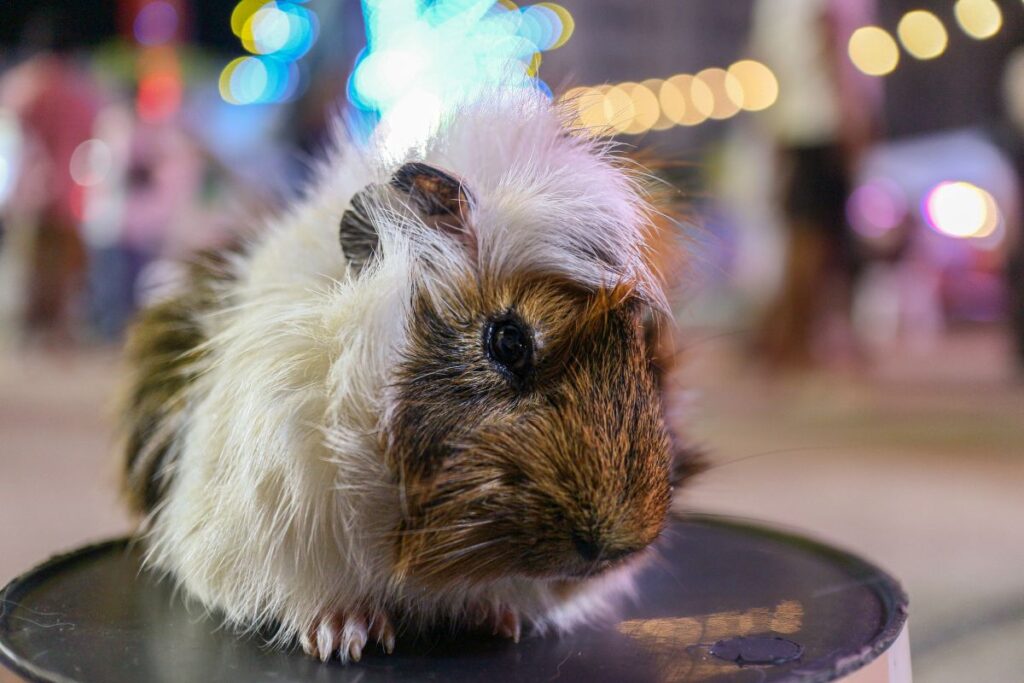
In the bustling world of the Abyssinian guinea pig, every day is filled with exciting activities. As dawn breaks over the grassy hills, these small mammals awaken from their cozy nests, ready to explore their surroundings. They begin their morning by munching on a variety of fresh grasses and crunchy vegetables, which provide them with the nutrients they need. As the sun rises higher, you’ll see them grooming each other, a delightful ritual that helps keep their fur clean and strengthens their bonds. Throughout the day, they dart around, playfully chasing one another, burrowing into soft bedding, and even taking short naps in the warm sunshine. Their daily life is a charming mix of foraging, socializing, and resting, showcasing their lively nature.
Abyssinian guinea pigs are naturally social animals and thrive in herds. Living in groups not only provides companionship but also offers protection against predators. They communicate through a variety of sounds, from soft purrs to excited chirps, each serving a unique purpose. For example, when a guinea pig feels happy or content, it might emit a gentle purring sound. When danger approaches, their vocalizations become sharper and more urgent, alerting the group to potential threats. Hierarchies can form within these herds, usually led by a dominant individual, but the overall atmosphere remains friendly. Playful interactions help strengthen bonds, making their social life vibrant and essential to their well-being.
| Behavior Type | Description |
|---|---|
| Foraging | Abyssinian guinea pigs spend a significant part of their day searching for fresh grasses and vegetables to eat, which helps them stay healthy. |
| Grooming | They often groom each other, which not only keeps their fur clean but also reinforces social bonds among group members. |
| Vocal Communication | These guinea pigs communicate through various sounds; purring indicates contentment, while sharper sounds alert others to danger. |
| Playful Interactions | Chasing and playing together are common, allowing them to develop social skills and maintain strong relationships within the herd. |
| Social Structure | Groups are typically led by a dominant individual, but harmony is maintained through friendly interactions and mutual support. |
These daily behaviors are not just cute; they play a vital role in the Abyssinian guinea pig’s survival. Living in herds allows them to share resources and look out for one another, increasing their chances of escaping predators. Their communication skills help them coordinate activities and respond swiftly to danger, ensuring that the group remains safe. By working together, these charming little animals create a strong community that thrives in their natural habitat, embodying the essence of teamwork and adaptability.
The Abyssinian guinea pig is an omnivore, which means it enjoys a varied diet that includes both plant and animal matter. However, they primarily feast on a selection of fresh grasses, hay, and vegetables. Their feeding behavior is quite interesting; these little furballs spend a significant part of their day munching on food, using their sharp front teeth to nibble and graze. They have a unique way of foraging, often scuttling around their grassy homes, using their keen sense of smell to locate tasty treats while also socializing with their companions.
| Dietary Aspect | Details |
|---|---|
| Diet Type | Omnivore |
| Favorite Foods | Fresh grasses, hay, leafy greens, and vegetables like bell peppers and carrots |
| Prey Items | While they primarily eat plants, they may also consume small insects or bits of animal protein if available |
| Hunting/Foraging Strategies | They graze and explore their environment, using their sense of smell and social cues from other guinea pigs to find food |
This varied diet not only nourishes the Abyssinian guinea pig but also shapes its daily routines and social interactions. By spending so much time eating and foraging, these charming animals contribute to their ecosystem, helping to maintain the health of their grassy habitats. As they munch on plants, they also help control plant growth and spread seeds, ensuring that their environment remains vibrant and full of life. It’s a beautiful cycle of life that highlights the important role these small mammals play in their world.
When it comes to mating, the Abyssinian guinea pig has some charming behaviors that you might find intriguing! These little furballs are social animals, often forming strong bonds with their partners. Mating typically occurs year-round, but they may be more active during warmer months when food is plentiful. The males, known as boars, will often engage in playful chases and vocalizations to attract females, or sows. Once a pair has bonded, they can produce multiple litters each year, which means they can quickly grow a family!
| Reproductive Aspect | Details |
|---|---|
| Gestation Period | 58-72 days |
| Litter Size | 2-4 pups |
| Age of Maturity | 3 months |
| Name of Young | Pups |
One of the most heartwarming aspects of Abyssinian guinea pig reproduction is the care given to their young. After a gestation period of about two months, the mother gives birth to a litter of pups. These tiny, energetic bundles of joy are born fully furred and with their eyes open, ready to explore their world right away! The mother takes on the important role of nurturing her pups, teaching them essential survival skills and providing them with warmth and protection. As the pups grow, they begin to nibble on solid food, but they will continue to rely on their mother’s milk for several weeks. By the time they reach three months old, they are ready to venture out into the world as independent guinea pigs, equipped with the skills they need to thrive.
In the intricate web of life, the Abyssinian guinea pig occupies a vulnerable yet essential position. As a small herbivore, it plays a critical role in its ecosystem by helping to control plant growth and providing a food source for various predators. This adorable rodent thrives in the highland grasslands of South America, but it must remain vigilant, as it faces numerous dangers from the surrounding wildlife.
To survive in a world filled with threats, the Abyssinian guinea pig has developed some clever defensive strategies. These furry little creatures are masters of camouflage, blending into their grassy surroundings to escape the watchful eyes of predators. They also rely on their strong social bonds; by living in groups, they can alert each other to danger. When frightened, they may freeze in place or dash to the safety of their burrows, using quick movements to evade capture. Through these behaviors, the Abyssinian guinea pig showcases its resilience and adaptability in the face of danger.
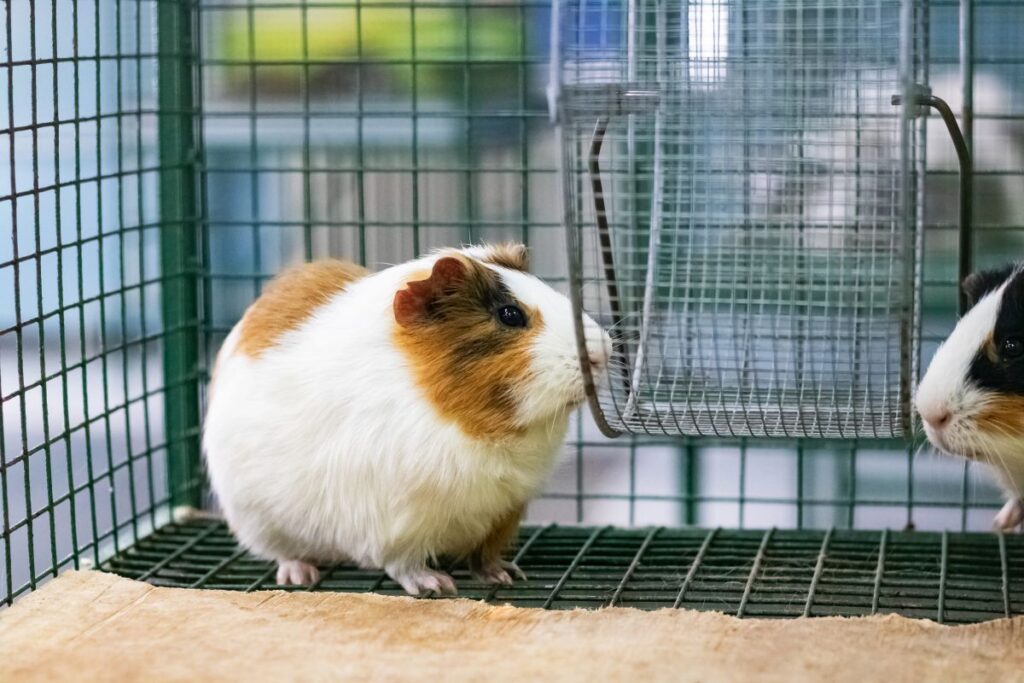
A keystone species is an organism that has a disproportionately large effect on its environment relative to its abundance. In other words, these species are crucial for maintaining the balance of their ecosystem. The Abyssinian guinea pig, while not typically classified as a keystone species, plays an important role in its habitat. This small herbivore contributes to its ecosystem, especially in the grasslands and hilly areas of the Andes.
Abyssinian guinea pigs primarily feed on grasses and other vegetation. By grazing, they help to keep plant growth in check, which benefits other species in their environment. When they munch on plants, they promote new growth by preventing overgrowth, allowing sunlight to reach the ground. This process encourages a diverse range of plants, which in turn attracts various insects and other animals, creating a vibrant ecosystem full of life.
Furthermore, these guinea pigs are social creatures that live in herds, which helps enhance their survival. By foraging together, they can better avoid predators and find food more efficiently. Their presence also supports the food web. Predators, such as birds of prey, rely on these small mammals for sustenance. If the guinea pig population thrives, it bolsters the health of the entire community, illustrating their interconnectedness with other species.
Imagine what could happen if the Abyssinian guinea pig were to disappear from its environment. Without these little grazers, unchecked plant growth could take over, leading to a less diverse ecosystem. As grasses and plants become overly dense, many other species might struggle to find food and shelter. This ripple effect could disrupt the balance of predators and prey, causing a shift that would impact the entire food web. The absence of the Abyssinian guinea pig would echo through the mountains and hills, showing just how crucial even the smallest creatures can be in the tapestry of life.
The Abyssinian guinea pig, with its charming tufted coat and lively demeanor, plays a vital role in shaping its ecosystem. As a small herbivore, this furry resident of the Andean grasslands is more than just a cute face; it actively influences plant communities and contributes to the health of its environment. By munching on grasses and other vegetation, the Abyssinian guinea pig helps maintain the balance of plant life, preventing any one species from overwhelming others and ensuring a rich tapestry of biodiversity thrives in its habitat.
| Ecosystem Service | Impact |
|---|---|
| Grazing | Controls plant growth, promoting diverse plant communities. |
| Seed Dispersal | Helps spread seeds through their droppings, aiding plant reproduction. |
| Soil Aeration | Burrowing behavior improves soil structure and nutrient cycling. |
| Food Source | Serves as prey for local predators, supporting the food web. |
The influence of the Abyssinian guinea pig can be seen in its everyday activities. When these social creatures graze, they not only consume grasses but also encourage new growth. This process opens up space for various plants to flourish, ensuring that the ecosystem remains vibrant and diverse. Their burrowing creates tunnels that aerate the soil, allowing water and nutrients to penetrate deeper, which benefits other plants in the area. Additionally, as they move through their habitat, they unknowingly disperse seeds in their droppings, contributing to the regeneration of plant communities.
The broader ecological importance of the Abyssinian guinea pig cannot be overstated. By maintaining plant diversity and serving as a food source for predators, this small mammal helps uphold the delicate balance of its ecosystem. Its role as a keystone species highlights how even the tiniest of creatures can have a significant impact on their surroundings. In the grand symphony of nature, the Abyssinian guinea pig plays a crucial note, harmonizing with its environment and ensuring that life in the Andean highlands continues to thrive.
In the intricate world of nature, many animals share special relationships that help them survive and thrive. These connections can be symbiotic, meaning they benefit at least one of the species involved. Sometimes, both partners gain from the relationship, while in other cases, one may benefit at the expense of the other. Understanding these ecological relationships can reveal how species, including the Abyssinian guinea pig, interact with their environment and each other.
| Species/Type | Relationship Type | Description |
|---|---|---|
| Birds (e.g., ground-dwelling sparrows) | Mutualistic | Birds help to alert guinea pigs about potential predators, while the guinea pigs provide food scraps that the birds can eat. |
| Fleas | Parasitic | Fleas feed on the blood of guinea pigs, taking nutrients away from them and potentially causing discomfort or disease. |
| Plants (grasses and herbs) | Commensal | As guinea pigs graze on plants, they help maintain healthy growth patterns, while the plants benefit from being trimmed and can regenerate more robustly. |
The relationships between the Abyssinian guinea pig and other species have evolved over time, showcasing the delicate balance of nature. Mutualistic interactions, like those with alert birds, enhance survival rates for both parties, creating a safer environment for the guinea pigs. Meanwhile, the parasitic relationship with fleas reminds us that not all connections are beneficial—some can be harmful and require careful management. By understanding these dynamics, we can appreciate how the Abyssinian guinea pig, along with its partners, contributes to the rich tapestry of life in its ecosystem.
The Abyssinian guinea pig is not just an adorable pet; it’s a remarkable animal with a rich history and unique traits that might surprise you! Let’s dive into some intriguing facts that highlight the wonders of this small mammal.
The relationship between the Abyssinian guinea pig and humanity stretches back centuries, rooted in the rich cultural tapestry of the Andes. Indigenous people once domesticated these small mammals not merely as pets but as vital companions in daily life. Revered for their gentle nature and charming vocalizations, Abyssinians became integral to various cultures. In some regions, they were even considered a delicacy, showcasing their importance in both companionship and sustenance. Today, they continue to hold cultural significance, appearing in art and folklore, reminding us of their long-standing connection with humans.
In the modern world, interactions with Abyssinian guinea pigs have evolved significantly. They are primarily kept as beloved pets, adored for their friendly demeanor and playful antics. Many families find joy in caring for these delightful creatures, which promotes a sense of responsibility and empathy in children. However, there are challenges, too. As with all domesticated animals, issues of proper care, breeding ethics, and habitat needs arise. Conservation efforts are increasingly focused on protecting their wild relatives and habitats, ensuring that the legacy of the Abyssinian guinea pig is preserved for generations to come.
As we look to the future, the bond between Abyssinian guinea pigs and humanity is likely to deepen. As awareness grows about animal welfare and ecological impact, more people are expected to prioritize responsible pet ownership and conservation. With continued education and advocacy, we can ensure that these charming creatures not only thrive in our homes but also contribute to the health of their wild counterparts. In nurturing this relationship, we celebrate not just a pet but a shared legacy woven into the fabric of our lives.
The Abyssinian guinea pig currently holds a conservation status of “Least Concern,” which suggests that it is not at immediate risk of extinction. This small, furry resident of the Andes enjoys a stable population, although exact numbers can be tricky to pin down due to its widespread presence. While it thrives in its natural habitat, ongoing monitoring ensures that any shifts in its population can be swiftly addressed.
| Conservation Factor | Status/Details |
|---|---|
| IUCN Status | Least Concern |
| Population Estimates | Stable, exact numbers unknown |
| Trend Direction | Stable |
Despite its current stability, the Abyssinian guinea pig faces several threats that could affect its future. Habitat loss is a significant concern, as agricultural expansion encroaches on its natural grasslands. Additionally, climate change can alter the delicate ecosystems of the Andes, potentially impacting food availability and living conditions for these charming animals. Predation by domestic animals can also pose a risk, particularly in areas where humans have settled.
Conservation efforts are essential to maintaining the health and population of the Abyssinian guinea pig. Local organizations work to protect their habitats and promote sustainable agricultural practices that benefit both wildlife and farmers. Educating communities about the importance of this small mammal helps foster a deeper appreciation for its role in the ecosystem. With continued efforts, the outlook for the Abyssinian guinea pig remains positive, ensuring that future generations can enjoy the fascinating stories of this delightful creature.
| Question | Answer |
|---|---|
| What is the natural habitat of the Abyssinian Guinea Pig? | Abyssinian Guinea Pigs thrive in grasslands, mountains, and hills. They prefer areas where they can burrow and hide from predators, as they are naturally prey animals. |
| What do Abyssinian Guinea Pigs eat? | These little creatures are omnivores, meaning they eat both plants and small insects. Their diet mainly consists of hay, fresh vegetables, and specially formulated guinea pig pellets that provide essential vitamins, especially vitamin C. |
| How do Abyssinian Guinea Pigs behave? | Abyssinian Guinea Pigs are social and curious animals. They enjoy interacting with their companions, whether they are other guinea pigs or their human caretakers, and they often display playful behavior like running and popcorning—jumping in excitement! |
| How do Abyssinian Guinea Pigs reproduce? | Abyssinian Guinea Pigs typically breed when they are around 4-6 months old. After a gestation period of about 63 days, the female can give birth to a litter of 1-6 pups, which are born fully furred and with their eyes open. |
| What threats do Abyssinian Guinea Pigs face in the wild? | In their natural habitats, Abyssinian Guinea Pigs face threats from predators like birds of prey and wild mammals. However, they are currently listed as Least Concern, meaning their populations are stable and they are not at immediate risk of extinction. |
| What is a unique characteristic of Abyssinian Guinea Pigs? | The most distinctive feature of Abyssinian Guinea Pigs is their beautiful rosette-patterned fur. This unique fur pattern, which looks like small swirls or whorls, not only makes them adorable but also helps them camouflage in their grassy habitats. |
| Can Abyssinian Guinea Pigs be kept as pets? | Yes! Abyssinian Guinea Pigs make wonderful pets for families and individuals alike. They require a spacious cage, proper diet, and regular social interaction to thrive in a domestic setting. |