Taxonomy & Classification
- Kingdom
- Animalia
- Phylum
- Chordata
- Class
- Mammalia
- Order
- Proboscidea
- Family
- Elephantidae
- Genus
- Loxodonta
- Species
- L. africana

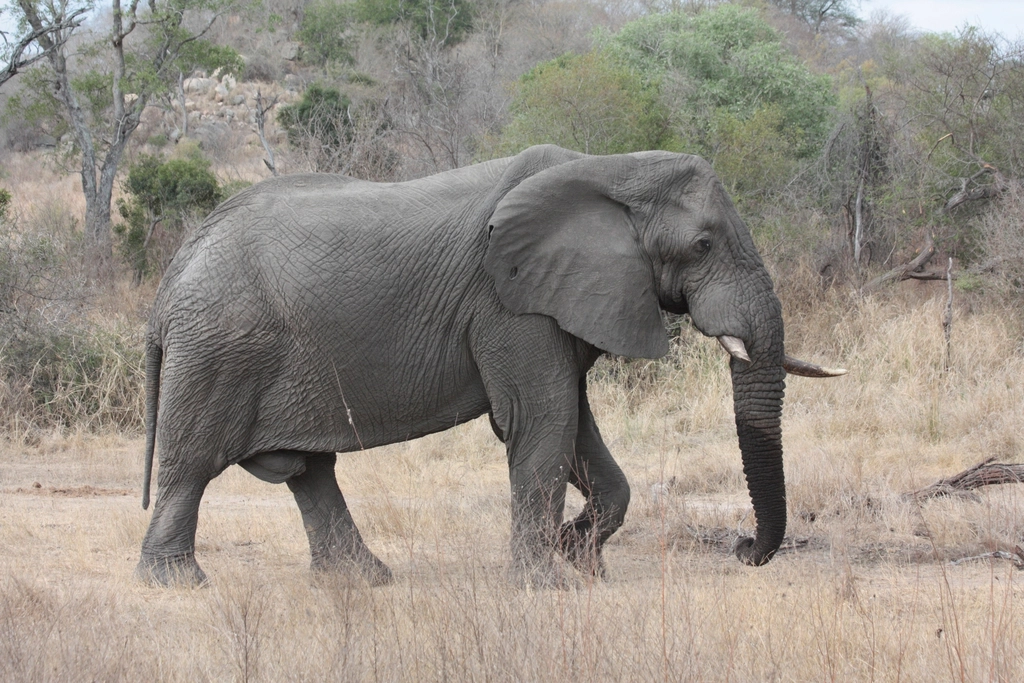 Photo Credit: Rawpixel
In the heart of Africa, where the sun casts golden rays over vast savannas and dense forests, roams the African elephant, scientifically known as Loxodonta africana. These magnificent giants, the largest land mammals on Earth, are a sight to behold. With their massive ears that resemble the shape of Africa itself, and their long, powerful trunks that can reach up to seven feet, they are not just impressive in size but also in their ability to interact with their environment. Their skin, a rough gray, is often covered in dust and mud, which helps protect them from the sun and pesky insects.
As they wander through their habitat, African elephants play a vital role in the ecosystem. They are herbivores, munching on grasses, leaves, and fruits, and their feeding habits help shape the landscape. By uprooting trees and trampling underbrush, they create open spaces that allow other plants and animals to thrive. This keystone species, meaning their presence is crucial for maintaining the balance of their environment, captivates scientists and nature enthusiasts alike. Their complex social structures, deep emotional bonds, and remarkable intelligence make them a subject of endless fascination. Join us as we explore the world of the African elephant, uncovering the secrets of their lives, their challenges, and the vital role they play in the natural world.
The African elephant holds a prominent place in the tree of life, showcasing its significance within the animal kingdom. As the largest land mammal, it belongs to the order Proboscidea, which is characterized by long trunks and large ears. This incredible animal is not just a symbol of strength; it also plays a crucial role in its ecosystem, helping to shape the environment by creating pathways through dense vegetation and dispersing seeds. Its unique adaptations, such as its social structure and intelligence, set it apart from other species, making it a subject of fascination for scientists and nature lovers alike.
| Taxonomic Rank | Scientific Name | Meaning & Significance |
|---|---|---|
| Kingdom | Animalia | This name signifies that African elephants are part of the vast group of multicellular organisms that are heterotrophic, meaning they consume other organisms for energy. |
| Phylum | Chordata | Chordata refers to animals that have a notochord, a flexible rod that supports the body. In elephants, this structure is replaced by a backbone as they develop. |
| Class | Mammalia | Mammalia indicates that African elephants are warm-blooded animals with fur or hair and mammary glands, which allow females to nurse their young. |
| Order | Proboscidea | Proboscidea comes from the Latin word “proboscis,” meaning “trunk.” This name highlights the elephant’s most distinctive feature, its long, versatile trunk used for feeding, drinking, and social interactions. |
| Family | Elephantidae | Elephantidae is derived from the Greek word “elephas,” meaning “ivory.” This name reflects the elephant’s iconic tusks, which are actually elongated incisor teeth. |
| Genus | Loxodonta | Loxodonta means “oblique tooth,” referring to the unique structure of the elephant’s molars, which are adapted for grinding tough plant material. |
Understanding the African elephant’s classification reveals much about its evolutionary journey. As a member of the Proboscidea order, it shares a common ancestor with other extinct species, such as the woolly mammoth. This lineage highlights the adaptations that have allowed elephants to thrive in diverse habitats across Africa. Their social behaviors and intelligence are not just fascinating traits; they are essential for survival in the wild. By studying their taxonomic position, we gain insights into how these magnificent animals have evolved and continue to play a vital role in their ecosystems today.
The evolutionary journey of the African elephant spans millions of years, tracing back to ancient ancestors that roamed the Earth long before modern humans appeared. This majestic creature, belonging to the family Elephantidae and the genus Loxodonta, has undergone significant changes since its early beginnings. The story begins around 60 million years ago, when the first members of the order Proboscidea emerged, leading to a diverse lineage that would eventually give rise to today’s elephants.
The earliest ancestors of elephants were small, pig-like animals known as hyraxes. Over time, these creatures evolved into larger forms, adapting to various environments. One of the major transitions occurred around 30 million years ago, when the first true elephants appeared. These early elephants had long, straight tusks and were well-suited for their habitats. As the climate changed and grasslands expanded, elephants adapted further, developing larger bodies and more pronounced tusks to help them forage for food. The African elephant, as we know it today, diverged from its Asian relatives about 5 million years ago, evolving distinct features that allowed it to thrive in the diverse ecosystems of Africa.
These evolutionary adaptations have been crucial for the survival of African elephants in their ever-changing environment. Their large ears and long trunks not only help them manage heat and gather food but also facilitate complex social interactions within their herds. The development of tusks has enabled them to access resources that other animals cannot, while their matriarchal social structure ensures that knowledge is passed down through generations. Together, these traits have allowed African elephants to navigate the challenges of their habitats, making them one of the most iconic and resilient species on the planet.
The African elephant is a magnificent sight to behold, embodying both strength and grace. Towering over most other animals, it can weigh between 6,600 and 13,000 pounds, making it the largest land mammal on Earth. Its massive body is supported by sturdy legs, which are designed to carry its great weight. The elephant’s skin is thick and textured, covered in bristled hairs that help protect it from the sun and insects. Perhaps the most striking feature is its long, prehensile trunk, a versatile tool that serves many purposes, from feeding to social interactions.
| Feature | Description |
|---|---|
| Weight | 6,600-13,000 pounds |
| Skin Type | Bristled hairs |
| Most Distinctive Feature | Prehensile trunk |
The combination of these features plays a crucial role in the elephant’s survival. Its enormous size deters many predators, while the thick skin protects it from harsh environmental conditions. The prehensile trunk is not just for show; it allows the elephant to reach high branches for leaves, dig for water, and even communicate with other elephants. Together, these characteristics make the African elephant a true marvel of nature, perfectly adapted to thrive in its diverse habitats across the African continent.
The African elephant roams across a diverse landscape that includes sprawling savannas and dense forests. Picture vast grasslands dotted with acacia trees, where these gentle giants can be seen foraging for food. In the forests, they navigate through thick foliage, using their powerful trunks to reach high branches or dig for roots. This combination of open and wooded areas provides the perfect setting for their social interactions and foraging habits, making their home a vibrant tapestry of life.
To thrive, African elephants require a warm climate with plenty of water sources. They are often found in regions where the temperature can soar, especially during the dry season. These elephants are well-adapted to their environment, needing access to both food and water to sustain their large bodies. The savannas provide grasses and shrubs, while forests offer leaves and fruits, ensuring a varied diet that supports their massive size.
Over time, African elephants have developed remarkable adaptations to their habitats. Their large ears help dissipate heat, acting like natural fans to keep them cool under the hot sun. Their trunks, a combination of a nose and upper lip, are incredibly versatile, allowing them to reach food, drink water, and communicate with one another. These adaptations not only help them survive but also enable them to thrive in the diverse environments they call home.
The daily life of an African elephant is a vibrant tapestry woven with activity and interaction. These magnificent animals are diurnal, meaning they are most active during the day. As the sun rises, elephants begin their day by foraging for food, which includes grasses, leaves, and fruits. They can consume up to 300 pounds of vegetation daily! Throughout the day, they engage in various activities such as bathing in waterholes, socializing with family members, and even playing with one another. As the sun sets, they often gather in groups to rest, continuing their cycle of life under the stars.
Social behavior is at the heart of an African elephant’s existence. These animals live in herds, typically led by a matriarch, the oldest and often wisest female. The bonds within the herd are strong, as elephants communicate through a range of vocalizations, body language, and even low-frequency sounds that can travel long distances. This social structure is crucial for raising young elephants and protecting them from predators. The herd works together to find food and water, and they often engage in playful activities, reinforcing their social ties and ensuring a supportive environment for all members.
| Behavior Type | Description |
|---|---|
| Activity Patterns | Active during the day, foraging for food, bathing, and socializing. |
| Social Structure | Live in herds led by a matriarch, with strong family bonds. |
| Communication Methods | Use vocalizations, body language, and low-frequency sounds to communicate. |
The behaviors of African elephants are not just fascinating; they are essential for survival. By living in herds, they provide protection for their young and share knowledge about food and water sources. Their communication skills help maintain social bonds and coordinate group activities, ensuring that every member of the herd thrives. In a world where challenges abound, these behaviors create a strong foundation for the elephants’ continued existence in their natural habitats.
The African elephant is a true herbivore, meaning it primarily eats plants. These gentle giants have a varied diet that includes grasses, leaves, fruits, and bark. With their long trunks, they can reach high branches or dig up roots, showcasing their impressive foraging skills. Their large size allows them to consume up to 300 pounds of food in a single day! This constant search for food shapes their daily activities and social interactions, as they often travel in groups to find the best feeding spots.
| Dietary Aspect | Details |
|---|---|
| Diet Type | Herbivore |
| Favorite Foods | Grasses, leaves, fruits, and bark |
| Prey Items | None (as they do not eat meat) |
| Foraging Strategies | Using trunks to reach high branches, digging for roots, and moving through vegetation |
The diet of the African elephant plays a crucial role in its ecosystem. By consuming vast amounts of vegetation, they help maintain the balance of their habitats. Their foraging habits create clearings in dense forests, allowing sunlight to reach the ground and promoting new plant growth. This not only benefits other animals but also shapes the landscape itself. As they wander in search of food, they contribute to the health of their environment, making them vital players in the intricate web of life.
Mating among African elephants is a captivating spectacle, often marked by a series of social interactions and displays. During the breeding season, which can occur year-round but peaks during the rainy months, males engage in a behavior called musth. This is a period of heightened testosterone levels, making them more aggressive and competitive for the attention of females. Female elephants, on the other hand, signal their readiness to mate through vocalizations and body language, attracting potential mates.
| Reproductive Aspect | Details |
|---|---|
| Gestation Period | 22 months |
| Average Litter Size | 1 |
| Age of Sexual Maturity | 120-204 months |
| Name of Young | Calf |
Once a calf is born, the journey of growth and development begins. African elephant mothers are incredibly nurturing, providing their young with constant care and protection. The bond between a mother and her calf is strong, as she teaches her little one essential survival skills, such as foraging for food and recognizing dangers. Calves stay with their mothers for several years, learning from her and the rest of the herd. This close-knit family structure is vital for the calf’s development into a healthy adult, ensuring they are well-prepared to navigate the challenges of the wild.
The African elephant plays a crucial role in its ecosystem, often referred to as a keystone species. This means that its presence and activities significantly shape the environment around it. By foraging on trees and shrubs, these giants help maintain the balance of their habitats, allowing other species to thrive. However, despite their size and strength, African elephants face numerous dangers that threaten their survival.
To defend themselves against these threats, African elephants have developed several survival strategies. They often travel in herds, which provides safety in numbers. When faced with danger, they can display aggressive behaviors, such as trumpeting loudly or charging at potential threats. Their size alone can deter many predators, but their intelligence also plays a key role. Elephants communicate through low-frequency sounds that can travel long distances, allowing them to warn each other of danger. By working together and using their social bonds, these magnificent animals continue to navigate the challenges of their environment.
A keystone species is an animal that has a disproportionately large impact on its environment relative to its abundance. The African elephant certainly qualifies as a keystone species. Its presence and activities are vital for maintaining the health and balance of its ecosystem, influencing many other species and the landscape itself.
African elephants are often referred to as “ecosystem engineers.” This means they actively shape their environment in ways that benefit many other organisms. For example, when elephants forage for food, they uproot trees and shrubs, creating open spaces in dense forests. This not only allows sunlight to reach the ground but also encourages the growth of grasses and other plants that many herbivores rely on for food.
Additionally, elephants play a crucial role in seed dispersal. As they consume fruits and leaves, they inadvertently transport seeds through their digestive systems. When they move around and later defecate, they deposit these seeds in new locations, helping to grow new plants and maintain biodiversity. This process is essential for the regeneration of various plant species, which in turn supports a wide range of wildlife.
Moreover, the waterholes that elephants dig during dry seasons become vital resources for many other animals. These watering spots attract a variety of species, from birds to larger mammals, creating a bustling hub of life. The presence of elephants thus fosters a rich community of organisms that depend on these resources.
If African elephants were to disappear, the consequences would be profound. The loss of these giants would lead to denser forests, which could choke out many plant species and reduce the variety of habitats available for other animals. Without the elephants’ role in seed dispersal, many plants would struggle to reproduce, leading to a decline in biodiversity. The waterholes they create would vanish, leaving many animals without essential water sources. In essence, the disappearance of African elephants would unravel the intricate web of life that depends on them, leading to a less vibrant and less resilient ecosystem.
The African elephant occupies a vital ecological niche, acting as a keystone species in its habitat. This means that its activities have a significant impact on the environment, influencing the lives of many other organisms. By foraging for food and creating pathways through dense vegetation, these gentle giants help shape the landscape. Their presence supports a diverse array of wildlife, making them essential to the health of their ecosystems.
| Ecosystem Service | Impact |
|---|---|
| Seed Dispersal | Elephants consume fruits and then excrete the seeds, helping new plants grow in different areas. |
| Vegetation Management | By feeding on trees and shrubs, elephants prevent overgrowth, allowing grasses and other plants to thrive. |
| Water Source Creation | When elephants dig for water in dry riverbeds, they create water holes that benefit other animals. |
| Soil Aeration | Their movement and foraging activities help aerate the soil, improving its quality for plant growth. |
One striking example of the African elephant’s influence is its role in seed dispersal. When elephants munch on fruits, they often swallow the seeds whole. Later, when they excrete these seeds, they are deposited in new locations, ready to sprout into new plants. This process not only helps maintain plant diversity but also supports the entire food web. Additionally, by feeding on trees and shrubs, elephants prevent overgrowth, allowing grasses to flourish, which in turn supports herbivores like zebras and antelopes.
The broader ecological importance of the African elephant cannot be overstated. As they roam through savannas and forests, they create pathways that other animals use, enhancing connectivity in the ecosystem. Their activities help maintain the balance of plant and animal life, ensuring that various species can thrive together. By shaping their environment, African elephants play a crucial role in sustaining the biodiversity that is essential for a healthy planet.
In the intricate web of life, symbiosis plays a crucial role in shaping ecosystems. Symbiosis refers to the close and often long-term interactions between different species. These relationships can be mutualistic, where both species benefit, parasitic, where one benefits at the other’s expense, or commensal, where one benefits while the other is neither helped nor harmed. The African elephant, with its massive presence and unique behaviors, engages in various ecological partnerships that highlight the interconnectedness of nature.
| Species/Type | Relationship Type | Description |
|---|---|---|
| Oxpecker Birds | Mutualistic | Oxpeckers perch on elephants, eating ticks and parasites from their skin. In return, the elephants get relief from these pests. |
| Acacia Trees | Mutualistic | Elephants help disperse acacia seeds through their dung, promoting new growth. The trees provide food and shade for the elephants. |
| Remora Fish | Commensal | Remoras attach themselves to elephants when they wade into water, feeding on leftover food scraps. The elephants are not affected by their presence. |
| Fleas and Ticks | Parasitic | These pests live on elephants, feeding on their blood. This relationship harms the elephants, as it can lead to discomfort and health issues. |
The evolution of these relationships showcases the dynamic nature of ecosystems. Over time, African elephants and their partners have adapted to benefit from one another, creating a balance that supports their survival. Mutualistic relationships, like those with oxpecker birds and acacia trees, enhance the health and well-being of both species involved. Meanwhile, parasitic relationships remind us that not all interactions are beneficial. Understanding these connections helps us appreciate the delicate balance of life in the wild and the importance of protecting these magnificent animals and their habitats.
The African elephant is a creature of wonder, filled with surprising traits and behaviors that make it truly special. These gentle giants are not just the largest land mammals; they also possess a range of fascinating characteristics that many people may not know about.
The relationship between African elephants and humanity is as ancient as the species itself. For thousands of years, these majestic creatures have captured the imagination of cultures across Africa and beyond. In many societies, elephants symbolize strength, wisdom, and loyalty. They appear in folklore, art, and religious practices, often revered as sacred beings. Historical encounters between humans and elephants have shaped not only local traditions but also the way communities interact with their environment. From hunting to coexistence, the bond has evolved, reflecting the changing dynamics of human society.
Today, the interactions between African elephants and humans are complex and multifaceted. On one hand, conservation efforts are underway to protect these magnificent animals from poaching and habitat loss. Organizations work tirelessly to create safe spaces for elephants, recognizing their vital role in maintaining healthy ecosystems. However, conflicts also arise, particularly when elephants wander into agricultural areas, leading to crop damage and sometimes dangerous encounters. In some regions, elephants are even domesticated for labor or tourism, showcasing a different side of this relationship. Balancing conservation with human needs remains a significant challenge.
As we look to the future, the relationship between African elephants and humanity holds both promise and peril. With increasing awareness of the ecological importance of elephants, there is hope for a more harmonious coexistence. By fostering understanding and respect, we can work towards solutions that benefit both elephants and people. The journey ahead will require collaboration, innovation, and a commitment to preserving the natural world for generations to come. Together, we can ensure that these gentle giants continue to roam the earth, inspiring awe and wonder in all who encounter them.
The African elephant is currently classified as Critically Endangered, a status that highlights the urgent need for conservation efforts. With an estimated population of around 415,000 individuals, these magnificent animals have seen significant declines in their numbers over the past few decades. The trend is alarming, as habitat loss and poaching continue to threaten their survival.
| Conservation Factor | Status/Details |
|---|---|
| IUCN Status | Critically Endangered |
| Estimated Population Size | 415,000 |
| Population Trend | Decreasing |
One of the main threats to African elephants is poaching, driven primarily by the illegal ivory trade. Poachers target these gentle giants for their tusks, which are highly valued in some markets. Additionally, habitat loss due to agriculture, urban development, and climate change further endangers their populations. As their natural habitats shrink, elephants are forced into closer contact with human settlements, leading to conflicts that can be deadly for both elephants and people.
Conservation efforts are underway to protect African elephants and their habitats. Organizations are working tirelessly to combat poaching through anti-poaching patrols and community education programs. Protected areas and wildlife reserves are being established to provide safe havens for these animals. The outlook for the African elephant depends on continued global awareness and action. With dedicated efforts, there is hope that their populations can stabilize and even recover, allowing future generations to marvel at these incredible creatures.
| Question | Answer |
|---|---|
| What is the habitat of African Elephants? | African Elephants are found in a variety of habitats, including savannas and forests. These environments provide them with the space and resources they need to thrive, such as food and water. |
| What do African Elephants eat? | As herbivores, African Elephants primarily eat grasses, leaves, fruits, and bark. Their large size means they need to consume a lot of food each day, often foraging for up to 16 hours! |
| How do African Elephants behave in the wild? | African Elephants are known for their strong social bonds. They live in matriarchal herds led by the oldest female, and they communicate using a variety of sounds, body language, and even vibrations through the ground. |
| How do African Elephants reproduce? | Female African Elephants have a long gestation period of about 22 months, which is one of the longest in the animal kingdom. After giving birth, mothers care for their calves closely, teaching them essential survival skills. |
| What are the main threats to African Elephants? | African Elephants face several threats, including habitat loss due to human activities and poaching for their ivory tusks. These challenges have led to a decline in their populations, making them critically endangered. |
| What is a unique characteristic of African Elephants? | One of the most distinctive features of African Elephants is their prehensile trunk. This amazing appendage is used for a variety of tasks, from grabbing food to drinking water, and even social interactions. |
| How do African Elephants communicate? | African Elephants communicate using a range of vocalizations, including trumpets and rumbles. They can also use low-frequency sounds that travel long distances, allowing them to stay in touch with other elephants even when far apart. |