Taxonomy & Classification
- Kingdom
- Animalia
- Phylum
- Chordata
- Class
- Aves
- Order
- Psittaciformes
- Family
- Psittacidae
- Genus
- Psittacus
- Species
- Psittacus erithacus

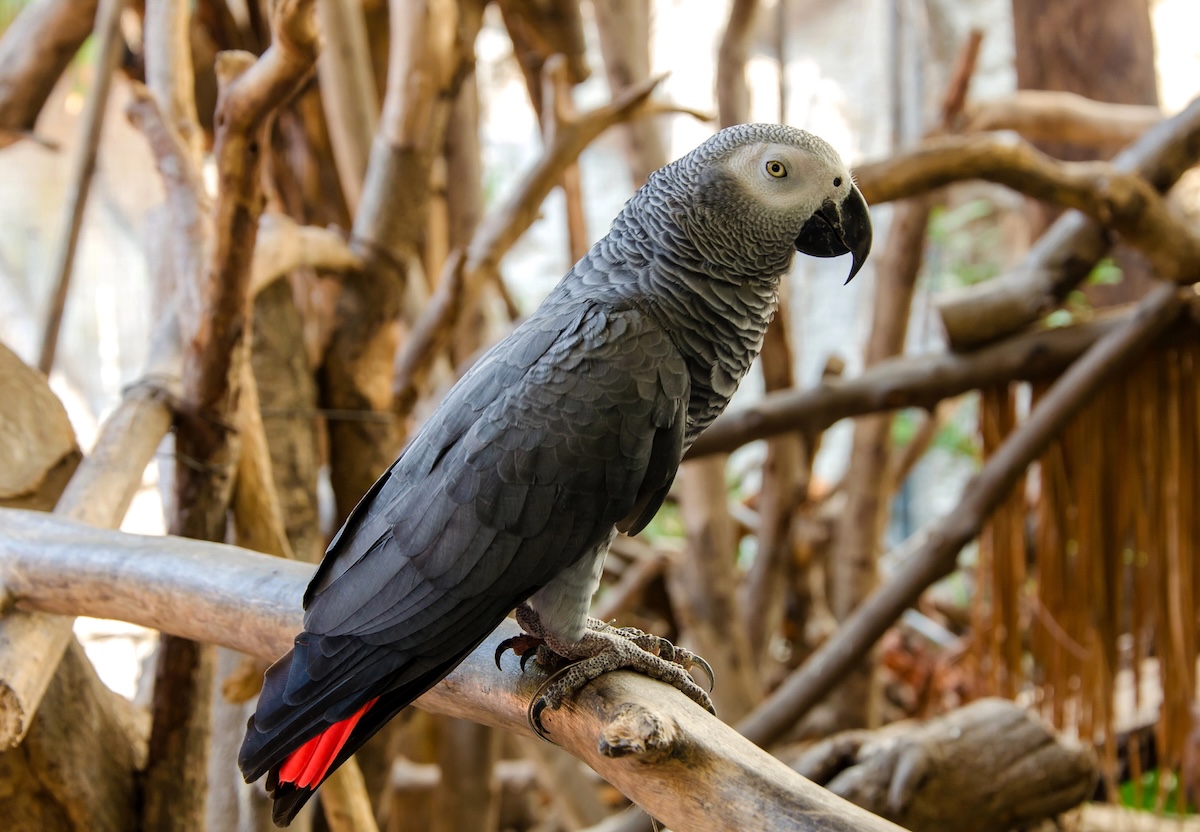 Photo Credit: casanowe1 on Deposit Photos
In the heart of Africa’s vibrant rainforests, the African Grey Parrot, known scientifically as Psittacus erithacus, flits among the lush branches, a dazzling splash of gray feathered elegance. With its striking red tail and bright white mask, this medium-sized bird captivates anyone lucky enough to catch a glimpse. But it’s not just its beauty that draws attention; it’s the African Grey’s remarkable ability to mimic human speech and sounds that has fascinated scientists and bird enthusiasts alike. This parrot’s keen intelligence and social nature make it a true marvel of the avian world.
Picture a sun-drenched morning where the symphony of chirps and calls fills the air. As the sun rises, the African Grey Parrot awakens in its treetop home, ready to greet the day. With its sharp beak and nimble claws, it expertly navigates the dense foliage, foraging for seeds, nuts, and fruits. This clever bird plays a vital role in its ecosystem, helping to scatter seeds that will grow into new plants, maintaining the lush beauty of its forest home. As we dive deeper into the life of the African Grey Parrot, we’ll explore its complex behaviors, unique diet, and the challenges it faces in a rapidly changing world. Join us on this adventure as we uncover the secrets of this extraordinary avian companion.
The African Grey Parrot, a captivating member of the animal kingdom, holds a special place in our understanding of avian intelligence and behavior. This species is classified within the kingdom Animalia, highlighting its status as a living organism that consumes organic material. As a member of the phylum Chordata, it shares characteristics with other vertebrates, such as having a backbone. What sets the African Grey apart is its incredible ability to mimic human speech and its remarkable cognitive skills, often considered among the most intelligent birds on our planet. Its scientific classification reveals not only its biological relatives but also its evolutionary adaptations that contribute to its engaging behavior.
| Taxonomic Rank | Scientific Name | Meaning & Significance |
|---|---|---|
| Kingdom | Animalia | This name means “animals” in Latin, representing all multicellular organisms that feed on organic material. |
| Phylum | Chordata | Chordata comes from the Latin “chorda,” meaning “string,” referring to the backbone that supports the body of these animals. |
| Class | Aves | Aves is the Latin word for “birds,” describing this warm-blooded class of animals with feathers and wings, adapted for flight. |
| Order | Psittaciformes | This order includes parrots, characterized by their strong, curved beaks, and zygodactyl feet, meaning they have two toes facing forward and two backward, perfect for gripping branches. |
| Family | Psittacidae | Psittacidae, derived from the Greek “psittakos,” means “parrot,” emphasizing the vibrant and sociable nature of these birds. |
| Genus | Psittacus | This genus name means “parrot” in Greek and highlights the distinctive features of these birds, such as their intelligence and vocal mimicry. |
Understanding the African Grey Parrot’s classification helps us trace its evolutionary journey through time. By examining its relationships within the tree of life, we can see how this bird has adapted to its environment and developed its extraordinary communication skills. The African Grey’s lineage connects it to other parrots and birds, showcasing the shared traits that have evolved over millions of years. This intricate web of life tells a story of survival, adaptation, and the remarkable capabilities that make the African Grey a true marvel of the avian world.
The African Grey Parrot, a stunning example of avian evolution, has a rich timeline that stretches back millions of years. As part of the family Psittacidae, which includes all parrots, this intelligent bird is believed to have descended from earlier parrot ancestors that roamed the forests of Africa. The evolutionary journey of the African Grey reflects a remarkable adaptation to their environment and social needs, shaping them into the fascinating companions we know today.
The ancestors of the African Grey Parrot were small, seed-eating birds that lived in tropical forests. Over time, these early parrots evolved traits that helped them thrive in their lush habitats. One of the major transitions was the development of strong, curved beaks, perfect for cracking open hard seeds and nuts. This adaptation allowed them to access a rich food source that many other birds could not. Additionally, as these birds became social creatures, they developed complex vocalizations which eventually led to the impressive talking ability seen in modern African Greys. This was not just for communication; it played a vital role in bonding with their flock, helping them to navigate the challenges of their environment.
These adaptations have been crucial for the African Grey Parrot’s survival. Their strong beaks ensure they can find food even in the most competitive environments, while their vocal talents foster connections that enhance group living. Being social not only helps them find mates but also provides protection from predators through collective vigilance. Meanwhile, their intelligence allows them to problem-solve and adapt to changes, ensuring they thrive in the wild. Together, these evolutionary traits make the African Grey Parrot not just a survivor, but a thriving symbol of the wonders of nature’s ingenuity.
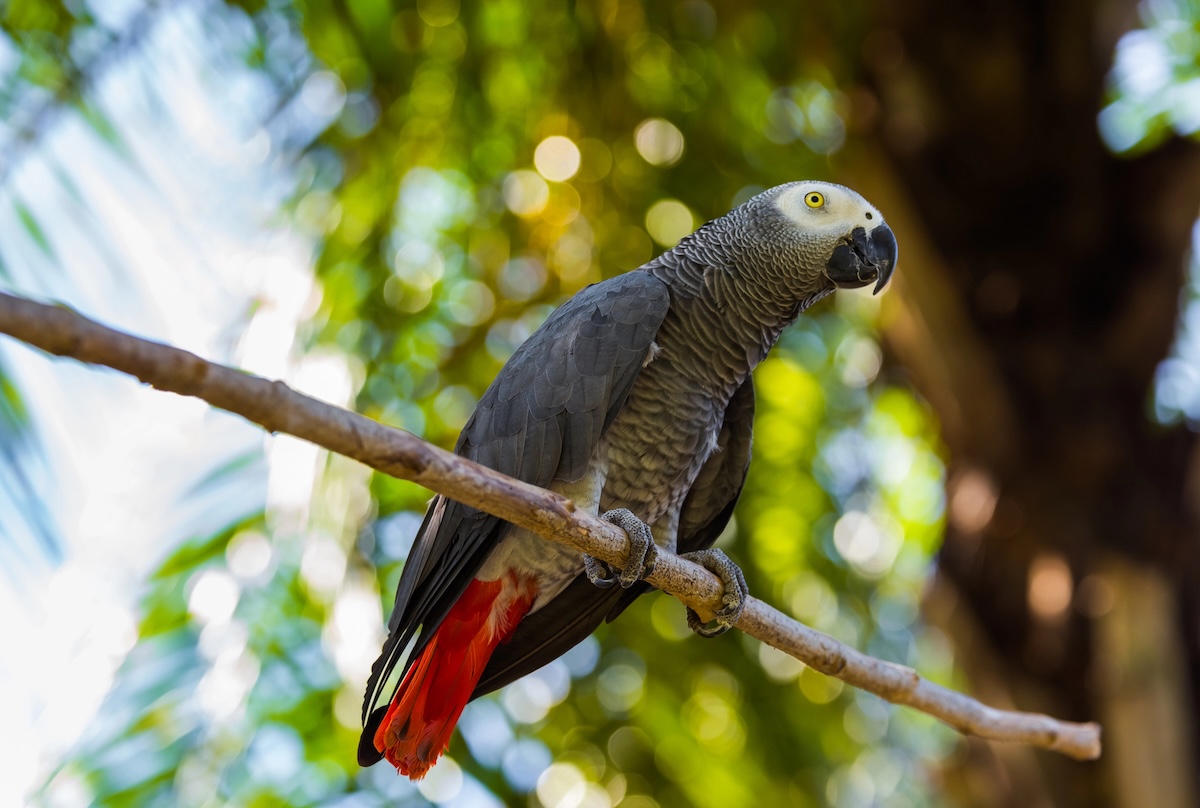
The African Grey Parrot is a striking bird that captures the eye with its elegant form and sophisticated demeanor. Its body is medium-sized, boasting a length of about 12 to 14 inches from beak to tail. The feathers are a dazzling mix of grey tones, ranging from light silver to deep charcoal, adorned with vibrant red tails that add a splash of color to their otherwise monochromatic appearance. With a strong, curved beak designed for cracking nuts and seeds, this parrot exhibits a sturdy, well-proportioned build that speaks to its adaptability in the wild.
| Feature | Description |
|---|---|
| Size | 12 to 14 inches in length |
| Weight | 14.75 to 18.5 ounces |
| Color | Grey body with bright red tail feathers |
| Skin Type | Feathered with a smooth, strong beak |
| Eyes | Dark and expressive, reflecting intelligence |
These physical features work together harmoniously to support the African Grey Parrot’s survival. The sleek, grey plumage provides excellent camouflage against the dappled light of their forest homes, making it harder for predators to spot them. Meanwhile, their powerful beak allows them to access a variety of foods, from seeds to fruits, ensuring they have a diverse diet. The vibrant red tail not only stands out in flight, enhancing their beauty, but may also play a role in communication with other parrots. Overall, the African Grey Parrot’s design is a perfect blend of form and function, showcasing nature’s incredible ingenuity.
The African Grey Parrot makes its home in a vibrant tapestry of habitats across Africa. These intelligent birds thrive in lush lowland forests, where towering trees create a canopy filled with life. They are often found in mangroves, those fascinating coastal ecosystems where saltwater meets fresh, and in savannas, open grasslands dotted with trees. You might even spot them in gardens, where they enjoy the fruits and flowers cultivated by humans. This varied landscape provides both the food and shelter these parrots need to flourish.
The climate of these regions is typically warm and humid, which suits the African Grey Parrot perfectly. They prefer places where temperatures are mild, often enjoying a tropical climate that keeps their habitats lush and green. Frequent rainfall in these areas supports a rich diversity of plants and fruits, providing the parrot with a steady supply of food. These environmental conditions are crucial for their survival, as they rely on a diet rich in seeds, nuts, and fruits that grow abundantly in such climates.
Adaptation is key for the African Grey Parrot’s success in these habitats. Their strong beaks are perfectly designed for cracking open tough seeds and nuts, while their remarkable vocal abilities help them communicate with one another in dense forests. Their keen eyesight allows them to spot ripe fruits from great distances, ensuring they can find food easily. By blending into the leafy canopies, they also stay safe from predators, demonstrating how well they have adapted to the specific challenges of their environment.
The African Grey Parrot begins its day with a burst of energy as the sun rises over its lush forest home. These intelligent birds start their morning by stretching their wings and preening their feathers, ensuring they look their best. As the day progresses, they engage in playful antics, swinging from branches and calling out to their flockmates. Their keen curiosity drives them to explore their surroundings, searching for seeds, fruits, and nuts, which make up a large part of their diet. Throughout the day, they alternate between foraging, socializing, and resting, creating a rhythm that showcases their lively nature.
Social interaction is at the heart of the African Grey Parrot’s daily life. These parrots are known for their strong flock dynamics, which means they thrive in groups. Living in a tight-knit community, they communicate through a variety of vocalizations, from soft murmurs to loud squawks, each serving a purpose in their social structure. When one member of the flock finds food, it often alerts others, ensuring everyone benefits from the discovery. This teamwork is vital for their survival, as it fosters a sense of security and strengthens bonds among individuals.
| Behavior Type | Description |
|---|---|
| Daily Activity Patterns | African Grey Parrots exhibit a daily cycle of foraging, socializing, and resting, often starting early in the morning and continuing until sunset. |
| Social Structure | These parrots live in flocks, forming strong social ties and relying on each other for safety and companionship. |
| Communication Methods | They use a range of vocalizations, including calls and mimicking sounds, to communicate needs and strengthen social bonds within the flock. |
The behaviors of the African Grey Parrot are not just entertaining; they are essential for their survival in the wild. By living in flocks, they gain protection from predators and increase their chances of finding food. Their sophisticated communication skills help them coordinate and share information, ensuring that each member of the flock can thrive. This combination of social behavior and keen intelligence makes the African Grey Parrot a true marvel of the avian world, showcasing how cooperation and communication are key to thriving in nature.
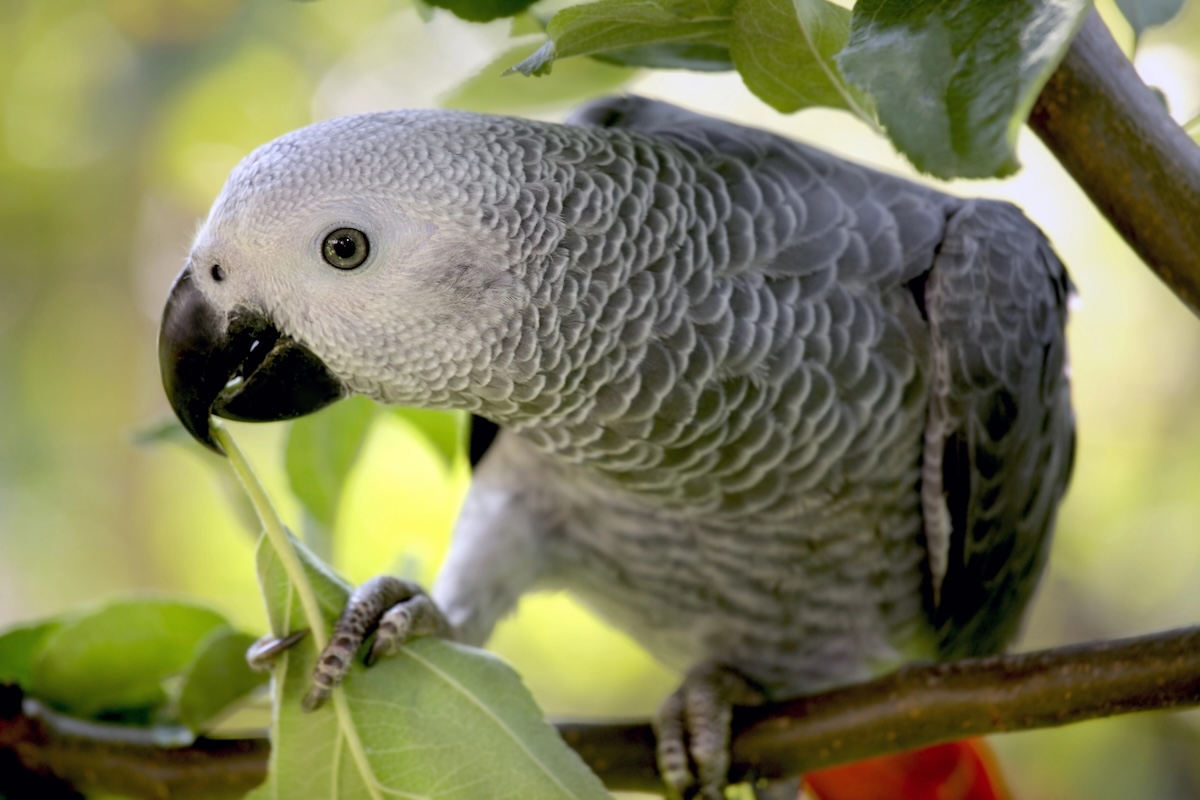
The African Grey Parrot primarily follows a herbivorous diet, meaning it thrives on plant-based foods. These clever birds are known for their keen foraging skills, which allow them to seek out a variety of seeds, nuts, fruits, and leaves in their forest habitats. They use their strong beaks to crack open hard shells and peel layers of tough plant materials, showcasing both their dexterity and intelligence. These feeding behaviors not only provide sustenance but also play a vital role in their social interactions, as they often forage in groups, sharing discoveries with one another.
| Dietary Aspect | Details |
|---|---|
| Diet Type | Herbivore |
| Favorite Foods | Seeds, nuts, fruits, and leaves |
| Prey Items | None, as they are not carnivorous |
| Hunting/Foraging Strategies | Foraging in groups, using strong beaks to crack shells and peel fruits |
This diet significantly shapes the African Grey Parrot’s ecology and daily routine. By feeding on a variety of plant materials, they contribute to seed dispersal, helping to maintain the health of their forest ecosystems. Their social foraging behavior not only strengthens bonds among flock members but also enhances their problem-solving skills. Each day is an adventure, filled with the search for food, social interactions, and the joy of exploring their vibrant surroundings, making the African Grey Parrot a truly engaging part of the avian world.
As the warm breezes of the African savannah begin to stir, the African Grey Parrot embarks on its mating rituals, marking the start of the breeding season. These intelligent birds are known for their strong pair bonds, often selecting a mate for life. During courtship, they engage in playful displays, such as vocalizations and synchronized movements, which help strengthen their connection. This fascinating bonding process typically occurs during the rainy season, when food is plentiful, and nesting opportunities abound.
| Reproductive Aspect | Details |
|---|---|
| Gestation Period | 28 days |
| Litter Size | 1 to 4 eggs |
| Age of Maturity | 3 to 5 years |
| Name of Young | Chick |
Once the eggs hatch, the dedicated parents take on the crucial role of caregivers. Both the male and female African Grey Parrots share the responsibility of feeding and protecting their young. They regurgitate food, a nutritious mixture of seeds and fruits, directly into the chicks’ mouths. This close bond and attentive care help the chicks grow strong and learn essential survival skills. Over the next few months, as they develop their feathers and learn to mimic sounds, the young parrots gradually prepare to leave the nest and become independent adults, ready to join the vibrant world of their parents.
The African Grey Parrot plays an essential role in the food web of its native habitats, primarily located in the lush forests of Africa. As an herbivore, it primarily feeds on seeds, nuts, and fruits, which means it helps in seed dispersal—spreading plants throughout the ecosystem. However, this vibrant bird also faces numerous dangers that challenge its survival in the wild.
To survive against these threats, African Grey Parrots have developed several defensive behaviors. Their ability to blend into the treetops helps them evade predators, while their strong, loud calls can alert other birds of danger. Additionally, these clever parrots often travel in flocks, which provides safety in numbers. By staying alert and communicating with one another, they navigate their world with remarkable intelligence and social cooperation, ensuring their survival amidst the challenges they face.
A keystone species is an organism that has a disproportionately large impact on its environment relative to its abundance. In other words, if it were removed, the ecosystem would change dramatically. The African Grey Parrot fits this definition due to its essential role in maintaining the health of its habitat in the forests of Africa. These intelligent birds not only influence their immediate surroundings but also serve as important players in their ecosystem’s dynamics.
One of the most significant ways the African Grey Parrot impacts its ecosystem is through its diet. As herbivores, these parrots primarily feast on seeds, nuts, and fruits. In doing so, they help with seed dispersal, which means they transport and plant seeds throughout their habitats as they feed. This not only encourages plant growth but also supports the regeneration of forests, ensuring a diverse range of plant species. In turn, this diversity provides habitats for countless other animals, from insects to larger mammals.
Moreover, the African Grey Parrot’s social structure plays a vital role in its ecosystem. These birds are highly social and often form flocks, which can include dozens of individuals. This flock behavior helps in foraging as they communicate and work together to find food. This collective effort not only increases their chances of survival but also influences the distribution of resources in their environment. When they forage, they may inadvertently create gaps in the foliage, allowing sunlight to reach the forest floor and promoting the growth of new plants.
The African Grey Parrot also serves as a prey species for various predators, including birds of prey and snakes. By being part of the food web, they contribute to the balance of predator and prey populations, which is crucial for maintaining healthy ecosystems. Their presence indicates a thriving environment, as the health of avian populations often reflects the overall condition of their habitats.
If the African Grey Parrot were to disappear from its ecosystem, the effects would be profound. Without these parrots to disperse seeds, many plant species might struggle to survive, leading to a decline in forest health. This loss would ripple through the ecosystem, affecting not only the plants but also the myriad of species that rely on those plants for food and shelter. The vibrant tapestry of life that thrives in the African lowland forests could be dramatically altered, highlighting just how vital the African Grey Parrot is to its environment.
The African Grey Parrot is more than just a colorful companion; it plays a crucial role in shaping its ecosystem. Found in various habitats like lowland forests, mangroves, savannas, and even gardens, these intelligent birds are herbivores, meaning they primarily eat plant-based foods. Their foraging habits and social behaviors significantly influence the plant life around them, creating a ripple effect that benefits a multitude of other species.
| Ecosystem Service | Impact |
|---|---|
| Seed Dispersal | By eating fruits and seeds, they help spread new plants across their habitat, promoting biodiversity. |
| Forest Health | Their feeding habits help control plant populations, ensuring no single species dominates the landscape. |
| Social Interactions | They create complex social structures that enhance the stability of their communities, which can influence other species. |
| Habitat Modification | By foraging, they can influence the growth patterns of trees and shrubs, impacting the entire ecosystem. |
For example, when African Grey Parrots consume fruits, they often travel considerable distances, dropping seeds in new locations. This behavior encourages the growth of diverse plant species, which in turn attracts various insects and animals. Furthermore, their interactions with other birds and mammals contribute to a balanced ecosystem. By feeding on certain plants, they help control their populations, allowing for a more diverse plant community that supports a wider range of wildlife.
In the grand scheme of things, the African Grey Parrot embodies the interconnectedness of life within its habitat. As a keystone species, its presence ensures the stability and health of the ecosystems it inhabits. Without these clever birds, many plants would struggle to reproduce, and the rich tapestry of life in their forests and savannas would be dramatically altered. By protecting the African Grey Parrot, we are also safeguarding the myriad of relationships that sustain the delicate balance of their environment.
In the vibrant world of nature, many species form partnerships that help them survive and thrive. These relationships, known as symbiosis, can take different forms. Some creatures help each other, while others may benefit at the expense of one party. These connections play a crucial role in maintaining ecological balance, ensuring that both the partners and their environment flourish.
| Species/Type | Relationship Type | Description |
|---|---|---|
| Fruit-bearing trees | Mutualistic | African Grey Parrots feed on the fruits of these trees, helping to disperse the seeds through their droppings. This benefits the trees by allowing them to spread and grow in new areas. |
| Cleaner birds (like Oxpeckers) | Commensal | While African Grey Parrots don’t usually interact with cleaner birds, these small birds often benefit from feeding on parasites found on larger animals, which can happen in the same habitats. |
| Predatory birds | Parasitic | In some cases, African Grey Parrots may be hunted by larger birds of prey. This relationship is harmful to the parrots, as they are at risk of becoming a meal. |
These symbiotic relationships have evolved over countless generations, driven by the needs of each species. The mutualistic interactions, like those with fruit-bearing trees, showcase how the African Grey Parrot contributes to its environment while gaining sustenance. Meanwhile, the parasitic relationships highlight the challenges these birds face, reminding us of the delicate balance of life in the wild. Understanding these connections allows us to appreciate the intricate web of life and the important roles each species plays in their ecosystems.
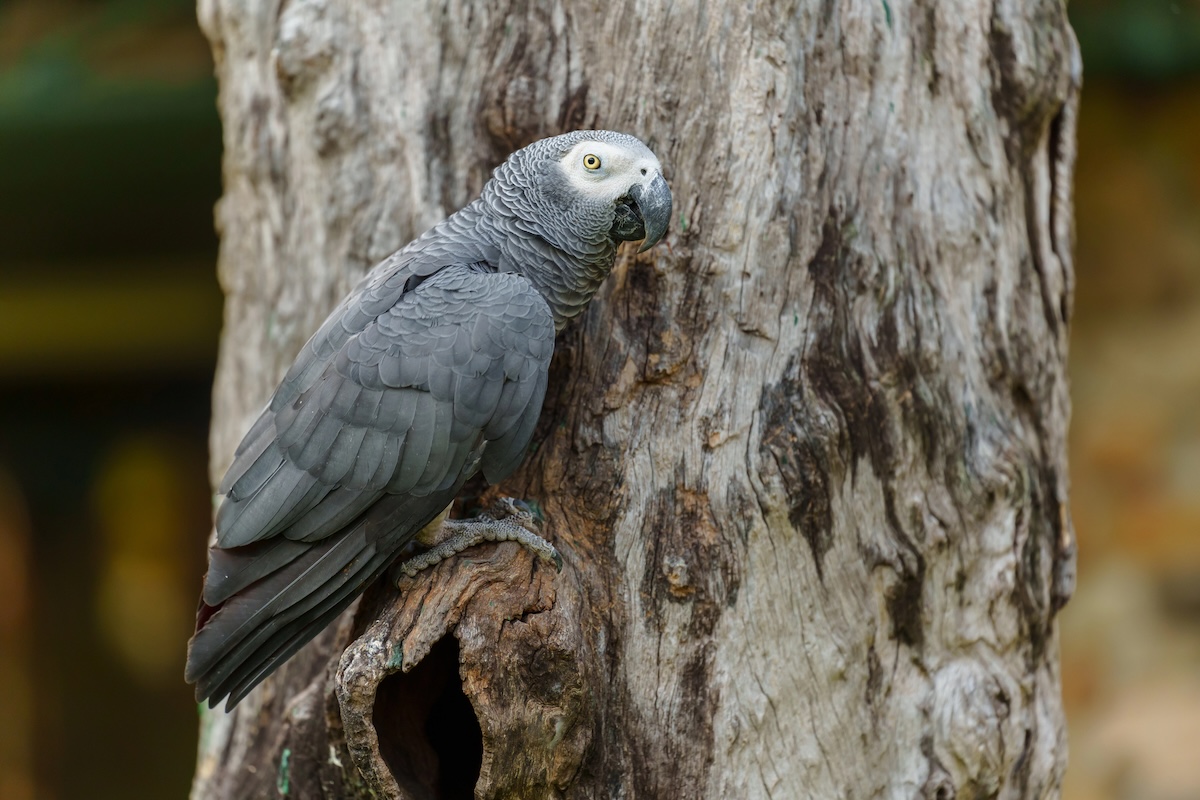
The African Grey Parrot is not just a pretty face; it’s a marvel of intelligence and adaptation that has captured the hearts of bird lovers everywhere. Let’s explore some surprising facts about this extraordinary bird that you might not know!
For centuries, the African Grey Parrot has danced between worlds—wild and human. These intelligent birds, native to the rainforests of West and Central Africa, have long been admired for their striking appearance and remarkable vocal abilities. In ancient cultures, they symbolized wisdom and eloquence. Many African communities revered these parrots, often associating them with spiritual messages and storytelling. Their ability to mimic human speech captivated explorers and naturalists, leading to a rich tapestry of stories that celebrate their beauty and intelligence.
Today, our interactions with African Grey Parrots are as complex as the birds themselves. While many have found a loving place in homes as pets, this popularity has led to significant challenges in the wild. Habitat loss due to deforestation and illegal trapping for the pet trade threaten their populations. Conservation efforts are underway to protect their natural habitats and promote sustainable practices. However, in some areas, conflicts arise as these parrots sometimes damage crops, leading to tension between farmers and wildlife. The domestication of these animals has also sparked discussions about their well-being, as they thrive best in social, stimulating environments.
As we look to the future, the relationship between African Grey Parrots and humanity remains at a crossroads. With increased awareness and proactive conservation efforts, there is hope for these incredible birds to flourish in the wild and in our homes. By fostering a deeper understanding of their needs and the challenges they face, we can ensure that future generations will continue to marvel at the intelligence and beauty of the African Grey Parrot, both in their native habitats and as cherished companions.
The African Grey Parrot, renowned for its intelligence and captivating personality, currently faces significant challenges in the wild. Classified as endangered, this species has experienced notable declines in population due to various human impacts. While estimates suggest that there are between 630,000 and 1.3 million African Grey Parrots left, the trend points toward a worrying decrease as their natural habitats are threatened and illegal trapping continues to rise.
| Conservation Factor | Status/Details |
|---|---|
| IUCN Status | Endangered |
| Population Estimates | 630,000 to 1.3 million |
| Trend Direction | Decreasing |
The primary threats to the African Grey Parrot are habitat loss and illegal trapping for the pet trade. As forests are cleared for agriculture and urban development, these birds lose their homes and food sources. Furthermore, their stunning feathers and vocal abilities make them highly sought after as pets, leading to widespread capture from the wild. Unfortunately, this not only reduces their numbers but also disrupts social structures within their groups.
Conservation efforts are underway to help protect the African Grey Parrot and its habitats. Various organizations are working to restore forests and prevent illegal poaching through education and enforcement. Additionally, breeding programs in captivity aim to bolster populations and reduce the demand for wild-caught birds. With continued global awareness and concerted action, there is hope that the African Grey Parrot will find a path toward recovery and thrive in the wild once again.
| Question | Answer |
|---|---|
| What is the natural habitat of African Grey Parrots? | African Grey Parrots are typically found in lowland forests, mangroves, savannas, and even gardens. They thrive in areas with plenty of trees, which provide food and nesting sites. Their natural homes are often in Central and West Africa. |
| What do African Grey Parrots eat? | As herbivores, African Grey Parrots primarily eat seeds, nuts, fruits, and vegetables. They enjoy a varied diet that helps them get all the nutrients they need to stay healthy. In the wild, they often forage for food in the treetops. |
| What are some common behaviors of African Grey Parrots? | African Grey Parrots are known for their intelligence and social behavior. They are very talkative and can mimic human speech and other sounds they hear. They also enjoy playing and interacting with their flock, which can include both other birds and humans. |
| How do African Grey Parrots reproduce? | During mating season, African Grey Parrots form strong pair bonds with their mates. They usually nest in tree cavities where the female lays 2 to 4 eggs. Both parents help care for the chicks until they are old enough to leave the nest. |
| What threats do African Grey Parrots face? | African Grey Parrots are currently classified as endangered, mainly due to habitat loss and the illegal pet trade. Deforestation is a significant threat as it destroys their natural homes. Conservation efforts are underway to protect their populations and habitats. |
| What are some interesting characteristics of African Grey Parrots? | African Grey Parrots are famous for their exceptional intelligence and ability to mimic sounds. They have striking grey feathers, a bright red tail, and a strong, curved beak. Their friendly nature and playful attitude make them popular pets, but they require a lot of attention and mental stimulation. |
| Can African Grey Parrots live in captivity? | Yes, African Grey Parrots can live in captivity, but they need a lot of care and social interaction. In a good environment, they can live up to 50 years or more! It's important for their owners to provide them with a stimulating environment, including toys and opportunities for socializing. |