Taxonomy & Classification
- Kingdom
- Animalia
- Phylum
- Chordata
- Class
- Aves
- Order
- Charadriformes
- Family
- Jacanidae
- Genus
- Actophilornis
- Species
- Actophilornis Africanus

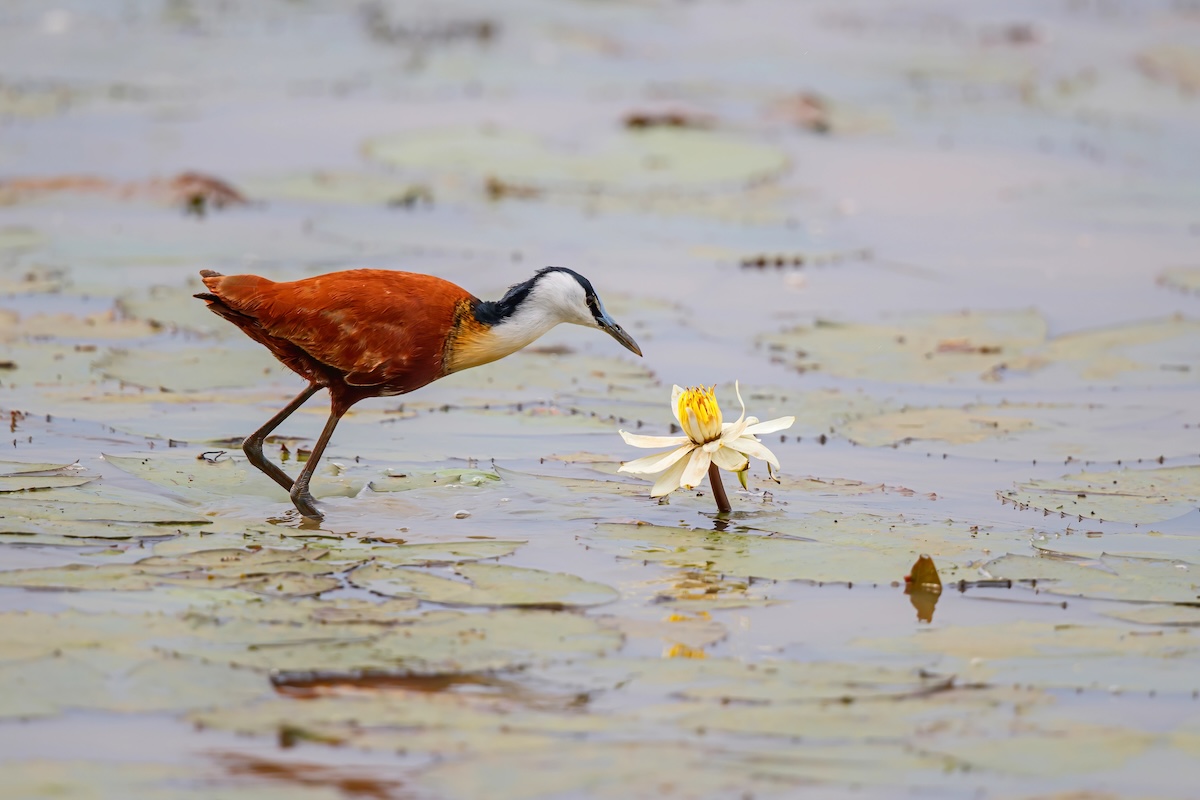 Photo Credit: henk.bogaard on Deposit Photos
Meet the African Jacana, or Actophilornis africanus, a bird that seems almost to glide over the surface of the water like a living piece of art. Picture this: in the shimmering wetlands of sub-Saharan Africa, where vibrant green reeds sway gently under the sun’s warm glow, the Jacana steps delicately across floating lily pads. With its long, spindly legs and oversized feet—perfectly adapted for walking on water—the Jacana is a master of grace and agility. It’s no wonder this bird captures the hearts of both birdwatchers and scientists alike; its ability to navigate the watery world with such poise is a testament to nature’s ingenuity.
As you watch the African Jacana, you’ll notice its striking plumage, a blend of rich chestnut and soft yellow, which contrasts beautifully with the lush greenery surrounding it. This bird is not just a pretty sight; it plays a crucial role in its ecosystem, helping to control populations of insects and small aquatic animals. What truly sets the Jacana apart, though, is its unique reproductive behavior. In a world where many birds have typical mating rituals, the Jacana takes a different path, showcasing elaborate courtship displays that can leave onlookers in awe. Join us as we delve deeper into the life of this enchanting bird, exploring its habitat, diet, and the fascinating relationships it shares with its environment.
The African Jacana, a captivating bird often seen gliding gracefully over the waters of sub-Saharan Africa, occupies a special place in the tree of life. Scientifically classified under the genus Actophilornis, this bird belongs to the family Jacanidae. What makes the African Jacana truly distinctive is its remarkable adaptation to wetland habitats, where it walks on floating vegetation thanks to its long toes and remarkable weight distribution. This adaptation allows it to thrive in environments that many other birds cannot navigate, showcasing the beauty of evolution and specialization in nature.
| Taxonomic Rank | Scientific Name | Meaning & Significance |
|---|---|---|
| Kingdom | Animalia | This term encompasses all animals, highlighting the African Jacana’s status as a living organism that can move on its own. |
| Phylum | Chordata | Chordata refers to animals with a backbone, showcasing the Jacana’s place among vertebrates. |
| Class | Aves | Aves means “birds” in Latin, emphasizing its feathered characteristics and ability to fly. |
| Order | Charadriformes | This order includes birds like plovers and gulls, which often inhabit shorelines, underscoring the Jacana’s connection to watery environments. |
| Family | Jacanidae | Named after the genus of Jacanas, this family groups together birds that share similar aquatic adaptations, especially their long toes. |
| Genus | Actophilornis | This name combines Greek roots: “aktis” meaning “ray” (like a ray of light) and “philos,” meaning “loving,” highlighting its affection for aquatic habitats. |
The classification of the African Jacana reveals much about its evolutionary journey. By understanding its taxonomic position, we see how it has adapted over time to thrive in specific environments, particularly wetlands. Its long toes and unique behavior of walking on floating plants illustrate the intricate relationship between species and their habitats. This adaptation reflects a long history of evolution, showcasing how the African Jacana has carved out a niche in the diverse tapestry of life on Earth, demonstrating the wonders of nature’s ingenuity.
The African Jacana’s evolutionary story unfolds over millions of years, tracing its lineage back to the diverse family of birds known as Jacanidae. This lineage began to diverge during the late Cretaceous period, around 70 million years ago, when the ancestors of today’s waterbirds started adapting to life in wetland habitats. These adaptations paved the way for the emergence of unique traits that would allow species like the African Jacana to thrive in their aquatic environments.
Ancestral forms of the African Jacana were likely more similar to their relatives in the broader group of shorebirds. Over time, these early birds began to adapt to their surroundings, leading to significant evolutionary transitions. The African Jacana evolved long, slender toes that allow it to walk on floating vegetation, a critical adaptation for navigating the often unstable surfaces of its habitat. These birds also developed a striking coloration and elaborate courtship behaviors, which play a vital role in attracting mates. As they continued to adapt, their ability to exploit the rich resources of wetlands became even more pronounced, solidifying their niche as skilled foragers.
These evolutionary adaptations have been key to the African Jacana’s success in wetland habitats. Their long toes enable them to traverse floating vegetation with ease, while their vibrant colors not only enhance their attractiveness during mating rituals but also offer camouflage from predators. The strong parental care exhibited by these birds increases the likelihood of chick survival, ensuring that the next generation continues to flourish. Together, these traits illustrate how the African Jacana has cleverly adapted to its watery world, making it a true marvel of nature’s ingenuity.
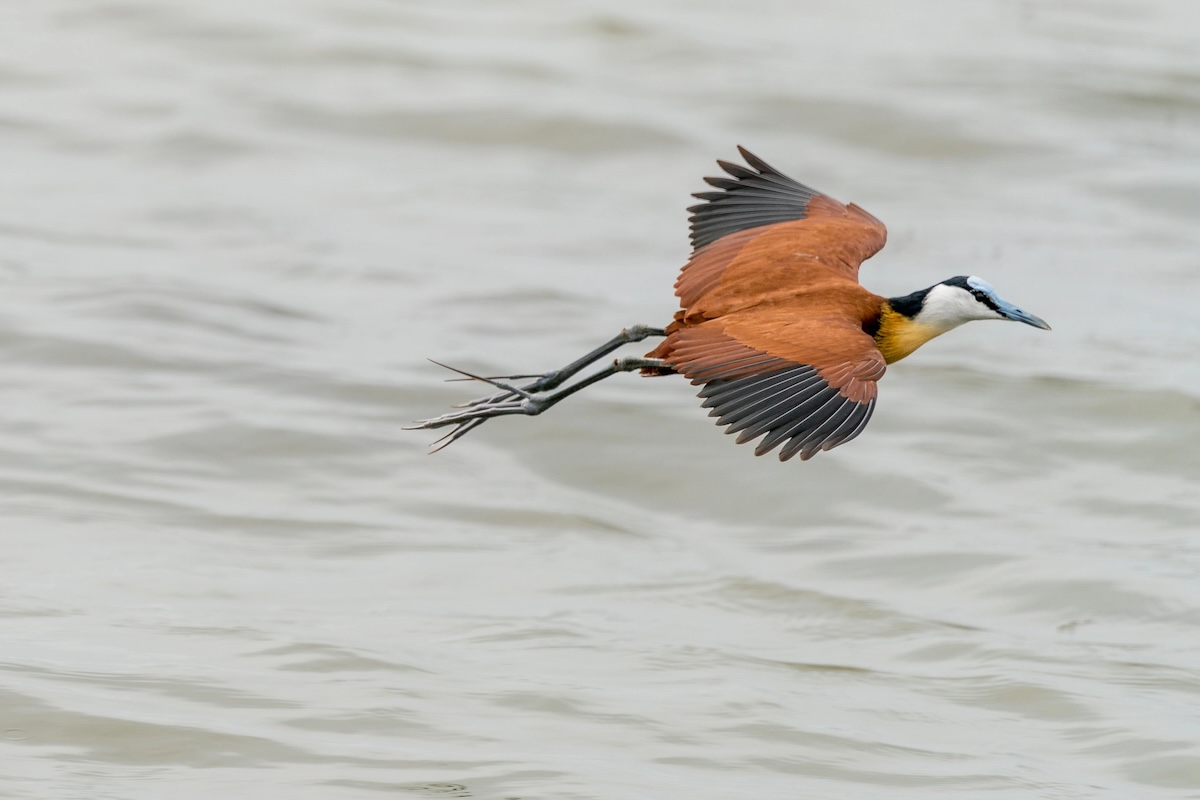
The African Jacana is an enchanting sight as it strolls across the floating vegetation of wetlands. With its long legs and oversized feet, this bird seems almost to dance on the water’s surface, creating an illusion of effortless movement. Its body is slender and graceful, adorned with a blend of colors that range from rich browns to striking whites and yellows. The Jacana’s overall form is a testament to its life in watery habitats, where every feature is designed for survival and agility.
| Feature | Description |
|---|---|
| Weight | 4 to 12 ounces |
| Skin Type | Feathers |
| Most Distinctive Feature | Enormous feet and elongated toes |
Every aspect of the African Jacana is crafted for life on the water. Its enormous feet, which can span several inches, help it walk gracefully on delicate lily pads and floating vegetation without sinking. The elongated toes distribute its weight, making it easier to navigate through its aquatic environment. This remarkable adaptation not only aids in foraging for food but also protects it from predators. With its vibrant colors and agile form, the Jacana is a beautiful reminder of nature’s creativity and the incredible ways animals thrive in their habitats.
The African Jacana is a true ambassador of wetland habitats. Imagine lush, green freshwater lakes dotted with floating islands of reeds and water lilies. Here, the Jacana walks on water, its long legs and large webbed feet allowing it to tread lightly across the surface without sinking. These birds thrive in places where the water is calm and the vegetation is plentiful, creating a vibrant tapestry of life where they can forage, nest, and raise their young.
– Sub-Saharan Africa
– Lake Victoria
– Okavango Delta
– Niger River Delta
– Lake Malawi
For the African Jacana, the ideal climate is warm and tropical. These birds prefer habitats where temperatures are consistently high, and the air is humid, promoting lush plant growth. The wetlands need to be shallow, with water levels that fluctuate seasonally, creating a dynamic environment where the Jacana can find food and shelter. Rainfall patterns are crucial, too, as they help maintain the delicate balance of water and vegetation that supports the entire ecosystem.
Adaptation is key for the African Jacana’s survival in these watery realms. With its long legs and broad feet, the Jacana can effortlessly move across floating plants, making it easier to find insects and seeds for food. Its striking coloration, featuring a chestnut body and bright yellow wings, helps it blend into the vibrant surroundings, providing camouflage from potential predators. This bird has truly evolved to thrive in a world where water meets land, showcasing nature’s ability to adapt and flourish in even the most challenging environments.
The African Jacana starts its day with a splash of energy, often seen walking gracefully across the surface of water, thanks to its long, slender legs. These birds are most active during the day, foraging for food among the floating plants. Their diet mainly consists of insects, seeds, and small aquatic creatures, which they skillfully hunt by probing through the vegetation. As the sun rises, the Jacana can be spotted strutting along lily pads, using its sharp eyesight to spot potential meals while also keeping an eye out for predators.
Socially, African Jacanas are quite interesting. They are known for their unique mating system, where females are larger and more dominant than males. In fact, a female may mate with several males, each of whom takes on the responsibility of incubating the eggs and caring for the chicks. This arrangement allows the female to focus on producing more eggs, while the males ensure the safety and nurturing of the young. Their social interactions are often marked by vocalizations, which help them communicate with one another, especially during the breeding season.
| Behavior Type | Description |
|---|---|
| Foraging | Jacanas search for food by walking on water plants, using their long toes to balance and probe for insects and seeds. |
| Mating System | Females mate with multiple males, who then take care of the eggs and chicks, allowing for increased reproductive success. |
| Communication | They use a variety of calls and vocalizations to communicate with each other, especially during the breeding season. |
| Territorial Behavior | Males often defend their nesting areas from other males, ensuring the safety of their offspring. |
The behaviors of the African Jacana are finely tuned to ensure their survival in the wild. By walking on water and utilizing their unique social structure, they can effectively find food and raise their young in a challenging environment. Their ability to adapt to their surroundings, along with their cooperative breeding strategy, allows them to thrive in the lush wetlands of sub-Saharan Africa. Each day is a new adventure, filled with the challenges of foraging, nurturing, and communicating, all essential for the Jacana’s continued success in its watery home.
The African Jacana’s diet primarily consists of a variety of small aquatic animals. Being a carnivorous bird, it has adapted to thrive in its watery habitat by foraging for insects and crustaceans. With its long legs and large feet, the Jacana can walk on floating vegetation, allowing it to scan the water for tasty morsels. This clever feeding behavior keeps it agile and well-fed in its lush environment.
| Dietary Aspect | Details |
|---|---|
| Diet Type | Carnivore |
| Favorite Foods | Insects and crustaceans |
| Prey Items | Small insects like beetles and various types of shrimp |
| Hunting/Foraging Strategies | Walking on floating plants to spot and catch prey |
The African Jacana’s diet plays a crucial role in shaping its ecology and daily life. By consuming insects and crustaceans, it helps keep these populations in check, contributing to the balance of its wetland ecosystem. This feeding strategy not only ensures its survival but also influences the distribution of plant life, as the Jacana’s presence encourages a vibrant and diverse habitat for other wildlife. Each day, as it forages, the Jacana weaves itself into the rich tapestry of life in its watery home.
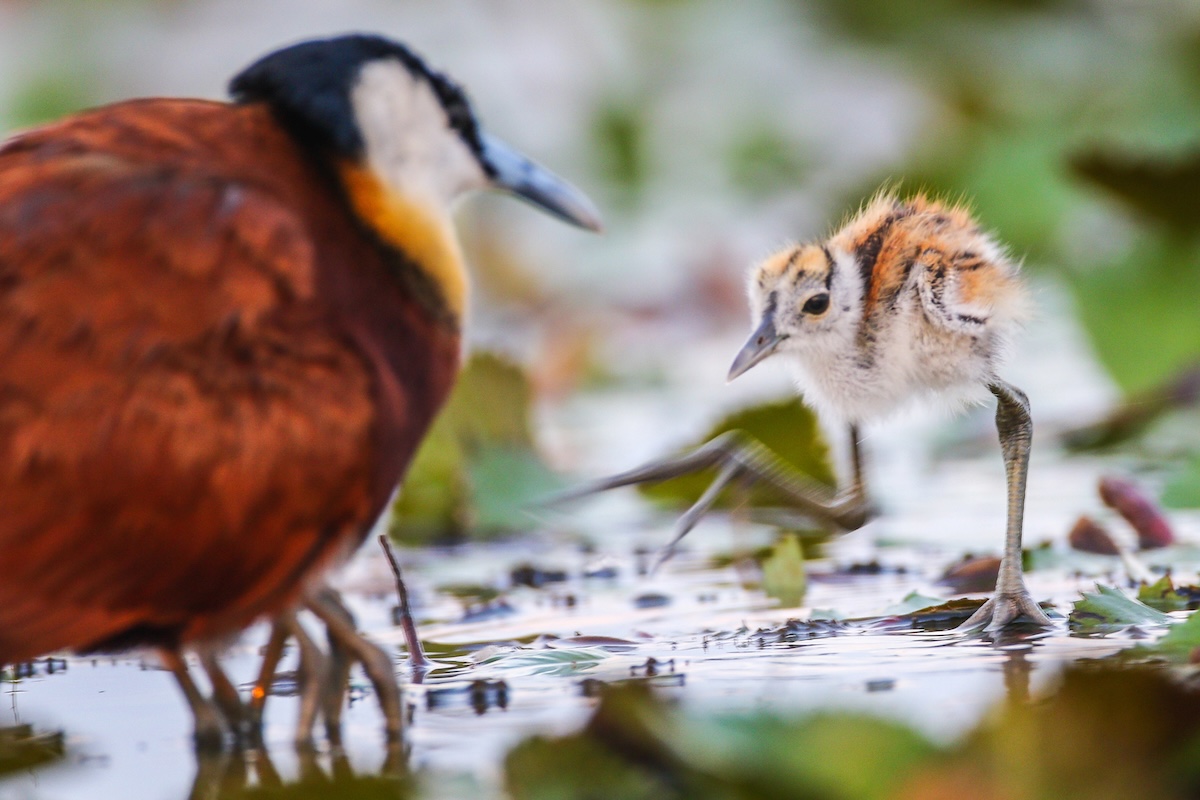
During the breeding season, which typically peaks between the rainy months, African Jacanas engage in an elaborate courtship display. Males perform a dance on the water, showcasing their striking plumage and impressive agility as they leap across lily pads. This eye-catching performance is not just for show; it helps attract a mate. Once a pair forms, they work together to establish a territory, which is crucial for raising their young. Remarkably, the female African Jacana takes the lead in selecting the nesting site, often choosing a spot among the dense vegetation near the water’s edge to provide safety for the eggs.
| Reproductive Aspect | Details |
|---|---|
| Gestation Period | About 3 weeks |
| Litter Size | Typically 3-5 eggs |
| Age of Maturity | Approximately 2 years |
| Name of Young | Chicks |
Once the eggs hatch, both parents take an active role in caring for their young. The chicks are precocial, meaning they are relatively mature and mobile soon after hatching. They can walk and swim almost immediately, which is essential for their survival in the watery world they inhabit. The parents lead them to safe areas where they can forage for food, such as small insects and plant matter. Over time, as the chicks learn to navigate their environment and develop their swimming skills, they grow into the splendid adults that glide gracefully across the water, continuing the cycle of life in their vibrant habitat.
The African Jacana plays a vital role in its ecosystem, often found in wetlands teeming with life. As a carnivorous bird, it feeds on small aquatic animals, helping to control their populations while also serving as prey for larger predators. This interconnection highlights the Jacana’s position in the food web, where it is both a hunter and hunted, contributing to the balance of its watery home.
To defend itself against these threats, the African Jacana has developed smart survival strategies. Its long legs allow it to quickly navigate the floating vegetation, making it harder for predators to catch it. When danger approaches, it can also rely on its excellent camouflage, blending seamlessly with water lilies and reeds. Additionally, during breeding season, Jacanas engage in fierce protection of their nests, showcasing their bravery as they fend off intruders to ensure the survival of their young. By using these clever tactics, the African Jacana continues to thrive in its beautiful, yet perilous, habitat.
A keystone species is an organism that has a disproportionately large impact on its environment relative to its abundance. In other words, it plays a critical role in maintaining the structure of an ecosystem. The African Jacana, with its unique adaptations and behaviors, qualifies as a keystone species in its wetland habitats. By influencing the dynamics of its ecosystem, this captivating bird helps sustain the delicate balance of life in freshwater lakes across sub-Saharan Africa.
The African Jacana contributes significantly to its ecosystem through its feeding habits. As a carnivore, it primarily consumes small aquatic animals such as insects and crustaceans. By preying on these species, the Jacana helps control their populations, preventing any one group from becoming overly dominant. This natural balance is crucial, as it allows for a diverse array of organisms to thrive within the same habitat. Additionally, the Jacana’s foraging behavior can stir up sediments and promote the growth of aquatic plants, which provide essential shelter and food for numerous other species.
Socially, African Jacanas are often seen in groups, which can amplify their ecological impact. When these birds gather, they can more effectively hunt for food and even create disturbances in the water that can benefit other species. For instance, their movements may uncover hidden prey for smaller fish and amphibians, enriching the food web. Furthermore, as they traverse floating vegetation, they help maintain the health of these plant communities, which play a vital role in stabilizing the wetlands and providing habitat for countless other creatures.
– The African Jacana helps control populations of small aquatic animals.
– Its foraging activities promote the growth of aquatic plants.
– Social behaviors enhance hunting efficiency and benefit other species.
– It contributes to the stability of wetland habitats.
– The Jacana’s presence supports a diverse ecosystem.
If the African Jacana were to disappear from its habitat, the effects would ripple throughout the ecosystem. Without this bird’s predation on small aquatic animals, those populations could explode, leading to overgrazing of vital plant life. The resulting imbalance would not only threaten the Jacana’s own habitat but also affect other species that rely on the same food sources and environments. A decline in biodiversity could follow, jeopardizing the health of the entire ecosystem and diminishing the rich tapestry of life that thrives in wetlands. The loss of the African Jacana would be felt far beyond its immediate surroundings, underscoring the interconnectedness of nature.
The African Jacana is an astonishing bird that plays a vital role in its ecosystem, particularly in freshwater lakes throughout sub-Saharan Africa. It thrives in wetland environments, where its long legs and large feet allow it to walk effortlessly on floating vegetation. By foraging for small aquatic animals, the Jacana not only provides itself with food but also influences the balance of life in its watery habitat. This bird is more than just a striking figure on the water; it is a key player in maintaining the health of its ecosystem.
| Ecosystem Service | Impact |
|---|---|
| Population Control | By feeding on insects and crustaceans, the Jacana helps regulate their numbers, preventing overpopulation. |
| Habitat Maintenance | Its movement across the water helps to disperse seeds from aquatic plants, promoting biodiversity. |
| Food Source | Serves as prey for larger birds and mammals, supporting the food web in its ecosystem. |
| Indicator Species | Reflects the health of wetland environments, signaling changes in ecosystem quality. |
The African Jacana’s influence can be seen in the vibrant wetlands it inhabits. As it searches for food, it stirs up the water, exposing nutrients and allowing aquatic plants to thrive. This feeding behavior not only supports its diet but also nurtures the habitat, attracting a variety of other wildlife. The Jacana’s presence indicates a healthy ecosystem, as its reliance on diverse aquatic life shows the interconnectedness of species within its environment.
In a broader ecological context, the African Jacana exemplifies the delicate balance of life in wetlands. As a keystone species, its activities impact many other organisms, from the smallest insects to larger predators that rely on Jacanas for food. Protecting these birds and their habitats is crucial for maintaining the ecological integrity of wetland areas. By understanding their role, we can appreciate the intricate web of life that sustains not only the Jacana but also countless other species that share its watery world.
Symbiosis, a word that means “living together,” describes the various interactions between different species in an ecosystem. These relationships can be beneficial, harmful, or neutral for the organisms involved. In the wild, animals often form partnerships that help them survive, find food, or protect themselves from predators. The African Jacana, a striking bird known for its long legs and ability to walk on floating vegetation, engages in interesting relationships with other species, showcasing the wonders of ecological connections.
| Species/Type | Relationship Type | Description |
|---|---|---|
| Water Lilies | Commensal | The African Jacana uses the floating leaves of water lilies to navigate and hunt for food. While the lilies aren’t harmed, the Jacana benefits by having a stable surface to walk on. |
| Fish | Mutualistic | Small fish in the same habitat often stir up insects and crustaceans while swimming, making it easier for the Jacana to catch its meal. In return, the Jacana may help keep the water clear of pests. |
| Herons | Commensal | When herons hunt, they disturb insects and small animals in the water, which can attract the Jacana. The Jacana benefits from the heron’s activity without affecting the heron’s success. |
These intriguing relationships have evolved over time as species adapt to their environments. The African Jacana benefits greatly from its partnerships, gaining access to food and safe pathways while contributing to the ecological balance of its freshwater habitat. By understanding these connections, we can appreciate how life in the wetlands thrives through cooperation, demonstrating that in nature, working together often leads to success for all involved.
The African Jacana is a fascinating water bird that captivates both birdwatchers and nature enthusiasts alike. Known for its remarkable adaptations to life in wetlands, this bird is a true spectacle of nature. Here are some surprising facts that showcase just how extraordinary the African Jacana really is.
The African Jacana, a striking bird renowned for its extraordinary ability to walk on water, has historically captivated the imaginations of various cultures across Africa. In many regions, it symbolizes grace and adaptability, often featured in local folklore and art. Ancient civilizations recognized its presence in the wetlands and appreciated its role in balancing ecosystems. The Jacana has inspired stories passed down through generations, serving as a reminder of nature’s wonders and the intricate connections between species.
Today, the relationship between the African Jacana and humanity continues to evolve. Conservation efforts are underway to protect its wetland habitats, which are increasingly threatened by urban development and climate change. While many people admire the Jacana for its beauty and ecological significance, conflicts sometimes arise when humans encroach on its territory. For instance, agricultural practices can disrupt the delicate balance of these ecosystems. Thankfully, initiatives aimed at sustainable farming and habitat preservation are gaining traction, fostering a more harmonious coexistence.
Looking ahead, the future of the African Jacana and its relationship with humanity holds promise. By fostering a greater appreciation for wetland ecosystems and the species that inhabit them, we can work together to ensure the survival of this magnificent bird. As awareness grows and communities unite for conservation, the African Jacana can continue to thrive, inspiring future generations to cherish the natural world.
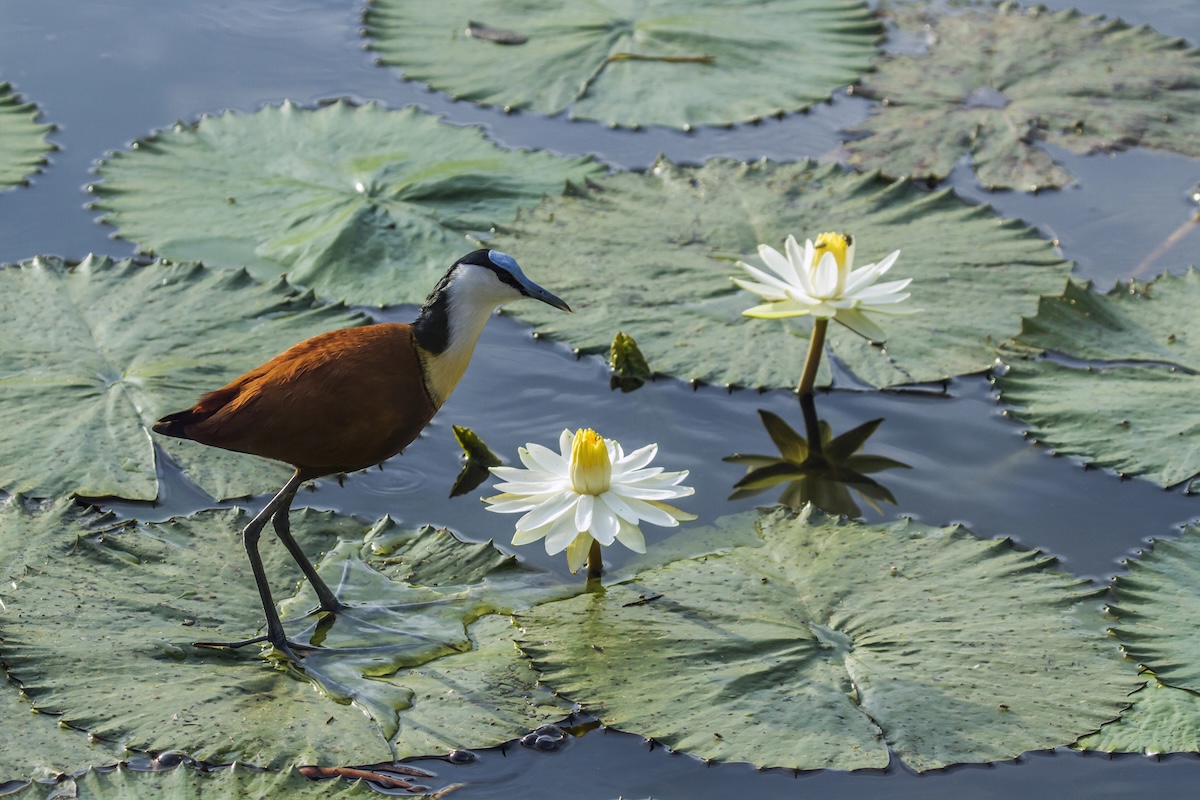
The African Jacana currently holds a conservation status of “Least Concern,” which means that, at this moment, it is not considered to be facing a significant risk of extinction. With an estimated population size of around one million individuals, these enchanting birds are thriving in their wetland habitats across sub-Saharan Africa. While their numbers appear stable, ongoing monitoring is essential to ensure they continue to flourish.
| Conservation Factor | Status/Details |
|---|---|
| IUCN Status | Least Concern |
| Population Estimates | Approximately one million |
| Trend Direction | Stable |
Despite their current stability, African Jacanas face several threats that could impact their long-term survival. Habitat loss is one of the primary concerns, often due to human activities such as agriculture, urban development, and pollution. Wetlands, which are crucial for their feeding and breeding, are being drained or degraded, leading to decreased nesting sites and food availability. Additionally, climate change poses a growing risk, as shifting weather patterns can disrupt the delicate ecosystems that sustain these birds.
Conservation efforts are in place to help protect the African Jacana and its wetland habitats. Various organizations and local communities are working to raise awareness about the importance of wetlands and the unique wildlife they support. Initiatives aimed at preserving these ecosystems, along with sustainable land-use practices, are crucial for maintaining the Jacana’s population. With continued support and conservation commitment, we can hope to see the African Jacana thrive for generations to come.
| Question | Answer |
|---|---|
| What is the habitat of the African Jacana? | African Jacanas thrive in freshwater lakes, marshes, and swamps. They love areas with lots of floating vegetation, which helps them find food and places to hide from predators. |
| What do African Jacanas eat? | These birds are carnivores, meaning they primarily eat small insects and other aquatic invertebrates. Their long toes help them walk on floating leaves as they search for tasty snacks. |
| How do African Jacanas behave? | African Jacanas are known for their unique walking style, using their enormous feet to distribute their weight on lily pads. They are also quite social and can often be seen foraging in pairs or small groups. |
| How do African Jacanas reproduce? | During breeding season, female African Jacanas are the ones that choose their mates and defend their territory. They build nests on floating vegetation where they lay eggs, and both parents help care for the chicks once they hatch. |
| What threats do African Jacanas face? | Although African Jacanas are currently classified as Least Concern, they face threats from habitat loss due to human activities like agriculture and urban development. Pollution in their freshwater habitats can also impact their food sources. |
| What is a distinctive feature of the African Jacana? | The most distinctive feature of the African Jacana is its enormous feet and elongated toes. These adaptations allow it to walk gracefully on fragile surfaces like lily pads without sinking. |
| Are African Jacanas good fliers? | Yes, African Jacanas can fly quite well, but they prefer to stay close to the water's surface. They use their flying ability to escape predators or move quickly between patches of habitat. |