Taxonomy & Classification
- Kingdom
- Animalia
- Phylum
- Chordata
- Class
- Aves
- Order
- Sphenisciformes
- Family
- Spheniscidae
- Genus
- Spheniscus
- Species
- Spheniscus demersus

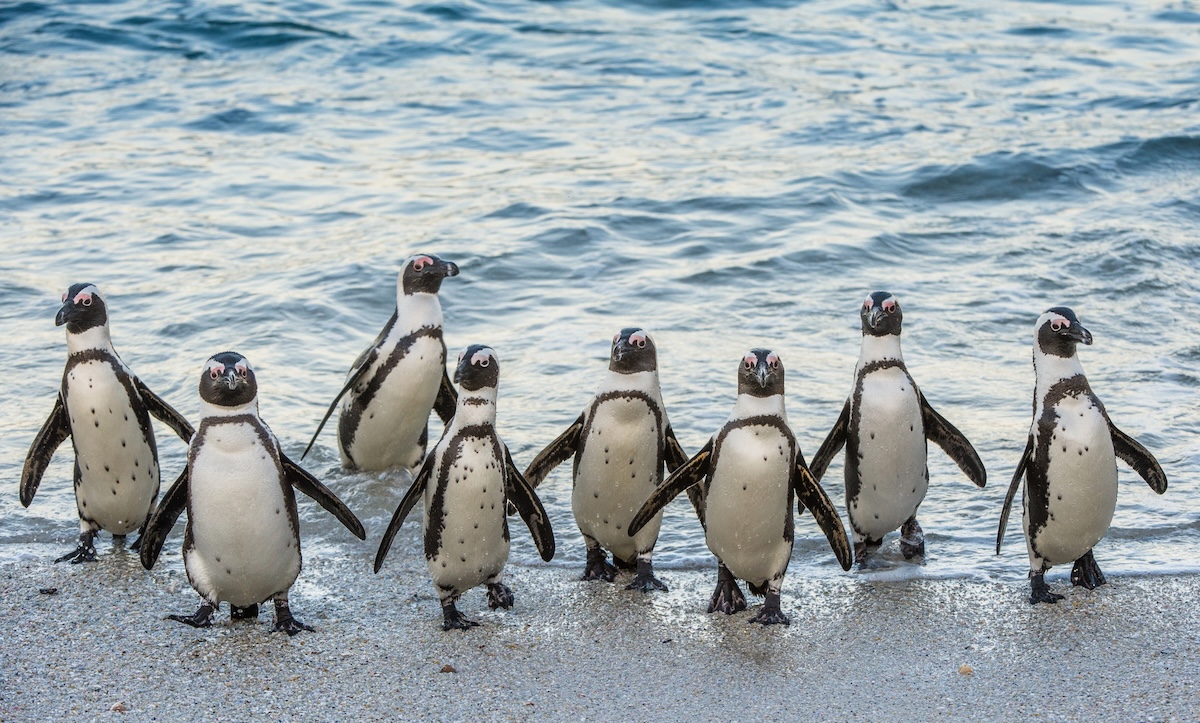 Photo Credit: SURZet on Deposit Photos
Meet the African Penguin, or Spheniscus demersus, a delightful creature that brings joy to the sun-drenched shores of southern Africa. Picture a rocky coastline bathed in golden sunlight, where these pint-sized birds waddle with a charming awkwardness, their sleek black-and-white bodies glistening against the azure waves. Known for their distinctive braying call, reminiscent of a donkey, they truly stand out in the avian world. Their playful antics and social nature make them a favorite among wildlife enthusiasts, while their unique adaptations to a marine lifestyle captivate scientists eager to understand their role in the ecosystem.
As you watch these agile birds plunge into the ocean, it’s hard not to be enchanted. African Penguins are not just adorable; they are vital players in their habitat, known as a “keystone species.” This means their presence dramatically influences the health of their environment. With their keen foraging skills, they dive into the depths to catch small fish and squid, showcasing remarkable underwater prowess. Yet, despite their charm and importance, these remarkable birds face serious challenges. Their dwindling numbers remind us of the delicate balance in nature and the urgent need for conservation efforts. Join us as we delve deeper into the fascinating world of the African Penguin, exploring its behaviors, habitat, and the ongoing efforts to protect this beloved species from the brink of extinction.
The African Penguin, scientifically known as Spheniscus demersus, occupies a special spot in the tree of life. As a member of the animal kingdom (Animalia), it belongs to the phylum Chordata, which includes creatures with a backbone. This little bird, often recognized for its charming waddle and distinctive black and white coloring, is part of the Class Aves, meaning it is a bird. What sets the African Penguin apart is not just its appearance but also its adaptation to a marine environment, showcasing a blend of avian traits and remarkable swimming abilities. This penguin is the only penguin species that breeds in Africa, making it a true symbol of the continent’s unique wildlife.
| Taxonomic Rank | Scientific Name | Meaning & Significance |
|---|---|---|
| Kingdom | Animalia | This name signifies the broadest grouping of living organisms, including all animals. |
| Phylum | Chordata | This term means “having a cord,” referring to the nerve cord that runs along the back of these animals. |
| Class | Aves | Aves means “birds,” highlighting the unique characteristics of feathers and beaks that define this class. |
| Order | Sphenisciformes | This name comes from the Greek word “spheniskos,” meaning “little wedge,” describing the penguin’s body shape. |
| Family | Spheniscidae | The family name refers to all penguins and emphasizes their shared traits as flightless birds adapted to life in water. |
| Genus | Spheniscus | This genus name also derives from “spheniskos” and is used to group similar penguin species, including the African Penguin. |
| Species | demersus | This Latin word means “plunging,” a nod to the penguin’s amazing diving abilities as it hunts for fish. |
Understanding the African Penguin’s classification not only helps us appreciate its physical features and behaviors but also gives insight into its evolutionary journey. Its lineage shows a fascinating relationship with other birds, especially those that thrive in aquatic environments. This connection underscores how species adapt and evolve over time to survive in their habitats. The African Penguin’s unique adaptations exemplify the incredible diversity of life on our planet and highlight the importance of protecting such remarkable animals and their habitats.
The African Penguin’s evolutionary journey stretches back millions of years, marking a captivating chapter in the story of life on Earth. This flightless bird, native to the southwestern coasts of Africa, is a member of the Spheniscidae family, which includes all penguins. While their ancestors took to the water long ago, the African Penguin’s particular adaptations have made them perfectly suited to their unique environment, evolving from their forebears in a fascinating tale of survival and change.
The ancestors of modern penguins were likely similar to their relatives, the petrels and gulls, which could fly. Over time, as some bird species began to thrive in colder, aquatic environments, they evolved new traits that enabled them to become expert swimmers. This transition involved losing the ability to fly, a trade-off that allowed them to become more efficient at navigating underwater. The African Penguin diverged from other penguins around 5 to 10 million years ago, adapting to the warm coastal waters of Africa’s southern tip. Their streamlined bodies and flipper-like wings are perfect for swimming, while their social behavior aids in navigating the challenges of foraging and nesting in colonies.
These adaptations have been critical for the African Penguin’s survival in a world where the ocean holds both food and danger. By evolving features that enhance their swimming efficiency, camouflage, and social living, they have carved out a niche that allows them to thrive in their coastal habitats. The African Penguin’s evolutionary path not only showcases the wonders of adaptation but also highlights the delicate balance of life in diverse ecosystems.
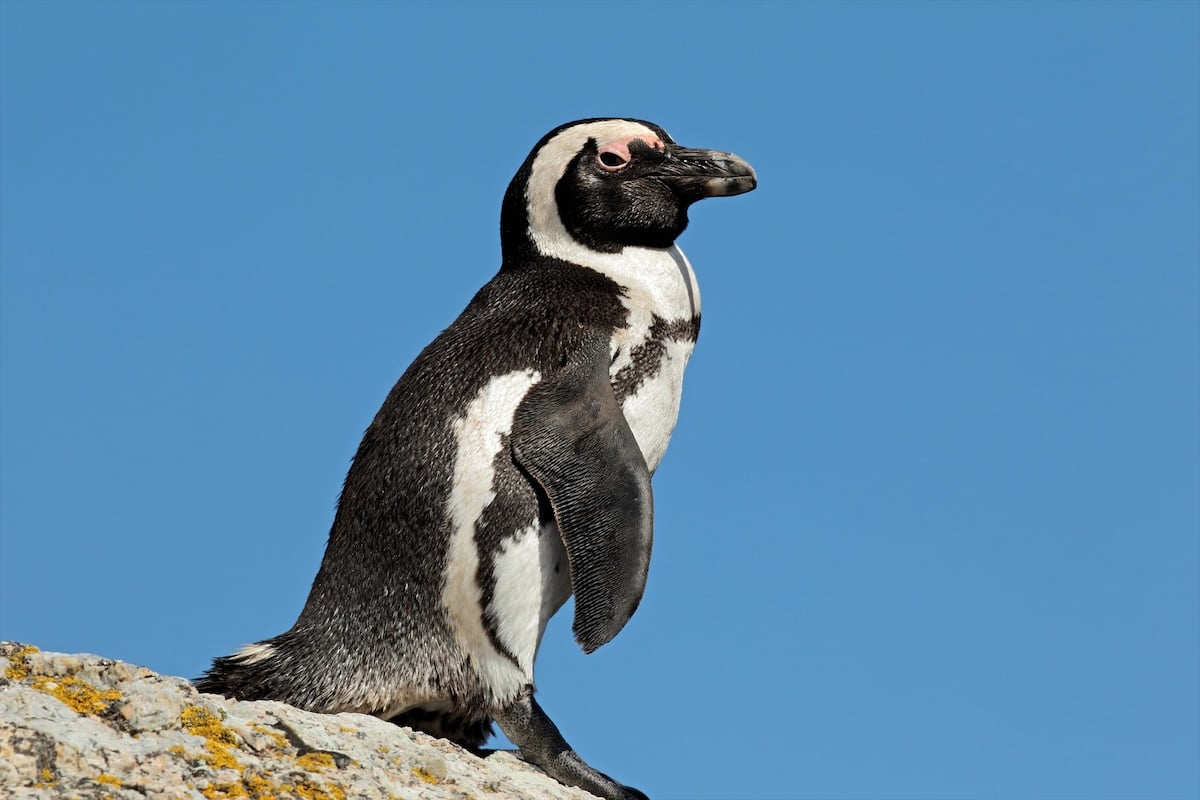
When you catch a glimpse of an African Penguin, the first thing that stands out is its charmingly sleek figure, perfectly adapted for life in the ocean. Standing about 60 to 68 centimeters tall—roughly the height of a small child—these delightful birds are not just cute; they are also streamlined for swimming. With a body that is more torpedo-shaped than round, they glide effortlessly through the water, showcasing their strong wings, which have evolved into flippers. The contrast between their black-and-white plumage adds to their appeal, making them look like they are dressed in tuxedos, ready for a party.
| Feature | Description |
|---|---|
| Height | 60cm – 68cm (24in – 27in) |
| Weight | 2kg – 5kg (4.4lbs – 11lbs) |
| Skin Type | Feathers |
| Most Distinctive Feature | Pink glands above their eyes |
The combination of these physical traits serves as a remarkable toolkit for survival. The feathers, which provide insulation and waterproofing, keep the penguins warm in chilly waters, while the pink glands above their eyes help regulate body temperature. This smart adaptation allows them to thrive in their coastal habitats, where they can dive for fish and other seafood with impressive agility. Together, these features not only enhance their beauty but also ensure their success as playful and resourceful residents of the African shoreline.
The African Penguin makes its home along the sun-kissed shores of rocky ocean islands, nestled in the cool waters of the Atlantic Ocean. These charming birds thrive in environments where the land meets the sea, often found on sandy beaches or rocky outcrops. The backdrop is a vibrant mix of lush vegetation, including coastal shrubs and hardy grasses, flourishing in the salty air and warm sunshine. Picture a landscape where waves crash against rugged cliffs, and playful penguins waddle along the shoreline, their black and white tuxedo-like feathers shimmering in the light.
The climate in this region is generally mild, with warm summers and cool winters, making it an ideal spot for the African Penguin. These birds appreciate the temperate weather, which allows them to hunt for fish and other sea life without extreme temperature challenges. The surrounding ocean currents bring nutrient-rich waters, providing a bountiful buffet of fish, squid, and crustaceans. However, their habitats are also influenced by seasonal changes, including wind and rainfall, which can affect their nesting sites.
African Penguins have adapted wonderfully to their coastal homes. Their sleek bodies are designed for swimming, allowing them to dive deep into the ocean in search of food. Their unique social behavior helps them thrive in large colonies, which provides safety in numbers. They also have specialized feathers that keep them warm and dry, even when diving into chilly waters. This combination of physical traits and social habits makes the African Penguin a true master of its rocky island environment.
As the sun rises over the rocky shores of the Atlantic, African Penguins begin their bustling day. These diurnal birds, meaning they are active during daylight hours, follow a predictable routine that includes swimming, foraging for food, and socializing. In the morning, after a night spent nestled among their colony, penguins emerge from their nests to stretch their flippers and shake off the sand. With a communal spirit, they waddle toward the water, where the real adventure begins. Their day is filled with diving and swimming, as they search for fish and other tasty snacks hidden beneath the waves.
Social interaction is at the heart of the African Penguin’s life. Living in large colonies, these birds thrive on connection with one another. They engage in playful behaviors, such as swimming together and preening each other’s feathers, which helps strengthen their bonds. Communication is key; they use a variety of sounds, from braying calls that sound like a donkey to softer clucks, to express their feelings and needs. In this lively social setting, penguins also establish their territory and find mates, often through elaborate courtship displays that include bowing and offering pebbles—an essential part of building their nests.
| Behavior Type | Description |
|---|---|
| Foraging | Penguins dive underwater, reaching depths of up to 130 meters to hunt for fish, squid, and crustaceans. |
| Social Structure | Living in colonies, African Penguins have a complex social hierarchy, with established territories for breeding and nesting. |
| Communication | They use a range of vocalizations and body language to communicate, helping to maintain group cohesion and signal alarm or distress. |
| Preening | Penguins spend time grooming each other, ensuring their feathers stay waterproof and insulated, which is vital for survival. |
| Territorial Displays | Males perform courtship rituals and display behaviors to attract mates and establish dominance within the colony. |
Through these daily activities and social behaviors, African Penguins not only enhance their chances of finding food but also strengthen their relationships within the group. This teamwork is vital for survival, as it helps protect against predators and ensures that each member can thrive in their harsh, yet beautiful, coastal environment. By relying on one another, they create a vibrant community that supports both individual and collective well-being.
The African Penguin is a dedicated carnivore, which means it primarily eats meat. Its diet mainly consists of small fish, squid, and crustaceans. These agile birds are expert foragers, diving into the ocean to hunt for their favorite meals. With their sleek bodies and powerful flippers, they can swim gracefully underwater, chasing after schools of fish and using their keen eyesight to spot prey.
| Dietary Aspect | Details |
|---|---|
| Diet Type | Carnivore |
| Favorite Foods | Fish, squid, and crustaceans |
| Prey Items | Sardines, anchovies, and other small marine life |
| Hunting/Foraging Strategies | Dives to catch fish, uses teamwork in groups to herd prey |
The African Penguin’s diet plays a crucial role in its daily routine and the broader marine ecosystem. By feeding on small fish and other marine creatures, these penguins help regulate fish populations, ensuring a balance in the ocean’s food web. This relationship is vital not only for their survival but also for maintaining the health of the waters they inhabit. As they dive and forage, the African Penguin embodies the intricate connections within marine life, highlighting the importance of each species in the ecosystem.
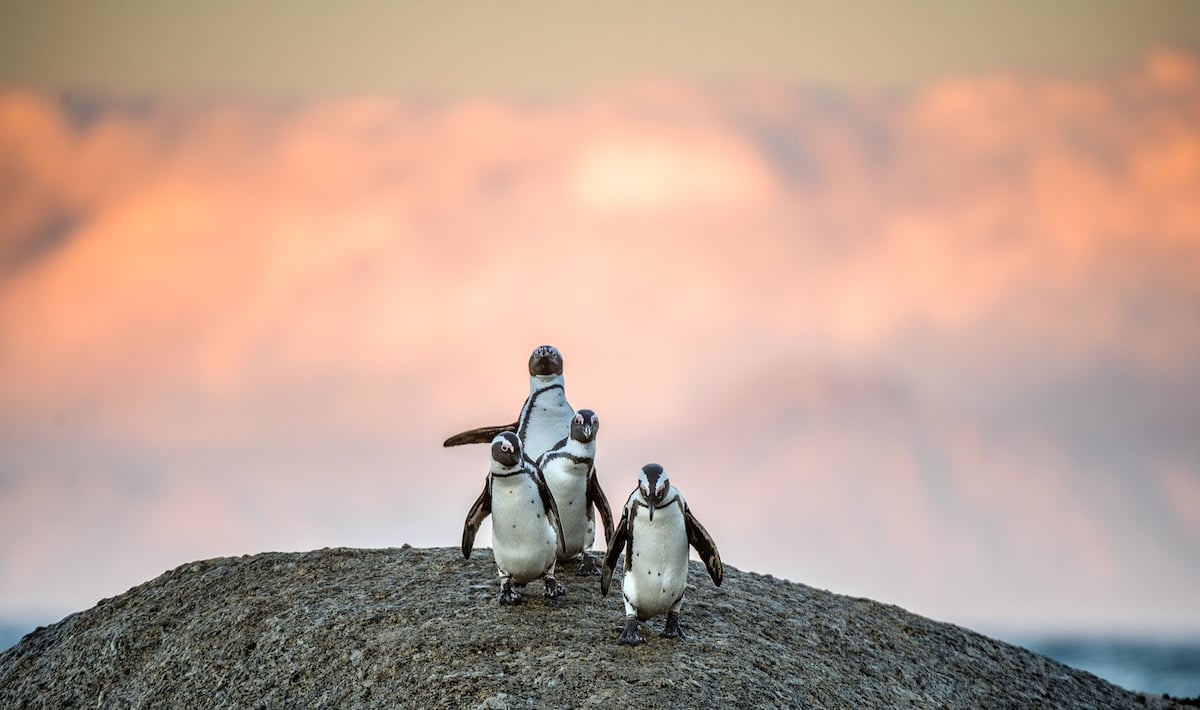
When the warm sun of southern Africa begins to shine brightly, African Penguins embark on their courtship rituals. The breeding season typically occurs between March and May, depending on their location. During this time, male penguins perform a delightful dance to impress the females, which includes bowing, vocalizing, and showing off their shiny, sleek feathers. Once a pair forms a bond, they will stay together for many breeding seasons, sharing the responsibilities of raising their young.
| Reproductive Aspect | Details |
|---|---|
| Gestation Period | About 38 to 42 days |
| Litter Size | Typically 1 to 2 eggs |
| Age of Maturity | 3 to 4 years |
| Name of Young | Chick |
After the eggs hatch, both parents take an active role in caring for their fluffy chicks. The young penguins are covered in soft down feathers, making them look quite different from their adult counterparts. For the first few weeks of their lives, the chicks remain in the nest, where they are kept warm and safe. As they grow, they begin to explore their surroundings, practicing swimming and diving with the guidance of their parents. Over time, they develop the sleek feathers that will help them thrive in the ocean, transforming into the elegant birds they are destined to become.
The African Penguin plays a vital role in its ecosystem, often referred to as a “keystone species.” This means that its presence significantly influences the structure of its environment. Found in the rich waters of the Atlantic Ocean, these delightful birds help maintain the balance of marine life by preying on schools of fish and other small sea creatures. However, their position in the food web comes with its own set of challenges.
– Natural predators include seals and sharks, which hunt young and adult penguins alike.
– Habitat disruption is one of the biggest threats they face, caused by human activities like coastal development and pollution.
– Climate change is altering their food supply and nesting habitats, making survival even more difficult.
– Overfishing leads to a decline in their primary food sources, putting additional pressure on this already vulnerable species.
Despite these dangers, African Penguins have developed clever survival strategies. They can often be seen huddling together to keep warm and protect themselves from predators. When threatened, they use their agility in the water to evade attackers, diving swiftly and changing direction with ease. Additionally, their distinctive black-and-white coloring serves as camouflage against the ocean’s surface, making it harder for predators to spot them. By staying in colonies, they also benefit from safety in numbers, increasing the chances of alerting one another to danger. These behaviors showcase the resilience of the African Penguin as it navigates a world filled with challenges.
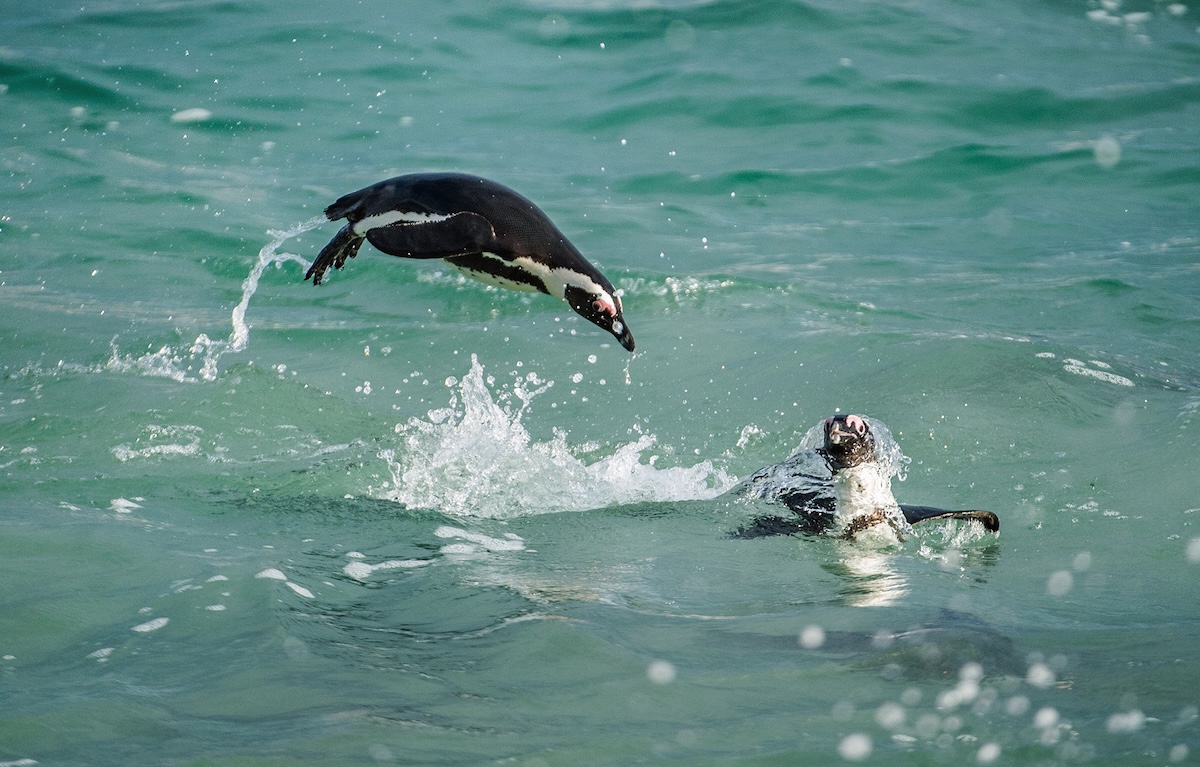
A keystone species is one that has a disproportionately large impact on its ecosystem relative to its abundance. The African Penguin, known scientifically as Spheniscus demersus, qualifies as a keystone species. Its presence in coastal habitats plays a crucial role in maintaining the balance of marine life, making it vital for the health of its ecosystem.
African Penguins primarily feed on small fish, squid, and crustaceans, making them important players in the food web. By preying on these species, they help regulate their populations, preventing any one group from becoming too dominant. For example, if the penguins consume a lot of sardines, it keeps sardine numbers in check, which in turn can benefit other fish species that compete for the same resources. This predator-prey relationship exemplifies how African Penguins help maintain biodiversity, ensuring that various marine species can thrive.
Moreover, these social birds often nest in colonies on rocky ocean islands. Their nesting habits can benefit other seabirds and marine life. The guano, or bird droppings, produced by large colonies enriches the soil and promotes plant growth, which can stabilize the islands and provide habitats for other organisms. This interaction demonstrates how African Penguins contribute not only to their own species but also to the overall health of their environment.
– They regulate fish populations by consuming significant amounts.
– Their nesting habits enrich island soils with guano, promoting plant growth.
– They serve as indicators of ocean health; changes in their populations can signal shifts in marine ecosystems.
– Their social behaviors can enhance the survival of other seabirds by creating a safer nesting environment.
If African Penguins were to disappear, the repercussions would ripple through the marine ecosystem. Without their predation, certain fish populations could explode, leading to overgrazing on marine vegetation and a decline in biodiversity. The islands they inhabit could also suffer from reduced soil quality, affecting plant life and other species that rely on those habitats. In essence, the loss of African Penguins would disrupt the delicate balance of their environment, demonstrating just how vital they are to the health of their ecosystem.
The African Penguin plays an essential role in its ecosystem, acting as a keystone species that helps shape the environment around it. Found on the rocky shores of southern Africa, these charismatic birds are not just charming residents; they influence the delicate balance of marine life. By foraging for small fish, squid, and crustaceans, they help regulate fish populations and maintain the health of their underwater habitats. In doing so, African Penguins contribute to the overall stability of their coastal ecosystem.
| Ecosystem Service | Impact |
|---|---|
| Foraging | Controls fish populations and supports marine biodiversity. |
| Nutrient Cycling | Contributes to nutrient distribution through their waste, enriching the ocean’s waters. |
| Prey for Predators | Acts as a food source for larger predators, supporting the food web. |
| Tourism Attraction | Draws visitors to their habitats, boosting the local economy and promoting conservation. |
One striking example of the African Penguin’s influence is its role in nutrient cycling. When these birds consume fish and then return to their nests, they leave behind nutrient-rich droppings, known as guano. This waste fertilizes the surrounding land and waters, enhancing the growth of plant life and supporting various marine organisms. Additionally, as a popular tourist attraction, African Penguins help raise awareness about the importance of conservation, encouraging people to protect their habitats and the surrounding environment.
The broader ecological importance of African Penguins cannot be overstated. Their presence helps maintain a balanced ecosystem, supporting not just their species but many others within the marine food web. By regulating fish populations and enriching their habitats, these penguins contribute to the overall health of the ocean. They remind us that every species, no matter how small, plays a crucial role in the interconnected web of life, making it vital for us to protect them and their environments.
In the vibrant tapestry of nature, animals often form partnerships that enhance their survival and well-being. These connections can take many forms, creating intricate ecological relationships. For instance, symbiosis is a term that describes a close interaction between different species. Some relationships are mutually beneficial, where both parties gain something, while others may be one-sided, helping one species at the expense of another. Understanding these dynamics enriches our appreciation of the natural world, especially when we consider how species like the African Penguin interact with their neighbors.
| Species/Type | Relationship Type | Description |
|---|---|---|
| Sea Urchins | Mutualistic | Sea urchins benefit from the penguins’ nesting habits, as the penguin colonies create a habitat that can attract algae, providing food for the urchins. |
| Brown Fur Seals | Commensal | These seals often share the rocky shores with African Penguins. While the penguins benefit from a safer environment due to the seals’ presence as larger animals, the seals are neither helped nor harmed by the penguins. |
| Ticks | Parasitic | Ticks may latch onto African Penguins, feeding on their blood. This relationship is harmful to the penguins, as it can lead to health issues if the infestation is severe. |
Over time, these relationships have evolved, reflecting the delicate balance of life in the wild. The mutually beneficial interactions, like those with sea urchins, create a thriving ecosystem where all partners can flourish. Meanwhile, the presence of seals provides a protective advantage for the penguins, demonstrating how species can coexist peacefully. However, not all relationships are so harmonious; parasites like ticks remind us of the challenges that come with living in close quarters. These intricate connections highlight the importance of biodiversity and the need for conservation efforts, ensuring that all species can continue to thrive in their shared environments.
The African Penguin, also known as the jackass penguin for its braying call, is a captivating bird that offers a wealth of surprises for nature enthusiasts. Let’s dive into some intriguing facts about these charming animals that showcase their unique adaptations and behaviors.
The African Penguin, or Spheniscus demersus, has long danced alongside humanity in a relationship marked by wonder and complexity. Historically, these charming birds have been part of local folklore and culture, especially in coastal communities of southern Africa. Their distinctive braying call, reminiscent of a donkey, earned them the nickname “jackass penguin.” Early sailors and explorers often marveled at these unique birds, sometimes documenting their behaviors in journals that would spark curiosity in generations to come. Their presence has inspired stories and artwork, highlighting their cultural significance, while also linking them to the broader narrative of human interaction with nature.
Today, the relationship between African Penguins and humans is a blend of conservation efforts and environmental challenges. As climate change and overfishing threaten their habitats and food sources, conservationists are stepping up to protect these iconic birds. Organizations work tirelessly to rehabilitate injured penguins and restore their nesting sites, often engaging local communities in these efforts. However, conflicts can arise, particularly when human activities encroach on penguin habitats. Fishing boats and coastal development can disrupt their feeding grounds and nesting areas, creating a tug-of-war between human needs and wildlife preservation. While there is no domestication of African Penguins, some zoos and aquariums provide a home for them, allowing people to appreciate their beauty and learn about their plight.
Looking ahead, the future of the African Penguin and its relationship with humanity hinges on our collective commitment to conservation. As awareness grows about the challenges these birds face, more people are becoming advocates for their protection. With educational programs and community involvement, there is hope that we can strike a balance between human development and the need to safeguard these remarkable creatures. By fostering a deeper understanding of their role in the ecosystem, we can ensure that generations to come will continue to marvel at the African Penguin, both in the wild and in our hearts.
The African Penguin is currently classified as Endangered, with its population experiencing a significant decline over the years. Estimates suggest that only about 140,000 individuals remain in the wild. This decline is alarming, as it reflects serious challenges faced by this species in their natural habitat. Conservationists and researchers are working tirelessly to monitor and protect these charming birds, but the situation remains critical.
| Conservation Factor | Status/Details |
|---|---|
| IUCN Status | Endangered |
| Estimated Population Size | Approximately 140,000 |
| Population Trend | Declining |
The main threats to the African Penguin arise from a combination of human activities and environmental changes. Overfishing in their feeding grounds leads to a shortage of food, making it difficult for these birds to thrive. Additionally, oil spills and pollution can devastate their habitat, impacting both their health and reproductive success. Climate change also poses risks, altering ocean temperatures and affecting the distribution of their prey. These factors together create a challenging environment for the African Penguin.
Conservation efforts are underway to help safeguard the future of the African Penguin. Organizations are working on habitat restoration, creating marine protected areas, and running breeding programs to boost population numbers. Public awareness campaigns aim to educate people about the importance of protecting these playful birds and their ecosystems. With continued effort and support, there is hope that the African Penguin can rebound and thrive once more in the wild.
| Question | Answer |
|---|---|
| Where do African Penguins live? | African Penguins are found primarily on rocky ocean islands along the southwestern coast of Africa. They prefer habitats that provide plenty of rocky crevices for nesting and protection from predators. |
| What do African Penguins eat? | These charming birds are carnivores, which means they mainly eat meat. Their diet primarily consists of small fish like sardines and anchovies, as well as squid and crustaceans. |
| How do African Penguins behave? | African Penguins are social animals that often form large colonies. They communicate through a variety of vocalizations, including braying sounds that resemble a donkey, and they enjoy socializing and grooming each other to strengthen bonds. |
| How do African Penguins reproduce? | During the breeding season, which usually occurs from February to October, African Penguins mate for life. They build nests in burrows or under bushes and typically lay two eggs, which both parents take turns incubating for about 40 days. |
| What threats do African Penguins face? | African Penguins are currently classified as endangered, facing threats such as habitat loss, overfishing, and oil spills. These challenges make it harder for them to find food and suitable nesting sites. |
| What is a unique feature of African Penguins? | One of the most distinctive features of African Penguins is the pink glands located above their eyes. These glands help regulate their body temperature by releasing heat, which is especially useful in their warm coastal habitats. |
| How do African Penguins care for their young? | After the eggs hatch, both parents share the responsibility of feeding and protecting their chicks. They regurgitate food for their young and keep them safe in the nest until they are ready to venture out and learn to swim. |