Taxonomy & Classification
- Kingdom
- Animalia
- Phylum
- Chordata
- Class
- Reptilia
- Order
- Squamata
- Family
- Agamidae
- Genus
- Agama

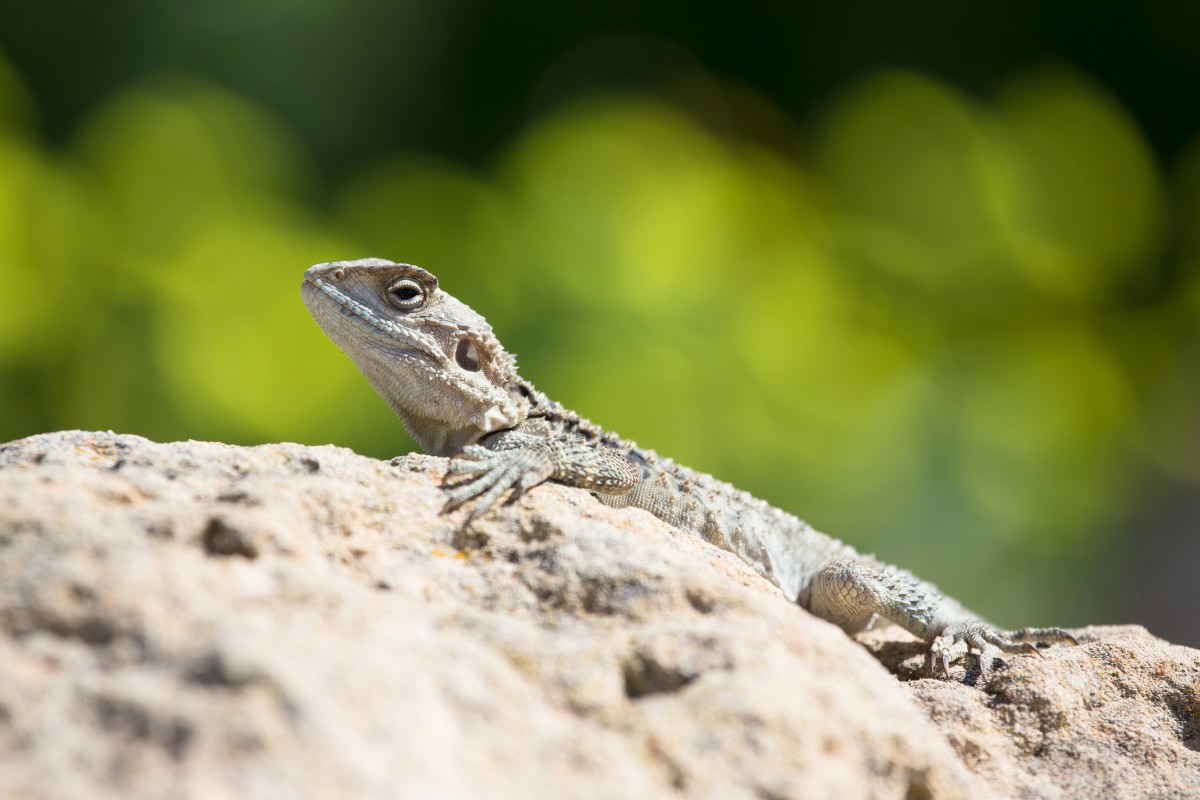 Photo Credit: Strannik_Fox on Deposit Photos
In the sun-drenched savannas and rocky outcrops of Africa and the Middle East, the Agama Lizard, known scientifically as *Agama* sp., reigns as a vivid ambassador of its habitat. Picture a small, agile reptile basking on a warm stone, its skin shimmering with a rainbow of colors, ranging from brilliant blues and greens to earthy browns. This lizard, often referred to as a dragon lizard thanks to its fierce appearance and charming personality, captures the imagination of both scientists and nature lovers alike. What makes it so captivating? Its ability to change colors, not unlike a mood ring, allows it to communicate with other lizards and blend in with its surroundings, a skill that is both a survival tactic and a display of its striking beauty.
As the sun rises, the Agama Lizard emerges from its rocky crevice, ready to navigate its world. You might spot it doing push-ups on a sunlit rock, a behavior that looks like a mini fitness routine but is actually a way of showing off to potential mates and warding off rivals. With its long tail and keen eyes, the Agama is not just a master of camouflage; it’s also an expert at catching insects, darting after its prey with impressive speed. As we explore the life of the Agama, we’ll dive into its fascinating adaptations, behaviors, and the crucial role it plays in its ecosystem, revealing the secrets of a small lizard that holds a big place in the heart of the natural world.
The Agama Lizard holds a distinctive position in the animal kingdom, nestled within the class Reptilia, which includes all reptiles like snakes and turtles. This colorful lizard is part of the family Agamidae, a group known for their fascinating diversity and dynamic behaviors. Agama lizards are particularly striking due to their vibrant colors, which can vary by species and even by individual. These lizards are often seen basking in the sun, absorbing warmth to fuel their active lifestyles, making them a captivating sight in their natural habitats.
| Taxonomic Rank | Scientific Name | Meaning & Significance |
|---|---|---|
| Kingdom | Animalia | This name comes from the Latin word for “animal,” indicating that these lizards are part of the vast group of living organisms that are multicellular and consume organic material for energy. |
| Phylum | Chordata | Derived from the Greek word ‘chordata,’ meaning “having a cord,” this refers to animals that possess a notochord at some stage of development, a key feature of vertebrates like lizards. |
| Class | Reptilia | From the Latin “reptilis,” meaning “creeping,” this class includes cold-blooded vertebrates that typically lay eggs and have scales covering their bodies, like snakes and lizards. |
| Order | Squamata | Meaning “scaled ones,” this order is characterized by reptiles that have scales on their skin, including lizards and snakes, showcasing their adaptability to various environments. |
| Family | Agamidae | The name comes from the Greek word ‘agama,’ which refers to a type of lizard. Members of this family are known for their unique body shapes and social behaviors, often displaying vibrant colors. |
| Genus | Agama | This genus name emphasizes the lizards’ colorful and varied appearances, with species within it often referred to as agamas, reflecting their striking nature in the wild. |
The classification of the Agama Lizard not only highlights its physical traits and behaviors but also connects it to a rich evolutionary history. By tracing its lineage through the various taxonomic ranks, we see a journey that links these lizards to their ancestors, revealing how they adapted to thrive in diverse environments. With their unique place in the tree of life, Agama lizards exemplify the incredible variety and complexity of reptilian evolution, showcasing the stunning adaptations that have allowed them to flourish in their habitats.
The evolutionary journey of the Agama Lizard stretches back millions of years, tracing its lineage to ancient reptiles that roamed the earth during the time of the dinosaurs. Emerging as part of the family Agamidae, these lizards began to diversify around 100 million years ago. As the world changed, so did the Agama, adapting to new environments and evolving traits that would help them thrive in various habitats.
The ancestors of the Agama Lizard were likely small, insect-eating reptiles that inhabited warm and dry regions. Over time, these early lizards developed key adaptations that allowed them to conquer different landscapes—from sunlit rocks to sprawling savannas. One significant transition was the evolution of colorful skin, which not only helps in communication with other lizards but also plays a role in thermoregulation. This means they can control their body temperature by basking in the sun or seeking shade, a fantastic survival tactic in their often scorching habitats.
These adaptations have been crucial for the Agama Lizard’s survival. Their striking colors and ability to blend into their surroundings help them avoid predators, while their agile bodies enable quick escapes. As they bask in the sun, they efficiently regulate their body temperatures, ensuring they remain active and alert. This combination of traits makes the Agama not just a survivor, but a vibrant participant in the ecological tapestry of its environment.
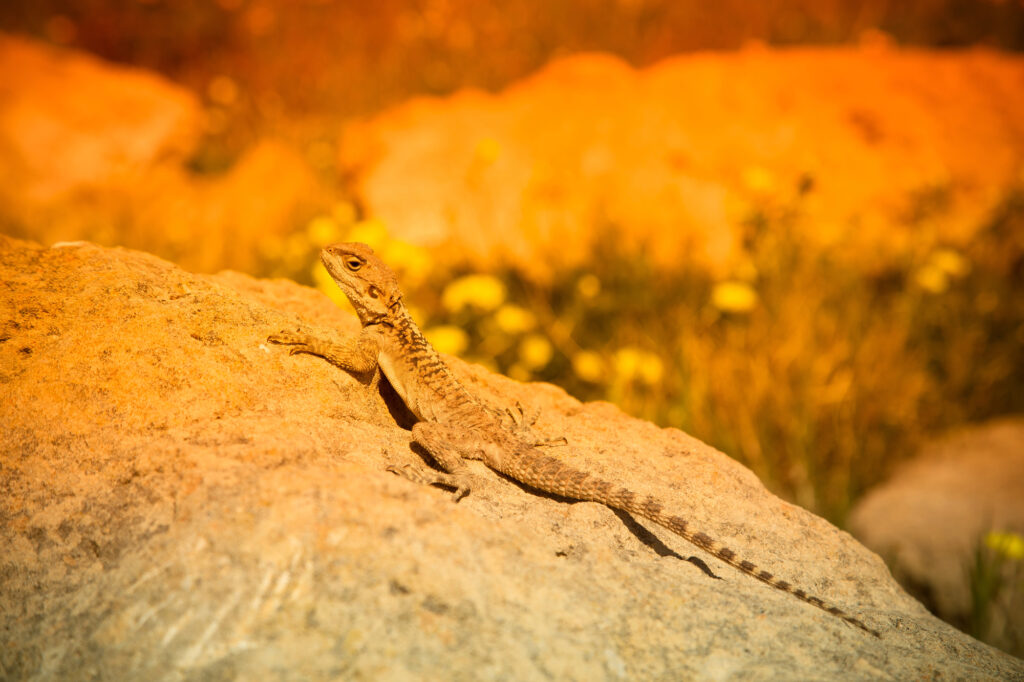
The Agama Lizard is a stunning sight, a kaleidoscope of colors and textures that draws the eye and sparks curiosity. With a body length of around 30 to 40 centimeters (about 12 to 16 inches), it showcases a slender, elongated form that allows for agile movements across rocky terrain. Its skin is covered in smooth scales that shimmer under the sun, providing both protection and a striking appearance. Males are particularly eye-catching, exhibiting vibrant shades of blue or red, which can serve as a dazzling display to attract mates or assert dominance within their territory.
| Feature | Description |
|---|---|
| Weight | About 1 kg (2 lbs) |
| Skin Type | Scales |
| Most Distinctive Feature | Bright blue or red colors of the dominant male |
These striking colors and the lizard’s sleek form are not just for show; they play crucial roles in survival. The vibrant hues of the males signal health and vigor, making them more appealing to females and helping them establish dominance over rivals. This colorful display can deter potential threats, as a bright lizard often hints at a healthy individual, one that could be unwise to challenge. Meanwhile, the Agama’s scaled skin protects it from harsh environmental elements, aiding this little reptile in thriving in its sun-baked habitat. Each feature, from its weight to its dazzling colors, works together in a dance of life, enabling the Agama Lizard to flourish in its wild world.
In the vibrant ecosystems of Sub-Saharan Africa, the Agama Lizard thrives in a variety of settings, from sun-kissed deserts to lush forests. Imagine a warm, inviting landscape where these lizards bask on sunlit rocks, blending seamlessly with the earthy hues of their surroundings. Whether darting among the tall grasses of the plains or navigating the bustling life of urban areas, the Agama Lizard has made itself at home in the diverse environments that this region offers.
The climate in these habitats is generally warm and dry, with plenty of sunshine that the Agama Lizard needs to regulate its body temperature. These lizards are often found in areas where daytime temperatures soar, but they also require hiding spots to escape the heat and potential predators. The varying conditions, from sandy soils to rocky crevices, provide just the right mix of warmth and shelter, allowing these lizards to thrive.
Adaptation is key to the Agama Lizard’s success in these environments. With their ability to change color slightly and their agile movements, they can quickly blend in with rocks or vegetation, making it harder for predators to spot them. Their keen eyesight helps them spot both danger and food from a distance. This combination of camouflage and agility allows the Agama Lizard not only to survive but to flourish in the rich tapestry of life found across Sub-Saharan Africa.
As dawn breaks over the sunlit savannas and rocky outcrops, the Agama Lizard begins its daily routine. These lively lizards are most active during the day, basking in the warmth of the sun to regulate their body temperature. This process, known as thermoregulation, is crucial for their survival. After soaking up the sun, they become busy hunters, scurrying around in search of tasty insects like crickets and beetles. With their sharp eyesight and quick reflexes, they are well-equipped to spot and catch prey, helping them maintain their energy levels throughout the day.
Agama Lizards are social reptiles, often found in groups that can number from a few individuals to dozens. Living in these communities allows them to share vital information about food sources and potential dangers. When one lizard spots a predator, such as a bird of prey, it often alerts the others with a quick flick of its tail or a series of head bobs. This form of communication helps the group stay safe. Within their social structure, there are often dominant males who display vibrant colors to attract females and establish their status. These displays are not just for show; they play a key role in mating and territory disputes.
| Behavior Type | Description |
|---|---|
| Daily Activity | Basking in the sun for warmth, hunting insects for food, and finding shelter in the rocks or vegetation. |
| Social Structure | Groups can consist of multiple lizards with a hierarchy led by dominant males, who display bright colors to assert their status. |
| Communication Methods | Using body language, such as head bobs and tail flicks, to signal danger or display dominance. |
These daily behaviors are not just interesting; they are vital for the Agama Lizard’s survival. By basking in the sun, they ensure they have the energy to hunt and evade predators. Their social interactions help them stay aware of threats, enhancing their chances of living in the wild. In this vibrant dance of life, the Agama Lizard showcases how teamwork and adaptation are key elements of thriving in their ever-changing environment.
The Agama Lizard is an omnivore, which means it enjoys a varied diet consisting of both plants and animals. This adaptable little reptile primarily feasts on insects, such as crickets and grasshoppers, but it also won’t pass up a chance to munch on small reptiles or even tiny mammals when the opportunity arises. To obtain its food, the Agama uses its keen eyesight and swift movements. It often stalks its prey, waiting for the perfect moment to pounce. This agile approach, combined with its colorful camouflage, helps it blend into its surroundings, making it an effective hunter.
| Dietary Aspect | Details |
|---|---|
| Diet Type | Omnivore |
| Favorite Foods | Insects, small reptiles, and small mammals |
| Prey Items | Crickets, grasshoppers, and occasionally other small lizards |
| Hunting/Foraging Strategies | Stalking and ambushing prey, using camouflage to blend in |
The diet of the Agama Lizard plays a significant role in shaping its ecology and daily activities. By consuming a wide range of food, it helps control insect populations, contributing to the balance of its ecosystem. Additionally, its foraging habits keep it active and alert, which is essential for avoiding predators and finding mates. This vibrant lizard showcases how food choices not only influence survival but also weave together the intricate web of life in its sunlit habitat.
As the warm sun begins to rise, the Agama Lizard enters its breeding season, a time filled with vibrant displays and energetic courtship. Male Agama Lizards, with their bright colors and bold posturing, attract females through a captivating dance of head bobs and push-ups. This lively behavior not only showcases their health but also helps establish their territory. The breeding season can vary based on environmental conditions, but it typically occurs during the warmer months when food is plentiful, making it a bustling time in the Agama’s busy life.
| Reproductive Aspect | Details |
|---|---|
| Gestation Period | 8-10 weeks |
| Litter Size | Usually several eggs |
| Age of Sexual Maturity | 1-2 years |
| Name of Young | Hatchlings |
After the female lays her eggs, which can happen in nests dug into the soil, the young, known as hatchlings, emerge after about 8 to 10 weeks. These tiny lizards are equipped to fend for themselves from the moment they break free from their eggs. Hatchlings are usually independent and must quickly learn to navigate their environment to find food and avoid predators. While Agama Lizards do not provide parental care in the traditional sense, the young are born with instincts that help them thrive as they grow and mature into the dazzling adults that will one day partake in their own courtship displays.
In the complex web of life, the Agama Lizard occupies a crucial spot. These lively reptiles serve as both predators and prey, contributing to their ecosystems by helping control insect populations while also being a food source for various animals. This vibrant lizard faces numerous dangers in its natural habitat, largely stemming from the ongoing changes in its environment.
To survive against these formidable threats, the Agama Lizard employs a mix of clever tactics. When faced with danger, it can quickly dart into crevices or dense vegetation, effectively hiding from predators. Additionally, these lizards often display vibrant colors to communicate with each other, signaling readiness to flee or suggesting that they are not easy targets. By maintaining a vigilant watch for potential threats and using their natural agility, Agama Lizards continue to thrive in the wild, showcasing a remarkable resilience in the face of adversity.
A keystone species is an organism that plays a critical role in maintaining the structure and health of its ecosystem. The Agama Lizard, with its adaptable lifestyle and important ecological functions, qualifies as a keystone species in its habitat. By influencing various biological and environmental processes, these lizards help support a diverse array of life forms around them.
Agama Lizards thrive in a range of environments, from forests to deserts and even urban areas. Their diet as omnivores allows them to impact both plant and animal populations. By consuming insects like crickets and grasshoppers, they help keep these populations in check, preventing overpopulation that could lead to significant plant damage. This natural pest control supports the health of local vegetation, which in turn provides food and shelter for other species.
Moreover, Agama Lizards are social creatures, often seen basking together in groups. This behavior not only helps regulate their body temperature but also creates a dynamic social structure that can enhance their survival. Their presence attracts predators, which in turn helps maintain the balance of the food web. In short, the Agama Lizard contributes to the overall biodiversity of its ecosystem, allowing various species to thrive in a balanced environment.
If Agama Lizards were to disappear, the consequences could be severe. Without these lizards to manage insect populations, there could be an increase in pests that harm plants, disrupting the entire ecosystem. The absence of a food source for predators would also lead to a decline in those species, creating a ripple effect that could destabilize the entire food web. In essence, the loss of the Agama Lizard would not only affect its immediate surroundings but could also lead to broader ecological shifts, emphasizing the importance of every species, no matter how small.
In the intricate tapestry of Africa’s ecosystems, the Agama Lizard plays a vital role, serving as both a predator and prey within its environment. This colorful reptile occupies a unique ecological niche, meaning it has specific tasks that help maintain balance in its habitat. By feeding on insects, it helps control pest populations, while also providing nourishment for larger predators. The Agama Lizard’s vibrant colors not only attract mates but also serve as a warning to potential threats. This dynamic interaction with its surroundings highlights the Agama’s importance in shaping the ecosystem.
| Ecosystem Service | Impact |
|---|---|
| Insect Control | Reduces pest populations, aiding plant health. |
| Prey for Predators | Supports larger species like birds and mammals. |
| Soil Aeration | Burrowing activity helps improve soil quality. |
| Seed Dispersal | Assists in plant reproduction through feces. |
For instance, when Agama Lizards munch on crickets and grasshoppers, they not only enjoy a tasty meal but also keep those insect populations from exploding. Imagine a world where crickets outnumber everything else—plants would struggle to thrive! Meanwhile, these lizards themselves become a buffet for birds of prey like the African Harrier-Hawk or the majestic Monitor Lizard, ensuring that energy flows through the food web. Additionally, as they scurry around, Agama Lizards may inadvertently help aerate the soil, allowing nutrients to circulate better—much like how we till a garden to help plants grow!
The Agama Lizard’s role in its ecosystem extends beyond its immediate actions. As a keystone species, it helps maintain the health and stability of its environment, supporting a diverse array of life. By controlling insect populations, providing food for predators, and even assisting with plant growth, the Agama lizard showcases how interconnected life can be. Each vibrant flash of color on its scales serves as a reminder of the delicate balance that sustains our planet’s ecosystems, making the Agama Lizard not just a spectacle to admire but a crucial player in the circle of life.
In the intricate tapestry of nature, many species form partnerships that help them survive and thrive. These relationships can be categorized into three main types: mutualism, where both species benefit; commensalism, where one benefits while the other is neither helped nor harmed; and parasitism, where one species benefits at the expense of the other. The Agama Lizard, a vibrant inhabitant of various ecosystems, showcases these fascinating interactions with different species, highlighting the interconnectedness of life.
| Species/Type | Relationship Type | Description |
|---|---|---|
| Oxpecker Birds | Mutualistic | These small birds often perch on Agama Lizards and eat ticks and other parasites off their skin. The lizards benefit by getting rid of pests, while the birds enjoy a meal. |
| Ants | Commensal | Agama Lizards sometimes share spaces with ants in their burrows. The lizards gain shelter without affecting the ants, who go about their business undisturbed. |
| Ticks | Parasitic | While ticks latch onto Agama Lizards to feed on their blood, this relationship is harmful to the lizards, making them weaker and more susceptible to disease. |
These partnerships have evolved over time, shaped by the needs and behaviors of each species. Mutualistic relationships, like that of the Agama Lizard and oxpecker birds, demonstrate how cooperation can enhance survival chances. Meanwhile, commensal relationships provide shelter without causing harm, showcasing the delicate balance of ecosystems. On the flip side, parasitic relationships, such as those with ticks, remind us of the challenges faced by creatures striving to maintain their health. Understanding these dynamics helps us appreciate the complexity of life and the essential roles each species plays in its environment.
The Agama Lizard is not just another reptile; it’s a vibrant piece of the ecosystem puzzle with some surprising traits that make it stand out. Let’s dive into some intriguing facts about these colorful creatures that will surely spark your curiosity!
Throughout history, the Agama Lizard has captivated human attention, becoming woven into the cultural fabric of many societies across Africa and the Middle East. In some cultures, these colorful reptiles are symbols of resilience and adaptability. Ancient peoples often regarded them with reverence, incorporating their images into art and folklore. Their striking presence in the wild has inspired stories and traditions, highlighting the deep connection humans have had with these lizards for centuries. Observing their vibrant displays and curious behaviors has sparked fascination and respect, making the Agama a noteworthy part of human history.
In contemporary times, the relationship between Agama Lizards and humans has evolved, reflecting both cooperation and conflict. As urban development expands into their habitats, these lizards often find themselves at odds with human activities. However, many communities recognize the ecological importance of Agama Lizards, which help control insect populations. This has led to conservation efforts aimed at protecting their natural environments. Interestingly, some people keep Agama Lizards as pets, appreciating their colorful appearance and relatively easy care. Yet, this domestication can pose challenges when individuals release them into the wild, potentially disrupting local ecosystems.
Looking ahead, the future of the Agama Lizard-human relationship holds both promise and challenges. As awareness of environmental conservation grows, there is a fascinating opportunity for collaboration. By protecting the habitats of these lizards and recognizing their role in our ecosystems, we can foster a more harmonious coexistence. Education about their benefits and the importance of biodiversity will be key in ensuring that future generations appreciate and protect these incredible reptiles. Together, we can ensure that the colorful Agama Lizard continues to thrive alongside humanity in the vibrant landscapes of our world.
The Agama Lizard currently holds the conservation status of “Least Concern” according to the International Union for Conservation of Nature (IUCN). This means that, as a species, it is not facing immediate threats that could lead to extinction. While specific population estimates are not available, the Agama Lizard is generally considered to be plentiful across its range in Africa and the Middle East. However, ongoing observations are crucial to ensure that their numbers remain stable.
| Conservation Factor | Status/Details |
|---|---|
| IUCN Status | Least Concern |
| Estimated Population Size | Unknown |
| Population Trend | Stable |
Despite its current stable status, the Agama Lizard faces several threats that could impact its future. Habitat loss is one of the main concerns, as urban development and agriculture encroach on their natural habitats. Additionally, climate change can alter the ecosystems where these lizards thrive, affecting their food sources and living conditions. Predation from domestic animals and competition with invasive species also pose challenges, creating a precarious balance for these colorful reptiles.
Conservation efforts for the Agama Lizard are not as prominent as for some more endangered species, but awareness is growing. Habitat protection and sustainable land use practices are vital to ensure that these lizards continue to flourish in their environments. Education and community engagement can also play significant roles in preserving the habitats of the Agama Lizard and other wildlife. With these efforts in place, the outlook for the Agama Lizard remains hopeful, allowing future generations to appreciate these vibrant lizards in the wild.
| Question | Answer |
|---|---|
| What is the habitat of the Agama Lizard? | The Agama Lizard is quite adaptable and can be found in a variety of environments. They live in forests, deserts, plains, and even urban areas, showcasing their ability to thrive in different habitats. |
| What do Agama Lizards eat? | Agama Lizards are omnivores, which means they enjoy a diverse diet. They primarily eat insects, fruits, and vegetables, making them flexible feeders that can adapt to what's available in their surroundings. |
| How do Agama Lizards behave? | Agama Lizards are known for their lively and curious nature. They are often seen basking in the sun, displaying their bright colors, and engaging in social behaviors like head bobbing to communicate with one another. |
| How do Agama Lizards reproduce? | During the breeding season, male Agama Lizards display their vibrant colors to attract females. After mating, females lay eggs in safe, warm locations, usually in sandy or loose soil, where the young can develop until they hatch. |
| What threats do Agama Lizards face? | While Agama Lizards are currently classified as Least Concern, they still face threats from habitat destruction and climate change. Urbanization can reduce their natural habitats, making it harder for them to find food and shelter. |
| What is the most distinctive feature of the Agama Lizard? | One of the most eye-catching features of the Agama Lizard is the bright blue or red colors found on dominant males. This striking coloration not only helps them attract mates but also plays a role in establishing their territory. |
| Can Agama Lizards change color? | Yes, Agama Lizards can change their color to some extent! This ability is often used to communicate with others or to help them regulate their body temperature, making them both beautiful and functional creatures. |