Taxonomy & Classification
- Kingdom
- Animalia
- Phylum
- Chordata
- Class
- Mammalia
- Order
- Carnivora
- Family
- Canidae
- Genus
- Canis
- Species
- Canis lupus

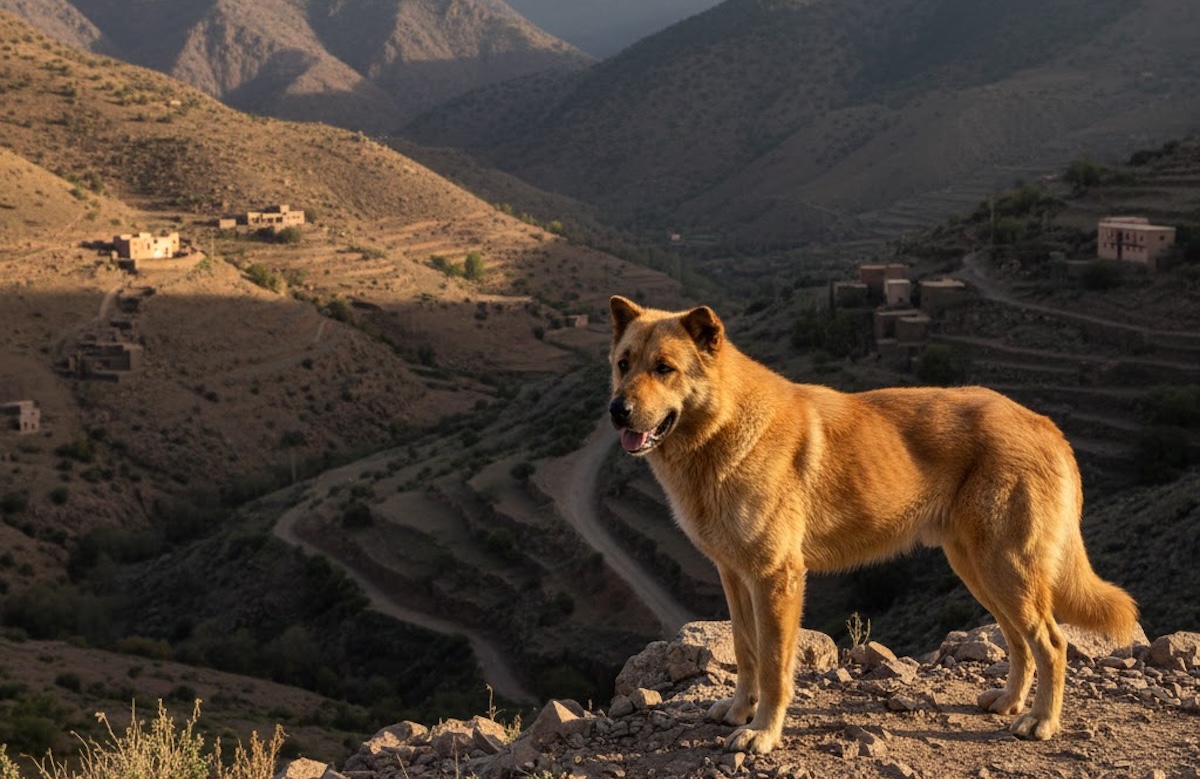 Photo Credit: AnimalsDiscovered
In the rugged mountains of North Africa, the Aidi, scientifically known as Canis lupus familiaris, roams with a grace that captivates all who encounter it. This breed, with its strong and athletic build, is perfectly adapted to the rocky terrain of the Atlas Mountains, where it has served as a loyal guardian of livestock for centuries. With a thick, weather-resistant coat that can range from white to shades of brown, the Aidi stands out against the backdrop of its stunning natural habitat, embodying both beauty and strength.
What makes the Aidi particularly intriguing to scientists and nature enthusiasts alike is its deep-rooted connection to the Berber tribes, who have relied on these dogs for protection and companionship. Their keen intelligence and unwavering loyalty are not just traits; they are essential qualities that have allowed the Aidi to thrive in a challenging environment. As we explore the life of the Aidi, we will uncover its fascinating behaviors, diet, and the vital role it plays in maintaining the balance of its ecosystem, revealing why this remarkable breed continues to capture the hearts of those who appreciate the wonders of the animal kingdom.
The Aidi, also known as the Aidi dog, occupies a special place in the tree of life. This breed belongs to the Kingdom Animalia, which includes all animals, and is classified under the Phylum Chordata, meaning it has a backbone. As a member of the Class Mammalia, the Aidi shares traits with other mammals, such as being warm-blooded and having fur. It falls under the Order Carnivora, which includes meat-eating animals like lions and wolves. Within the Family Canidae, the Aidi is closely related to domestic dogs, wolves, and foxes. What makes the Aidi particularly interesting is its unique blend of physical and behavioral traits, which have been shaped by its environment and history as a herding and guarding dog in the Atlas Mountains of Morocco.
| Taxonomic Rank | Scientific Name | Meaning & Significance |
|---|---|---|
| Kingdom | Animalia | This name comes from the Latin word “animalis,” meaning “having breath” or “living being,” highlighting the Aidi’s status as a living organism. |
| Phylum | Chordata | Derived from the Greek word “chordē,” meaning “string,” this refers to the notochord, a flexible rod that supports the body, which all members of this group possess at some stage of development. |
| Class | Mammalia | This term comes from the Latin “mamma,” meaning “breast,” indicating that members of this class nurse their young with milk, a key characteristic of mammals. |
| Order | Carnivora | From the Latin “carnivorus,” meaning “meat-eating,” this classification reflects the Aidi’s dietary habits and its role as a hunter and protector. |
| Family | Canidae | This name is derived from the Latin “canis,” meaning “dog,” which connects the Aidi to its close relatives, including wolves and foxes. |
| Genus | Canis | Also from the Latin word for “dog,” this genus encompasses various species of dogs, highlighting the Aidi’s domesticated lineage. |
Understanding the Aidi’s classification reveals much about its evolutionary journey. As a member of the Canidae family, the Aidi shares a common ancestor with wolves and domestic dogs, showcasing the adaptability and diversity of canines. Its unique traits, shaped by centuries of living in the rugged Atlas Mountains, illustrate how environmental pressures can influence the development of a species. The Aidi’s role as a herding and guarding dog not only highlights its physical capabilities but also its deep-rooted connection to human culture and survival. This classification not only places the Aidi within the broader context of the animal kingdom but also tells a story of adaptation, resilience, and companionship.
The Aidi, a captivating breed of dog, has a rich evolutionary history that stretches back thousands of years. This timeline begins with the domestication of wolves, which occurred around 15,000 to 30,000 years ago. As humans began to settle and form communities, they sought companionship and assistance from these wild canines. Over generations, selective breeding led to the development of various dog breeds, including the Aidi, which is believed to have originated in North Africa.
The ancestors of the Aidi were likely similar to the early domesticated wolves, exhibiting traits that made them suitable for life alongside humans. These early canines were valued for their hunting skills and protective instincts. As they adapted to different environments, they began to develop distinct characteristics. The Aidi, in particular, evolved in the rugged Atlas Mountains of Morocco, where it became known for its agility and endurance. This breed transitioned from a wild hunter to a loyal guardian, showcasing a remarkable ability to adapt to the needs of its human companions.
The adaptations of the Aidi have played a crucial role in its survival and success as a breed. Its protective nature ensures the safety of livestock, while its physical traits allow it to navigate challenging landscapes. The ability to form strong bonds with humans has made the Aidi not just a working dog, but also a cherished companion. Through the ages, these qualities have helped the Aidi thrive in its environment, showcasing the incredible journey of evolution that has shaped this remarkable breed.
The Aidi presents a striking silhouette that captures attention with its robust and athletic build. This breed is medium to large in size, exuding strength and agility. With a well-proportioned body, the Aidi showcases a powerful frame that is both muscular and agile, making it an excellent companion for various activities. Its overall appearance is one of balance and grace, with a confident stance that reflects its heritage as a working dog.
| Feature | Description |
|---|---|
| Weight | 55 lbs |
| Skin Type | Hair |
The Aidi’s physical features are not just for show; they serve important survival purposes. Its sturdy build allows for endurance and agility, essential traits for a dog that has historically been used for herding and guarding livestock. The thick hair coat provides protection against harsh weather conditions, keeping the Aidi warm in cold climates while also offering some defense against the elements. Together, these characteristics make the Aidi a resilient and capable breed, perfectly adapted to its environment and tasks.
The Aidi, a breed known for its loyalty and intelligence, thrives in the rugged terrains of North Africa, particularly in the Atlas Mountains of Morocco. This stunning region is characterized by its dramatic landscapes, where steep mountains meet lush valleys. The Aidi’s home is often dotted with rocky outcrops and expansive grasslands, providing the perfect backdrop for this agile and alert dog. Here, the air is crisp, and the scenery is breathtaking, making it an ideal environment for a breed that has been bred for herding and guarding livestock.
The climate in these regions can be quite varied, with hot summers and cold winters. The Aidi is well-suited to handle these extremes, as it has a thick double coat that provides insulation against the cold and protection from the sun’s rays. The environmental conditions often include dry spells and occasional rainfall, which create a diverse habitat for both flora and fauna. This adaptability to different weather patterns is crucial for the Aidi, as it often works in challenging conditions while herding sheep and goats.
Over time, the Aidi has developed several adaptations that help it thrive in its mountainous home. Its strong legs and powerful build allow it to navigate rocky terrain with ease, while its keen senses make it an excellent guardian against predators. The breed’s intelligence and trainability are also vital, enabling it to respond quickly to commands and work alongside shepherds. These traits not only ensure the safety of livestock but also highlight the Aidi’s deep connection to the land and its role in the local culture.
The Aidi’s daily life is a blend of energy and purpose, shaped by its environment and instincts. Each day begins with a burst of activity, as these dogs engage in playful antics and vigorous exercise. They are known for their agility and strength, often seen bounding across rocky terrains or navigating through dense brush. Their keen senses keep them alert, making them excellent guardians of their territory. As the sun rises, the Aidi is ready to explore, sniffing out scents and investigating every nook and cranny of its surroundings.
Socially, the Aidi is a pack-oriented breed, thriving in the company of both humans and other dogs. They form strong bonds with their families and are known for their loyalty. Within their social groups, they communicate through a variety of vocalizations, body language, and even facial expressions. This breed exhibits a clear hierarchy, where roles are established based on age, experience, and personality. Playful interactions and gentle nudges help reinforce these social structures, ensuring harmony within the group.
| Behavior Type | Description |
|---|---|
| Activity Patterns | Aidis are highly active, engaging in daily exercise that includes running, playing, and exploring their environment. They thrive on physical challenges and enjoy activities that stimulate their minds. |
| Social Structure | These dogs live in a pack mentality, forming strong bonds with their human families and other dogs. They establish a hierarchy that helps maintain order and cooperation. |
| Communication Methods | Aidis communicate through barks, growls, and body language. They use their ears, tails, and posture to express emotions and intentions, making it easy for them to interact with their pack. |
The behaviors of the Aidi are not just for show; they play a crucial role in their survival. Their active lifestyle keeps them fit and alert, while their social bonds ensure they work together to protect their territory and loved ones. By communicating effectively, they can respond to threats and cooperate during tasks, making them not only loyal companions but also skilled guardians. In the wild or at home, the Aidi’s daily activities and social interactions are vital for thriving in their environment.
The Aidi is an omnivore, which means it enjoys a varied diet that includes both plant and animal matter. This adaptability in eating habits allows the Aidi to thrive in its mountainous habitat, where food sources can be limited. Typically, these dogs forage for fruits, vegetables, and grains, while also hunting small animals. Their keen sense of smell and strong instincts help them locate food, making them resourceful foragers and hunters.
| Dietary Aspect | Details |
|---|---|
| Diet Type | Omnivore |
| Favorite Foods | Fruits, vegetables, grains, and small mammals |
| Prey Items | Rabbits, rodents, and birds |
| Hunting/Foraging Strategies | Using keen senses to locate food, often foraging in groups |
The Aidi’s diverse diet plays a crucial role in its ecology and daily routine. By consuming a mix of plant and animal foods, these dogs help maintain the balance of their environment. Their foraging behavior not only supports their own health but also influences the local ecosystem, as they contribute to seed dispersal and control small animal populations. This dynamic relationship with their surroundings ensures that the Aidi remains a vital part of the rugged landscapes they inhabit.
The Aidi’s mating behavior is a captivating dance of instinct and connection. During the breeding season, which typically occurs once a year, males and females engage in a series of rituals to attract one another. These rituals can include playful chasing, vocalizations, and even displays of strength. Once a pair has formed a bond, they will mate, and the female will prepare for the arrival of her young.
| Reproductive Aspect | Details |
|---|---|
| Gestation Period | Approximately 63 days |
| Litter Size | Usually 4 to 8 puppies |
| Age of Maturity | About 12 to 18 months |
| Name of Young | Puppy |
Once the puppies are born, the Aidi mother takes on the role of a dedicated caregiver. She provides warmth, nourishment, and protection to her young, ensuring they grow strong and healthy. The puppies are born blind and deaf, relying entirely on their mother for survival in those early days. As they develop, they begin to explore their surroundings, learning essential skills through play and interaction. By the time they reach maturity, these young dogs are well-equipped to navigate the world, carrying forward the Aidi’s legacy of loyalty and intelligence.
The Aidi, a loyal and intelligent breed, plays a significant role in its ecosystem, often serving as a guardian for livestock in the rugged terrains of North Africa. Positioned within the food web, it is both a protector and a potential prey for larger predators. This dual role highlights the delicate balance of nature, where every species has its place and purpose.
To survive these dangers, the Aidi employs a variety of defensive behaviors and strategies. Its keen senses allow it to detect threats from afar, while its strong, agile body enables quick escapes when necessary. Additionally, the Aidi is known for its protective instincts, often barking or standing its ground to ward off intruders. This combination of alertness and bravery helps ensure its survival in a challenging environment, allowing it to thrive despite the risks it faces.
A keystone species is an organism that has a disproportionately large impact on its environment relative to its abundance. This means that if it were removed, the ecosystem would change dramatically. The Aidi, a breed of dog known for its intelligence and loyalty, does indeed play a keystone role in its ecosystem, particularly in the rugged terrains of North Africa. By serving as guardians for livestock, these dogs help maintain the balance of their habitats.
The Aidi’s presence is crucial for protecting livestock from predators, such as wolves and leopards. By keeping these predators at bay, the Aidi allows herds of sheep and goats to thrive. This not only benefits the farmers who rely on these animals for food and income but also supports the entire food web. When livestock populations are stable, they contribute to the health of the land by grazing, which helps maintain plant diversity and soil quality.
Moreover, the Aidi’s role extends beyond just livestock protection. These dogs are also known to help control the populations of smaller mammals and birds, which can otherwise become overabundant. By keeping these populations in check, the Aidi helps ensure that no single species dominates the ecosystem, allowing for a rich variety of life to flourish. Their omnivorous diet also means they can adapt to different food sources, further enhancing their role in the ecosystem.
If the Aidi were to disappear from its environment, the consequences could be severe. Livestock would become more vulnerable to predation, leading to a decline in their populations. This would not only affect farmers’ livelihoods but also disrupt the balance of the ecosystem. With fewer grazing animals, plant life could become overgrown, leading to a loss of biodiversity. In essence, the absence of the Aidi would ripple through the ecosystem, highlighting just how vital this breed is to the health and stability of its surroundings.
The Aidi dog plays a vital role in its ecosystem, particularly in the rugged terrains of North Africa. As a guardian of livestock, this breed helps maintain the balance between wild predators and domesticated animals. By protecting herds from threats, the Aidi not only ensures the survival of livestock but also supports the livelihoods of local communities. This unique ecological niche allows the Aidi to influence various aspects of its environment, making it an essential player in the intricate web of life.
| Ecosystem Service | Impact |
|---|---|
| Predator Control | Helps manage populations of wild predators, reducing livestock losses. |
| Livestock Protection | Safeguards herds, ensuring food security for local communities. |
| Soil Health | Encourages biodiversity by allowing for healthier grazing patterns. |
| Cultural Significance | Strengthens community ties and traditions through herding practices. |
The Aidi’s influence extends beyond mere protection. By keeping wild predators at bay, these dogs allow livestock to graze more freely, which can lead to healthier pastures. This grazing helps maintain soil quality and promotes the growth of diverse plant species. Additionally, the Aidi’s presence fosters a sense of community among local herders, who rely on these dogs for their livelihoods. The bond between the Aidi and its human companions is a testament to the deep-rooted relationship between people and animals in this region.
In a broader ecological context, the Aidi serves as a keystone species, meaning its role is crucial for maintaining the stability of its ecosystem. Without the Aidi, the balance between livestock and wild predators could be disrupted, leading to overpopulation of certain species and a decline in others. This delicate interplay highlights the importance of the Aidi not just as a protector, but as a vital contributor to the health and sustainability of its environment. By understanding and appreciating the Aidi’s role, we can better recognize the interconnectedness of all living things in our world.
In the intricate web of life, symbiosis refers to the close and often long-term interactions between different species. These relationships can take many forms, including mutualism, where both species benefit, parasitism, where one benefits at the expense of the other, and commensalism, where one benefits while the other is neither helped nor harmed. Understanding these ecological relationships helps us appreciate how species like the Aidi dog interact with their environment and other organisms, creating a dynamic balance in their habitats.
| Species/Type | Relationship Type | Description |
|---|---|---|
| Livestock (e.g., sheep, goats) | Mutualistic | The Aidi protects livestock from predators, ensuring their safety while receiving food and companionship in return. |
| Wild predators (e.g., wolves, jackals) | Commensal | The Aidi may coexist with wild predators, benefiting from their presence as they help keep the ecosystem balanced, while the predators are largely unaffected. |
| Parasites (e.g., fleas, ticks) | Parasitic | These organisms live on the Aidi, feeding on its blood and potentially causing harm, highlighting the challenges of living in the wild. |
These relationships have evolved over time, shaped by the needs and behaviors of the species involved. The Aidi’s role as a protector of livestock has fostered a strong bond with farmers and herders, creating a mutualistic relationship that benefits both parties. Meanwhile, the presence of wild predators helps maintain the balance of the ecosystem, allowing the Aidi to thrive in its environment. Understanding these connections not only highlights the Aidi’s importance in its habitat but also emphasizes the delicate balance of nature that sustains all life.
The Aidi, a fascinating breed of dog from North Africa, is not just a loyal companion but also a remarkable guardian of livestock. Here are some surprising facts that showcase the Aidi’s unique traits and historical significance.
The Aidi, a breed of dog originating from North Africa, has a long and storied relationship with humanity that dates back centuries. Historically, these dogs were bred by Berber tribes in the Atlas Mountains, where they served as loyal guardians of livestock. Their role was not just functional; they became woven into the cultural fabric of the communities they served. The Aidi’s strength and intelligence made it a symbol of protection and companionship, often celebrated in local folklore and traditions. This deep-rooted connection highlights how humans have relied on the Aidi for both practical purposes and emotional bonds.
In contemporary times, the relationship between the Aidi and humans continues to evolve. While many Aidis still fulfill their traditional role as livestock guardians, they are also increasingly recognized as family pets. However, this shift has not come without challenges. As urbanization spreads, conflicts can arise between Aidis and local wildlife, as well as with humans who may not understand their protective instincts. Conservation efforts are underway to ensure that these dogs can thrive in both rural and urban settings, balancing their natural behaviors with the needs of modern society. Additionally, some Aidis are being trained for various roles, including search and rescue, showcasing their versatility and intelligence.
As we look to the future, the bond between the Aidi and humanity holds great promise. With increased awareness of their unique abilities and needs, there is potential for a harmonious coexistence that benefits both species. By fostering understanding and respect for these remarkable dogs, we can ensure that the Aidi continues to thrive, whether as a guardian in the mountains or a beloved companion in our homes. The journey ahead is one of collaboration, where the strengths of the Aidi can be celebrated and preserved for generations to come.
The Aidi, a breed known for its loyalty and protective instincts, currently does not have a formal conservation status listed by the International Union for Conservation of Nature (IUCN). This means that while the breed is not considered endangered, there are concerns about its population trends and the potential threats it faces in its natural habitat. As the world changes, the Aidi’s numbers may fluctuate, but specific population estimates are not readily available.
| Conservation Factor | Status/Details |
|---|---|
| IUCN Status | Not Listed |
| Population Estimates | Not Available |
| Trend Direction | Unknown |
Despite its current status, the Aidi faces several challenges that could impact its future. Habitat loss due to urbanization and agricultural expansion poses a significant threat. As human activities encroach on the rugged terrains of North Africa, the natural environment that supports the Aidi and its role as a livestock guardian is diminished. Additionally, the breed may be affected by changes in livestock farming practices, which can alter its traditional working role.
Conservation efforts for the Aidi are still in their infancy, but there is hope for the breed’s future. Local communities and organizations are beginning to recognize the importance of preserving this unique dog. By promoting responsible breeding practices and raising awareness about the Aidi’s role in maintaining ecological balance, there is potential for a positive outlook. As more people learn about this breed and its contributions, the Aidi may continue to thrive in its native habitat, ensuring that it remains a cherished part of North Africa’s cultural heritage.
| Question | Answer |
|---|---|
| What is the habitat of the Aidi? | The Aidi, also known as the Atlas Mountain Dog, primarily inhabits the mountainous regions of Morocco. These dogs are well-adapted to rugged terrains and often live in areas with harsh weather conditions, which helps them thrive as working dogs. |
| What does the Aidi eat? | Aidi are omnivores, meaning they eat both plants and animals. Their diet typically includes meat, grains, and vegetables, which provides them with the necessary nutrients to stay healthy and energetic. |
| What is the behavior of the Aidi? | Aidi are known for their loyalty and protective nature. They are intelligent and can be quite independent, which means they may require consistent training and socialization to ensure they are well-behaved companions. |
| How do Aidi reproduce? | Aidi dogs typically reach sexual maturity around six months of age. The female Aidi goes into heat twice a year, and after mating, she will carry her puppies for about 63 days before giving birth to a litter that can range from 4 to 8 puppies. |
| What threats do Aidi face? | While the Aidi is not currently listed as endangered, they face threats from habitat loss and changes in farming practices. As more land is developed for agriculture or urbanization, their natural living spaces can be diminished. |
| What are some interesting characteristics of the Aidi? | Aidi are known for their distinctive appearance, with a thick, double coat that helps them withstand cold temperatures. They are also recognized for their strong herding instincts, making them excellent guardians for livestock. |
| Are Aidi good family pets? | Yes, Aidi can make great family pets, especially for active families. They are affectionate and protective, but they do require regular exercise and mental stimulation to keep them happy and healthy. |