Taxonomy & Classification
- Kingdom
- Animalia
- Phylum
- Chordata
- Class
- Mammalia
- Order
- Carnivora
- Family
- Canidae
- Genus
- Canis
- Species
- Canis lupus

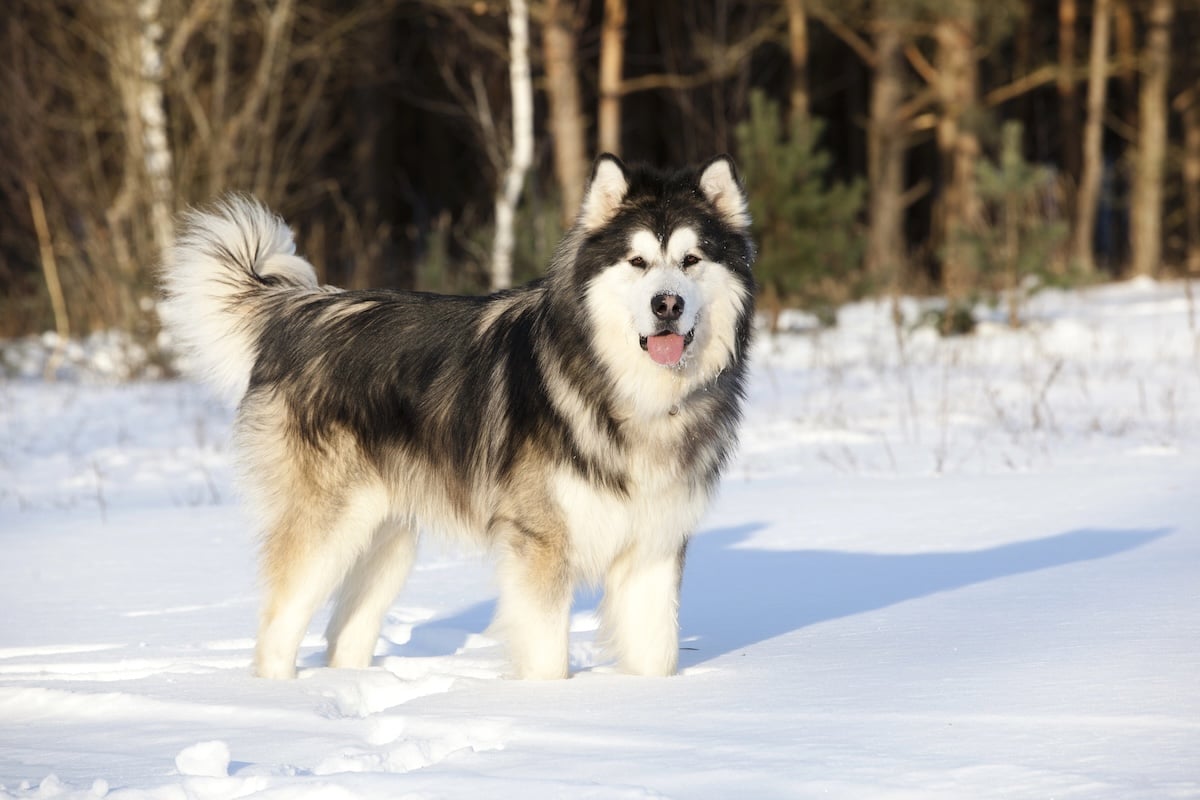 Photo Credit: Lilun_Li on Deposit Photos
In the vast, icy expanse of Alaska, the Alaskan Malamute, scientifically known as Canis lupus familiaris, roams with a majestic presence. With its thick, double coat that glistens like freshly fallen snow and its powerful build, this breed is perfectly adapted to the harsh Arctic environment. Imagine a scene where the sun barely rises above the horizon, casting a soft glow on the snow-covered landscape. Here, the Malamute stands tall, its strong legs and broad chest ready to tackle the challenges of the rugged terrain. This dog is not just a pretty face; it embodies strength, endurance, and a spirit that has captivated both scientists and nature lovers alike.
What makes the Alaskan Malamute so intriguing is its rich history and deep connection to human survival in the Arctic. Bred by the Mahlemut people, these dogs were essential for pulling heavy sleds across the frozen wilderness, showcasing their incredible strength and loyalty. Their playful nature and intelligence add to their charm, making them beloved companions as well as hardworking sled dogs. As we explore the world of the Alaskan Malamute, we will uncover the secrets of its behavior, diet, and the vital role it plays in its ecosystem, revealing why this remarkable breed continues to capture our hearts and imaginations.
The Alaskan Malamute is a captivating member of the animal kingdom, sitting comfortably within the family tree of life. This breed belongs to the Kingdom Animalia, which includes all animals, and is classified under the Phylum Chordata, meaning it has a backbone. As a member of the Class Mammalia, it shares traits like warm-bloodedness and fur with other mammals. The Alaskan Malamute is part of the Order Carnivora, which includes meat-eating animals, and the Family Canidae, which encompasses dogs, wolves, and foxes. Its scientific classification highlights its close relationship with other canines, while its impressive size and strength make it stand out among them.
| Taxonomic Rank | Scientific Name | Meaning & Significance |
|---|---|---|
| Kingdom | Animalia | This name signifies that the Alaskan Malamute is part of the vast group of living organisms known as animals, which are characterized by their ability to move and respond to their environment. |
| Phylum | Chordata | Chordata means “having a notochord,” which is a flexible rod that supports the body. This feature is a key characteristic of all vertebrates, including the Alaskan Malamute. |
| Class | Mammalia | Mammalia refers to mammals, animals that nurse their young with milk and typically have fur or hair. The Alaskan Malamute’s thick coat is perfect for its cold, Arctic origins. |
| Order | Carnivora | Carnivora means “meat-eaters.” While Alaskan Malamutes are often fed a diet that includes meat, they are also known for their friendly and social nature, which is not typical of all carnivores. |
| Family | Canidae | Canidae is the family that includes dogs, wolves, and foxes. The Alaskan Malamute shares a common ancestor with these animals, showcasing its strong, pack-oriented instincts. |
| Genus | Canis | Canis is the genus that includes all dogs and their wild relatives. The name reflects the Alaskan Malamute’s close ties to its wild ancestors, emphasizing its adaptability and strength. |
Understanding the Alaskan Malamute’s taxonomic position reveals much about its evolutionary journey. As a member of the Canidae family, it shares a lineage with wolves, which explains its strong instincts and social behavior. The classification also highlights its adaptations to harsh environments, such as its thick fur and powerful build, traits that have been honed over generations. This rich evolutionary history not only connects the Alaskan Malamute to its wild ancestors but also showcases the incredible diversity and adaptability of life on Earth.
The Alaskan Malamute’s evolutionary journey stretches back thousands of years, intertwining with the history of human civilization in the Arctic regions. This breed is a descendant of ancient sled dogs, which were domesticated by the Inuit and other indigenous peoples of the Arctic. These early dogs were essential for survival, helping their human companions navigate the harsh, icy landscapes of Alaska and beyond.
The ancestors of the Alaskan Malamute were likely wolves that adapted to life alongside humans. Over time, these wolves underwent significant changes, becoming more sociable and trainable. This transition marked the beginning of a partnership that would shape both species. As humans migrated and settled in the Arctic, they selectively bred these early dogs for specific traits, such as strength and endurance, which were crucial for pulling heavy sleds over long distances.
These adaptations have been vital for the Alaskan Malamute’s survival in one of the planet’s most challenging environments. Their thick fur keeps them warm, while their strength and endurance allow them to perform demanding tasks. The social nature of these dogs not only helps them work alongside humans but also ensures they remain a beloved part of many families today. As they continue to thrive, the Alaskan Malamute stands as a testament to the power of evolution and the enduring bond between humans and dogs.
The Alaskan Malamute is a striking sight, embodying strength and endurance in its robust form. With a powerful build, this breed stands tall and proud, showcasing a broad chest and strong legs that hint at its history as a sled dog. Its thick, double coat, designed to withstand frigid temperatures, adds to its impressive stature, making it look both majestic and formidable. The Malamute’s expressive face, often adorned with a mask of white fur, gives it a friendly yet determined appearance, inviting admiration from all who encounter it.
| Feature | Description |
|---|---|
| Weight | 75 – 85 lbs |
| Skin Type | Hair |
| Coat | Thick double coat, often in shades of gray, black, sable, or red, with white markings |
| Height | About 23 to 25 inches at the shoulder |
| Eyes | Almond-shaped, typically brown, giving a warm and intelligent expression |
These physical features are not just for show; they serve vital purposes in the Malamute’s survival. The thick double coat insulates the dog against the harsh Arctic cold, while its sturdy build allows it to pull heavy sleds over long distances. The broad chest and strong legs provide the power needed for endurance, making the Malamute an exceptional worker in snowy terrains. Together, these characteristics create a breed that is not only beautiful but also perfectly adapted to thrive in some of the most challenging environments on Earth.
The Alaskan Malamute thrives in the breathtaking landscapes of the Arctic and sub-Arctic regions. Picture vast expanses of snow-covered terrain, rugged mountains, and icy tundras where the sun barely rises in winter and shines brightly in summer. These majestic dogs are perfectly suited to the wild, where they can roam freely, pulling sleds across the frozen ground and enjoying the crisp, clean air. Their home is a place of extremes, where the beauty of nature is as harsh as it is stunning.
The climate in these regions is characterized by long, frigid winters and short, cool summers. Alaskan Malamutes are built for this environment, requiring cold temperatures to thrive. They flourish in areas where snow blankets the ground for much of the year, as their thick double coat provides insulation against the biting cold. This breed is not just a winter lover; they also need space to run and play, making open, expansive areas ideal for their energetic nature.
Over time, Alaskan Malamutes have developed remarkable adaptations to survive in their chilly habitats. Their dense fur traps heat, keeping them warm even in the harshest conditions. Additionally, their large, furry paws act like snowshoes, allowing them to traverse deep snow with ease. These adaptations not only help them endure the cold but also enable them to work alongside humans, pulling sleds and carrying heavy loads across the icy wilderness. In this way, the Alaskan Malamute is not just a pet; it is a true partner in adventure, perfectly attuned to its Arctic home.
The daily life of an Alaskan Malamute is a blend of energy, playfulness, and purpose. These dogs thrive in environments that allow them to express their natural instincts. Each day typically begins with a burst of excitement as they wake up, ready to explore their surroundings. They enjoy long walks or runs, often pulling their owners along with their impressive strength. Throughout the day, they engage in various activities, from playing in the snow to participating in training sessions that challenge their intelligence. Their keen sense of adventure keeps them active and engaged, making every day an opportunity for exploration.
Social behavior is a vital aspect of the Alaskan Malamute’s life. These dogs are known for their friendly and affectionate nature, often forming strong bonds with their human families and other pets. They thrive in a pack environment, which can include both humans and other dogs. This breed communicates through a variety of vocalizations, including barks, howls, and even a unique “talking” sound that expresses their feelings. Their social structure is built on cooperation and teamwork, making them excellent companions for families and active individuals alike.
| Behavior Type | Description |
|---|---|
| Activity Patterns | Alaskan Malamutes require regular exercise, enjoying activities like running, pulling sleds, and playing in the snow. They are happiest when they can engage in physical challenges. |
| Social Structure | These dogs thrive in a pack setting, forming strong bonds with their human families and other dogs. They are known for their loyalty and affection. |
| Communication Methods | Malamutes use a range of vocalizations, including barks and howls, to express themselves. They also communicate through body language, showing their emotions and intentions. |
The behaviors of the Alaskan Malamute are not just for fun; they play a crucial role in their survival. Their need for exercise keeps them physically fit, which is essential for a breed originally developed for hard work in harsh conditions. Their social nature helps them form strong bonds, ensuring they have support and companionship. By communicating effectively, they can work together with their human partners, making them not only loyal pets but also reliable working dogs. In the wild or at home, these behaviors help them thrive in their environment.
The Alaskan Malamute is an omnivore, which means it enjoys a varied diet that includes both plant and animal sources. In the wild, these dogs have adapted to their harsh Arctic environment by developing a feeding behavior that allows them to thrive on whatever food is available. They are known to scavenge and hunt, often working in packs to catch prey or find food. This adaptability is crucial for their survival, especially in the challenging conditions of their natural habitat.
| Dietary Aspect | Details |
|---|---|
| Diet Type | Omnivore |
| Favorite Foods | Fish, small mammals, berries, and roots |
| Prey Items | Rabbits, birds, and occasionally larger animals |
| Hunting/Foraging Strategies | Pack hunting, scavenging, and foraging |
The diet of the Alaskan Malamute plays a significant role in shaping its ecology and daily routine. By being omnivorous, these dogs can adapt to the seasonal availability of food, which is essential in their often unpredictable environment. Their ability to hunt in packs not only strengthens social bonds but also enhances their chances of finding enough food to sustain their energy levels. This adaptability allows them to remain active and engaged, whether they are pulling sleds or simply enjoying the great outdoors.
The mating behavior of Alaskan Malamutes is a captivating aspect of their life cycle. Breeding season typically occurs once a year, usually in late winter to early spring. During this time, males become more vocal and display their strength to attract females. The female, when in heat, will signal her readiness to mate, and the pair will engage in a courtship ritual that can last several days. This bonding period is essential, as it helps ensure a strong connection between the two dogs before they embark on the journey of parenthood.
| Reproductive Aspect | Details |
|---|---|
| Gestation Period | Approximately 63 days |
| Litter Size | Average of 6 puppies |
| Age of Maturity | About 2 years |
| Name of Young | Puppies |
Once the puppies are born, the mother takes on the vital role of caregiver. Alaskan Malamute mothers are attentive and protective, ensuring their young are warm, fed, and safe. The puppies are born blind and deaf, relying entirely on their mother for nourishment and warmth. As they grow, they begin to open their eyes and ears, exploring their surroundings with curiosity. By the time they reach about eight weeks old, they are ready to start learning essential skills from their mother and siblings, preparing them for the adventures that await them as they mature into strong, independent adults.
The Alaskan Malamute occupies a fascinating position in the food web of its Arctic habitat. As a large and powerful breed, it is primarily a top-tier predator, but it also faces threats from other animals. While these dogs are not typically preyed upon by many species, they must remain vigilant against potential dangers in their environment, including both wild animals and human-related challenges.
To survive against these threats, Alaskan Malamutes have developed several defensive behaviors. Their strong instincts and social nature help them work together in packs, which can deter potential predators. Additionally, their thick fur coat provides insulation against the harsh Arctic climate, allowing them to thrive even in extreme conditions. When faced with danger, they may bark loudly or display assertive body language to ward off intruders, showcasing their loyalty and protective instincts. These strategies help ensure their survival in a challenging environment.
A keystone species is an organism that plays a critical role in maintaining the structure of its ecosystem. This means that its presence and activities significantly influence the environment and other species within it. While the Alaskan Malamute is a remarkable breed known for its strength and endurance, it does not qualify as a keystone species. Instead, it is primarily a domesticated dog, bred for specific tasks like sled pulling, rather than a wild animal that shapes its ecosystem in the way that true keystone species do.
However, the Alaskan Malamute does have an ecological impact, particularly in the regions where it has been historically utilized. For instance, these dogs have been essential in traditional hunting and transportation methods among Indigenous peoples of the Arctic. By assisting in the movement of goods and people across vast, snowy landscapes, they have helped maintain the cultural practices and survival strategies of these communities. Their presence has also influenced the populations of other animals, as they often work alongside humans to manage wildlife.
Moreover, Alaskan Malamutes contribute to the ecosystem through their omnivorous diet. By consuming a variety of foods, including both plant and animal sources, they help control populations of certain species. This, in turn, can affect the growth of vegetation and the overall health of their environment. Their role in hunting and foraging can create a balance that supports the biodiversity of their habitat.
If the Alaskan Malamute were to disappear, the effects would ripple through the communities that rely on them. Indigenous peoples might struggle to maintain their traditional ways of life, as the dogs are integral to hunting and transportation. Additionally, the absence of these dogs could lead to an increase in certain prey species, potentially disrupting the balance of the ecosystem. Without the Malamute’s role in managing wildlife populations, the delicate interplay of species could shift, leading to unforeseen consequences for the Arctic environment.
The Alaskan Malamute occupies a vital ecological niche in its Arctic and sub-Arctic habitats. As a powerful and adaptable breed, it plays a significant role in shaping its environment. These dogs are not just companions; they are integral to the ecosystems they inhabit. Their activities influence the distribution of other species, the health of the landscape, and even the dynamics of food webs. By working alongside humans, they help maintain the balance of their surroundings, showcasing the interconnectedness of life in these harsh climates.
| Ecosystem Service | Impact |
|---|---|
| Predation | Controls populations of smaller mammals, helping to maintain balance in the food web. |
| Soil Aeration | As they dig and move through the snow, they help aerate the soil, promoting plant growth. |
| Seed Dispersal | By foraging, they can inadvertently spread seeds, aiding in plant diversity. |
| Human Collaboration | Assisting in transportation and hunting, they help humans manage resources sustainably. |
The Alaskan Malamute’s influence can be seen in various ways. For instance, their predatory instincts help keep populations of small mammals, like hares and rodents, in check. This balance is crucial because an overabundance of these animals can lead to overgrazing, which negatively impacts vegetation. Additionally, as they traverse the snowy terrain, they naturally aerate the soil, allowing nutrients to reach plant roots more effectively. This process supports the growth of native flora, which in turn provides habitat and food for other wildlife.
The broader ecological importance of the Alaskan Malamute extends beyond its immediate environment. As a keystone species, its presence helps maintain the structure of the ecosystem. By influencing the populations of other species and contributing to the health of the landscape, these dogs play a crucial role in the resilience of their habitats. Their partnership with humans also highlights the importance of collaboration in conservation efforts, reminding us that every species, no matter how seemingly small, has a part to play in the grand tapestry of life.
In the intricate web of life, symbiosis refers to the close interactions between different species, which can take many forms. These relationships can be mutualistic, where both species benefit, parasitic, where one benefits at the expense of the other, or commensal, where one benefits while the other is neither helped nor harmed. The Alaskan Malamute, a breed known for its strength and endurance, engages in various ecological relationships that highlight the interconnectedness of life in its Arctic habitat.
| Species/Type | Relationship Type | Description |
|---|---|---|
| Humans | Mutualistic | Alaskan Malamutes have been bred by humans for thousands of years, providing companionship and assistance in hunting and transportation, while humans offer food, shelter, and care. |
| Arctic Fox | Commensal | Arctic foxes often follow Alaskan Malamutes to scavenge leftover food from their meals, benefiting from the dog’s hunting success without affecting the Malamute. |
| Ticks | Parasitic | Ticks can attach to Alaskan Malamutes, feeding on their blood. This relationship can harm the dog by causing irritation or transmitting diseases. |
These relationships have evolved over time, shaped by the needs and behaviors of the species involved. The bond between Alaskan Malamutes and humans is particularly strong, as both have adapted to rely on one another for survival in harsh environments. Meanwhile, the interactions with other species, like the Arctic fox, showcase the delicate balance of ecosystems, where even scavenging can play a role in survival. Understanding these connections helps us appreciate the complexity of nature and the importance of each species in maintaining ecological harmony.
The Alaskan Malamute is not just a beautiful dog; it’s a breed steeped in history and remarkable traits that make it truly special. Here are some surprising facts that will intrigue nature enthusiasts of all ages.
The Alaskan Malamute has a rich history intertwined with humanity, dating back thousands of years. Originally bred by the Mahlemut people of Alaska, these dogs were essential for survival in the harsh Arctic environment. They helped transport goods and hunt for food, showcasing their strength and endurance. This deep-rooted partnership has made the Malamute a symbol of resilience and loyalty in many cultures, often celebrated in folklore and art. Their ability to thrive in extreme conditions has not only shaped their physical traits but also their role in human society, where they are seen as both companions and working dogs.
Today, the relationship between Alaskan Malamutes and humans continues to evolve. While many Malamutes are cherished family pets, they still retain their working instincts. In some regions, they are involved in conservation efforts, helping to track wildlife or assist in research projects. However, this relationship is not without challenges. As urbanization spreads, conflicts can arise when these dogs, with their strong prey drive, encounter wildlife or when they are not given enough exercise and mental stimulation. Domestication has softened some of their wild instincts, but it is crucial for owners to understand their needs to ensure a harmonious coexistence.
As we look to the future, the bond between Alaskan Malamutes and humans holds great potential. With increased awareness of their needs and capabilities, more people are likely to appreciate these dogs not just as pets but as partners in adventure and conservation. By fostering a deeper understanding of their history and behavior, we can ensure that this relationship continues to thrive, benefiting both the Malamutes and the humans who love them. Together, they can navigate the challenges of modern life while celebrating the enduring spirit of the Arctic.
The Alaskan Malamute currently holds a conservation status of “Not Listed,” which means it is not considered endangered or threatened at this time. This breed has a stable population, primarily due to its popularity as a companion and working dog. While specific population estimates are not readily available, the breed remains well-loved and is often found in homes across the globe, particularly in colder climates where their strength and endurance shine.
| Conservation Factor | Status/Details |
|---|---|
| IUCN Status | Not Listed |
| Population Estimates | Not specifically estimated |
| Trend Direction | Stable |
Despite their stable status, Alaskan Malamutes face several challenges that could impact their future. One of the main threats is the potential for overbreeding, which can lead to health issues and genetic problems. Additionally, as more people adopt these dogs without understanding their needs, some Malamutes may end up in shelters. Climate change also poses a risk, as it affects the cold environments they thrive in, potentially altering their habitats and lifestyles.
Conservation efforts for the Alaskan Malamute focus on responsible breeding practices and education about the breed’s needs. Organizations dedicated to the breed work to promote awareness and ensure that potential owners understand the commitment involved in caring for such a powerful dog. With continued support and responsible ownership, the outlook for the Alaskan Malamute remains positive, allowing this magnificent breed to thrive for generations to come.
| Question | Answer |
|---|---|
| What is the natural habitat of Alaskan Malamutes? | Alaskan Malamutes are originally from the Arctic regions, where they were bred to pull heavy sleds over snow and ice. They thrive in cold climates and have thick fur that keeps them warm in freezing temperatures. |
| What do Alaskan Malamutes eat? | Alaskan Malamutes are omnivores, which means they eat both plants and animals. Their diet typically includes high-quality dog food, meat, vegetables, and some grains to keep them healthy and energetic. |
| What is the behavior of Alaskan Malamutes like? | Alaskan Malamutes are known for their friendly and affectionate nature. They are social dogs that enjoy being around people and other animals, but they can also be independent and stubborn at times. |
| How do Alaskan Malamutes reproduce? | Like most dogs, Alaskan Malamutes reproduce through mating between a male and a female. The female typically goes into heat twice a year, and after a gestation period of about 63 days, she gives birth to a litter of puppies, usually ranging from 4 to 10. |
| What threats do Alaskan Malamutes face? | While Alaskan Malamutes are not currently listed as endangered, they can face threats from overbreeding and health issues like hip dysplasia. Additionally, they require a lot of exercise and mental stimulation, so neglecting their needs can lead to behavioral problems. |
| What are some interesting characteristics of Alaskan Malamutes? | Alaskan Malamutes are known for their strength and endurance, making them excellent working dogs. They have a distinctive appearance with a thick coat, erect ears, and a bushy tail that curls over their back, which adds to their charm. |
| How much exercise do Alaskan Malamutes need? | Alaskan Malamutes are active dogs that require a lot of exercise to stay healthy and happy. They need at least an hour of vigorous activity each day, such as running, hiking, or playing, to keep their energy levels in check. |