Taxonomy & Classification
- Kingdom
- Animalia
- Phylum
- Chordata
- Class
- Aves
- Order
- Procellariiformes
- Family
- Diomedeidae
- Genus
- Diomedea
- Species
- Diomedeidae

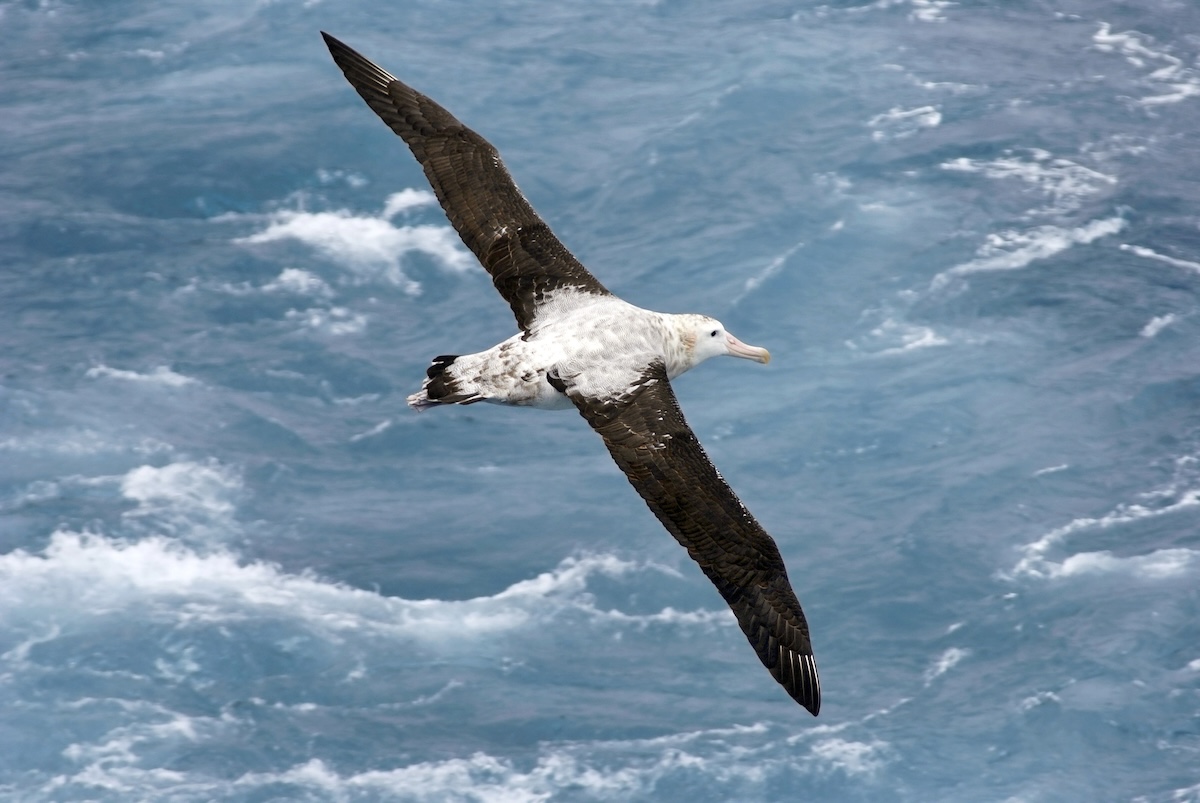 Photo Credit: bluesun on Deposit Photos
In the vast expanse of the open ocean, the albatross, known scientifically as Diomedea, soars gracefully above the waves, embodying the spirit of freedom and adventure. With wings that can stretch up to an astonishing 12 feet, this magnificent bird glides effortlessly, riding the ocean breezes with a mastery that captivates both scientists and nature lovers alike. Its striking white and black plumage, coupled with a long, slender beak, makes it a stunning sight against the backdrop of the endless blue sea.
Albatrosses are not just beautiful; they play a crucial role in their marine ecosystems. As skilled hunters, they feast on squid, krill, and fish, showcasing their remarkable adaptations to life at sea. Their ability to travel thousands of miles in search of food and their strong pair bonds during breeding season add layers of intrigue to their already fascinating lives. These birds have long captured the imagination of sailors, often seen as symbols of good luck and resilience. As we dive deeper into the world of the albatross, we will explore their unique behaviors, the challenges they face, and the vital role they play in maintaining the balance of ocean life.
The albatross is a magnificent bird that holds a special place in the tree of life. Belonging to the kingdom Animalia, the phylum Chordata, and the class Aves, these seabirds are part of the order Procellariiformes, which includes other oceanic birds like petrels and shearwaters. What sets albatrosses apart is their incredible wingspan, which can reach up to 12 feet in some species. This remarkable adaptation allows them to glide effortlessly over the ocean for hours, conserving energy as they search for food. Their unique lifestyle and physical characteristics make them a captivating subject of study in the animal kingdom.
| Taxonomic Rank | Scientific Name | Meaning & Significance |
|---|---|---|
| Kingdom | Animalia | This name comes from the Latin word for “animal,” highlighting that albatrosses are part of the vast group of living organisms that are multicellular and capable of movement. |
| Phylum | Chordata | Derived from the Greek word “chordē,” meaning “string,” this classification indicates that albatrosses have a backbone, a key feature of all vertebrates. |
| Class | Aves | This term is Latin for “birds,” emphasizing the unique characteristics of albatrosses, such as feathers and the ability to lay eggs. |
| Order | Procellariiformes | From the Latin “procella,” meaning “storm,” this name reflects the albatross’s affinity for stormy seas, where they are often found gliding gracefully. |
| Family | Diomedeidae | Named after the Greek hero Diomedes, who was said to have been transformed into an albatross, this family name connects the bird to myth and highlights its majestic presence over the oceans. |
The classification of the albatross reveals much about its evolutionary history. As members of the Procellariiformes order, they share common ancestors with other seabirds, showcasing adaptations that allow them to thrive in marine environments. Their long wings and specialized feeding habits have evolved to suit life over the open ocean, where they can travel vast distances in search of food. Understanding their place in the tree of life not only highlights their unique adaptations but also underscores the intricate connections between all living organisms on our planet.
The evolutionary journey of the albatross stretches back millions of years, with its ancestors soaring through the skies long before humans walked the Earth. These incredible birds belong to the family Diomedeidae, which emerged during the late Eocene epoch, around 40 million years ago. Over time, they adapted to life over the vast oceans, developing traits that would allow them to thrive in some of the most challenging environments on the planet.
The earliest albatross-like birds were likely smaller and less specialized than their modern descendants. As they evolved, they began to develop longer wings and a more efficient flight style, allowing them to glide effortlessly over the ocean for hours or even days. This transition was crucial, as it enabled them to cover vast distances in search of food, primarily fish and squid. Their beaks also evolved to become larger and more hooked, perfect for catching slippery prey.
These remarkable adaptations have played a crucial role in the survival of albatrosses. Their long wings and dynamic soaring techniques allow them to traverse vast oceanic expanses, while their salt glands ensure they can thrive in a salty environment. The social structures they form help them find mates and raise young, ensuring the continuation of their lineage. As they glide gracefully over the waves, albatrosses embody the beauty of evolution, perfectly adapted to their oceanic world.
The albatross is a breathtaking sight, embodying the spirit of the open ocean. With its impressive wingspan, which can stretch up to 12 feet, this bird glides effortlessly over the waves, appearing almost like a living kite. Its body is robust and streamlined, designed for long-distance travel across vast expanses of water. The albatross’s large size makes it one of the most formidable birds in the sky, and its graceful movements are a testament to its mastery of flight.
| Feature | Description |
|---|---|
| Weight | Up to 22 lbs (10 kg) |
| Skin Type | Feathers |
| Most Distinctive Feature | The large size |
These features work together to create a bird that is perfectly adapted to life at sea. The albatross’s large size not only allows it to soar for hours without flapping its wings, conserving energy as it rides the wind currents, but also helps it to cover great distances in search of food. Its feathers are specially designed to withstand the harsh marine environment, providing insulation and waterproofing. Together, these characteristics make the albatross a true master of the skies, capable of navigating the vast oceans with grace and efficiency.
The albatross calls the vast, open seas and oceans its home, where it glides gracefully over the waves. These magnificent birds thrive in the expansive blue, often seen soaring high above the water, riding the wind currents with ease. Their habitat is not just a place to live; it’s a playground of endless horizons and the rhythmic sound of crashing waves. Here, they find the freedom to travel great distances, searching for food and exploring the beauty of the ocean.
The albatross prefers climates that are cool and temperate, often found in areas where the ocean is rich in nutrients. These regions are typically characterized by strong winds and open waters, which provide the perfect conditions for these birds to soar. The albatross is well-suited to life at sea, where it can take advantage of the updrafts created by the waves, allowing it to glide for hours without flapping its wings. This ability to harness the wind is crucial for their survival, as it helps them conserve energy during long flights.
Adaptations have made the albatross a master of its oceanic domain. Its long wings are not just for show; they are specially designed for dynamic soaring, enabling the bird to travel vast distances with minimal effort. Additionally, their keen eyesight allows them to spot food from great heights, while their webbed feet help them navigate the water when they land. These features, combined with their ability to thrive in the open sea, make the albatross a true symbol of the wild ocean.
The daily life of an albatross is a blend of grace and strategy, shaped by the vastness of the ocean. These birds spend much of their time gliding over the waves, using their enormous wings to catch the wind. They are expert fliers, often covering hundreds of miles in search of food. Albatrosses feed primarily on fish, squid, and other marine life, which they skillfully snatch from the water’s surface. When they’re not hunting, they can be seen resting on the water or preening their feathers, ensuring they remain in top condition for flight.
Socially, albatrosses are quite engaging, often forming large colonies for nesting. These colonies can be bustling with activity, as birds communicate through a variety of calls and displays. They engage in elaborate courtship rituals, which can include synchronized flying and mutual preening. This social structure is vital for their breeding success, as it helps strengthen pair bonds and ensures that both parents are involved in raising their chicks. The camaraderie among colony members also provides safety in numbers, as they can watch out for potential predators.
| Behavior Type | Description |
|---|---|
| Activity Patterns | Albatrosses spend most of their day flying and foraging for food, often covering vast distances over the ocean. |
| Social Structure | They nest in large colonies, which fosters strong pair bonds and cooperative breeding. |
| Communication Methods | Albatrosses use a range of vocalizations and body language to communicate, especially during courtship. |
The behaviors of albatrosses are finely tuned to ensure their survival in the wild. By nesting in colonies, they not only enhance their chances of successful breeding but also create a supportive community that helps protect against threats. Their impressive flying skills allow them to efficiently search for food, while their social interactions strengthen bonds that are crucial for raising their young. In the vast expanse of the ocean, these behaviors are essential for thriving in a challenging environment.
The albatross is a carnivore, meaning it primarily eats meat. These incredible birds have a diet that mainly consists of squid, krill, and various types of fish. To find their food, albatrosses are skilled foragers, often gliding over the ocean for hours, scanning the water’s surface for signs of prey. They can spot schools of fish or swarms of krill from high above, using their keen eyesight to locate meals. When they do find food, they can dive or swoop down to snatch it up with their strong beaks.
| Dietary Aspect | Details |
|---|---|
| Diet Type | Carnivore |
| Favorite Foods | Squid, krill, and fish |
| Prey Items | Small fish, crustaceans, and cephalopods |
| Hunting/Foraging Strategies | Gliding over the ocean, using keen eyesight to spot prey, and diving to catch food |
The diet of the albatross plays a crucial role in its ecology and daily routine. By feeding on squid and fish, these birds help maintain the balance of marine ecosystems. Their foraging habits also influence their migratory patterns, as they travel vast distances in search of food. This connection to the ocean not only shapes their survival but also highlights the importance of healthy marine environments for the albatross and other wildlife that depend on similar resources.
The albatross is known for its extraordinary mating rituals and strong pair bonds. During the breeding season, which varies by species but often occurs in the spring and summer, these birds engage in elaborate courtship displays. Males and females perform synchronized dances, showcasing their impressive wings and graceful movements. This bonding process can take several years, as albatrosses often mate for life, returning to the same partner year after year to raise their young.
| Reproductive Aspect | Details |
|---|---|
| Gestation Period | A few months |
| Litter Size | One egg |
| Age of Maturity | 5 to 10 years |
| Name of Young | Chicks |
Once the egg hatches, the parents take on the important role of caregivers. Albatross chicks are born covered in downy feathers and are completely dependent on their parents for food and protection. Both the mother and father share the responsibility of feeding their chick, regurgitating food they have caught from the ocean. As the chick grows, it begins to develop its own feathers and learn to fly. This process can take several months, and the young albatross will stay with its parents until it is ready to venture out on its own, often returning to the same nesting grounds to breed in the future.
The albatross occupies a vital role in the marine food web, soaring high above the ocean as both predator and prey. These magnificent birds primarily feast on squid, krill, and fish, making them important players in maintaining the balance of ocean ecosystems. However, their position also makes them vulnerable to various threats that can impact their survival.
To defend themselves against these dangers, albatrosses have developed several survival strategies. Their impressive wingspan allows them to glide effortlessly over vast distances in search of food, minimizing energy expenditure. When nesting, they often choose remote islands that are less accessible to predators. Additionally, their strong pair bonds and collaborative breeding efforts help ensure the survival of their young, as both parents share the responsibility of caring for their chicks. Through these behaviors, albatrosses continue to navigate the challenges of their environment, showcasing their resilience in the face of adversity.
A keystone species is a vital part of its ecosystem, playing a crucial role in maintaining the structure and balance of that environment. The albatross qualifies as a keystone species due to its significant impact on marine ecosystems. By influencing the populations of other species and contributing to the health of the ocean, these magnificent birds help maintain the delicate balance of life in their habitats.
Albatrosses are skilled foragers, primarily feeding on squid, krill, and various fish. Their hunting habits help regulate the populations of these prey species, ensuring that no single group becomes too dominant. This balance is essential for the overall health of the marine ecosystem. For example, when albatrosses dive and feed, they also help disperse nutrients throughout the ocean, which can benefit other marine life. Additionally, their nesting colonies can create unique habitats for other species, as the guano, or bird droppings, enriches the soil and promotes plant growth on remote islands.
The albatross also serves as an indicator species, meaning that changes in its population can signal shifts in the health of the marine environment. If albatross numbers decline, it may indicate problems such as overfishing or pollution, which can have cascading effects on the entire ecosystem. Their presence helps scientists monitor the health of oceanic habitats, making them essential for conservation efforts.
If albatrosses were to disappear, the consequences would ripple through the marine ecosystem. Without these birds, the populations of their prey could explode, leading to overgrazing of certain species and a decline in biodiversity. The nutrient cycling in the ocean would also be disrupted, potentially harming other marine life that relies on a balanced environment. In essence, the loss of the albatross would not only affect its immediate surroundings but could also lead to broader ecological imbalances, highlighting just how interconnected life in the ocean truly is.
The albatross occupies a fascinating ecological niche as a keystone species in marine environments. These majestic birds are not just beautiful to watch; they play a crucial role in maintaining the balance of their ecosystems. By soaring over the open seas, they help regulate fish populations and contribute to nutrient cycling, which supports a diverse array of marine life. Their presence indicates a healthy ocean, making them important indicators of environmental change.
| Ecosystem Service | Impact |
|---|---|
| Predation | Controls fish and squid populations, preventing overpopulation. |
| Nutrient Cycling | Contributes to nutrient distribution through their droppings, enriching ocean waters. |
| Food Source | Serves as prey for larger marine animals, supporting the food web. |
| Indicator Species | Reflects the health of marine ecosystems, signaling changes in environmental conditions. |
The influence of the albatross extends beyond its immediate actions. For instance, when these birds hunt for squid and fish, they help maintain the balance of these populations, ensuring that no single species dominates the ecosystem. Their droppings, rich in nutrients, fertilize the ocean, promoting the growth of phytoplankton, which forms the base of the marine food web. This interaction not only supports countless other species but also helps regulate carbon dioxide levels in the atmosphere, showcasing the interconnectedness of life in the ocean.
The broader ecological importance of the albatross cannot be overstated. As a keystone species, their presence is vital for the health of marine ecosystems. When albatross populations decline, it can signal larger environmental issues, such as overfishing or climate change. Protecting these magnificent birds is essential not only for their survival but also for the well-being of the entire oceanic ecosystem. By understanding and appreciating the role of the albatross, we can better grasp the intricate web of life that sustains our planet.
In the intricate web of life, symbiosis plays a vital role, connecting different species in various ways. Symbiosis refers to the close and often long-term interactions between two different biological species. These relationships can be mutualistic, where both species benefit; parasitic, where one benefits at the expense of the other; or commensal, where one benefits while the other is neither helped nor harmed. Albatrosses, with their majestic wings and oceanic lifestyle, engage in several fascinating partnerships that highlight the complexity of ecological relationships.
| Species/Type | Relationship Type | Description |
|---|---|---|
| Remoras | Commensal | Remoras attach themselves to the bodies of albatrosses, gaining transportation and access to food scraps without harming the birds. |
| Sea Turtles | Mutualistic | Albatrosses and sea turtles often share feeding grounds. While the turtles graze on the ocean floor, albatrosses benefit from the disturbed prey, making it easier to catch fish. |
| Parasitic Worms | Parasitic | Some albatrosses can host parasitic worms, which live in their intestines. While the worms gain nutrients, they can negatively impact the health of the albatross. |
These relationships have evolved over time, shaped by the needs and behaviors of the species involved. Mutualistic partnerships, like that with sea turtles, enhance survival for both parties, while commensal relationships, such as with remoras, provide benefits without causing harm. On the other hand, parasitic relationships can pose challenges, as they may weaken the host. Understanding these connections helps us appreciate the delicate balance of ecosystems and the roles that albatrosses and their partners play in maintaining the health of our oceans.
The albatross is a truly extraordinary bird, known for its impressive wingspan and remarkable adaptations to life at sea. Here are some surprising facts that showcase just how special these seabirds are.
Throughout history, albatrosses have captured the imagination of sailors and cultures around the world. These majestic birds, often seen gliding effortlessly over the ocean, have been symbols of good luck and hope for many seafarers. In literature and folklore, the albatross is frequently depicted as a harbinger of change, embodying the spirit of the sea. The famous poem “The Rime of the Ancient Mariner” by Samuel Taylor Coleridge even features an albatross as a central figure, representing both beauty and burden. This deep-rooted connection between humans and albatrosses highlights our fascination with their grace and the mysteries of the ocean.
In modern times, the relationship between albatrosses and humanity has evolved, particularly in the context of conservation efforts. As these birds face threats from climate change, plastic pollution, and fishing practices, many organizations are working tirelessly to protect their habitats and ensure their survival. However, conflicts can arise, especially in fishing communities where albatrosses may inadvertently become entangled in fishing gear or compete for food. While domestication is not a part of the albatross story, their interactions with humans are increasingly shaped by our actions and the need for sustainable practices that respect their natural behaviors.
Looking ahead, the future of the albatross and humanity’s relationship will depend on our commitment to environmental stewardship. As we learn more about these incredible birds and their role in marine ecosystems, we have the opportunity to foster a more harmonious coexistence. By prioritizing conservation efforts and promoting sustainable practices, we can ensure that future generations will continue to marvel at the sight of albatrosses soaring across the open sea, a symbol of hope and resilience in our ever-changing world.
The conservation status of the albatross is currently classified as Near Threatened. This means that while they are not yet endangered, their populations are declining and they face significant risks. The exact number of albatrosses varies by species, but overall, many populations are experiencing downward trends due to various environmental pressures. As these magnificent birds continue to soar over the oceans, their future hangs in a delicate balance.
| Conservation Factor | Status/Details |
|---|---|
| IUCN Status | Near Threatened |
| Estimated Population Size | Varies by species |
| Population Trend | Declining |
One of the main threats to albatross populations is bycatch, which occurs when they accidentally get caught in fishing gear. This can happen when they dive for food or get entangled in lines meant for fish. Additionally, habitat loss and climate change are significant concerns. As ocean temperatures rise and food sources shift, albatrosses may struggle to find the squid and fish they rely on for survival. Pollution, particularly plastic waste, also poses a serious risk, as these birds can ingest harmful materials while foraging.
Conservation efforts are underway to protect albatrosses and their habitats. Organizations are working to implement safer fishing practices that reduce bycatch, such as using bird-scaring devices that keep these birds away from fishing lines. Additionally, habitat protection initiatives aim to safeguard nesting sites from human disturbance. With continued awareness and action, there is hope for the albatross. By working together, we can help ensure that these incredible birds continue to grace our oceans for generations to come.
| Question | Answer |
|---|---|
| Where do albatrosses live? | Albatrosses are found primarily in the open seas and oceans, especially in the Southern Hemisphere. They prefer remote areas far from land, where they can glide over the waves for long distances without needing to flap their wings often. |
| What do albatrosses eat? | Albatrosses are carnivores, meaning they primarily eat meat. Their diet mainly consists of fish, squid, and other marine creatures, which they catch while flying over the water or diving beneath the surface. |
| How do albatrosses behave? | Albatrosses are known for their incredible flying abilities, often soaring for hours without flapping their wings. They are social birds, often seen in large groups, and they communicate with a variety of calls and displays during courtship and nesting. |
| How do albatrosses reproduce? | Albatrosses typically mate for life, forming strong bonds with their partners. They lay one egg every two years, and both parents take turns incubating the egg and feeding the chick once it hatches. |
| What threats do albatrosses face? | Albatrosses are considered near threatened due to various factors, including habitat loss and fishing practices. They often get caught on fishing hooks or entangled in nets, which can lead to injury or death. |
| What is the most distinctive feature of albatrosses? | The most distinctive feature of albatrosses is their large size, with some species having wingspans that can reach up to 12 feet! This impressive wingspan allows them to glide effortlessly over the ocean for long periods. |
| Are albatrosses good at flying? | Yes, albatrosses are exceptional fliers! They can travel thousands of miles without flapping their wings much, using wind currents to stay aloft, which makes them one of the most efficient flyers in the bird world. |