Taxonomy & Classification
- Kingdom
- Animalia
- Phylum
- Chordata
- Class
- Mammalia
- Order
- Artiodactyla
- Family
- Bovidae
- Genus
- Capra
- Species
- Capra aegagrus hircus

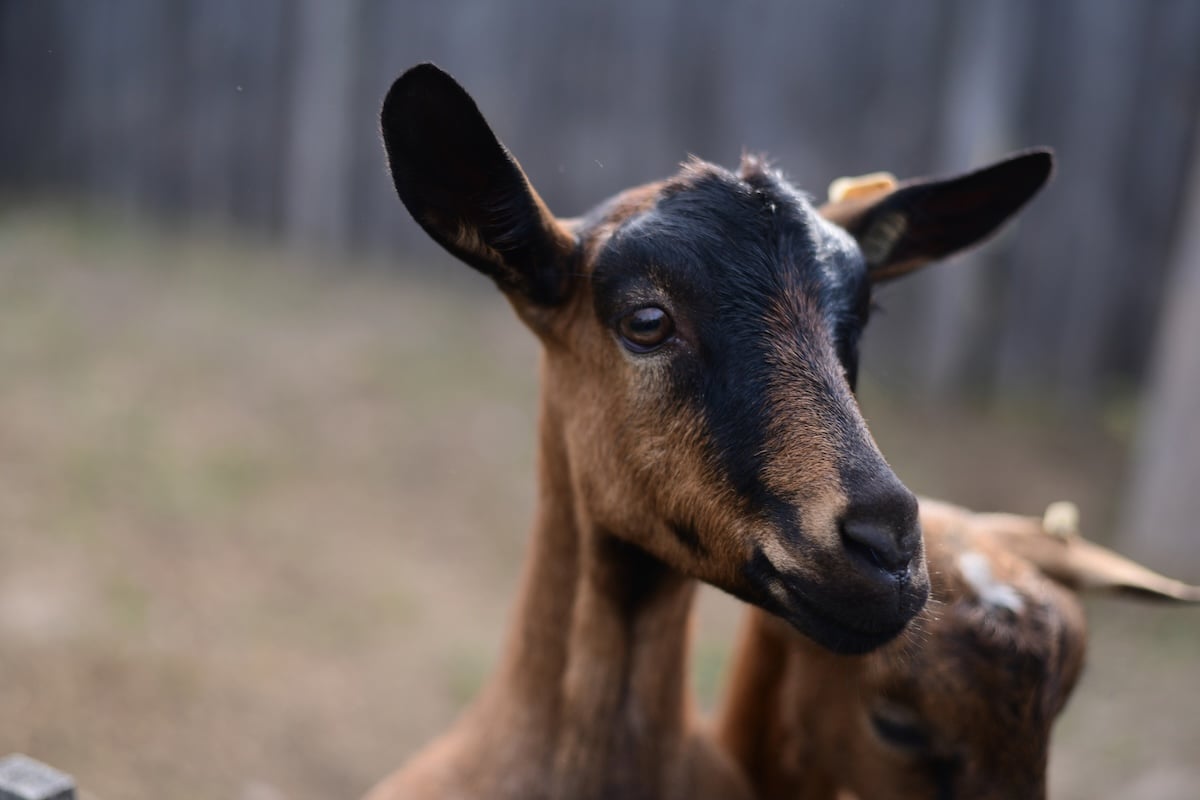 Photo Credit: A.Derzkiy For Deposit Photos
In the rugged heights of the Alps, the Alpine Goat, scientifically known as Capra, stands as a symbol of resilience and grace. Picture a landscape where steep cliffs meet lush green meadows, and there, among the rocky outcrops, you might spot these remarkable animals. With their sturdy bodies and striking curved horns, Alpine Goats are perfectly designed for their mountainous home. Their agile movements allow them to navigate the steep terrain with ease, making them a captivating sight for anyone lucky enough to witness their daily adventures.
What makes the Alpine Goat particularly intriguing to scientists and nature lovers alike is not just its impressive physical features but also its vital role in the ecosystem. As herbivores, these goats graze on a variety of plants, helping to maintain the balance of their environment. Their presence supports a diverse range of life in the mountains, showcasing the interconnectedness of nature. From their unique social behaviors to their ability to thrive in harsh conditions, the Alpine Goat invites us to explore the wonders of the natural world and understand the delicate relationships that sustain it.
The Alpine Goat, known scientifically as Capra, is a captivating member of the animal kingdom that showcases the incredible diversity of life on Earth. This remarkable animal belongs to the family Bovidae, which includes other hoofed mammals like sheep and antelopes. What sets the Alpine Goat apart is its adaptability to high-altitude environments, where it thrives in rugged terrains and steep slopes. With its sturdy build and remarkable climbing abilities, this goat is a true mountain dweller, perfectly suited to its challenging habitat.
| Taxonomic Rank | Scientific Name | Meaning & Significance |
|---|---|---|
| Kingdom | Animalia | This name signifies that Alpine Goats are part of the vast group of multicellular organisms that are primarily heterotrophic, meaning they consume other organisms for energy. |
| Phylum | Chordata | Chordata refers to animals that have a notochord, a flexible rod that supports the body. This group includes all vertebrates, like the Alpine Goat, which has a backbone. |
| Class | Mammalia | Mammalia indicates that these animals are warm-blooded and have fur or hair, along with mammary glands that produce milk for their young. |
| Order | Artiodactyla | Artiodactyla, or even-toed ungulates, describes animals that have an even number of toes. This classification highlights the goat’s specialized hooves, which help it navigate rocky terrains. |
| Family | Bovidae | Bovidae encompasses a diverse group of hoofed mammals, emphasizing the Alpine Goat’s close relationship with other grazing animals, which share similar adaptations for survival. |
| Genus | Capra | Capra is derived from the Latin word for goat, reflecting the animal’s distinctive characteristics and its long-standing relationship with humans as a source of milk, meat, and companionship. |
Understanding the Alpine Goat’s classification reveals much about its evolutionary journey. As a member of the Bovidae family, it shares a common ancestry with other hoofed mammals, showcasing adaptations that have allowed it to thrive in harsh mountain environments. Its unique physical traits, such as its strong legs and specialized hooves, are a testament to millions of years of evolution, enabling it to navigate steep slopes and rocky outcrops with ease. This classification not only highlights the goat’s biological connections but also underscores the intricate web of life that connects all species on our planet.
The evolutionary journey of the Alpine Goat, scientifically known as Capra, stretches back millions of years, intertwining with the rise of the mountainous terrains it now calls home. This fascinating story begins in the late Miocene epoch, around 10 million years ago, when the ancestors of modern goats began to diverge from other members of the Bovidae family. As the Earth’s climate changed and mountain ranges like the Alps formed, these early goats adapted to thrive in the rugged landscapes.
The ancestors of the Alpine Goat were likely small, agile animals that roamed the open plains. Over time, as they ventured into more challenging environments, they developed key adaptations that allowed them to navigate steep, rocky terrains. One major transition was the development of their specialized hooves, which became broader and more cloven, providing better grip on slippery surfaces. Additionally, their body size gradually decreased, making it easier for them to maneuver through narrow crevices and steep slopes. These changes were crucial as they faced new predators and the need to find food in less accessible areas.
These adaptations have been vital for the Alpine Goat’s survival in its harsh environment. The combination of strong legs, specialized hooves, and thick fur allows it to thrive in the cold, rocky mountains where few other animals can. By living in social groups, they enhance their safety and increase their chances of finding food. Each evolutionary change has played a significant role in shaping the Alpine Goat into a resilient and agile inhabitant of the high altitudes, showcasing the wonders of nature’s adaptability.
The Alpine Goat stands as a testament to nature’s artistry, with a sturdy and muscular build that speaks to its adaptability in rugged terrains. Reaching heights of about 32 inches at the shoulder, these goats possess a robust frame that allows them to navigate steep slopes with ease. Their weight ranges from 135 to 175 pounds, giving them a solid presence. The most striking aspect of their physical form is their tall, slightly curved horns, which can add an impressive touch to their silhouette, making them look both majestic and formidable.
| Feature | Description |
|---|---|
| Height | 32 inches at the shoulder |
| Weight | 135 – 175 lbs |
| Skin Type | Hair |
| Most Distinctive Feature | Tall, slightly curved horns |
These physical characteristics are not just for show; they play vital roles in the Alpine Goat’s survival. The sturdy body and strong legs are perfect for climbing rocky slopes, allowing them to escape predators and find food in hard-to-reach places. Their horns, while impressive, also serve as tools for defense and establishing dominance within their social groups. The thick hair covering their bodies provides insulation against the cold mountain air, ensuring they remain warm and comfortable in their high-altitude habitats. Together, these features create a well-adapted animal, perfectly suited for life in the challenging alpine environment.
The Alpine Goat thrives in the breathtaking heights of mountainous regions, where steep slopes and rocky outcrops create a stunning backdrop for its daily life. Picture a landscape dotted with lush green pastures, craggy cliffs, and the occasional snow-capped peak. These goats are often found grazing on the hardy grasses and shrubs that cling to the mountainsides, showcasing their remarkable ability to navigate the rugged terrain with ease.
The climate in these mountainous habitats can be quite variable, with cool temperatures and strong winds being common. Alpine Goats are well-suited to withstand these conditions, as they prefer areas that experience a mix of sunshine and shade. They thrive in environments where the air is crisp and fresh, often at elevations that can reach several thousand feet above sea level. This unique climate helps shape their lifestyle, as they are adapted to forage for food in the challenging landscape.
Over time, Alpine Goats have developed several adaptations that allow them to flourish in these high-altitude environments. Their strong hooves provide excellent grip on rocky surfaces, enabling them to climb steep slopes with agility. Additionally, their thick coats offer insulation against the cold, while their ability to graze on tough vegetation ensures they have a steady food supply. These adaptations not only help them survive but also allow them to thrive in some of the most beautiful and challenging habitats on Earth.
The daily life of an Alpine Goat is a blend of adventure and routine, shaped by its mountainous habitat. As the sun rises, these agile animals begin their day by foraging for food, nibbling on grasses, shrubs, and even the occasional tree bark. Their keen sense of smell helps them locate the tastiest morsels hidden among the rocky terrain. Throughout the day, they engage in climbing and jumping, showcasing their impressive agility and strength. As the sun sets, they often find a safe spot to rest, usually huddled together for warmth and security.
Social behavior is a vital aspect of Alpine Goat life. These animals are highly social and live in herds, which provide safety in numbers. Within the herd, a clear social structure emerges, often led by a dominant female. This hierarchy helps maintain order and ensures that everyone knows their place. Communication among the goats is lively and varied, involving bleats, body language, and even facial expressions. This social interaction not only strengthens bonds within the group but also helps them alert each other to potential dangers.
| Behavior Type | Description |
|---|---|
| Activity Patterns | Alpine Goats forage, climb, and rest throughout the day, adapting their activities to the availability of food and safety. |
| Social Structure | Herds are led by a dominant female, creating a hierarchy that helps maintain order and security within the group. |
| Communication Methods | They use bleats, body language, and facial expressions to communicate, alerting each other to food sources and potential threats. |
The behaviors of Alpine Goats are not just fascinating; they are essential for survival. By living in herds, they can protect one another from predators and share knowledge about food sources. Their communication skills help them stay connected, ensuring that every member of the group is aware of their surroundings. This combination of social interaction and adaptability allows Alpine Goats to thrive in their challenging mountainous environment, showcasing the beauty of cooperation in the animal kingdom.
The Alpine Goat is primarily an herbivore, which means it mainly eats plants. These goats have a special knack for finding food in their rugged mountain homes. They graze on a variety of vegetation, including grasses, shrubs, and even some trees. Their strong, agile bodies allow them to navigate steep slopes and rocky terrain, where they can reach tasty leaves and tender shoots that other animals might miss. This ability to forage in challenging environments is key to their survival.
| Dietary Aspect | Details |
|---|---|
| Diet Type | Herbivore |
| Favorite Foods | Grasses, shrubs, and tender leaves |
| Prey Items | None, as they do not eat meat |
| Hunting/Foraging Strategies | Grazing and browsing on steep slopes |
The diet of the Alpine Goat plays a crucial role in its ecology and daily routine. By feeding on a variety of plants, these goats help maintain the health of their mountainous ecosystems. Their grazing habits can promote new plant growth, which benefits other animals in the area. Additionally, their foraging activities keep them active and engaged, as they move throughout their habitat in search of food. This constant quest for nourishment not only shapes their behavior but also contributes to the vibrant life of the alpine environment they inhabit.
When it comes to mating, Alpine Goats have a specific breeding season that typically occurs in the fall. During this time, males, known as bucks, become quite active and display their strength and vigor to attract females, or does. They may engage in behaviors like head-butting and vocalizing to establish dominance and show off their fitness. This courtship ritual is essential for ensuring that the strongest genes are passed on to the next generation.
| Reproductive Aspect | Details |
|---|---|
| Gestation Period | 155 days |
| Litter Size | 1-2 kids |
| Age of Maturity | 2 years |
| Name of Young | Kids |
After a gestation period of about 155 days, the does give birth to one or two adorable kids. These young goats are born with a natural instinct to stand and walk shortly after birth, which is crucial for their survival in the wild. The mothers are attentive and protective, providing warmth and nourishment through their milk. As the kids grow, they begin to explore their surroundings, learning essential skills from their mothers. This nurturing environment helps them develop into strong, independent adults, ready to thrive in the challenging mountain landscapes they call home.
The Alpine Goat plays a vital role in its mountainous ecosystem, serving as both a grazer and a prey species. Positioned in the middle of the food web, these goats help maintain the balance of plant life while also being a food source for various predators. Their presence supports the health of their habitat, showcasing the interconnectedness of life in the high altitudes.
To survive against these threats, Alpine Goats have developed several clever defensive behaviors. Their agility allows them to navigate steep, rocky terrains with ease, often escaping predators by climbing to hard-to-reach places. Additionally, they are social animals, often found in groups, which provides safety in numbers. When danger approaches, they can quickly alert each other, using their keen senses to detect threats early. These strategies, combined with their ability to blend into their surroundings, help ensure their survival in a challenging environment.
A keystone species is an organism that has a disproportionately large impact on its environment relative to its abundance. In other words, if it were removed, the ecosystem would change dramatically. The Alpine Goat, or Capra, can be considered a keystone species in its mountainous habitat. Its grazing habits and social structure play crucial roles in maintaining the balance of plant life and supporting other species in the ecosystem.
Alpine Goats are herbivores, meaning they primarily eat plants. By grazing on grasses and shrubs, they help control plant growth, preventing any one species from dominating the landscape. This grazing behavior promotes biodiversity, allowing various plant species to thrive. For example, when Alpine Goats munch on certain plants, they create open spaces for new plants to grow, which can attract different insects and animals. This ripple effect supports a rich tapestry of life in their mountainous homes.
Moreover, these goats are social animals that live in herds. Their group behavior not only provides safety in numbers but also influences the movement of other animals in the area. When Alpine Goats move through their habitat, they create trails that can be used by other species, such as smaller mammals and birds. These trails help with seed dispersal, as seeds can hitch a ride on the fur of animals or be dropped along the way, leading to new plant growth in different areas.
If Alpine Goats were to disappear from their ecosystem, the consequences would be significant. Without their grazing, certain plant species could overgrow, choking out others and reducing biodiversity. This shift would not only affect the plants but also the animals that rely on a variety of vegetation for food and shelter. The entire food web could become unbalanced, leading to a decline in other species, including predators that depend on the goats as a food source. In essence, the absence of Alpine Goats would create a ripple effect, altering the landscape and the intricate relationships that define their mountainous ecosystem.
The Alpine Goat, or Capra, occupies a vital ecological niche in mountainous regions, where it plays a significant role in shaping its environment. As a herbivore, this agile animal primarily feeds on grasses, shrubs, and other vegetation, which helps control plant growth and maintain the health of its habitat. By grazing, the Alpine Goat prevents certain plant species from dominating the landscape, allowing for a diverse array of flora to thrive. This balance is crucial for the overall health of the ecosystem, as it supports various other species that depend on these plants for food and shelter.
| Ecosystem Service | Impact |
|---|---|
| Grazing | Controls plant growth and promotes biodiversity |
| Soil Aeration | Helps improve soil quality through hoof action |
| Seed Dispersal | Facilitates the spread of various plant species |
| Prey for Predators | Supports the food web by providing sustenance for carnivores |
The influence of the Alpine Goat extends beyond mere grazing. For instance, as these goats traverse rocky terrains, their hooves break up the soil, which enhances aeration and allows water to penetrate more effectively. This process is essential for plant growth, as it helps create a healthier environment for seeds to germinate. Additionally, by consuming a variety of plants, Alpine Goats inadvertently aid in seed dispersal, allowing new plants to take root in different areas. This natural movement of seeds contributes to the genetic diversity of plant populations, which is vital for ecosystem resilience.
The broader ecological importance of the Alpine Goat cannot be overstated. As a keystone species, its presence significantly influences the structure and function of its ecosystem. If Alpine Goats were to disappear, the balance of plant life would shift dramatically, leading to overgrowth of certain species and a decline in others. This change would ripple through the food web, affecting not only the plants but also the animals that rely on them for food and shelter. By maintaining this delicate balance, Alpine Goats help ensure the health and sustainability of their mountainous habitats, showcasing the interconnectedness of life in the natural world.
In the intricate web of life, symbiosis refers to the close interactions between different species, which can take many forms. These relationships can be mutualistic, where both species benefit, parasitic, where one benefits at the expense of the other, or commensal, where one benefits while the other is neither helped nor harmed. The Alpine Goat, known for its adaptability in rugged terrains, engages in various ecological partnerships that highlight the interconnectedness of life in its mountainous habitat.
| Species/Type | Relationship Type | Description |
|---|---|---|
| Mountain Plants | Mutualistic | Alpine Goats graze on various mountain plants, helping to control their growth. In return, the goats benefit from the nutrients these plants provide. |
| Birds (e.g., Rock Pigeons) | Commensal | Birds often follow herds of Alpine Goats, feeding on insects and seeds disturbed by their movement. The goats are unaffected by the birds’ presence. |
| Parasites (e.g., Ticks) | Parasitic | Ticks can latch onto Alpine Goats, feeding on their blood. This relationship harms the goats, as it can lead to health issues. |
These relationships have evolved over time, shaped by the needs and behaviors of the species involved. The mutualistic interactions between Alpine Goats and mountain plants not only support the goats’ dietary needs but also promote plant health by preventing overgrowth. Meanwhile, the commensal relationship with birds showcases how different species can coexist and benefit from each other without direct competition. On the other hand, parasitic relationships, like those with ticks, remind us that not all interactions are beneficial. Understanding these connections helps us appreciate the delicate balance of ecosystems and the roles each species plays in maintaining that balance.
The Alpine Goat, known for its impressive adaptability and striking appearance, is a fascinating animal that thrives in some of the most challenging environments on Earth. Here are some surprising facts that showcase the incredible traits and behaviors of this remarkable species.
The Alpine Goat has a long and storied relationship with humanity, dating back thousands of years. These hardy animals have been companions to people living in mountainous regions, providing not just milk, meat, and wool, but also serving as symbols of resilience and adaptability. In many cultures, Alpine Goats are celebrated in folklore and art, representing the spirit of the rugged landscapes they inhabit. Their ability to thrive in harsh conditions has made them a source of inspiration and a vital part of the agricultural heritage in various communities.
Today, the interactions between Alpine Goats and humans continue to evolve. Farmers and herders rely on these goats for sustainable farming practices, as they graze on vegetation that might otherwise contribute to wildfires or soil erosion. However, conflicts can arise, especially when goats wander into agricultural fields or compete with native wildlife for resources. Domestication has led to various breeds of Alpine Goats, each adapted to specific environments and human needs, showcasing the deep bond formed over generations. Conservation efforts are also underway to protect their natural habitats and ensure that these remarkable animals continue to thrive alongside us.
Looking ahead, the future of the relationship between Alpine Goats and humanity holds promise. As we face challenges like climate change and habitat loss, these goats may play an even more crucial role in sustainable land management. By fostering a deeper understanding of their ecological importance, we can ensure that Alpine Goats continue to thrive in their natural habitats while enriching our lives. Together, we can build a future where both humans and Alpine Goats coexist harmoniously, celebrating the unique bond that has developed over centuries.
The conservation status of the Alpine Goat, scientifically known as Capra, is currently not listed by the International Union for Conservation of Nature (IUCN). This means that there is not enough information to determine whether the species is at risk of extinction. While population estimates are not precisely defined, these goats are generally considered stable in their natural habitats. However, ongoing monitoring is essential to ensure that their numbers remain healthy as environmental changes occur.
| Conservation Factor | Status/Details |
|---|---|
| IUCN Status | Not Listed |
| Population Estimates | Not precisely defined |
| Trend Direction | Stable |
Despite their current stability, Alpine Goats face several threats that could impact their future. Habitat loss is a significant concern, as human activities such as agriculture and urban development encroach on their mountainous homes. Additionally, climate change poses a risk by altering the delicate ecosystems these goats depend on for food and shelter. Predation from larger animals can also affect local populations, especially if their numbers decline due to other factors.
Conservation efforts for the Alpine Goat focus on habitat preservation and monitoring population trends. Organizations dedicated to wildlife conservation are working to protect the mountainous regions where these goats thrive. By promoting sustainable land use and raising awareness about the importance of biodiversity, these initiatives aim to ensure that the Alpine Goat continues to roam the rugged terrains of its natural habitat for generations to come. The outlook for this species remains cautiously optimistic, provided that conservation measures are effectively implemented.
| Question | Answer |
|---|---|
| What is the natural habitat of Alpine Goats? | Alpine Goats are primarily found in mountainous regions, where they thrive in rugged terrain. They are also commonly kept as domestic animals, often found on farms and homesteads around the world. |
| What do Alpine Goats eat? | As herbivores, Alpine Goats primarily eat grasses, shrubs, and other vegetation. They are known for their ability to graze on steep slopes, making them well-suited for their mountainous habitats. |
| What is the behavior of Alpine Goats? | Alpine Goats are social animals that enjoy the company of their herd. They are curious and intelligent, often engaging in playful activities and exploring their surroundings. |
| How do Alpine Goats reproduce? | Alpine Goats typically breed in the fall, with a gestation period of about five months. After this time, females give birth to one or two kids, which are the young goats. |
| What threats do Alpine Goats face? | While Alpine Goats are not currently listed as endangered, they can face threats from habitat loss and predation. Domestic goats may also be at risk from diseases and parasites. |
| What is a distinctive feature of Alpine Goats? | One of the most distinctive features of Alpine Goats is their tall, slightly curved horns. These horns can grow quite long and are a key characteristic that helps identify the breed. |
| Are Alpine Goats good for milk production? | Yes, Alpine Goats are known for their excellent milk production. Their milk is rich and creamy, making it popular for cheese and other dairy products. |