Taxonomy & Classification
- Kingdom
- Animalia
- Phylum
- Chordata
- Class
- Mammalia
- Order
- Cetacea
- Family
- Iniidae
- Genus
- Inia
- Species
- Inia geoffrensis

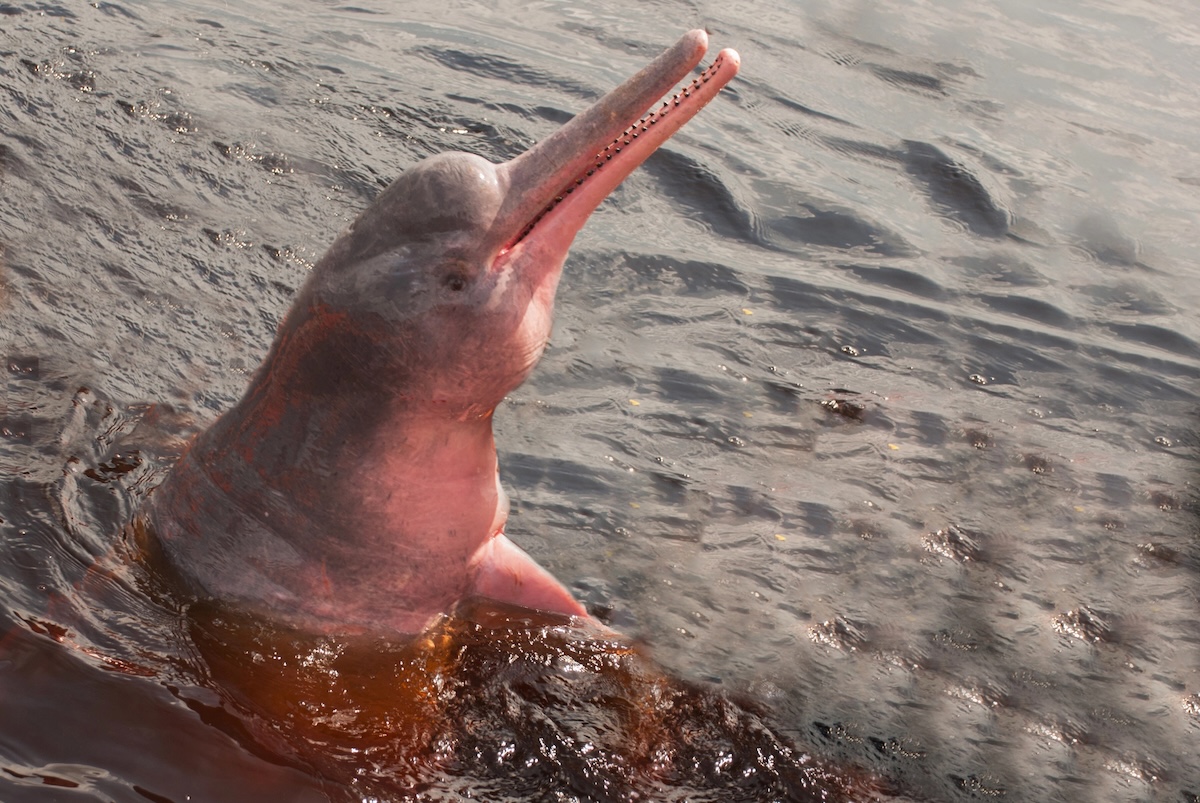 Photo Credit: A1804 on Deposit Photos
In the heart of the Amazon River, where the water flows like a shimmering ribbon through a lush green tapestry, lives the enchanting Amazon River Dolphin, scientifically known as Inia geoffrensis. This remarkable creature, often affectionately called the Pink Dolphin, is a sight to behold. With its long, slender body and a playful spirit, it glides gracefully through the murky waters, its skin reflecting shades of pink that can change with its mood and environment. Imagine a dolphin leaping joyfully, its vibrant hue contrasting against the dark waters, creating a mesmerizing dance of color and movement.
What makes the Amazon River Dolphin so captivating to scientists and nature lovers alike is not just its striking appearance but also its unique adaptations to life in freshwater. Unlike its ocean-dwelling cousins, this dolphin has evolved to thrive in the complex waterways of the Amazon Basin, where it navigates through flooded forests and tangled roots. Its flexible neck allows it to twist and turn with ease, making it a skilled hunter of fish, frogs, and crustaceans. As we dive deeper into the world of the Pink Dolphin, we will explore its fascinating behaviors, the vital role it plays in its ecosystem, and the challenges it faces in a rapidly changing environment. Join us on this adventure to uncover the secrets of one of the Amazon’s most beloved inhabitants.
The Amazon River Dolphin, often affectionately called the Pink Dolphin, holds a special place in the animal kingdom. It belongs to the order Cetacea, which includes all whales, dolphins, and porpoises. What sets the Amazon River Dolphin apart is not just its striking pink hue, which can change with mood and temperature, but also its freshwater habitat, a rarity among dolphins. This unique adaptation to life in the rivers of the Amazon Basin showcases the incredible diversity of life on our planet and highlights how species can evolve in response to their environments.
| Taxonomic Rank | Scientific Name | Meaning & Significance |
|---|---|---|
| Kingdom | Animalia | This name signifies that the Amazon River Dolphin is part of the vast group of multicellular organisms known as animals, which are characterized by their ability to move and respond to their environment. |
| Phylum | Chordata | Chordata means “having a notochord,” a flexible rod that supports the body. This group includes all animals with a backbone, highlighting the dolphin’s complex structure and evolutionary lineage. |
| Class | Mammalia | Mammalia refers to mammals, which are warm-blooded animals that have fur or hair and typically give live birth. The Amazon River Dolphin is a mammal, meaning it breathes air and nurses its young with milk. |
| Order | Cetacea | Cetacea comes from the Greek word for “whale.” This order includes all marine mammals that are fully adapted to life in the water, showcasing the dolphin’s evolutionary journey from land-dwelling ancestors to aquatic specialists. |
| Family | Iniidae | Iniidae is a family of river dolphins, which are distinct from their oceanic relatives. This classification emphasizes the dolphin’s adaptation to freshwater environments, setting it apart in the dolphin family tree. |
| Genus | Inia | The genus name Inia is derived from the indigenous term for the river dolphin, reflecting the deep cultural connection between these animals and the people of the Amazon River. |
Understanding the taxonomic classification of the Amazon River Dolphin reveals much about its evolutionary history. As a member of the Cetacea order, it shares a common ancestor with other dolphins and whales, but its unique adaptations to freshwater life illustrate how species can diverge and thrive in different environments. The Amazon River Dolphin’s journey from land to river showcases the incredible power of evolution, reminding us of the diverse paths life can take in the quest for survival.
The evolutionary journey of the Amazon River Dolphin, or Pink Dolphin, stretches back millions of years, tracing its lineage through the vast waters of ancient rivers and seas. This captivating species belongs to the family Iniidae and the genus Inia, with its ancestors diverging from other cetaceans around 20 million years ago. As the Earth’s climate changed and river systems evolved, these dolphins adapted to life in freshwater environments, leading to a series of remarkable transformations.
The ancestors of the Amazon River Dolphin were likely similar to other marine dolphins, thriving in oceanic habitats. Over time, as some populations ventured into the rivers of South America, they began to adapt to their new surroundings. One major transition was the shift from saltwater to freshwater, which required changes in their physiology and behavior. Their bodies became more streamlined for navigating narrow river channels, and their echolocation abilities evolved to help them hunt in murky waters where visibility is limited.
These adaptations have been crucial for the survival of the Amazon River Dolphin in its unique habitat. The ability to change color not only aids in social interactions but also helps them blend into their surroundings, providing a form of camouflage. Their flexible neck allows them to thrive in the intricate riverine ecosystem, while their social structures enhance their hunting success. With specialized teeth and advanced echolocation, these dolphins are well-equipped to find food in the ever-changing waters of the Amazon. Together, these evolutionary traits have enabled the Pink Dolphin to flourish in one of the most biodiverse environments on the planet.
The Amazon River Dolphin, or Pink Dolphin, is a striking sight in the murky waters of the Amazon River. With its elongated body and playful demeanor, this dolphin captures the imagination of anyone lucky enough to spot it. Its most notable feature is its vibrant pink hue, which can range from a soft blush to a deep rose, especially in mature individuals. This coloration, combined with a streamlined shape, allows it to glide gracefully through the water, making it look almost like a living piece of art.
| Feature | Description |
|---|---|
| Weight | 100-200 kg (220-440 lbs) |
| Skin Type | Smooth |
The combination of its size and smooth skin plays a crucial role in the dolphin’s survival. The sleek body helps it navigate swiftly through the river’s currents, while the smooth skin reduces drag, allowing for efficient movement. The pink coloration may also serve as a form of communication or camouflage among the river’s varied hues, helping these dolphins blend into their surroundings or signal to one another. Together, these features create a perfect blend of beauty and functionality, enabling the Amazon River Dolphin to thrive in its unique habitat.
The Amazon River Dolphin, known for its enchanting pink hue, thrives in the lush, winding waterways of the Amazon Basin. This vibrant creature calls home the expansive tropical rivers and estuaries, where the water is warm and rich with life. Picture a landscape filled with dense rainforests, where the river meanders through a tapestry of greenery, and the sounds of wildlife echo all around. The waters are often murky, filled with sediment and organic material, creating a unique environment that supports a diverse ecosystem.
The climate in this region is typically warm and humid, with temperatures often reaching above 80 degrees Fahrenheit (27 degrees Celsius). The Amazon Basin experiences a wet season, bringing heavy rains that swell the rivers and create a dynamic habitat. This environment is crucial for the Amazon River Dolphin, as it relies on the rich biodiversity of the area, including fish and other aquatic life, for sustenance. The warm waters also help maintain the dolphin’s body temperature, as it is an endothermic animal, meaning it generates its own body heat.
Over time, the Amazon River Dolphin has developed fascinating adaptations to thrive in its watery home. Its flexible body allows it to navigate through the tangled roots of trees and submerged vegetation, while its echolocation abilities help it find food in the murky depths. The dolphin’s unique coloration, which can range from gray to a soft pink, provides some camouflage in the dappled light of the river. These adaptations not only enhance its survival but also make it a captivating symbol of the rich biodiversity found in the Amazon.
The Amazon River Dolphin, or Pink Dolphin, leads a lively and engaging daily life in the winding waterways of the Amazon Basin. These dolphins are often seen swimming gracefully through the murky waters, using their keen echolocation skills to navigate and hunt for fish. Their day typically begins at dawn, when they are most active, foraging for food and socializing with other dolphins. As the sun rises higher, they may take breaks to rest and play, often leaping out of the water or engaging in playful antics with their companions.
Social behavior is a vital part of the Pink Dolphin’s life. These dolphins are known to form schools, which are groups that can range from just a few individuals to larger pods. Within these schools, they communicate using a variety of clicks, whistles, and body movements, creating a rich social tapestry. This communication helps them coordinate hunting efforts and maintain strong social bonds. The playful nature of these dolphins often leads to cooperative behaviors, where they work together to herd fish into tight groups, making it easier for everyone to feed.
| Behavior Type | Description |
|---|---|
| Activity Patterns | Active during the day, especially at dawn, foraging for fish and playing. |
| Social Structure | Forms schools that can vary in size, promoting strong social bonds. |
| Communication Methods | Uses clicks and whistles to communicate, helping coordinate group activities. |
The behaviors of the Amazon River Dolphin are not just for fun; they play a crucial role in their survival. By forming schools, these dolphins can protect each other from predators and increase their chances of finding food. Their playful interactions strengthen social ties, which are essential for cooperation during hunting. In the rich ecosystem of the Amazon, these behaviors ensure that the Pink Dolphin thrives, showcasing the intricate balance of life in one of the world’s most biodiverse regions.
The Amazon River Dolphin, or Pink Dolphin, has a diet that primarily consists of various aquatic animals. As a carnivore, it enjoys a menu rich in fish, prawns, and even frogs. These dolphins are skilled hunters, using their keen senses to locate prey in the often murky waters of the Amazon River. Their playful nature aids in their feeding behavior, as they can be seen leaping and diving, which helps them catch their meals.
| Dietary Aspect | Details |
|---|---|
| Diet Type | Carnivore |
| Favorite Foods | Fish, prawns, frogs |
| Prey Items | Various species of fish, crustaceans like prawns, and amphibians such as frogs |
| Hunting/Foraging Strategies | Using echolocation to find prey, swimming swiftly, and sometimes working in groups to herd fish |
The diet of the Amazon River Dolphin plays a crucial role in its ecology and daily routine. By feeding on a variety of prey, these dolphins help maintain the balance of the aquatic ecosystem. Their hunting strategies not only showcase their intelligence but also influence the populations of fish and other creatures in their habitat. This dynamic relationship highlights the importance of the Pink Dolphin in the rich tapestry of life within the Amazon River.
Mating among Amazon River Dolphins, or Pink Dolphins, is a captivating process that takes place throughout the year, although there are peaks during the rainy season when food is abundant. During this time, males engage in playful displays to attract females, showcasing their agility and strength. These dolphins are known for their social nature, often forming loose groups that can help in finding mates. Once a pair has formed a bond, they will engage in courtship behaviors, which can include swimming closely together and leaping out of the water.
| Reproductive Aspect | Details |
|---|---|
| Gestation Period | Approximately 11 months |
| Litter Size | 1 |
| Age of Maturity | 4 to 6 years |
| Name of Young | Calf |
Once the calf is born, it relies heavily on its mother for survival. The mother provides not only nourishment through her milk but also protection and guidance in the complex waterways of the Amazon. As the young dolphin grows, it learns essential skills such as hunting and navigating its environment by observing its mother. This nurturing relationship is crucial, as it helps the calf develop into a skilled and independent adult, ready to thrive in the vibrant ecosystem of the Amazon River. The bond between mother and calf is a beautiful example of parental care in the animal kingdom, showcasing the deep connections that can form in the wild.
The Amazon River Dolphin, or Pink Dolphin, plays a vital role in its aquatic ecosystem. As a top predator in the Amazon River’s food web, it helps maintain the balance of fish populations and other aquatic life. This intelligent and social mammal interacts with various species, influencing the health of its environment. However, despite its important position, the Pink Dolphin faces numerous dangers that threaten its survival.
To defend itself against these threats, the Amazon River Dolphin employs several survival strategies. It is known for its agility and intelligence, allowing it to navigate through complex river systems and avoid dangers. The dolphins often use their echolocation, a natural sonar system, to detect obstacles and potential predators in murky waters. Additionally, they can be quite social, sometimes forming groups that help protect each other from threats. By staying aware of their surroundings and using their natural abilities, Pink Dolphins continue to thrive in the challenging environment of the Amazon River.
A keystone species is an organism that has a disproportionately large impact on its environment relative to its abundance. In the case of the Amazon River Dolphin, or Pink Dolphin, it certainly qualifies as a keystone species. This playful and intelligent mammal plays a crucial role in maintaining the health and balance of its aquatic ecosystem in the Amazon River Basin.
The ecological impact of the Amazon River Dolphin is significant. As a top predator, it helps regulate fish populations, ensuring that no single species dominates the ecosystem. By preying on various fish and other aquatic animals, these dolphins contribute to a balanced food web. For instance, when Pink Dolphins hunt, they often target weaker or sick individuals, which helps keep fish populations healthy and robust. This natural selection process promotes biodiversity, allowing different species to thrive in the river’s complex habitat.
Moreover, the presence of Amazon River Dolphins can indicate the overall health of the ecosystem. Their need for clean, freshwater habitats means that their population can reflect the quality of the river environment. When these dolphins are thriving, it often signals that the ecosystem is functioning well. Conversely, a decline in their numbers can be a warning sign of environmental issues, such as pollution or habitat destruction.
If the Amazon River Dolphin were to disappear, the consequences would ripple through the entire ecosystem. Fish populations could become unbalanced, leading to overpopulation of certain species and the decline of others. This imbalance could disrupt the entire food web, affecting not just fish but also other animals that rely on them for food. Additionally, the loss of this species would signal a decline in the health of the Amazon River itself, potentially leading to further environmental degradation. The vibrant and intricate tapestry of life in the Amazon would be poorer without the presence of these enchanting dolphins.
The Amazon River Dolphin, often known as the Pink Dolphin, plays a crucial role in its ecosystem, acting as a keystone species in the intricate web of life within the Amazon Basin. This enchanting creature not only captivates our imagination with its vibrant pink hue but also influences the health and balance of its aquatic environment. By preying on various fish and other aquatic animals, the Pink Dolphin helps regulate fish populations, ensuring that no single species dominates the ecosystem. This balance is vital for maintaining biodiversity, which is essential for a thriving habitat.
| Ecosystem Service | Impact |
|---|---|
| Population Control | Regulates fish populations by preying on various species. |
| Nutrient Cycling | Contributes to nutrient distribution through its feeding habits. |
| Habitat Maintenance | Supports the health of riverine habitats by influencing prey dynamics. |
| Indicator Species | Reflects the overall health of the aquatic ecosystem. |
The influence of the Amazon River Dolphin extends beyond its role as a predator. For instance, as these dolphins hunt, they help maintain a balance among fish species, preventing overpopulation of certain types that could lead to habitat degradation. Additionally, their feeding habits contribute to nutrient cycling in the river, as the remains of their meals enrich the water and support the growth of aquatic plants. This, in turn, provides shelter and food for countless other species, creating a vibrant and interconnected community.
The broader ecological importance of the Amazon River Dolphin cannot be overstated. As a keystone species, its presence is vital for the health of the entire Amazon ecosystem. The interactions it fosters among various species help sustain the rich biodiversity that characterizes this unique environment. Protecting the Pink Dolphin and its habitat is essential not only for the survival of this captivating animal but also for the overall health of the Amazon River and the myriad of life it supports. By understanding and appreciating the role of the Pink Dolphin, we can better advocate for the conservation of this irreplaceable ecosystem.
In the vibrant ecosystems of the Amazon River, symbiosis plays a crucial role in maintaining balance among various species. Symbiosis refers to the close and often long-term interactions between different biological species. These relationships can be mutualistic, where both species benefit; parasitic, where one benefits at the expense of the other; or commensal, where one benefits while the other is neither helped nor harmed. The Amazon River Dolphin, or Pink Dolphin, engages in several fascinating partnerships with other species, showcasing the interconnectedness of life in this lush environment.
| Species/Type | Relationship Type | Description |
|---|---|---|
| Fish (e.g., catfish) | Mutualistic | Pink Dolphins often stir up sediment while hunting, which helps fish find food. In return, the dolphins benefit from the increased availability of prey. |
| Birds (e.g., herons) | Commensal | Birds may follow Pink Dolphins to catch fish that are disturbed by the dolphins’ movements, gaining an easy meal while the dolphins remain unaffected. |
| Parasites (e.g., leeches) | Parasitic | Some leeches attach to Pink Dolphins, feeding on their blood. This relationship harms the dolphins but allows the leeches to thrive. |
These relationships have evolved over time, shaped by the needs and behaviors of the species involved. The mutualistic interactions enhance the survival of both the Pink Dolphins and their fish companions, while commensal relationships provide benefits without causing harm. On the other hand, parasitic relationships, though detrimental to the dolphins, are a natural part of the ecosystem’s balance. Understanding these connections helps us appreciate the complexity of life in the Amazon and the importance of preserving such intricate relationships for future generations.
The Amazon River Dolphin, also known as the Pink Dolphin, is a captivating creature that thrives in the lush waterways of the Amazon Basin. With its playful nature and striking appearance, this dolphin is full of surprises that even the most seasoned nature enthusiasts might not know.
The Amazon River Dolphin, often called the Pink Dolphin, has long been woven into the cultural fabric of the Amazon Basin. Indigenous peoples have revered these dolphins for centuries, viewing them as mystical beings that embody the spirit of the river. Folklore often tells tales of the Pink Dolphin transforming into a handsome man to seduce women, highlighting its significance in local mythology. This enchanting creature has inspired art, stories, and even rituals, showcasing the deep connection between the dolphins and the communities that share their habitat.
Today, the relationship between humans and Amazon River Dolphins is complex and multifaceted. On one hand, conservation efforts are underway to protect these dolphins from threats such as habitat destruction, pollution, and fishing practices that harm their populations. Organizations are working to raise awareness about the importance of preserving the Amazon’s delicate ecosystem, where these dolphins play a vital role. However, conflicts also arise, particularly when local fishing practices clash with the dolphins’ hunting grounds. Some communities have even attempted to domesticate these dolphins, leading to ethical debates about the impact on their natural behaviors and well-being.
As we look to the future, the relationship between humans and Amazon River Dolphins holds both promise and challenges. With increased awareness and education, there is hope for a more harmonious coexistence. By valuing the ecological importance of these dolphins and the rich cultural heritage they represent, we can work together to ensure their survival. The future of the Pink Dolphin depends on our ability to balance human needs with the preservation of the natural world, fostering a relationship that honors both the spirit of the river and the vibrant life it supports.
The Amazon River Dolphin, commonly known as the Pink Dolphin, is currently classified as Endangered. This status reflects a concerning decline in its population, primarily due to various human activities. While exact population estimates are challenging to determine, it is believed that the numbers have decreased significantly over the past few decades. Conservationists are working hard to understand and address the factors contributing to this decline, but the outlook remains uncertain.
| Conservation Factor | Status/Details |
|---|---|
| IUCN Status | Endangered |
| Population Estimates | Unknown, but significantly declining |
| Trend Direction | Decreasing |
The main threats to the Amazon River Dolphin are numerous and complex. Habitat destruction, primarily due to deforestation and river pollution, poses a significant risk to their survival. Additionally, entanglement in fishing gear and accidental capture in fishing nets can lead to injury or death. The introduction of boats and increased river traffic also disrupts their natural behaviors and habitats. These challenges create a precarious situation for the Pink Dolphin, making it difficult for the population to recover.
Conservation efforts are underway to protect the Amazon River Dolphin and its habitat. Organizations are working to raise awareness about the importance of this species and the threats it faces. Initiatives include establishing protected areas within the Amazon Basin and promoting sustainable fishing practices. While the road to recovery is long, there is hope that with continued efforts, the Pink Dolphin can thrive once again in its enchanting river home. The future of this captivating species depends on our commitment to preserving the delicate balance of its ecosystem.
| Question | Answer |
|---|---|
| Where do Amazon River Dolphins live? | Amazon River Dolphins, also known as pink dolphins, inhabit large tropical rivers and estuaries in the Amazon Basin. They prefer shallow waters where they can easily find food and navigate through the complex river systems. |
| What do Amazon River Dolphins eat? | These dolphins are carnivores, meaning they primarily eat meat. Their diet consists of fish, crustaceans, and even small river turtles, which they catch using their excellent echolocation skills. |
| How do Amazon River Dolphins behave? | Amazon River Dolphins are known for their playful nature. They often leap out of the water, swim in circles, and can even be seen playing with objects like sticks or leaves. |
| How do Amazon River Dolphins reproduce? | Female Amazon River Dolphins typically give birth to a single calf after a gestation period of about 11 months. The calves are born gray and gradually turn pink as they grow older, which is a unique characteristic of this species. |
| What threats do Amazon River Dolphins face? | These dolphins are classified as endangered due to habitat loss, pollution, and fishing practices that can harm them. Additionally, boat traffic in the rivers poses a significant risk to their safety. |
| What are some interesting characteristics of Amazon River Dolphins? | One fascinating feature of Amazon River Dolphins is their ability to change color, especially as they age. They can also turn their necks more freely than other dolphin species, allowing them to navigate through the dense river vegetation. |
| Are Amazon River Dolphins social animals? | Yes, Amazon River Dolphins are generally social creatures. They can often be seen in small groups, but they also enjoy solitary moments, especially when hunting or resting. |