Taxonomy & Classification
- Kingdom
- Animalia
- Phylum
- Chordata
- Class
- Actinopterygii
- Order
- Perciformes
- Family
- Carangidae
- Genus
- Seriola
- Species
- Seriola

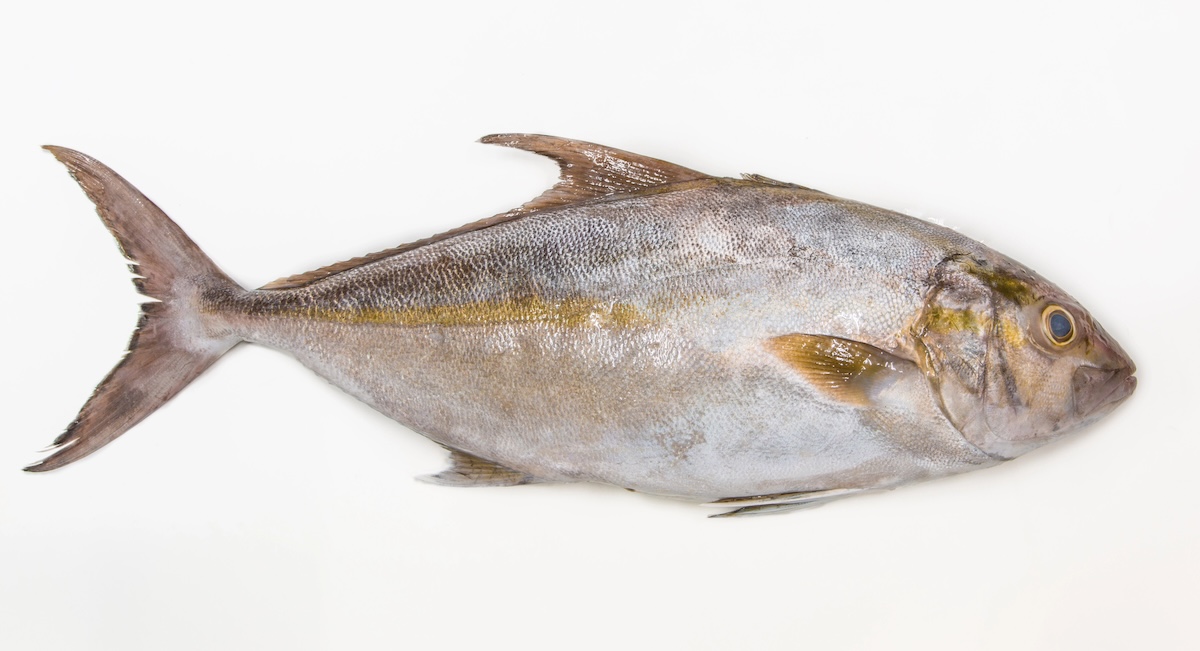 Photo Credit: wyoosumran on Deposit Photos
In the shimmering blue depths of the ocean, the Amberjack, known scientifically as Seriola, glides gracefully through its vibrant underwater realm. With its sleek, torpedo-shaped body and striking golden stripes that catch the sunlight, this fish is a true marvel of marine life. As it navigates the bustling coral reefs and sunken wrecks, the Amberjack showcases its impressive agility and strength, making it a favorite among both scientists and nature enthusiasts. These fish are not just beautiful; they play a crucial role in their ecosystem, acting as both predator and prey in the intricate web of ocean life.
Imagine diving into the warm waters where the Amberjack thrives, surrounded by a kaleidoscope of colorful fish and swaying corals. Here, the Amberjack hunts smaller fish and crustaceans with remarkable speed, showcasing its prowess as a carnivorous predator. Scientists are captivated by its dynamic lifestyle and the vital role it plays in maintaining the balance of marine ecosystems. As we explore the fascinating world of the Amberjack, we will uncover its unique behaviors, reproductive rituals, and the challenges it faces in a changing environment, all while marveling at the beauty and complexity of life beneath the waves.
The Amberjack is a captivating fish that swims through the warm waters of the world’s oceans, showcasing a remarkable position in the tree of life. Belonging to the kingdom Animalia, this fish is part of a diverse group known as Chordata, which includes all animals with a backbone. What sets Amberjacks apart is their impressive speed and agility, making them skilled hunters in their marine environment. Their streamlined bodies and powerful tails allow them to dart through the water, chasing down prey with incredible precision.
| Taxonomic Rank | Scientific Name | Meaning & Significance |
|---|---|---|
| Kingdom | Animalia | This name means “animals” in Latin, highlighting the diverse and complex life forms within this group. |
| Phylum | Chordata | Derived from the Latin word “chorda,” meaning “string,” this refers to the notochord, a flexible rod that supports the body in all chordates during some stage of development. |
| Class | Actinopterygii | This class name means “ray-finned fishes,” which describes the structure of their fins supported by bony rays, allowing for a wide range of movement. |
| Order | Perciformes | Meaning “perch-like,” this order includes many fish that share similar body shapes and habitats, often found in both freshwater and saltwater. |
| Family | Carangidae | This family name comes from the Spanish word “caranga,” referring to a type of fish, and it includes many fast-swimming species like the Amberjack. |
| Genus | Seriola | This name is derived from the Latin word “serius,” meaning “serious” or “important,” reflecting the significance of these fish in both ecosystems and fisheries. |
Understanding the Amberjack’s classification reveals much about its evolutionary journey. As a member of the Actinopterygii class, it shares a lineage with many other fish that have adapted to life in water over millions of years. The Amberjack’s streamlined body and predatory skills are traits honed through natural selection, allowing it to thrive in diverse marine environments. This classification not only highlights its biological connections but also emphasizes the intricate web of life that links all creatures in the ocean, showcasing the beauty and complexity of our planet’s ecosystems.
The evolutionary journey of the Amberjack, a member of the Carangidae family, stretches back millions of years, tracing its lineage through the vast oceans of the world. This fish, belonging to the genus Seriola, has adapted to a variety of marine environments, showcasing a fascinating history of survival and change. As we explore its ancestry, we uncover the remarkable transitions that have shaped this agile predator into the fish we recognize today.
Amberjacks are descendants of ancient bony fish that first appeared during the late Cretaceous period, around 100 million years ago. These early fish were quite different from modern Amberjacks, possessing simpler body structures and less specialized feeding habits. Over time, as the oceans evolved and diversified, so did the Amberjack’s ancestors. They developed streamlined bodies and powerful tails, adaptations that allowed them to become swift hunters in open waters. The transition from these primitive forms to the sleek, muscular Amberjack we see today involved significant changes in their anatomy and behavior, enabling them to thrive in competitive marine ecosystems.
These evolutionary adaptations have played a crucial role in the Amberjack’s survival. Their streamlined bodies and powerful tails enable them to navigate the ocean with agility, while their keen eyesight helps them spot prey from a distance. By forming schools, they not only enhance their hunting efficiency but also create safety in numbers against larger predators. The ability to thrive in diverse habitats ensures that Amberjacks can find food and shelter, making them resilient in the ever-changing marine landscape. Through millions of years of evolution, the Amberjack has become a true testament to the power of adaptation in the natural world.
The Amberjack is an impressive sight beneath the waves, boasting a streamlined body that glides effortlessly through the ocean. With a robust and muscular form, this fish can weigh anywhere from 40 to 200 pounds, making it one of the larger species in its habitat. Its sleek shape is designed for speed, allowing it to dart after prey with agility. The Amberjack’s skin is covered in smooth, shiny scales that shimmer in the sunlight, reflecting hues of blue and silver that help it blend into the shimmering waters.
| Feature | Description |
|---|---|
| Weight | 40-200 pounds |
| Skin Type | Scales |
| Most Distinctive Feature | Large size |
These physical characteristics work together to enhance the Amberjack’s survival in the wild. Its large size not only makes it a formidable predator but also helps it evade larger threats. The sleek, scale-covered body reduces drag as it swims, allowing for quick bursts of speed when chasing smaller fish. The reflective quality of its skin provides camouflage against the sunlit surface, making it harder for both prey and predators to spot. In the vast ocean, these features are essential for thriving in a world filled with challenges and competition.
Amberjack thrives in the vibrant underwater world of ocean reefs and wrecks, where the sun’s rays dance through the water, illuminating a bustling habitat. These areas are alive with color and movement, filled with corals, sponges, and a variety of fish species. The reefs provide shelter and hunting grounds, while the wrecks offer intriguing structures for Amberjack to explore. Here, they can dart in and out of crevices, making the most of their agile bodies and keen hunting skills.
Amberjack prefers warm waters, typically found in temperatures ranging from 70 to 85 degrees Fahrenheit. These fish are often seen in areas with strong currents, which help to bring in a steady supply of food. The reefs and wrecks they inhabit are usually located in shallow waters, but they can also venture into deeper regions. The combination of warmth and nutrient-rich waters creates an ideal environment for Amberjack to thrive.
To adapt to their lively habitats, Amberjack have developed impressive swimming abilities and a keen sense of sight. Their streamlined bodies allow them to move swiftly through the water, making quick turns to catch prey. They are also social fish, often found in schools, which helps them protect each other from predators. This combination of speed, agility, and teamwork makes Amberjack well-suited for life in the bustling underwater world of reefs and wrecks.
Amberjacks lead a dynamic daily life in the warm, sunlit waters of the ocean. As they glide through their habitat, these fish engage in a variety of activities that keep them active and alert. They spend their days hunting for food, often targeting smaller fish and squid. With their keen eyesight and swift movements, Amberjacks are skilled predators, using their speed to chase down prey. When not hunting, they may rest in the shelter of reefs or underwater structures, always ready to dart away at the first sign of danger.
While Amberjacks are primarily solitary, they can also be found in schools, especially during certain times of the year. This social behavior can be advantageous, as swimming in groups can help them evade larger predators. When they do gather, Amberjacks exhibit fascinating group dynamics, often swimming in a synchronized manner. Communication among them is subtle but effective, relying on body language and movements to signal each other about potential threats or food sources.
| Behavior Type | Description |
|---|---|
| Activity Patterns | Amberjacks are active hunters, spending their days chasing smaller fish and squid. They alternate between hunting and resting in safe spots. |
| Social Structure | Primarily solitary, Amberjacks may form schools during specific seasons, enhancing their chances of survival against predators. |
| Communication Methods | They communicate through body language and synchronized swimming, allowing them to coordinate movements and respond to threats. |
The behaviors of Amberjacks are finely tuned to ensure their survival in the ocean’s ever-changing environment. By balancing solitary hunting with the occasional social gathering, they maximize their chances of finding food while minimizing the risk of becoming prey themselves. This adaptability is key to thriving in the vibrant underwater world they call home.
Amberjacks are carnivorous fish, meaning they primarily eat other animals. Their diet mainly consists of smaller fish and crustaceans, such as crabs. These agile predators are known for their impressive hunting skills, often using speed and stealth to catch their prey. They can be seen darting through the water, chasing after schools of fish or lurking near the ocean floor, waiting for the perfect moment to strike.
| Dietary Aspect | Details |
|---|---|
| Diet Type | Carnivore |
| Favorite Foods | Smaller fish and crabs |
| Prey Items | Various species of small fish and crustaceans |
| Hunting Strategies | Speed and stealth, often hunting in schools |
The Amberjack’s diet plays a crucial role in its ecological niche. By preying on smaller fish and crabs, it helps maintain the balance of marine life in its habitat. This feeding behavior not only shapes its daily routine but also influences the populations of its prey, contributing to the overall health of the ocean ecosystem. As these fish hunt and feed, they are integral players in the vibrant underwater world, ensuring that life beneath the waves remains dynamic and interconnected.
Amberjacks have a fascinating mating ritual that takes place during the warmer months, typically from late spring to early summer. During this breeding season, males engage in energetic displays to attract females. They often gather in large groups, where they perform acrobatic leaps and chase each other, showcasing their strength and vitality. This lively behavior not only helps them find mates but also establishes dominance among the males. Once a female selects a mate, they will spawn, releasing eggs and sperm into the water in a synchronized manner, ensuring a higher chance of fertilization.
| Reproductive Aspect | Details |
|---|---|
| Gestation Period | Amberjacks do not have a gestation period as they are oviparous, meaning they lay eggs. |
| Litter Size | Females can release millions of eggs during a single spawning event. |
| Age of Maturity | Amberjacks reach sexual maturity at about 3 to 4 years of age. |
| Name of Young | The young Amberjacks are called larvae or fry. |
After the eggs are fertilized, they drift in the ocean currents, where they hatch into tiny larvae. These larvae are incredibly small and vulnerable, relying on the ocean’s rich food supply to grow. As they develop, they undergo several stages, gradually transforming into juvenile Amberjacks. During this time, they learn to navigate their environment and avoid predators. Unlike many fish species, Amberjacks do not exhibit parental care; instead, they must fend for themselves from the moment they hatch. As they mature, they become more adept at hunting and eventually grow into the impressive adults that roam the ocean depths.
The Amberjack plays a vital role in the ocean’s food web, acting as both predator and prey. These agile fish are known for their speed and strength, making them formidable hunters of smaller fish and crustaceans. However, they are also a target for larger predators, which keeps the balance of marine life in check. This dual role highlights the interconnectedness of ocean ecosystems, where every species has its place.
To survive against these threats, Amberjacks have developed several clever strategies. They often swim in schools, which provides safety in numbers and makes it harder for predators to single out an individual. Their speed and agility allow them to make quick turns and dart away from danger. Additionally, Amberjacks can dive into deeper waters or hide among reefs and wrecks, using their surroundings to evade larger fish and human fishermen. These adaptations help them navigate the challenges of their underwater world, ensuring their survival in a complex ecosystem.
A keystone species is a vital part of its ecosystem, meaning its presence has a significant impact on the environment and other organisms. The Amberjack, a carnivorous fish found in ocean reefs and wrecks, qualifies as a keystone species due to its role in maintaining the balance of marine life. By influencing the population dynamics of other species, the Amberjack helps shape the community structure of its habitat.
Amberjacks are agile predators that primarily feed on smaller fish and crustaceans. This predatory behavior helps control the populations of these prey species, preventing any one group from becoming too dominant. For example, if Amberjacks were to decline in number, the smaller fish they consume could multiply unchecked, leading to overgrazing of algae and other marine plants. This imbalance could disrupt the entire ecosystem, affecting not just the fish but also the corals and other organisms that rely on a healthy reef environment.
Moreover, Amberjacks themselves are prey for larger predators, such as sharks and larger fish. This dual role as both predator and prey creates a complex web of interactions that supports biodiversity. By providing a food source for these larger animals, Amberjacks contribute to the health of the marine food web, ensuring that energy flows through the ecosystem effectively.
If Amberjacks were to disappear from their habitats, the consequences would ripple throughout the ecosystem. Without these fish to regulate the populations of smaller species, there could be an explosion of certain fish populations, leading to overgrazing of essential marine plants. This could result in degraded reef systems, loss of biodiversity, and a decline in the overall health of the ocean environment. The disappearance of Amberjacks would not only affect marine life but could also impact human communities that rely on healthy oceans for food and recreation.
The Amberjack occupies a crucial ecological niche in the vibrant marine ecosystems of ocean reefs and wrecks. As a carnivorous fish, it plays a significant role in maintaining the balance of these underwater communities. By preying on smaller fish and crustaceans, Amberjacks help regulate the populations of these species, ensuring that no single group dominates the ecosystem. This balance is essential for the health of the reef, which supports a diverse array of marine life.
| Ecosystem Service | Impact |
|---|---|
| Predation | Controls populations of smaller fish and crustaceans, preventing overpopulation. |
| Food Source | Serves as prey for larger predators, contributing to the food web. |
| Habitat Structure | Influences the distribution of other species by creating dynamic interactions in the reef environment. |
| Nutrient Cycling | Contributes to nutrient cycling through its feeding habits and waste production. |
The Amberjack’s influence on its ecosystem is evident in various ways. For instance, by hunting smaller fish, it helps maintain a healthy balance among species, which is vital for the overall health of the reef. When Amberjacks are present, they can reduce the numbers of certain fish that might otherwise overgraze on algae, allowing for a more diverse and stable environment. Additionally, as they are preyed upon by larger fish, such as sharks, they help support the populations of these apex predators, further enhancing the complexity of the food web.
The broader ecological importance of the Amberjack cannot be overstated. As a keystone species, its presence is essential for the stability and resilience of marine ecosystems. By regulating prey populations and serving as a food source for larger predators, Amberjacks help maintain the intricate balance of life in ocean reefs and wrecks. This balance is crucial not only for the health of individual species but also for the overall vitality of the marine environment, which supports countless organisms and contributes to the planet’s biodiversity.
In the intricate web of life beneath the ocean’s surface, symbiosis plays a vital role in shaping the relationships between different species. Symbiosis refers to the close interactions between organisms, which can be beneficial, harmful, or neutral. These ecological relationships can take many forms, such as mutualism, where both species benefit, parasitism, where one benefits at the other’s expense, and commensalism, where one benefits while the other is neither helped nor harmed. Understanding these connections helps us appreciate the delicate balance of marine ecosystems, where every species, including the Amberjack, has its part to play.
| Species/Type | Relationship Type | Description |
|---|---|---|
| Cleaner Wrasse | Mutualistic | Amberjacks often visit cleaner wrasses, small fish that eat parasites off their skin. This helps keep the Amberjack healthy while providing food for the wrasse. |
| Remora Fish | Commensal | Remoras attach themselves to Amberjacks, gaining a free ride and access to food scraps without harming the Amberjack. |
| Sharks | Parasitic | While not a direct relationship, larger predators like sharks can pose a threat to Amberjacks, impacting their population dynamics. |
These relationships have evolved over time, shaped by the needs and behaviors of the species involved. The mutualistic bond between Amberjacks and cleaner wrasses is a perfect example of how cooperation can enhance survival. By keeping each other healthy, these species thrive together. Meanwhile, the remora fish benefit from their association with Amberjacks without causing any harm, showcasing the beauty of commensalism. On the other hand, the presence of larger predators like sharks reminds us that not all relationships are beneficial, as they can influence the behavior and distribution of Amberjacks. Understanding these connections enriches our knowledge of marine life and highlights the importance of preserving these ecosystems for future generations.
The Amberjack is a fascinating fish that captures the imagination of nature enthusiasts with its impressive size and dynamic lifestyle. Here are some surprising facts that reveal just how extraordinary this fish truly is.
The Amberjack has long held a special place in the hearts and minds of coastal communities around the world. Historically, these sleek fish have been a staple in the diets of many cultures, particularly in regions where fishing is a way of life. Ancient fishermen revered the Amberjack for its size and taste, often featuring it in local cuisine and celebrations. In some cultures, catching an Amberjack was seen as a rite of passage, symbolizing skill and perseverance. This cultural significance continues today, as the Amberjack remains a popular target for both commercial and recreational fishing, celebrated for its delicious meat and challenging catch.
In modern times, the relationship between Amberjacks and humans has evolved, reflecting both cooperation and conflict. As fishing practices have intensified, concerns about overfishing have emerged, prompting conservation efforts to protect these vital fish populations. Organizations and governments are working together to establish sustainable fishing practices, ensuring that Amberjacks can thrive for future generations. However, conflicts can arise when fishing regulations clash with local traditions or economic needs. Additionally, some researchers are exploring the potential for aquaculture, or fish farming, to help meet demand while reducing pressure on wild populations.
As we look to the future, the relationship between Amberjacks and humanity will likely continue to evolve. With growing awareness of environmental issues, there is hope that sustainable practices will become the norm rather than the exception. By balancing our need for food and recreation with the responsibility to protect marine ecosystems, we can ensure that Amberjacks remain a vibrant part of our oceans. This partnership between humans and Amberjacks can lead to a healthier planet, where both species thrive in harmony.
The Amberjack is currently classified as endangered, which means its population is at risk of declining further. This status reflects a concerning trend, as the numbers of these fish have been decreasing due to various human activities and environmental changes. Conservationists are closely monitoring the situation, hoping to reverse this trend and ensure a stable future for the species.
| Conservation Factor | Status/Details |
|---|---|
| IUCN Status | Endangered |
| Population Estimates | Decreasing |
| Trend Direction | Negative |
One of the main threats to the Amberjack is overfishing, which occurs when too many fish are caught at once, preventing the population from recovering. Additionally, habitat destruction, such as the degradation of coral reefs and ocean pollution, poses significant risks to their survival. These factors disrupt the delicate balance of their ecosystem, making it harder for Amberjacks to thrive.
Despite these challenges, there are ongoing conservation efforts aimed at protecting the Amberjack and its habitat. Organizations are working to implement sustainable fishing practices and restore damaged ecosystems. By raising awareness and promoting responsible fishing, there is hope that the Amberjack can rebound and continue to play its vital role in the ocean’s ecosystem. The future of this magnificent fish depends on our collective actions today.
| Question | Answer |
|---|---|
| What is the habitat of Amberjack? | Amberjacks are typically found in ocean reefs and wrecks. These areas provide plenty of hiding spots and abundant food, making them ideal for these agile fish. |
| What do Amberjacks eat? | Amberjacks are carnivores, meaning they primarily eat other animals. Their diet consists of smaller fish, squid, and crustaceans, which they hunt with speed and precision. |
| How do Amberjacks behave? | Amberjacks are known for their strong and fast swimming abilities. They often travel in schools, which helps them protect each other from predators and increases their chances of finding food. |
| How do Amberjacks reproduce? | Amberjacks typically spawn in warmer waters during the spring and summer months. During this time, females release eggs into the water, where they are fertilized by males, leading to the next generation of these magnificent fish. |
| What threats do Amberjacks face? | Amberjacks are currently classified as endangered due to overfishing and habitat loss. Their populations are declining, making conservation efforts crucial for their survival. |
| What is an interesting characteristic of Amberjacks? | One of the most distinctive features of Amberjacks is their large size. They can grow up to 6 feet long and weigh over 200 pounds, making them one of the largest fish in their family. |
| Are Amberjacks social fish? | Yes, Amberjacks are quite social and often found in groups. This social behavior not only helps them find food but also provides safety in numbers against larger predators. |