Taxonomy & Classification
- Kingdom
- Animalia
- Phylum
- Arthropoda
- Class
- Insecta
- Order
- Coleoptera
- Family
- Platypodinae
- Genus
- Xylosandrus

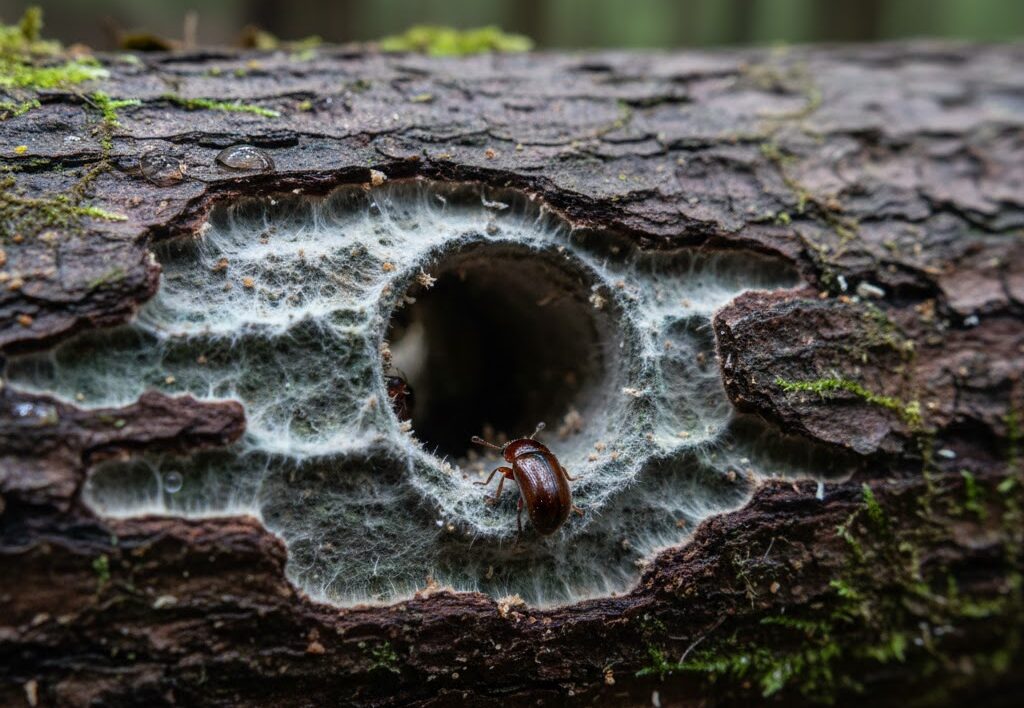 Photo Credit: AnimalsDiscovered
In the heart of a sun-dappled forest, where towering trees stretch their limbs toward the sky, lives the Ambrosia Beetle, scientifically known as Xyleborus. This tiny insect, often no larger than a grain of rice, is a master of disguise, blending seamlessly into the bark of the trees it calls home. With its glossy, dark exoskeleton and distinctive, rounded shape, the Ambrosia Beetle may seem unassuming at first glance. However, its world is anything but ordinary. These beetles are not just wood-borers; they are skilled cultivators of fungi, creating intricate tunnels within the wood that serve as both their home and a thriving garden for their favorite food.
What makes the Ambrosia Beetle particularly captivating to scientists and nature enthusiasts alike is its remarkable role in the ecosystem. As they tunnel through trees, they break down dead wood, recycling nutrients back into the soil and supporting the growth of new plants. This process is vital for forest health, making the Ambrosia Beetle a keystone species—an organism whose impact on its environment is disproportionately large compared to its size. Their fascinating life cycle, which includes a unique symbiotic relationship with fungi, showcases the intricate connections that exist in nature. As we delve deeper into the world of the Ambrosia Beetle, we uncover not just the secrets of this tiny insect, but also the broader story of life in the forest.
The Ambrosia Beetle holds a special place in the tree of life, nestled within the vast and diverse Kingdom Animalia. This tiny insect belongs to the Phylum Arthropoda, which includes all arthropods like spiders and crabs, and the Class Insecta, home to all insects. What sets the Ambrosia Beetle apart is its unique relationship with fungi. These beetles cultivate specific types of fungi in their tunnels, which they then use as a food source. This fascinating behavior not only showcases their adaptability but also highlights their role in forest ecosystems, where they help decompose wood and recycle nutrients.
| Taxonomic Rank | Scientific Name | Meaning & Significance |
|---|---|---|
| Kingdom | Animalia | The name “Animalia” comes from the Latin word “animalis,” meaning “having breath” or “living.” This reflects the vital, breathing nature of all animals. |
| Phylum | Arthropoda | “Arthropoda” means “jointed legs” in Greek, highlighting the characteristic jointed appendages that allow for movement and adaptability in various environments. |
| Class | Insecta | The term “Insecta” is derived from the Latin word “insectum,” meaning “cut into sections.” This refers to the segmented body structure of insects, which is a key feature of their anatomy. |
| Order | Coleoptera | “Coleoptera” translates to “sheath-wing” in Greek, describing the hard, protective forewings that shield the delicate hindwings used for flying. |
| Family | Platypodinae | The name “Platypodinae” comes from the Greek words “platys,” meaning “flat,” and “pous,” meaning “foot.” This refers to the flattened shape of their feet, which aids in burrowing and navigating through wood. |
Understanding the Ambrosia Beetle’s classification reveals much about its evolutionary journey. As part of the Coleoptera order, it shares a lineage with a vast array of beetles, showcasing the incredible diversity within this group. Its specialized relationship with fungi suggests a long history of adaptation, allowing it to thrive in environments where wood is abundant. This unique lifestyle not only benefits the beetle but also plays a crucial role in maintaining the health of forest ecosystems, illustrating the interconnectedness of life on our planet.
The evolutionary journey of the Ambrosia Beetle stretches back millions of years, intertwining with the rise of flowering plants. These beetles belong to the family Platypodinae and have adapted remarkably to their environments, showcasing a story of survival and innovation. As they evolved, they became specialized wood-borers, carving out a niche that allowed them to thrive in diverse ecosystems.
The ancestors of Ambrosia Beetles were likely generalist feeders, consuming a variety of organic materials. Over time, they transitioned to a more specialized diet, focusing on the wood of trees. This shift was crucial, as it allowed them to exploit a resource that many other insects could not. Their ability to bore into wood not only provided them with food but also offered protection from predators. As they evolved, they developed symbiotic relationships with fungi, which they cultivate within the wood. This partnership is a key factor in their success, as the fungi break down the tough cellulose in wood, making it easier for the beetles to digest.
The adaptations of the Ambrosia Beetle have been pivotal in their survival and success. By evolving to bore into wood and cultivate fungi, they have carved out a unique ecological niche. Their small size and reproductive strategies further enhance their ability to thrive in various environments. These traits not only help them find food and shelter but also allow them to flourish in the ever-changing landscapes of our planet. The story of the Ambrosia Beetle is a testament to the power of evolution and the intricate relationships that shape life on Earth.
The Ambrosia Beetle is a tiny marvel of nature, often overlooked due to its size, which ranges from a mere 1 to 5 milligrams. Its body is encased in a hard exoskeleton, a protective outer layer that serves as armor against predators and environmental challenges. The most striking aspect of this beetle is its long, oddly shaped shell, which gives it a distinctive silhouette. This unique form not only aids in camouflage among the bark of trees but also plays a role in its lifestyle as a wood-boring insect.
| Feature | Description |
|---|---|
| Size | 1-5 milligrams |
| Color | Typically dark brown or black |
| Skin Type | Exoskeleton, providing protection |
| Most Distinctive Feature | Long, oddly shaped shell |
The combination of its lightweight exoskeleton and elongated shell allows the Ambrosia Beetle to navigate through the narrow tunnels it creates in wood. This adaptation not only helps it find food—specifically, the fungi it cultivates within these tunnels—but also provides a safe haven from larger predators. By blending into its surroundings and utilizing its specialized body structure, the Ambrosia Beetle thrives in its environment, showcasing the incredible ways in which form and function work together in the natural world.
The Ambrosia Beetle thrives in a world filled with towering trees and lush greenery. Its typical habitat is found in forests where hardwood trees, conifers, and woody shrubs create a rich tapestry of life. These beetles are often nestled within the bark of trees, where they carve out tiny tunnels and chambers. This hidden world is not just a home; it’s a bustling ecosystem teeming with microorganisms that the beetles rely on for food.
To flourish, Ambrosia Beetles prefer warm, humid climates. They are often found in areas where temperatures are mild, allowing them to remain active throughout the year. These beetles thrive in environments that provide ample moisture, which is essential for the growth of the fungi they cultivate. The combination of hardwood trees and a humid atmosphere creates the perfect setting for their survival.
Over time, Ambrosia Beetles have developed impressive adaptations to their habitats. Their ability to bore into the bark of trees not only provides shelter but also allows them to cultivate specific fungi that serve as their primary food source. This relationship is a beautiful example of mutualism, where both the beetles and the fungi benefit from each other. By creating a network of tunnels, these beetles ensure a steady supply of food while also helping to decompose wood, contributing to the health of their forest homes.
The Ambrosia Beetle leads a life that is both simple and intricate, filled with daily activities that revolve around its primary role as a wood-boring insect. Each day, these tiny beetles embark on a quest to find suitable trees, where they tunnel into the wood to create galleries. These galleries serve as both a home and a nursery for their young. The beetles spend much of their time feeding on the fungi they cultivate within these tunnels, which thrive on the wood. This relationship is essential, as it provides the beetles with the nutrients they need to survive and reproduce.
While Ambrosia Beetles are primarily solitary creatures, their lives are not entirely isolated. They often share their tunnels with other beetles, creating a small community within the confines of the wood. This social behavior is crucial during the breeding season, as males and females come together to mate. Communication among these beetles is subtle but effective, relying on pheromones—chemical signals that convey information about their presence and readiness to mate. This method of communication helps them find partners and maintain their small social groups, even in the vastness of the forest.
| Behavior Type | Description |
|---|---|
| Activity Patterns | Ambrosia Beetles spend their days tunneling into wood, feeding on fungi, and nurturing their young in galleries. |
| Social Structure | Primarily solitary, but may share tunnels with others during breeding season, forming small communities. |
| Communication Methods | Use pheromones to signal presence and readiness to mate, facilitating interactions with potential partners. |
The behaviors of the Ambrosia Beetle are finely tuned to ensure their survival in a challenging environment. By creating galleries in wood and cultivating fungi, they secure a reliable food source. Their ability to communicate through pheromones allows them to find mates and maintain connections, even as solitary insects. This blend of independence and social interaction helps them thrive in their forest homes, showcasing the delicate balance of life in the natural world.
The Ambrosia Beetle has a diverse diet that primarily consists of fungi, making it an omnivore. These tiny insects have a special relationship with the fungi they consume, often cultivating it within the wood they bore into. By tunneling into trees, they create a habitat for their fungal food source, which they then feed on. This unique feeding behavior not only sustains the beetles but also helps break down dead or dying trees, playing a crucial role in nutrient cycling within their ecosystem.
| Dietary Aspect | Details |
|---|---|
| Diet Type | Omnivore |
| Favorite Foods | Fungi, particularly those cultivated in wood |
| Prey Items | Fungi |
| Hunting/Foraging Strategies | Bores into wood to create a habitat for fungi, which they then consume |
This diet shapes the Ambrosia Beetle’s ecology and daily routine in significant ways. By feeding on fungi, these beetles contribute to the decomposition of wood, which enriches the soil and supports new plant growth. Their unique feeding strategy also means they spend much of their time tunneling into trees, which provides them with both food and shelter. This dual role as both consumer and decomposer makes the Ambrosia Beetle an essential player in maintaining the health of forest ecosystems.
The mating behavior of the Ambrosia Beetle is a captivating spectacle that unfolds during the warmer months, typically in spring and summer. During this breeding season, male beetles engage in a courtship dance to attract females. Once a female chooses a mate, they will find a suitable tree to start their family. This choice is crucial, as the right tree provides not only shelter but also the food source their young will need to thrive.
| Reproductive Aspect | Details |
|---|---|
| Gestation Period | One month |
| Litter Size | Varies, typically several larvae |
| Age of Maturity | A few weeks to months |
| Name of Young | Larvae |
After the eggs hatch, the young, known as larvae, begin their journey of growth within the safety of the tree. The female beetle plays a vital role in their development, often tending to the larvae by providing them with a steady supply of fungi, which serves as their primary food source. As the larvae feed and grow, they undergo several stages of development, eventually maturing into adult beetles. This nurturing environment ensures that the next generation of Ambrosia Beetles is well-prepared to continue the cycle of life in their forest home.
The Ambrosia Beetle plays a crucial role in its ecosystem, acting as both a decomposer and a cultivator of fungi. By boring into wood and creating tunnels, these beetles help break down dead trees, returning nutrients to the soil. This process supports the growth of new plants and provides food for other organisms. However, being a small insect in a vast food web means that the Ambrosia Beetle faces numerous dangers from predators and environmental threats.
To survive these threats, the Ambrosia Beetle has developed several clever strategies. For instance, they often burrow deep into the wood, making it harder for predators to reach them. Their hard exoskeleton also provides a layer of protection against physical attacks. Additionally, some species can produce chemicals that deter predators or signal danger to other beetles. By using these defensive behaviors, the Ambrosia Beetle continues to thrive in its forest home, playing an essential role in the ecosystem despite the challenges it faces.
A keystone species is an organism that has a disproportionately large impact on its environment relative to its abundance. This means that if it were removed, the ecosystem would change dramatically. The Ambrosia Beetle, while small and often unnoticed, plays a significant role in its habitat, particularly in forest ecosystems where it thrives among hardwood trees and conifers. Its activities suggest that it qualifies as a keystone species, influencing both the plant life and the fungi that share its environment.
Ambrosia Beetles are fascinating for their unique relationship with fungi. They bore into wood, creating tunnels that serve as both a home and a nursery for the fungi they cultivate. This process not only helps decompose dead trees but also enriches the soil with nutrients as the fungi break down the wood. In doing so, these beetles contribute to the recycling of organic matter, which is essential for the health of the forest ecosystem. Without their wood-boring activities, many trees would take much longer to decompose, leading to a buildup of dead wood that could alter the habitat for other species.
Moreover, the Ambrosia Beetle’s role as a cultivator of fungi is crucial for many other organisms. The fungi they promote can serve as food for various insects and animals, creating a food web that supports a diverse range of life. Additionally, the beetles help maintain the balance of tree populations by promoting the growth of certain fungi that can inhibit the spread of harmful pathogens. This balance is vital for the overall health of the forest, ensuring that no single species dominates and that biodiversity thrives.
If the Ambrosia Beetle were to disappear, the consequences could be severe. The decomposition process would slow down significantly, leading to an accumulation of dead wood that could disrupt the habitat for many species. The fungi that rely on the beetles for cultivation might decline, affecting the food web and potentially leading to a decrease in biodiversity. In essence, the absence of this tiny beetle could ripple through the ecosystem, highlighting just how interconnected life is in the forest.
The Ambrosia Beetle plays a vital role in shaping its ecosystem, particularly in forested areas filled with hardwood trees and conifers. These tiny insects, often measuring just a few millimeters, are not just passive residents of their environment; they actively influence the health and structure of the forests they inhabit. By boring into wood and cultivating fungi, they create a unique ecological niche that supports a variety of life forms and contributes to the overall balance of their habitats.
| Ecosystem Service | Impact |
|---|---|
| Wood Decomposition | Breaks down dead trees, returning nutrients to the soil. |
| Fungi Cultivation | Supports fungal growth, which is essential for nutrient cycling. |
| Habitat Creation | Creates tunnels in wood that provide homes for other organisms. |
| Food Source | Serves as a food source for various predators, including birds and other insects. |
The influence of the Ambrosia Beetle can be seen in many ways. For instance, when these beetles bore into trees, they not only create tunnels but also introduce fungi into the wood. This relationship is mutually beneficial; the beetles feed on the fungi, while the fungi break down the wood, making nutrients available for other plants and organisms. As a result, the decomposition process is accelerated, enriching the soil and promoting the growth of new plants. Additionally, the tunnels they create can become homes for other small creatures, enhancing biodiversity in the forest.
The broader ecological importance of the Ambrosia Beetle cannot be overstated. As a keystone species, their activities help maintain the health of forest ecosystems. Without them, the decomposition of wood would slow down, leading to nutrient depletion in the soil and affecting the entire food web. By supporting fungi and creating habitats for other organisms, Ambrosia Beetles contribute to a dynamic and thriving ecosystem. Their small size belies their significant impact, reminding us that even the tiniest creatures can play a crucial role in the natural world.
Symbiosis is a fascinating concept in nature, where different species interact in ways that can benefit one or both parties involved. These ecological relationships can take many forms, including mutualism, where both species gain advantages, parasitism, where one benefits at the other’s expense, and commensalism, where one species benefits while the other is neither helped nor harmed. The Ambrosia Beetle, a tiny yet impactful insect, engages in various partnerships that illustrate the complexity of life in its forest habitat.
| Species/Type | Relationship Type | Description |
|---|---|---|
| Fungi | Mutualistic | The Ambrosia Beetle cultivates specific fungi within the wood it bores into. The beetle feeds on the fungi, while the fungi benefit from being spread to new locations, allowing them to grow and thrive. |
| Wood Decay Organisms | Commensal | As the Ambrosia Beetle tunnels through wood, it creates habitats for other microorganisms. These organisms can thrive in the beetle’s tunnels without affecting the beetle itself. |
| Predatory Insects | Parasitic | Some predatory insects may target the Ambrosia Beetle, feeding on it or its larvae. This relationship is harmful to the beetle, as it can lead to decreased populations. |
These relationships have evolved over time, shaped by the needs and survival strategies of the species involved. The mutualistic bond between the Ambrosia Beetle and fungi is particularly interesting, as it highlights how cooperation can lead to greater success in a shared environment. By cultivating fungi, the beetle not only secures a food source but also aids in the decomposition of wood, enriching the forest ecosystem. Meanwhile, the presence of other organisms in the beetle’s tunnels demonstrates how life can flourish in unexpected ways. Understanding these connections helps us appreciate the intricate web of life that sustains our planet.
The Ambrosia Beetle may be small, but it is packed with surprises that reveal the wonders of nature. These tiny insects play a significant role in their ecosystems, and their behaviors and adaptations are truly captivating.
The Ambrosia Beetle has a long and intriguing history with humanity, dating back to ancient times. These tiny insects have been observed in various cultures, often symbolizing resilience and adaptability. In some regions, they are seen as a natural part of the forest ecosystem, while in others, they are viewed as pests that threaten valuable timber. Their ability to bore into wood and cultivate fungi has made them both a subject of fascination and a source of concern for those who rely on forests for resources.
Today, the relationship between Ambrosia Beetles and humans is complex and multifaceted. On one hand, these beetles play a crucial role in forest health by breaking down dead wood and recycling nutrients back into the soil. This process supports the growth of new plants and maintains biodiversity. However, their wood-boring habits can also lead to significant damage in commercial forests, causing conflicts with timber industries. Conservation efforts are underway to balance the ecological benefits of these beetles with the need to protect valuable tree species from their destructive tendencies.
As we look to the future, the relationship between Ambrosia Beetles and humanity will likely continue to evolve. With increasing awareness of the importance of biodiversity and ecosystem health, there may be more emphasis on understanding and preserving these tiny beetles. By fostering a deeper appreciation for their role in nature, we can find ways to coexist with them, ensuring that both forests and the communities that depend on them thrive together.
The conservation status of the Ambrosia Beetle is currently classified as “Not Listed” by the International Union for Conservation of Nature (IUCN). This means that there is not enough information to determine whether the species is facing significant threats or is at risk of extinction. Population trends for these beetles are not well-documented, making it challenging to assess their numbers accurately. However, they are generally considered to be widespread in their habitats, which include forests rich in hardwood trees and conifers.
| Conservation Factor | Status/Details |
|---|---|
| IUCN Status | Not Listed |
| Population Estimates | Not well-documented |
| Trend Direction | Unknown |
Despite their current status, Ambrosia Beetles face several threats that could impact their populations in the future. Habitat loss due to deforestation and urban development poses a significant risk, as these beetles rely on specific types of trees for their survival. Additionally, climate change can alter the ecosystems they inhabit, affecting the availability of food sources like fungi. Pesticides used in agriculture can also harm these beetles, disrupting their delicate balance within the ecosystem.
Conservation efforts for the Ambrosia Beetle are still in their infancy, primarily because they are not currently recognized as endangered. However, maintaining healthy forest ecosystems is crucial for their survival. Efforts to promote sustainable forestry practices can help protect their habitats. As awareness grows about the importance of all species, including the often-overlooked Ambrosia Beetle, there is hope that future research will shed light on their populations and lead to more targeted conservation strategies. The outlook for these tiny beetles remains uncertain, but with continued attention to their ecosystems, they may thrive alongside the forests they call home.
| Question | Answer |
|---|---|
| What is the habitat of the Ambrosia Beetle? | Ambrosia Beetles can be found in various environments where hardwood trees, conifers, and woody shrubs thrive. They prefer areas with plenty of trees, as these provide both food and shelter. |
| What do Ambrosia Beetles eat? | These beetles are omnivores, meaning they eat a variety of foods. Their diet mainly consists of fungi, which they cultivate in the wood they bore into, as well as the wood itself. |
| How do Ambrosia Beetles behave? | Ambrosia Beetles are known for their unique behavior of boring into trees to create tunnels. They are social insects, often living in colonies, and work together to cultivate their fungal gardens. |
| How do Ambrosia Beetles reproduce? | Reproduction in Ambrosia Beetles involves the female boring into wood to lay her eggs. After the eggs hatch, the larvae feed on the fungi and wood, growing until they mature into adult beetles. |
| What threats do Ambrosia Beetles face? | While Ambrosia Beetles are not currently listed as endangered, they can be affected by habitat loss and climate change. Additionally, they may face competition from other wood-boring insects. |
| What is an interesting characteristic of Ambrosia Beetles? | One of the most distinctive features of Ambrosia Beetles is their long, oddly shaped shell. This unique shape helps them navigate through the wood and protects them from predators. |
| How do Ambrosia Beetles contribute to their ecosystem? | Ambrosia Beetles play a vital role in their ecosystems by helping to decompose dead wood. This process enriches the soil and provides nutrients for new plant growth, making them important for forest health. |