Taxonomy & Classification
- Kingdom
- Animalia
- Phylum
- Chordata
- Class
- Reptilia
- Order
- Crocodilia
- Family
- Alligatoridae
- Genus
- Alligator
- Species
- Alligator mississippiensis

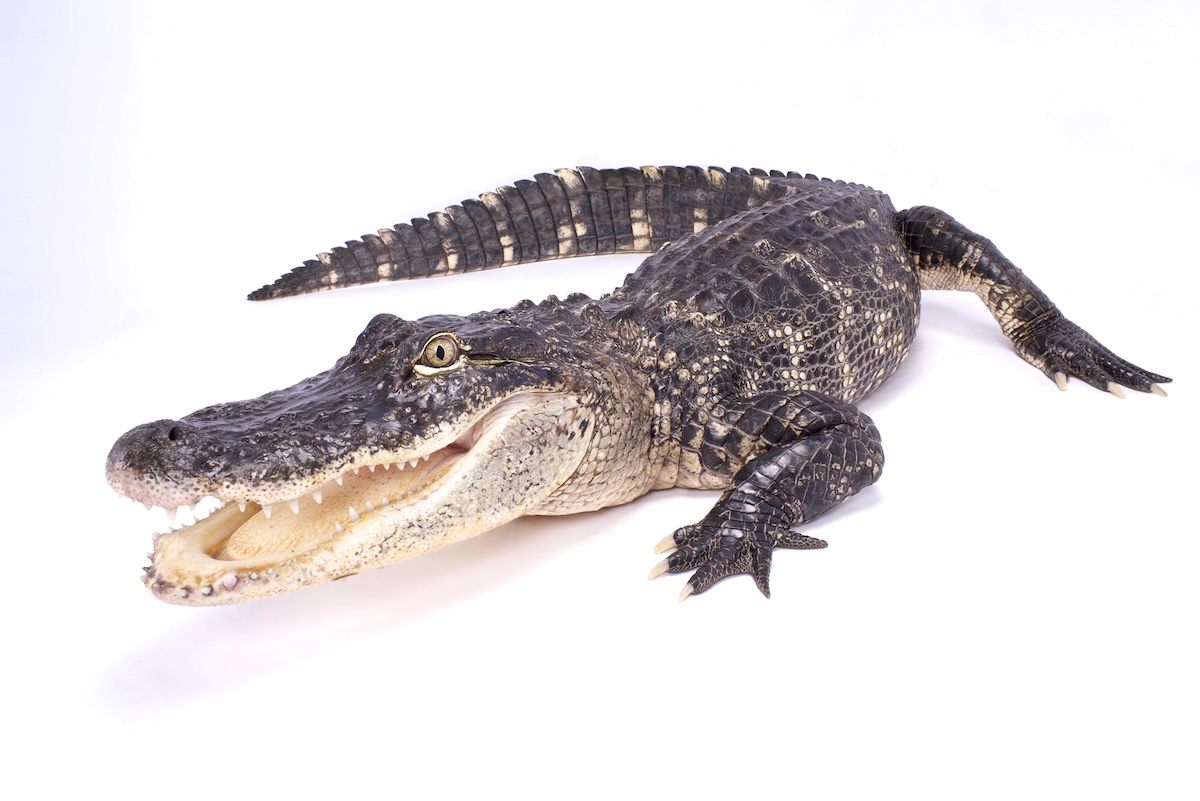 Photo Credit: REPTILES4ALL on Deposit Photos
In the heart of the southeastern United States, the American alligator, scientifically known as Alligator mississippiensis, glides silently through the murky waters of its swampy domain. With its powerful body stretching up to 13 feet long, this ancient reptile is a master of stealth, often lurking just beneath the surface, waiting for the perfect moment to strike. Its dark, armored skin, covered in rugged scales, helps it blend seamlessly into the shadows of cypress trees and thick reeds, making it a formidable predator in its lush habitat.
What makes the American alligator so captivating to scientists and nature lovers alike is not just its impressive size but also its vital role in the ecosystem. As a keystone species, it helps maintain the balance of life in the wetlands, regulating populations of fish, turtles, and even other reptiles. This remarkable creature has been around for millions of years, tracing its lineage back to the time of the dinosaurs, and its adaptations for survival continue to intrigue researchers. From its unique hunting techniques to its complex social behaviors, the American alligator is a living link to our planet’s distant past, inviting us to explore the wonders of nature and the intricate web of life that surrounds us.
The American alligator, a captivating inhabitant of wetlands and swamps, holds a significant place in the tree of life. Taxonomically, it belongs to the Kingdom Animalia, which includes all animals, and it is classified under the Phylum Chordata, meaning it has a backbone. This reptile is part of the Class Reptilia, which encompasses cold-blooded animals with scales. What makes the American alligator particularly intriguing is its position within the Order Crocodilia, a group that includes both alligators and crocodiles. This lineage dates back over 200 million years, showcasing its ancient roots and evolutionary resilience.
| Taxonomic Rank | Scientific Name | Meaning & Significance |
|---|---|---|
| Kingdom | Animalia | The kingdom of all animals, highlighting the alligator’s status as a living organism. |
| Phylum | Chordata | Meaning “having a cord,” referring to the backbone that supports its body structure. |
| Class | Reptilia | Derived from the Latin word for “to creep,” indicating its crawling nature and scaly skin. |
| Order | Crocodilia | From the Greek word “krokodilos,” meaning “pebble worm,” which relates to the animal’s ancient lineage. |
| Family | Alligatoridae | Named for the alligator, this family includes species that share similar characteristics, such as a broad snout. |
| Genus | Alligator | From the Spanish word “el lagarto,” meaning “the lizard,” reflecting its reptilian features. |
Understanding the American alligator’s classification reveals much about its evolutionary journey. As a member of the Crocodilia order, it shares a common ancestor with modern birds, highlighting a fascinating connection between reptiles and avians. This classification not only emphasizes the alligator’s ancient lineage but also its adaptability to various environments, showcasing how it has thrived through changing climates and ecosystems over millions of years. The alligator is not just a survivor; it is a living link to a distant past, reminding us of the intricate web of life that connects all species on Earth.
The evolutionary journey of the American alligator stretches back millions of years, tracing its lineage to ancient reptiles that roamed the Earth during the time of the dinosaurs. These remarkable creatures belong to a group known as Archosauria, which includes modern birds and crocodilians. The American alligator, specifically, has been around for about 37 million years, evolving through various environmental changes and adapting to survive in diverse habitats.
The ancestors of the American alligator were small, agile reptiles that lived in both terrestrial and aquatic environments. Over time, these early reptiles underwent significant transformations. One major transition was the development of a more robust body and powerful jaws, allowing them to become effective predators. As the climate changed and habitats shifted, these adaptations helped them thrive in the wetlands and swamps that characterize their current range. The evolution of a strong, muscular tail also played a crucial role, enabling them to swim efficiently and navigate through murky waters.
These evolutionary adaptations have been vital for the survival of the American alligator. Their powerful jaws and armored skin make them top predators in their ecosystems, while their cold-blooded nature allows them to conserve energy and thrive in warm environments. The nurturing behavior of female alligators ensures that their young have a better chance of survival, contributing to the species’ resilience. Together, these traits have allowed the American alligator to endure through the ages, remaining a key player in the wetlands they call home.
The American alligator is a powerful and imposing figure, often evoking a sense of awe in those who encounter it. With a robust body that can reach lengths of up to 13 feet, this reptile is built for both strength and stealth. Its long, muscular tail, which can be as long as half its body, propels it through water with remarkable agility. The alligator’s broad snout and sharp teeth give it a fierce appearance, while its dark, scaly skin provides both camouflage and protection in its natural habitat.
| Feature | Description |
|---|---|
| Weight | 181kg – 363kg (400lbs – 800lbs) |
| Skin Type | Scales |
| Most Distinctive Feature | Muscular tail half the total body length |
These physical characteristics are not just for show; they play crucial roles in the alligator’s survival. The heavy weight and powerful tail allow it to navigate through murky waters with ease, while the tough, scaly skin protects it from predators and environmental hazards. The coloration of its skin, often a dark green or gray, helps it blend seamlessly into the shadows of its swampy surroundings, making it an expert ambush predator. Together, these features create a formidable hunter, perfectly adapted to thrive in its watery domain.
The American alligator thrives in a world of lush wetlands and murky swamps, where the air is thick with humidity and the sounds of nature echo all around. Picture a landscape dotted with slow-moving rivers, dense vegetation, and sun-drenched basking spots. These habitats are not just beautiful; they are essential for the alligator’s survival, providing both shelter and hunting grounds. The still waters are often surrounded by tall grasses and cypress trees, creating a perfect environment for this ancient reptile to thrive.
To flourish in these habitats, American alligators require a warm climate with plenty of water. They prefer areas where the temperature stays mild, as they are cold-blooded, meaning they rely on external heat sources to regulate their body temperature. These reptiles are often found in places where the water is shallow, allowing them to bask in the sun and stay hidden from potential threats. The combination of warm weather and abundant water sources creates an ideal setting for their growth and reproduction.
Adaptation is key to the American alligator’s success in its watery home. Over time, these reptiles have developed powerful limbs for swimming and strong jaws for catching prey. Their dark, scaly skin helps them blend into the murky waters, making it easier to ambush unsuspecting animals. Additionally, their ability to hold their breath for long periods allows them to remain submerged while waiting for the perfect moment to strike. These adaptations not only enhance their hunting skills but also ensure their survival in the ever-changing environments of swamps and marshes.
The daily life of the American alligator is a blend of sunbathing, hunting, and resting, all dictated by the rhythms of its environment. These reptiles are both diurnal and nocturnal, meaning they are active during the day and can also hunt at night. In the early morning, you might find them basking on a warm rock or floating lazily in the water, soaking up the sun’s rays. As the day progresses, they may venture out to hunt for fish, birds, or small mammals, using their powerful jaws and stealthy movements to catch their prey. When the sun sets, they often retreat to the water, where they can remain hidden from both predators and potential threats.
Socially, American alligators are primarily solitary creatures. They prefer to live alone, which helps them avoid competition for food and territory. However, during the breeding season, males and females come together to mate. Communication among alligators is quite interesting; they use a variety of sounds, including hisses and growls, to express themselves. These vocalizations can signal everything from aggression to courtship. While they may not form tight-knit groups, alligators do share their habitat with others, often seen basking in the sun or swimming in close proximity without much interaction.
| Behavior Type | Description |
|---|---|
| Activity Patterns | Active during the day and night, alternating between basking, hunting, and resting. |
| Social Structure | Primarily solitary, with interactions mainly during the breeding season. |
| Communication Methods | Use sounds like hisses and growls to communicate aggression, mating calls, and territory. |
The behaviors of the American alligator are finely tuned to ensure their survival in the wild. By being both diurnal and nocturnal, they can take advantage of different hunting opportunities while avoiding predators. Their solitary nature reduces competition for resources, allowing them to thrive in their habitats. Through effective communication, they can establish territory and attract mates, ensuring the continuation of their species. Each aspect of their daily life is a testament to their adaptability and resilience in the ever-changing landscape of wetlands and swamps.
The American alligator is a carnivore, which means it primarily eats meat. This powerful predator has a varied diet that includes fish, snakes, and turtles. With its keen senses and stealthy approach, the alligator is an expert hunter, often lying in wait for its prey to come close before launching a surprise attack. Its strong jaws and sharp teeth are perfectly designed for catching and holding onto slippery fish or tough-shelled turtles.
| Dietary Aspect | Details |
|---|---|
| Diet Type | Carnivore |
| Favorite Foods | Fish, snakes, turtles |
| Prey Items | Various species of fish, small to medium-sized snakes, and freshwater turtles |
| Hunting/Foraging Strategies | Ambush predator; uses stealth and patience to surprise prey |
The alligator’s diet plays a crucial role in its ecosystem. By preying on fish and other animals, it helps maintain a balance in the aquatic food web. This not only keeps populations of these species in check but also ensures that the wetlands remain healthy and vibrant. The alligator’s hunting habits shape its daily routine, as it must spend time basking in the sun to regulate its body temperature before embarking on its stealthy hunts. In this way, the American alligator is not just a predator; it is a vital part of its environment, influencing the lives of many other creatures around it.
As the warm sun of spring begins to rise, American alligators engage in a fascinating courtship ritual. Mating season typically occurs from April to June, when the air is filled with the sounds of their deep bellows and splashes in the water. Male alligators perform elaborate displays to attract females, including head-slapping on the water’s surface and creating vibrations that can be felt from a distance. Once a pair has formed, they will mate in the water, and the female will prepare to lay her eggs in a carefully constructed nest made of vegetation and mud.
| Reproductive Aspect | Details |
|---|---|
| Gestation Period | 65 to 70 days |
| Litter Size | 20 to 50 eggs |
| Age of Maturity | 10 to 12 years |
| Name of Young | Hatchling |
After the eggs are laid, the female alligator becomes a devoted protector. She guards her nest fiercely, ensuring that no predators can reach her precious eggs. When the hatchlings finally emerge, usually in late summer, they are about 8 to 10 inches long and ready to start their journey in the world. The mother will help them reach the water, often carrying them in her mouth to safety. For the first few years, these young alligators, known as hatchlings, stay close to their mother, learning essential survival skills. As they grow, they gradually become more independent, eventually maturing into the powerful adults that roam the wetlands.
The American alligator plays a crucial role in its ecosystem, often sitting at the top of the food web in its habitat. As a powerful predator, it helps maintain the balance of species in wetlands by controlling populations of fish, birds, and other animals. However, despite its formidable presence, the alligator faces several dangers that threaten its survival.
To defend against these threats, American alligators have developed several survival strategies. They are known for their ability to remain hidden, often lurking just beneath the water’s surface, which makes them difficult to spot. When threatened, they can be surprisingly agile, using their powerful tails to propel themselves quickly through the water. Additionally, alligators can regulate their body temperature by basking in the sun or retreating to cooler waters, helping them adapt to changing environmental conditions. These behaviors, combined with their tough, armored skin, make them resilient survivors in a world full of challenges.
A keystone species is a vital part of its ecosystem, meaning its presence and activities have a significant impact on the environment and the other organisms living there. The American alligator qualifies as a keystone species due to its crucial role in maintaining the health and balance of its wetland habitat. By influencing the populations of various species and shaping the landscape, alligators help create a thriving ecosystem for many plants and animals.
One of the most important ways American alligators impact their environment is through their hunting habits. As top predators, they help control the populations of fish, turtles, and other animals. This predation prevents any one species from becoming too dominant, which can lead to a healthier and more diverse ecosystem. Additionally, alligators create “gator holes” in the wetlands. These depressions fill with water during dry spells, providing a vital habitat for fish and other aquatic life. This not only supports biodiversity but also helps maintain water levels in the surrounding areas.
American alligators also play a role in nutrient cycling. When they consume prey, they contribute to the decomposition process as their waste enriches the soil and water with nutrients. This nutrient boost supports the growth of aquatic plants, which in turn provide shelter and food for various species. Furthermore, alligators help shape the physical environment by creating and maintaining the structure of their habitats, which benefits countless other organisms.
If American alligators were to disappear from their ecosystems, the consequences would be profound. Without these apex predators, prey populations could explode, leading to overgrazing and depletion of vegetation. This imbalance would not only affect the alligators’ prey but also the entire food web, as other species that rely on those plants and animals would struggle to survive. The wetlands could become less diverse and less resilient, ultimately harming the entire ecosystem. The loss of alligators would echo through the environment, demonstrating just how interconnected life truly is.
The American alligator is a key player in its ecosystem, particularly in the marshes and swamps it calls home. As a top predator, it helps regulate populations of various species, ensuring that no single group overwhelms the environment. This balance is crucial for maintaining the health of the wetlands, where countless other plants and animals thrive. By creating and maintaining habitats, the alligator shapes the very landscape of its watery world.
| Ecosystem Service | Impact |
|---|---|
| Predation | Controls populations of fish, birds, and other wildlife, preventing overpopulation. |
| Habitat Creation | Builds and maintains “alligator holes,” which provide refuge for other species during dry periods. |
| Nutrient Cycling | Contributes to nutrient distribution in the ecosystem through its waste, enriching the water and soil. |
| Seed Dispersal | Helps in the spread of aquatic plants by transporting seeds in its digestive system. |
The influence of the American alligator extends beyond its role as a predator. For instance, when alligators dig out their nests or create “alligator holes,” they inadvertently form small ponds that serve as vital habitats for fish, amphibians, and birds. These holes can retain water during dry spells, providing a lifeline for many species. Additionally, the alligator’s presence encourages a diverse range of plant life, as the nutrients from its waste enrich the surrounding soil and water, promoting a thriving ecosystem.
The broader ecological importance of the American alligator cannot be overstated. As a keystone species, its activities support a complex web of life in the wetlands. The health of these ecosystems is closely tied to the well-being of the alligator population. When alligators flourish, they help maintain the balance of their environment, ensuring that both flora and fauna can thrive. In this way, the American alligator is not just a fascinating reptile; it is a vital architect of its ecosystem, shaping the world around it for generations to come.
In the intricate web of life, symbiosis plays a vital role in shaping ecosystems. This term refers to the close interactions between different species, which can be beneficial, harmful, or neutral. These relationships can be classified into three main types: mutualism, where both species gain; parasitism, where one benefits at the other’s expense; and commensalism, where one benefits while the other is neither helped nor harmed. The American alligator, a powerful inhabitant of marshes and swamps, engages in various symbiotic relationships that highlight the interconnectedness of nature.
| Species/Type | Relationship Type | Description |
|---|---|---|
| Birds (e.g., egrets) | Mutualistic | Birds often perch on alligators, eating parasites off their skin. The alligators benefit from reduced parasites, while the birds get a meal. |
| Fish | Commensal | Small fish may swim near alligators, using them as cover from predators. The alligator is unaffected by their presence. |
| Leeches | Parasitic | Leeches attach to alligators to feed on their blood, benefiting at the alligator’s expense. |
These relationships have evolved over time, shaped by the needs and behaviors of the species involved. The mutualistic interactions, like those between alligators and birds, demonstrate how cooperation can enhance survival for both parties. Meanwhile, parasitic relationships, such as those with leeches, highlight the challenges that come with being a top predator. Understanding these connections not only enriches our knowledge of the American alligator but also emphasizes the delicate balance of life in the wetlands they inhabit.
The American alligator is a fascinating reptile that has captured the imagination of many nature enthusiasts. With its ancient lineage and unique adaptations, this creature plays a vital role in its ecosystem. Here are some surprising facts that showcase just how remarkable the American alligator truly is.
The American alligator has long been a part of human history, weaving its way into the cultural fabric of the southeastern United States. Indigenous peoples revered this powerful reptile, often incorporating it into their myths and traditions. As European settlers arrived, they encountered the alligator’s formidable presence in the swamps and rivers, leading to a mix of fear and fascination. Over time, the alligator became a symbol of the wild, representing both the beauty and danger of nature. Its image has appeared in art, literature, and even sports team mascots, showcasing its significance in American culture.
Today, the relationship between humans and American alligators is complex and multifaceted. On one hand, conservation efforts have been put in place to protect these magnificent reptiles, especially after they were listed as an endangered species in the 1960s due to habitat loss and hunting. Thanks to these efforts, their populations have rebounded, and they are now classified as a species of least concern. However, conflicts still arise, particularly in areas where urban development encroaches on their natural habitats. Encounters between alligators and humans can lead to dangerous situations, prompting discussions about coexistence and safety. Some people even keep alligators in captivity, leading to debates about domestication and the ethics of keeping wild animals as pets.
As we look to the future, the relationship between humans and American alligators will likely continue to evolve. With ongoing conservation efforts and a growing understanding of the importance of biodiversity, there is hope for a more harmonious coexistence. By respecting their habitats and recognizing their role in the ecosystem, we can ensure that these ancient reptiles thrive alongside us. The American alligator is not just a remnant of the past; it is a living testament to the wildness that still exists in our world, reminding us of the delicate balance between nature and humanity.
The American alligator is currently classified as “Least Concern” by the International Union for Conservation of Nature (IUCN). This means that, overall, the species is not facing an immediate threat of extinction. In fact, the population is estimated to be around 1 million individuals, showcasing a healthy recovery from past declines. However, localized populations may still be vulnerable, and trends can vary by region.
| Conservation Factor | Status/Details |
|---|---|
| IUCN Status | Least Concern |
| Estimated Population Size | Approximately 1 million |
| Population Trend | Stable |
Despite its stable status, the American alligator faces several threats that could impact its future. Habitat loss is a significant concern, as wetlands are drained for agriculture and urban development. Pollution from agricultural runoff and industrial waste can also harm their habitats and food sources. Additionally, illegal hunting and poaching pose risks, particularly in areas where alligator skins are highly valued.
Conservation efforts have made a remarkable difference for the American alligator. Legal protections, habitat restoration projects, and public education campaigns have all contributed to the species’ recovery. Organizations and government agencies work together to monitor populations and ensure that these magnificent reptiles continue to thrive in their natural environments. With ongoing efforts, the outlook for the American alligator remains positive, allowing future generations to appreciate this ancient predator.
| Question | Answer |
|---|---|
| Where do American alligators live? | American alligators are commonly found in marshes and swamplands, particularly in the southeastern United States. They thrive in warm, freshwater environments like lakes, rivers, and wetlands, where they can easily hunt for food and bask in the sun. |
| What do American alligators eat? | As carnivores, American alligators primarily eat fish, birds, and small mammals. They are opportunistic hunters, meaning they will eat whatever is available, including larger prey like deer if the opportunity arises. |
| How do American alligators behave? | American alligators are known for their stealthy hunting techniques, often lying still in the water until their prey comes close. They are also social creatures, sometimes seen basking together in groups, especially during cooler months. |
| How do American alligators reproduce? | During the breeding season, female alligators build nests made of vegetation and lay about 20 to 50 eggs. After about 65 days, the eggs hatch, and the mother helps guide the young to the water, showing her protective nature. |
| What threats do American alligators face? | While American alligators are currently listed as Least Concern, they face threats from habitat loss and pollution. Human activities, such as drainage of wetlands and hunting, can also impact their populations. |
| What is a unique characteristic of American alligators? | One of the most distinctive features of American alligators is their muscular tail, which can be half the length of their entire body. This powerful tail helps them swim efficiently and can also be used for defense. |
| How long can American alligators live? | American alligators can live for a long time, often reaching ages of 35 to 50 years in the wild. In captivity, some individuals have been known to live even longer, sometimes exceeding 65 years. |