Taxonomy & Classification
- Kingdom
- Animalia
- Phylum
- Chordata
- Class
- Mammalia
- Order
- Carnivora
- Family
- Canidae
- Genus
- Canis
- Species
- Canis lupus

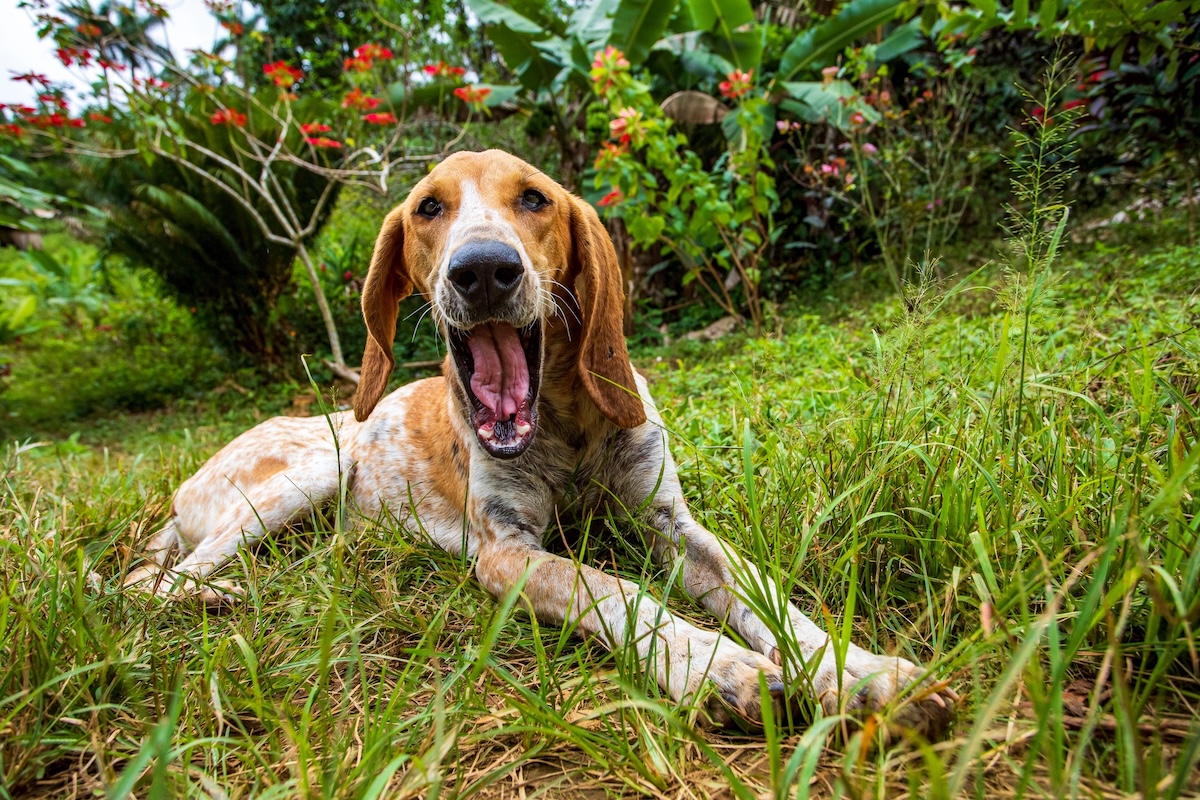 Photo Credit: wirestock_creators on Deposit Photos
In the heart of the American wilderness, the American Coonhound, scientifically known as Canis lupus familiaris, roams with an air of confidence and purpose. Picture a sun-drenched forest, where the scent of pine mingles with the earthy aroma of damp leaves. Here, the Coonhound stands tall, its sleek, muscular body glistening in the dappled sunlight. With its long ears flopping gently as it moves, this breed is not just a sight to behold; it is a master of its environment, equipped with an extraordinary sense of smell that can detect scents from miles away. This remarkable ability makes the Coonhound a favorite among hunters and nature enthusiasts alike, as it tracks down game with unmatched skill and determination.
What truly captivates scientists and dog lovers is the Coonhound’s blend of strength and grace, along with its friendly disposition. Known for its loyalty and playful nature, this breed thrives in a variety of habitats, from lush forests to open fields. As it navigates its surroundings, the Coonhound showcases its keen instincts, embodying the spirit of adventure that defines its character. With a history deeply intertwined with human companionship, the American Coonhound not only plays a vital role in the ecosystem as a skilled predator but also enriches the lives of those who share their homes with this remarkable canine. Join us as we explore the fascinating world of the American Coonhound, uncovering its behaviors, diet, and the unique role it plays in our natural landscape.
The American Coonhound is a captivating member of the animal kingdom, nestled within the vast tree of life. This breed belongs to the family Canidae, which includes all dogs, wolves, and foxes. What sets the American Coonhound apart is its incredible sense of smell and its history as a skilled hunting companion. Bred primarily for tracking raccoons, these dogs are known for their endurance and friendly disposition, making them not just excellent hunters but also beloved family pets. Their classification reveals much about their evolutionary adaptations, showcasing traits that have been honed over generations for specific tasks.
| Taxonomic Rank | Scientific Name | Meaning & Significance |
|---|---|---|
| Kingdom | Animalia | This term means “animals” and includes all multicellular organisms that are not plants, fungi, or bacteria. It highlights the Coonhound’s status as a complex living being. |
| Phylum | Chordata | Chordata refers to animals with a backbone. This classification emphasizes the Coonhound’s vertebrate structure, which is essential for its agility and strength. |
| Class | Mammalia | Mammalia means “mammals,” which are warm-blooded animals that nurse their young with milk. This reflects the Coonhound’s nurturing behavior and social nature. |
| Order | Carnivora | Carnivora, meaning “meat-eaters,” includes animals that primarily consume meat. The Coonhound’s keen hunting instincts and sharp teeth are traits that align with this classification. |
| Family | Canidae | Canidae is the family of dogs, wolves, and foxes. This name highlights the Coonhound’s close genetic ties to other canines, showcasing its social and pack-oriented behavior. |
| Genus | Canis | Canis translates to “dog” in Latin, emphasizing the Coonhound’s identity as a domestic dog and its long history of companionship with humans. |
Understanding the American Coonhound’s taxonomic position provides a glimpse into its evolutionary journey. As a member of the Canidae family, it shares a lineage with other canines that have adapted to various environments and roles. The Coonhound’s specialized traits, such as its exceptional olfactory abilities and friendly demeanor, reflect the needs of its ancestors and the tasks they were bred for. This classification not only highlights its physical characteristics but also underscores the deep bond between humans and dogs, a relationship that has evolved over thousands of years.
The American Coonhound’s evolutionary journey is a tale that stretches back thousands of years, intertwining with the history of dogs and their domestication. This breed, part of the Canidae family, has roots that can be traced to the early hunting dogs of Europe. As humans migrated and settled in North America, they brought these dogs with them, leading to the development of a breed specifically suited for the diverse landscapes and hunting needs of the New World.
The ancestors of the American Coonhound were likely a mix of various hound breeds, including the English Coonhound and other European hunting dogs. These early canines were bred for their keen sense of smell and stamina, traits that were essential for tracking game. Over time, selective breeding focused on enhancing these abilities, resulting in a dog that could not only follow scents over long distances but also adapt to different terrains, from dense forests to open fields.
The adaptations of the American Coonhound have played a vital role in its survival and success as a hunting companion. Their incredible sense of smell and endurance allow them to track and pursue game effectively, while their vocalizations keep hunters informed during the chase. The breed’s adaptability to different environments ensures they can thrive in various habitats, and their friendly disposition makes them cherished members of many families. Together, these traits highlight the remarkable journey of the American Coonhound, a breed shaped by both nature and human influence.
The American Coonhound is a striking sight, embodying both strength and grace. With a well-proportioned body, this breed stands tall and proud, showcasing a muscular build that hints at its hunting prowess. Their long, droopy ears frame a friendly face, while their expressive eyes radiate intelligence and curiosity. The Coonhound’s powerful legs are built for endurance, allowing it to cover vast distances in pursuit of scents, making it a true companion for outdoor adventures.
| Feature | Description |
|---|---|
| Weight | 50 to 70 pounds (23 to 32 kilograms) |
| Skin Type | Hair |
| Color | Typically a mix of colors, including black, tan, and white |
| Body Structure | Muscular and athletic, with a deep chest and long legs |
| Ears | Long and droopy, enhancing their keen sense of smell |
| Eyes | Large and expressive, often brown or hazel |
These physical features are not just for show; they serve important purposes in the Coonhound’s life. The muscular build and strong legs allow for swift movement and stamina, essential for tracking scents over long distances. Their long ears help capture scents from the ground, enhancing their already impressive sense of smell. The mix of colors in their coat provides some camouflage in various environments, aiding in their hunting abilities. Together, these traits make the American Coonhound a skilled and adaptable hunter, perfectly suited for life in the great outdoors.
The American Coonhound thrives in a variety of habitats, often found in lush forests, sprawling fields, and rural areas. Picture a landscape where tall trees sway gently in the breeze, and the ground is carpeted with vibrant underbrush. This breed is particularly at home in environments that offer plenty of space to roam and explore, as well as the scents that ignite their keen hunting instincts. Whether it’s the dense woodlands of the Appalachian Mountains or the open fields of the Midwest, the American Coonhound is always ready for an adventure.
The climate where the American Coonhound lives can vary widely, but they generally prefer temperate conditions. This means they enjoy warm summers and cool winters, which allow them to be active year-round. They thrive in environments that provide a mix of sun and shade, as well as access to water sources like rivers or lakes. These conditions help keep them cool during hot days and hydrated during their long hunts.
Adaptation is key for the American Coonhound, and they have developed several traits that help them excel in their chosen habitats. Their strong sense of smell allows them to track scents over long distances, making them excellent hunters. Additionally, their endurance and agility enable them to navigate through thick underbrush and rugged terrain with ease. These adaptations not only help them find game but also allow them to thrive in diverse environments, showcasing their versatility as a breed.
The daily life of an American Coonhound is a blend of energy, curiosity, and instinct. These dogs are known for their keen sense of smell and strong hunting abilities, which shape their activities throughout the day. Mornings often begin with a burst of excitement as they explore their surroundings, sniffing out scents that tell stories of other animals. Their playful nature leads them to chase after anything that moves, whether it’s a squirrel darting up a tree or a leaf fluttering in the wind. As the day unfolds, they enjoy long walks or runs, where their endurance shines. This breed thrives on physical activity, making it essential for their well-being.
Socially, American Coonhounds are friendly and enjoy the company of both humans and other dogs. They are pack animals at heart, which means they feel most comfortable in groups. This social behavior is evident when they engage in playful interactions with their family members or other dogs at the park. Their communication is rich and varied, using a combination of barks, howls, and body language to express their feelings. When they’re excited, you might see them wagging their tails vigorously or bouncing around in anticipation of playtime. This social structure not only strengthens their bonds but also enhances their hunting skills when they work together with other dogs.
| Behavior Type | Description |
|---|---|
| Activity Patterns | American Coonhounds are highly active, requiring regular exercise through walks, runs, and playtime to stay healthy and happy. |
| Social Structure | These dogs thrive in groups, enjoying the company of humans and other dogs, which helps them feel secure and fulfilled. |
| Communication Methods | They use a variety of vocalizations, including barks and howls, along with body language like tail wagging to communicate their emotions. |
The behaviors of American Coonhounds are not just for fun; they play a crucial role in their survival. Their strong social bonds and communication skills help them work effectively in groups, especially during hunting. By staying active and engaged, they maintain their physical health and mental stimulation, which are vital for a breed that was developed for endurance and teamwork. In the wild or in a home, these behaviors ensure that they remain connected to their environment and to each other, making them not only excellent companions but also skilled hunters.
The American Coonhound has a diverse diet that reflects its omnivorous nature, meaning it eats both plants and animals. This breed is known for its strong hunting instincts, which guide its feeding behavior. While it enjoys a variety of foods, it primarily seeks out meat, but it also benefits from fruits and vegetables. The Coonhound’s keen sense of smell plays a crucial role in locating food, allowing it to track down prey or forage for edible plants in its environment.
| Dietary Aspect | Details |
|---|---|
| Diet Type | Omnivore |
| Favorite Foods | Meat, fruits, and vegetables |
| Prey Items | Small mammals, birds, and sometimes insects |
| Hunting/Foraging Strategies | Uses keen sense of smell to track and locate food |
The diet of the American Coonhound not only influences its health but also shapes its daily routine and ecological role. By hunting small animals and foraging for plant matter, these dogs help maintain the balance of their ecosystems. Their energetic lifestyle, driven by the need to find food, keeps them active and engaged, making them both skilled hunters and playful companions. This connection to their diet highlights the importance of understanding how animals interact with their environment and the resources it provides.
When it comes to mating, American Coonhounds have a fascinating courtship ritual. The breeding season typically occurs in the spring and fall, when the female is in heat, a time when she is ready to mate. During this period, males will often engage in vocal displays, using their distinctive barks and howls to attract potential mates. This vocalization not only showcases their strength but also helps them establish territory and signal their readiness to breed. Once a female has chosen a mate, the pair will mate several times over a few days to ensure successful fertilization.
| Reproductive Aspect | Details |
|---|---|
| Gestation Period | Approximately 63 days |
| Litter Size | Average of 7 puppies |
| Age of Maturity | About 6 to 12 months |
| Name of Young | Puppies |
After the puppies are born, the mother takes on the vital role of caregiver. She provides warmth, nourishment, and protection to her young, ensuring they thrive in their early days. The puppies are born blind and deaf, relying entirely on their mother for survival. As they grow, they begin to open their eyes and ears, exploring their surroundings with curiosity. By the time they reach six months, they are usually ready to start learning essential skills, such as hunting and socializing. With the guidance of their mother and the influence of their environment, these puppies gradually develop into strong, independent adults, ready to embrace the world around them.
The American Coonhound occupies a vital role in the food web, primarily as a predator. With its keen sense of smell and strong hunting instincts, this breed is adept at tracking down small to medium-sized animals, such as raccoons and rabbits. However, like all animals, the Coonhound is not without its own set of challenges. It faces various threats from both natural predators and human activities that can impact its survival.
To defend itself against these dangers, the American Coonhound employs several survival strategies. Its strong sense of smell helps it detect predators from a distance, allowing it to escape before being spotted. Additionally, Coonhounds are known for their agility and speed, which can be crucial when fleeing from threats. They also have a strong pack mentality, often working together with other dogs to stay safe. By using these instincts and behaviors, the American Coonhound navigates the challenges of its environment, ensuring its place in the wild.
A keystone species is an organism that plays a critical role in maintaining the structure of an ecosystem. Its presence and activities significantly influence the environment and the other species that inhabit it. The American Coonhound, with its strong hunting instincts and omnivorous diet, does not fit the traditional definition of a keystone species. However, it does contribute to its ecosystem in meaningful ways, particularly through its role as a predator and its interactions with other wildlife.
As a skilled hunter, the American Coonhound helps regulate populations of small to medium-sized animals, such as raccoons and rabbits. By keeping these populations in check, it prevents overgrazing and overpopulation, which can lead to habitat degradation. This balance is essential for the health of the ecosystem, as it allows various plant species to thrive, providing food and shelter for other animals. Additionally, the Coonhound’s foraging behavior can help disperse seeds, promoting plant diversity in its habitat.
The American Coonhound also interacts with other species in its environment. For instance, its presence can influence the behavior of prey animals, which may alter their feeding patterns and habitats to avoid being hunted. This dynamic creates a ripple effect throughout the ecosystem, affecting not just the Coonhound’s immediate prey but also the plants and other animals that depend on those prey species.
If the American Coonhound were to disappear from its ecosystem, the consequences could be significant. Without this predator, populations of small mammals could surge, leading to overgrazing and a decline in plant life. This imbalance would not only affect the plants but also the many species that rely on them for food and shelter. The intricate web of life that depends on the Coonhound’s presence would unravel, demonstrating just how interconnected all living things are in the natural world.
The American Coonhound occupies a vital ecological niche as both a predator and a scavenger. This breed, with its impressive sense of smell and strong hunting instincts, plays a significant role in controlling populations of small to medium-sized animals. By doing so, it helps maintain a balance in the ecosystem, ensuring that no single species overwhelms the environment. As an omnivore, the Coonhound also contributes to nutrient cycling by consuming a variety of foods, from plants to animals, which supports the health of its habitat.
| Ecosystem Service | Impact |
|---|---|
| Population Control | Regulates the numbers of small mammals and birds, preventing overpopulation. |
| Nutrient Cycling | Contributes to soil health by breaking down organic matter through its diet. |
| Scavenging | Helps clean up the environment by consuming carrion, which reduces disease spread. |
| Habitat Maintenance | Influences plant growth patterns through its foraging behavior. |
The American Coonhound’s influence can be seen in various ecosystems, particularly in forested and rural areas where it hunts. For instance, by preying on rodents, it helps keep their populations in check, which in turn protects crops and other vegetation from being overgrazed. Additionally, when Coonhounds scavenge, they help break down dead animals, returning nutrients to the soil and promoting healthy plant growth. This cycle of life and death is essential for maintaining the balance of their habitats.
The broader ecological importance of the American Coonhound cannot be overstated. As a keystone species, its activities shape the environment and influence the survival of many other organisms. By regulating prey populations and contributing to nutrient cycling, the Coonhound supports a diverse array of life forms, from plants to other animals. In this way, the American Coonhound is not just a companion to humans but a crucial player in the intricate web of life that sustains our ecosystems.
In the intricate web of life, symbiosis refers to the close interactions between different species, which can take many forms. These relationships can be mutualistic, where both species benefit, parasitic, where one benefits at the expense of the other, or commensal, where one benefits while the other is neither helped nor harmed. The American Coonhound, with its keen hunting skills and social nature, engages in various ecological relationships that highlight the interconnectedness of life in its environment.
| Species/Type | Relationship Type | Description |
|---|---|---|
| Rabbits | Mutualistic | American Coonhounds help control rabbit populations, which can lead to healthier ecosystems. In return, the presence of Coonhounds encourages rabbits to stay alert and adapt their behaviors. |
| Ticks | Parasitic | Ticks can latch onto American Coonhounds, feeding on their blood. This relationship is harmful to the dogs, as it can lead to health issues like Lyme disease. |
| Birds of Prey | Commensal | As Coonhounds hunt and stir up small animals, birds of prey may benefit by swooping in to catch the startled prey. The Coonhounds are unaffected by this interaction. |
Through the ages, these relationships have evolved, shaped by the needs and behaviors of the species involved. The American Coonhound’s role as a hunter not only influences its own survival but also impacts the populations of other animals, creating a balance in the ecosystem. By understanding these connections, we can appreciate how each species, including the Coonhound, plays a part in the grand tapestry of nature, where every interaction matters.
The American Coonhound is a fascinating breed with a rich history and unique traits that make it stand out in the canine world. Known for its incredible hunting abilities and friendly nature, this breed has some surprising facts that even seasoned nature enthusiasts might not know.
The American Coonhound has a long and storied relationship with humanity that dates back to the early days of American settlement. Bred primarily for hunting, these dogs were developed from various hound breeds brought over by European settlers. Their keen sense of smell and remarkable stamina made them invaluable companions in the pursuit of game, particularly raccoons, which is reflected in their name. Over time, the American Coonhound has woven itself into the fabric of American culture, appearing in folklore, literature, and even as a symbol of rural life. This bond between humans and Coonhounds is not just about utility; it also speaks to the companionship and loyalty that dogs have offered throughout history.
Today, the interactions between American Coonhounds and people have evolved, reflecting changes in society and the environment. While many Coonhounds still serve as hunting partners, they are also cherished family pets. However, challenges arise as urbanization encroaches on their natural habitats, leading to conflicts between wildlife and human activities. Conservation efforts are crucial to ensure that these dogs can thrive alongside their human companions. Additionally, as more people adopt Coonhounds for companionship rather than hunting, understanding their needs and behaviors becomes essential for fostering a harmonious relationship.
Looking ahead, the future of the relationship between American Coonhounds and humanity holds promise and challenges. As awareness of animal welfare grows, more people are likely to adopt Coonhounds as family pets, leading to a deeper understanding of their needs. Conservation efforts will play a vital role in preserving their natural habitats, ensuring that these dogs can continue to thrive in the wild. By fostering a respectful and caring relationship, we can ensure that the American Coonhound remains a beloved companion and a vital part of our shared ecosystem for generations to come.
The American Coonhound currently holds a conservation status of “Not Listed,” which means it is not considered endangered or threatened at this time. This breed enjoys a stable population, primarily due to its popularity as a hunting companion and family pet. While specific population estimates are not readily available, the American Coonhound remains a well-loved breed across the United States, contributing to its overall healthy numbers.
| Conservation Factor | Status/Details |
|---|---|
| IUCN Status | Not Listed |
| Population Estimates | Not specifically available |
| Trend Direction | Stable |
Despite its stable status, the American Coonhound faces several challenges that could impact its future. One of the main threats is the loss of habitat due to urban development and agricultural expansion. As forests and open fields are replaced by buildings and roads, these dogs lose the spaces they need for exercise and hunting. Additionally, irresponsible breeding practices can lead to health issues, which may affect the breed’s overall vitality.
Conservation efforts for the American Coonhound focus on responsible breeding and promoting awareness about the breed’s needs. Organizations dedicated to dog welfare work to ensure that these dogs are bred ethically and that their health is prioritized. As long as enthusiasts continue to advocate for the breed and provide proper care, the outlook for the American Coonhound remains positive, allowing it to thrive alongside its human companions.
| Question | Answer |
|---|---|
| What is the habitat of the American Coonhound? | American Coonhounds are versatile dogs that thrive in various environments. They are often found in wooded areas, fields, and rural settings where they can use their keen sense of smell to track scents. |
| What do American Coonhounds eat? | As omnivores, American Coonhounds have a varied diet that includes both plant and animal matter. They typically eat high-quality dog food, supplemented with meats and vegetables to ensure they get the nutrients they need. |
| What is the behavior of American Coonhounds? | American Coonhounds are known for their friendly and energetic nature. They are social dogs that enjoy being around people and other animals, making them great companions for active families. |
| How do American Coonhounds reproduce? | Like most dogs, American Coonhounds reproduce through mating between a male and a female. The female typically goes into heat twice a year, and after a gestation period of about 63 days, she gives birth to a litter of puppies. |
| What threats do American Coonhounds face? | While American Coonhounds are not currently listed as endangered, they can face threats from habitat loss and overbreeding. Responsible ownership and conservation efforts are important to ensure their well-being. |
| What are some interesting characteristics of American Coonhounds? | American Coonhounds are famous for their incredible sense of smell, which is one of the best among dog breeds. They are also known for their distinctive baying sound, which they use to communicate while hunting. |
| How much exercise do American Coonhounds need? | American Coonhounds are active dogs that require plenty of exercise to stay healthy and happy. Daily walks, playtime, and opportunities to run in a safe area are essential for their physical and mental well-being. |