Taxonomy & Classification
- Kingdom
- Animalia
- Phylum
- Arthropoda
- Class
- Arachnida
- Order
- Ixodida
- Family
- Ixodidae
- Genus
- Dermacentor
- Species
- Dermacentor variabilis

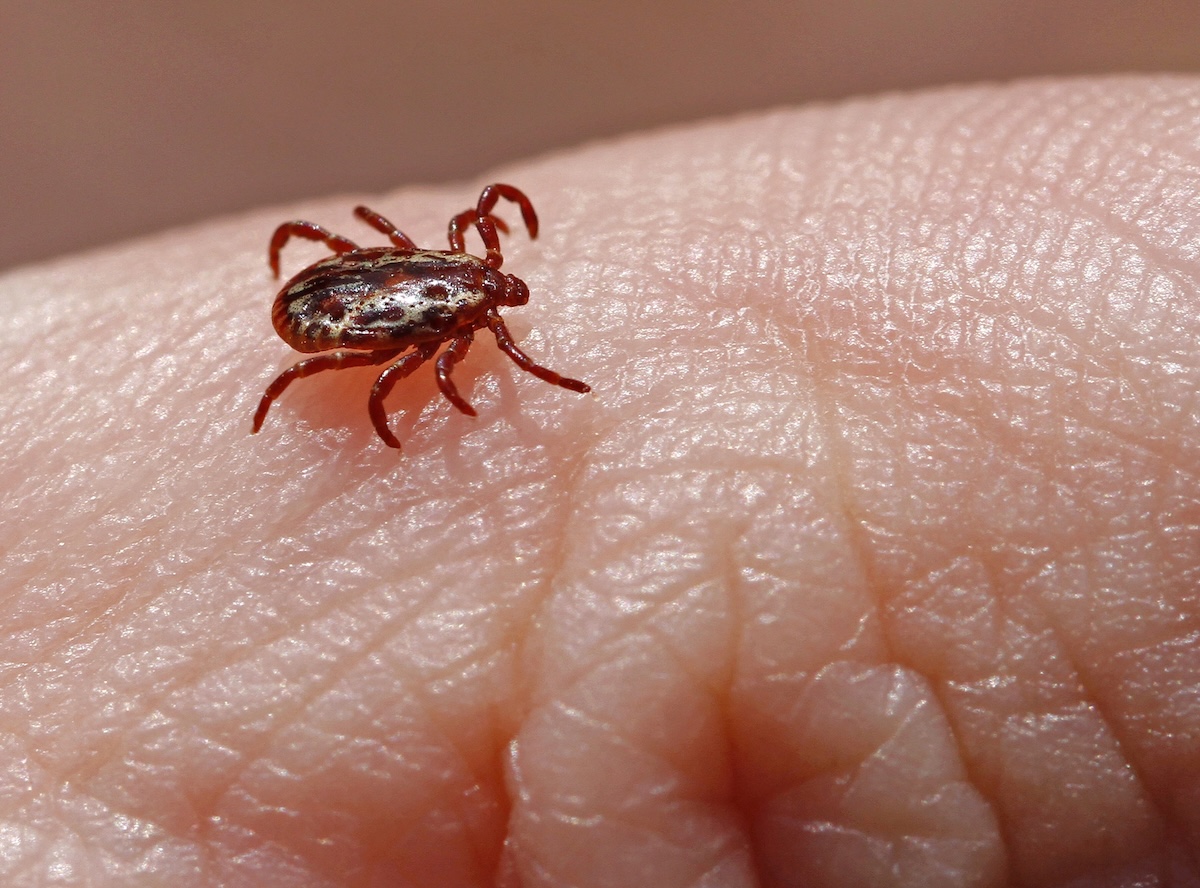 Photo Credit: juerpa on Deposit Photos
In the sun-dappled edges of forests and grassy fields, the American Dog Tick, known scientifically as Dermacentor variabilis, quietly goes about its life. With its flat, oval body and distinctive reddish-brown coloration, this small arachnid is often overlooked, yet it plays a significant role in the ecosystems it inhabits. As it clings to blades of grass or the fur of passing animals, the American Dog Tick is on a constant quest for a warm-blooded host, making it a fascinating subject for scientists and nature enthusiasts alike.
What makes the American Dog Tick particularly intriguing is its ability to thrive in diverse habitats, from woodlands to suburban backyards. These ticks are not just passive passengers; they are active participants in their environment, feeding on the blood of mammals, including dogs and humans. This bloodsucking behavior is not just about survival; it also connects them to a larger web of life, influencing the health of their hosts and the ecosystems they share. As we explore the world of Dermacentor variabilis, we will uncover the secrets of its life cycle, its interactions with other species, and the important role it plays in nature, revealing just how interconnected all living things truly are.
The American Dog Tick, scientifically known as Dermacentor variabilis, occupies a distinctive position in the tree of life. As a member of the kingdom Animalia, it belongs to the phylum Arthropoda, which includes all animals with jointed limbs and exoskeletons, like insects and spiders. This tick is particularly interesting because it is an ectoparasite, meaning it lives on the outside of its host, feeding on their blood. This lifestyle not only makes it a vital part of its ecosystem but also a significant player in the transmission of diseases, such as Lyme disease and Rocky Mountain spotted fever.
| Taxonomic Rank | Scientific Name | Meaning & Significance |
|---|---|---|
| Kingdom | Animalia | The name “Animalia” comes from the Latin word “animalis,” meaning “having breath” or “living.” This reflects the diverse and vibrant life forms that breathe and move in various ways. |
| Phylum | Arthropoda | “Arthropoda” means “jointed feet” in Greek, highlighting the characteristic jointed limbs of this group, which includes ticks, insects, and crustaceans. |
| Class | Arachnida | The term “Arachnida” is derived from the Greek word “arakhnē,” meaning “spider.” This class includes spiders, scorpions, and ticks, all of which share features like eight legs and a body divided into two main parts. |
| Order | Ixodida | “Ixodida” comes from the Latin word “ixodes,” which refers to ticks. This order is specifically known for its blood-feeding habits and includes both hard and soft ticks. |
| Family | Ixodidae | The name “Ixodidae” is derived from “Ixodes,” the genus name for hard ticks. This family is characterized by their hard outer shell and their role as vectors for various diseases. |
| Genus | Dermacentor | “Dermacentor” translates to “skin center” in Greek, which is fitting since these ticks are often found on the skin of their hosts, where they attach to feed. |
Understanding the American Dog Tick’s classification reveals much about its evolutionary journey. As an ectoparasite within the diverse phylum Arthropoda, it has adapted over millions of years to thrive in various environments, honing its ability to find and attach to hosts. This evolutionary path not only showcases the tick’s survival skills but also highlights its role in the ecosystem, where it interacts with other species, including humans. By studying its taxonomy, we gain insights into the complex relationships that shape life on Earth, reminding us of the intricate web of connections that bind all living organisms.
The evolutionary journey of the American Dog Tick, or Dermacentor variabilis, stretches back millions of years, intertwining with the history of its hosts and the ecosystems they inhabit. Ticks, including the American Dog Tick, belong to a group called arachnids, which also includes spiders and scorpions. This lineage dates back to the Devonian period, around 400 million years ago, when the first arachnids crawled onto land. Over time, these tiny bloodsuckers adapted to thrive in various environments, leading to the diverse species we see today.
The ancestors of the American Dog Tick were likely similar to other early ticks, which fed on the blood of reptiles and birds. As mammals evolved, so did the ticks, shifting their feeding habits to take advantage of these new hosts. This transition was crucial, as mammals provided a more stable source of blood, essential for the tick’s survival and reproduction. The American Dog Tick, in particular, developed a preference for dogs and humans, which helped it spread across North America.
These adaptations have been vital for the American Dog Tick’s survival in a changing world. By evolving specialized mouthparts and a complex life cycle, it has become a master at finding and feeding on its hosts. Its ability to resist drying out and its keen host-seeking skills ensure that it can thrive in various environments. As a result, the American Dog Tick has successfully navigated the challenges of its ecosystem, continuing to play its role in the intricate web of life.
The American Dog Tick is a small but striking arachnid that captures attention with its distinctive appearance. Its body is flat and oval-shaped, allowing it to easily navigate through the fur of its hosts. When fully engorged with blood, it can swell to a size that is surprisingly noticeable, yet it often remains inconspicuous in its natural habitat. The tick’s exoskeleton, a hard outer shell that protects its body, is a key feature that helps it survive in various environments.
| Feature | Description |
|---|---|
| Size | Up to 0.004 pounds (up to 2 grams) when engorged |
| Color | Brown bodies with variable tan markings |
| Skin Type | Exoskeleton |
The combination of its brown body and tan markings provides excellent camouflage against the earthy tones of its surroundings, making it harder for predators to spot. This coloration, along with its flat shape, allows the American Dog Tick to blend seamlessly into the fur of animals, where it can latch on and feed. The exoskeleton not only offers protection but also helps the tick retain moisture, which is crucial for survival in the wild. Together, these features create a well-adapted organism that thrives in its environment, showcasing the intricate balance of nature.
The American Dog Tick thrives in a variety of habitats that offer both shelter and access to hosts. Picture a sun-dappled forest edge, where tall grasses sway gently in the breeze. These ticks are often found in grassy fields, along trails, and in wooded areas, where they can easily latch onto passing animals. Their preferred spots are rich in vegetation, providing the perfect environment for them to wait patiently for a host to come by.
The American Dog Tick prefers climates that are warm and humid, which helps it thrive. These ticks are most active during the spring and summer months when temperatures rise and rainfall is more frequent. They enjoy environments where the humidity levels are high, as this helps them stay hydrated. The combination of warmth and moisture creates an ideal setting for their life cycle, allowing them to find hosts and reproduce effectively.
Adaptation is key to the survival of the American Dog Tick in its chosen habitats. With a keen ability to sense movement and heat, these ticks can detect potential hosts from a distance. They have developed a remarkable strategy called questing, where they climb to the tips of grasses and wait with their front legs outstretched, ready to grab onto any passing animal. This clever behavior ensures they can find food and continue their life cycle in the environments they call home.
The American Dog Tick leads a life that revolves around survival and finding hosts. Each day begins with a quest for food, as these tiny arachnids are on the lookout for warm-blooded animals to latch onto. They often wait patiently in tall grass or low shrubs, using their keen senses to detect the carbon dioxide and heat emitted by potential hosts. Once they sense a nearby animal, they quickly climb aboard, where they will feed on blood for several days. This feeding process is crucial for their growth and reproduction, making it a central part of their daily routine.
While the American Dog Tick is primarily solitary, it does exhibit some interesting behaviors when it comes to finding mates. During the mating season, males may seek out females, but they do not form lasting social groups. Instead, they rely on chemical signals, known as pheromones, to communicate their readiness to mate. This solitary lifestyle means that each tick must be self-sufficient, relying on its own instincts and abilities to survive in a world filled with predators and environmental challenges.
| Behavior Type | Description |
|---|---|
| Feeding | Ticks attach to hosts, feeding on blood for several days, which is essential for their growth and reproduction. |
| Mating | Males seek out females during mating season, using pheromones to communicate and attract partners. |
| Habitat Selection | Ticks prefer areas with tall grass or shrubs, where they can easily access hosts while remaining hidden from predators. |
| Solitary Behavior | American Dog Ticks are primarily solitary, relying on their own instincts for survival rather than forming groups. |
The behaviors of the American Dog Tick are finely tuned to ensure their survival in a challenging environment. By being patient and strategic in their feeding habits, they maximize their chances of finding a host. Their solitary nature allows them to avoid competition and potential threats from other ticks. Each tick’s ability to communicate through pheromones during mating ensures the continuation of their species. In this way, the American Dog Tick exemplifies the delicate balance of life in the wild, where every action is a step toward survival.
The American Dog Tick, known scientifically as Dermacentor variabilis, has a diet that primarily consists of blood, making it a true bloodsucker! As an omnivore, it feeds on the blood of various warm-blooded animals, including dogs, deer, and even humans. These ticks are not picky eaters; they will latch onto any suitable host that passes by. Their feeding behavior is quite fascinating, as they use specialized mouthparts to pierce the skin and draw blood, which provides them with the nutrients they need to survive and reproduce.
| Dietary Aspect | Details |
|---|---|
| Diet Type | Omnivore |
| Favorite Foods | Blood from warm-blooded animals |
| Prey Items | Dogs, deer, humans |
| Hunting/Foraging Strategies | Waits on vegetation to latch onto passing hosts |
This diet plays a crucial role in the ecology of the American Dog Tick. By feeding on the blood of various hosts, these ticks help regulate animal populations and can even influence the health of their hosts. Their daily routine revolves around finding a host, which involves a clever strategy of waiting patiently on blades of grass or shrubs until an unsuspecting animal brushes by. This behavior not only ensures their survival but also highlights their role in the intricate web of life in their ecosystems.
The mating behavior of the American Dog Tick is quite intriguing. During the warmer months, particularly in spring and early summer, male ticks seek out females to mate. After a successful courtship, which can involve the male climbing onto the female’s back, the female will take in a blood meal to nourish her developing eggs. This blood meal is crucial, as it provides the necessary nutrients for her offspring. Once she has fed, she can lay hundreds of eggs, ensuring the continuation of her species.
| Reproductive Aspect | Details |
|---|---|
| Gestation Period | 1-30 days |
| Litter Size | Hundreds of eggs |
| Age of Maturity | 50-600 days |
| Name of Young | Larvae |
Once the eggs hatch, the young ticks, known as larvae, emerge and are ready to begin their journey. These tiny creatures are incredibly vulnerable at this stage, relying on their environment to find a suitable host for their first blood meal. After feeding, they will molt, shedding their skin to grow into nymphs. This process continues until they reach adulthood, which can take several months to years, depending on environmental conditions. Interestingly, the American Dog Tick does not provide parental care after laying eggs, so the larvae must fend for themselves right from the start, navigating the world with instinct and determination.
The American Dog Tick plays a crucial role in its ecosystem, serving as both a predator and prey. As a blood-feeding parasite, it feeds on the blood of mammals, including dogs and humans, which makes it an important player in the food web. However, this tiny arachnid is not just a passive participant; it faces numerous dangers that threaten its survival.
To defend itself against these threats, the American Dog Tick has developed several survival strategies. For instance, it often hides in tall grasses or leaf litter, waiting for a host to pass by. This clever camouflage helps it avoid being spotted by hungry predators. Additionally, ticks can attach themselves firmly to their hosts, making it difficult for predators to dislodge them. These adaptations allow the American Dog Tick to navigate the challenges of its environment while continuing its quest for survival.
A keystone species is a vital part of an ecosystem, meaning its presence and activities have a significant impact on the environment and other living things. The American Dog Tick, or Dermacentor variabilis, plays a complex role in its habitat, but it does not quite fit the classic definition of a keystone species. While it influences its surroundings, its absence would not lead to the collapse of the ecosystem. However, it does contribute to the balance of life in its environment in several important ways.
One of the most notable impacts of the American Dog Tick is its role as a food source for various predators. Birds, reptiles, and even some mammals rely on ticks as a nutritious meal. This connection helps maintain the population of these predators, which in turn keeps the ecosystem balanced. Additionally, the tick’s feeding habits can influence the health of its hosts. By feeding on the blood of mammals, including pets and wildlife, it can affect their health and behavior, which can ripple through the food web.
Moreover, American Dog Ticks are known to transmit diseases, such as Lyme disease and Rocky Mountain spotted fever. These diseases can impact not only the health of individual animals but also the overall population dynamics of species in the area. When hosts become ill, their ability to reproduce and thrive can be compromised, leading to changes in the ecosystem. This disease transmission can also affect human populations, as people who spend time in tick-infested areas may be at risk.
If the American Dog Tick were to disappear, the effects would be felt throughout its ecosystem. Predators that rely on ticks for food might struggle to find alternative sources, potentially leading to declines in their populations. Additionally, the absence of ticks could allow certain host species to thrive unchecked, which might lead to overpopulation and increased competition for resources. While the ecosystem would not collapse without the American Dog Tick, its disappearance would certainly create ripples that could alter the balance of life in its habitat.
The American Dog Tick, known scientifically as Dermacentor variabilis, plays a crucial role in its ecosystem, acting as both a predator and prey. This small arachnid thrives in various habitats, including forests, grasslands, and even suburban areas. By feeding on the blood of mammals, it helps regulate host populations, influencing the dynamics of the species it interacts with. Its presence can indicate the health of an ecosystem, as these ticks are sensitive to environmental changes, making them important indicators of ecological balance.
| Ecosystem Service | Impact |
|---|---|
| Host Regulation | Helps control populations of mammals by feeding on their blood. |
| Food Source | Serves as prey for various birds and small mammals, contributing to the food web. |
| Pathogen Transmission | Can spread diseases, affecting the health of wildlife and domestic animals. |
| Soil Health | Influences soil nutrient cycling through the decomposition of organic matter from hosts. |
The American Dog Tick’s influence extends beyond its immediate interactions. For instance, when it feeds on a host, it can transmit pathogens like Lyme disease and Rocky Mountain spotted fever. These diseases can impact not only the health of individual animals but also the populations of species that are affected. In turn, this can alter predator-prey relationships and even the distribution of wildlife in an area. Additionally, as ticks are consumed by birds and other small mammals, they contribute to the energy flow within the ecosystem, linking various trophic levels.
Understanding the role of the American Dog Tick highlights its broader ecological importance. As a keystone species, its presence can shape the structure of communities and influence biodiversity. By regulating host populations and serving as a food source, these ticks help maintain the balance of their ecosystems. Their sensitivity to environmental changes also makes them valuable indicators of ecosystem health, reminding us of the intricate connections that sustain life in our natural world.
In the intricate web of life, symbiosis refers to the close interactions between different species, which can take on various forms. These relationships can be mutualistic, where both species benefit, parasitic, where one benefits at the expense of the other, or commensal, where one benefits while the other is neither helped nor harmed. The American Dog Tick, known scientifically as Dermacentor variabilis, exemplifies these relationships, particularly through its interactions with other animals in its ecosystem.
| Species/Type | Relationship Type | Description |
|---|---|---|
| Dogs | Parasitic | The American Dog Tick feeds on the blood of dogs, which provides nourishment for the tick but can lead to health issues for the dog, such as Lyme disease. |
| Humans | Parasitic | Similar to dogs, American Dog Ticks can latch onto humans, feeding on their blood and potentially transmitting diseases like Rocky Mountain spotted fever. |
| Small mammals (e.g., rodents) | Parasitic | Ticks also feed on small mammals, which serve as hosts, allowing the ticks to grow and reproduce while the mammals may suffer from blood loss and disease. |
These relationships have evolved over time, shaped by the needs and survival strategies of each species involved. The American Dog Tick has adapted to thrive as a parasite, developing specialized mouthparts to latch onto its hosts and extract blood. While this may seem harmful to the host, it plays a role in the ecosystem by regulating populations of certain animals and serving as a food source for predators. Understanding these connections helps us appreciate the delicate balance of nature, where every species, even the smallest tick, has a role to play.
The American Dog Tick, known scientifically as Dermacentor variabilis, is a small but intriguing arachnid that plays a significant role in its ecosystem. While many people may know about ticks in general, the American Dog Tick has some surprising traits that can captivate nature enthusiasts of all ages.
The American Dog Tick, or Dermacentor variabilis, has a long history of interaction with humans that dates back centuries. These tiny arachnids have been known to hitch rides on our beloved pets and even on us, leading to a variety of cultural beliefs and practices. In some Native American cultures, ticks were seen as symbols of resilience, while in others, they were associated with the spread of disease. This duality of perception—both as a nuisance and a part of the natural world—has shaped how we view these creatures throughout history.
Today, the relationship between the American Dog Tick and humanity is complex and multifaceted. As urban areas expand into natural habitats, encounters with these ticks have become more common. While they are often viewed as pests, they also play a role in the ecosystem by serving as food for various birds and small mammals. Conservation efforts focus on educating the public about tick-borne diseases, such as Lyme disease, which can be transmitted to humans and pets. This has led to increased awareness and preventive measures, such as tick checks after outdoor activities and the use of tick repellents.
As we look to the future, the relationship between the American Dog Tick and humanity will likely continue to evolve. With climate change affecting tick populations and their habitats, we may see shifts in where these ticks thrive. This could lead to new challenges in managing tick-borne diseases. However, by fostering a better understanding of these arachnids and their role in the ecosystem, we can work towards a balanced coexistence that respects both human health and the natural world.
The American Dog Tick, or Dermacentor variabilis, currently holds a conservation status of “Not Listed” according to the International Union for Conservation of Nature (IUCN). This means that there is not enough evidence to classify it as threatened or endangered. Population trends for this tick species are generally stable, as they are widespread across North America. However, fluctuations can occur based on environmental changes and host availability, which can impact their numbers in specific areas.
| Conservation Factor | Status/Details |
|---|---|
| IUCN Status | Not Listed |
| Population Estimates | Stable, but varies by region |
| Trend Direction | Generally stable |
The main threats to the American Dog Tick include habitat loss and climate change. As urban areas expand and natural habitats are altered, the tick’s living conditions can be disrupted. Additionally, changes in climate can affect the distribution of both the ticks and their hosts, leading to potential declines in local populations. These factors can create challenges for the tick’s survival, as they rely on specific environments to thrive.
Conservation efforts for the American Dog Tick are not currently a priority, given its stable status. However, maintaining healthy ecosystems is crucial for all species, including ticks. Protecting natural habitats and promoting biodiversity can help ensure that the American Dog Tick continues to flourish. As we learn more about the interconnectedness of species, understanding the role of ticks in their ecosystems can lead to better conservation practices in the future.
| Question | Answer |
|---|---|
| What is the habitat of the American Dog Tick? | The American Dog Tick is commonly found in grassy and wooded areas, especially in regions with plenty of vegetation. They thrive in environments where they can easily latch onto passing animals, which is crucial for their survival. |
| What do American Dog Ticks eat? | American Dog Ticks are omnivores, meaning they feed on the blood of various mammals, including dogs, deer, and humans. They require blood meals to grow and reproduce, making them important in the ecosystems they inhabit. |
| How do American Dog Ticks behave? | These ticks are known for their questing behavior, where they climb onto tall grass or shrubs and wait for a host to pass by. They can sense heat, carbon dioxide, and vibrations, which helps them detect potential hosts. |
| How do American Dog Ticks reproduce? | After a blood meal, female American Dog Ticks lay thousands of eggs in the environment, often in leaf litter or soil. The eggs hatch into larvae, which then seek out hosts to feed on and continue their life cycle. |
| What threats do American Dog Ticks face? | While American Dog Ticks are not currently listed as endangered, they face threats from habitat loss and climate change. Changes in temperature and vegetation can impact their populations and distribution. |
| What are some interesting characteristics of American Dog Ticks? | One distinctive feature of the American Dog Tick is its brown body with variable tan markings, which helps it blend into its surroundings. They are also known for their ability to transmit diseases, such as Lyme disease and Rocky Mountain spotted fever, making them significant in public health. |
| How can you prevent bites from American Dog Ticks? | To prevent bites, it is important to wear long sleeves and pants when walking in tick-prone areas. Using insect repellent that contains DEET can also help keep these pesky ticks at bay. |