Taxonomy & Classification
- Kingdom
- Animalia
- Phylum
- Chordata
- Class
- Aves
- Order
- Passeriformes
- Family
- Turdidae
- Genus
- Turdus Linnaeus
- Species
- Turdus migratorius

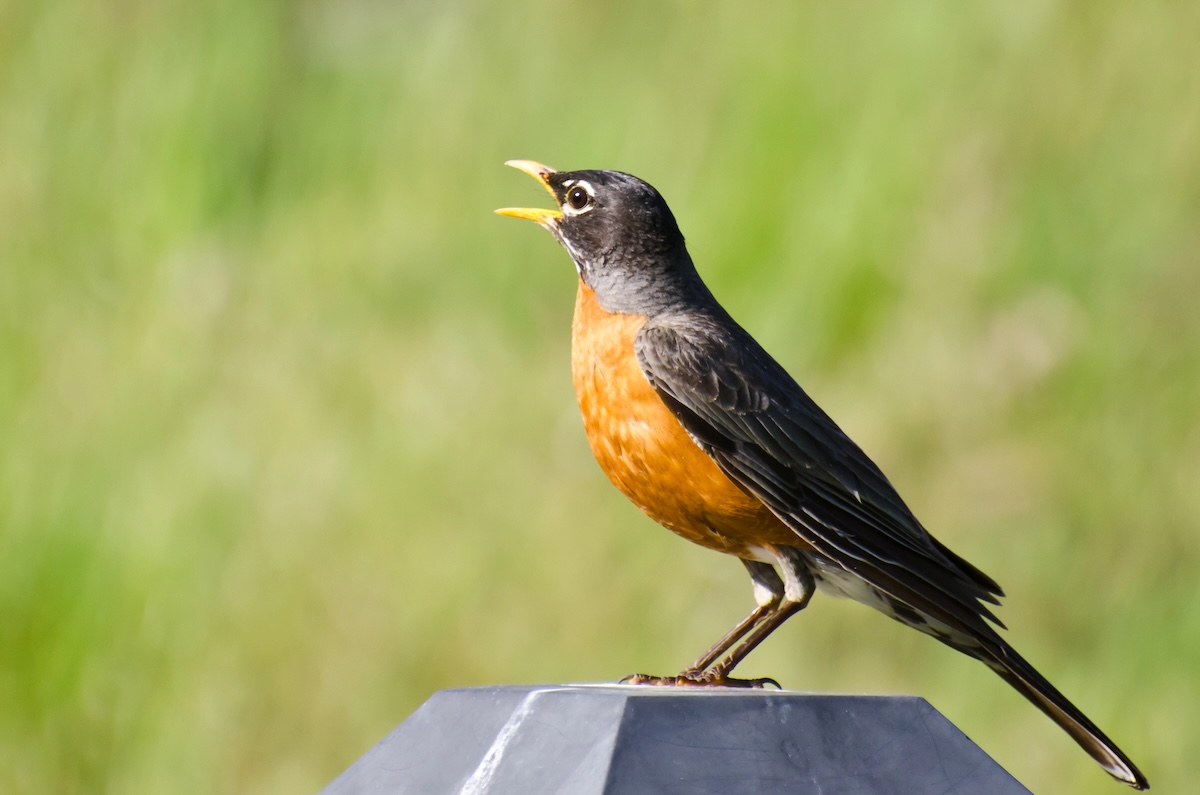 Photo Credit: rck953 on Deposit Photos
In the heart of North America, the American Robin, scientifically known as Turdus migratorius, flits through gardens and parks, heralding the arrival of spring with its cheerful song. Imagine a sunlit morning where dew glistens on the grass, and the air is filled with the sweet melodies of this medium-sized bird. With its round body, bright orange-red breast, and cheerful yellow beak, the American Robin is a delightful sight, easily recognizable and beloved by many. Its vibrant colors and lively behavior make it a favorite among birdwatchers and nature enthusiasts alike, sparking curiosity about its life and habits.
As the robin hops across the ground, searching for worms and insects, it plays a vital role in its ecosystem. This adaptable bird thrives in a variety of habitats, from lush woodlands to bustling urban areas, showcasing its ability to coexist with humans. Scientists are fascinated by the American Robin not only for its striking appearance but also for its complex behaviors and interactions within the environment. From its melodious dawn chorus to its role as a seed disperser, the American Robin is more than just a pretty face; it is a keystone species that helps maintain the balance of nature. Join us as we explore the captivating world of the American Robin, uncovering the secrets of its life cycle, diet, and the important role it plays in our ecosystems.
The American Robin, a beloved symbol of spring across North America, holds a special place in the tree of life. This charming bird belongs to the kingdom Animalia, which includes all animals, and is classified under the phylum Chordata, meaning it has a backbone. As a member of the class Aves, or birds, the American Robin showcases the unique adaptations that allow it to thrive in various environments. Its cheerful song and vibrant orange-red breast make it easily recognizable, but its taxonomic position reveals even more about its evolutionary journey and relationships with other species.
| Taxonomic Rank | Scientific Name | Meaning & Significance |
|---|---|---|
| Kingdom | Animalia | This name comes from the Latin word “animalis,” meaning “having breath” or “living.” It signifies all living organisms that breathe and move. |
| Phylum | Chordata | Derived from the Greek word “chorde,” meaning “string,” this name refers to animals with a notochord, a flexible rod that supports the body, which in vertebrates becomes the backbone. |
| Class | Aves | This term comes from the Latin word for “bird.” It encompasses all feathered creatures, highlighting their unique adaptations for flight. |
| Order | Passeriformes | From the Latin “passer,” meaning “sparrow,” this order includes perching birds, known for their ability to grasp branches with their feet, allowing them to perch easily. |
| Family | Turdidae | This family name is derived from the Latin word “turdus,” which means “thrush.” It includes birds known for their melodic songs and often plump bodies. |
| Genus | Turdus | Also from Latin, “Turdus” refers to a group of thrushes, emphasizing the American Robin’s close relationship with other thrush species, known for their singing abilities. |
Understanding the American Robin’s classification not only highlights its physical traits and behaviors but also provides insight into its evolutionary history. As a member of the Turdidae family, the robin shares a lineage with other thrushes, which are known for their beautiful songs and adaptability. This connection suggests that the American Robin has evolved alongside its relatives, developing unique characteristics that allow it to thrive in diverse habitats. Its place in the tree of life is a testament to the intricate web of relationships that define the animal kingdom, showcasing the beauty of evolution and the interconnectedness of all living things.
The American Robin, a familiar sight in gardens and parks, has a rich evolutionary history that stretches back millions of years. This bird is part of the family Turdidae, which includes thrushes, and its lineage can be traced to the early ancestors of modern birds that emerged after the age of dinosaurs. The journey of the American Robin is a tale of adaptation and survival, shaped by changing environments and the challenges of life in the wild.
The ancestors of the American Robin were small, insect-eating birds that roamed the forests of the late Cretaceous period, around 66 million years ago. As the world transformed, these early birds evolved to exploit new food sources and habitats. Over time, they developed traits that allowed them to thrive in diverse environments, from dense woodlands to open fields. The transition from a primarily insectivorous diet to one that includes fruits and berries marked a significant evolutionary step, enabling them to take advantage of seasonal food availability.
The adaptations of the American Robin have played a crucial role in its survival and success across North America. Their vibrant plumage and varied diet allow them to thrive in different environments, while their songs and nesting behaviors enhance their reproductive success. By migrating to find food and suitable habitats, robins have managed to endure changing climates and landscapes, ensuring that they remain a cherished part of our natural world.
The American Robin is a delightful sight, often heralding the arrival of spring with its cheerful song. This medium-sized bird boasts a rounded body that is both sturdy and agile, allowing it to hop gracefully across lawns and gardens. With a length of about 9 to 11 inches, the robin’s form is perfectly designed for its lifestyle, featuring a strong, slightly curved beak that is ideal for foraging for worms and berries. Its overall appearance is a charming blend of colors that captures the eye and warms the heart.
| Feature | Description |
|---|---|
| Weight | 75-77 grams |
| Skin Type | Feathers |
| Most Distinctive Feature | Bright orange chest |
The American Robin’s features work together beautifully to enhance its survival. The bright orange chest not only makes it easily recognizable but also plays a role in attracting mates during the breeding season. Its feathers, which provide insulation and waterproofing, help the robin stay warm and dry in various weather conditions. With its lightweight body and strong legs, the robin can swiftly navigate its environment, whether it’s hopping on the ground or flitting between branches. Together, these characteristics create a bird that is not only visually striking but also well-adapted to thrive in diverse habitats.
The American Robin thrives in a variety of habitats that paint a vibrant picture of nature’s diversity. Picture a sun-dappled woodland, where trees stretch high into the sky, their leaves rustling gently in the breeze. Imagine shrublands bursting with life, where bushes and small trees create a cozy home for many creatures. You might also find these cheerful birds hopping around in residential areas, where gardens and parks provide ample food and shelter. This adaptability allows the American Robin to be a familiar sight in both wild and urban settings.
The American Robin prefers climates that offer a mix of warm summers and cold winters. It enjoys areas with plenty of rainfall, which helps keep the ground moist and rich in worms and insects—its favorite snacks! These birds are often found in regions where the seasons change, allowing them to take advantage of the blooming flowers and abundant food sources in spring and summer. They are also known to migrate, traveling south to warmer areas during the colder months, ensuring they have the best chance of survival.
To thrive in these varied environments, the American Robin has developed several clever adaptations. Its keen eyesight helps it spot food hidden beneath the grass, while its strong legs allow it to hop quickly across the ground. The robin’s ability to sing sweet melodies not only attracts mates but also establishes territory, making it a true master of its domain. By being flexible in its habitat choices and resourceful in finding food, the American Robin has become a beloved part of the North American landscape.
The American Robin starts its day with a cheerful song, greeting the dawn as it hops around looking for breakfast. These birds are early risers, often seen foraging for worms, insects, and berries as the sun rises. Their keen eyesight helps them spot food hidden beneath the grass or leaves. Throughout the day, they engage in a variety of activities, from preening their feathers to taking short flights to explore their territory. As the sun sets, robins settle into their nests, ready to rest and recharge for another busy day.
Socially, American Robins are quite engaging. They often gather in small flocks, especially during migration or when foraging for food. These gatherings can be lively, filled with chirps and calls that help them communicate with one another. Robins are known to be somewhat territorial during breeding season, defending their nesting areas from intruders. However, outside of this time, they are more relaxed and can often be seen sharing feeding grounds with other birds. This social behavior not only helps them find food but also strengthens their bonds with fellow robins.
| Behavior Type | Description |
|---|---|
| Foraging | Robins search for food by hopping on the ground, using their sharp eyesight to spot worms and insects. |
| Social Interaction | They often gather in flocks, communicating through a variety of chirps and calls, especially during migration. |
| Territorial Defense | During breeding season, robins defend their nesting areas from other robins and potential threats. |
| Preening | Robins spend time grooming their feathers to keep them clean and waterproof, which is essential for flight. |
| Nesting | They build nests in trees or shrubs, using grass, twigs, and mud to create a safe space for their young. |
The behaviors of the American Robin are crucial for their survival. By foraging effectively, they ensure they have enough energy to thrive. Their social interactions help them find food and stay safe from predators. The ability to defend their territory during breeding season ensures that they can raise their young in a secure environment. All these activities work together, allowing robins to adapt and flourish in their ever-changing habitats.
The American Robin is an omnivore, which means it enjoys a varied diet that includes both plants and animals. This adaptable bird is particularly skilled at foraging, using its keen eyesight to spot food on the ground. With a diet that shifts with the seasons, robins feast on juicy earthworms and insects in the spring and summer, while turning to berries and fruits in the fall and winter. Their ability to switch between different food sources helps them thrive in diverse environments.
| Dietary Aspect | Details |
|---|---|
| Diet Type | Omnivore |
| Favorite Foods | Earthworms, berries, insects |
| Prey Items | Caterpillars, grasshoppers, beetle grubs, spiders, snails |
| Hunting/Foraging Strategies | Forages on the ground, uses keen eyesight to spot food |
The American Robin’s diverse diet plays a crucial role in its daily life and the ecosystem. By consuming a variety of insects, they help control pest populations, while their love for berries aids in seed dispersal, promoting plant growth. This not only shapes their own routines but also contributes to the health of their habitats, making them an essential part of the natural world. As they hop around searching for their next meal, robins remind us of the interconnectedness of life in our backyards and beyond.
As spring arrives, the American Robin begins its courtship rituals, filling the air with melodious songs that echo through gardens and parks. Mating typically occurs from March to July, with males performing impressive displays to attract females. They puff up their feathers, sing sweetly, and even engage in aerial acrobatics to show off their fitness. Once a pair has formed, they work together to find the perfect nesting site, often in trees or shrubs, where they can raise their young in safety.
| Reproductive Aspect | Details |
|---|---|
| Gestation Period | About 14 days |
| Litter Size | 3 to 5 eggs |
| Age of Maturity | About 1 year |
| Name of Young | Fledgling |
After the eggs hatch, both parents take on the important role of caring for their fledglings. The young robins are born helpless, with closed eyes and no feathers, relying entirely on their parents for warmth and food. As they grow, they quickly develop feathers and learn to hop around the nest. Within a couple of weeks, they are ready to leave the nest and explore the world. The parents continue to support their young, teaching them how to find food and avoid dangers. This nurturing process is crucial, as it helps the fledglings gain the skills they need to thrive as independent robins in their vibrant environment.
The American Robin plays a vital role in the food web, acting as both predator and prey. As an omnivore, it feasts on a variety of foods, including insects, fruits, and berries. This adaptability allows it to thrive in diverse environments, but it also makes the robin a target for various predators. In the grand scheme of nature, robins help control insect populations while providing nourishment for larger animals.
To defend itself against these threats, the American Robin employs several clever strategies. When danger approaches, robins often take flight, using their strong wings to escape quickly. They also rely on their keen eyesight to spot predators from a distance. Additionally, robins are known to be quite vocal, using alarm calls to warn other birds of potential danger. By staying alert and using their natural instincts, these resilient birds continue to thrive despite the challenges they face.
A keystone species is a vital part of its ecosystem, meaning its presence and activities have a significant impact on the environment and other living things. The American Robin qualifies as a keystone species due to its role in various ecological processes. This charming bird not only contributes to the balance of its habitat but also influences the lives of many other species around it.
One of the American Robin’s most important ecological impacts is its role in seed dispersal. As an omnivore, it consumes a wide range of fruits and berries, such as those from mulberry and serviceberry trees. When robins eat these fruits, they help spread the seeds through their droppings. This process allows new plants to grow in different areas, promoting biodiversity and healthy plant communities. Additionally, robins are known to forage for insects, which helps control pest populations. By keeping these insect numbers in check, they contribute to the overall health of their environment.
The American Robin also serves as a food source for various predators, including hawks and snakes. This connection is crucial for maintaining the balance of the food web, as it ensures that predator populations have enough to eat. Furthermore, robins are often indicators of environmental health. Their presence can signal a thriving ecosystem, while a decline in their numbers may suggest underlying issues, such as habitat loss or pollution.
If the American Robin were to disappear, the effects would ripple through its ecosystem. Without these birds, there would be fewer seed dispersers, leading to a decline in plant diversity. This could result in less food for other animals, creating a chain reaction that affects many species. Additionally, the increase in insect populations could lead to more pests, harming crops and other plants. The absence of robins would not only change the landscape but also signal a shift in the health of the environment, highlighting the importance of this delightful bird in our natural world.
The American Robin occupies a crucial ecological niche, acting as both a forager and a seed disperser in its environment. This adaptable bird thrives in various habitats, including woodlands, shrublands, and residential areas. By feeding on a diverse diet of insects, fruits, and berries, the robin plays a significant role in controlling insect populations and promoting plant growth. Its presence in an ecosystem helps maintain a balance, ensuring that both flora and fauna can flourish.
| Ecosystem Service | Impact |
|---|---|
| Seed Dispersal | Helps in the growth of new plants by spreading seeds through its droppings. |
| Pest Control | Reduces insect populations by feeding on various bugs and larvae. |
| Food Source | Serves as prey for larger birds and mammals, contributing to the food web. |
| Soil Aeration | Helps aerate the soil while foraging, which benefits plant roots. |
The American Robin’s influence on its ecosystem is evident in many ways. For instance, as it forages for worms and insects, it helps keep these populations in check, preventing overpopulation that could harm plants. Additionally, when robins consume berries and fruits, they not only nourish themselves but also aid in the dispersal of seeds. This process allows new plants to grow in different areas, promoting biodiversity. In residential areas, robins often become a part of the community, bringing joy to people while simultaneously contributing to the local ecosystem.
The broader ecological importance of the American Robin cannot be overstated. As a keystone species, its activities support a wide range of other organisms, from the plants it helps grow to the predators that rely on it for food. By maintaining balance in its environment, the robin ensures that ecosystems remain healthy and vibrant. This interconnectedness highlights the vital role that even a small bird can play in the grand tapestry of nature, reminding us of the importance of every species in our world.
In the intricate web of nature, many species form partnerships that help them survive and thrive. These relationships can be classified into three main types: mutualism, where both species benefit; commensalism, where one species benefits while the other is neither helped nor harmed; and parasitism, where one species benefits at the expense of another. The American Robin, a familiar sight in gardens and parks, engages in various ecological relationships that highlight the interconnectedness of life.
| Species/Type | Relationship Type | Description |
|---|---|---|
| Eastern Bluebird | Mutualistic | Both birds benefit from sharing nesting sites, as the presence of robins can deter predators that might threaten bluebird eggs. |
| Brown-headed Cowbird | Parasitic | Cowbirds lay their eggs in robin nests, leaving the robins to raise their young, which can harm the robins’ own offspring. |
| Tree Sparrows | Commensal | Tree sparrows often forage near robins, benefiting from the disturbed ground as robins search for food, while robins are unaffected. |
These relationships have evolved over time, shaped by the needs and behaviors of the species involved. The American Robin’s interactions with other birds illustrate the delicate balance of ecosystems. Mutualistic relationships enhance survival rates, while parasitic ones can challenge the health of the host species. Understanding these connections not only deepens our appreciation for the American Robin but also highlights the importance of preserving the habitats where these interactions occur. In the grand tapestry of life, every thread counts, and the American Robin plays a vital role in weaving it together.
The American Robin is more than just a cheerful songbird; it’s a fascinating creature with surprising traits that capture the imagination of nature lovers. Here are some intriguing facts that showcase the wonders of this beloved bird.
The American Robin has long been intertwined with human culture, serving as a symbol of renewal and the arrival of spring. Native Americans revered this bird, often associating it with various myths and stories that celebrated its vibrant presence. In literature and art, the robin has been depicted as a harbinger of hope, its cheerful song echoing through the changing seasons. This connection to humanity is not just historical; it reflects a deep appreciation for the natural world and the joy that these birds bring to our lives.
Today, the relationship between American Robins and humans continues to evolve. As urban areas expand, these adaptable birds have found new homes in gardens, parks, and even city streets. While many people enjoy watching robins as they forage for worms or sing from tree branches, conflicts can arise. For instance, robins sometimes build nests in inconvenient places, leading to challenges for homeowners. Conservation efforts are also underway to protect their habitats, ensuring that these beloved birds can thrive alongside us in a rapidly changing environment.
As we look to the future, the bond between American Robins and humanity holds promise. With increased awareness of environmental issues, more people are taking steps to create bird-friendly spaces and protect natural habitats. By fostering a deeper understanding of these birds and their role in our ecosystems, we can ensure that future generations will continue to enjoy the sight and sound of robins in their backyards. Together, we can nurture this relationship, celebrating the joy and beauty that these vibrant birds bring to our lives.
The American Robin is currently classified as “Least Concern” by the International Union for Conservation of Nature (IUCN). This means that, overall, the species is not facing immediate threats to its survival. With an estimated population size of around 310 million, the American Robin is one of the most abundant birds in North America. Population trends indicate stability, as these birds continue to thrive in a variety of habitats, from urban parks to rural farmlands.
| Conservation Factor | Status/Details |
|---|---|
| IUCN Status | Least Concern |
| Estimated Population Size | 310 million |
| Population Trend | Stable |
Despite their stable status, American Robins face several challenges that can impact their populations. Habitat loss is a significant threat, as urban development and agricultural expansion reduce the natural spaces where these birds thrive. Additionally, climate change can alter their migratory patterns and food availability. Pesticides and other chemicals used in farming can also pose risks, affecting their health and the insects they rely on for food.
Conservation efforts for the American Robin focus on habitat preservation and restoration. By protecting green spaces and promoting sustainable agricultural practices, we can help ensure that these vibrant birds continue to flourish. The outlook for the American Robin remains positive, as their adaptability and resilience allow them to thrive in changing environments. With continued awareness and action, we can support their populations for generations to come.
| Question | Answer |
|---|---|
| What is the habitat of the American Robin? | The American Robin is commonly found in woodland areas, shrublands, and even residential neighborhoods. They thrive in places with plenty of trees and open spaces, which provide both shelter and food sources. |
| What does the American Robin eat? | American Robins are omnivores, meaning they eat both plants and animals. Their diet mainly consists of fruits, berries, and insects, making them adaptable to different environments and food availability. |
| How do American Robins behave? | These birds are known for their cheerful songs and lively behavior. They are often seen hopping around on the ground, searching for food, and they are quite social, often gathering in flocks during migration. |
| How do American Robins reproduce? | American Robins typically build their nests in trees or shrubs, using grass, mud, and other materials. The female lays about three to five eggs, which she incubates for about two weeks before they hatch. |
| What threats do American Robins face? | While American Robins are currently classified as Least Concern, they face threats from habitat loss, climate change, and predators like cats and hawks. Urban development can also reduce their nesting sites and food sources. |
| What is a distinctive feature of the American Robin? | The most distinctive feature of the American Robin is its bright orange chest, which makes it easily recognizable. This vibrant color is especially striking against the backdrop of green grass and trees. |
| Are American Robins migratory birds? | Yes, American Robins are migratory birds. They typically migrate south for the winter, seeking warmer climates, and return to their northern breeding grounds in the spring, following the availability of food and suitable nesting sites. |