Taxonomy & Classification
- Kingdom
- Animalia
- Phylum
- Chordata
- Class
- Amphibia
- Order
- Anura
- Family
- Bufonidae
- Genus
- Anaxyrus
- Species
- Anaxyrus americanus

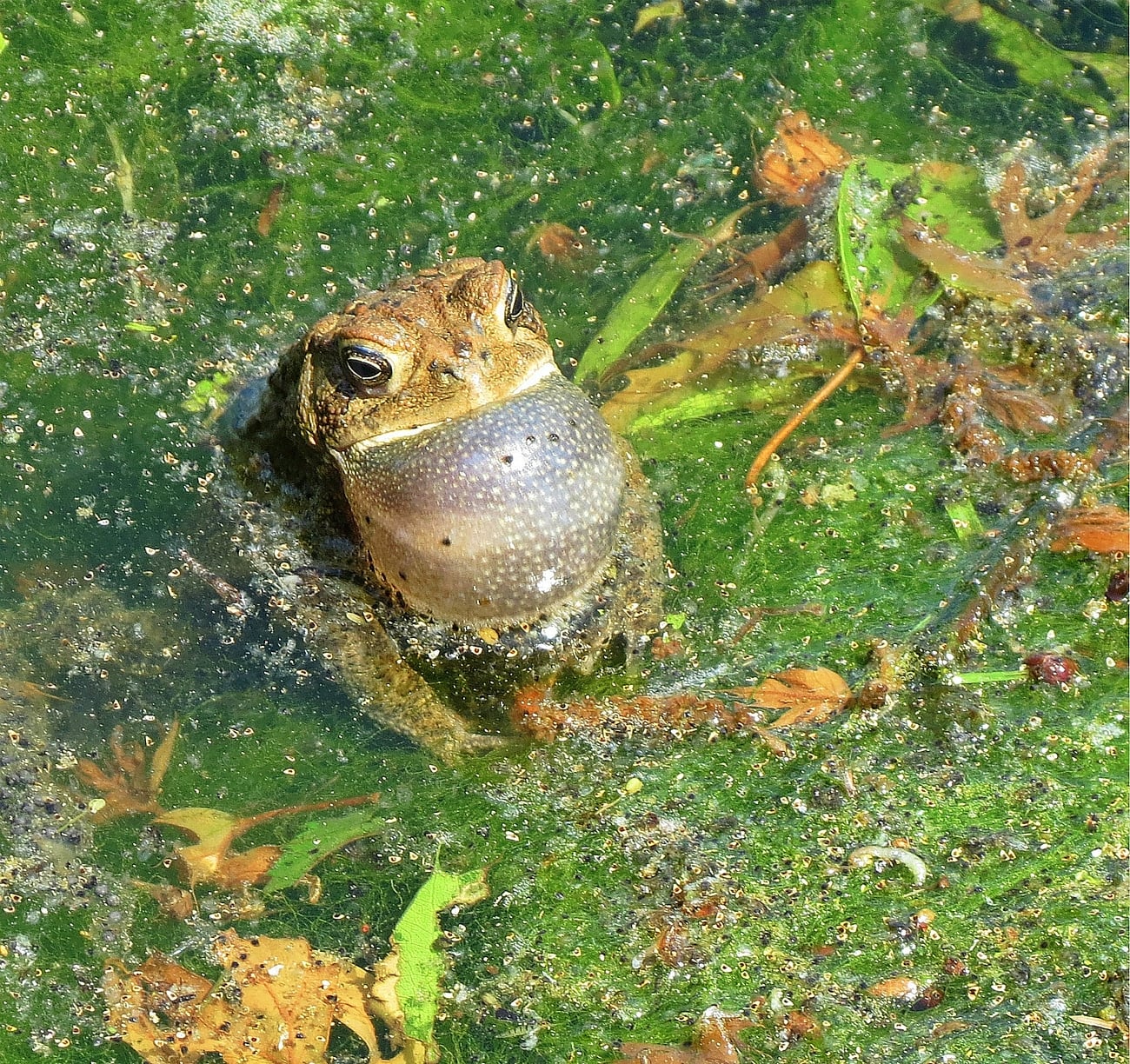 Photo Credit: U.S. Fish and Wildlife Service / Rawpixel
In the heart of North America’s lush woodlands and meandering streams, the American Toad, or Anaxyrus americanus, makes its home. Picture a warm spring evening, where the air is filled with the sweet scent of blooming flowers and the gentle hum of nature awakening. Here, among the damp earth and vibrant greenery, the American Toad emerges from its daytime hiding spots, ready to explore the world. With its stout body and warty skin, this amphibian might look like a small, living rock, but it is anything but ordinary. Its unique appearance, with a mix of earthy browns and greens, allows it to blend seamlessly into its surroundings, making it a master of camouflage.
What truly captivates scientists and nature enthusiasts alike is the American Toad’s remarkable adaptability and role in the ecosystem. As an omnivore, it feasts on a variety of insects and invertebrates, helping to keep populations in check. But it’s not just a predator; this toad is also a vital food source for many animals, creating a delicate balance in its habitat. During the spring, the air fills with the enchanting sounds of male toads calling out in a musical trill, a signal to attract mates. This lively chorus is a reminder of the intricate dance of life that unfolds in the wetlands, where the American Toad plays a starring role. As we delve deeper into the world of Anaxyrus americanus, we will uncover the secrets of its life cycle, behaviors, and the important part it plays in the natural world.
The American Toad, scientifically known as Anaxyrus americanus, occupies a special place in the tree of life. This amphibian belongs to the class Amphibia, which includes frogs, salamanders, and caecilians. What sets the American Toad apart is its adaptability to various environments, from woodlands to gardens, and its distinctive warty skin, which serves as a defense mechanism against predators. With its unique vocalizations during mating season, the American Toad not only contributes to the rich tapestry of biodiversity but also plays a vital role in its ecosystem as both predator and prey.
| Taxonomic Rank | Scientific Name | Meaning & Significance |
|---|---|---|
| Kingdom | Animalia | This name signifies that the American Toad is part of the vast group of multicellular organisms that are primarily heterotrophic, meaning they consume organic material for energy. |
| Phylum | Chordata | Chordata refers to animals that have a notochord, a flexible rod that supports the body. In toads, this structure is present during their early development. |
| Class | Amphibia | Amphibia means “double life,” highlighting the toad’s unique ability to thrive both in water and on land during different life stages. |
| Order | Anura | Anura translates to “without a tail,” which is fitting since adult toads and frogs lose their tails as they mature from tadpoles. |
| Family | Bufonidae | Bufonidae, or the true toads, is derived from the Latin word “bufō,” meaning “toad.” This family is characterized by their dry, warty skin and stocky bodies. |
| Genus | Anaxyrus | Anaxyrus combines the Greek prefix “ana,” meaning “up” or “again,” with “xyros,” meaning “dry.” This reflects the toad’s ability to adapt to dry environments. |
| Species | americanus | This species name indicates its native range, primarily found in North America, showcasing its connection to the continent’s diverse habitats. |
Understanding the American Toad’s classification reveals much about its evolutionary journey. As a member of the amphibians, it shares a common ancestor with other amphibians that adapted to life on land while still relying on water for reproduction. The unique features of the American Toad, such as its warty skin and vocalizations, are adaptations that have evolved over millions of years, allowing it to thrive in a variety of environments. This classification not only highlights its biological traits but also underscores the intricate relationships among species in the animal kingdom, reminding us of the wonders of evolution and the interconnectedness of life.
The evolutionary journey of the American Toad, or Anaxyrus americanus, stretches back millions of years, intertwining with the history of amphibians. These remarkable animals first appeared during the late Triassic period, around 230 million years ago, when the Earth was a very different place. As the climate and landscapes changed, so did the ancestors of modern toads, adapting to new environments and challenges.
The ancestors of the American Toad were likely small, aquatic creatures that thrived in the lush, wet environments of ancient wetlands. Over time, as some amphibians ventured onto land, they developed adaptations that allowed them to survive in drier habitats. This transition marked a significant evolutionary leap, leading to the development of thicker skin to prevent water loss and stronger limbs for hopping across varied terrains.
These adaptations have played a vital role in the American Toad’s survival. By developing effective defense mechanisms, such as toxins and camouflage, they can evade predators. Their ability to call and attract mates ensures that their population continues to thrive. Furthermore, their flexible diet and burrowing habits allow them to endure changing environmental conditions, making them resilient in the face of challenges. The American Toad’s evolutionary story is a testament to the power of adaptation in the natural world.
The American Toad is a captivating amphibian that captures the imagination with its stout body and textured skin. This toad has a robust, rounded shape, making it look like a small, living rock when it sits still among the leaves. Its skin is covered in warts, which give it a bumpy appearance and help it blend into its surroundings. With a weight of less than one pound, this little creature is surprisingly sturdy, and its short limbs are perfect for hopping around its habitat.
| Feature | Description |
|---|---|
| Size | Less than 1 pound |
| Color | Typically brown or gray, with darker spots |
| Skin Type | Permeable, allowing moisture absorption |
| Most Distinctive Feature | Warts on skin, providing texture and camouflage |
These physical features work together to enhance the American Toad’s survival in the wild. The warty skin not only helps it blend into the forest floor, making it less visible to predators, but it also plays a role in moisture retention. Being permeable, the skin allows the toad to absorb water, which is crucial for its survival in varying environments. This combination of camouflage and moisture management makes the American Toad a well-adapted resident of its habitat, thriving in both wet and dry conditions.
The American Toad thrives in a variety of habitats that paint a picture of lush greenery and tranquil waters. Imagine a serene landscape dotted with semi-permanent pools and ponds, where the air is filled with the sounds of chirping insects and rustling leaves. These toads often find refuge in areas rich with dense vegetation, providing them with both shelter and a place to hunt for food. The combination of water and greenery creates a perfect home for these amphibians, allowing them to thrive in their natural environment.
Toads are quite particular about their living conditions. They prefer climates that offer a mix of moisture and warmth, which is essential for their survival. American Toads are often found in areas where the temperature is moderate, allowing them to stay active without becoming too cold. They thrive in environments that experience seasonal changes, as these fluctuations help maintain the pools and ponds they depend on. The presence of dense vegetation not only provides cover from predators but also helps maintain humidity levels, which is crucial for their skin health.
Adaptation is key to the American Toad’s success in these habitats. Their warty skin helps them retain moisture, which is vital in preventing dehydration. This unique texture also serves as a defense mechanism, making them less appealing to potential predators. Additionally, their ability to camouflage among the leaves and mud allows them to blend seamlessly into their surroundings, making it easier to avoid danger. By evolving to thrive in semi-permanent pools and dense vegetation, the American Toad has carved out a niche that supports its life cycle and ensures its survival in the wild.
The American Toad leads a life filled with intriguing daily activities that revolve around its environment. As dusk falls, these toads emerge from their hiding spots, often under leaves or logs, to hunt for food. Their diet mainly consists of insects, worms, and other small invertebrates, which they catch using their long, sticky tongues. During the warmer months, they are most active at night, taking advantage of the cooler temperatures to explore their surroundings. As they hop through the underbrush, they may also engage in vocalizations, especially during the breeding season, when males call out to attract females.
Socially, American Toads can be quite adaptable. While they are often solitary creatures, they do come together during the breeding season, forming temporary groups near water sources. Males will gather to croak and compete for the attention of females, creating a lively chorus that fills the night air. This social behavior is crucial for reproduction, as it increases the chances of finding a mate. Outside of breeding, these toads tend to keep to themselves, using their camouflage to blend into their surroundings and avoid predators.
| Behavior Type | Description |
|---|---|
| Activity Patterns | Active mainly at night, foraging for food and exploring their habitat. |
| Social Structure | Generally solitary, but gather in groups during the breeding season. |
| Communication Methods | Males call out to attract females, creating a chorus of croaks. |
The behaviors of the American Toad are finely tuned to ensure their survival in the wild. By being active at night, they avoid the heat of the day and reduce the risk of dehydration. Their solitary nature helps them evade predators, while their temporary gatherings during breeding season enhance their chances of reproduction. This blend of independence and social interaction allows the American Toad to thrive in diverse environments, showcasing the delicate balance of life in the natural world.
The American Toad is an omnivore, which means it enjoys a varied diet that includes both plant and animal matter. This adaptable toad primarily feeds on a wide range of insects and other invertebrates, making it a skilled hunter in its environment. As night falls, the American Toad ventures out from its daytime hiding spots to forage for food, using its keen sense of sight and quick reflexes to catch its prey.
| Dietary Aspect | Details |
|---|---|
| Diet Type | Omnivore |
| Favorite Foods | Aquatic vegetation, algae, insects, slugs, beetles, snails, and earthworms |
| Prey Items | A wide variety of insects and other invertebrates |
| Hunting/Foraging Strategies | Uses keen eyesight and quick reflexes to catch prey, often foraging at night |
The diet of the American Toad plays a crucial role in its ecology and daily routine. By consuming a variety of insects and invertebrates, these toads help control pest populations, contributing to a balanced ecosystem. Their foraging habits also align with their nocturnal lifestyle, allowing them to take advantage of the cooler temperatures and increased insect activity at night. This connection between diet and behavior highlights the American Toad’s important role in its habitat, showcasing how every meal contributes to the intricate web of life around it.
As spring arrives and the air warms, American Toads begin their lively mating rituals. During this time, males call out with a distinctive, musical trill to attract females. This chorus can be heard echoing through wetlands and ponds, creating a symphony of sounds that signals the start of the breeding season. Once a female chooses a mate, she lays her eggs in water, often in long strands that can contain thousands of tiny eggs. This bustling activity marks a crucial moment in the life cycle of these amphibians.
| Reproductive Aspect | Details |
|---|---|
| Gestation Period | 2-14 days |
| Litter Size | Up to 20,000 eggs |
| Age of Sexual Maturity | 2 to 3 years |
| Name of Young | Tadpoles |
After the eggs hatch, the young toads emerge as tadpoles, swimming in the water with their long tails. These tadpoles are quite different from their adult forms; they have gills for breathing underwater and a diet primarily consisting of algae. As they grow, they undergo a fascinating transformation called metamorphosis, where they develop legs, lose their tails, and begin to breathe air. While American Toads do not provide direct parental care, the sheer number of eggs laid increases the chances of survival for some tadpoles. Eventually, those that make it through this challenging stage will emerge as young toads, ready to explore the world on land.
The American Toad plays a vital role in its ecosystem, serving as both predator and prey. Positioned in the food web, it helps control insect populations while also being a food source for various animals. This balance is crucial for maintaining healthy habitats, but it also means that the toad faces numerous dangers from those higher up the food chain.
To defend itself against these threats, the American Toad has developed several clever survival strategies. When faced with danger, it can puff up its body to appear larger and more intimidating. Additionally, it secretes toxins from its skin, which can deter predators by causing discomfort or illness. These adaptations, combined with its ability to blend into its surroundings, help the American Toad navigate the challenges of its environment and continue to thrive in the wild.
A keystone species is an organism that has a disproportionately large impact on its environment relative to its abundance. This means that if it were removed, the ecosystem would change dramatically. The American Toad, or Anaxyrus americanus, qualifies as a keystone species due to its significant role in controlling insect populations and serving as a food source for various predators.
The American Toad plays a crucial role in its ecosystem by helping to maintain the balance of insect populations. As an omnivore, it consumes a wide variety of insects and other invertebrates, which helps keep these populations in check. For example, by eating beetles, ants, and caterpillars, the toad prevents these insects from overwhelming the vegetation in its habitat. This not only benefits the plants but also supports other animals that rely on those plants for food and shelter.
Additionally, the American Toad serves as an important food source for many predators, including birds, snakes, and mammals. By being part of the food web, it contributes to the energy flow within its ecosystem. When these predators rely on the toad for sustenance, they help maintain the balance of species in their own populations. This interconnectedness highlights the toad’s role in supporting biodiversity.
Moreover, the American Toad’s presence indicates a healthy environment. These amphibians are sensitive to changes in their habitat, such as pollution or climate change. Their decline can signal problems in the ecosystem, prompting conservation efforts to protect not just the toads but the entire habitat they inhabit.
If the American Toad were to disappear, the effects would ripple through its ecosystem. Insect populations could surge, leading to overgrazing of plants and a decline in vegetation health. This would not only affect the plants but also the animals that depend on them for food and shelter. Additionally, predators that rely on the toad for sustenance would face food shortages, potentially leading to their decline as well. The loss of this single species could destabilize the entire ecosystem, demonstrating just how vital the American Toad is to its environment.
The American Toad, known scientifically as Anaxyrus americanus, plays a crucial role in its ecosystem, acting as both a predator and prey. This adaptable amphibian thrives in semi-permanent pools and ponds, surrounded by dense vegetation. By occupying this ecological niche, the American Toad helps maintain the balance of its environment, influencing the populations of insects and other small creatures. Its presence is a sign of a healthy ecosystem, as it relies on clean water and abundant plant life to thrive.
| Ecosystem Service | Impact |
|---|---|
| Insect Control | Helps regulate insect populations, reducing pests that can harm plants and crops. |
| Soil Aeration | Burrowing behavior improves soil structure, allowing better water infiltration and root growth. |
| Food Source | Serves as prey for various animals, including birds and snakes, supporting the food web. |
| Nutrient Cycling | Contributes to nutrient cycling through its waste, enriching the soil and water. |
The American Toad’s influence can be seen in many ways. For instance, by consuming large quantities of insects, it helps keep pest populations in check. This is especially important for farmers and gardeners, as fewer pests mean healthier plants. Additionally, when American Toads burrow into the ground, they aerate the soil, which allows water and nutrients to reach plant roots more effectively. This natural process supports the growth of vegetation, creating a thriving habitat for many other species.
The broader ecological importance of the American Toad cannot be overstated. As a keystone species, its presence is vital for maintaining the health of its ecosystem. If American Toads were to disappear, the balance of their environment would be disrupted, leading to overpopulation of insects and a decline in plant health. This ripple effect could impact many other species that rely on the same habitat. By understanding and protecting the American Toad, we help ensure the stability and diversity of the ecosystems they inhabit.
In the intricate web of life, symbiosis refers to the close interactions between different species, which can take on various forms. These relationships can be mutualistic, where both species benefit; parasitic, where one benefits at the expense of the other; or commensal, where one benefits while the other is neither helped nor harmed. The American Toad, or Anaxyrus americanus, engages in several fascinating partnerships with other organisms, showcasing the complexity of ecological relationships.
| Species/Type | Relationship Type | Description |
|---|---|---|
| Algae | Mutualistic | Algae growing on the toad’s skin can help provide camouflage, while the toad offers a stable environment for the algae to thrive. |
| Ticks | Parasitic | Ticks attach to the toad and feed on its blood, which can weaken the toad and make it more vulnerable to disease. |
| Fungi | Commensal | Certain fungi may grow in the moist environments where toads live, benefiting from the humidity without affecting the toads. |
These relationships have evolved over time, shaped by the needs and adaptations of the species involved. The American Toad’s interactions with algae, ticks, and fungi illustrate the delicate balance of nature. While mutualistic relationships enhance survival for both parties, parasitic ones remind us of the challenges faced by the toad. Understanding these connections not only highlights the toad’s role in its ecosystem but also emphasizes the importance of preserving the habitats that support such diverse life forms.
The American Toad, or Anaxyrus americanus, is a fascinating amphibian that often surprises those who take the time to learn about it. With its warty skin and unique behaviors, this toad is more than just a common sight in backyards and parks.
The American Toad, or Anaxyrus americanus, has long been a part of human culture and history. Native Americans revered these toads, often associating them with rain and fertility due to their croaking calls that herald the arrival of spring. Folklore from various cultures has depicted toads as symbols of transformation and healing, reflecting humanity’s fascination with their unique life cycle. As people settled in North America, they encountered these toads in their gardens and backyards, often marveling at their ability to control insect populations. This historical connection has woven the American Toad into the fabric of human storytelling and agricultural practices.
Today, the relationship between American Toads and humans is multifaceted, encompassing both conservation efforts and challenges. As urbanization expands, these toads face habitat loss, which threatens their populations. However, many communities are stepping up to protect them. Conservationists work to create safe passageways for toads crossing roads during their breeding migrations, while educational programs teach children about the importance of amphibians in our ecosystems. Unfortunately, some people still view toads with suspicion, fearing their warty appearance or believing myths about their toxicity. This misunderstanding can lead to conflict, as toads are often harmed or removed from their natural habitats.
As we look to the future, the relationship between American Toads and humanity holds promise. With increased awareness of environmental issues, more people are recognizing the vital role these amphibians play in our ecosystems. By fostering a sense of stewardship and understanding, we can ensure that American Toads continue to thrive alongside us. As we learn to appreciate their unique contributions, we can build a harmonious coexistence that benefits both toads and humans, enriching our shared environment for generations to come.
The American Toad, known scientifically as Anaxyrus americanus, currently holds a conservation status of “Least Concern.” This means that, overall, the species is not facing immediate threats of extinction. However, population estimates are tricky to pin down because they can vary widely across different regions. While some areas may see stable numbers, others may experience fluctuations due to environmental changes.
| Conservation Factor | Status/Details |
|---|---|
| IUCN Status | Least Concern |
| Estimated Population Size | Unknown, due to constant fluctuations in different regions |
| Population Trend | Variable; some areas stable, others fluctuating |
The American Toad faces several challenges that threaten its populations. Habitat loss is a significant concern, as urban development and agricultural expansion can destroy the wetlands and ponds where these toads thrive. Pollution from pesticides and chemicals can also harm their delicate skin and disrupt their reproductive cycles. Additionally, climate change is altering weather patterns, which can affect breeding seasons and food availability.
Conservation efforts are underway to help protect the American Toad and its habitats. Organizations are working to restore wetlands and promote sustainable land use practices that benefit both wildlife and humans. Public awareness campaigns aim to educate communities about the importance of toads in controlling insect populations and maintaining healthy ecosystems. With continued efforts, the outlook for the American Toad remains hopeful, as it adapts to changing environments while still playing a vital role in its ecosystem.
| Question | Answer |
|---|---|
| What is the habitat of the American Toad? | The American Toad prefers semi-permanent pools or ponds, often surrounded by dense vegetation. This environment provides them with the moisture they need and plenty of places to hide from predators. |
| What do American Toads eat? | American Toads are omnivores, which means they eat both plants and animals. Their diet mainly consists of insects, worms, and other small invertebrates, but they may also consume some plant matter. |
| How do American Toads behave? | American Toads are mostly nocturnal, meaning they are active at night. During the day, they often hide under leaves or in burrows to stay cool and avoid predators. |
| How do American Toads reproduce? | During the breeding season, male American Toads call out to attract females. After mating, females lay thousands of eggs in water, which hatch into tadpoles that eventually develop into toads. |
| What threats do American Toads face? | While American Toads are currently classified as Least Concern, they still face threats from habitat loss and pollution. Additionally, they can be affected by diseases like chytridiomycosis, which impacts amphibian populations worldwide. |
| What is a distinctive feature of the American Toad? | One of the most distinctive features of the American Toad is its warty skin. These warts are not just for show; they help the toad retain moisture and can also deter predators by making them taste bad. |
| Can American Toads change color? | Yes, American Toads can change their color slightly based on their environment. This ability helps them blend in with their surroundings, making it harder for predators to spot them. |