Taxonomy & Classification
- Kingdom
- Animalia
- Phylum
- Chordata
- Class
- Mammalia
- Order
- Carnivora
- Family
- Canidae
- Genus
- Canis
- Species
- Canis lupus

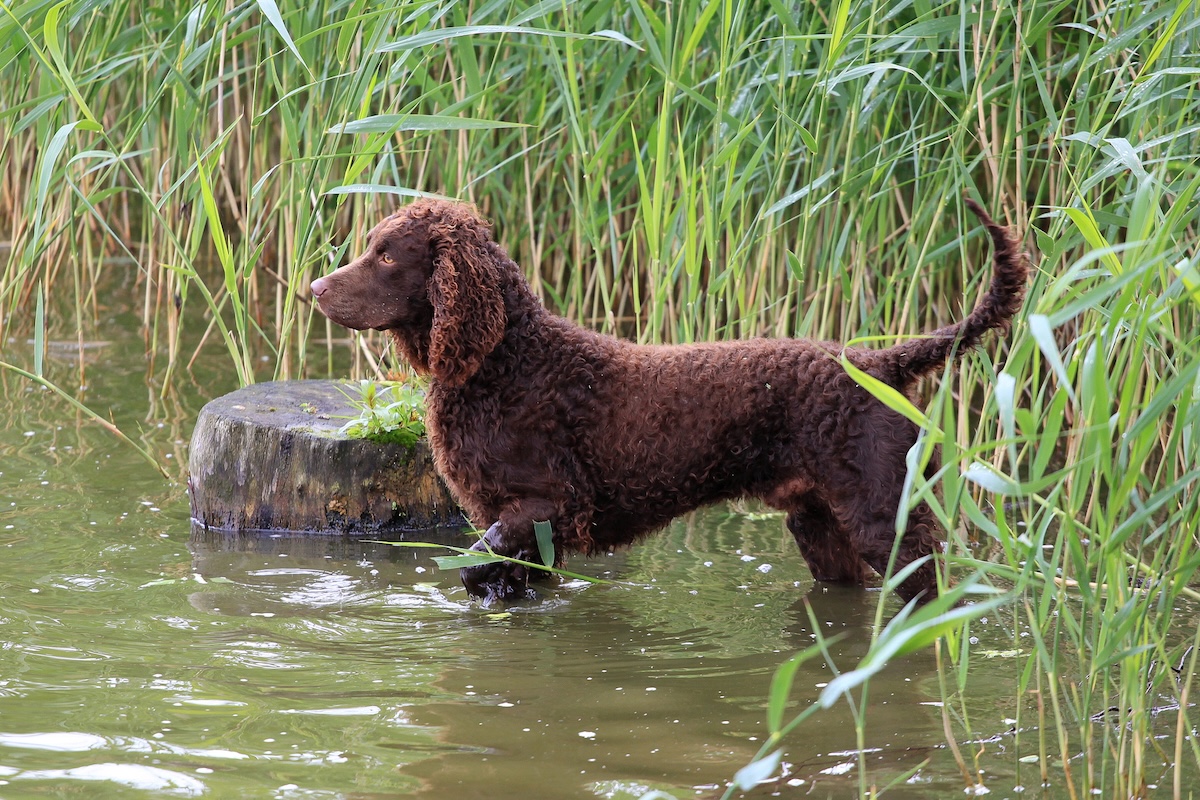 Photo Credit: CaptureLight on Deposit Photos
In the heart of the Midwest, where rivers meander through lush green landscapes and marshes teem with life, the American Water Spaniel, or Acanis familiaris, thrives. This medium-sized dog, with its distinctive curly coat and webbed feet, is perfectly designed for life in and around water. Imagine a scene where this agile hunter splashes through the shallows, its keen eyes scanning the surface for fish or the rustle of small mammals hiding in the reeds. With a playful spirit and boundless energy, the American Water Spaniel is not just a skilled retriever of waterfowl; it is a beloved companion that captures the hearts of those who encounter it.
What makes the American Water Spaniel particularly intriguing to scientists and nature enthusiasts alike is its unique blend of traits. This breed is not only an excellent swimmer, thanks to its waterproof coat and strong legs, but it also possesses a sharp intelligence that makes it a joy to train. As a versatile omnivore, it plays a vital role in its ecosystem, helping to maintain the balance of life in wetland habitats. With a rich history dating back to the early 19th century, the American Water Spaniel has evolved alongside humans, showcasing a remarkable ability to adapt and thrive in various environments. Join us as we dive deeper into the world of this captivating breed, exploring its behaviors, diet, and the important role it plays in the natural world.
The American Water Spaniel holds a special place in the tree of life, showcasing a blend of traits that make it both a skilled hunter and a beloved companion. This breed belongs to the family Canidae, which includes all dogs, wolves, and foxes. What sets the American Water Spaniel apart is its adaptability to both land and water environments, making it an excellent retriever. With its curly coat and webbed feet, this dog is perfectly designed for swimming and fetching game from lakes and rivers. Its unique combination of physical features and behaviors highlights its evolutionary journey and the role it plays in human society.
| Taxonomic Rank | Scientific Name | Meaning & Significance |
|---|---|---|
| Kingdom | Animalia | This name means “animals” in Latin, representing all multicellular organisms that are not plants, fungi, or bacteria. |
| Phylum | Chordata | Derived from the Greek word “chordē,” meaning “string,” this group includes animals with a backbone, like the American Water Spaniel. |
| Class | Mammalia | This term comes from “mamma,” the Latin word for “breast,” highlighting that mammals nurse their young with milk. |
| Order | Carnivora | From the Latin “carnis” meaning “flesh,” this order includes meat-eating mammals, showcasing the American Water Spaniel’s hunting instincts. |
| Family | Canidae | This name is derived from “canis,” the Latin word for “dog,” emphasizing the American Water Spaniel’s close relationship with domestic dogs and wild canids. |
| Genus | Canis | Also from the Latin word for “dog,” this genus includes all modern dogs, wolves, and their ancestors, reflecting the American Water Spaniel’s lineage. |
Understanding the American Water Spaniel’s classification reveals much about its evolutionary history. As a member of the Canidae family, it shares common ancestors with wolves and foxes, which were adapted for survival in various environments. This lineage has equipped the American Water Spaniel with traits that make it an exceptional swimmer and hunter, while also allowing it to thrive alongside humans as a loyal companion. Its unique adaptations and classification tell a story of evolution, showcasing how this breed has developed to meet the needs of both nature and humanity.
The American Water Spaniel has a rich evolutionary history that stretches back thousands of years. This breed is part of the Canidae family, which includes wolves, foxes, and domestic dogs. The journey of the American Water Spaniel is intertwined with the development of hunting and retrieving breeds, particularly in the wetlands of the United States, where they were bred to assist hunters in retrieving waterfowl.
The ancestors of the American Water Spaniel likely descended from various spaniel breeds brought to North America by early settlers. These early dogs were bred for their ability to work in water and on land, leading to a blend of traits that would define the American Water Spaniel. Over time, selective breeding focused on enhancing their retrieving skills, adaptability to different environments, and friendly disposition. This process involved crossing with other breeds, such as the Irish Water Spaniel and the Curly-Coated Retriever, which contributed to their distinctive coat and temperament.
The adaptations of the American Water Spaniel have played a crucial role in its survival and success as a hunting companion. Their water-resistant coat and webbed feet enable them to excel in aquatic environments, while their strong retrieving instinct ensures they can effectively assist hunters. The breed’s friendly demeanor and versatility make them not only great workers but also cherished family pets. These traits have allowed the American Water Spaniel to thrive in diverse settings, showcasing the remarkable interplay between evolution and human needs.
The American Water Spaniel is a medium-sized dog that exudes both strength and agility. With a sturdy build, this breed is designed for versatility, making it an excellent companion for both land and water activities. Its body is well-proportioned, featuring a broad head and a strong neck that leads to a muscular frame. The American Water Spaniel’s expressive eyes and friendly demeanor give it an approachable appearance, while its wavy coat adds a touch of elegance to its overall look.
| Feature | Description |
|---|---|
| Size | Medium, typically weighing between 25 to 45 pounds |
| Color | Rich brown or liver, often with lighter markings |
| Skin Type | Hair, with a dense, water-resistant coat |
| Body Structure | Sturdy and muscular, with a broad head and strong neck |
| Eyes | Expressive and friendly, often dark brown |
These physical features work together to create a dog that is not only visually appealing but also highly functional. The American Water Spaniel’s water-resistant coat keeps it warm and dry while swimming, allowing it to excel in retrieving tasks. Its muscular build provides the strength needed for vigorous activities, whether it’s splashing through lakes or running through fields. The breed’s friendly eyes and approachable nature make it a wonderful family pet, while its hunting instincts ensure it remains a skilled companion in the great outdoors.
The American Water Spaniel thrives in a variety of wetland habitats, where it can often be found frolicking along the banks of rivers, lakes, and marshes. Picture lush green landscapes dotted with shimmering water bodies, where the air is filled with the sounds of birds and the rustle of reeds. This breed is perfectly suited to these environments, as they love to swim and retrieve, making them excellent companions for outdoor adventures.
The American Water Spaniel prefers climates that are temperate, meaning they enjoy moderate temperatures that aren’t too hot or too cold. They thrive in areas with plenty of rainfall, which helps keep their habitats lush and vibrant. These dogs are also quite adaptable, able to handle varying weather conditions, but they do best in environments where they can access water for swimming and playing.
Adaptations have made the American Water Spaniel well-suited for its watery homes. Their waterproof coat, which is dense and curly, helps keep them warm and dry while they splash around in chilly waters. Additionally, their webbed feet act like natural paddles, allowing them to swim efficiently. These features, combined with their keen sense of smell and strong retrieving instincts, make them exceptional hunters and loyal companions in their natural habitats.
The American Water Spaniel leads a lively and engaging daily life, filled with activities that showcase its energetic spirit and keen intelligence. Mornings often begin with a burst of enthusiasm as these dogs eagerly await their daily adventures. Whether it’s splashing through water, retrieving toys, or exploring the great outdoors, their playful nature shines through. Throughout the day, they alternate between periods of high-energy play and moments of calm, where they might curl up for a nap or enjoy some quiet time with their human companions. This balance of activity and rest is essential for their well-being.
Socially, American Water Spaniels are known for their friendly and affectionate demeanor. They thrive in family settings and often form strong bonds with their human family members. These dogs are not just solitary hunters; they enjoy the company of other dogs and can often be seen playing and interacting with their furry friends. Their social behavior is characterized by a playful attitude and a willingness to engage in group activities, making them excellent companions for both children and adults. Communication is key in their interactions, and they use a variety of barks, whines, and body language to express their feelings and needs.
| Behavior Type | Description |
|---|---|
| Activity Patterns | American Water Spaniels are highly active, requiring regular exercise through walks, playtime, and swimming. They enjoy retrieving games, which stimulate their hunting instincts. |
| Social Structure | These dogs are pack-oriented and thrive in social settings. They bond closely with their families and often get along well with other pets. |
| Communication Methods | They communicate through a mix of vocalizations, such as barking and whining, as well as body language, including tail wagging and playful postures. |
The behaviors of the American Water Spaniel are not just for fun; they play a crucial role in their survival. Their active lifestyle keeps them physically fit, which is essential for hunting and retrieving in their natural habitats. Social interactions help them develop strong bonds, ensuring they work well with humans and other animals. By communicating effectively, they can express their needs and emotions, fostering a harmonious environment. All these behaviors contribute to their overall health and happiness, making them not only wonderful companions but also skilled hunters in the wild.
The American Water Spaniel is an omnivore, which means it enjoys a varied diet that includes both plant and animal matter. This breed is particularly fond of fish, small mammals, and birds, making it a versatile forager. With its keen sense of smell and strong swimming abilities, the American Water Spaniel is well-equipped to hunt for food in wetland environments. Whether splashing through shallow waters or scouring the shoreline, this dog uses its natural instincts to locate and capture its meals.
| Dietary Aspect | Details |
|---|---|
| Diet Type | Omnivore |
| Favorite Foods | Fish, small mammals, birds, and some plant matter |
| Prey Items | Frogs, ducks, and small rodents |
| Hunting/Foraging Strategies | Uses keen sense of smell and swimming skills to locate and catch prey |
The diet of the American Water Spaniel plays a crucial role in its ecology and daily routine. By consuming a mix of aquatic and terrestrial foods, this breed helps maintain the balance of its wetland habitat. Its foraging behavior not only supports its own health but also contributes to the ecosystem by controlling populations of small animals and fish. This adaptability in diet allows the American Water Spaniel to thrive in various environments, making it a resilient and resourceful companion.
The American Water Spaniel has a fascinating mating ritual that typically occurs in the spring. During this time, males engage in playful displays to attract females, showcasing their agility and charm. Once a pair has formed a bond, they will mate, and the female will prepare for the exciting journey of motherhood. This breed is known for its strong family ties, and the breeding season is a crucial time for ensuring the continuation of their lineage.
| Reproductive Aspect | Details |
|---|---|
| Gestation Period | Approximately 63 days |
| Litter Size | Average of 5 puppies |
| Age of Maturity | About 1 year |
| Name of Young | Puppies |
Once the puppies are born, the mother takes on the role of a dedicated caregiver. She provides warmth, nourishment, and protection to her young, ensuring they grow strong and healthy. The puppies are born blind and deaf, relying entirely on their mother for survival in those early days. As they develop, they begin to explore their surroundings, learning essential skills through play and interaction. By the time they reach maturity at around one year old, these young spaniels are ready to embrace the world, carrying forward the traits and instincts that define their breed.
The American Water Spaniel occupies a vital role in the food web, primarily as a forager and hunter. This breed is known for its ability to navigate wetland environments, where it hunts for fish, small mammals, and birds. While it is an adept predator, it is also part of the diet for larger animals, making it both a hunter and a potential prey.
To defend itself against these threats, the American Water Spaniel employs a variety of survival strategies. Its keen senses allow it to detect danger from afar, while its agility helps it escape quickly when needed. Additionally, this breed often relies on its strong swimming abilities to evade predators in water. When faced with larger threats, it may also use its vocalizations to alert others or to deter potential attackers. These behaviors, combined with its intelligence, help the American Water Spaniel navigate the challenges of its environment.
A keystone species is an organism that plays a crucial role in maintaining the structure of its ecosystem. Its presence and activities significantly influence the environment and the other species that inhabit it. The American Water Spaniel, while not typically classified as a keystone species, does contribute to its ecosystem in meaningful ways. This medium-sized dog, known for its agility and hunting skills, interacts with its environment in ways that can affect the balance of local wildlife.
The American Water Spaniel thrives in wetland habitats, where it forages for food and engages in hunting. By preying on small mammals, fish, and birds, it helps regulate these populations, preventing any one species from becoming too dominant. This balance is essential for the health of the ecosystem, as it allows for a diverse range of species to coexist. Additionally, as an omnivore, the American Water Spaniel contributes to seed dispersal when it consumes fruits and plants, aiding in the growth of vegetation that supports other wildlife.
Moreover, the American Water Spaniel’s activities can influence the behavior of other animals in its habitat. For instance, its presence may encourage smaller prey species to adapt their behaviors, such as changing their feeding times or locations to avoid predation. This dynamic interaction fosters a more complex and resilient ecosystem, where various species learn to coexist and adapt to one another.
If the American Water Spaniel were to disappear from its habitat, the effects could ripple through the ecosystem. Without this dog to help control populations of certain species, there could be an overabundance of small mammals and birds, leading to overgrazing and depletion of vegetation. This, in turn, would affect other animals that rely on those plants for food and shelter. The delicate balance of the wetland ecosystem could be disrupted, highlighting the interconnectedness of all species, even those that may not be considered keystone players.
The American Water Spaniel occupies a vital ecological niche, particularly in wetland environments. As an omnivore, this breed plays a significant role in maintaining the balance of its ecosystem. By foraging for a variety of food sources, including fish, small mammals, and plants, the American Water Spaniel helps regulate populations of these species. Its activities not only support its own health but also contribute to the overall health of the wetlands where it resides.
| Ecosystem Service | Impact |
|---|---|
| Foraging | Controls populations of fish and small mammals, preventing overpopulation. |
| Seed Dispersal | Helps in the spread of plant species through its diet, promoting plant diversity. |
| Habitat Maintenance | Contributes to the health of wetland ecosystems by influencing water quality and vegetation. |
The American Water Spaniel’s foraging habits are particularly influential. By hunting for fish and small mammals, it helps keep these populations in check, which is essential for maintaining a balanced ecosystem. Additionally, as it moves through its habitat, the spaniel inadvertently aids in seed dispersal. This means that as it eats fruits and plants, it helps spread seeds across the wetlands, promoting biodiversity. The presence of this breed can also enhance the health of the water quality in its environment, as its activities can influence the growth of aquatic plants that filter water and provide habitat for other species.
The broader ecological importance of the American Water Spaniel cannot be overstated. As a keystone species, its presence is crucial for the stability of wetland ecosystems. By regulating populations of various species and promoting plant diversity, this breed helps create a thriving habitat for countless other organisms. In this way, the American Water Spaniel not only enriches its own life but also supports the intricate web of life that depends on healthy wetlands.
In the intricate web of life, symbiosis refers to the close interactions between different species, which can take many forms. These relationships can be mutualistic, where both species benefit, parasitic, where one benefits at the expense of the other, or commensal, where one benefits while the other is neither helped nor harmed. The American Water Spaniel, with its lively spirit and adaptability, engages in various ecological relationships that highlight the interconnectedness of nature.
| Species/Type | Relationship Type | Description |
|---|---|---|
| Fish (e.g., minnows) | Mutualistic | The American Water Spaniel often stirs up the water while hunting, which can help fish escape predators. In return, the fish may help keep the water clean by eating algae and detritus, benefiting the overall ecosystem. |
| Waterfowl | Commensal | While hunting, the American Water Spaniel may disturb waterfowl, causing them to take flight. The dog benefits from the exercise and the thrill of the chase, while the waterfowl are not directly harmed. |
| Ticks | Parasitic | Ticks can latch onto the American Water Spaniel, feeding on its blood. This relationship is harmful to the dog, as it can lead to health issues, but the ticks benefit by gaining nourishment. |
The evolution of these relationships showcases the dynamic nature of ecosystems. Over time, the American Water Spaniel has adapted to thrive in its environment, forming connections that enhance its survival and that of other species. These partnerships not only help maintain ecological balance but also illustrate the importance of cooperation and competition in the natural world. By understanding these interactions, we can appreciate the delicate dance of life that surrounds us, reminding us that every creature plays a role in the grand tapestry of nature.
The American Water Spaniel is a captivating breed that combines the traits of a skilled hunter with the charm of a loyal companion. This dog is not just a pretty face; it has a rich history and unique characteristics that make it stand out among other breeds.
The American Water Spaniel has a storied history intertwined with humanity, dating back to the early 19th century in the Midwest. Originally bred for hunting waterfowl, these dogs were prized for their versatility and intelligence. They quickly became essential companions for hunters, showcasing their skills in retrieving game from both land and water. This breed’s cultural significance is evident in its role as a loyal family pet, often seen as a bridge between the wild and domestic worlds. Their friendly demeanor and eagerness to please have made them beloved members of many households, reflecting a deep bond that has evolved over generations.
Today, the relationship between the American Water Spaniel and humans continues to flourish, marked by both cooperation and challenges. As conservation efforts grow, these dogs are often involved in wildlife management, helping to track and retrieve birds in wetland restoration projects. However, conflicts can arise, particularly when hunting regulations and habitat preservation intersect. Domestication has led to a reliance on these dogs for companionship and assistance in various activities, from hunting to therapy work. Their adaptability and intelligence make them not just pets, but partners in many human endeavors.
Looking ahead, the future of the American Water Spaniel’s relationship with humanity appears bright. As awareness of environmental issues grows, these dogs may play an even larger role in conservation efforts, helping to protect wetland habitats and the wildlife that depends on them. With their friendly disposition and keen abilities, they will likely continue to be cherished companions, bridging the gap between nature and home. By fostering a deeper understanding of their needs and contributions, we can ensure that this remarkable breed remains a vital part of our lives for generations to come.
The American Water Spaniel currently holds a conservation status of “Not Listed,” which means it is not considered endangered or threatened at this time. However, this breed’s population trends are not well-documented, leading to uncertainty about its numbers in the wild. While it enjoys a dedicated following among hunting enthusiasts and dog lovers, the overall population may be declining due to various environmental and human-related factors.
| Conservation Factor | Status/Details |
|---|---|
| IUCN Status | Not Listed |
| Population Estimates | Unknown |
| Trend Direction | Potential decline |
One of the main threats to the American Water Spaniel is habitat loss. Wetlands, where these dogs thrive, are increasingly being drained for agriculture and urban development. This not only reduces their living space but also impacts the availability of prey. Additionally, the breed faces challenges from overbreeding and a lack of genetic diversity, which can lead to health issues. As more people opt for popular breeds, the American Water Spaniel risks being overlooked, further endangering its future.
Conservation efforts for the American Water Spaniel are still in their infancy, but there is hope on the horizon. Dedicated breeders and enthusiasts are working to promote responsible breeding practices, ensuring the health and vitality of the breed. Organizations focused on wetland conservation are also crucial, as they help protect the habitats that these dogs depend on. With continued awareness and action, the outlook for the American Water Spaniel can improve, allowing this charming breed to thrive for generations to come.
| Question | Answer |
|---|---|
| What is the habitat of the American Water Spaniel? | The American Water Spaniel thrives in wetland areas, such as marshes, lakes, and rivers. They are often found in the Midwest, particularly in states like Wisconsin and Minnesota, where they can easily access water for swimming and hunting. |
| What does the American Water Spaniel eat? | This breed is an omnivore, meaning it enjoys a varied diet. They typically eat a mix of dog food, which can include meat, grains, and vegetables, along with the occasional treat from their human companions. |
| What is the behavior of the American Water Spaniel? | American Water Spaniels are known for their friendly and energetic nature. They are intelligent and eager to please, making them great companions for active families who enjoy outdoor activities. |
| How do American Water Spaniels reproduce? | Like most dogs, American Water Spaniels reproduce through mating between a male and a female. The female typically has a litter of 5 to 7 puppies after a gestation period of about 63 days, and she takes care of them until they are old enough to be adopted. |
| What threats do American Water Spaniels face? | While the American Water Spaniel is not currently listed as endangered, they face threats from habitat loss due to urban development and pollution. Additionally, like many breeds, they can be prone to certain health issues, which can affect their population. |
| What are some interesting characteristics of the American Water Spaniel? | This breed is known for its unique curly coat, which helps keep them warm and dry while swimming. They are also recognized for their versatility, excelling in hunting, retrieving, and even participating in dog sports. |
| How much exercise do American Water Spaniels need? | American Water Spaniels are active dogs that require regular exercise to stay healthy and happy. Daily walks, playtime, and swimming are great ways to keep them engaged and prevent boredom. |