Taxonomy & Classification
- Kingdom
- Animalia
- Phylum
- Chordata
- Class
- Mammalia
- Order
- Carnivora
- Family
- Felidae
- Genus
- Panthera
- Species
- Panthera pardus orientalis

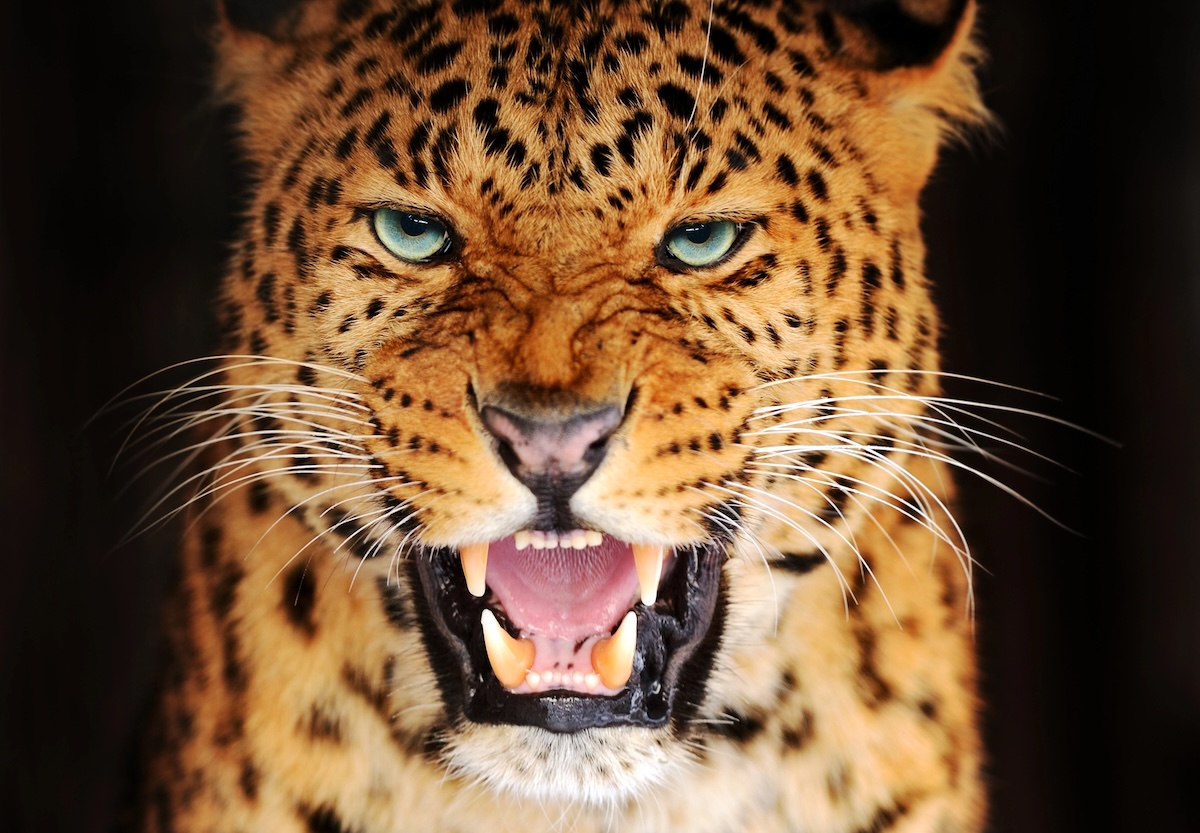 Photo Credit: kyslynskyy on Deposit Photos
In the heart of the Russian Far East, where the rugged mountains meet dense woodlands, the Amur leopard, scientifically known as Panthera pardus orientalis, prowls through its enchanting habitat. With its striking golden coat adorned with dark rosettes, this elusive big cat is a master of camouflage, blending seamlessly into the dappled sunlight filtering through the trees. As it moves with a grace that seems almost otherworldly, the Amur leopard captivates the hearts of scientists and nature enthusiasts alike, not just for its beauty but for its remarkable adaptations that allow it to thrive in one of the harshest environments on Earth.
This magnificent feline is not just a pretty face; it plays a crucial role in its ecosystem as a top predator. With a body built for agility and strength, the Amur leopard can leap up to ten feet in a single bound, making it a formidable hunter. Its keen senses and stealthy approach allow it to stalk prey like deer and smaller mammals, showcasing the delicate balance of life in its forest home. However, the Amur leopard is also a symbol of resilience, facing the challenges of habitat loss and poaching that have led to its critically endangered status. As we delve deeper into the world of the Amur leopard, we will explore its fascinating behaviors, the vital role it plays in its ecosystem, and the ongoing efforts to protect this extraordinary creature from the brink of extinction.
The Amur leopard, a stunning and critically endangered big cat, occupies a special place in the tree of life. Scientifically classified within the kingdom Animalia, this magnificent feline belongs to the phylum Chordata, which includes all animals with a backbone. As a member of the class Mammalia, it shares traits like warm-bloodedness and fur with other mammals. The Amur leopard is part of the order Carnivora, which encompasses meat-eating animals, and it falls under the family Felidae, known for its agile and powerful members. Its genus, Panthera, includes some of the largest and most iconic cats, such as lions and tigers. What sets the Amur leopard apart is not just its striking coat of rosettes and its elusive nature, but also its critical status in the wild, making it a symbol of conservation efforts.
| Taxonomic Rank | Scientific Name | Meaning & Significance |
|---|---|---|
| Kingdom | Animalia | This name signifies that the Amur leopard is part of the vast group of multicellular organisms known as animals, which are distinct from plants and fungi. |
| Phylum | Chordata | Chordata means “having a notochord,” a flexible rod that supports the body, which all vertebrates, including the Amur leopard, possess at some stage of development. |
| Class | Mammalia | Mammalia refers to mammals, characterized by features like fur and the ability to nurse their young with milk, traits that the Amur leopard shares with its fellow felines. |
| Order | Carnivora | Carnivora means “meat-eaters,” highlighting the Amur leopard’s role as a predator in its ecosystem, relying on its keen senses and stealth to hunt. |
| Family | Felidae | Felidae is the family of cats, which includes both big cats like the Amur leopard and smaller species, all known for their sharp retractable claws and keen hunting skills. |
| Genus | Panthera | Panthera is derived from the Greek word for “panther,” a term that encompasses the larger cats, emphasizing the Amur leopard’s strength and grace. |
The classification of the Amur leopard reveals much about its evolutionary journey. As a member of the Panthera genus, it shares a common ancestor with other big cats, which adapted to various environments and hunting strategies over millions of years. This lineage highlights the Amur leopard’s unique adaptations, such as its thick fur for cold climates and its solitary nature, which are crucial for survival in the harsh landscapes of its native habitat in the Russian Far East. Understanding its place in the animal kingdom not only deepens our appreciation for this elusive predator but also underscores the importance of protecting its dwindling population and the ecosystems it inhabits.
The evolutionary journey of the Amur leopard stretches back millions of years, weaving through the complex tapestry of life on Earth. This big cat, a member of the Felidae family, has adapted to its environment in ways that showcase the power of natural selection. The Amur leopard’s ancestors roamed the planet during the Pleistocene epoch, a time marked by dramatic climate changes and the emergence of diverse habitats. As these ancient felines evolved, they developed traits that would help them thrive in the challenging landscapes of eastern Russia and northeastern China.
The Amur leopard’s lineage can be traced back to the common ancestor of all modern cats, which lived around 10 to 15 million years ago. Over time, as the climate shifted and habitats transformed, these early felines branched out into various species. The Amur leopard itself is believed to have diverged from its closest relatives, the snow leopard and the clouded leopard, around 2 to 3 million years ago. This separation allowed the Amur leopard to adapt to the cold, temperate forests and mountainous regions of its current range, developing features that would enhance its survival in these environments.
The adaptations of the Amur leopard have been crucial for its survival in a world that is constantly changing. Its thick fur keeps it warm during harsh winters, while its long legs and strong claws make it an adept hunter in challenging terrains. The beautiful spotted coat not only adds to its allure but also serves a practical purpose, allowing it to blend seamlessly into its forested surroundings. As a solitary hunter, the Amur leopard can effectively manage its territory and resources, ensuring its place in the delicate balance of its ecosystem. These evolutionary traits have helped this magnificent big cat endure the trials of time, even as it faces new challenges today.
The Amur leopard is a breathtaking sight, embodying both grace and power. With a lithe body that can weigh between 25 to 48 kilograms, or 55 to 106 pounds, this big cat is built for agility. Its long legs and flexible spine allow it to leap great distances, making it an expert hunter in its forested habitat. The Amur leopard’s overall appearance is striking, with a sleek silhouette that hints at its stealthy nature.
| Feature | Description |
|---|---|
| Size | Weight ranges from 25 kg to 48 kg (55 lbs to 106 lbs) |
| Color | Golden-yellow fur with dark rosettes and spots |
| Skin Type | Covered in thick, soft hair that provides insulation |
| Body Structure | Long legs and a flexible spine for agility and jumping |
These physical features work together to create a perfect predator. The Amur leopard’s beautiful coat not only provides camouflage among the dappled sunlight filtering through the trees but also keeps it warm in the chilly climates of its native habitat. Its powerful legs enable it to navigate the rugged terrain with ease, while its keen eyesight and acute hearing make it an exceptional hunter. Each characteristic is finely tuned for survival, allowing this elusive feline to thrive in the wild.
The Amur leopard roams the enchanting forests of the Russian Far East, where the landscape is a blend of rugged mountains, dense woodlands, and serene river valleys. This elusive big cat thrives in a habitat that offers both shelter and hunting grounds. The trees, often draped in a cloak of snow during winter, provide perfect cover for stalking prey. The underbrush is rich with life, from small mammals to birds, creating a vibrant ecosystem that supports the Amur leopard’s needs.
The climate in this region is quite varied, with cold winters and warm summers. The Amur leopard is well-suited to endure harsh conditions, including heavy snowfall and freezing temperatures. These big cats prefer areas with a mix of deciduous and coniferous trees, which provide both camouflage and a diverse range of prey. The seasonal changes in this habitat also influence the availability of food, making adaptability crucial for survival.
To thrive in such a challenging environment, the Amur leopard has developed several remarkable adaptations. Its thick, luxurious coat not only keeps it warm during the frigid winters but also helps it blend seamlessly into the dappled light of the forest. The leopard’s keen eyesight and acute hearing allow it to detect prey even in low visibility, while its powerful limbs enable it to climb trees and navigate the rugged terrain with ease. These traits make the Amur leopard a master of its forested domain, showcasing the beauty of nature’s design.
The Amur leopard leads a life that is both solitary and stealthy, filled with daily activities that showcase its incredible adaptability. As the sun rises, this elusive big cat begins its day, often starting with a stretch and a grooming session to keep its beautiful coat in top condition. Afterward, it embarks on a hunt, using its keen senses to stalk prey like roe deer and hares. The leopard is primarily nocturnal, meaning it is most active during the night, when it can take advantage of the darkness to move silently through its forested habitat.
Socially, the Amur leopard is a solitary creature, preferring to live alone rather than in groups. This behavior helps reduce competition for food and territory. While they are not completely antisocial, these leopards do communicate with one another through scent markings and vocalizations, such as growls and roars. During mating season, males and females will come together briefly, but they quickly return to their independent lifestyles. This solitary nature allows them to maintain their territories, which can span up to 800 square kilometers, or about 310 square miles, depending on the availability of prey.
| Behavior Type | Description |
|---|---|
| Activity Patterns | Primarily nocturnal, hunting at night and resting during the day. |
| Social Structure | Solitary, with males and females coming together only for mating. |
| Communication Methods | Uses scent markings and vocalizations like growls and roars to communicate. |
The behaviors of the Amur leopard are finely tuned to ensure its survival in the wild. By being solitary, it minimizes competition for resources, allowing it to thrive in its rugged environment. Its nocturnal habits help it avoid larger predators and human activity, while its keen hunting skills ensure it can find food even in challenging conditions. Each aspect of its daily life is a testament to its resilience and adaptability, making the Amur leopard a true marvel of nature.
The Amur leopard is a carnivore, which means it primarily eats meat. This big cat has a varied diet that includes a range of prey, from deer to smaller mammals. With its keen senses and stealthy approach, the Amur leopard is an expert hunter. It relies on its ability to stalk quietly through the underbrush, using its spotted coat as camouflage to blend into the dappled light of the forest. Once it spots its target, it pounces with incredible speed and agility, making the most of its powerful muscles and sharp claws.
| Dietary Aspect | Details |
|---|---|
| Diet Type | Carnivore |
| Favorite Foods | Deer, cattle, hares, and small mammals |
| Prey Items | Primarily deer, but also includes smaller animals like hares |
| Hunting/Foraging Strategies | Stalking and ambushing prey using stealth and camouflage |
The diet of the Amur leopard plays a crucial role in its ecology and daily routine. By preying on herbivores like deer, it helps maintain the balance of the ecosystem, preventing overgrazing in its forest habitat. This big cat’s hunting habits also dictate its movements and territory, as it needs to roam large areas to find enough food. The Amur leopard’s ability to adapt its hunting strategies to different prey ensures its survival in a challenging environment, making it a vital part of the natural world.
The Amur leopard’s mating behavior is as intriguing as it is essential for the survival of this endangered species. Breeding typically occurs in late winter to early spring, a time when the leopards are more active and vocal. Males will often engage in a series of courtship displays, including vocalizations and scent marking, to attract females. Once a pair has formed, they will mate multiple times over a few days, ensuring the female has a higher chance of becoming pregnant.
| Reproductive Aspect | Details |
|---|---|
| Gestation Period | 90-105 days |
| Average Litter Size | 2-3 |
| Age of Maturity | 2-3 years |
| Name of Young | Cubs |
Once the cubs are born, the mother takes on the vital role of caregiver. She will find a secluded den, often in a hollow tree or rocky crevice, to keep her young safe from predators. The cubs are born blind and rely entirely on their mother for warmth and nourishment. As they grow, the mother teaches them essential survival skills, such as hunting and climbing. By the time they reach 2 to 3 years of age, the cubs are ready to venture out on their own, equipped with the knowledge and instincts needed to thrive in the wild. This nurturing process is crucial, as it helps ensure the future of the Amur leopard population in their natural habitat.
The Amur leopard, a top predator in its ecosystem, plays a crucial role in maintaining the balance of its habitat. As a carnivore, it helps control the populations of its prey, which includes deer and smaller mammals. This big cat is not only a symbol of strength but also a vital part of the food web, where every creature, from the smallest insect to the largest predator, is interconnected.
To survive against these threats, the Amur leopard has developed several defensive behaviors. Its incredible stealth allows it to blend into the forest, making it hard for both predators and humans to spot. This big cat is also known for its agility, enabling it to escape quickly if danger approaches. By being primarily nocturnal, it hunts and moves under the cover of darkness, reducing the risk of encounters with threats. These strategies, combined with its keen senses, help the Amur leopard navigate the challenges of its environment, ensuring its survival in a world that is increasingly hostile.
A keystone species is an organism that has a disproportionately large impact on its environment relative to its abundance. In simpler terms, if you remove a keystone species, the entire ecosystem can change dramatically. The Amur leopard qualifies as a keystone species due to its role as a top predator in the forests of the Russian Far East. By controlling the populations of its prey, this magnificent big cat helps maintain the balance of its ecosystem.
The Amur leopard’s presence influences the dynamics of its habitat in several ways. As a carnivore, it primarily preys on animals like roe deer and sika deer. By keeping these herbivore populations in check, the leopard prevents overgrazing, which can lead to habitat degradation. When deer numbers are too high, they can strip vegetation, affecting not only the plants but also the many other species that rely on those plants for food and shelter.
Moreover, the Amur leopard’s hunting habits create opportunities for scavengers. When it leaves behind remains of its kills, smaller animals like foxes and birds of prey benefit from this food source. This interaction highlights the interconnectedness of species within the ecosystem. The leopard also helps maintain genetic diversity among prey populations by targeting the weaker individuals, which can lead to healthier herds over time.
If the Amur leopard were to disappear, the consequences would ripple through its ecosystem. Without this top predator, deer populations could explode, leading to overgrazing and a decline in plant diversity. This, in turn, would affect other animals that depend on those plants for survival. The delicate balance of the forest would be disrupted, potentially leading to a less resilient ecosystem. The loss of the Amur leopard would not only diminish the beauty of the landscape but also threaten the survival of many other species that share its home.
The Amur leopard occupies a vital ecological niche in the forests of the Russian Far East. As a top predator, this magnificent big cat plays a crucial role in maintaining the balance of its ecosystem. By controlling the populations of herbivores, such as deer, the Amur leopard helps ensure that vegetation remains healthy and diverse. This balance is essential for the overall health of the forest, as it allows various plant species to thrive, which in turn supports a wide range of other wildlife.
| Ecosystem Service | Impact |
|---|---|
| Population Control | Regulates herbivore numbers, preventing overgrazing. |
| Habitat Maintenance | Encourages plant diversity by allowing various species to flourish. |
| Food Web Stability | Supports a balanced food web by being a key predator. |
| Seed Dispersal | Indirectly aids in plant reproduction through prey movement. |
The influence of the Amur leopard extends beyond just its immediate hunting activities. For instance, by preying on deer, it prevents these animals from overpopulating and consuming too much vegetation. This allows young trees and shrubs to grow, which provides shelter and food for countless other species. Additionally, the presence of the Amur leopard can create a ripple effect throughout the ecosystem, as other animals adapt their behaviors in response to this powerful predator. This dynamic interaction showcases the interconnectedness of life in the forest.
The broader ecological importance of the Amur leopard cannot be overstated. As a keystone species, its presence is essential for the health of its habitat. When the Amur leopard thrives, it indicates a well-functioning ecosystem, rich in biodiversity. Protecting this incredible big cat not only helps preserve its own species but also safeguards the intricate web of life that depends on the balance it maintains. In essence, the Amur leopard is not just a beautiful animal; it is a guardian of its forest home, ensuring that the natural world continues to flourish.
In the intricate web of life, symbiosis refers to the close and often long-term interactions between different species. These relationships can take many forms, including mutualism, where both species benefit, commensalism, where one benefits while the other is neither helped nor harmed, and parasitism, where one species benefits at the expense of another. The Amur leopard, a majestic and critically endangered big cat, engages in various ecological relationships that highlight the interconnectedness of life in its forest habitat.
| Species/Type | Relationship Type | Description |
|---|---|---|
| Red deer | Mutualistic | The presence of red deer helps maintain the health of the forest ecosystem, which in turn provides the Amur leopard with a reliable food source. |
| Birds (e.g., woodpeckers) | Commensal | Woodpeckers may nest in trees that leopards use for hunting, benefiting from the shelter without affecting the leopards. |
| Ticks | Parasitic | Ticks feed on the blood of the Amur leopard, which can weaken the leopard and potentially transmit diseases. |
The evolution of these relationships is a testament to nature’s adaptability and resilience. Over time, species like the Amur leopard have developed these connections to thrive in their environments. Mutualistic relationships, such as those with red deer, enhance the survival of both species, while commensal interactions with birds provide shelter without any cost to the leopard. However, parasitic relationships, like those with ticks, remind us that not all interactions are beneficial. Understanding these dynamics helps us appreciate the delicate balance of ecosystems and the importance of conserving species like the Amur leopard, which plays a crucial role in maintaining the health of its forest home.
The Amur leopard is not just another big cat; it is a symbol of resilience and beauty in the wild. This critically endangered species has some surprising traits that make it truly special.
The Amur leopard has long captured the imagination of people living in its native regions, particularly in Russia and China. Historically, these magnificent cats have been woven into local folklore and cultural narratives, often symbolizing strength and beauty. In ancient times, the Amur leopard was revered for its elusive nature and striking appearance, inspiring art and stories that celebrated its grace. As humans began to encroach on their habitats, the relationship between the Amur leopard and humanity became more complex, marked by both admiration and conflict.
Today, the interactions between Amur leopards and humans are shaped by conservation efforts and ongoing challenges. As this species faces the threat of extinction, various organizations and governments are working tirelessly to protect their habitats and ensure their survival. However, conflicts arise when leopards venture into agricultural areas in search of food, leading to tensions with local farmers. While domestication is not a concern for this wild cat, the need for coexistence is crucial. Efforts to educate communities about the importance of preserving the Amur leopard and its role in the ecosystem are vital for fostering a harmonious relationship.
Looking ahead, the future of the Amur leopard and its relationship with humanity hinges on our ability to adapt and find common ground. As awareness grows about the importance of biodiversity and the role of apex predators in maintaining healthy ecosystems, there is hope for a more positive coexistence. By prioritizing conservation and fostering respect for these incredible animals, we can ensure that the Amur leopard continues to roam the forests of the Russian Far East, a symbol of nature’s resilience and beauty for generations to come.
The Amur leopard is currently classified as critically endangered, with its population dwindling to a mere 103 individuals as of 2018. This striking big cat, once roaming more widely across its native habitat, now faces significant challenges that threaten its survival. The population trend is concerning, as the numbers have not shown a significant increase, highlighting the urgent need for conservation efforts to protect this majestic species.
| Conservation Factor | Status/Details |
|---|---|
| IUCN Status | Critically Endangered |
| Estimated Population Size | 103 (as of 2018) |
| Population Trend | Stable but critically low |
The main threats to the Amur leopard stem from habitat loss, poaching, and prey depletion. As forests are cleared for agriculture and urban development, these leopards lose their homes and hunting grounds. Poaching, driven by the illegal wildlife trade, poses a direct threat to their survival, as leopards are hunted for their beautiful fur and body parts. Additionally, the decline of their prey species, such as roe deer and sika deer, further complicates their ability to thrive in the wild.
Despite these challenges, there is hope for the Amur leopard thanks to ongoing conservation efforts. Organizations and governments are working together to protect their habitats and enforce anti-poaching laws. Protected areas have been established, providing safe havens for these leopards to roam and reproduce. With continued dedication and support, there is a chance that the Amur leopard can recover and once again flourish in its native forests, serving as a symbol of resilience in the face of adversity.
| Question | Answer |
|---|---|
| What is the habitat of the Amur Leopard? | The Amur Leopard primarily lives in temperate forests, which are characterized by four distinct seasons. These forests provide the leopards with plenty of cover and hunting opportunities, as they are rich in prey like roe deer and hares. |
| What does the Amur Leopard eat? | As a carnivore, the Amur Leopard mainly hunts for meat. Its diet includes animals such as roe deer, sika deer, and small mammals, which it stalks and ambushes using its incredible stealth and agility. |
| How does the Amur Leopard behave in the wild? | Amur Leopards are solitary animals, meaning they prefer to live and hunt alone. They are also nocturnal, which means they are most active at night, using the cover of darkness to hunt and avoid detection. |
| How do Amur Leopards reproduce? | Amur Leopards typically mate in winter, and after a gestation period of about 90 to 105 days, the female gives birth to a litter of two to four cubs. The cubs are born blind and rely on their mother for food and protection during their early months. |
| What are the main threats to the Amur Leopard? | The Amur Leopard is critically endangered, primarily due to habitat loss and poaching. Deforestation for agriculture and urban development reduces their living space, while illegal hunting targets both the leopards and their prey. |
| What are some interesting characteristics of the Amur Leopard? | One fascinating feature of the Amur Leopard is its beautiful, thick coat, which helps it survive in cold climates. The coat is covered in rosettes, which are unique patterns that provide excellent camouflage in the forest. |
| How many Amur Leopards are left in the wild? | As of recent estimates, there are only about 100 Amur Leopards left in the wild. Conservation efforts are underway to protect their habitat and increase their population, but they remain one of the world's most endangered big cats. |