Taxonomy & Classification
- Kingdom
- Animalia
- Phylum
- Chordata
- Class
- Mammalia
- Order
- Carnivora
- Family
- Canidae
- Genus
- Canis
- Species
- Canis lupus

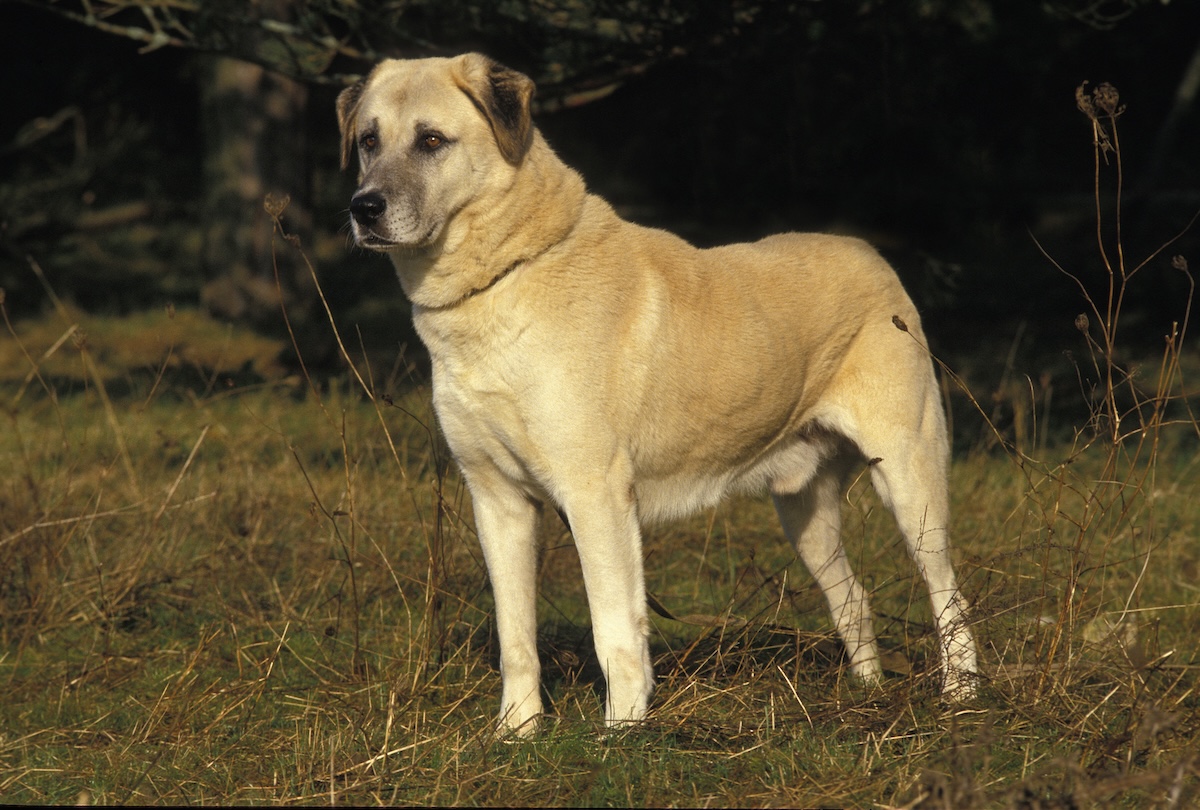 Photo Credit: slowmotiongli on Deposit Photos
In the sun-drenched hills of Anatolia, Turkey, the Anatolian Shepherd Dog, scientifically known as Canis lupus familiaris, stands as a proud sentinel over its flock. With its powerful build and keen gaze, this remarkable breed embodies the spirit of the rugged landscape it calls home. Picture a vast expanse of rolling hills dotted with sheep, where the Anatolian Shepherd patrols with a calm confidence, ready to protect its charges from any lurking danger. Its thick, weather-resistant coat, often a blend of cream, fawn, or brindle, allows it to thrive in the diverse climates of its native region, making it a true marvel of adaptation.
What captivates both scientists and nature enthusiasts alike about the Anatolian Shepherd Dog is not just its impressive stature, reaching heights of up to 29 inches, but also its deep-rooted instincts as a guardian. This breed has been by the side of shepherds for thousands of years, forming a bond that is as much about companionship as it is about protection. With a natural ability to assess threats and a fierce loyalty to its flock, the Anatolian Shepherd plays a crucial role in maintaining the balance of its ecosystem. As we delve deeper into the world of this extraordinary dog, we will explore its history, behavior, and the vital role it plays in the landscapes of Turkey, revealing why it remains a beloved guardian and companion to this day.
The Anatolian Shepherd Dog is a captivating member of the animal kingdom, nestled within the vast tree of life. This breed belongs to the family Canidae, which includes all dogs, wolves, foxes, and other canids. What sets the Anatolian Shepherd apart is its impressive history as a livestock guardian, developed over thousands of years in the rugged landscapes of Turkey. With its strong build and keen instincts, this dog has been a protector of flocks against predators, showcasing a unique blend of loyalty and independence that is essential for its role.
| Taxonomic Rank | Scientific Name | Meaning & Significance |
|---|---|---|
| Kingdom | Animalia | This term means “animals” in Latin, highlighting the broad category of multicellular organisms that are primarily heterotrophic, meaning they consume organic material for energy. |
| Phylum | Chordata | Derived from the Latin word “chorda,” meaning “string,” this classification includes animals with a notochord, a flexible rod that supports the body, which in vertebrates becomes the backbone. |
| Class | Mammalia | This class name comes from the Latin “mamma,” meaning “breast,” referring to the characteristic of mammals to nurse their young with milk produced by mammary glands. |
| Order | Carnivora | From the Latin “carnivorus,” meaning “meat-eating,” this order includes animals that primarily consume meat, although some members, like bears, have varied diets. |
| Family | Canidae | This family name comes from the Latin “canis,” meaning “dog.” It encompasses all dog-like mammals, emphasizing their shared ancestry and traits. |
| Genus | Canis | Also derived from the Latin word for “dog,” this genus includes domestic dogs, wolves, and other closely related species, highlighting their evolutionary connections. |
Understanding the taxonomic classification of the Anatolian Shepherd Dog reveals much about its evolutionary journey. As a member of the Canidae family, it shares a common ancestor with wolves and other canids, showcasing traits that have been honed through natural selection. Its role as a guardian dog reflects adaptations that have developed over time, allowing it to thrive in challenging environments. This classification not only highlights its physical characteristics but also underscores the deep bond between humans and dogs, shaped by thousands of years of companionship and collaboration.
The story of the Anatolian Shepherd Dog begins thousands of years ago, tracing back to the rugged landscapes of Anatolia, in modern-day Turkey. This breed’s evolutionary journey is intertwined with the rise of agriculture and the domestication of animals, marking a significant transition in human history. As people began to settle and farm, they needed reliable guardians for their livestock, leading to the development of this remarkable breed.
Anatolian Shepherd Dogs are descendants of ancient herding dogs that roamed the region alongside nomadic tribes. These early canines were bred for their ability to protect flocks from predators, such as wolves and bears. Over time, selective breeding emphasized traits like size, strength, and loyalty, resulting in the robust and courageous Anatolian Shepherd we know today. Their ancestors were likely larger and more wolf-like, but as they adapted to their roles as protectors, they developed a more muscular build and a keen intelligence that made them excellent guardians.
The adaptations of the Anatolian Shepherd Dog have been crucial for their survival in the challenging environments they inhabit. Their size and strength enable them to fend off large predators, while their thick double coat protects them from extreme weather conditions. The strong instincts and independence they possess allow them to work effectively without constant supervision, making them invaluable to shepherds. As a result, these dogs have not only survived but thrived, becoming a vital part of the agricultural landscape in Turkey and beyond.
The Anatolian Shepherd Dog is an impressive sight, standing tall and proud with a commanding presence. With a height ranging from 27 to 29 inches at the shoulder, this breed exudes strength and confidence. Its robust body is muscular yet agile, designed for both protection and endurance. The broad head, with its strong jaws and intelligent eyes, gives it a wise and watchful expression. This dog is built to thrive in the rugged terrains of its homeland, showcasing a blend of power and grace that is truly captivating.
| Feature | Description |
|---|---|
| Height | 27-29 inches |
| Weight | 80-150 pounds |
| Skin Type | Hair |
The Anatolian Shepherd’s physical features are not just for show; they serve vital purposes in its role as a guardian. The thick, protective coat of hair helps shield it from harsh weather conditions, while its powerful build allows it to defend livestock against predators. The breed’s height gives it a vantage point to survey its surroundings, ensuring that it can spot potential threats from afar. Together, these characteristics create a formidable protector, perfectly adapted to the challenges of its environment.
The Anatolian Shepherd Dog calls the vast and diverse landscapes of Turkey its home. This breed thrives in the rugged terrains of Anatolia, where rolling hills, rocky outcrops, and expansive plains create a picturesque backdrop. The region is dotted with ancient ruins and small villages, giving it a rich cultural history. Here, the Anatolian Shepherd has been a loyal guardian of livestock, watching over sheep and goats as they graze in the open fields.
The climate in Anatolia varies widely, with hot, dry summers and cold, snowy winters. This breed is well-suited to endure these extremes, as it requires a climate that allows for both warmth and coolness. The Anatolian Shepherd thrives in open spaces where it can patrol and protect, making the semi-arid conditions of its homeland ideal. The diverse environment, from mountainous regions to flat plains, provides the perfect setting for this vigilant guardian.
Over generations, the Anatolian Shepherd Dog has adapted beautifully to its environment. Its thick double coat protects it from harsh weather, keeping it warm in winter and cool in summer. This breed is also known for its strong instincts and intelligence, allowing it to navigate the varied terrains of Anatolia with ease. With a natural ability to guard and herd, the Anatolian Shepherd has become an integral part of the pastoral lifestyle in Turkey, showcasing its remarkable adaptability to both the land and the tasks it undertakes.
The daily life of an Anatolian Shepherd Dog is a blend of vigilance, playfulness, and strong instincts. These dogs are known for their role as livestock guardians, so their day often begins with a thorough patrol of their territory. They are naturally alert and watchful, scanning their surroundings for any signs of potential threats. After their morning rounds, they may engage in playful interactions with their human companions or other animals, showcasing their affectionate side. As the day progresses, they balance their time between resting and remaining on guard, always ready to spring into action if needed.
Social behavior is a key aspect of the Anatolian Shepherd’s life. These dogs are known for their loyalty and protective nature, forming strong bonds with their families and livestock. They thrive in a social structure that includes both humans and other animals, often taking on a leadership role within their group. Communication is vital for them; they use a variety of vocalizations, body language, and even facial expressions to convey their feelings and intentions. This social dynamic helps them work effectively as a team, whether they are guarding sheep or simply enjoying the company of their loved ones.
| Behavior Type | Description |
|---|---|
| Activity Patterns | Anatolian Shepherds are active during the day, alternating between patrolling their territory and resting. They require regular exercise to stay healthy and happy. |
| Social Structure | These dogs often form strong bonds with their human families and livestock, establishing a hierarchy where they take on protective roles. |
| Communication Methods | They communicate through barks, growls, and body language, using these signals to express their needs and alert others to potential dangers. |
The behaviors of the Anatolian Shepherd Dog are not just fascinating; they are essential for their survival. Their keen instincts and protective nature ensure that they can guard livestock effectively, while their social skills help them maintain strong relationships within their group. This combination of vigilance and companionship allows them to thrive in their environment, making them invaluable partners for farmers and families alike.
The Anatolian Shepherd Dog has a varied diet that reflects its omnivorous nature, meaning it eats both plants and animals. This breed is known for its adaptability, allowing it to thrive in diverse environments. While primarily a guardian of livestock, it also forages for food, which can include grains, fruits, and vegetables, alongside the occasional small animal. This flexibility in diet helps the Anatolian Shepherd maintain its energy levels and health, especially during long hours spent patrolling its territory.
| Dietary Aspect | Details |
|---|---|
| Diet Type | Omnivore |
| Favorite Foods | Grains, fruits, vegetables, and small animals |
| Prey Items | Small mammals, birds, and sometimes insects |
| Hunting/Foraging Strategies | Patrolling territory, scavenging, and opportunistic hunting |
The diet of the Anatolian Shepherd Dog plays a crucial role in shaping its ecology and daily routine. By consuming a mix of plant and animal matter, these dogs help maintain the balance of their environment, ensuring that both livestock and local wildlife can thrive. Their foraging habits also keep them active and engaged, allowing them to fulfill their instinctual roles as protectors and guardians. This connection to their diet not only supports their health but also reinforces their importance in the ecosystems they inhabit.
The mating behavior of the Anatolian Shepherd Dog is a fascinating aspect of their life cycle. These dogs typically breed once a year, with the breeding season often occurring in the spring. During this time, females go into heat, a period when they are receptive to mating. Males are drawn to the scent of a female in heat, and they may display various behaviors, such as marking territory and showing increased interest in the female. This natural instinct ensures the continuation of their lineage, as the strongest and healthiest individuals are more likely to mate.
| Reproductive Aspect | Details |
|---|---|
| Gestation Period | Approximately 63 days |
| Litter Size | Average of 9 puppies |
| Age of Maturity | About 1 to 2 years |
| Name of Young | Puppies |
Once the puppies are born, the Anatolian Shepherd Dog exhibits strong parental care. The mother is highly attentive, nursing her young and keeping them warm and safe. As the puppies grow, they begin to explore their surroundings, developing their social skills and learning important behaviors from their mother. This nurturing phase is crucial, as it helps the puppies become well-adjusted adults. By the time they reach maturity, usually around one to two years of age, they are ready to take on the world, equipped with the instincts and skills necessary to thrive in their environment.
The Anatolian Shepherd Dog holds a significant position in the food web as a guardian of livestock, primarily in its native Turkey. While it is not a predator in the traditional sense, this breed plays a crucial role in protecting sheep and goats from various threats. Its size and strength allow it to deter many potential predators, but it must still be vigilant against those that pose a danger to its charges.
To survive in the wild, the Anatolian Shepherd Dog employs a range of defensive behaviors. Its natural instincts drive it to bark loudly and assertively, warning off intruders. When faced with a threat, this breed can be surprisingly agile and quick, using its size to intimidate potential predators. Additionally, its strong bond with the livestock it protects enhances its determination to defend them, making it a formidable guardian in the face of danger.
A keystone species is an organism that plays a critical role in maintaining the structure of an ecosystem. Its presence and activities significantly influence the environment and the other species that inhabit it. The Anatolian Shepherd Dog, while primarily known as a livestock guardian, does not fit the traditional definition of a keystone species. However, it does have an important ecological impact, particularly in the regions where it is utilized for protecting livestock.
The Anatolian Shepherd Dog helps maintain the balance of its ecosystem by controlling predator populations. By guarding sheep and goats, these dogs deter predators like wolves and coyotes from attacking livestock. This not only protects the farmers’ livelihoods but also helps keep the predator populations in check. When these dogs are present, they create a safer environment for both livestock and the natural predators, allowing for a more balanced ecosystem.
Additionally, the presence of Anatolian Shepherd Dogs can influence the behavior of herbivores. When livestock feel secure, they graze more freely, which can help manage vegetation growth. This grazing can prevent overgrowth, allowing a variety of plant species to thrive. A diverse plant community supports a wider range of insects and other wildlife, contributing to overall biodiversity in the area.
If the Anatolian Shepherd Dog were to disappear from its ecosystem, the consequences could be significant. Without these vigilant guardians, livestock would be more vulnerable to predation, leading to increased losses for farmers. This could result in a decline in livestock populations, which would not only affect the farmers’ livelihoods but also disrupt the balance of the ecosystem. Predators might overpopulate without the dogs to keep them in check, leading to further ecological imbalances. In essence, the absence of the Anatolian Shepherd Dog could ripple through the ecosystem, affecting many species and the health of the environment itself.
The Anatolian Shepherd Dog plays a vital role in its ecosystem, particularly in the rugged landscapes of Turkey. As a livestock guardian, this breed helps maintain the balance between wild predators and domesticated animals. By protecting sheep and goats from threats like wolves and bears, the Anatolian Shepherd Dog ensures that farmers can raise their livestock safely. This relationship not only supports agricultural practices but also contributes to the overall health of the ecosystem by regulating animal populations.
| Ecosystem Service | Impact |
|---|---|
| Livestock Protection | Reduces predation on farm animals, supporting local agriculture. |
| Population Control | Helps maintain balance between wild predators and prey species. |
| Habitat Maintenance | Encourages biodiversity by allowing various species to thrive in a safer environment. |
| Human-Wildlife Conflict Mitigation | Reduces conflicts between farmers and wild animals, promoting coexistence. |
The influence of the Anatolian Shepherd Dog extends beyond mere protection. For instance, by keeping livestock safe, these dogs allow farmers to maintain healthy herds, which in turn supports the local economy. When livestock populations are stable, the surrounding vegetation benefits as well, since overgrazing is minimized. Additionally, the presence of these dogs can deter larger predators from encroaching on farmland, allowing wildlife to flourish in their natural habitats without fear of human interference.
The broader ecological importance of the Anatolian Shepherd Dog cannot be overstated. As a keystone species, its role in protecting livestock and managing predator populations helps sustain the delicate balance of the ecosystem. By fostering a harmonious relationship between humans and wildlife, these dogs contribute to the preservation of biodiversity. In essence, the Anatolian Shepherd Dog is not just a guardian of livestock; it is a guardian of the ecosystem itself, ensuring that both agricultural and natural landscapes can thrive together.
In the intricate web of life, symbiosis refers to the close and often long-term interactions between different species. These relationships can take many forms, including mutualism, where both species benefit, commensalism, where one benefits while the other is neither helped nor harmed, and parasitism, where one species benefits at the expense of another. The Anatolian Shepherd Dog, a remarkable breed known for its protective instincts, engages in various ecological relationships that highlight the interconnectedness of life on Earth.
| Species/Type | Relationship Type | Description |
|---|---|---|
| Livestock (sheep, goats) | Mutualistic | The Anatolian Shepherd Dog protects livestock from predators, ensuring their safety while receiving food and companionship in return. |
| Wild predators (wolves, foxes) | Commensal | While the Anatolian Shepherd Dog may compete with wild predators for resources, it also helps keep their populations in check, benefiting the ecosystem. |
| Humans | Mutualistic | Humans provide care and shelter for the Anatolian Shepherd Dog, while the dog offers protection and assistance in managing livestock. |
The evolution of these relationships has been shaped by the needs and behaviors of the species involved. The Anatolian Shepherd Dog has developed a strong bond with livestock, which has led to a mutually beneficial partnership that enhances survival for both. As these dogs guard their flocks, they also help maintain the balance of their ecosystems by managing predator populations and supporting human agricultural practices. This dynamic interplay showcases the beauty of nature’s design, where cooperation and coexistence are essential for thriving communities.
The Anatolian Shepherd Dog is a fascinating breed with a rich history and unique traits that make it stand out in the canine world. Known for its impressive size and protective instincts, this dog has been a loyal guardian of livestock for centuries. Here are some surprising facts that will intrigue nature enthusiasts of all ages.
<liThese dogs have a strong protective instinct, which is deeply rooted in their history as livestock guardians. They are known to form close bonds with the animals they protect, often considering them part of their family, and will fiercely defend them against potential threats.
<liThe Anatolian Shepherd Dog is recognized for its impressive strength and agility, which are essential traits for a guardian. They can run at speeds of up to 30 miles per hour, allowing them to quickly respond to any danger that may arise in their territory.
<liInterestingly, this breed has been used in various conservation efforts, particularly in protecting endangered species from predators. Their presence can help maintain the balance of ecosystems by deterring larger predators, thus allowing vulnerable species to thrive.
<liThe Anatolian Shepherd Dog has a long lifespan for a large breed, typically living between 10 to 15 years. This longevity is partly due to their robust health and the active lifestyle they lead, which keeps them fit and strong throughout their lives.
The bond between the Anatolian Shepherd Dog and humanity stretches back thousands of years, rooted in the ancient landscapes of Anatolia, now part of modern Turkey. These remarkable dogs were bred by nomadic tribes to protect livestock from predators, such as wolves and bears. Their loyalty and protective instincts made them invaluable companions to shepherds, who relied on them for the safety of their herds. Over time, the Anatolian Shepherd Dog became a symbol of strength and resilience, deeply woven into the cultural fabric of the region. Their presence in folklore and art highlights the respect and admiration humans have for these noble guardians.
Today, the relationship between Anatolian Shepherd Dogs and people continues to evolve. In many rural areas, these dogs are still employed as livestock guardians, showcasing their natural instincts and training. However, as human activities encroach on wildlife habitats, conflicts can arise. Farmers may face challenges when these dogs confront wild animals, leading to a delicate balance between conservation efforts and agricultural needs. Domestication has also transformed their roles, with some Anatolian Shepherds becoming beloved family pets, while still retaining their protective nature. This adaptability allows them to thrive in various environments, from farms to suburban homes.
As we look to the future, the relationship between Anatolian Shepherd Dogs and humans holds great promise. With increasing awareness of animal welfare and conservation, these dogs may find new roles that honor their heritage while adapting to modern needs. Education about their importance in ecosystems can foster a deeper appreciation for their contributions. By nurturing this bond, we can ensure that the Anatolian Shepherd Dog continues to thrive alongside humanity, enriching our lives with their loyalty and strength for generations to come.
The conservation status of the Anatolian Shepherd Dog is currently not listed by the International Union for Conservation of Nature (IUCN). This breed, while not facing immediate threats to its existence, is experiencing shifts in population trends due to changes in agricultural practices and the increasing use of modern technology in livestock management. As a result, the number of these dogs may fluctuate, but they remain a valued part of their native culture and agricultural systems.
| Conservation Factor | Status/Details |
|---|---|
| IUCN Status | Not Listed |
| Population Estimates | Not precisely quantified, but generally stable in Turkey |
| Trend Direction | Fluctuating, influenced by agricultural changes |
Despite their stable status, the Anatolian Shepherd Dog faces several challenges. One of the main threats is the decline in traditional livestock farming, which reduces the demand for these dogs as guardians. As farmers adopt modern methods, such as fencing and electronic deterrents, the role of the Anatolian Shepherd may diminish. Additionally, urbanization and habitat loss can lead to fewer opportunities for these dogs to thrive in their natural environments.
Conservation efforts for the Anatolian Shepherd Dog focus on raising awareness about the breed’s importance in agriculture and its cultural significance. Organizations and breeders are working to promote responsible breeding practices to maintain the breed’s health and working abilities. The outlook for the Anatolian Shepherd Dog remains cautiously optimistic, as long as there is a commitment to preserving the traditional roles these dogs play in their communities. With continued support, this noble breed can continue to thrive alongside the people who depend on them.
| Question | Answer |
|---|---|
| What is the habitat of the Anatolian Shepherd Dog? | The Anatolian Shepherd Dog is a Turkish breed, originally developed in the Anatolian region of Turkey. These dogs are well-suited to rural and open environments where they can roam and protect livestock. |
| What do Anatolian Shepherd Dogs eat? | Anatolian Shepherd Dogs are omnivores, which means they eat both plant and animal-based foods. A balanced diet typically includes high-quality dog food, meat, vegetables, and grains to ensure they get all the nutrients they need. |
| What is the behavior of the Anatolian Shepherd Dog? | Anatolian Shepherd Dogs are known for their loyalty and protective instincts. They are independent thinkers, which can make training a bit challenging, but they are also very affectionate with their families. |
| How do Anatolian Shepherd Dogs reproduce? | Like all dogs, Anatolian Shepherds reproduce through mating between a male and a female. The female typically goes into heat twice a year, and after a gestation period of about 63 days, she gives birth to a litter of puppies, usually ranging from 5 to 10. |
| What threats do Anatolian Shepherd Dogs face? | While the Anatolian Shepherd Dog is not currently listed as endangered, they can face threats from habitat loss and overbreeding. Additionally, improper training or socialization can lead to behavioral issues, making them less suited for family life. |
| What are some interesting characteristics of the Anatolian Shepherd Dog? | One fascinating characteristic of the Anatolian Shepherd is their impressive size and strength, which makes them excellent guardians for livestock. They also have a unique double coat that helps them adapt to various climates, keeping them warm in winter and cool in summer. |
| Are Anatolian Shepherd Dogs good with children? | Anatolian Shepherd Dogs can be good with children, especially if they are raised with them. Their protective nature means they often watch over kids, but it's important to supervise interactions to ensure both the dog and children feel safe and comfortable. |