Taxonomy & Classification
- Kingdom
- Animalia
- Phylum
- Chordata
- Class
- Chondrichthyes
- Order
- Squatiniformes
- Family
- Squatinidae
- Genus
- Squatina
- Species
- Squatina squatina

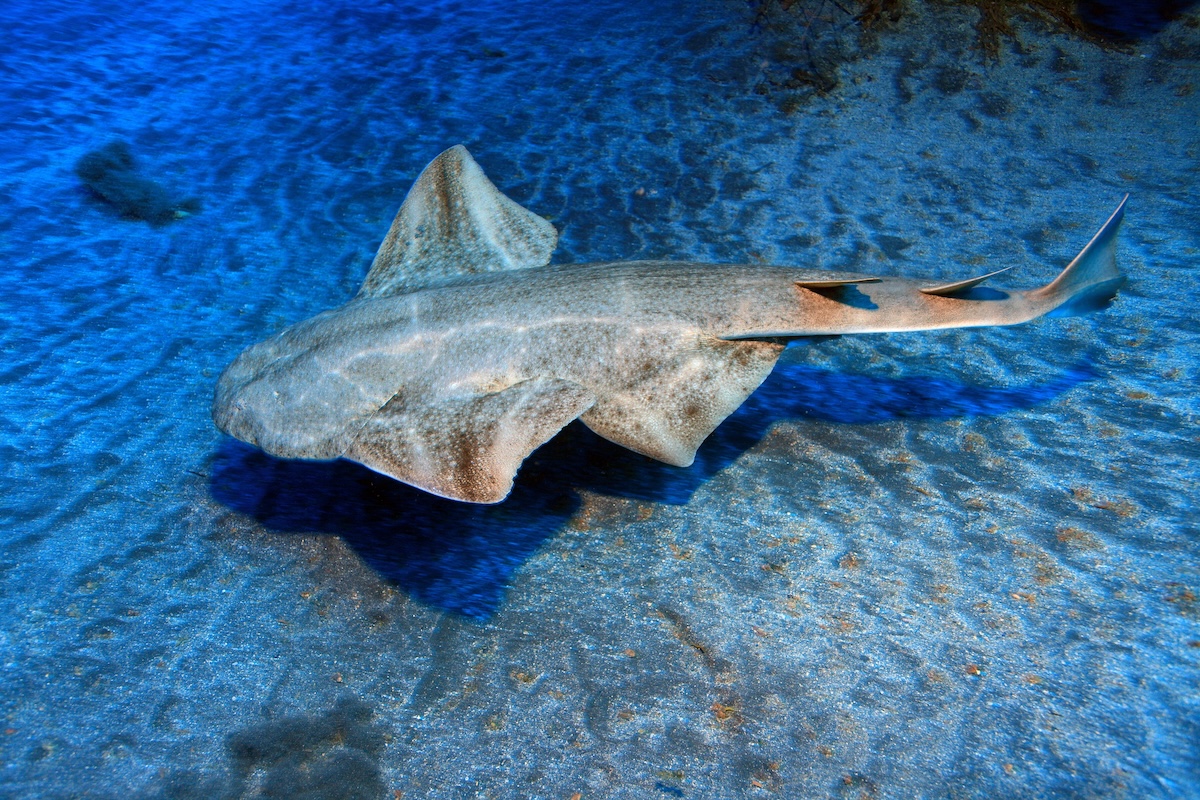 Photo Credit: aquanaut on Deposit Photos
In the sun-dappled shallows of the ocean, the Angelshark, scientifically known as Squatina squatina, glides gracefully along the sandy seabed. With its flattened body and wide, wing-like pectoral fins, this remarkable fish resembles an angel floating through the water, perfectly adapted to its environment. Its unique shape allows it to blend seamlessly with the ocean floor, making it a master of camouflage. This ability not only helps it evade predators but also positions it as a stealthy hunter, waiting patiently for unsuspecting prey to swim by.
The Angelshark’s fascinating lifestyle captivates both scientists and nature enthusiasts alike. As a bottom-dwelling predator, it plays a crucial role in maintaining the balance of marine ecosystems. Its diet consists of a variety of fish, crustaceans, and mollusks, showcasing its adaptability in the ever-changing ocean environment. However, despite its intriguing adaptations and vital ecological role, the Angelshark faces significant threats, leading to its classification as Critically Endangered. As we dive deeper into the world of the Angelshark, we will explore its behaviors, habitat, and the urgent conservation efforts needed to protect this extraordinary species.
The Angelshark, a captivating member of the animal kingdom, occupies a special place in the tree of life. This remarkable fish belongs to the class Chondrichthyes, which includes all cartilaginous fish like sharks and rays. What sets the Angelshark apart is its flattened body and broad pectoral fins, giving it a striking resemblance to a ray. This unique shape allows it to blend seamlessly into the ocean floor, making it an expert ambush predator. With its intriguing appearance and behavior, the Angelshark is a true marvel of evolution.
| Taxonomic Rank | Scientific Name | Meaning & Significance |
|---|---|---|
| Kingdom | Animalia | This name signifies that Angelsharks are part of the vast group of multicellular organisms known as animals, which are characterized by their ability to move and respond to their environment. |
| Phylum | Chordata | Chordata means “having a notochord,” a flexible rod that supports the body. In Angelsharks, this structure is present during their early development, linking them to all vertebrates, including humans. |
| Class | Chondrichthyes | This term translates to “cartilage fish,” highlighting that Angelsharks, like all members of this class, have skeletons made of cartilage instead of bone, making them lighter and more flexible. |
| Order | Squatiniformes | Squatiniformes means “flattened shape,” which perfectly describes the Angelshark’s body, adapted for life on the seafloor. |
| Family | Squatinidae | This family name is derived from the genus name, Squatina, and emphasizes the close relationship among the various species of Angelsharks. |
| Genus | Squatina | Squatina comes from the Latin word for “flat,” again referring to the Angelshark’s distinctive body shape that aids in its camouflage and hunting strategy. |
Understanding the Angelshark’s classification reveals much about its evolutionary journey. As a member of Chondrichthyes, it shares a lineage with some of the oldest fish on Earth, dating back over 400 million years. The unique adaptations of the Angelshark, such as its flattened body and ambush hunting style, showcase how evolution has shaped its survival strategies in a complex marine ecosystem. This fascinating creature not only highlights the diversity of life in our oceans but also serves as a reminder of the intricate connections that bind all living beings through their shared ancestry.
The evolutionary journey of the Angelshark stretches back millions of years, tracing its lineage to ancient marine environments. These fascinating fish belong to the family Squatinidae and the genus Squatina, with their ancestors appearing during the Late Cretaceous period, around 100 million years ago. This timeline places them among some of the earliest cartilaginous fish, sharing the seas with the mighty dinosaurs.
Angelsharks evolved from primitive elasmobranchs, a group that includes sharks and rays. Over time, they developed a flattened body shape, which allows them to blend seamlessly into the ocean floor. This adaptation is crucial for ambush hunting, as they lie in wait for unsuspecting prey. Their unique appearance, with wide pectoral fins resembling wings, has also helped them navigate their environment more effectively. As they adapted to various marine habitats, Angelsharks became specialized hunters, honing their skills to thrive in diverse ecosystems.
These evolutionary adaptations have played a vital role in the survival of Angelsharks. Their ability to blend into their surroundings not only protects them from predators but also enhances their hunting success. With powerful jaws and keen senses, they can efficiently capture a wide range of prey, ensuring they thrive in their underwater habitats. As they continue to navigate the challenges of their environment, the Angelshark remains a testament to the wonders of evolution and the intricate balance of marine life.
The Angelshark presents a striking silhouette that captures the imagination. With its flattened body and wide, wing-like pectoral fins, it resembles a graceful underwater angel gliding through the ocean depths. This batoid shape, which is a fancy term for its flat, disc-like form, allows the Angelshark to blend seamlessly into the sandy ocean floor. Its broad head and large eyes give it an almost otherworldly appearance, while its powerful body can weigh up to 180 pounds, making it a formidable presence in its habitat.
| Feature | Description |
|---|---|
| Size | Can weigh up to 180 pounds |
| Color | Typically features a mottled pattern of browns and tans, helping it camouflage |
| Skin Type | Leather, providing a smooth texture that aids in movement |
| Distinctive Feature | Batoid shape, allowing for efficient gliding and hiding |
The Angelshark’s physical features are not just for show; they serve vital purposes in its survival. The mottled coloration helps it remain hidden from both predators and prey, making it an expert ambush hunter. Its flat body allows it to rest on the ocean floor, where it can wait patiently for unsuspecting fish to swim by. With its powerful muscles and unique shape, the Angelshark can launch itself into action when the moment is right, showcasing the perfect blend of beauty and efficiency in the underwater world.
The Angelshark finds its home in the warm, shallow waters of the ocean, often nestled among sandy or muddy seabeds. Picture a serene underwater landscape where sunlight filters down, illuminating the soft, undulating waves. Here, the Angelshark lies camouflaged, blending seamlessly with its surroundings. This clever adaptation allows it to ambush unsuspecting prey, making it a master of stealth in its aquatic realm.
The Angelshark thrives in environments where the water temperature is typically warm, ranging from about 15 to 25 degrees Celsius (59 to 77 degrees Fahrenheit). It prefers areas with plenty of hiding spots, such as rocky crevices or sandy bottoms, where it can rest during the day. These habitats are often influenced by coastal currents and tides, creating a dynamic ecosystem that supports a variety of marine life.
To survive in these specific habitats, the Angelshark has developed remarkable adaptations. Its flattened body shape allows it to lie almost completely flat against the ocean floor, making it nearly invisible to both predators and prey. This clever disguise, combined with its ability to remain motionless for long periods, helps it conserve energy and wait patiently for the right moment to strike. In this way, the Angelshark has become a true master of its environment, perfectly suited to life in the shallow seas.
The Angelshark leads a life that is both tranquil and strategic. During the day, these fascinating fish prefer to rest on the ocean floor, camouflaged against the sandy or muddy seabed. This clever disguise helps them avoid predators and ambush unsuspecting prey. As night falls, they become more active, hunting for fish and invertebrates. With their keen sense of smell and ability to detect vibrations in the water, Angelsharks are well-equipped to find food in the dark. Their hunting style is a mix of patience and precision, as they lie in wait before launching a swift attack.
While Angelsharks are primarily solitary creatures, they do exhibit interesting behaviors when it comes to their social interactions. They tend to keep to themselves, preferring the quiet of their own company. However, during mating season, they may come together in small groups. This brief social interaction is crucial for reproduction, as it allows males and females to find each other in the vast ocean. Communication among Angelsharks is subtle; they rely on body language and the surrounding environment rather than vocal sounds, making their interactions a silent dance of sorts.
| Behavior Type | Description |
|---|---|
| Activity Patterns | Angelsharks rest on the ocean floor during the day and become active hunters at night, using their camouflage to ambush prey. |
| Social Structure | Primarily solitary, they come together in small groups during mating season, allowing for brief social interactions. |
| Communication Methods | They communicate through body language and environmental cues, rather than vocalizations, making their interactions quiet and subtle. |
The behaviors of the Angelshark are finely tuned to ensure their survival in the ocean’s depths. By resting during the day and hunting at night, they minimize the risk of becoming prey themselves while maximizing their chances of catching food. Their solitary nature allows them to avoid competition, and their clever camouflage keeps them hidden from both predators and prey. Together, these strategies create a successful life for the Angelshark, allowing it to thrive in its underwater world.
The Angelshark has a diverse diet that reflects its adaptability in the ocean’s ecosystem. As an omnivore, it enjoys a variety of foods, primarily consisting of fish, crustaceans, and mollusks. This flexible eating habit allows the Angelshark to thrive in its environment, as it can take advantage of whatever prey is available. Its feeding behavior is quite fascinating; it often lies in wait on the ocean floor, using its excellent camouflage to blend in with the sandy or muddy substrate. When unsuspecting prey swims by, the Angelshark strikes with surprising speed, capturing its meal with a swift movement.
| Dietary Aspect | Details |
|---|---|
| Diet Type | Omnivore |
| Favorite Foods | Fish, crustaceans, mollusks |
| Prey Items | Small fish, shrimp, crabs, clams |
| Hunting/Foraging Strategies | Camouflage and ambush tactics |
The Angelshark’s diet plays a crucial role in shaping its ecological niche. By preying on various marine organisms, it helps maintain the balance of the underwater food web. Its ambush hunting style not only conserves energy but also allows it to be an effective predator in its habitat. This daily routine of resting and waiting for the right moment to strike showcases the Angelshark’s unique adaptations, making it a vital player in the marine ecosystem.
When it comes to reproduction, Angelsharks have a fascinating approach that reflects their unique lifestyle. Mating typically occurs in the warmer months, when these sharks are more active. During this time, males engage in a courtship ritual that involves swimming closely alongside females, often displaying their strength and agility. This dance of attraction is crucial, as it helps ensure that the strongest genes are passed on to the next generation.
| Reproductive Aspect | Details |
|---|---|
| Gestation Period | 8-12 months |
| Litter Size | Varies, typically a few pups |
| Age of Maturity | 8-13 years |
| Name of Young | Pup |
Once the pups are born, they are fully formed and ready to face the world. Angelsharks do not provide parental care after giving birth, which means the young must rely on their instincts to survive. These pups are miniature versions of their parents, equipped with the skills they need to hunt and hide from predators. As they grow, they gradually adapt to their environment, learning to navigate the ocean floor and find food. Over the years, they will mature into adults, continuing the cycle of life in the vibrant underwater world.
The Angelshark plays a crucial role in its marine ecosystem, often found at the bottom of the food web. As a predator, it helps maintain the balance of fish populations and other marine life. However, this fascinating fish faces numerous dangers that threaten its survival, particularly from larger predators and human activities.
To defend itself against these threats, the Angelshark relies on its incredible camouflage. By blending seamlessly into the sandy or muddy ocean floor, it can avoid detection from both predators and unsuspecting prey. Additionally, when threatened, it can quickly dart away, using its powerful fins to escape. These survival strategies are essential for the Angelshark, allowing it to navigate the challenges of its underwater world.
A keystone species is a vital part of its ecosystem, meaning its presence and activities have a significant impact on the environment and other organisms. The Angelshark, with its unique role in marine habitats, qualifies as a keystone species. By influencing the populations of various marine life, it helps maintain the balance of its ecosystem, ensuring that no single species dominates the environment.
Angelsharks primarily feed on fish, crustaceans, and mollusks, which makes them important predators in their habitat. By preying on these species, they help control their populations, preventing overpopulation that could lead to depletion of resources. For example, if Angelsharks were to decline, the number of smaller fish and crustaceans could explode, leading to overgrazing of seagrass beds and coral reefs. This could disrupt the entire marine ecosystem, affecting not just the plants but also the many species that rely on these habitats for food and shelter.
Moreover, Angelsharks are often found resting on the ocean floor, where they blend in with their surroundings. This behavior not only aids in their hunting strategy but also influences the behavior of other species. Their presence can deter smaller fish from venturing too close to the seabed, allowing other predators to thrive. This intricate web of interactions showcases how the Angelshark plays a crucial role in maintaining the balance of life beneath the waves.
If Angelsharks were to disappear from their ecosystems, the consequences could be dire. Without these predators, the populations of their prey could surge, leading to imbalances that would ripple through the marine environment. Over time, this could result in the degradation of vital habitats like seagrass beds and coral reefs, ultimately affecting countless species, including those that humans rely on for food and recreation. The loss of the Angelshark would not only diminish biodiversity but also disrupt the intricate connections that sustain life in our oceans.
The Angelshark occupies a fascinating ecological niche in the marine world. As a bottom-dwelling predator, it plays a vital role in maintaining the balance of its ecosystem. By lurking on sandy or muddy seabeds, the Angelshark uses its remarkable camouflage to ambush prey, which includes fish, crustaceans, and mollusks. This strategic hunting method not only helps control the populations of these species but also ensures that the energy flow within the ecosystem remains stable.
| Ecosystem Service | Impact |
|---|---|
| Predation | Controls populations of fish and invertebrates, preventing overpopulation and promoting biodiversity. |
| Habitat Structure | Creates microhabitats on the ocean floor, influencing the distribution of other marine organisms. |
| Nutrient Cycling | Contributes to the breakdown of organic matter, aiding in nutrient recycling within the ecosystem. |
The influence of the Angelshark extends beyond its immediate hunting practices. For instance, by preying on smaller fish and invertebrates, it helps maintain a healthy balance in the food web. This balance is crucial for the survival of various marine species, as it prevents any one group from dominating the ecosystem. Additionally, the Angelshark’s presence can encourage a diverse array of organisms to thrive in its habitat, as the dynamic interactions fostered by its predation create a more complex and resilient marine environment.
The broader ecological importance of the Angelshark cannot be overstated. As a keystone species, its activities significantly shape the structure and function of its ecosystem. By regulating prey populations and contributing to nutrient cycling, the Angelshark supports a vibrant underwater community. This intricate web of life highlights the interconnectedness of marine species and the essential roles they play in sustaining healthy ocean ecosystems. Understanding and protecting the Angelshark is vital for preserving the delicate balance of life beneath the waves.
In the intricate web of life beneath the waves, symbiosis plays a crucial role in shaping the relationships between different species. Symbiosis refers to the close interactions between organisms, which can be beneficial, harmful, or neutral. These relationships can take many forms, such as mutualism, where both species gain advantages, parasitism, where one benefits at the expense of the other, and commensalism, where one species benefits while the other is neither helped nor harmed. Understanding these connections helps us appreciate the delicate balance of marine ecosystems, where every creature, including the Angelshark, has its part to play.
| Species/Type | Relationship Type | Description |
|---|---|---|
| Cleaner Wrasse | Mutualistic | The Cleaner Wrasse feeds on parasites and dead skin found on the Angelshark, providing a cleaning service while gaining a meal. |
| Remora Fish | Commensal | Remoras attach themselves to the Angelshark, gaining transportation and access to food scraps without affecting the shark. |
| Sea Urchins | Parasitic | In some cases, sea urchins can attach to the Angelshark, feeding on its skin, which can cause irritation and harm to the shark. |
These relationships have evolved over time, shaped by the needs and behaviors of the species involved. The mutualistic bond between the Angelshark and the Cleaner Wrasse showcases how cooperation can lead to benefits for both parties, while the commensal relationship with Remora fish highlights the advantages of hitching a ride on a larger animal. On the other hand, the parasitic connection with sea urchins serves as a reminder that not all interactions are beneficial. Each of these relationships contributes to the overall health of the ecosystem, demonstrating the interconnectedness of life in the ocean.
The Angelshark is a captivating marine animal that often goes unnoticed in the depths of the ocean. With its unique adaptations and intriguing behaviors, this fish is full of surprises that can delight nature enthusiasts of all ages.
Throughout history, Angelsharks have held a special place in the hearts and minds of coastal communities. These intriguing fish, often mistaken for rays due to their flattened bodies, have been part of local folklore and cultural narratives. In some regions, they are seen as symbols of the ocean’s mystery, while in others, they have been featured in traditional fishing practices. Ancient mariners may have encountered these creatures, weaving tales of their elusive nature into the fabric of maritime lore. Their unique appearance and behavior have sparked curiosity and admiration, making them a notable part of human interaction with marine life.
In modern times, the relationship between Angelsharks and humanity has evolved significantly. As fishing practices have intensified, these sharks have faced threats from overfishing and habitat destruction. Conservation efforts are now underway to protect their populations and habitats. Organizations are working to raise awareness about the importance of Angelsharks in marine ecosystems, emphasizing their role as predators that help maintain balance in the ocean. However, conflicts still arise, particularly in areas where fishing and tourism intersect. Some communities are exploring sustainable practices that allow for coexistence, while others are still grappling with the challenges of protecting these remarkable fish.
Looking ahead, the future of the relationship between Angelsharks and humanity hinges on our ability to adapt and change. As awareness grows about the ecological significance of these sharks, there is hope for a more harmonious coexistence. By embracing sustainable practices and fostering a deeper understanding of marine life, we can ensure that Angelsharks continue to thrive in our oceans. The journey ahead will require collaboration, respect, and a commitment to preserving the wonders of the underwater world for generations to come.
The Angelshark is currently classified as Critically Endangered, a status that highlights the urgent need for conservation efforts. Once more abundant in its natural habitat, the population of Angelsharks has dramatically declined over the years. This decline is primarily due to overfishing and habitat loss, leading to a concerning trend that suggests their numbers are continuing to dwindle.
| Conservation Factor | Status/Details |
|---|---|
| IUCN Status | Critically Endangered |
| Population Estimates | Unknown, but significantly reduced |
| Trend Direction | Decreasing |
The main threats to the Angelshark are primarily human-related. Overfishing, both targeted and as bycatch, poses a significant risk to their survival. Bycatch refers to the unintentional capture of non-target species during fishing activities. Additionally, habitat destruction from coastal development and pollution further endangers their populations. These factors create a challenging environment for the Angelshark, making it difficult for them to thrive.
Conservation efforts are underway to protect the Angelshark and its habitat. Various organizations are working to raise awareness about the plight of this species and promote sustainable fishing practices. Marine protected areas are being established to safeguard their natural environments, allowing these incredible fish a chance to recover. With continued support and effective conservation strategies, there is hope that the Angelshark can rebound and once again flourish in our oceans.
| Question | Answer |
|---|---|
| What is the habitat of the Angelshark? | Angelsharks are typically found in shallow coastal waters, often resting on the ocean floor. They prefer sandy or muddy substrates where they can easily camouflage themselves from predators and prey. |
| What do Angelsharks eat? | Angelsharks are omnivores, meaning they eat both plants and animals. Their diet mainly consists of fish, crustaceans, and mollusks, which they catch using their excellent camouflage and quick strikes. |
| How do Angelsharks behave? | Angelsharks are known for their unique behavior of lying still on the ocean floor, blending in with their surroundings. This strategy helps them ambush unsuspecting prey that swims too close. |
| How do Angelsharks reproduce? | Angelsharks are ovoviviparous, which means that the eggs develop inside the female's body and hatch there. After a gestation period, the female gives birth to live young, usually in shallow waters where the pups can find safety. |
| What threats do Angelsharks face? | Angelsharks are critically endangered due to habitat loss, overfishing, and bycatch, which is when they are accidentally caught in fishing gear. Conservation efforts are crucial to protect their remaining populations. |
| What is a distinctive feature of Angelsharks? | One of the most distinctive features of Angelsharks is their batoid shape, which means they have a flattened body that resembles a ray. This unique shape helps them blend into the ocean floor, making them effective ambush predators. |
| Are Angelsharks dangerous to humans? | Angelsharks are generally not dangerous to humans and are known for their shy nature. They prefer to avoid contact and will often bury themselves in the sand to hide rather than confront potential threats. |