Taxonomy & Classification
- Kingdom
- Animalia
- Phylum
- Chordata
- Class
- Mammalia
- Order
- Artiodactyla
- Family
- Bovidae
- Genus
- Capra
- Species
- Capra aegagrus hircus

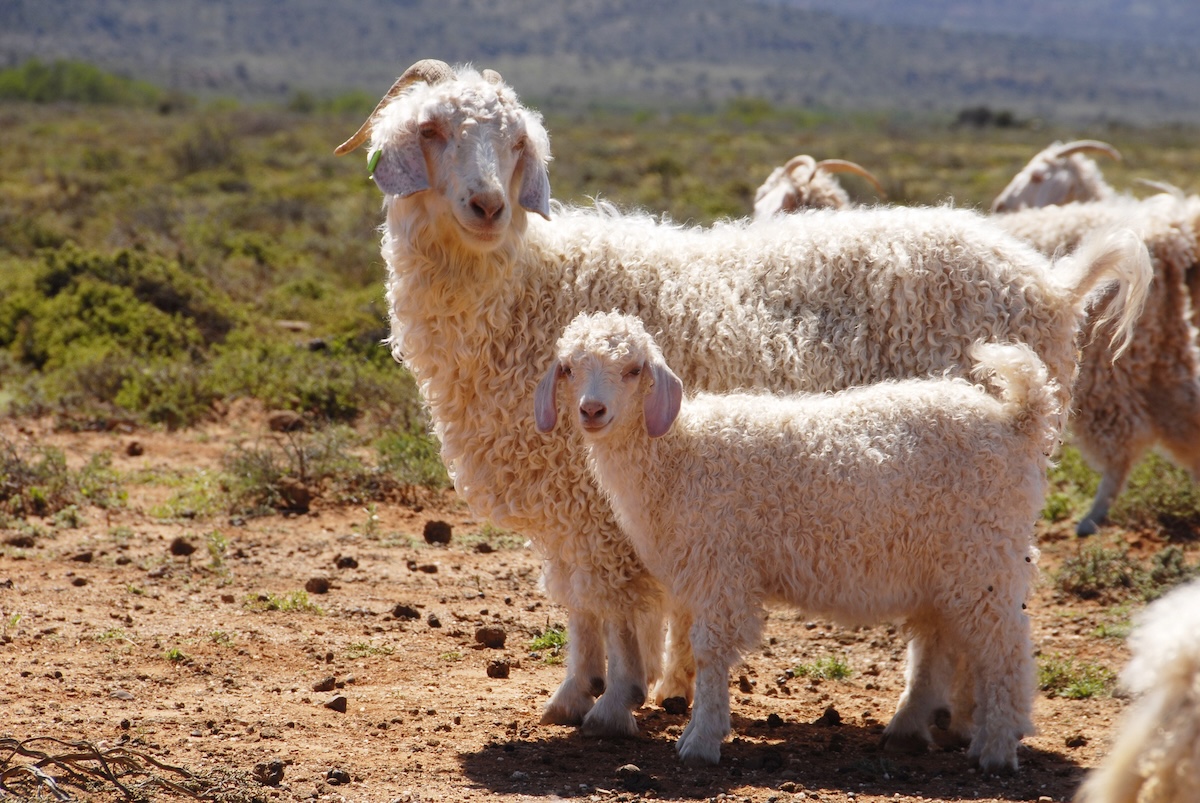 Photo Credit: blackcurrent on Deposit Photos
In the rolling hills of Central Asia, where the air is crisp and the landscape is dotted with wildflowers, the Angora goat, scientifically known as Capra aegagrus hircus, roams gracefully. With its long, lustrous coat that glimmers like spun silver in the sunlight, this enchanting animal captures the hearts of all who encounter it. The Angora goat is not just a pretty sight; it is a living testament to the bond between nature and human ingenuity, as its luxurious mohair has been cherished for centuries, making it a prized possession in the world of textiles.
What makes the Angora goat truly captivating is its unique blend of beauty and utility. Standing between 38 to 48 inches tall, these goats are sturdy and agile, perfectly adapted to their mountainous habitat. Their flowing fleece, which can grow up to 12 inches long, is not only a stunning visual feature but also serves a practical purpose, providing warmth and protection against the elements. Scientists and nature enthusiasts alike are drawn to the Angora goat for its fascinating role in agriculture and its impact on the ecosystem. As herbivores, they play a crucial part in maintaining the balance of their environment, foraging on grasses and shrubs while helping to shape the landscape around them. Join us as we delve deeper into the world of the Angora goat, exploring its history, behavior, and the vital role it plays in our lives.
The Angora goat holds a special place in the tree of life, showcasing the intricate connections among living beings. This charming animal belongs to the kingdom Animalia, which includes all animals, and is classified under the phylum Chordata, meaning it has a backbone. As a member of the class Mammalia, the Angora goat shares traits with other mammals, such as being warm-blooded and having fur. What sets it apart is its luxurious, long, and silky hair, known as mohair, which is highly prized in the textile industry. This goat is not just a source of fiber; it also represents a fascinating chapter in the story of domesticated animals.
| Taxonomic Rank | Scientific Name | Meaning & Significance |
|---|---|---|
| Kingdom | Animalia | This name comes from the Latin word “animalis,” meaning “having breath,” highlighting the living nature of all animals. |
| Phylum | Chordata | Derived from the Greek word “chordē,” meaning “string,” this refers to animals with a notochord, a flexible rod that supports the body. |
| Class | Mammalia | This term comes from the Latin “mamma,” meaning “breast,” indicating that members of this class nurse their young with milk. |
| Order | Artiodactyla | From the Greek “artios,” meaning “even,” and “daktulos,” meaning “finger,” this order includes animals with an even number of toes, like goats. |
| Family | Bovidae | This name is derived from “bos,” the Latin word for “cow,” and includes animals like goats and sheep, known for their grazing habits. |
| Genus | Capra | From the Latin word for “goat,” this genus encompasses various species of goats, highlighting their shared characteristics. |
| Species | Capra hircus | The species name “hircus” means “goat” in Latin, emphasizing its domesticated nature and connection to human agriculture. |
The classification of the Angora goat reveals much about its evolutionary journey. As a domesticated species, it has adapted to human needs while retaining its wild ancestry. The Angora goat’s lineage can be traced back to wild goats, showcasing how selective breeding has enhanced its unique traits, particularly its luxurious mohair. This fascinating blend of natural history and human influence illustrates the dynamic relationship between species and their environments, reminding us of the intricate web of life that connects us all.
The Angora goat’s evolutionary journey stretches back thousands of years, intertwining with human history and agricultural practices. Originating in the mountainous regions of Central Asia, these goats have adapted over time to thrive in various environments. Their story is one of survival, shaped by both natural selection and human influence, leading to the distinct breed we recognize today.
The ancestors of the Angora goat were wild goats that roamed the rugged terrains of the region. Over time, early herders began to domesticate these animals, selecting for traits that would benefit their livelihoods. This marked a significant transition from wild to domesticated life, as humans sought goats that produced high-quality fibers. The Angora goat’s long, lustrous mohair became a prized material, leading to further selective breeding. This process not only enhanced the goats’ fiber production but also influenced their physical characteristics, such as their size and coat texture.
The adaptations of the Angora goat have been crucial for their survival and success. Their luxurious mohair not only provides insulation but also serves as a valuable resource for humans, creating a symbiotic relationship. The goats’ hardiness and efficient foraging skills enable them to thrive in less-than-ideal conditions, while their social behavior enhances their safety. Together, these traits have allowed the Angora goat to flourish through the ages, making them a beloved and enduring part of agricultural history.
The Angora goat is a striking animal, instantly recognizable by its long, flowing coat that seems to shimmer in the sunlight. With a sturdy body structure, these goats stand between 38 to 48 inches tall at the shoulder, giving them a robust and well-proportioned appearance. Their weight ranges from 180 to 220 pounds, making them solid and strong. The combination of their graceful stature and luxurious fleece creates an impression of both elegance and resilience, perfectly suited for their mountainous origins.
| Feature | Description |
|---|---|
| Height | 91cm-122cm (38in-48in) |
| Weight | 82kg-100kg (180lbs-220lbs) |
| Skin Type | Hair |
| Most Distinctive Feature | Produces mohair fiber |
The Angora goat’s long, silky hair is not just for show; it serves vital purposes in their survival. This luxurious mohair fiber provides insulation against the cold, helping them thrive in harsh climates. The goats’ sturdy build and weight allow them to navigate rocky terrains with ease, while their unique skin type protects them from the elements. Together, these features create a well-adapted animal that has been cherished for centuries, not only for its beauty but also for the valuable fiber it produces.
The Angora goat thrives in a variety of environments, but it is most commonly found on farms where it is raised for its luxurious mohair. These goats are often seen in pastoral settings, surrounded by rolling hills and open fields. Picture a sunny day with gentle breezes rustling through the tall grass, as these goats graze peacefully, their long, silky coats glistening in the sunlight. This idyllic scene is where they feel most at home, providing a perfect backdrop for their unique lifestyle.
Angora goats prefer climates that are mild and temperate, which means they enjoy moderate temperatures without extreme heat or cold. They thrive in areas with good rainfall, as this helps keep the vegetation lush and green. However, they can also adapt to drier conditions, as long as they have access to fresh water. These goats are quite resilient, able to withstand a range of environmental conditions, but they do best in places where they can roam freely and graze on a variety of plants.
To survive in their chosen habitats, Angora goats have developed several fascinating adaptations. Their long, curly fleece not only provides warmth during cooler months but also protects them from harsh sunlight. This coat helps regulate their body temperature, keeping them comfortable in varying climates. Additionally, their strong hooves allow them to navigate rocky terrains, making it easier for them to find food and shelter. These clever adaptations ensure that Angora goats can thrive in the diverse environments where they are raised.
The daily life of an Angora goat is a blend of foraging, socializing, and resting, all wrapped up in a routine that keeps them healthy and happy. As the sun rises, these goats begin their day by grazing on grasses, shrubs, and other plants. Their diet is essential for their well-being, as it provides the nutrients needed to maintain their luxurious coats. Throughout the day, they alternate between munching on their favorite snacks and lounging in the shade, enjoying the warmth of the sun. This rhythm of activity and rest helps them conserve energy while staying alert to their surroundings.
Angora goats are highly social animals that thrive in herds. They form strong bonds with one another, often seen grooming and playing together. This social behavior is crucial for their emotional health, as it helps reduce stress and fosters a sense of security. Within the herd, there is a clear social structure, with dominant individuals leading the group. Communication among them is lively, involving bleats, body language, and even subtle facial expressions. These interactions not only strengthen their relationships but also help them coordinate activities like grazing and moving to new pastures.
| Behavior Type | Description |
|---|---|
| Activity Patterns | Angora goats graze for several hours a day, interspersed with periods of rest and social interaction. |
| Social Structure | They live in herds with a clear hierarchy, where dominant goats lead and protect the group. |
| Communication Methods | These goats communicate through bleats, body language, and grooming behaviors, which strengthen social bonds. |
The behaviors of Angora goats are not just charming quirks; they are vital for their survival. By living in herds, they can protect each other from predators and share information about food sources. Their social interactions help them develop strong relationships, which can reduce stress and promote overall health. In this way, the daily activities of Angora goats are intricately linked to their well-being and ability to thrive in their environment.
The Angora goat is a herbivore, which means it primarily eats plants. These goats have a special knack for foraging, using their keen sense of smell and agile bodies to navigate through their environment. They enjoy munching on a variety of vegetation, including grasses, shrubs, and leaves. Their unique feeding behavior allows them to thrive in diverse habitats, as they can adapt to the available food sources around them.
| Dietary Aspect | Details |
|---|---|
| Diet Type | Herbivore |
| Favorite Foods | Grasses, shrubs, and leaves |
| Prey Items | None (as they are herbivores) |
| Hunting/Foraging Strategies | Using keen sense of smell and agility to find food |
The Angora goat’s diet plays a crucial role in its ecology and daily routine. By grazing on various plants, they help maintain the health of their environment, promoting new growth and supporting the ecosystem. Their foraging habits also influence their social interactions, as they often graze in groups, strengthening bonds within their herd. This harmonious relationship with their surroundings ensures that Angora goats not only survive but thrive in their pastoral homes.
When it comes to the mating behavior of Angora goats, the breeding season typically occurs in the fall. During this time, males, known as bucks, become quite active and vocal, using their distinctive bleats to attract females, or does. The bucks may also engage in displays of strength, such as head-butting, to establish dominance and win the attention of potential mates. This lively courtship is essential for ensuring the continuation of their lineage, as it leads to the formation of new families within their herds.
| Reproductive Aspect | Details |
|---|---|
| Gestation Period | 150 days |
| Litter Size | 1 kid |
| Age of Sexual Maturity | 6-7 months |
| Name of Young | Kid |
Once the gestation period of about 150 days is complete, the doe gives birth to a single kid. This young goat is born with a soft, fuzzy coat and is able to stand and walk shortly after birth, showcasing the remarkable adaptability of these animals. The mother is very attentive, providing warmth and nourishment through her milk, which is rich in nutrients essential for the kid’s growth. As the weeks pass, the kid begins to explore its surroundings, learning to graze and socialize with other goats. With the right care and environment, these kids will reach sexual maturity by around six to seven months, ready to continue the cycle of life in their herd.
The Angora goat occupies a unique position in the food web, primarily as a herbivore that grazes on grasses and shrubs. While they are not at the top of the food chain, they play an essential role in their ecosystem by helping to manage plant growth. However, their presence also attracts various predators that see them as a source of food. Understanding these threats is crucial for the survival of these gentle animals.
To defend themselves against these dangers, Angora goats have developed several survival strategies. They often stay in groups, which provides safety in numbers, making it harder for predators to single out an individual. Their keen senses help them detect danger early, allowing them to flee to safety. Additionally, their thick, luxurious coats can act as a barrier against harsh weather, helping them stay healthy and strong in the face of challenges. By using these defensive behaviors, Angora goats can navigate their world with a bit more confidence, despite the lurking threats.
A keystone species is an organism that has a disproportionately large impact on its environment relative to its abundance. These species help maintain the structure of an ecosystem, influencing the types and numbers of other species present. The Angora goat, while not a classic example of a keystone species, does play a significant role in its habitat, particularly in agricultural settings where it is raised for its luxurious mohair.
Angora goats are herbivores, meaning they primarily eat plants. By grazing on grasses and shrubs, they help control plant growth and maintain the balance of their environment. This grazing behavior can prevent certain plant species from becoming overly dominant, allowing a diverse range of plants to thrive. In turn, this diversity supports various insects and other animals that rely on those plants for food and shelter.
Moreover, the Angora goat’s foraging habits can improve soil health. As they graze, they contribute to the natural cycle of nutrients. Their droppings enrich the soil, promoting the growth of healthy vegetation. This process not only benefits the goats but also supports the entire ecosystem, creating a more vibrant and sustainable environment for all living things.
If Angora goats were to disappear from their ecosystems, the effects could be significant. Without their grazing, certain plant species might overgrow, leading to a decline in plant diversity. This could disrupt the food web, affecting not only other herbivores but also the predators that rely on them. The overall health of the soil could decline, resulting in less productive farmland. In essence, the absence of Angora goats would ripple through the ecosystem, highlighting their important, if not always obvious, role in maintaining ecological balance.
The Angora goat plays a vital role in shaping its ecosystem, particularly in agricultural settings where it is raised for its luxurious mohair. As a herbivore, it primarily feeds on grasses and shrubs, which helps maintain the balance of plant life in its environment. By grazing, these goats prevent overgrowth, allowing a diverse range of plants to thrive. This not only supports the health of the pasture but also benefits other species that rely on these plants for food and shelter.
| Ecosystem Service | Impact |
|---|---|
| Grazing | Controls plant growth and promotes biodiversity |
| Soil Fertility | Contributes to nutrient cycling through manure |
| Habitat Creation | Provides shelter for various small animals and insects |
| Economic Contribution | Supports local economies through mohair production |
The influence of Angora goats extends beyond their immediate grazing habits. Their manure enriches the soil, adding essential nutrients that help plants grow. This natural fertilizer supports a healthy ecosystem, encouraging a variety of flora to flourish. Additionally, as these goats graze, they create open spaces that serve as habitats for smaller animals and insects, fostering a rich community of life. The economic benefits of raising Angora goats also ripple through local communities, providing jobs and supporting sustainable farming practices.
In a broader ecological context, the Angora goat exemplifies the interconnectedness of species within an ecosystem. By maintaining plant diversity and contributing to soil health, these goats help sustain the habitats of countless other organisms. Their presence illustrates how even a single species can have a profound impact on the environment, highlighting the importance of biodiversity and responsible farming practices. As we learn more about the roles of animals like the Angora goat, we gain a deeper appreciation for the delicate balance of nature and the need to protect it.
In the intricate web of life, symbiosis refers to the close interactions between different species, which can take on various forms. These relationships can be mutualistic, where both species benefit, parasitic, where one benefits at the other’s expense, or commensal, where one benefits while the other is neither helped nor harmed. The Angora goat, known for its luxurious mohair, engages in several fascinating partnerships with other species, showcasing the beauty of ecological relationships.
| Species/Type | Relationship Type | Description |
|---|---|---|
| Ticks | Parasitic | Ticks attach to Angora goats to feed on their blood, which can weaken the goats and transmit diseases. |
| Birds (e.g., oxpeckers) | Mutualistic | These birds feed on parasites found on the goats’ skin, helping to keep the goats healthy while enjoying a meal. |
| Plants (grasses and shrubs) | Commensal | As herbivores, Angora goats graze on these plants, which benefit from being pruned, allowing for new growth. |
Over time, these relationships have evolved, shaped by the needs and behaviors of the species involved. The Angora goat’s interactions with birds like oxpeckers highlight a beautiful example of mutualism, where both parties gain something valuable. Meanwhile, the relationship with ticks serves as a reminder of the challenges these goats face in their environment. Understanding these connections not only enriches our knowledge of the Angora goat but also emphasizes the importance of biodiversity and the delicate balance of ecosystems.
The Angora goat is not just a pretty face with its luxurious coat; it has a rich history and some surprising traits that make it truly special. Let’s dive into some intriguing facts about this fascinating animal.
The Angora goat has woven itself into the fabric of human culture for centuries, creating a bond that is both practical and profound. Originating in the mountainous regions of Central Asia, these goats were first domesticated by humans around 2,500 years ago. Their luxurious mohair, a silky fiber that is both warm and lightweight, quickly became a prized commodity. This led to the establishment of trade routes, where Angora goats and their fibers were exchanged for goods, enriching cultures and economies. In many societies, the goats symbolize wealth and status, showcasing the deep-rooted connection between humanity and this remarkable animal.
Today, the relationship between Angora goats and humans continues to evolve, marked by both cooperation and challenges. Farmers around the world raise these goats for their mohair, which is used in everything from clothing to home textiles. However, the increasing demand for mohair has raised concerns about animal welfare and environmental sustainability. Some farmers are adopting more humane practices, ensuring that the goats are well cared for and that their habitats are preserved. Yet, conflicts can arise when land use for agriculture encroaches on the natural habitats of wild species, highlighting the need for balance in our interactions with these gentle creatures.
As we look to the future, the relationship between Angora goats and humanity holds both promise and responsibility. With growing awareness of animal welfare and environmental issues, there is an opportunity for us to foster a more respectful and sustainable partnership. By prioritizing ethical farming practices and protecting their habitats, we can ensure that these enchanting goats continue to thrive alongside us. Together, we can celebrate the beauty and utility of the Angora goat while safeguarding their place in our world for generations to come.
The Angora goat currently holds a conservation status of “Least Concern,” according to the International Union for Conservation of Nature (IUCN). This means that, at present, the species is not facing an immediate threat of extinction. Population estimates suggest that there are several hundred thousand Angora goats worldwide, and their numbers appear to be stable or even increasing in some regions. This positive trend is largely due to their popularity in the textile industry, where their luxurious mohair is highly sought after.
| Conservation Factor | Status/Details |
|---|---|
| IUCN Status | Least Concern |
| Population Estimates | Several hundred thousand |
| Trend Direction | Stable or increasing |
Despite their current stable status, Angora goats face several threats that could impact their future. One of the main challenges is habitat loss, often caused by agricultural expansion and urban development. As more land is converted for farming or building, the natural spaces where these goats thrive can diminish. Additionally, overbreeding for desirable traits, such as coat quality, can lead to health issues within the population. This selective breeding may reduce genetic diversity, making the species more vulnerable to diseases and environmental changes.
Conservation efforts for the Angora goat focus on sustainable farming practices and habitat preservation. Farmers are encouraged to maintain healthy breeding practices that prioritize the overall well-being of the goats. Organizations dedicated to animal welfare and biodiversity are also working to educate farmers about the importance of genetic diversity. With these initiatives in place, the outlook for the Angora goat remains positive, ensuring that this charming animal continues to grace our landscapes and contribute to our agricultural heritage.
| Question | Answer |
|---|---|
| What is the natural habitat of Angora goats? | Angora goats are primarily found on farms, where they are raised for their unique fiber. They thrive in areas with plenty of space to roam and graze, often in regions with a temperate climate. |
| What do Angora goats eat? | As herbivores, Angora goats primarily eat grass, hay, and other plant materials. They enjoy a varied diet that includes shrubs and leaves, which helps them stay healthy and produce high-quality mohair. |
| How do Angora goats behave in groups? | Angora goats are social animals that prefer to live in herds. They communicate with each other through bleats and body language, forming strong bonds within their group. |
| How do Angora goats reproduce? | Angora goats typically breed in the fall, with a gestation period of about five months. After this time, the female gives birth to one or two kids, which are the young goats. |
| What threats do Angora goats face? | While Angora goats are currently listed as Least Concern in terms of conservation status, they can face threats from predators and habitat loss. Farmers must protect them from animals like coyotes and ensure they have enough space to graze. |
| What is the most distinctive feature of Angora goats? | The most distinctive feature of Angora goats is their ability to produce mohair, a luxurious fiber that is soft and shiny. This fiber is highly sought after in the textile industry for making clothing and other products. |
| Are Angora goats friendly towards humans? | Yes, Angora goats can be quite friendly and curious around humans. With proper handling and care, they often become accustomed to people and can even enjoy being petted and fed. |