Taxonomy & Classification
- Kingdom
- Animalia
- Phylum
- Arthropoda
- Class
- Insecta
- Order
- Hymenoptera
- Family
- Formicidae
- Species
- Formicidae

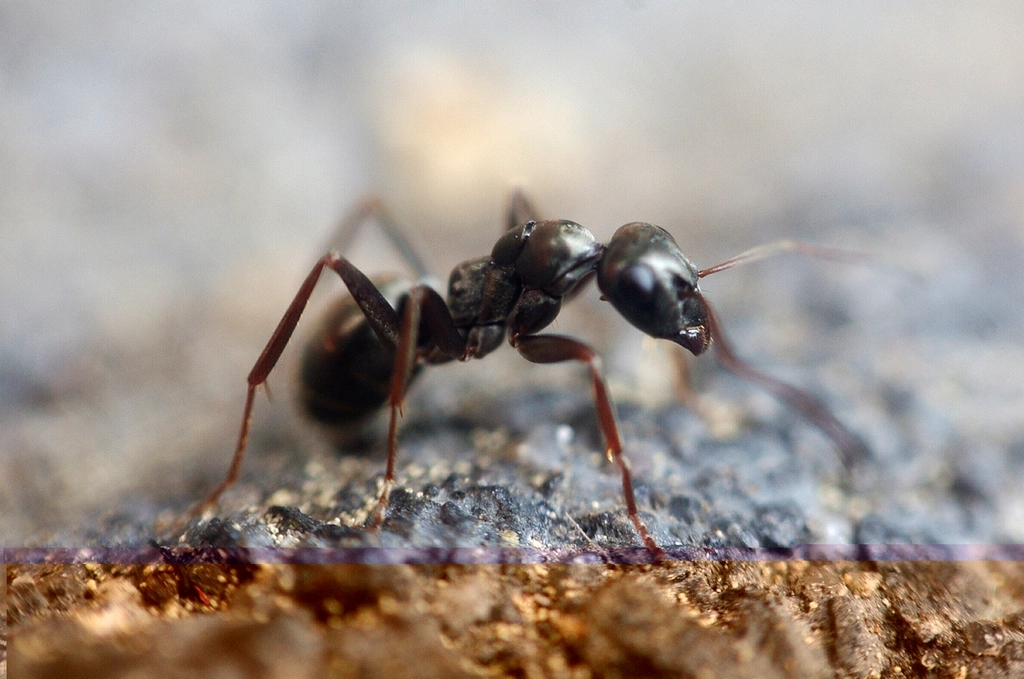 Photo Credit: Rawpixel
In the bustling world of nature, the ant, scientifically known as Formicidae, stands out as a tiny titan of teamwork and tenacity. Imagine a sun-drenched forest floor, where the air is alive with the sounds of chirping birds and rustling leaves. Here, among the rich soil and vibrant greenery, ants scurry about, their small bodies moving in perfect harmony. With their segmented bodies, which consist of a head, thorax, and abdomen, these industrious insects showcase a remarkable design that allows them to navigate their complex environments with ease.
What makes ants truly captivating is not just their physical appearance but their extraordinary social structures. Living in colonies that can number in the thousands, they exhibit behaviors that puzzle and intrigue scientists and nature lovers alike. Each ant has a specific role, whether as a forager, a soldier, or a queen, contributing to the colony’s success. Their ability to communicate through pheromones, chemical signals that convey messages, adds another layer of wonder to their lives. As we delve deeper into the world of ants, we will explore their fascinating behaviors, diverse habitats, and the vital roles they play in our ecosystems, revealing why these small creatures have such a big impact on the planet.
Ants are tiny yet mighty members of the animal kingdom, belonging to the kingdom Animalia. They are classified under the phylum Arthropoda, which includes all animals with exoskeletons, segmented bodies, and jointed legs. Within this phylum, ants fall under the class Insecta, the largest group of animals on Earth. What sets ants apart is their complex social structure and behavior. They live in colonies that can range from a few dozen to millions of individuals, showcasing a level of cooperation and organization that is truly extraordinary in the animal world.
| Taxonomic Rank | Scientific Name | Meaning & Significance |
|---|---|---|
| Kingdom | Animalia | The name comes from the Latin word “animalis,” meaning “having breath,” highlighting the living nature of these organisms. |
| Phylum | Arthropoda | This term means “jointed feet” in Greek, referring to the jointed appendages that characterize this diverse group, including insects, arachnids, and crustaceans. |
| Class | Insecta | Derived from the Latin word “insectum,” meaning “cut into sections,” which describes the segmented body structure of insects. |
| Order | Hymenoptera | This name means “membranous wings” in Greek, referring to the thin, transparent wings that many members of this order, including ants, possess. |
| Family | Formicidae | The name comes from the Latin word “formica,” meaning “ant,” which directly identifies this family with its most well-known members. |
Understanding where ants fit in the tree of life reveals much about their evolutionary journey. As social insects, they have developed intricate relationships and behaviors that have allowed them to thrive in diverse environments. Their classification within the phylum Arthropoda connects them to other invertebrates, while their place in the order Hymenoptera links them to bees and wasps, showcasing a shared ancestry. This evolutionary history not only highlights their adaptability but also emphasizes the importance of cooperation and community in their survival, making ants a vital part of ecosystems around the globe.
Ants have a long and fascinating evolutionary history that stretches back over 100 million years. These industrious insects first appeared during the Cretaceous period, a time when dinosaurs roamed the Earth. As flowering plants began to flourish, ants evolved alongside them, adapting to new environments and food sources. This partnership with plants would shape their future, leading to the diverse and complex societies we see today.
The ancestors of modern ants were likely similar to wasps, belonging to a group called Hymenoptera. Over time, these early insects underwent significant changes. One major transition was the development of a more social lifestyle. While some insects are solitary, ants began to form colonies, working together to gather food, care for their young, and defend their nests. This shift allowed them to thrive in various habitats, from rainforests to deserts. Another key evolution was the development of specialized body parts, such as powerful mandibles for carrying food and building nests. These adaptations made ants incredibly efficient at survival.
These evolutionary adaptations have played a crucial role in the success of ants. By forming colonies and developing social structures, they can accomplish tasks that would be impossible for a single insect. Their ability to communicate and divide labor allows them to be highly efficient, while their adaptability ensures they can survive in changing environments. This combination of traits has made ants one of the most successful groups of insects on the planet, with over 12,000 known species and many more yet to be discovered.
Ants are small but incredibly complex insects that can be found almost everywhere on Earth. Their bodies are divided into three main parts: the head, thorax, and abdomen. This segmented structure allows them to move quickly and efficiently, making them agile workers in their colonies. With their slender bodies and powerful mandibles, or jaws, ants are equipped for a variety of tasks, from carrying food to defending their nests. Their size can vary, but most ants are just a few millimeters long, making them easy to overlook yet essential to their ecosystems.
| Feature | Description |
|---|---|
| Size | Typically ranges from 2 to 25 millimeters, depending on the species. |
| Color | Varies widely, including shades of black, brown, red, and yellow. |
| Skin Type | Covered in a hard shell, known as an exoskeleton, which provides protection. |
| Body Structure | Divided into three segments: head, thorax, and abdomen, allowing for flexibility. |
| Antennas | Long and segmented, used for sensing their environment and communicating. |
These physical features work together to enhance the ant’s survival in various ways. The exoskeleton not only protects them from predators but also helps prevent water loss, allowing them to thrive in diverse environments. Their segmented bodies provide flexibility, enabling quick movements and efficient navigation through tight spaces. Antennae play a crucial role in communication and navigation, helping them find food and stay connected with their colony. Together, these characteristics make ants not just survivors, but also vital contributors to their ecosystems, breaking down organic material and aerating the soil.
Ants are found in a variety of habitats that showcase their adaptability and resilience. Picture a bustling forest floor, where the ground is rich with soil and the air is filled with the sounds of nature. Here, ants thrive in the nooks and crannies of the earth, creating intricate tunnels and colonies. They also make their homes in the cavities of wood and within the leaves of plants, turning these spaces into bustling hubs of activity. Whether in a sun-drenched meadow or a shaded woodland, ants are always on the move, working together to gather food and care for their young.
To flourish, ants require specific climate and environmental conditions. They thrive in warm temperatures, as many species are endothermic, meaning they generate their own body heat. While some ants can tolerate cooler climates, most prefer areas where the sun shines brightly, allowing them to be active and foraging for food. Moisture levels also play a crucial role; many ants need a certain amount of humidity to keep their nests from drying out, especially those that live in wood or soil.
Ants have developed remarkable adaptations to suit their diverse habitats. Their ability to dig intricate tunnels allows them to create stable environments, protecting them from predators and harsh weather. Some species have even evolved to build their nests in the leaves of trees, using plant materials to camouflage their homes. This clever use of resources not only provides shelter but also helps them stay hidden from potential threats. With their teamwork and ingenuity, ants have truly mastered the art of survival in a wide range of environments.
Ants lead busy lives filled with activity and purpose. Each day begins with the sun rising, signaling the start of their industrious routines. As the temperature warms, worker ants emerge from their underground nests, ready to forage for food. They scurry about, searching for seeds, nectar, or even small insects to bring back to their colony. This daily quest for sustenance is not just about survival; it’s also about teamwork. Ants communicate through pheromones, which are chemical signals that help them navigate and share information about food sources or dangers.
Social behavior is at the heart of an ant’s life. Ants live in colonies that can range from a few dozen to millions of individuals, depending on the species. Each ant has a specific role, whether it’s foraging, caring for the queen’s eggs, or defending the nest. This division of labor ensures that the colony functions smoothly. Ants are known for their remarkable ability to work together, often forming chains or bridges with their bodies to cross obstacles. Their communication is sophisticated; they use touch, sound, and scent to coordinate their activities and maintain harmony within the colony.
| Behavior Type | Description |
|---|---|
| Foraging | Worker ants leave the nest to search for food, using pheromones to mark trails for others to follow. |
| Division of Labor | Different ants have specific roles, such as foragers, nurses, and soldiers, ensuring efficiency in the colony. |
| Communication | Ants communicate through pheromones, touch, and sounds, sharing vital information about food and threats. |
| Cooperative Behavior | Ants often work together to move large objects or build structures, showcasing their teamwork and strength. |
The behaviors of ants are not just fascinating; they are essential for their survival. By working together and communicating effectively, ants can gather food, protect their colony, and raise their young. This social structure allows them to thrive in diverse environments, from lush forests to arid deserts. Their ability to adapt and cooperate ensures that they remain one of the most successful groups of insects on the planet, demonstrating the power of teamwork in the natural world.
Ants are omnivores, which means they eat a variety of foods, including both plant and animal matter. Their diet is quite diverse, allowing them to thrive in many environments. Ants are known for their impressive foraging skills, often working together in large groups to gather food. They can be seen marching in lines, carrying bits of leaves, seeds, or even small insects back to their nests. This teamwork not only helps them find food more efficiently but also ensures that they can feed their entire colony.
| Dietary Aspect | Details |
|---|---|
| Diet Type | Omnivore |
| Favorite Foods | Leaves, fungi, and sugary substances like nectar |
| Prey Items | Insects and other small creatures |
| Hunting/Foraging Strategies | Cooperative foraging, using pheromones to communicate food sources |
The diet of ants plays a crucial role in their ecology and daily routines. By consuming a wide range of foods, they help decompose organic matter and recycle nutrients back into the soil, which benefits plants and other organisms. Their foraging habits also influence the population dynamics of other insects, as they can control pest populations by preying on them. This interconnectedness highlights the importance of ants in maintaining healthy ecosystems, showcasing how their dietary choices shape not only their lives but also the world around them.
Ants have a fascinating mating ritual that takes place during specific breeding seasons, often triggered by environmental cues like temperature and humidity. During this time, winged males and females, known as alates, take to the skies in a spectacular event called nuptial flight. After mating, the male typically dies, while the fertilized female lands, sheds her wings, and begins the process of establishing a new colony. This is a critical moment in the life cycle of ants, as it sets the stage for the next generation.
| Reproductive Aspect | Details |
|---|---|
| Gestation Period | Approximately 2 to 6 weeks, depending on the species. |
| Litter Size | Average of 1,000 eggs per queen. |
| Age of Maturity | About 6 to 12 weeks for workers, longer for queens. |
| Name of Young | Larvae, which later develop into pupae before becoming adults. |
After the eggs hatch, the young ants, called larvae, are cared for by the worker ants. These workers feed and protect the larvae, ensuring they have everything they need to grow. As the larvae develop, they go through several stages, eventually forming pupae, which look like little cocoons. This transformation is a crucial part of their life cycle, as they emerge as fully formed adult ants ready to join the colony. The nurturing environment provided by the workers helps ensure that the next generation of ants is strong and ready to contribute to the colony’s success.
Ants play a crucial role in the food web, serving as both prey and predators in their ecosystems. These tiny insects are often found at the bottom of the food chain, where they are a vital food source for many animals. Birds, reptiles, and even some mammals rely on ants for nourishment. However, ants are not just passive participants; they also hunt smaller insects and scavenge for food, making them important players in maintaining the balance of their habitats.
To defend themselves against these dangers, ants have developed a variety of survival strategies. Many species work together in colonies, using their numbers to overwhelm predators. Some ants can bite or sting, delivering painful defenses to deter attackers. Others release strong-smelling chemicals, called pheromones, to signal danger to their colony or to confuse predators. By working as a team and employing these clever tactics, ants continue to thrive in diverse environments, showcasing their resilience in the face of threats.
A keystone species is an organism that has a disproportionately large impact on its environment relative to its abundance. This means that if it were removed, the ecosystem would change dramatically. Ants, with their incredible numbers and diverse roles, certainly qualify as keystone species in many ecosystems around the world.
Ants contribute to their ecosystems in several significant ways. First, they aerate the soil as they dig their nests, allowing air and water to penetrate deeper into the ground. This process helps plants grow by improving soil health. Additionally, ants are excellent recyclers. They break down organic matter, such as dead insects and plant material, which enriches the soil with nutrients. Some species even engage in farming, tending to aphids and other insects for their sugary secretions, which creates a unique relationship that benefits both parties.
Ants also serve as a food source for many animals, including birds, mammals, and reptiles. Their presence supports a variety of predators, making them an essential part of the food web. Furthermore, ants help control pest populations by preying on harmful insects, acting as natural pest controllers in gardens and forests alike.
If ants were to disappear from their ecosystems, the consequences would be severe. Soil health would decline, leading to poorer plant growth and reduced food sources for other animals. The balance of the food web would be disrupted, causing a ripple effect that could lead to the decline of many species that rely on ants for food or ecological services. In essence, the absence of ants would create a less vibrant and less resilient ecosystem, highlighting just how vital these tiny insects are to the health of our planet.
Ants occupy a vital ecological niche, acting as both engineers and caretakers of their environments. These industrious insects are found in diverse habitats, from rich forest floors to arid deserts. Their ability to adapt to various conditions allows them to thrive almost anywhere on Earth. By tunneling through soil and creating intricate nests, ants aerate the ground, which helps water and nutrients reach plant roots. This process not only supports plant life but also enhances the overall health of the ecosystem.
| Ecosystem Service | Impact |
|---|---|
| Soil Aeration | Improves water infiltration and nutrient availability for plants. |
| Decomposition | Breaks down organic matter, recycling nutrients back into the soil. |
| Seed Dispersal | Helps in the spread of various plant species, promoting biodiversity. |
| Pest Control | Preys on harmful insects, reducing their populations naturally. |
| Food Source | Serves as a vital food source for many animals, including birds and mammals. |
Ants influence their ecosystems in many specific ways. For instance, when they dig tunnels, they not only create homes for themselves but also allow air and water to penetrate deeper into the soil. This aeration is crucial for plant roots, which need oxygen to grow. Additionally, ants are known to collect seeds and carry them back to their nests. This behavior, called myrmecochory, helps plants spread their seeds over larger areas, promoting a diverse range of flora. Furthermore, by breaking down dead plant and animal matter, ants play a key role in decomposition, returning essential nutrients to the soil.
The broader ecological importance of ants cannot be overstated. As keystone species, their presence significantly shapes the structure and function of their ecosystems. If ants were to disappear, the balance of many environments would be disrupted, leading to a decline in plant health and a rise in pest populations. Their interactions with other species, from plants to predators, create a web of life that supports countless organisms. In essence, ants are not just tiny insects; they are powerful players in the grand theater of nature, ensuring the health and vitality of the ecosystems they inhabit.
Symbiosis is a fascinating concept in nature that describes how different species interact and depend on one another. These relationships can take many forms, from mutualism, where both species benefit, to parasitism, where one species gains at the expense of another. Commensalism is another type, where one species benefits while the other is neither helped nor harmed. Ants are particularly known for their diverse partnerships with other organisms, showcasing the intricate web of life that connects them to their environment.
| Species/Type | Relationship Type | Description |
|---|---|---|
| Acacia Trees | Mutualistic | Ants protect the trees from herbivores and in return, the trees provide food and shelter for the ants. |
| Fungus | Mutualistic | Leafcutter ants cultivate fungus as their primary food source, while the fungus benefits from the nutrients provided by the ants. |
| Mealybugs | Mutualistic | Ants farm mealybugs for their sugary secretions, offering protection in exchange for food. |
| Termites | Parasitic | Some ants invade termite mounds, preying on termites and taking over their resources. |
| Sloths | Commensal | Ants live in the fur of sloths, gaining a home while the sloth remains unaffected. |
These relationships have evolved over millions of years, shaped by the needs and survival strategies of the species involved. Ants have developed complex behaviors and adaptations that allow them to thrive alongside other organisms. For instance, their ability to farm fungi or protect plants demonstrates a remarkable level of cooperation. These partnerships not only benefit the ants but also enhance the health and stability of their ecosystems, illustrating the interconnectedness of life on our planet.
Ants are not just tiny insects; they are extraordinary creatures with surprising abilities and behaviors that can captivate anyone interested in nature. Here are some intriguing facts that showcase their remarkable world.
Throughout history, ants have held a significant place in human culture and understanding. Ancient civilizations revered these industrious insects, often symbolizing hard work and community. In many cultures, ants are seen as a representation of diligence and cooperation, inspiring proverbs and stories that highlight their tireless nature. From the ancient Egyptians, who depicted ants in their hieroglyphs, to modern literature, where they often symbolize teamwork, ants have woven themselves into the fabric of human storytelling and philosophy.
Today, our interactions with ants are multifaceted, ranging from admiration to conflict. In urban areas, ants can become unwelcome guests, invading homes and gardens in search of food. However, they also play essential roles in ecosystems, such as aerating soil and decomposing organic matter. Conservation efforts are increasingly recognizing the importance of ants in maintaining healthy environments. Some researchers are even exploring the potential of domestication, looking at how certain ant species can be managed for agricultural benefits, like pest control or soil improvement.
As we look to the future, the relationship between ants and humanity is likely to evolve further. With growing awareness of environmental issues, people may begin to appreciate ants not just as pests but as vital contributors to our ecosystems. By fostering a deeper understanding of these tiny creatures, we can learn to coexist with them, harnessing their strengths while minimizing conflicts. This partnership could lead to innovative solutions in agriculture, conservation, and even urban planning, ensuring that both ants and humans thrive together on this planet.
Ants are currently classified as “Least Concern” on the IUCN Red List, which means they are not facing immediate threats of extinction. Their populations are generally stable, and they thrive in a variety of environments across the globe. With over 12,000 known species, many ants are abundant and play essential roles in their ecosystems. However, some species may experience localized declines due to environmental changes.
| Conservation Factor | Status/Details |
|---|---|
| IUCN Status | Least Concern |
| Population Estimates | Stable across many species |
| Trend Direction | Generally stable |
Despite their overall stability, ants face several threats that can impact specific species. Habitat loss due to urbanization, agriculture, and deforestation can disrupt their colonies and reduce their natural habitats. Additionally, climate change poses a significant risk, altering temperature and moisture levels that affect their survival. Invasive species can also outcompete native ants for resources, leading to declines in local populations.
Conservation efforts for ants are often part of broader initiatives aimed at preserving biodiversity and protecting ecosystems. By maintaining healthy habitats, we can support the diverse ant populations that contribute to soil health, seed dispersal, and pest control. Educating communities about the importance of ants and their roles in nature can foster appreciation and encourage protective measures. With continued awareness and action, the outlook for many ant species remains positive, ensuring they continue to thrive in our world.
| Question | Answer |
|---|---|
| Where do ants live? | Ants can be found in a variety of habitats, including soil, wood, and even inside plants. They build intricate nests that can be underground or in trees, depending on the species. These nests provide shelter and a place to raise their young. |
| What do ants eat? | Ants are omnivores, which means they eat both plants and animals. Their diet can include seeds, nectar, fungi, and even other insects. Some species are known to farm aphids for their sweet secretions! |
| How do ants behave in a colony? | Ants are social insects that live in colonies, which can range from a few dozen to millions of individuals. They communicate through pheromones, which are chemical signals that help them coordinate activities like foraging and defending their nest. Each ant has a specific role, such as worker, soldier, or queen. |
| How do ants reproduce? | Ant reproduction typically involves a queen ant mating with male ants during a nuptial flight. After mating, the queen stores sperm and uses it to fertilize eggs throughout her life. The fertilized eggs develop into female workers or new queens, while unfertilized eggs become males. |
| What are the main threats to ants? | While many ant species are classified as "Least Concern," they still face threats from habitat destruction and climate change. Pesticides can also harm ant populations by disrupting their colonies. Invasive species may outcompete native ants for resources. |
| What are some interesting characteristics of ants? | Ants are known for their incredible strength, able to lift objects many times their own body weight. They also exhibit fascinating behaviors, such as farming fungi and creating living bridges with their bodies. Some species even have specialized soldiers with larger jaws to protect the colony. |
| How long do ants live? | The lifespan of an ant varies by species and role within the colony. Worker ants typically live for a few months, while queens can live for several years, sometimes even decades. This longevity allows queens to produce thousands of offspring over their lifetime. |