Taxonomy & Classification
- Kingdom
- Animalia
- Phylum
- Chordata
- Class
- Mammalia
- Order
- Artiodactyla
- Family
- Bovidae

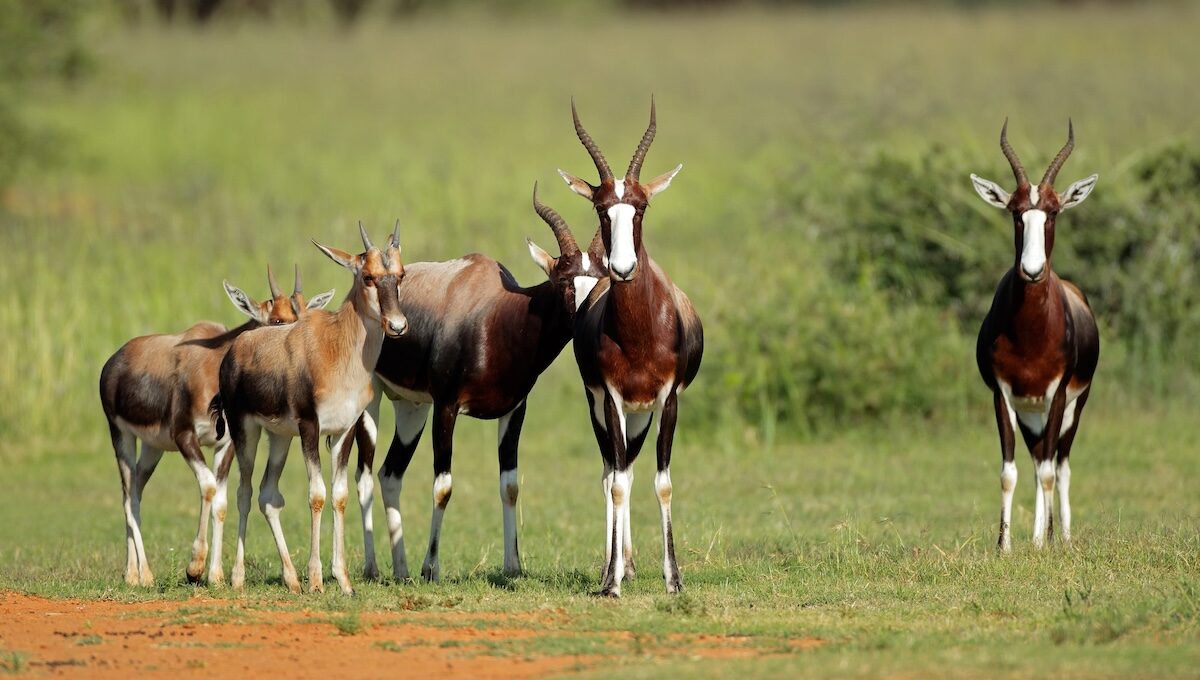 Photo Credit: Ecopic on Deposit Photos
In the sun-drenched savannas of Africa, the graceful Thomson’s gazelle, known scientifically as Eudorcas thomsonii, bounds effortlessly across the golden grasslands. With its sleek body, long legs, and distinctive black stripe running down its side, this antelope is a living embodiment of elegance and speed. As it grazes on tender shoots and grasses, its keen eyes scan the horizon for any sign of danger, showcasing the delicate balance of life in the wild. Scientists and nature enthusiasts alike are captivated by the Thomson’s gazelle, not only for its beauty but also for its remarkable adaptations that allow it to thrive in a challenging environment.
These agile animals are built for speed, capable of reaching up to 50 miles per hour in short bursts. This incredible ability helps them evade predators like lions and cheetahs, making them a vital part of the ecosystem. Antelopes, including the Thomson’s gazelle, play a key role in their habitats, shaping the landscape as they graze and providing sustenance for the carnivores that rely on them. As we explore the world of antelopes, we will uncover their fascinating behaviors, social structures, and the intricate relationships they maintain with their environment, revealing why these animals are not just a sight to behold but also a crucial piece of the natural puzzle.
Antelopes are a captivating group of animals that belong to the family Bovidae, which includes other hoofed mammals like sheep and goats. These graceful herbivores are known for their speed and agility, making them well-adapted to life in open grasslands and savannas. What sets antelopes apart in the animal kingdom is their incredible diversity, with over 90 species exhibiting a wide range of sizes, colors, and behaviors. From the tiny dik-dik to the majestic sable antelope, each species has evolved unique traits that help them survive in their specific environments.
| Taxonomic Rank | Scientific Name | Meaning & Significance |
|---|---|---|
| Kingdom | Animalia | This name comes from the Latin word “animalis,” meaning “having breath” or “living.” It signifies all living organisms that are not plants or fungi, highlighting the diverse life forms that share our planet. |
| Phylum | Chordata | Derived from the Greek word “chorde,” meaning “string” or “cord,” this term refers to animals that have a notochord, a flexible rod that supports the body. This group includes all vertebrates, like antelopes, which have a backbone. |
| Class | Mammalia | This name comes from the Latin word “mamma,” meaning “breast.” It reflects the defining characteristic of mammals: females possess mammary glands that produce milk to nourish their young. |
| Order | Artiodactyla | From the Greek words “artios,” meaning “even,” and “daktulos,” meaning “finger,” this order includes animals with an even number of toes. Antelopes are part of this group, which also includes pigs and deer. |
| Family | Bovidae | This name is derived from the Latin word “bos,” meaning “cow.” It encompasses a variety of hoofed animals, including antelopes, which share common traits like ruminating (chewing cud) and having hollow horns. |
| Subfamily | Antilopinae | This subfamily name comes from the Greek word “antilope,” which refers to a type of gazelle. It highlights the specific lineage of antelopes, known for their slender bodies and long legs. |
The classification of antelopes reveals a rich evolutionary history that connects them to a vast array of other mammals. As members of the Artiodactyla order, they share common ancestors with animals that have adapted to various environments over millions of years. This lineage showcases the incredible adaptability of life on Earth, illustrating how antelopes have evolved specialized traits to thrive in their habitats. Understanding their place in the tree of life not only deepens our appreciation for these animals but also highlights the intricate web of relationships that define the natural world.
The evolutionary journey of antelopes stretches back millions of years, weaving through the tapestry of life on Earth. These elegant animals first appeared around 20 million years ago during the Miocene epoch, a time when the planet was undergoing significant climatic changes. As grasslands expanded, antelopes adapted to thrive in these open habitats, leading to a remarkable diversification of species.
Antelopes are part of the Bovidae family, which also includes animals like sheep and goats. Their ancestors were small, forest-dwelling creatures that gradually transitioned to open plains. This shift was crucial, as it allowed them to exploit new food sources and escape from predators. Over time, antelopes developed longer legs and lighter bodies, enhancing their speed and agility. This adaptation was vital for survival, enabling them to outrun threats in their environment.
These evolutionary adaptations have been crucial for antelopes’ survival in the wild. Their speed and agility help them evade predators, while their social behavior enhances their chances of survival through collective vigilance. Additionally, their ability to efficiently digest grasses allows them to thrive in environments where food can be scarce. Together, these traits have enabled antelopes to flourish across diverse landscapes, making them a vital part of the ecosystems they inhabit.
Antelopes are a stunning sight to behold, embodying grace and strength in their physical form. With long, slender legs built for speed, they can reach impressive heights of up to 1.5 meters, or about 5 feet. Their bodies are sleek and muscular, allowing them to navigate their habitats with agility. The combination of their elegant necks and large, expressive eyes gives them a regal appearance, while their fur, often patterned in earthy tones, helps them blend seamlessly into the grasslands and savannas they call home.
| Feature | Description |
|---|---|
| Height | 1m – 1.5m (3 – 5ft) |
| Weight | 500kg – 900kg (1,100lbs – 2,000lbs) |
| Skin Type | Fur |
These physical features work together to enhance the antelope’s survival in the wild. Their height allows them to see over tall grasses, spotting predators from a distance. The lightweight build and powerful legs enable them to sprint away at incredible speeds when danger approaches. The fur not only provides warmth but also serves as camouflage, helping them hide from both predators and prey. Together, these characteristics make antelopes not just beautiful animals, but also highly adapted survivors in their natural environments.
Antelopes thrive in a variety of habitats, painting a picture of life in both lush forests and expansive grasslands. Imagine wide-open spaces where the sun shines brightly, and the wind rustles through tall grasses. In these environments, antelopes can be seen gracefully bounding across the landscape, their sleek bodies perfectly adapted for speed and agility. The interplay of light and shadow in the forest, along with the vibrant colors of wildflowers in the grasslands, creates a stunning backdrop for these magnificent animals.
Antelopes prefer climates that offer a mix of warmth and seasonal rainfall. They thrive in areas where the temperature can vary, allowing for both dry and wet seasons. These animals are often found in regions that experience moderate to high temperatures, which help sustain the grasses and shrubs they rely on for food. The availability of water sources, such as rivers and lakes, is also crucial, as it supports the lush vegetation that forms their diet.
To survive in these diverse habitats, antelopes have developed several remarkable adaptations. Their keen eyesight allows them to spot predators from a distance, while their powerful legs enable them to make quick escapes when danger approaches. Many species have also evolved to be social animals, living in herds that provide safety in numbers. This combination of physical prowess and social behavior helps them thrive in environments where they must constantly be alert to survive.
Antelopes lead a dynamic daily life that revolves around their need for food, safety, and social interaction. As herbivores, they spend a significant portion of their day grazing on grasses, leaves, and shoots. Early mornings and late afternoons are prime feeding times when the temperatures are cooler. During the heat of the day, antelopes often seek shade to rest and conserve energy. This pattern of activity helps them stay alert to potential predators while ensuring they get the nutrition they need to thrive.
Social behavior is a cornerstone of antelope life. These animals are typically found in herds, which can range from a few individuals to several hundred, depending on the species and environmental conditions. Living in groups provides safety in numbers, as there are more eyes to spot danger. Antelopes communicate with each other through a variety of sounds, body language, and even scent marking. This social structure not only helps them stay safe but also strengthens bonds within the herd, allowing them to work together to find food and water.
| Behavior Type | Description |
|---|---|
| Activity Patterns | Antelopes are most active during the cooler parts of the day, grazing in the early morning and late afternoon while resting during the heat. |
| Social Structure | They live in herds, which can vary in size, providing safety and enhancing social bonds among members. |
| Communication Methods | Antelopes use vocalizations, body language, and scent marking to communicate with each other, alerting the herd to potential threats. |
These behaviors are not just interesting; they are vital for survival. By forming herds, antelopes can better protect themselves from predators like lions and hyenas. Their grazing habits ensure they have access to food while their social interactions help them stay alert and coordinated. In the wild, every action counts, and the daily life of an antelope is a perfect example of how instinct and social behavior work together to navigate the challenges of their environment.
Antelopes are primarily herbivores, meaning they thrive on a plant-based diet. These agile animals have evolved to graze on a variety of vegetation, including grasses, shoots, and seeds. Their feeding behavior is fascinating; they often move in herds, which not only helps them find food more efficiently but also provides safety in numbers from predators. With their keen eyesight and acute sense of smell, antelopes can detect potential threats while foraging, allowing them to enjoy their meals with a watchful eye.
| Dietary Aspect | Details |
|---|---|
| Diet Type | Herbivore |
| Favorite Foods | Grass, shoots, and seeds |
| Prey Items | None, as they are herbivores |
| Hunting/Foraging Strategies | Grazing in herds, using keen eyesight and smell to detect predators |
This plant-based diet plays a crucial role in shaping the ecology of antelopes and their daily routines. By consuming grasses and other vegetation, they help maintain the health of their habitats, promoting new plant growth and supporting the ecosystem. Their grazing habits also influence the distribution of plant species, creating a dynamic balance in their environment. As they move through their territories, antelopes not only satisfy their hunger but also contribute to the intricate web of life that surrounds them.
Antelopes have intriguing mating behaviors that vary among species, but many engage in a ritualistic display during the breeding season. This time often coincides with the rainy season when food is plentiful. Males will establish territories and perform impressive displays to attract females. These displays can include vocalizations, posturing, and even physical confrontations with rival males. Once a female is attracted, she may mate with several males during her fertile period, ensuring genetic diversity in her offspring.
| Reproductive Aspect | Details |
|---|---|
| Gestation Period | Approximately 7 to 8 months |
| Litter Size | 1 |
| Age of Maturity | 1 to 2 years |
| Name of Young | Calf |
After birth, antelope calves are remarkably precocious, meaning they can stand and walk shortly after entering the world. This ability is crucial for their survival, as they need to keep up with their mothers to avoid predators. Mothers are attentive and protective, often hiding their young in tall grass to keep them safe from danger. As the calves grow, they learn essential skills from their mothers, such as grazing and recognizing threats. By the time they reach maturity, they are well-equipped to navigate the challenges of their environment, continuing the cycle of life in the wild.
Antelopes play a crucial role in the food web, serving as both grazers and prey. These swift and agile animals are essential for maintaining the balance of their ecosystems. By feeding on grasses and other vegetation, they help control plant growth, which in turn supports a variety of other wildlife. However, their position also makes them vulnerable to a range of predators, highlighting the delicate dance of survival in nature.
To evade these threats, antelopes have developed impressive defensive behaviors. Their keen eyesight and acute hearing allow them to detect danger from afar. When a predator is spotted, they can sprint away at remarkable speeds, reaching up to 60 miles per hour in some species. Additionally, many antelopes use their agility to make sharp turns and zigzag movements, making it difficult for predators to catch them. Some species even form large herds, providing safety in numbers, as there are more eyes to spot danger and more bodies to confuse attackers. Through these strategies, antelopes continue to thrive in the wild, showcasing the resilience of nature.
A keystone species is a vital part of its ecosystem, meaning its presence and activities have a significant impact on the environment and other living things. Antelopes qualify as keystone species because they play a crucial role in shaping their habitats, particularly in grasslands and forests. Their grazing habits help maintain plant diversity and structure, which in turn supports a wide range of other species.
Antelopes are herbivores, meaning they primarily eat plants. By grazing on grasses and other vegetation, they help control plant growth. This grazing prevents any single plant species from dominating the landscape, allowing various plants to thrive. For example, when antelopes feed on certain grasses, they create open spaces that encourage the growth of new plants. This diversity is essential for many other animals, including insects, birds, and larger mammals, which rely on a variety of plants for food and shelter.
Moreover, antelopes serve as prey for numerous predators, including lions, hyenas, and leopards. Their presence supports these predator populations, creating a balanced food web. When antelopes are abundant, they provide a steady food source for these carnivores, which helps maintain the health of the ecosystem. Additionally, antelopes contribute to nutrient cycling. As they graze, they also leave behind droppings that enrich the soil, promoting plant growth and benefiting the entire ecosystem.
If antelopes were to disappear from their ecosystems, the consequences would be profound. Without their grazing, certain plant species could overgrow, leading to a decline in biodiversity. This shift would affect not only the plants but also the animals that depend on them for food and shelter. Predators that rely on antelopes for sustenance would struggle to find enough food, potentially leading to their decline as well. The entire ecosystem would face an imbalance, highlighting just how crucial antelopes are to the health and stability of their environments.
Antelopes occupy a vital ecological niche as herbivores in their habitats, primarily found in forests and grasslands. Their role is not just about grazing; it extends to shaping the very environment they inhabit. By feeding on a variety of plants, antelopes help control vegetation growth, which in turn influences the structure of their ecosystems. This grazing behavior creates open spaces that allow sunlight to reach the ground, promoting the growth of diverse plant species. In this way, antelopes contribute to the health and balance of their ecosystems, making them essential players in the natural world.
| Ecosystem Service | Impact |
|---|---|
| Vegetation Control | Prevents overgrowth of certain plant species, allowing for a diverse plant community. |
| Soil Health | Through grazing, antelopes help aerate the soil, promoting nutrient cycling. |
| Seed Dispersal | As they move and feed, antelopes help spread seeds, aiding plant reproduction. |
| Prey for Predators | Provide a food source for larger carnivores, maintaining the balance of the food web. |
Antelopes influence their ecosystems in several specific ways. For instance, when they graze on grasses, they not only keep the plant population in check but also create pathways that other animals can use. This behavior can lead to increased biodiversity, as various species benefit from the open spaces and the variety of plants that thrive in the areas where antelopes feed. Additionally, their movement across the landscape helps to aerate the soil, which is crucial for healthy plant growth. By dispersing seeds through their droppings, antelopes also play a role in the regeneration of plant life, ensuring that their habitats remain vibrant and diverse.
The broader ecological importance of antelopes cannot be overstated. As keystone species, their presence is essential for maintaining the balance of their ecosystems. Without antelopes, the structure of grasslands and forests would change dramatically, potentially leading to overgrown areas that could suffocate other plant species and disrupt the entire food web. By supporting a variety of life forms, from plants to predators, antelopes help sustain the intricate web of life that thrives in their environments. Their graceful movements and vital roles remind us of the interconnectedness of all living things and the importance of preserving these magnificent animals and their habitats.
In the intricate web of life, antelopes engage in various partnerships with other species, showcasing the beauty of symbiosis. Symbiosis refers to the close interactions between different species, which can be beneficial, harmful, or neutral. These relationships can take many forms, such as mutualism, where both species gain advantages, parasitism, where one benefits at the other’s expense, and commensalism, where one species benefits while the other is neither helped nor harmed. Understanding these connections helps us appreciate the delicate balance of ecosystems where antelopes thrive.
| Species/Type | Relationship Type | Description |
|---|---|---|
| Oxpeckers | Mutualistic | These small birds perch on antelopes, eating ticks and parasites from their skin. In return, the antelopes enjoy a cleaner coat and reduced irritation. |
| Acacia Trees | Mutualistic | Antelopes feed on the leaves of acacia trees, which benefit from the antelopes’ grazing by promoting new growth and seed dispersal. |
| Predators (e.g., lions) | Parasitic | While not a direct relationship, antelopes are prey for predators like lions. This relationship is essential for the predator’s survival but poses a constant threat to the antelopes. |
| Remora Fish | Commensal | Though not directly related to antelopes, remora fish attach to larger animals for transportation. This relationship is neutral for the antelope, as it does not affect them. |
These relationships have evolved over time, shaped by the needs and behaviors of the species involved. Antelopes have developed a keen awareness of their surroundings, allowing them to benefit from mutualistic partnerships while navigating the dangers posed by predators. The interactions with oxpeckers and acacia trees illustrate how cooperation can enhance survival and well-being. As ecosystems change, these partnerships continue to adapt, highlighting the resilience and interconnectedness of life in the wild.
Antelopes are not just graceful grazers; they are fascinating animals with a variety of surprising traits and behaviors that make them stand out in the animal kingdom. Here are some intriguing facts that will surely captivate nature enthusiasts of all ages.
Throughout history, antelopes have held a special place in human culture and mythology. Ancient civilizations often depicted these elegant animals in art and storytelling, symbolizing grace, speed, and the untamed spirit of nature. In many cultures, antelopes were revered as sacred creatures, representing the connection between humans and the wild. Their presence in folklore and traditional practices highlights the deep-rooted relationship between these animals and humanity, showcasing how they have inspired awe and respect across generations.
In modern times, the relationship between antelopes and humans has become more complex. As human populations expand, the habitats of these animals are increasingly threatened. Conservation efforts are underway to protect various antelope species from habitat loss and poaching. However, conflicts can arise when antelopes venture into agricultural areas, leading to competition for resources. Some communities have even explored domestication, raising certain antelope species for meat or tourism. This blend of conservation and conflict illustrates the ongoing negotiation between preserving wildlife and meeting human needs.
As we look to the future, the relationship between antelopes and humanity will likely continue to evolve. With increasing awareness of environmental issues, there is hope for a more harmonious coexistence. By prioritizing conservation and sustainable practices, we can ensure that these magnificent animals thrive alongside us. The journey ahead will require collaboration, respect, and a shared commitment to protecting the natural world, allowing future generations to appreciate the beauty and significance of antelopes in our lives.
Antelopes, a diverse group of herbivorous mammals, currently hold a conservation status of “Least Concern” according to the International Union for Conservation of Nature (IUCN). This means that, overall, their populations are stable and not facing immediate threats of extinction. However, this status can vary among different species of antelope, with some experiencing population declines due to various environmental pressures. While many antelope species roam freely across their habitats, ongoing monitoring is essential to ensure their continued survival.
| Conservation Factor | Status/Details |
|---|---|
| IUCN Status | Least Concern |
| Population Estimates | Varies by species; some populations are stable, while others are declining |
| Trend Direction | Generally stable, but some species are experiencing declines |
The main threats to antelopes stem from habitat loss, poaching, and competition with livestock. As human populations expand, natural habitats are often converted into agricultural land or urban areas, leaving antelopes with fewer places to roam and graze. Poaching, driven by the illegal wildlife trade, poses a significant risk to certain species, as their horns and hides are highly sought after. Additionally, when livestock graze in the same areas as antelopes, they compete for food and resources, which can lead to declines in antelope populations.
Conservation efforts are underway to protect antelopes and their habitats. Many organizations are working to establish protected areas and wildlife reserves, where these animals can thrive without the pressures of human encroachment. Education and community involvement are also crucial, as local populations are encouraged to participate in conservation initiatives. With continued efforts and awareness, the outlook for antelopes remains hopeful, ensuring that these graceful animals continue to grace our landscapes for generations to come.
| Question | Answer |
|---|---|
| What type of habitat do antelopes live in? | Antelopes are found in a variety of habitats, primarily in forests and grasslands. These environments provide them with plenty of food and space to roam, which is essential for their survival. |
| What do antelopes eat? | Antelopes are herbivores, meaning they primarily eat plants. Their diet consists of grasses, leaves, and shoots, which they graze on throughout the day. |
| How do antelopes behave in the wild? | Antelopes are social animals and often live in groups called herds. This social structure helps protect them from predators, as there are more eyes to spot danger. |
| How do antelopes reproduce? | Antelope mating usually occurs during specific seasons, depending on the species. After a gestation period of several months, females give birth to a single calf, which they care for until it is old enough to join the herd. |
| What are the main threats to antelopes? | Antelopes face several threats, including habitat loss due to human activities and hunting. While many species are currently classified as "Least Concern," some populations are declining and need protection. |
| What are some interesting characteristics of antelopes? | Antelopes are known for their incredible speed and agility, which help them escape predators. Some species can run up to 50 miles per hour, making them one of the fastest animals in the wild. |
| Do antelopes have any unique adaptations? | Yes, antelopes have several adaptations that help them survive. For example, their large eyes provide excellent vision, allowing them to spot predators from a distance, while their strong legs enable quick escapes. |